
Home » Understanding Corrugated Board: Single Wall, Double Wall, and Triple Wall Packaging
Understanding Corrugated Board: Single Wall, Double Wall, and Triple Wall Packaging
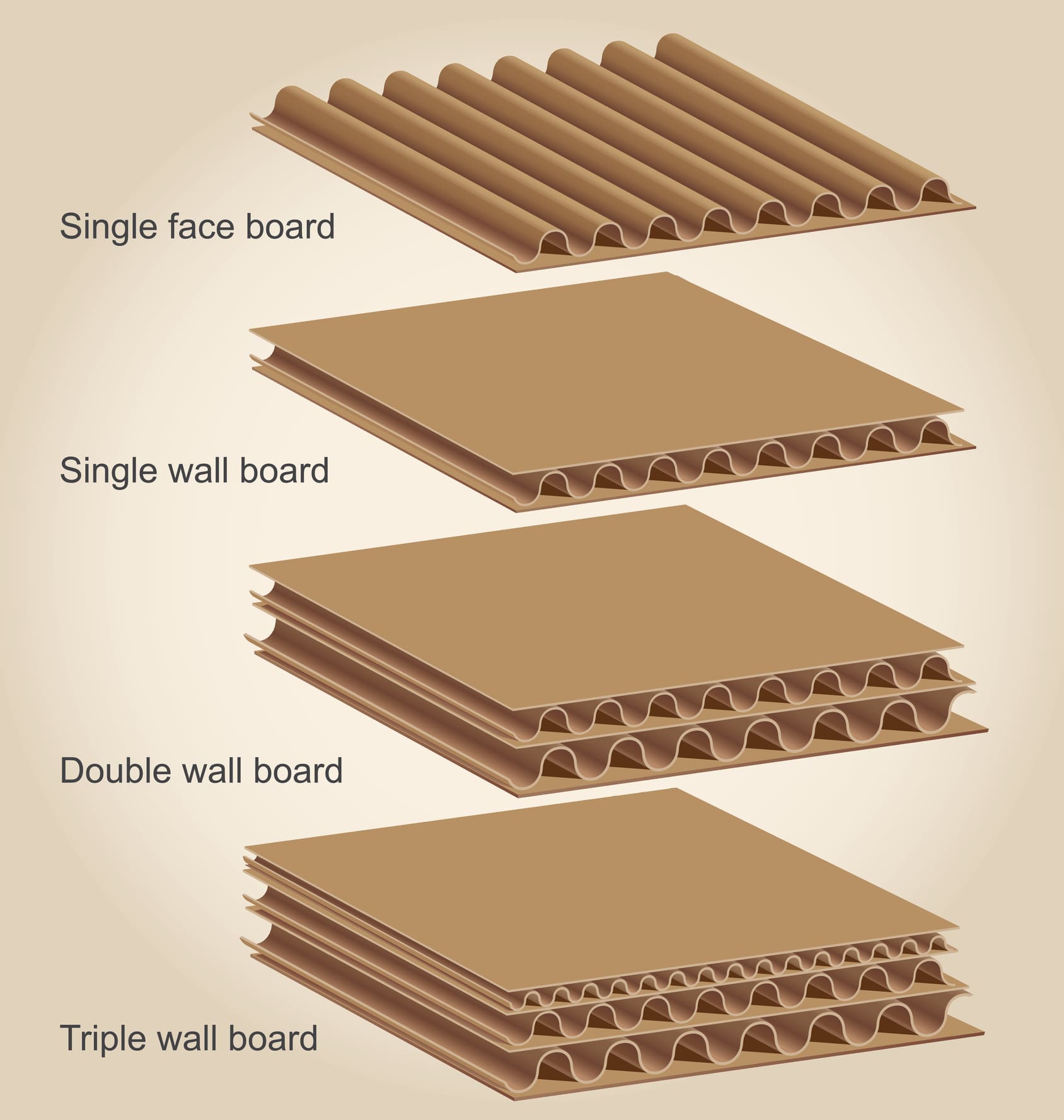
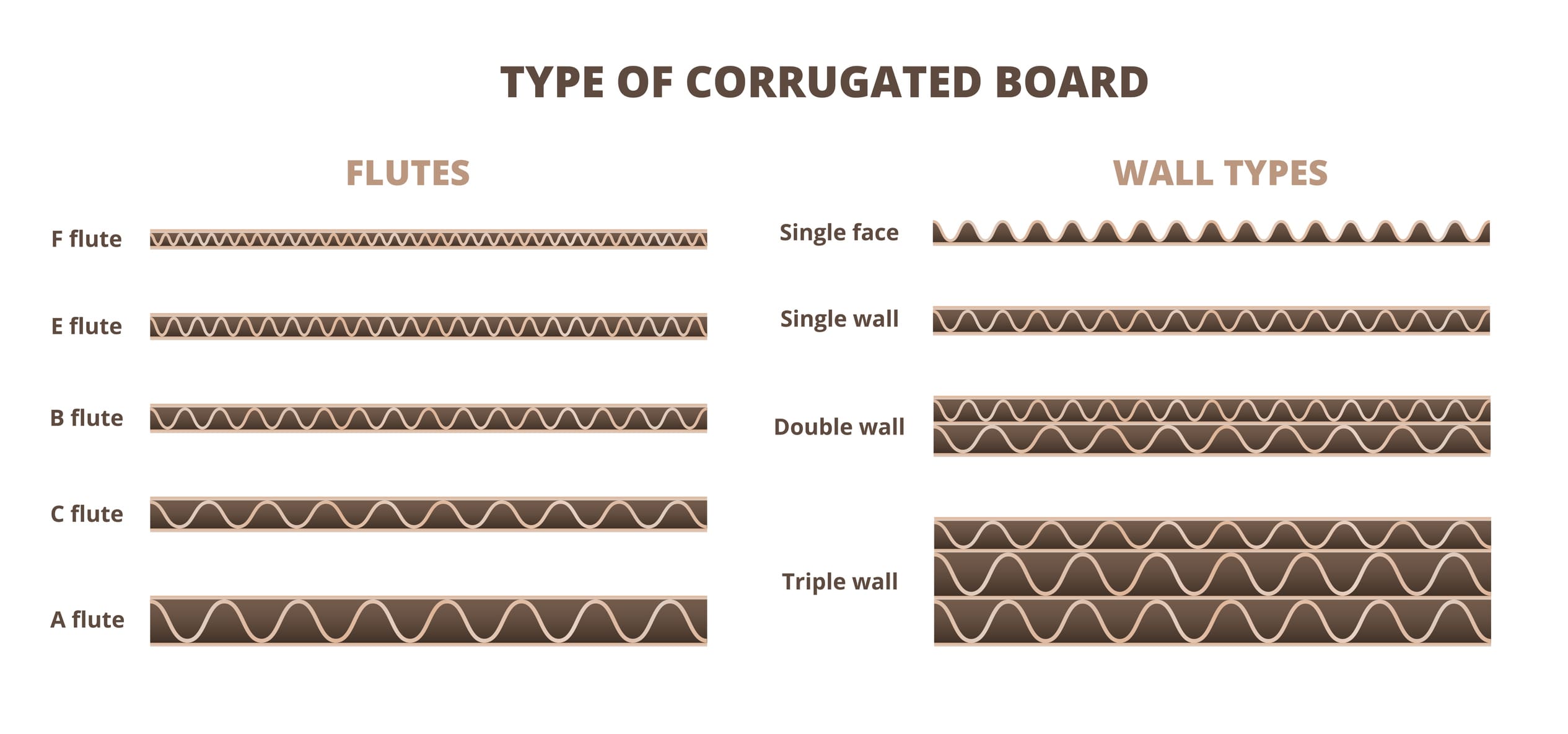
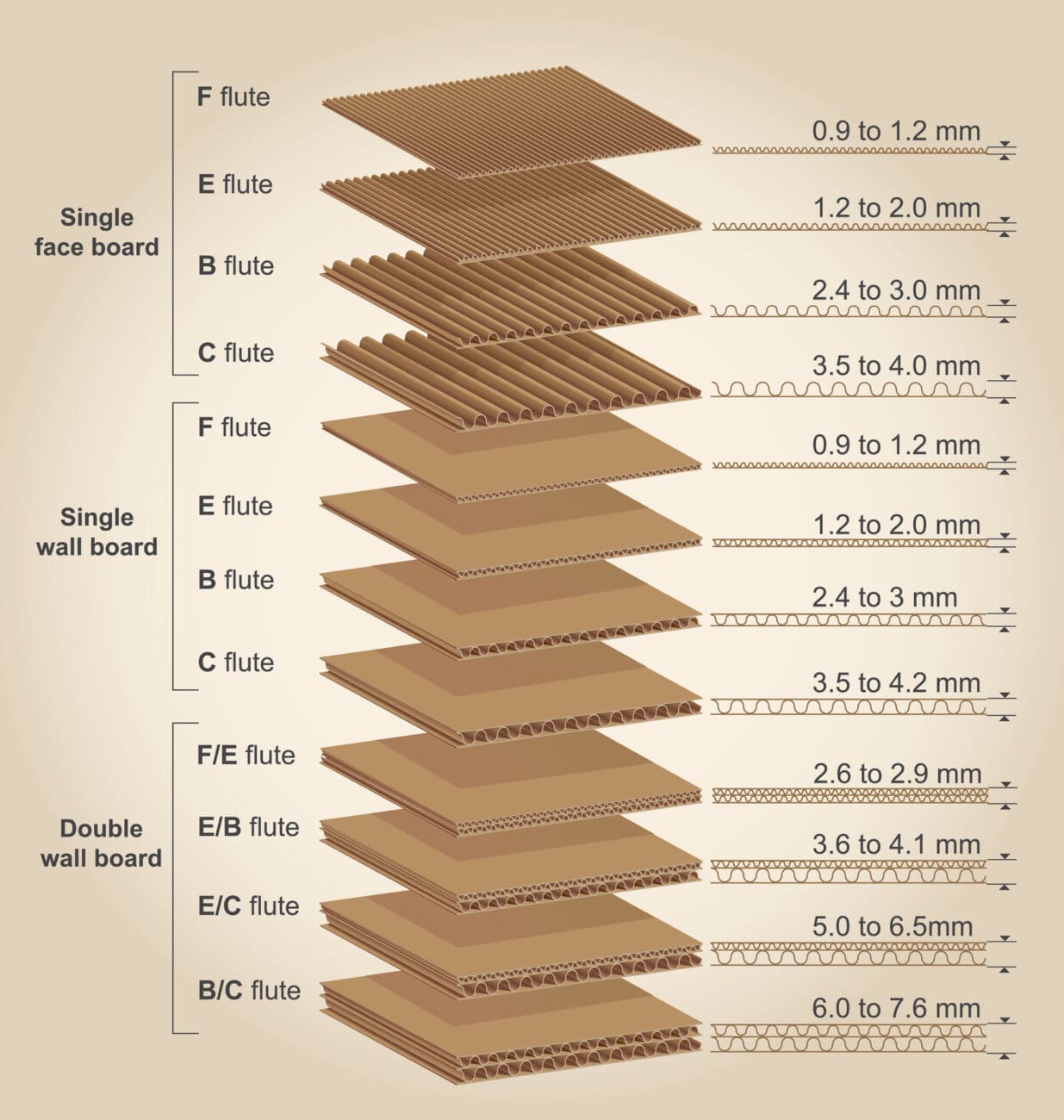
When it comes to packaging, boxes made from a material called corrugated board are among the most commonly used types today. Corrugated board consists of a fluted sheet sandwiched between two flat sheets of paperboard. This type of board is available in different grades and thicknesses, and is classified into three types: single wall, double wall, and triple wall.
Single Wall Board
Single wall board is the most basic type of corrugated board, consisting of a single layer of fluted paperboard sandwiched between two flat sheets of paperboard. Single wall board is available in different grades and thicknesses, and is ideal for packaging applications that require a lightweight and cost-effective solution. It is often used for shipping and storing small items such as books, clothing, and electronics, as well as for product displays, storage bins, and mailers.
Double Wall Board
Double wall board is made by combining two layers of fluted paperboard with three flat sheets of paperboard. This type of board is thicker and more durable than single wall board, and is ideal for packaging applications that require extra protection and strength. It is often used for shipping and storing heavier items such as appliances, furniture, and automotive parts, as well as for industrial packaging, retail displays, and point-of-purchase displays.
Triple Wall Board
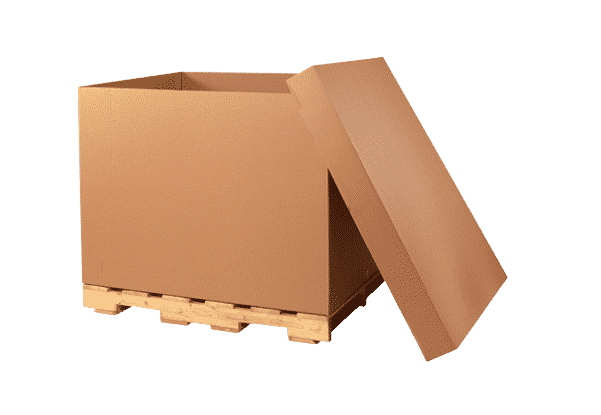
Triple wall board is the thickest and strongest type of corrugated board, made by combining three layers of fluted paperboard with four flat sheets of paperboard. This type of board is ideal for packaging applications that require maximum protection and strength. It is often used for shipping and storing extremely heavy items such as machinery, equipment, and bulk products, as well as for pallet boxes, crates, and reusable containers.
Choosing the Right Type of Board
When choosing the type of board for packaging, factors such as the weight and size of the product being shipped or stored, the shipping and handling conditions, and the intended use of the packaging should be considered. Single wall board is suitable for smaller and lighter items, while double wall or triple wall board is necessary for heavier and larger items that require extra protection and strength. For products that require maximum protection against shock, vibration, and impact, triple wall board is the best choice.
Summary: Corrugated Boards Explained
In conclusion, corrugated board is a versatile packaging material that offers various options for different packaging needs. By selecting the right type of board, businesses can ensure that their products are properly protected during transportation and storage.
If you are interested in any stock or custom corrugated packaging, then partner with Brown Packaging today to get started.
In packaging, foam isn’t just about initial protection — it’s about maintaining performance over the entire shipping or storage cycle. Compression set and recovery characteristics
Pouches are a go-to for flexibility and convenience, but they can fail in critical ways—from poor seals to punctures and delamination—that hurt performance and brand
In the retail environment, the placement of Point of Purchase (POP) displays is just as critical as their design and content. Strategic positioning can significantly
Choosing the right foam density isn’t about “soft” versus “hard” — it’s about controlling shock transmission and matching the foam’s cushioning curve to the product’s
Moisture resistance and dimensional stability are critical performance factors for custom inserts, especially when products are shipped or stored in variable climates. Both foam and
Sustainability in pet food packaging is not just about recyclability—it’s about reducing environmental impact across the entire lifecycle. For products with high barrier needs like
Home » Understanding Corrugated Board: Single Wall, Double Wall, and Triple Wall Packaging

When choosing corrugated packaging, box style directly impacts cost, strength, speed of packing, and customer experience. Two of the most common options are the Regular

As the popularity of subscription box services continues to surge, the competition in this rapidly evolving industry has become fiercer than ever. Custom packaging plays

As the packaging industry evolves, corrugated boxes continue to play a pivotal role in shipping, storage, and retail displays. In 2025, businesses will look for