

window.uetq = window.uetq || []; window.uetq.push(‘event’, ‘submit_lead_form’,{ event_label:‘SUBMIT MESSAGE’ }); window.lintrk('track', { conversion_id: 10271009 }); window.lintrk('track', { conversion_id: 10271017 });

U.S. vs. Mexico: Where To Source Packaging in 2025?

U.S. vs. Mexico: Where Should Companies Source Packaging in 2025?

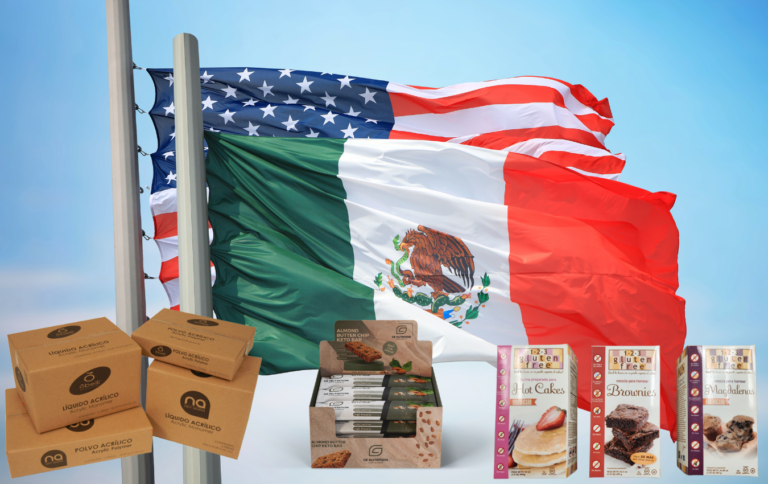
As companies seek cost-effective and reliable packaging solutions, many are weighing the pros and cons of sourcing from U.S. vs. Mexican suppliers in 2025. While Mexico offers lower labor costs and proximity advantages over Asia, the U.S. provides stronger quality control, faster lead times, and protection against rising tariffs. With evolving trade policies, supply chain challenges, and shifting business priorities, companies must carefully evaluate which option best aligns with their needs.

Comparing U.S. and Mexico Packaging Suppliers

Key Factors Driving Packaging Sourcing Decisions

Tariffs and Trade Policies

Tariffs continue to play a major role in sourcing decisions. The U.S.-Mexico-Canada Agreement (USMCA) provides duty-free trade on many packaging materials, making Mexico an attractive alternative to overseas suppliers. However, uncertainty around future tariffs on imported goods and new border trade regulations could impact long-term cost predictability. Meanwhile, U.S. suppliers avoid tariff risks entirely, offering a more stable pricing structure.

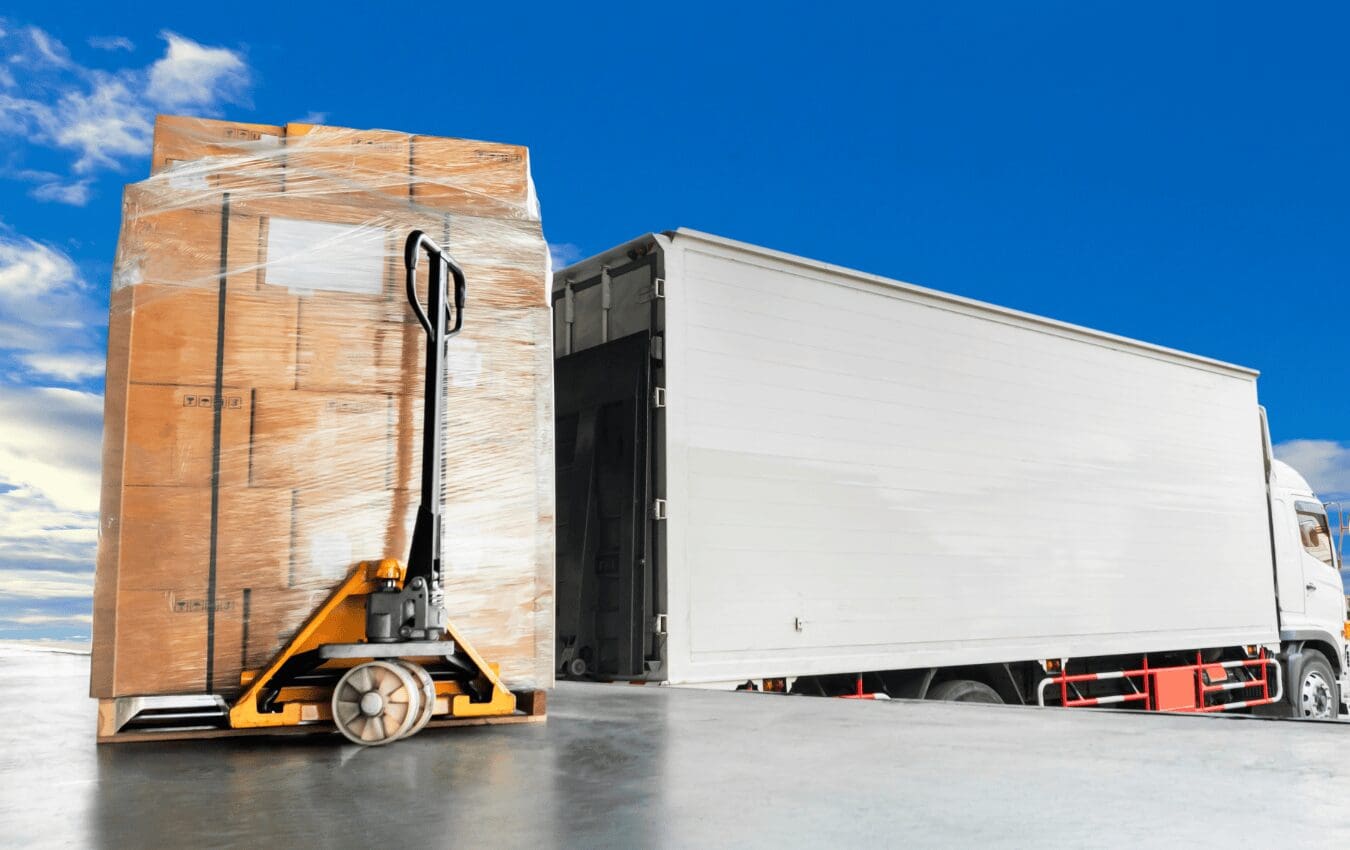
packaging supply chain

Cost Considerations

Mexico’s lower labor and operational costs give it an advantage over U.S. suppliers when it comes to raw production pricing. However, hidden costs such as import duties, transportation, and customs delays can add unexpected expenses. The U.S. offers more predictable costs, particularly as rising international shipping rates and potential regulatory shifts affect cross-border trade.

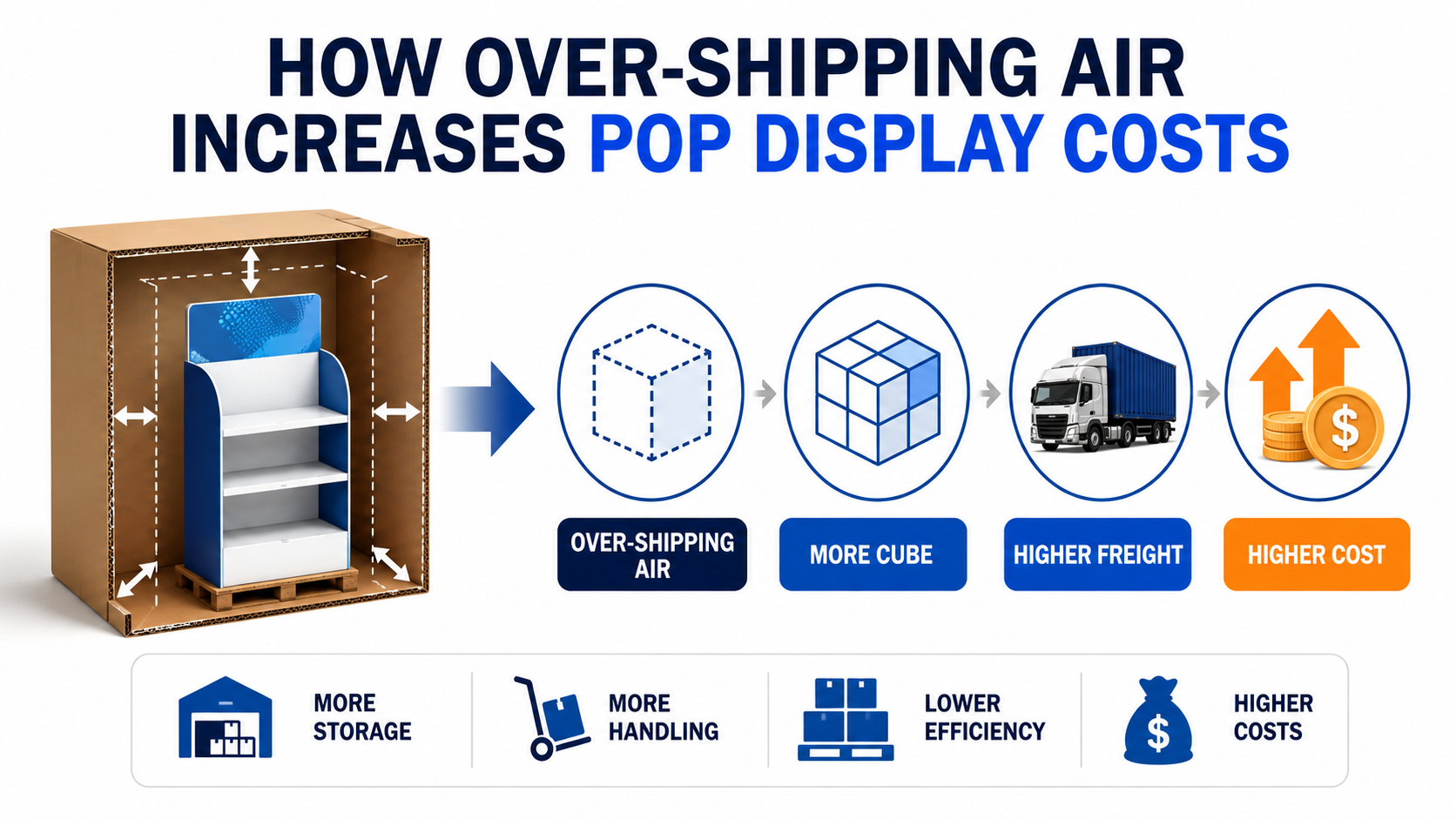
How Packaging Design Can Affect Your Freight Costs

Supply Chain Efficiency and Lead Times

  • U.S. Suppliers: Shorter lead times, faster domestic shipping, and just-in-time inventory solutions.
  • Mexico Suppliers: Proximity to the U.S. reduces shipping time compared to overseas, but border delays and customs clearance can create unpredictability.
  • Winner? U.S. suppliers generally provide faster and more reliable delivery for businesses needing quick turnaround times.
U.S. vs. Mexico: Where Should Companies Source Packaging in 2025?

Quality Control and Compliance

The U.S. has strict quality standards and regulatory oversight, ensuring that packaging meets industry-specific requirements for food, pharmaceuticals, and industrial goods. While many Mexican manufacturers adhere to high standards, inconsistent oversight and variations in material quality can pose challenges for certain industries.

Custom Medical Packaging With Fragile Labels

Customization and Branding Advantages

For companies needing custom-sized boxes, premium printing, or unique coatings, U.S. suppliers offer greater flexibility and quicker production adjustments. While Mexico can produce custom packaging, businesses may experience longer turnaround times due to distance and communication barriers.

Final Thoughts: Which Option is Best for Your Business?

  • Choose U.S. Packaging Suppliers if you prioritize faster lead times, stronger quality control, and tariff-free sourcing.
  • Choose Mexico Packaging Suppliers if you’re focused on cost reduction and are willing to navigate potential trade and logistics complexities.

As packaging supply chains continue to evolve in 2025, businesses must weigh the benefits and risks of each sourcing option carefully. Looking for a reliable U.S. packaging supplier? Contact Brown Packaging today for custom solutions tailored to your business needs!

Most Recent Posts:
Retail Packaging Trends for 2026

Retail packaging continues to evolve as brands balance sustainability, supply chain performance, and consumer experience. In 2026, buyers face new challenges shaped by material innovation, compliance requirements, and rising consumer

Read More »
Meeting 2026 Packaging Compliance Standards

Packaging compliance is no longer optional—it’s a requirement for accessing retail shelves, shipping networks, and international markets. In 2026, buyers must navigate evolving regulations around sustainability, labeling, and testing to

Read More »
Categories:
Subscribe To Our Newsletter

By submitting your information, you agree to our terms and conditions and privacy policy.

Corrugated Mailer
Custom Packaging
Facebook
Twitter
LinkedIn
Pinterest
Relevant Posts
Case Study: Custom Fin-Sealed Lay-Flat Pouches for Phat Snax
Case Study
brownpackaging
Case Study: Custom Fin-Sealed Lay-Flat Pouches for Phat Snax

Phat Snax is redefining the snack aisle with a mission to make America’s snacks better for you — without killing the flavor. Their products, like the Devil’s Cake, are high in protein, low in sugar, and made with real ingredients — no seed oils, no fake sugars, no artificial anything. Built around nostalgia and performance, Phat Snax represents a new wave of “snack with purpose” brands — bridging indulgence and health in one bite. To match that vision, they needed packaging that looked as bold, clean, and professional as their product tastes. *Images above show the finished product* Challenge As a growing snack manufacturer, Phat Snax needed packaging that looked like printed roll stock film used by national snack brands — but without investing in expensive flow-wrapper machinery. Traditional pouches lacked the fin seal and crisp structure that consumers associate with mainstream snack cakes. Without that detail, the product risked appearing “small-batch” instead of “retail-ready.” The goal was to create a pre-formed pouch that achieved the look, texture, and feel of roll stock — down to the seal and serrated edge. Solution Brown Packaging engineered a custom pre-formed lay-flat pouch with a fin seal and serrated edge to emulate flow-wrapped film packaging. The film structure was chosen for moisture resistance, shelf stability, and tight product fit, ensuring that each Devil’s Cake looked uniform and professional. To achieve a perfect balance between performance and brand expression: Multiple non-printed prototypes were hand-built and tested to refine sizing and form. Barrier materials were adjusted to maintain product freshness and flavor integrity. Artwork was applied to the final production die line, with registration and seal placement fine-tuned for print accuracy. The result captured the same polished, vibrant energy seen across Phat Snax’s branding — reinforcing their “better-for-you, no-compromise” message. Implementation The project moved from concept to production in under six weeks. Weeks 1–3: Brown Packaging created and tested prototypes across several materials and dimensions. Weeks 4–6: Finalized the structure, artwork, and production run. Each phase emphasized communication, testing, and precision, with only minor size adjustments needed before production. Outcome The finished pouches delivered exactly what Phat Snax envisioned — a flow-wrap look in a flexible pouch that feels right at home on the snack aisle. The new design: Loads and seals efficiently. Preserves product freshness. Elevates brand perception across retail and DTC channels. Client Feedback: “They look great!” Results ✅ Achieved a national-brand presentation without major equipment investment. ✅ Enhanced brand trust and consumer appeal with professional flow-wrap visuals. ✅ Optimized material performance for product protection and shelf stability. ✅ Streamlined production process for repeatable runs and quick restocks. Why It Matters For a fast-growing snack brand like Phat Snax, packaging isn’t just a container — it’s part of the product experience. The right pouch helped them project scale, consistency, and confidence on par with larger CPG competitors. Brown Packaging’s approach combined technical packaging expertise with brand-first thinking, ensuring Phat Snax could scale without sacrificing authenticity or presentation. Project Contact Alex Vom SteegAccount Manager | Brown Packaging📧 alex@brownpackaging.com | 📞 949-433-90781990 W Corporate Way, Anaheim, CA 92801www.brownpackaging.com Case Studies: Content Categories: Corrugated Ecommerce ESD Design Display Flexible Packaging Foam Folding Carton Packaging Plastic Packaging Pouch Printing Protection Retail Rigid Box Thermoform Sustainability Subscribe To Our Newsletter By submitting your information, you agree to our terms and conditions and privacy policy. Custom Pouches Facebook Twitter LinkedIn Pinterest Other Case Studies

Read More »
Custom Rigid Box
Packaging
brownpackaging
Custom Packaging: Striking the Right Balance Between Creativity and Functionality

In the ever-competitive business world, effective product packaging has evolved beyond mere containers used to secure goods for transit. Today, it serves as a powerful marketing tool, offering brands a unique way to showcase their identity, stir consumer emotions, and, ultimately, influence buying decisions. Yet, as compelling as innovative and creative packaging may be, it must never sacrifice its fundamental purpose – functionality. So, how do companies strike the right balance between creativity and functionality in custom packaging? This article will explore strategies that successful brands have employed in their quest for that golden equilibrium. Functionality: The Foundation of Effective Packaging Before we delve into creativity, let’s understand the basic premise of functionality. Packaging, at its core, should protect the product, facilitate its transportation, and provide relevant information about the contents. Without these, even the most beautifully designed packaging fails to fulfill its purpose. Therefore, as much as creativity is important, it must not overshadow these fundamental aspects. Protect the Product: Packaging should safeguard the product from damage, whether during transit or while sitting on the store shelf. This includes protection from external elements such as light, heat, moisture, and physical shock. Facilitate Transportation and Storage: Good packaging should be easy to handle, stack, and store, both for the retailer and the end customer. For example, the packaging design of bottled drinks often includes contours that enhance grip, making them easier to hold and pour. Provide Relevant Information: Lastly, effective packaging communicates crucial product details. This can range from nutritional information on food items, usage instructions on an electronic device, or the brand’s story to build a deeper connection with the consumers. Unleashing Creativity: More Than Just a Pretty Face Once the functional aspects are in place, it’s time to let the creative juices flow. Creative packaging can amplify a brand’s message, entice potential customers, and create memorable unboxing experiences. Reflect Your Brand: Your packaging is often the first physical interaction a customer has with your brand, so it should reflect your identity. From the colors used, the typography, to the overall aesthetics, every element should be in harmony with your brand personality. Engage the Senses: Great packaging doesn’t just look good; it engages multiple senses. Think about the texture of the packaging materials, the sound it makes when opened, or even the smell that’s released. This multi-sensory experience can create a more memorable interaction with your brand. Tell a Story: Storytelling is a powerful marketing tool. Use your packaging to tell your brand story or the story behind the product. This could be as subtle as using certain colors or images or as explicit as including a short narrative on the packaging. The Art of Balancing Creativity and Functionality The magic happens when brands manage to blend creativity and functionality seamlessly. Here are some strategies to consider: Consider the User’s Journey: Understanding your customer’s interaction with your product – from purchase, unboxing, usage, to disposal or recycling – can help shape the design process. For instance, some companies use reusable packaging that serves secondary functions, marrying utility with environmentally-friendly design. Materials Matter: The choice of packaging material can play a huge role in this balance. Innovative materials can add a unique touch to your packaging while ensuring robust protection. For instance, plant-based packaging can be molded into unique shapes and textures while providing excellent cushioning. Prototyping and Testing: Always prototype and test your packaging design. This includes stress tests to ensure product safety and focus groups or surveys to gather consumer feedback on its aesthetic and functional appeal. Innovation Through Technology: Advancements in packaging technology can open up new possibilities. Augmented Reality (AR), for instance, can bring packaging to life, offering a highly engaging and interactive experience while maintaining the package’s protective role. Consumers can simply point their smartphones at the packaging to access a wealth of information or interactive content. Eco-conscious Design: Today, functionality also means sustainability. Consumers are increasingly concerned about environmental impacts, so consider using recyclable materials or minimalistic designs to reduce waste. This not only fulfills the function of protection but also serves the larger purpose of environmental consciousness – a trait that could enhance your brand image. Successful Examples of Creative Yet Functional Packaging Many brands have successfully achieved this balance. Here are a few noteworthy examples: Nike’s Air Max 95 Box: Nike designed a shoebox for the Air Max 95 that resembled the shoe’s design. Not only did it create a unique unboxing experience, but the box was sturdy and protective, maintaining the fundamental functionality of shoe packaging. Puma’s Clever Little Bag: Puma replaced traditional shoe boxes with a reusable bag in a carton frame, reducing corrugated usage by 65%. This design retained its protective function while adding the creative element of a reusable bag for the customers, effectively telling a story about Puma’s commitment to sustainability. Fit Buns High Protein Bread: This brand used packaging that features a muscular arm graphic which also serves as a handle. It’s a playful touch that reinforces the product’s high-protein, healthy angle, while providing functionality in the form of an easy-to-carry package. In conclusion, the perfect blend of creativity and functionality in custom packaging can create a memorable brand experience, drive customer engagement, and ultimately fuel business growth. Striking this balance requires thoughtful design, innovative use of materials, rigorous testing, and a deep understanding of the customer’s journey. With the right approach, your packaging can serve as a powerful marketing tool that encapsulates your brand’s identity while serving its protective and informative roles impeccably. In the realm of custom packaging, it’s all about creating harmony between the practical and the creative, turning each package into a canvas that tells your brand’s story and a protective shell that ensures your product reaches your customer in pristine condition. The interplay between these elements can result in a packaging design that is as enchanting as it is effective, delighting your customers and setting your brand apart in the marketplace. If you are interested in custom packaging with a

Read More »
Advantages of Using Corrugated Packaging for Shipping
Corrugated
brownpackaging
Advantages of Using Corrugated Packaging for Shipping: A Comprehensive Guide

In the highly competitive realm of shipping and freight, one packaging material consistently stands out from the crowd – corrugated packaging. Known for its ribbed center, also known as “fluting,” sandwiched between two linerboards, corrugated packaging has emerged as the go-to solution for various industries seeking secure, efficient, and eco-friendly shipping options. This in-depth guide will elucidate the multitude of advantages associated with using corrugated packaging for shipping. Cost-Effectiveness Arguably, one of the most compelling advantages of corrugated packaging is its cost-effectiveness. The primary raw materials used to produce corrugated packaging are inexpensive, renewable, and readily available. Therefore, when businesses are seeking to package large volumes of goods without significantly inflating their operational costs, corrugated packaging becomes a financially savvy choice. Durability and Strength Contrary to what its lightweight nature may suggest, corrugated packaging boasts remarkable durability. This durability is primarily attributed to the unique structure of the corrugated sheet, with the fluting design imparting exceptional strength and rigidity. The fluting forms a series of connected arches, renowned for their ability to withstand considerable external pressures. This structural stability ensures the integrity of the goods within the packaging, even amidst the bumps and knocks that come with the transportation process. Versatility The versatility of corrugated packaging is yet another significant asset. Not only can corrugated packaging be easily cut, folded, and molded into an array of shapes and sizes to suit different products, but it can also be customized to reflect the branding of a business. This customization can include the use of specific colors, logos, and printed messages, serving a dual purpose of product protection and brand promotion. Moreover, there are different types of corrugated packaging available, such as single-wall, double-wall, or triple-wall, to cater to the varied needs of businesses. Unrivalled Protection Few packaging materials offer the level of protection that corrugated packaging provides. The corrugated sheet’s fluted layer forms an insulating buffer that safeguards products from potential damage due to impact, vibration, and even temperature fluctuations. This protection is critical in the shipping industry, where goods are often exposed to less-than-ideal handling and environmental conditions. Sustainability In our progressively environmentally conscious world, the eco-friendly nature of corrugated packaging offers a significant competitive advantage. The primary material in corrugated packaging, wood pulp, is a renewable resource. Furthermore, corrugated boxes are recyclable and biodegradable, contributing to waste reduction and promoting a circular economy. This environmental stewardship aligns with the increasing consumer demand for sustainable business practices, adding a valuable feather to a business’s sustainability cap. Ease of Use and Storage Lastly, the ease of use and storage associated with corrugated packaging should not be underestimated. These boxes are quick to assemble, easy to fill, secure, and even reuse. Their lightweight nature simplifies handling and transportation, reducing labor requirements and associated costs. Furthermore, when not in use, they can be easily collapsed and stored, saving valuable warehouse space and offering readiness for future use. Final Thoughts: Why Embrace Corrugated Packaging for Shipping? In conclusion, the multifaceted benefits of corrugated packaging for shipping are hard to ignore. From its affordability and impressive durability to its vast versatility, exceptional protective qualities, eco-friendly characteristics, and straightforward usage, corrugated packaging is a comprehensive solution to diverse shipping needs. Whether you’re transporting fragile items, heavy goods, or anything in between, corrugated packaging promises to deliver reliable, efficient, and sustainable results that contribute to business success. (714)300-0650 request@brownpackaging.com Most Recent Posts: Categories: Corrugated Ecommerce ESD Design Display Flexible Packaging Foam Folding Carton Packaging Plastic Packaging Pouch Printing Protection Retail Rigid Box Thermoform Sustainability Subscribe To Our Newsletter By submitting your information, you agree to our terms and conditions and privacy policy. Stock Corrugated Packaging Facebook Twitter LinkedIn Pinterest Relevant Posts

Read More »