

window.uetq = window.uetq || []; window.uetq.push(‘event’, ‘submit_lead_form’,{ event_label:‘SUBMIT MESSAGE’ }); window.lintrk('track', { conversion_id: 10271009 }); window.lintrk('track', { conversion_id: 10271017 });

Subscription Packaging Buyers’ Checklist for 2026

cosmetic subscription box

Subscription packaging continues to expand across beauty, food, lifestyle, and specialty products. Buyers must balance branding, protection, and sustainability while keeping fulfillment efficient. This checklist highlights the critical areas buyers should review in 2026 when sourcing or redesigning subscription packaging.

Branding and Unboxing Experience

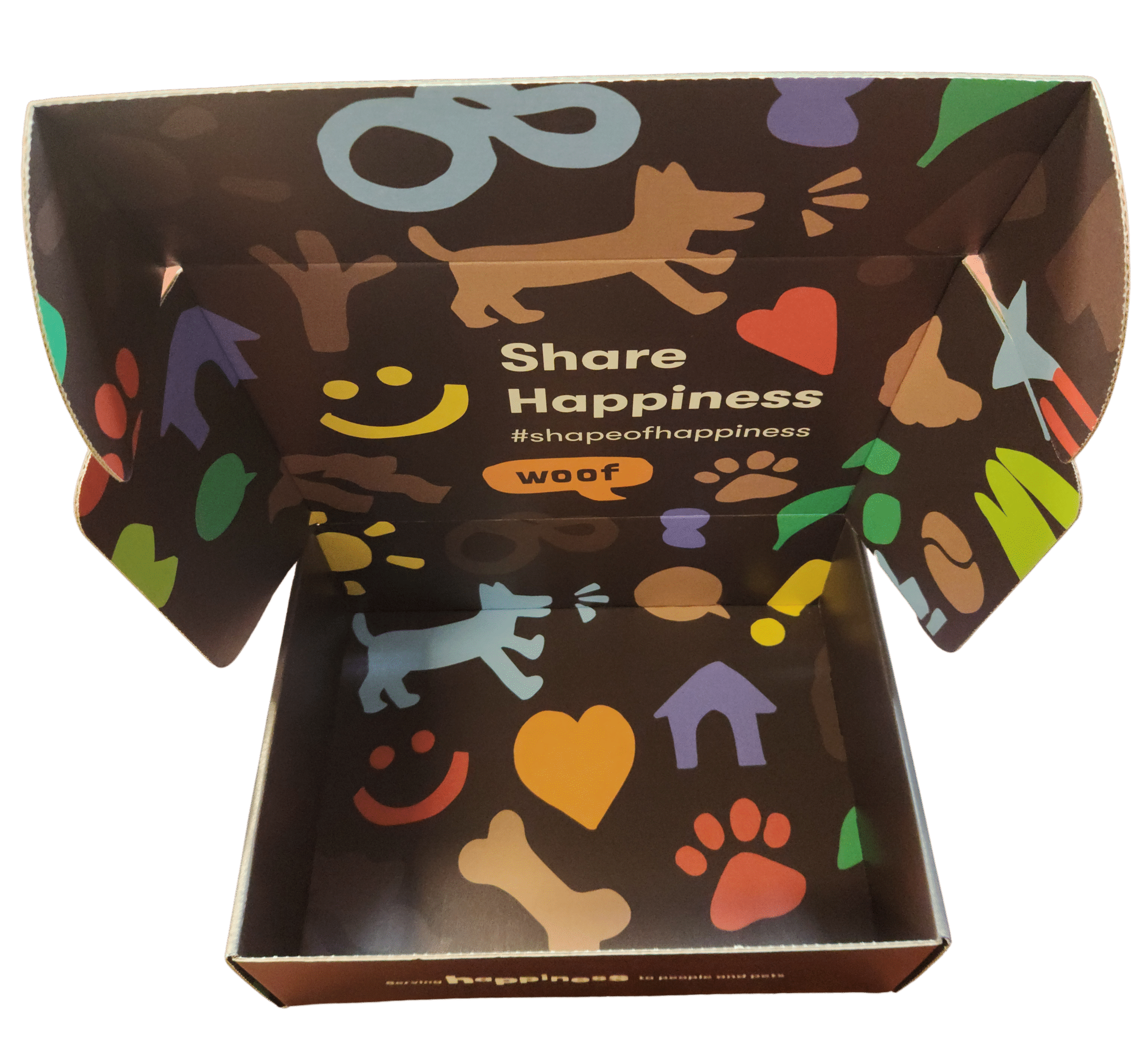
  • Seasonal or rotating graphics to keep unboxing fresh.
  • Premium finishes such as foil, embossing, or unique die-cuts.
  • Easy-open features like tear strips for convenience.

Right-Sizing and Efficiency

  • Reduce DIM charges with packaging tailored to product sizes.
  • Use modular designs to cover multiple SKUs with fewer box sizes.
  • Ensure packaging works with automation to speed fulfillment.
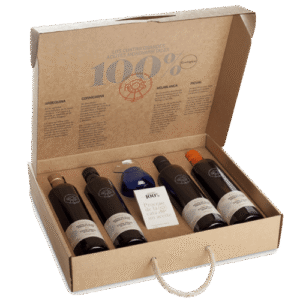
Mailer (Subscription Box)

Protection and Durability

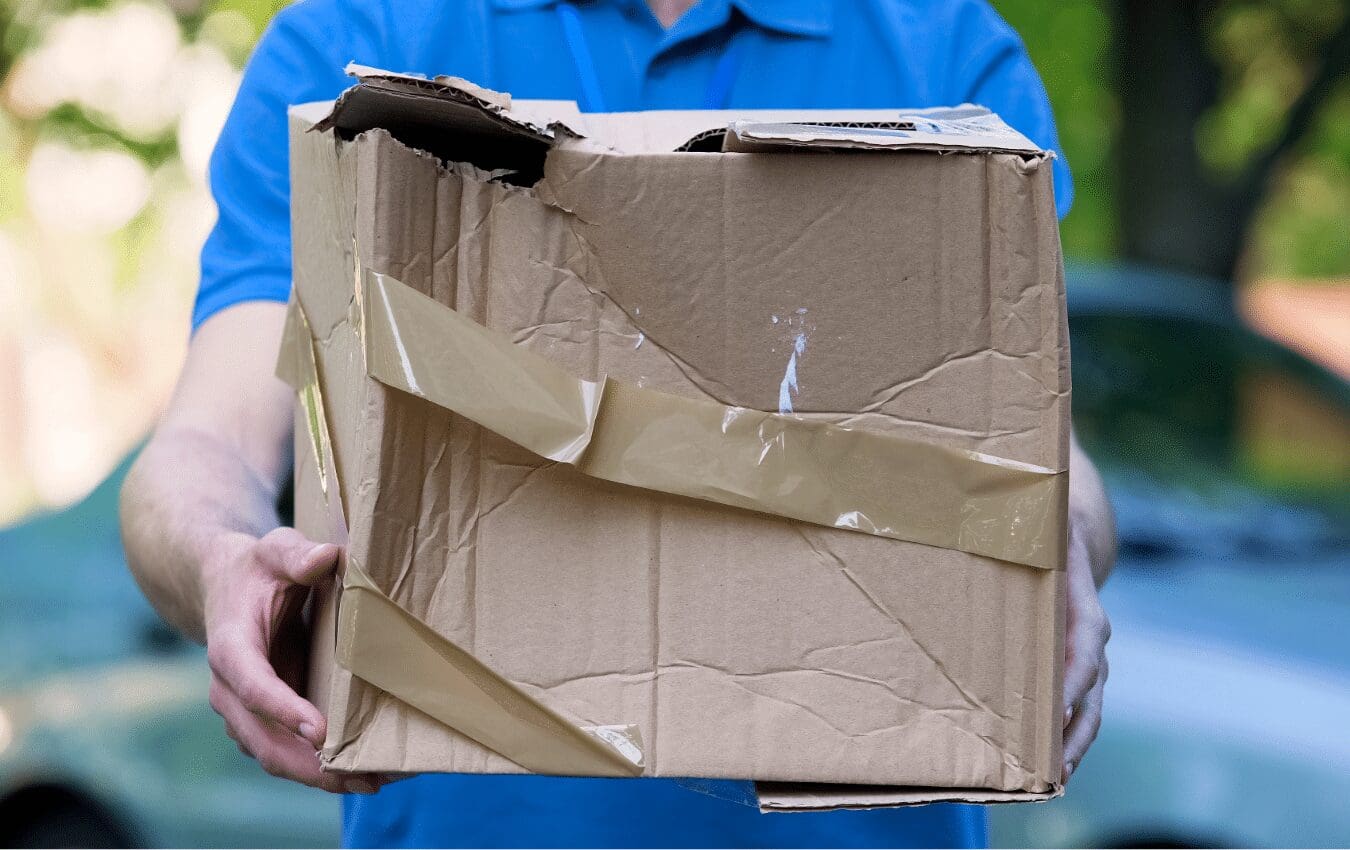
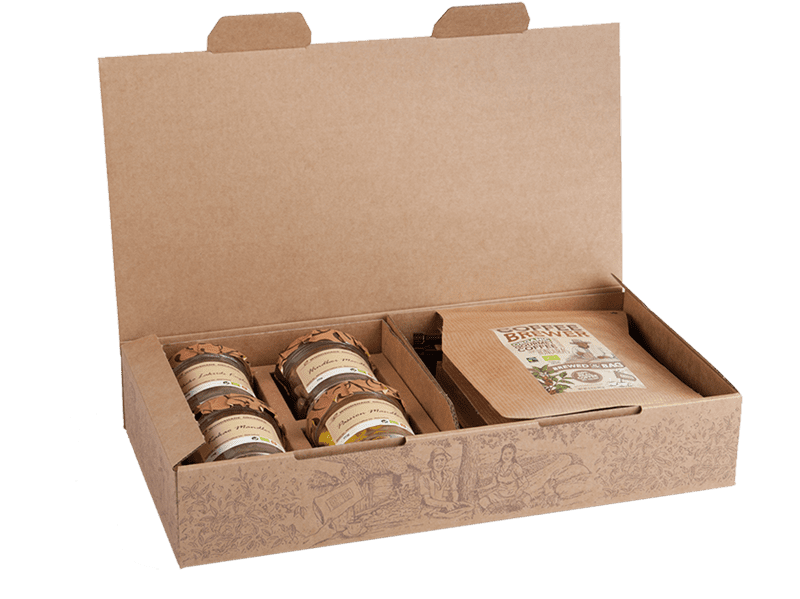
  • Inserts that prevent product shifting during transit.
  • ISTA-tested designs to withstand vibration and drops.
  • Moisture-resistant coatings for temperature-sensitive items.

Sustainability Requirements

  • FSC-certified corrugated or recycled substrates.
  • Recyclable coatings or compostable options.
  • Clear sustainability messaging to support consumer expectations.

Cost Control

  • SKU rationalization to limit unnecessary box variations.
  • Material selection that balances protection and price.
  • Supplier contracts that secure pricing for seasonal peaks.
Mailer Subscription Box

Packaging Solutions with Brown Packaging

Brown Packaging designs subscription packaging that combines branding, protection, and sustainability. From FSC-certified corrugated to custom inserts, our solutions help buyers create packaging that builds loyalty and controls costs in 2026. Contact us to review your subscription packaging program.

References


Sustainable Packaging Coalition. (2023). Subscription Packaging and Consumer Insights. Retrieved from https://sustainablepackaging.org
Forest Stewardship Council (FSC). (2023). FSC Certification Guidelines for Packaging. Retrieved from https://fsc.org
International Safe Transit Association (ISTA). (2023). ISTA Testing Procedures for Transport Packaging. Retrieved from https://ista.org

Most Recent Posts:
Retail Packaging Trends for 2026

Retail packaging continues to evolve as brands balance sustainability, supply chain performance, and consumer experience. In 2026, buyers face new challenges shaped by material innovation, compliance requirements, and rising consumer

Read More »
Categories:
Subscribe To Our Newsletter

By submitting your information, you agree to our terms and conditions and privacy policy.

Custom corrugated mailer box for wine subscription
Ecommerce Packaging
Facebook
Twitter
LinkedIn
Pinterest
Relevant Posts
6 Trends to Expect in 2024: Sustainable Flexible Packaging
Flexible Packaging
brownpackaging
6 Trends to Expect in 2024: Sustainable Flexible Packaging

The flexible packaging industry is experiencing a significant evolution as it leans into more sustainable practices. Amid growing environmental concerns, there’s a strong movement within the sector towards developing innovative, eco-friendly packaging solutions. This blog will delve into the most recent sustainable trends impacting the flexible packaging sector, pointing to a future where sustainability and innovation walk hand in hand. Adoption of Biodegradable and Compostable Materials Advancements in Recyclable Packaging Increased Use of Post-Consumer Recycled (PCR) Content Reduction in Packaging Sizes and Weights Innovation in Barrier Materials Investing in Sustainability Education and Transparency Adoption of Biodegradable and Compostable Materials As the world gradually moves away from single-use plastics, one trend that has taken center stage is the use of biodegradable and compostable materials in packaging. These materials are designed to break down naturally in the environment, minimizing their long-term impact on the ecosystem. For instance, some companies are turning to materials like Polyhydroxyalkanoates (PHA), which are fully biodegradable polymers derived from renewable resources. The aim is to make packaging that doesn’t just look good and protect the product, but also contributes positively to the planet. Advancements in Recyclable Packaging Recyclable materials offer another route towards more sustainable packaging. As recycling technologies improve, we are seeing a rise in the use of mono-material packaging — packaging composed of a single type of material, such as all-paper or all-polyethylene structures. This is a game-changer in the recycling process as it eliminates the need for separation, significantly simplifying the recycling process and ensuring that more waste is effectively recycled. Increased Use of Post-Consumer Recycled (PCR) Content Another trend making waves in the flexible packaging sector is the increased use of Post-Consumer Recycled (PCR) content. This involves using materials that have been previously used by consumers and then recycled. Using PCR content helps to lower the demand for new material production, reducing the overall environmental footprint of the packaging. Many companies are setting ambitious goals to incorporate a certain percentage of PCR content into their packaging within the coming years. Reduction in Packaging Sizes and Weights The drive towards sustainability is also encouraging brands to rethink the size and weight of their packaging. By reducing these aspects, companies can decrease the amount of raw material required in the packaging production process, leading to substantial environmental benefits. Furthermore, lighter packaging results in lower transportation emissions, another significant advantage in terms of reducing the carbon footprint. Innovation in Barrier Materials Traditionally, many flexible packaging options have relied on multi-layer structures to provide adequate barrier properties, protecting the contents from moisture, oxygen, and other damaging elements. However, these multi-layer formats can be difficult to recycle. As a response, the industry is innovating to develop high-performing, recyclable barrier materials. These new structures aim to maintain the same high level of protection for the packaged goods while also being easier to recycle, striking a balance between product protection and environmental responsibility. Investing in Sustainability Education and Transparency Many companies in the flexible packaging industry are investing in educating consumers about their sustainable efforts. They are providing information on their packaging about the materials used and how to recycle the packaging correctly. The idea is to involve consumers in the sustainability journey, allowing them to make informed decisions about the products they purchase. Conclusion: Flexible Packaging and Sustainable Trends With these sustainable trends, the future of the flexible packaging industry looks promising. While there are still challenges to overcome, significant strides are being made towards a more sustainable packaging landscape. As technology continues to advance and more innovative solutions are developed, it’s clear that sustainability is more than just a buzzword — it’s a commitment to our planet and future generations. So, in 2024, we can expect these trends to continue driving the flexible packaging industry toward a more sustainable and environmentally responsible future. If you are interested in sustainable and/or flexible packaging, then partner with Brown Packaging today to get started. (714)300-0650 request@brownpackaging.com Most Recent Posts: Categories: Corrugated Ecommerce ESD Design Display Flexible Packaging Foam Folding Carton Packaging Plastic Packaging Pouch Printing Protection Retail Rigid Box Thermoform Sustainability Subscribe To Our Newsletter By submitting your information, you agree to our terms and conditions and privacy policy. Custom Packaging Facebook Twitter LinkedIn Pinterest Relevant Posts

Read More »
Hammer & Anvils Folding Carton - Case Study
Folding Carton
brownpackaging
Engineering Folding Carton Features

Functional features like tear strips, windows, and hang tabs can enhance consumer experience and retail appeal—but they also introduce engineering challenges. Each modification affects structural strength, converting efficiency, and cost. This guide examines the technical considerations behind these common folding carton enhancements. Tear Strips Tear strips provide controlled access while maintaining tamper evidence until opened. Engineering Considerations: Placement: Must be positioned where it aligns with grain direction to avoid unpredictable tearing. Substrate Reinforcement: Removal of fibers weakens the panel; select caliper and fiber strength to compensate. Activation Features: Starter notches or pull tabs improve usability but require precise die-cut tolerances. Applications: Snack boxes, e-commerce ready-packaging, and promotional multi-packs. Windows Die-cut or film-covered openings that provide product visibility. Engineering Considerations: Board Strength Loss: Removing material reduces panel rigidity—reinforce with flanges or use thicker caliper. Film Selection: Polyester (PET) for clarity and strength; polypropylene (PP) for flexibility and cost savings. Attachment Method: Heat sealing for hermetic barriers; cold glue for standard retail windows. Applications: Bakery cartons, toy packaging, premium electronics. Hang Tabs Extensions with die-cut holes designed for pegboard display. Engineering Considerations: Load Bearing: Must withstand repeated handling without tearing; reinforced with lamination or added plies. Hole Shape: Rounded edges distribute stress better than sharp corners. Placement: Maintain center alignment for balance during display. Applications: Small electronics, blister card sleeves, impulse-buy products. Score and Perforation Modifications Used for easy-open panels or controlled folding in promotional displays. Engineering Considerations: Perforation Pattern: Ratio of cut-to-land determines tear resistance. Score Depth: Must be consistent to avoid tearing in unintended areas. Coating Impact: Gloss or film coatings may require modified perforation tooling for clean separation. Impact on Production Efficiency Die-Cutting Complexity: Additional features increase make-ready time and tooling wear. Feeding and Folding: Non-standard cutouts may catch on machine guides—prototype testing is critical. Waste Management: Window scrap and added features increase offcut volume. Balancing Aesthetics, Function, and Strength Every feature trades some structural integrity for consumer or retail benefit. The engineering goal is to design enhancements that maximize usability and shelf presence without compromising carton performance or running efficiency. References Soroka, W. (2014). Fundamentals of packaging technology (5th ed.). Institute of Packaging Professionals. ISBN: 978-1-930268-37-2 Twede, D., & Goddard, R. (2021). Cartons, crates and corrugated board: Handbook of paper and wood packaging technology (2nd ed.). DEStech Publications. ISBN: 978-1-60595-120-5 (714)300-0650 request@brownpackaging.com Most Recent Posts: Categories: Corrugated Ecommerce ESD Design Display Flexible Packaging Foam Folding Carton Packaging Plastic Packaging Pouch Printing Protection Retail Rigid Box Thermoform Sustainability Subscribe To Our Newsletter By submitting your information, you agree to our terms and conditions and privacy policy. Custom Folding Cartons Facebook Twitter LinkedIn Pinterest Relevant Posts

Read More »
The Role of Board Grade in Supply Chain Resilience
Corrugated
brownpackaging
The Role of Board Grade in Supply Chain Resilience

Why Board Grade Selection Matters In today’s volatile supply chain environment, packaging failures aren’t just a nuisance—they’re a liability. Damage in transit, product returns, and load instability all lead back to one foundational element: board grade. Whether you’re shipping across the country or staging products for long-term storage, the right corrugated board strength directly impacts product integrity, compliance, and bottom-line efficiency. Understanding Board Grade Classifications Corrugated board grade is defined by its burst strength (measured in pounds), edge crush test (ECT) rating, or basis weight in pounds per 1,000 square feet. The two most common standards: Mullen Test (Burst Strength): Measures resistance to puncture or rupture under pressure (e.g., 200#). Edge Crush Test (ECT): Measures stacking strength and compression resistance along the edge (e.g., 32 ECT). Higher board grades offer greater durability but come at a cost—so matching board performance to supply chain risk is key. How Board Grade Supports Supply Chain Resilience ✔ Reduces Transit DamageHeavier board grades (like 44 ECT or 275#) are essential for heavier items or mixed-pallet shipping. They prevent crushing under load and protect high-value products from collapse or impact. ✔ Improves Stacking StabilityIf your supply chain includes warehousing, transloading, or racking, poor stacking strength leads to bottom-box failures. ECT-rated boxes offer predictable stacking loads, enabling more reliable palletization strategies. ✔ Adapts to Environmental StressorsIn humid or high-temperature zones, lower-quality board can warp or delaminate. Upgrading to moisture-resistant coatings or wax-treated grades extends package integrity in unpredictable conditions. ✔ Meets Carrier and Retailer ComplianceMajor carriers and retailers (e.g., Amazon, Walmart) often require packaging that meets minimum board grade thresholds for specific product categories. Failing to comply can result in chargebacks or denied loads. Matching Board Grade to Application Lightweight Goods (<30 lbs): 32 ECT or 200# is often sufficient for controlled distribution. Midweight/Stacked Goods (30–65 lbs): 44 ECT or 275# single-wall offers better stability. Heavy or Fragile Items: 48 ECT+, 350# double-wall, or even triple-wall is standard for machinery, appliances, or multi-SKU master packs. Export Shipments: Double-wall with moisture resistance is critical for sea containers and extended transit. Why Resilience Now Means Cost Efficiency Later Skimping on board grade may reduce material costs short-term, but it increases risks throughout the supply chain: Higher damage rates Increased return logistics More manual rework at DCs Lower pallet efficiency By engineering packaging with the right board spec, brands can build flexibility into distribution—whether absorbing shock during LTL shipping or maintaining load stability during storage. Final Thoughts Your corrugated board grade isn’t just a spec—it’s a strategic decision that drives supply chain resilience. From minimizing product loss to meeting compliance and stacking standards, choosing the right board means fewer disruptions and greater operational continuity. At Brown Packaging, we help businesses select, test, and implement the right corrugated materials based on real-world demands. (714)300-0650 request@brownpackaging.com Most Recent Posts: Categories: Corrugated Ecommerce ESD Design Display Flexible Packaging Foam Folding Carton Packaging Plastic Packaging Pouch Printing Protection Retail Rigid Box Thermoform Sustainability Subscribe To Our Newsletter By submitting your information, you agree to our terms and conditions and privacy policy. Custom Corrugated Boxes Facebook Twitter LinkedIn Pinterest Relevant Posts

Read More »