

window.uetq = window.uetq || []; window.uetq.push(‘event’, ‘submit_lead_form’,{ event_label:‘SUBMIT MESSAGE’ }); window.lintrk('track', { conversion_id: 10271009 }); window.lintrk('track', { conversion_id: 10271017 });

Strength Testing for RSC Boxes: What Really Matters

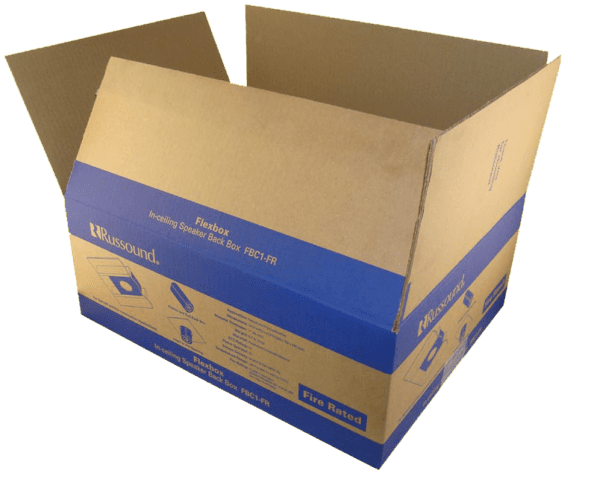
custom rsc box with print

RSC boxes are known for their efficiency and versatility, but their performance ultimately comes down to strength. Buyers often see numbers like ECT, BCT, and burst strength on specifications — but which tests matter most, and what do they actually measure? Choosing the right RSC depends on understanding how these tests translate to real-world shipping conditions.

Edge Crush Test (ECT)

What It Measures

  • Resistance of corrugated board to edgewise compressive forces.
  • Expressed in pounds per inch (e.g., 32 ECT).

Why It Matters

  • Directly tied to stacking strength and pallet performance.
  • The most common metric used in North America for corrugated box strength.

Limitations

  • Only measures board strength, not the full box.
  • Doesn’t account for humidity, handling abuse, or long-term compression.
Stretch Film

Box Compression Test (BCT)

What It Measures

  • Maximum load a finished box can withstand before collapsing.
  • Accounts for box size, design, and board strength.

Why It Matters

  • Most accurate predictor of how an RSC will perform in stacking and pallet loads.
  • Useful for optimizing board grades to reduce cost without risking damage.

Limitations

  • Requires lab testing of actual boxes.
  • Not always practical for small-volume or custom runs.

Burst Strength (Mullen Test)

What It Measures

  • Pressure required to rupture corrugated board by puncture.
  • Historically the go-to test before ECT became standard.

Why It Matters

  • Still relevant for industries where puncture or tearing is a higher risk than compression (e.g., heavy parts, bulk industrial goods).

Limitations

  • Doesn’t reflect stacking strength.
  • Often replaced by ECT in modern logistics.

Translating Tests to Real-World Performance

  • High-Volume E-Commerce: ECT rating is usually the key metric, especially for stacking in warehouses.
  • Heavy Industrial Products: Burst strength may be more relevant if products are sharp or heavy.
  • Palletized Loads: BCT is the best indicator, as it measures box and board performance together.
  • Moisture & Humidity: None of the above tests fully account for water absorption — additional treatments or coatings may be necessary.
Holiday Packaging and Supply Chain Stress

Buyer Takeaway

  • Look for ECT when evaluating basic strength requirements.
  • Prioritize BCT if your shipments are palletized or stacked in warehouses.
  • Consider burst strength if your products are heavy, sharp, or prone to puncture risks.
  • Remember: lab tests are only part of the story — real-world conditions like humidity, handling, and long-term storage will also affect performance.

References

  • Fibre Box Association. (2023). Box Performance Standards. https://www.fibrebox.org
  • TAPPI. (2024). Testing Methods for Corrugated Packaging. https://www.tappi.org
  • Soroka, W. (2016). Fundamentals of Packaging Technology (5th ed.). Institute of Packaging Professionals.
Most Recent Posts:
Common Failures In Pouch Packaging

Pouches are a go-to for flexibility and convenience, but they can fail in critical ways—from poor seals to punctures and delamination—that hurt performance and brand reputation. Understanding these failure points

Read More »
Categories:
Subscribe To Our Newsletter

By submitting your information, you agree to our terms and conditions and privacy policy.

custom rsc box with print
Regular Slotted Container
Facebook
Twitter
LinkedIn
Pinterest
Relevant Posts

Leave a Comment