



Home » Solid Bleached Sulfate (SBS) Folding Cartons Explained: Properties and Packaging Applications
Solid Bleached Sulfate (SBS) Folding Cartons Explained: Properties and Packaging Applications
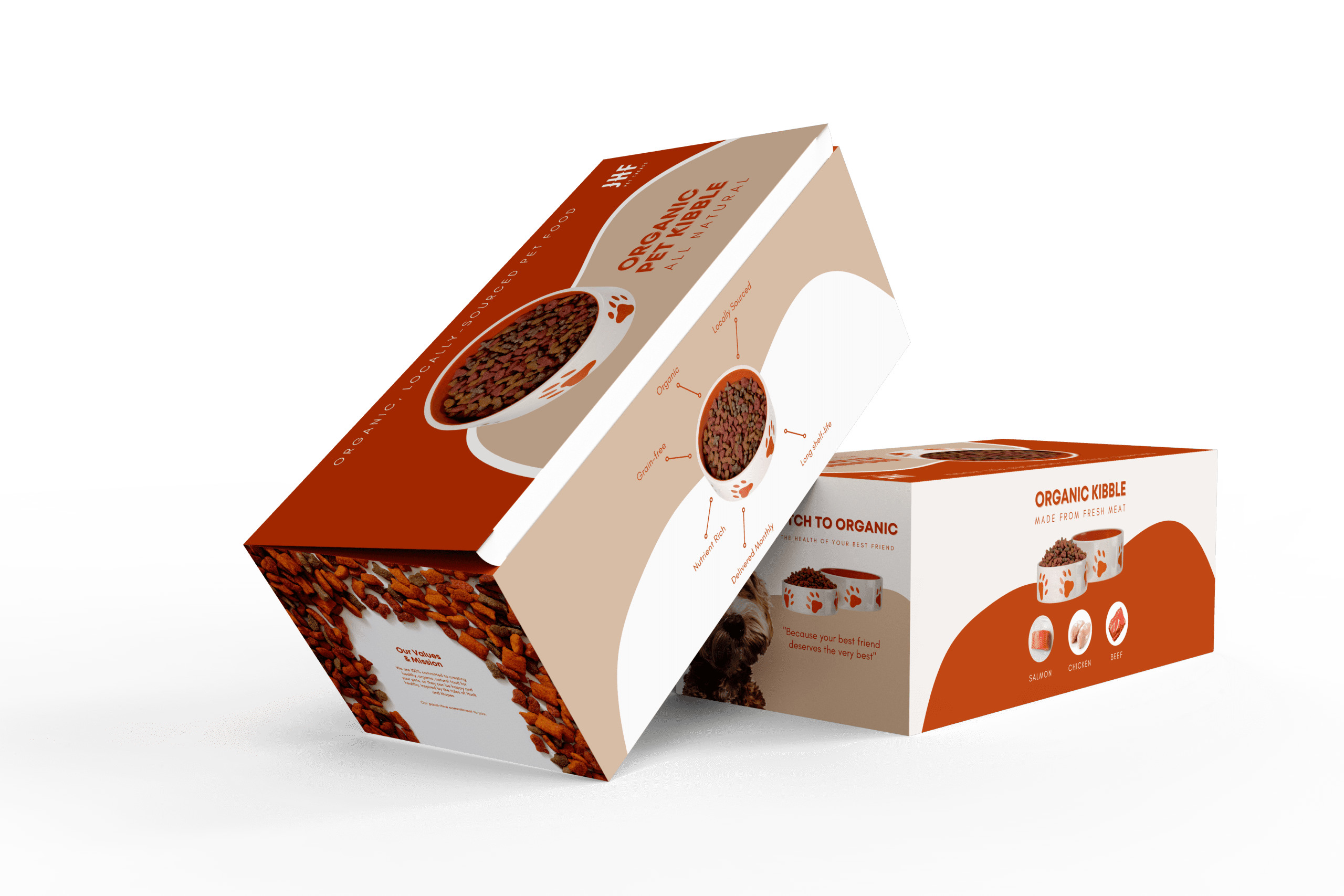
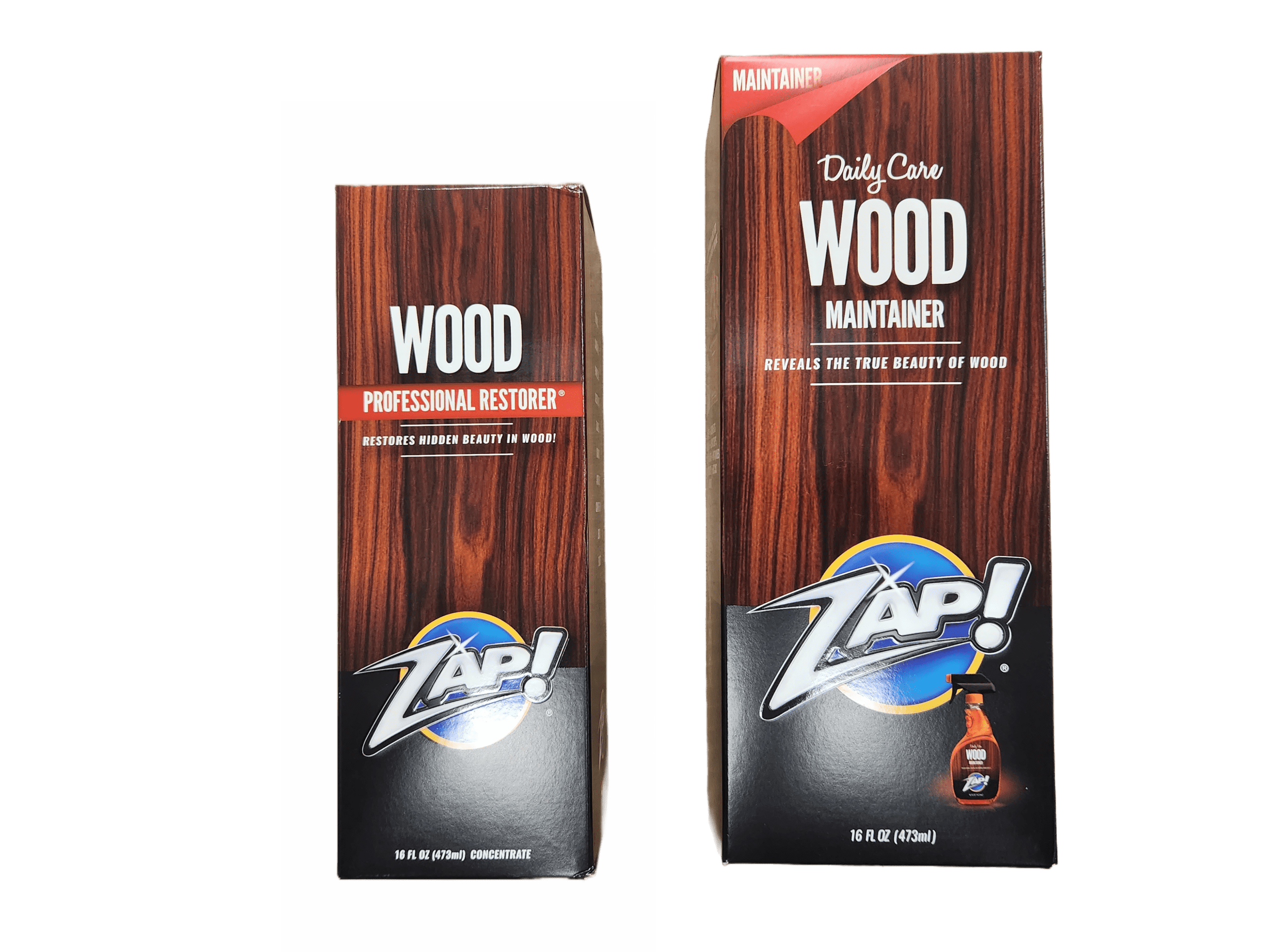
Solid Bleached Sulfate (SBS), often used under the umbrella term “paperboard,” is a common packaging material used in North America to package everyday consumer good products such as personal care, pharmaceuticals, snacks, confectionery, electronics, and other items. Typically, SBS material is used to manufacture folding cartons in addition to pads and packaging inserts.
What is Solid Bleached Sulfate?
SBS material is manufactured from hardwood and chemically pulped fibers that are bleached, refined, and formed into one or multi-ply board on fourdrinier-type paperboard machines. Once processed, the material is produced in to double sided white plain sheets.
They are coated 1 side or both sides. Coating helps to create a better surface for printing. It can be manufactured into a variety of densities to help manage material costs and strength required for product support.
Solid Bleached Sulfate Properties
SBS folding cartons have an ultra-smooth surface since the material is made with short hardwood fibers that are coated and polished, which makes a high level of quality offset lithography, flexography, and digital printing. SBS material is extremely versatile, high in quality and can be used for films, metalized foil laminations, embossing and other finishes, gluing and high-speed filling. In addition, this material can easily be manufactured in to a folding carton as it can be cleanly cut and printed with high speed.
Solid bleached sulfate is typically more costly to produce than other folding carton materials such other paperboard substrates. The durability of SBS folding cartons is adequate to hold small and lightweight items for long periods of time. However, overtime the material is susceptible to yellowing if exposed to sunlight or UV rays. Despite have good stiffness and compression capabilities, SBS folding cartons are not the most prominent in being tear resistant.
Solid Bleached Sulfate Folding Carton Applications
SBS folding cartons are highly versatile and made with quality material which makes it popular in a wide variety of packaging applications. However, due to its durability and strength limitations, SBS folding cartons are primarily used to package non-expensive, nonfragile, lightweight, and small items.
SBS folding cartons can come in many styles to help accommodate products. The most popular styles include straight tuck end (STE), reverse tuck end (RTE), auto bottom and full seal. See images below to compare the visual differences between the styles.
Straight Tuck End (STE) Folding Carton with hanging tab
Reverse Tuck End (RTE) Folding Carton with locking tab
Auto Bottom Folding Carton
Full Seal Folding Carton
Many industries such as food, electronic, medical, cosmetic use these folding cartons to display, ship and protect their products, as SBS material provides an ultra-surface and high-quality print options.
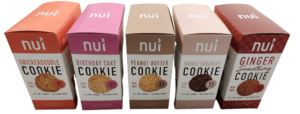
Common food packaging applications include: snacks, confectionary, cereal, bakery products and other items. For food applications, there are versions which are laminated with poly film for grease resistance.
Electronics packaging applications consist of accessories, toys, devices and more. Medical applications include medicine, devices, and other consumer goods. Beauty and personal care products supply such as eyeshadow, lipstick, lotion, face cream, serums and oils are packaged into SBS folding cartons.
Summary: Solid Bleached Sulfate Folding Cartons
Ultimately, SBS folding cartons are extremely versatile in customization and are primarily used by different industries to package a wide variety of items in highly competitive retail environment with its high visual graphics and smooth quality surface.
If you are interested in folding cartons, bringing your product to retail or improving an existing product’s packaging, then contact Brown Packaging today to get started.
Subscription packaging continues to expand across beauty, food, lifestyle, and specialty products. Buyers must balance branding, protection, and sustainability while keeping fulfillment efficient. This checklist highlights the critical areas buyers should review in 2026 when sourcing or redesigning subscription packaging. Branding and Unboxing Experience Seasonal or rotating graphics to keep unboxing fresh. Premium finishes such as foil, embossing, or unique die-cuts. Easy-open features like tear strips for convenience. Right-Sizing and Efficiency Reduce DIM charges with packaging tailored to product sizes. Use modular designs to cover multiple SKUs with fewer box sizes. Ensure packaging works with automation to speed fulfillment. Protection and Durability Inserts that prevent product shifting during transit. ISTA-tested designs to withstand vibration and drops. Moisture-resistant coatings for temperature-sensitive items. Sustainability Requirements FSC-certified corrugated or recycled substrates. Recyclable coatings or compostable options. Clear sustainability messaging to support consumer expectations. Cost Control SKU rationalization to limit unnecessary box variations. Material selection that balances protection and price. Supplier contracts that secure pricing for seasonal peaks. Packaging Solutions with Brown Packaging Brown Packaging designs subscription packaging that combines branding, protection, and sustainability. From FSC-certified corrugated to custom inserts, our solutions help buyers create packaging that builds loyalty and controls costs in 2026. Contact us to review your subscription packaging program. References Sustainable Packaging Coalition. (2023). Subscription Packaging and Consumer Insights. Retrieved from https://sustainablepackaging.orgForest Stewardship Council (FSC). (2023). FSC Certification Guidelines for Packaging. Retrieved from https://fsc.orgInternational Safe Transit Association (ISTA). (2023). ISTA Testing Procedures for Transport Packaging. Retrieved from https://ista.org (714)300-0650 request@brownpackaging.com Most Recent Posts: Categories: Corrugated Ecommerce ESD Design Display Flexible Packaging Foam Folding Carton Packaging Plastic Packaging Pouch Printing Protection Retail Rigid Box Thermoform Sustainability Subscribe To Our Newsletter By submitting your information, you agree to our terms and conditions and privacy policy. Ecommerce Packaging Facebook Twitter LinkedIn Pinterest Relevant Posts
As budgets tighten in 2026, packaging buyers are under pressure to reduce costs without increasing damage rates. Cutting too aggressively can lead to product loss, higher return rates, and frustrated customers. The key is balancing material use, box design, and supply chain efficiency so that savings do not come at the expense of protection. Where Packaging Costs Add Up Oversized boxes: Drive dimensional weight charges. Excess materials: Overuse of void fill and inserts. Complex SKU mix: Redundant sizes increase inventory costs. Inefficient freight: Poor palletization and stacking. Cost-Saving Strategies That Maintain Protection Right-sizing: Match box size to product dimensions to cut DIM charges and material use. Optimize corrugated grades: Switch to single- or double-wall where appropriate without compromising strength. Consolidate SKUs: Streamline packaging options to reduce inventory overhead. Efficient inserts: Replace foam or excess dunnage with engineered corrugated or molded pulp. Supplier contracts: Negotiate based on annual volumes, not just peak season orders. Testing Before Implementing Changes Use ASTM and ISTA protocols to ensure changes won’t increase product damage. Test for compression, vibration, and drop resistance. Run pilot shipments before scaling across the supply chain. Balancing Sustainability and Cost Eco-friendly doesn’t have to mean expensive: Use recyclable coatings to reduce plastic films. Choose corrugated designs that require less material while maintaining stacking strength. Highlight sustainable solutions in marketing to offset cost concerns. Packaging Solutions with Brown Packaging Brown Packaging helps companies lower costs while protecting products across the supply chain. From SKU rationalization to right-sized corrugated solutions, our team ensures packaging savings don’t compromise performance. Contact us to optimize your packaging program. References Soroka, W. (2009). Fundamentals of Packaging Technology (4th ed.). Institute of Packaging Professionals.ASTM International. (2023). ASTM D4169: Standard Practice for Performance Testing of Shipping Containers and Systems.Sustainable Packaging Coalition. (2023). Packaging Efficiency and Waste Reduction Report. Retrieved from https://sustainablepackaging.org (714)300-0650 request@brownpackaging.com Most Recent Posts: Categories: Corrugated Ecommerce ESD Design Display Flexible Packaging Foam Folding Carton Packaging Plastic Packaging Pouch Printing Protection Retail Rigid Box Thermoform Sustainability Subscribe To Our Newsletter By submitting your information, you agree to our terms and conditions and privacy policy. Custom Packaging Facebook Twitter LinkedIn Pinterest Relevant Posts
Product damage is one of the most expensive risks in packaging. Beyond replacement costs, damaged goods lead to lost sales, returns, and reputational harm. In 2026, complex e-commerce, global shipping, and automation create new challenges for packaging buyers. The right materials, testing, and design strategies are critical to protecting products while controlling costs. Why Damage Prevention Matters Financial losses: Damaged products increase replacement and freight costs. Customer impact: Poor delivery experience reduces loyalty and repeat sales. Sustainability: Returns and waste drive higher carbon footprints. Compliance: Retailers often impose penalties for damaged shipments. Common Causes of Product Damage Compression: Pallet stacking weakens boxes in transit. Vibration and shock: Long-haul shipping increases risk. Moisture exposure: Humidity and rain compromise corrugated performance. Poor right-sizing: Oversized boxes allow product movement inside. Strategies to Reduce Damage in 2026 Right-size packaging: Minimize empty space and movement. Material optimization: Choose the correct corrugated grade for load demands. Protective inserts: Molded pulp or engineered corrugated reduce shock. Moisture-resistant coatings: Defend against water and humidity. Automation-friendly design: Prevent jams that damage products on high-speed lines. Testing Protocols for Damage Prevention ISTA testing: Simulates vibration, drops, and compression. ASTM standards: Validate packaging strength and durability. Pilot shipments: Real-world trials confirm lab results. Packaging Solutions with Brown Packaging Brown Packaging designs solutions that minimize damage across today’s complex supply chains. From right-sized corrugated to ISTA-tested inserts, we help buyers protect products while reducing costs. Contact us to strengthen your packaging program. References ASTM International. (2023). ASTM D4169: Standard Practice for Performance Testing of Shipping Containers and Systems.International Safe Transit Association (ISTA). (2023). ISTA Testing Procedures for Transport Packaging. Retrieved from https://ista.orgSoroka, W. (2009). Fundamentals of Packaging Technology (4th ed.). Institute of Packaging Professionals. (714)300-0650 request@brownpackaging.com Most Recent Posts: Categories: Corrugated Ecommerce ESD Design Display Flexible Packaging Foam Folding Carton Packaging Plastic Packaging Pouch Printing Protection Retail Rigid Box Thermoform Sustainability Subscribe To Our Newsletter By submitting your information, you agree to our terms and conditions and privacy policy. Custom Packaging Facebook Twitter LinkedIn Pinterest Relevant Posts
Retail packaging continues to evolve as brands balance sustainability, supply chain performance, and consumer experience. In 2026, buyers face new challenges shaped by material innovation, compliance requirements, and rising consumer expectations. Understanding these trends helps companies stay competitive while aligning packaging programs with industry standards. Sustainability Becomes Non-Negotiable Greater use of recyclable and compostable substrates. Retailers pushing suppliers toward FSC-certified materials. Minimalist designs that reduce waste without losing impact. Smarter Packaging for Supply Chains Increased adoption of right-sizing to reduce freight costs. Boxes designed for automation and faster fulfillment. Stronger corrugated grades to withstand long e-commerce journeys. Enhanced Consumer Experience Custom graphics for seasonal campaigns and limited editions. Tear strips, resealable closures, and window cutouts for convenience. Premium finishes that elevate gift packaging at retail. Growth of Hybrid Packaging Formats Combining corrugated strength with folding carton graphics. Modular designs for multi-SKU and club store environments. Packaging engineered to serve both e-commerce and in-store needs. Compliance and Testing Standards Retailers demanding ISTA and ASTM testing for packaging durability. Supply chain audits on recyclability and sustainability claims. More pressure for transparent reporting on environmental impact. Retail Packaging Solutions with Brown Packaging Brown Packaging helps brands adapt to evolving retail packaging trends. From sustainable substrates to automation-friendly designs, our solutions balance branding, durability, and compliance for 2026. Contact us to prepare your packaging program for the year ahead. References Forest Stewardship Council (FSC). (2023). FSC Packaging Certification Guidelines. Retrieved from https://fsc.orgSustainable Packaging Coalition. (2023). Packaging Trends and Consumer Insights. Retrieved from https://sustainablepackaging.orgSoroka, W. (2009). Fundamentals of Packaging Technology (4th ed.). Institute of Packaging Professionals. (714)300-0650 request@brownpackaging.com Most Recent Posts: Categories: Corrugated Ecommerce ESD Design Display Flexible Packaging Foam Folding Carton Packaging Plastic Packaging Pouch Printing Protection Retail Rigid Box Thermoform Sustainability Subscribe To Our Newsletter By submitting your information, you agree to our terms and conditions and privacy policy. Custom Packaging Facebook Twitter LinkedIn Pinterest Relevant Posts
Supplier contracts can make or break a packaging program. Without the right terms, buyers risk price volatility, missed lead times, and inconsistent product quality. In 2026, negotiating smart contracts is essential for controlling costs, securing reliable supply, and meeting compliance requirements. Why Packaging Contracts Matter Cost stability: Protects against sudden raw material price spikes. Supply security: Ensures availability during peak demand. Quality control: Aligns suppliers with testing and compliance standards. Operational efficiency: Streamlines purchasing and reduces administrative burden. Key Terms Buyers Should Negotiate Volume commitments: Secure better pricing with accurate forecasts. Price adjustment clauses: Define when and how costs can change. Lead times and delivery windows: Avoid shortages and production delays. Testing and compliance: Require ISTA, ASTM, or FSC certification where applicable. Sustainability commitments: Ensure suppliers align with environmental goals. Risks of Weak Contracts Paying inflated prices during market fluctuations. Receiving inconsistent corrugated strength or print quality. Missed shipments leading to costly expedited freight. Difficulty meeting retailer or regulatory compliance. Best Practices for Buyers in 2026 Leverage data: Use past order history to negotiate realistic volumes. Dual sourcing: Maintain backup suppliers for risk management. Annual reviews: Reassess terms to reflect changes in demand and compliance. Collaborative approach: Treat suppliers as partners, not just vendors. Packaging Solutions with Brown Packaging Brown Packaging helps buyers secure strong supplier contracts that balance cost, quality, and supply chain reliability. Our partnerships and industry expertise ensure your packaging program is protected for 2026 and beyond. Contact us to discuss supplier solutions. References Soroka, W. (2009). Fundamentals of Packaging Technology (4th ed.). Institute of Packaging Professionals.Fiber Box Association. (2024). Corrugated Packaging Market Outlook. Retrieved from https://www.fibrebox.orgSustainable Packaging Coalition. (2023). Supplier Standards for Sustainable Packaging. Retrieved from https://sustainablepackaging.org (714)300-0650 request@brownpackaging.com Most Recent Posts: Categories: Corrugated Ecommerce ESD Design Display Flexible Packaging Foam Folding Carton Packaging Plastic Packaging Pouch Printing Protection Retail Rigid Box Thermoform Sustainability Subscribe To Our Newsletter By submitting your information, you agree to our terms and conditions and privacy policy. Custom Packaging Facebook Twitter LinkedIn Pinterest Relevant Posts
Packaging compliance is no longer optional—it’s a requirement for accessing retail shelves, shipping networks, and international markets. In 2026, buyers must navigate evolving regulations around sustainability, labeling, and testing to avoid costly fines, rejected shipments, or damaged customer relationships. Why Compliance Matters in 2026 Retail requirements: Major retailers demand FSC, ISTA, and sustainability certifications. E-commerce standards: Carriers enforce dimensional weight and package testing rules. Global trade: Export packaging must comply with ISPM 15, ASTM, and ISO guidelines. Consumer trust: Transparency in packaging claims impacts purchasing decisions. Key Compliance Areas for Buyers Material sourcing: FSC-certified corrugated and board for sustainability. Labeling standards: GS1-compliant barcodes and accurate product details. Durability testing: ISTA and ASTM protocols for drop, vibration, and compression. Sustainability regulations: Requirements for recyclable or compostable materials. Chemical restrictions: Compliance with FDA, EU, or state-specific standards. Common Compliance Challenges Keeping up with frequent regulatory changes. Managing multiple certifications across suppliers. Balancing compliance with cost-efficiency. Verifying supplier claims for sustainability. Best Practices for Staying Compliant Audit suppliers annually to confirm certification validity. Run internal packaging tests before scaling. Track regulatory updates for each region you ship to. Work with experienced partners who understand industry compliance. Packaging Solutions with Brown Packaging Brown Packaging helps buyers meet 2026 compliance standards with FSC-certified materials, ISTA-tested designs, and regulatory expertise. Our team ensures your packaging meets retailer, carrier, and sustainability requirements. Contact us to keep your program compliant. References Forest Stewardship Council (FSC). (2023). FSC Certification Guidelines for Packaging. Retrieved from https://fsc.orgInternational Safe Transit Association (ISTA). (2023). ISTA Testing Procedures for Transport Packaging. Retrieved from https://ista.orgGS1. (2024). Global Standards for Packaging and Labeling. Retrieved from https://www.gs1.org (714)300-0650 request@brownpackaging.com Most Recent Posts: Categories: Corrugated Ecommerce ESD Design Display Flexible Packaging Foam Folding Carton Packaging Plastic Packaging Pouch Printing Protection Retail Rigid Box Thermoform Sustainability Subscribe To Our Newsletter By submitting your information, you agree to our terms and conditions and privacy policy. Custom Packaging Facebook Twitter LinkedIn Pinterest Relevant Posts
Home » Solid Bleached Sulfate (SBS) Folding Cartons Explained: Properties and Packaging Applications

Sustainability in pet food packaging is not just about recyclability—it’s about reducing environmental impact across the entire lifecycle. For products with high barrier needs like dry kibble, wet food, and treats, material selection and package design must balance performance with end-of-life recovery options. Recyclable Mono-Material Films Description: Stand-up pouches made entirely from polyethylene (PE) or polypropylene (PP), eliminating the mixed-material layers that complicate recycling. Benefits: Compatible with store drop-off or curbside recycling (where accepted). Limitations: Barrier performance may be lower than multi-material laminates; suitable for short-to-medium shelf life SKUs. Example Specs: PE/PE or BOPP PE structures with EVOH for oxygen barrier. Post-Consumer Recycled (PCR) Content Description: Incorporating recycled resin into packaging layers. Benefits: Reduces virgin resin use and carbon footprint. Limitations: PCR clarity and odor control can be challenging for food-contact layers; often used in non-contact outer layers. Compliance: Must meet FDA or EFSA standards for food contact when used in inner layers. Compostable Packaging Description: Materials that break down under industrial or home composting conditions, such as PLA films or paper-based laminates. Benefits: Diverts waste from landfill. Limitations: Limited barrier performance; industrial composting infrastructure is not widely available in all regions. Use Case: Small pet treat pouches or sample packs with short shelf life. Paper-Based Pet Food Bags Description: Multiwall paper sacks with an inner moisture barrier (e.g., PLA, PE, or EVOH-coated papers). Benefits: Renewable resource, strong branding potential. Limitations: Inner barrier layer may reduce recyclability; requires proper sealing to maintain freshness. Application: Bulk dry food and farm animal feed. Lightweighting Strategies Description: Reducing film thickness or container wall gauge without compromising barrier performance. Benefits: Less material use per unit, lower transport emissions. Techniques: Resin down-gauging, structural ribbing in rigid containers, optimized pouch dimensions. Design for Recovery Mono-Material Construction: Eliminates separation challenges at recycling facilities. Removable Labels/Windows: Improves yield in recycling streams. Standardized Resins: PET, HDPE, and LDPE have the most established recovery pathways. References ASTM International. (2018). ASTM D6400-19: Standard specification for labeling of plastics designed to be aerobically composted in municipal or industrial facilities. ASTM International. https://doi.org/10.1520/D6400-19Food and Drug Administration. (2023). Recycled plastics in food packaging. U.S. Food and Drug Administration. https://www.fda.gov/food/packaging-food-contact-substances-fcs/recycled-plastics-food-packagingEuropean Food Safety Authority. (2023). Safety assessment of recycled plastics for food contact use. European Food Safety Authority. https://www.efsa.europa.eu/en/topics/topic/plastics (714)300-0650 request@brownpackaging.com Most Recent Posts: Categories: Corrugated Ecommerce ESD Design Display Flexible Packaging Foam Folding Carton Packaging Plastic Packaging Pouch Printing Protection Retail Rigid Box Thermoform Sustainability Subscribe To Our Newsletter By submitting your information, you agree to our terms and conditions and privacy policy. Pet Packaging Facebook Twitter LinkedIn Pinterest Relevant Posts

As the global food industry continues to expand and evolve, one factor remains constant: the importance of effective, efficient, and safe packaging. At the intersection of practicality and sustainability, we find an age-old player that has proven its worth over time—corrugated boxes. Today, we’ll explore why these seemingly ordinary boxes are, in fact, a safer choice for food packaging. Understanding Corrugated Boxes Before diving into the benefits of corrugated boxes in the food industry, let’s first define what these boxes are. Unlike traditional cardboard, corrugated boxes are made from three layers of paper: an inside liner, an outside liner, and a fluting that runs in between to provide extra strength and protection. This simple but effective design has rendered them a staple in various industries, including food packaging. The Benefits of Corrugated Boxes in Food Packaging Corrugated boxes bring multiple advantages to the table—literally and metaphorically—when it comes to food packaging. High Durability and Protection The construction of corrugated boxes lends itself to a significant degree of durability and protective capacity. The fluted middle layer acts as a cushion, guarding the food items inside from damage during transportation or storage. This feature is particularly useful for fragile food items like eggs or bakery goods. Customizable and Versatile Corrugated boxes offer excellent versatility. They can be custom made to any size or shape, catering to the specific needs of different food products. Moreover, they can be printed with food safety instructions, branding, or other information, which further enhances their functionality. Temperature Control Corrugated boxes offer the often-overlooked benefit of insulation due to their fluted design, creating air pockets that help maintain a stable temperature for the contents. To further enhance temperature control, additional insulated materials can be incorporated. One option is polystyrene foam, known as Styrofoam, which provides excellent thermal insulation and can be shaped to fit the box. Insulating liners or inserts made of materials like reflective foil or bubble wrap can create a barrier against temperature changes. Gel packs or dry ice can also be used to keep products cool during transit. Incorporating these insulated materials ensures that temperature-sensitive items, such as dairy or meat, remain at the desired temperature throughout storage and transportation. Corrugated Boxes and Food Safety While the aforementioned features make corrugated boxes an attractive choice for food packaging, their real value comes to light when we consider their impact on food safety. Hygienic and Contaminant-Free Corrugated boxes are often used only once and then recycled, minimizing the risk of cross-contamination. Plus, the high heat used in the manufacturing process ensures that they are free from bacteria and other contaminants. They provide a clean, safe environment for food items during transit, storage, and delivery. Approved for Direct Food Contact Another point that emphasizes the safety of corrugated boxes is that they are generally approved for direct contact with food. To further enhance their suitability for food packaging, corrugated boxes can be coated with a food-safe material. One common option for a food-safe coating is a water-based or vegetable-based coating that complies with regulatory standards for direct food contact. This coating acts as a protective layer, preventing any potential migration of substances from the box to the food. It is designed to be non-toxic and resistant to moisture, ensuring that the packaging remains intact and safe for food items. The food-safe coating provides an additional level of assurance when using corrugated boxes for packaging perishable goods. By choosing boxes with a food-safe coating, businesses can adhere to regulatory requirements and demonstrate their commitment to food safety. This coating further ensures that the packaging material does not compromise the quality or safety of the food products being transported or stored. A Sustainable Choice In today’s world, sustainability plays a crucial role in all sectors, including food packaging. Corrugated boxes score highly in this regard. They are made from renewable resources, and most of them are manufactured from recycled materials. After use, they can be easily recycled again, reducing their environmental footprint and supporting circular economies. Conclusion: An Ideal Food Packaging Solution Corrugated boxes, with their sturdy construction, versatility, and safe properties, have secured their place as a preferred choice in food packaging. They not only protect and preserve the food products inside but also ensure their safe transport to consumers. Coupled with their sustainable nature, corrugated boxes are a true win-win solution, benefiting the food industry, consumers, and our planet alike. If you are interested in corrugated boxes for food packaging applications, then partner with Brown Packaging today to get started. (714)300-0650 request@brownpackaging.com Most Recent Posts: Categories: Corrugated Ecommerce ESD Design Display Flexible Packaging Foam Folding Carton Packaging Plastic Packaging Pouch Printing Protection Retail Rigid Box Thermoform Sustainability Subscribe To Our Newsletter By submitting your information, you agree to our terms and conditions and privacy policy. Food Packaging Facebook Twitter LinkedIn Pinterest Relevant Posts

Food packaging waste is a pressing environmental issue that demands our attention. Excessive packaging, single-use plastics, limited recycling facilities, and consumer habits all contribute to the problem. In this blog, we will explore effective strategies to minimize food packaging waste, from sustainable materials to consumer education and corporate responsibility. The Challenge of Food Packaging Waste Excessive Packaging: Over-packaging, or using more packaging than necessary, is a significant contributor to food packaging waste. Single-Use Plastics: Single-use plastic packaging, notorious for its non-biodegradable nature, poses a severe threat to the environment. Lack of Recycling: Inadequate recycling facilities and low recycling rates for certain materials exacerbate the problem. Consumer Behavior: Consumer habits, including excessive food waste and improper disposal of packaging, also contribute to the issue. Sustainable Strategies to Reduce Food Packaging Waste Optimize Packaging Design: Rethink packaging design to use the least amount of material necessary while maintaining product safety and quality. Eco-Friendly Materials: Embrace sustainable packaging materials such as biodegradable plastics, compostable materials, and recycled content. Reduce Single-Use Plastics: Transition away from single-use plastics and adopt reusable and refillable packaging options. Minimalist Packaging: Embrace minimalist packaging with clear labeling and reduced graphics to reduce material usage. Innovative Packaging: Explore innovative packaging solutions, such as edible packaging or dissolvable packaging materials. Recyclability and Compostability: Prioritize materials that are easily recyclable or compostable to promote responsible disposal. Consumer Education: Educate consumers about responsible packaging disposal, recycling programs, and the importance of reducing food waste. Reduced Food Waste: Encourage portion control or provide resealable packaging to minimize food waste. Circular Economy: Implement circular economy principles, which prioritize recycling, reusing, and reducing materials in the packaging lifecycle. Corporate Responsibility in Reducing Food Packaging Waste Sustainable Sourcing: Source packaging materials from sustainable and ethical suppliers. Eco-Friendly Initiatives: Invest in sustainable packaging research and development and collaborate with industry partners to promote eco-friendly practices. Packaging Audits: Regularly evaluate and audit packaging to identify areas for waste reduction and improved sustainability. Regulatory Compliance: Stay informed about and comply with evolving regulations related to packaging and waste reduction. Transparency: Be transparent with consumers about your sustainability efforts and progress. The Consumer Role in Reducing Food Packaging Waste Responsible Disposal: Dispose of packaging materials in accordance with local recycling and waste disposal guidelines. Minimalist Shopping: Make informed and mindful purchasing decisions to reduce unnecessary packaging. Support Sustainable Brands: Choose products from companies committed to sustainable packaging and waste reduction. Conclusion Reducing food packaging waste is a shared responsibility that involves businesses, consumers, and policymakers. By implementing sustainable packaging strategies, embracing eco-friendly materials, and educating consumers about responsible disposal and purchasing habits, we can work towards a greener future with minimized food packaging waste. It’s time to rethink, redesign, and reduce our packaging footprint to protect the planet for future generations. If you are interested in reducing your food packaging waste, then partner with Brown Packaging today to get started. (714)300-0650 request@brownpackaging.com Most Recent Posts: Categories: Corrugated Ecommerce ESD Design Display Flexible Packaging Foam Folding Carton Packaging Plastic Packaging Pouch Printing Protection Retail Rigid Box Thermoform Sustainability Subscribe To Our Newsletter By submitting your information, you agree to our terms and conditions and privacy policy. Food Packaging Facebook Twitter LinkedIn Pinterest Relevant Posts