window.uetq = window.uetq || []; window.uetq.push(‘event’, ‘submit_lead_form’,{ event_label:‘SUBMIT MESSAGE’ }); window.lintrk('track', { conversion_id: 10271009 }); window.lintrk('track', { conversion_id: 10271017 });

Revolutionizing Product Presentation Through Thermoform Packaging
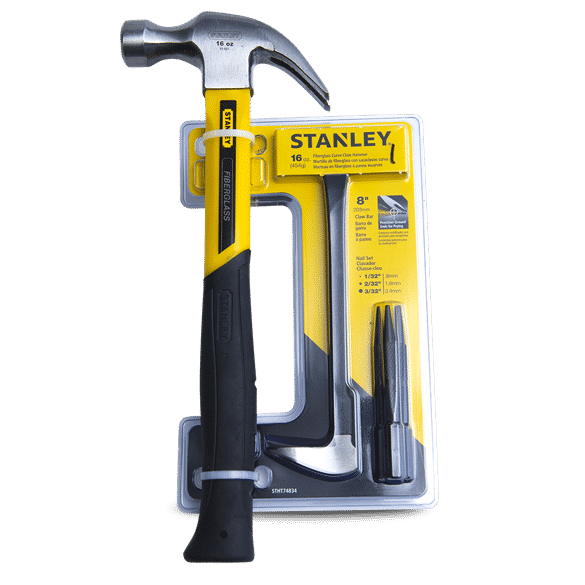
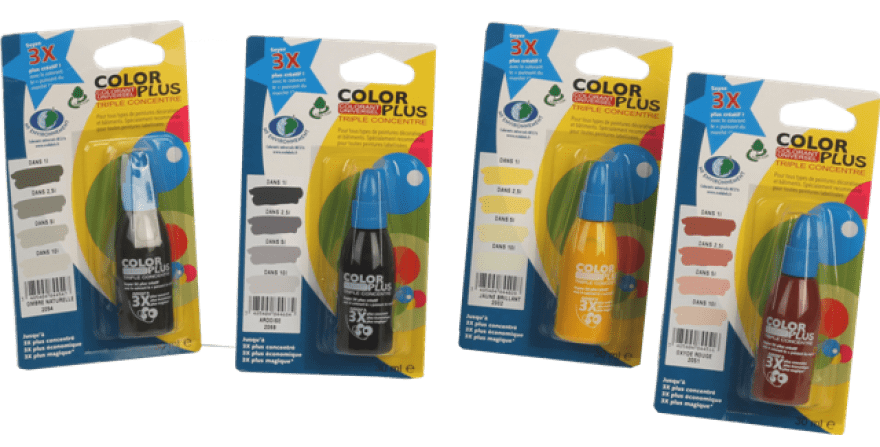
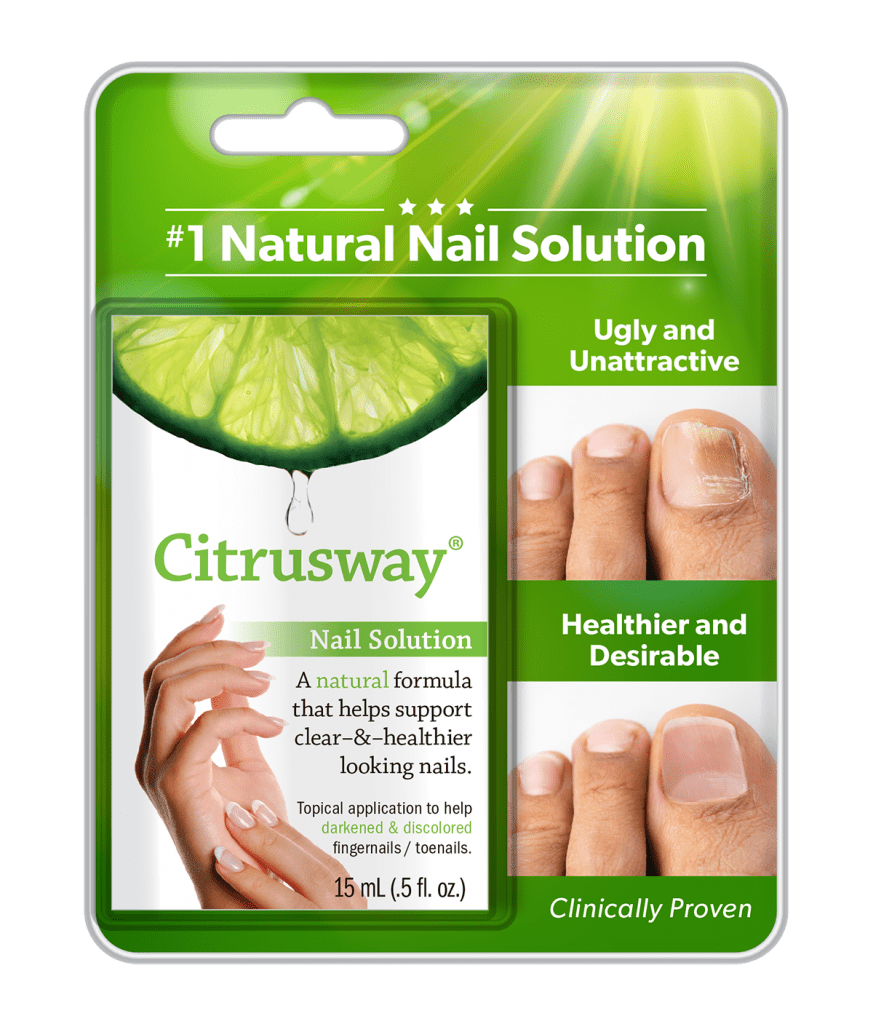
Hardware blister packs

The visual appeal of a product often determines its success in the market. In today’s competitive retail environment, innovative packaging designs have become a crucial aspect of the marketing mix. One of the increasingly popular methods used to enhance product presentation is thermoform packaging. This blog post delves into the world of thermoform packaging, exploring its potential to revolutionize product presentation.

What is Thermoform Packaging?

Thermoform packaging is a type of packaging that involves heating plastic sheets until they are pliable, then molding them into specific shapes to contain, protect, and display a product. Once the plastic cools, it retains the desired form, providing a durable and aesthetically pleasing package.

The Impact of Packaging on Product Presentation

The role of packaging extends beyond product protection. It serves as a silent salesperson, speaking volumes about the product’s quality and value. An appealing packaging design can captivate consumers, facilitating brand recognition and fostering customer loyalty.

Creating a Unique Product Image

Thermoform packaging can enhance the image of a product. Its adaptability allows businesses to create unique, brand-specific designs. This personalization sets products apart, offering a competitive edge in crowded marketplaces.

Enhancing Visibility and Accessibility

Transparent thermoform packaging enables customers to see the actual product, adding a layer of transparency and trust. By improving product visibility, it boosts consumer confidence and increases the chances of purchase.

Thermoform Packaging: A Revolution in Product Presentation

Thermoform packaging provides opportunities for manufacturers to reimagine their product presentation and develop packaging designs that truly reflect their brand identity. Here are some ways that thermoform packaging revolutionizes product presentation:

Customizable Designs

Thermoform packaging is exceptionally customizable, with the ability to conform to virtually any shape or size. This flexibility enables brands to design innovative packaging that aligns with their product and brand image. Unique and intricate designs can be realized through thermoforming, allowing products to stand out on the shelf.
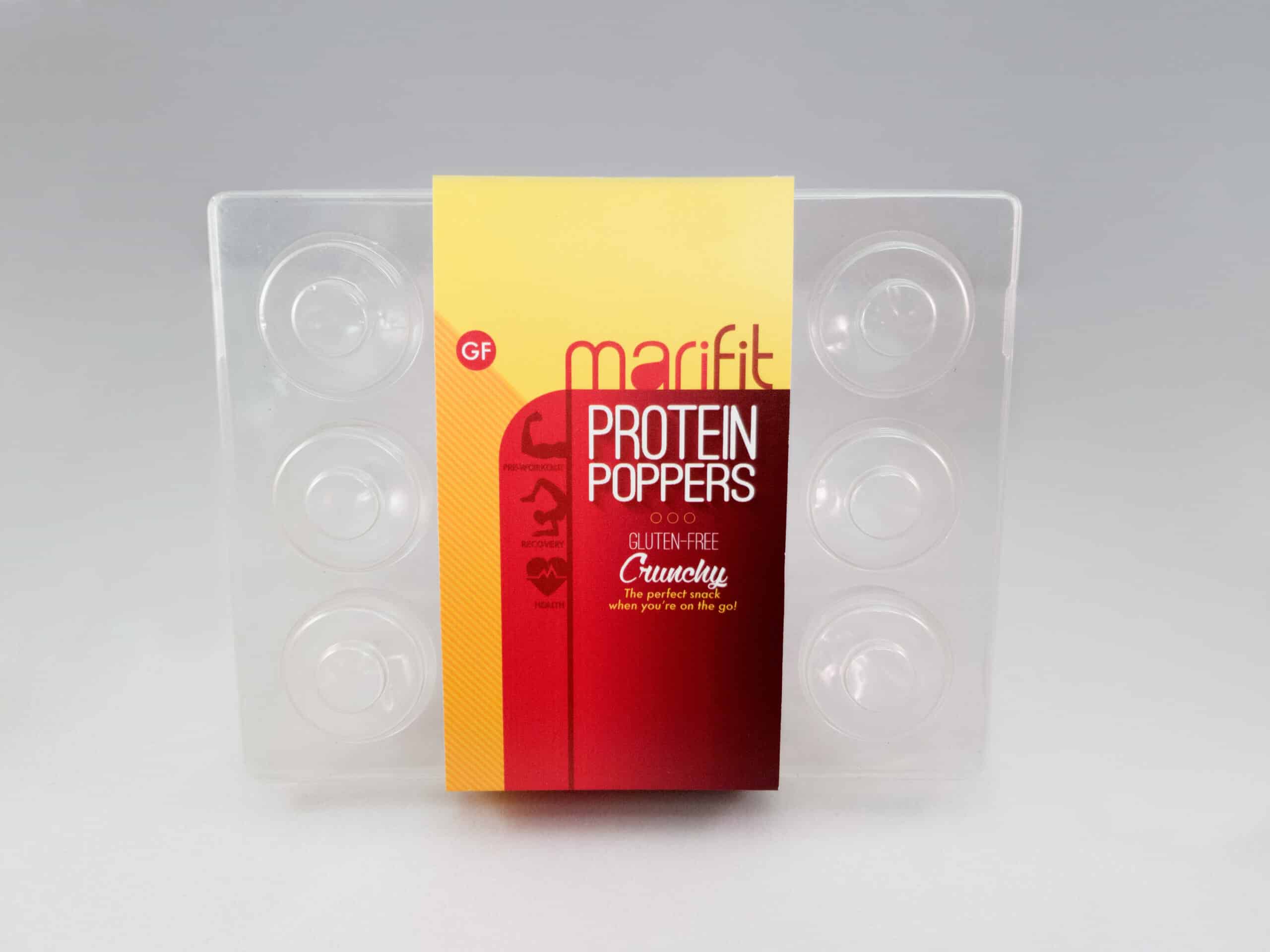
Custom Food Tray with printed sleeve

Material and Cost Efficiency

Thermoform packaging uses plastic efficiently, reducing material waste. It also has a lower tooling cost compared to other types of packaging, such as injection molding. This cost-effectiveness is beneficial for businesses seeking to improve their packaging without significantly increasing their overheads.

Environmentally Friendly Options

As sustainability becomes a more significant consumer concern, companies can choose eco-friendly materials for thermoform packaging. Some thermoform plastics are recyclable, and biodegradable options are available as well.

Enhanced Product Protection

Thermoform packaging not only boosts product presentation but also provides robust protection. The molded plastic can cushion products during transport and minimize damage, ensuring the product reaches the customer in pristine condition.

Case Studies of Thermoform Packaging Revolutionizing Product Presentation

To truly grasp the transformative power of thermoform packaging, let’s look at a couple of case studies:

Consumer Electronics

The electronics industry is often the front runner in utilizing thermoform packaging. With its ability to create tailored compartments for individual components, thermoform packaging offers unrivaled protection and an impressive unboxing experience, strengthening the brand’s image.

Food Industry

In the food industry, thermoform packaging enhances product presentation while maintaining freshness and safety. The visual appeal of clear thermoform packages enables consumers to view the product directly, influencing their buying decision positively.
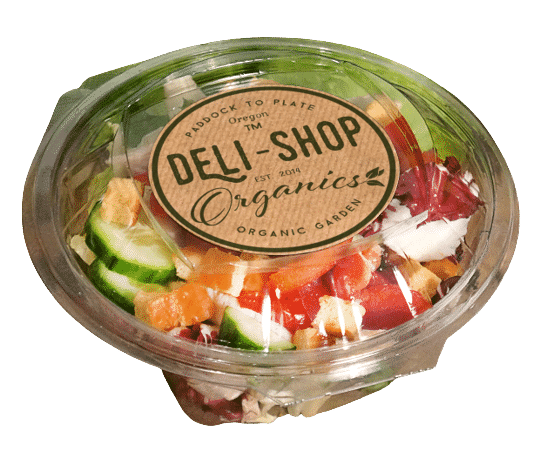
clamshell plastic containers with label

The Future of Product Presentation

Thermoform packaging has proven itself as a powerful tool for product presentation. As technology advances and more sustainable materials become available, we can expect to see more innovative and eco-friendly thermoform packaging solutions in the future.

From boosting brand image to protecting products and providing cost-effective solutions, thermoform packaging is indeed revolutionizing the way products are presented. By embracing this technology, brands can deliver a more engaging and memorable consumer experience, ultimately driving sales and growth.

If you are interested in thermoform packaging, then partner with Brown Packaging today to get started.

Most Recent Posts:
Subscription Packaging Buyers’ Checklist for 2026

Subscription packaging continues to expand across beauty, food, lifestyle, and specialty products. Buyers must balance branding, protection, and sustainability while keeping fulfillment efficient. This checklist highlights the critical areas buyers should review in 2026 when sourcing or redesigning subscription packaging. Branding and Unboxing Experience Seasonal or rotating graphics to keep unboxing fresh. Premium finishes such as foil, embossing, or unique die-cuts. Easy-open features like tear strips for convenience. Right-Sizing and Efficiency Reduce DIM charges with packaging tailored to product sizes. Use modular designs to cover multiple SKUs with fewer box sizes. Ensure packaging works with automation to speed fulfillment. Protection and Durability Inserts that prevent product shifting during transit. ISTA-tested designs to withstand vibration and drops. Moisture-resistant coatings for temperature-sensitive items. Sustainability Requirements FSC-certified corrugated or recycled substrates. Recyclable coatings or compostable options. Clear sustainability messaging to support consumer expectations. Cost Control SKU rationalization to limit unnecessary box variations. Material selection that balances protection and price. Supplier contracts that secure pricing for seasonal peaks. Packaging Solutions with Brown Packaging Brown Packaging designs subscription packaging that combines branding, protection, and sustainability. From FSC-certified corrugated to custom inserts, our solutions help buyers create packaging that builds loyalty and controls costs in 2026. Contact us to review your subscription packaging program. References Sustainable Packaging Coalition. (2023). Subscription Packaging and Consumer Insights. Retrieved from https://sustainablepackaging.orgForest Stewardship Council (FSC). (2023). FSC Certification Guidelines for Packaging. Retrieved from https://fsc.orgInternational Safe Transit Association (ISTA). (2023). ISTA Testing Procedures for Transport Packaging. Retrieved from https://ista.org (714)300-0650 request@brownpackaging.com Most Recent Posts: Categories: Corrugated Ecommerce ESD Design Display Flexible Packaging Foam Folding Carton Packaging Plastic Packaging Pouch Printing Protection Retail Rigid Box Thermoform Sustainability Subscribe To Our Newsletter By submitting your information, you agree to our terms and conditions and privacy policy. Ecommerce Packaging Facebook Twitter LinkedIn Pinterest Relevant Posts
Read More »
Cutting Packaging Costs Without Sacrificing Protection

As budgets tighten in 2026, packaging buyers are under pressure to reduce costs without increasing damage rates. Cutting too aggressively can lead to product loss, higher return rates, and frustrated customers. The key is balancing material use, box design, and supply chain efficiency so that savings do not come at the expense of protection. Where Packaging Costs Add Up Oversized boxes: Drive dimensional weight charges. Excess materials: Overuse of void fill and inserts. Complex SKU mix: Redundant sizes increase inventory costs. Inefficient freight: Poor palletization and stacking. Cost-Saving Strategies That Maintain Protection Right-sizing: Match box size to product dimensions to cut DIM charges and material use. Optimize corrugated grades: Switch to single- or double-wall where appropriate without compromising strength. Consolidate SKUs: Streamline packaging options to reduce inventory overhead. Efficient inserts: Replace foam or excess dunnage with engineered corrugated or molded pulp. Supplier contracts: Negotiate based on annual volumes, not just peak season orders. Testing Before Implementing Changes Use ASTM and ISTA protocols to ensure changes won’t increase product damage. Test for compression, vibration, and drop resistance. Run pilot shipments before scaling across the supply chain. Balancing Sustainability and Cost Eco-friendly doesn’t have to mean expensive: Use recyclable coatings to reduce plastic films. Choose corrugated designs that require less material while maintaining stacking strength. Highlight sustainable solutions in marketing to offset cost concerns. Packaging Solutions with Brown Packaging Brown Packaging helps companies lower costs while protecting products across the supply chain. From SKU rationalization to right-sized corrugated solutions, our team ensures packaging savings don’t compromise performance. Contact us to optimize your packaging program. References Soroka, W. (2009). Fundamentals of Packaging Technology (4th ed.). Institute of Packaging Professionals.ASTM International. (2023). ASTM D4169: Standard Practice for Performance Testing of Shipping Containers and Systems.Sustainable Packaging Coalition. (2023). Packaging Efficiency and Waste Reduction Report. Retrieved from https://sustainablepackaging.org (714)300-0650 request@brownpackaging.com Most Recent Posts: Categories: Corrugated Ecommerce ESD Design Display Flexible Packaging Foam Folding Carton Packaging Plastic Packaging Pouch Printing Protection Retail Rigid Box Thermoform Sustainability Subscribe To Our Newsletter By submitting your information, you agree to our terms and conditions and privacy policy. Custom Packaging Facebook Twitter LinkedIn Pinterest Relevant Posts

Read More »
Preventing Product Damage in 2026 Supply Chains

Product damage is one of the most expensive risks in packaging. Beyond replacement costs, damaged goods lead to lost sales, returns, and reputational harm. In 2026, complex e-commerce, global shipping, and automation create new challenges for packaging buyers. The right materials, testing, and design strategies are critical to protecting products while controlling costs. Why Damage Prevention Matters Financial losses: Damaged products increase replacement and freight costs. Customer impact: Poor delivery experience reduces loyalty and repeat sales. Sustainability: Returns and waste drive higher carbon footprints. Compliance: Retailers often impose penalties for damaged shipments. Common Causes of Product Damage Compression: Pallet stacking weakens boxes in transit. Vibration and shock: Long-haul shipping increases risk. Moisture exposure: Humidity and rain compromise corrugated performance. Poor right-sizing: Oversized boxes allow product movement inside. Strategies to Reduce Damage in 2026 Right-size packaging: Minimize empty space and movement. Material optimization: Choose the correct corrugated grade for load demands. Protective inserts: Molded pulp or engineered corrugated reduce shock. Moisture-resistant coatings: Defend against water and humidity. Automation-friendly design: Prevent jams that damage products on high-speed lines. Testing Protocols for Damage Prevention ISTA testing: Simulates vibration, drops, and compression. ASTM standards: Validate packaging strength and durability. Pilot shipments: Real-world trials confirm lab results. Packaging Solutions with Brown Packaging Brown Packaging designs solutions that minimize damage across today’s complex supply chains. From right-sized corrugated to ISTA-tested inserts, we help buyers protect products while reducing costs. Contact us to strengthen your packaging program. References ASTM International. (2023). ASTM D4169: Standard Practice for Performance Testing of Shipping Containers and Systems.International Safe Transit Association (ISTA). (2023). ISTA Testing Procedures for Transport Packaging. Retrieved from https://ista.orgSoroka, W. (2009). Fundamentals of Packaging Technology (4th ed.). Institute of Packaging Professionals. (714)300-0650 request@brownpackaging.com Most Recent Posts: Categories: Corrugated Ecommerce ESD Design Display Flexible Packaging Foam Folding Carton Packaging Plastic Packaging Pouch Printing Protection Retail Rigid Box Thermoform Sustainability Subscribe To Our Newsletter By submitting your information, you agree to our terms and conditions and privacy policy. Custom Packaging Facebook Twitter LinkedIn Pinterest Relevant Posts

Read More »
Retail Packaging Trends for 2026

Retail packaging continues to evolve as brands balance sustainability, supply chain performance, and consumer experience. In 2026, buyers face new challenges shaped by material innovation, compliance requirements, and rising consumer expectations. Understanding these trends helps companies stay competitive while aligning packaging programs with industry standards. Sustainability Becomes Non-Negotiable Greater use of recyclable and compostable substrates. Retailers pushing suppliers toward FSC-certified materials. Minimalist designs that reduce waste without losing impact. Smarter Packaging for Supply Chains Increased adoption of right-sizing to reduce freight costs. Boxes designed for automation and faster fulfillment. Stronger corrugated grades to withstand long e-commerce journeys. Enhanced Consumer Experience Custom graphics for seasonal campaigns and limited editions. Tear strips, resealable closures, and window cutouts for convenience. Premium finishes that elevate gift packaging at retail. Growth of Hybrid Packaging Formats Combining corrugated strength with folding carton graphics. Modular designs for multi-SKU and club store environments. Packaging engineered to serve both e-commerce and in-store needs. Compliance and Testing Standards Retailers demanding ISTA and ASTM testing for packaging durability. Supply chain audits on recyclability and sustainability claims. More pressure for transparent reporting on environmental impact. Retail Packaging Solutions with Brown Packaging Brown Packaging helps brands adapt to evolving retail packaging trends. From sustainable substrates to automation-friendly designs, our solutions balance branding, durability, and compliance for 2026. Contact us to prepare your packaging program for the year ahead. References Forest Stewardship Council (FSC). (2023). FSC Packaging Certification Guidelines. Retrieved from https://fsc.orgSustainable Packaging Coalition. (2023). Packaging Trends and Consumer Insights. Retrieved from https://sustainablepackaging.orgSoroka, W. (2009). Fundamentals of Packaging Technology (4th ed.). Institute of Packaging Professionals. (714)300-0650 request@brownpackaging.com Most Recent Posts: Categories: Corrugated Ecommerce ESD Design Display Flexible Packaging Foam Folding Carton Packaging Plastic Packaging Pouch Printing Protection Retail Rigid Box Thermoform Sustainability Subscribe To Our Newsletter By submitting your information, you agree to our terms and conditions and privacy policy. Custom Packaging Facebook Twitter LinkedIn Pinterest Relevant Posts

Read More »
Packaging Supplier Contracts: What Buyers Should Know

Supplier contracts can make or break a packaging program. Without the right terms, buyers risk price volatility, missed lead times, and inconsistent product quality. In 2026, negotiating smart contracts is essential for controlling costs, securing reliable supply, and meeting compliance requirements. Why Packaging Contracts Matter Cost stability: Protects against sudden raw material price spikes. Supply security: Ensures availability during peak demand. Quality control: Aligns suppliers with testing and compliance standards. Operational efficiency: Streamlines purchasing and reduces administrative burden. Key Terms Buyers Should Negotiate Volume commitments: Secure better pricing with accurate forecasts. Price adjustment clauses: Define when and how costs can change. Lead times and delivery windows: Avoid shortages and production delays. Testing and compliance: Require ISTA, ASTM, or FSC certification where applicable. Sustainability commitments: Ensure suppliers align with environmental goals. Risks of Weak Contracts Paying inflated prices during market fluctuations. Receiving inconsistent corrugated strength or print quality. Missed shipments leading to costly expedited freight. Difficulty meeting retailer or regulatory compliance. Best Practices for Buyers in 2026 Leverage data: Use past order history to negotiate realistic volumes. Dual sourcing: Maintain backup suppliers for risk management. Annual reviews: Reassess terms to reflect changes in demand and compliance. Collaborative approach: Treat suppliers as partners, not just vendors. Packaging Solutions with Brown Packaging Brown Packaging helps buyers secure strong supplier contracts that balance cost, quality, and supply chain reliability. Our partnerships and industry expertise ensure your packaging program is protected for 2026 and beyond. Contact us to discuss supplier solutions. References Soroka, W. (2009). Fundamentals of Packaging Technology (4th ed.). Institute of Packaging Professionals.Fiber Box Association. (2024). Corrugated Packaging Market Outlook. Retrieved from https://www.fibrebox.orgSustainable Packaging Coalition. (2023). Supplier Standards for Sustainable Packaging. Retrieved from https://sustainablepackaging.org (714)300-0650 request@brownpackaging.com Most Recent Posts: Categories: Corrugated Ecommerce ESD Design Display Flexible Packaging Foam Folding Carton Packaging Plastic Packaging Pouch Printing Protection Retail Rigid Box Thermoform Sustainability Subscribe To Our Newsletter By submitting your information, you agree to our terms and conditions and privacy policy. Custom Packaging Facebook Twitter LinkedIn Pinterest Relevant Posts

Read More »
Meeting 2026 Packaging Compliance Standards

Packaging compliance is no longer optional—it’s a requirement for accessing retail shelves, shipping networks, and international markets. In 2026, buyers must navigate evolving regulations around sustainability, labeling, and testing to avoid costly fines, rejected shipments, or damaged customer relationships. Why Compliance Matters in 2026 Retail requirements: Major retailers demand FSC, ISTA, and sustainability certifications. E-commerce standards: Carriers enforce dimensional weight and package testing rules. Global trade: Export packaging must comply with ISPM 15, ASTM, and ISO guidelines. Consumer trust: Transparency in packaging claims impacts purchasing decisions. Key Compliance Areas for Buyers Material sourcing: FSC-certified corrugated and board for sustainability. Labeling standards: GS1-compliant barcodes and accurate product details. Durability testing: ISTA and ASTM protocols for drop, vibration, and compression. Sustainability regulations: Requirements for recyclable or compostable materials. Chemical restrictions: Compliance with FDA, EU, or state-specific standards. Common Compliance Challenges Keeping up with frequent regulatory changes. Managing multiple certifications across suppliers. Balancing compliance with cost-efficiency. Verifying supplier claims for sustainability. Best Practices for Staying Compliant Audit suppliers annually to confirm certification validity. Run internal packaging tests before scaling. Track regulatory updates for each region you ship to. Work with experienced partners who understand industry compliance. Packaging Solutions with Brown Packaging Brown Packaging helps buyers meet 2026 compliance standards with FSC-certified materials, ISTA-tested designs, and regulatory expertise. Our team ensures your packaging meets retailer, carrier, and sustainability requirements. Contact us to keep your program compliant. References Forest Stewardship Council (FSC). (2023). FSC Certification Guidelines for Packaging. Retrieved from https://fsc.orgInternational Safe Transit Association (ISTA). (2023). ISTA Testing Procedures for Transport Packaging. Retrieved from https://ista.orgGS1. (2024). Global Standards for Packaging and Labeling. Retrieved from https://www.gs1.org (714)300-0650 request@brownpackaging.com Most Recent Posts: Categories: Corrugated Ecommerce ESD Design Display Flexible Packaging Foam Folding Carton Packaging Plastic Packaging Pouch Printing Protection Retail Rigid Box Thermoform Sustainability Subscribe To Our Newsletter By submitting your information, you agree to our terms and conditions and privacy policy. Custom Packaging Facebook Twitter LinkedIn Pinterest Relevant Posts

Read More »
Categories:
Subscribe To Our Newsletter

By submitting your information, you agree to our terms and conditions and privacy policy.

cold seal blister pack
Thermoform Packaging
Facebook
Twitter
LinkedIn
Pinterest
Relevant Posts
Rigid box with thermoform tray
Plastic Packaging
brownpackaging
Packaging Guide to High Impact Polystyrene (HIPS)

High Impact Polystyrene, commonly known as HIPS, is a versatile and widely used thermoplastic renowned for its unique blend of properties. This material is crucial in various industries, including consumer goods and packaging, due to its high-impact strength, rigidity, affordability, and ease of processing. Essential Properties of HIPS HIPS boasts several properties that make it an excellent choice for numerous applications: High Impact Strength: Provides durability and resistance to physical impacts. Rigidity: Maintains shape and structural integrity under stress. Chemical Resistance: Withstands exposure to many chemicals, oils, and greases. Biological Resistance: Resists degradation from biological factors like fungi and bacteria. Water Resistance: Impermeable qualities make it suitable for applications requiring moisture resistance. Fatigue Resistance: Capable of enduring repeated stress without losing its form, ideal for components like living hinges. Thermal Insulation: Offers significant insulation properties, beneficial in both industrial and consumer products. Electrical Insulation: Highly resistant to electricity, making it safe for use in electronic components. Affordability and Recyclability: Cost-effective and fully recyclable, supporting environmental sustainability. Diverse Applications of HIPS HIPS’s versatility allows its use across various sectors: Consumer Goods: Utilized in products requiring durability and impact resistance, such as toys, household appliances, and office supplies. Packaging Materials: Ideal for making clamshell containers, blister packs, and trays due to its moldability and cost-effectiveness. Automotive Industry: Used in components like interior trim parts, instrument panels, and exterior body parts due to its lightweight and sturdy nature. Construction Industry: Forms part of materials such as wall panels, ceiling tiles, and insulation boards, thanks to its insulation properties. Medical Industry: Common in the production of medical devices and packaging, valued for its chemical resistance and stability. Manufacturing Process of HIPS The production of HIPS involves several steps: Polymerization: Styrene monomers are polymerized using catalysts like benzoyl peroxide to form the HIPS polymer. Mixing: The polymer is blended with impact modifiers, stabilizers, and pigments to enhance its properties and appearance. Molding: HIPS can be shaped through extrusion or injection molding, allowing it to be formed into various products. Cooling and Finishing: Post-molding, HIPS is cooled and can undergo additional processing like trimming and polishing to achieve the desired quality. Environmental Considerations While HIPS is not biodegradable, it is recyclable. Recycling HIPS contributes to waste reduction and resource conservation, mitigating the environmental impact associated with plastic production. Frequently Asked Questions About HIPS Is HIPS food safe? Yes, when certified, HIPS is safe for food contact applications. Difference between HIPS and ABS? ABS is generally more robust with better temperature resistance, but HIPS is more cost-effective. Can HIPS be painted or printed on? Yes, HIPS can be easily painted or printed on, provided the surface is properly prepared. Color options for HIPS? Available in a broad spectrum of colors, including custom shades to meet specific project requirements. Conclusion High Impact Polystyrene (HIPS) stands out as a valuable material in the realm of plastics due to its excellent properties and wide range of applications. From packaging and automotive parts to household items and medical devices, HIPS continues to be a preferred choice for manufacturers seeking a reliable, cost-effective, and versatile material. As the industry advances, the sustainability and recyclability of HIPS make it even more significant in our ongoing journey towards environmental consciousness. For further details or inquiries about using HIPS for your packaging and manufacturing needs, please contact Brown Packaging. We are committed to delivering high-quality, sustainable packaging solutions tailored to your specifications. (714)300-0650 request@brownpackaging.com Most Recent Posts: Subscribe To Our Newsletter By submitting your information, you agree to our terms and conditions and privacy policy. Thermoform Packaging Facebook Twitter LinkedIn Pinterest Relevant Posts

Read More »
A Look at the Pharmaceutical Industry's Dependence on Blister Packs
Packaging
brownpackaging
A Look at the Pharmaceutical Industry’s Dependence on Blister Packs

In our daily lives, we come across a plethora of pharmaceutical products, either in our personal capacity or via someone close to us. In this blog, we will delve into a significant yet frequently overlooked component of these products: blister packs. We will explore their utility, benefits, and why the pharmaceutical industry is heavily dependent on them. Understanding Blister Packs Before delving into the specifics of the pharmaceutical industry’s dependence on blister packs, let’s first understand what they are. A blister pack is a type of packaging produced by sealing a product in a plastic cavity or pocket, usually with a paper, corrugated, or foil backing. They’re commonly used for packaging pharmaceutical products, particularly pills, tablets, and capsules. Why Blister Packs? So, why does the pharmaceutical industry prefer blister packs over other packaging options? The simple answer is the versatility, protection, and convenience that blister packs offer. Protection and Preservation Blister packs are predominantly used because they protect the individual doses of medication. They offer a barrier to moisture, light, and oxygen, preserving the effectiveness of the drugs. The separation of each pill also prevents cross-contamination and ensures that the product remains tamper-evident until it reaches the end consumer. Patient Compliance and Safety A significant benefit of blister packaging lies in patient compliance. The organized and segmented nature of blister packs allows patients to track their medication intake effectively. It can significantly aid elderly patients or those taking multiple medications at different times of the day. By reducing errors in medication consumption, blister packs enhance patient safety. Ease of Use and Portability Blister packs are designed for consumer convenience. They are lightweight, compact, and easily portable, making them ideal for on-the-go consumers. The simplicity in popping a pill out from its compartment enhances the product’s ease of use. The Business Perspective: Cost-Effectiveness and Marketing Opportunities From the business side, blister packs offer several benefits, including cost-effectiveness and marketing opportunities. Cost-Effectiveness Blister packaging can be highly cost-effective compared to other packaging solutions. The material used is typically less expensive, and the production process is often more streamlined. Also, because blister packs help maintain drug integrity, the rate of product returns or losses due to spoilage or damage is substantially reduced. Marketing Opportunities Lastly, blister packs offer unique marketing opportunities. The backing card provides ample space for branding, important drug information, instructions for use, and even promotional messages. This aspect can give pharmaceutical companies an edge in a highly competitive market. Environmental Considerations of Blister Packs Like any industry, pharmaceutical packaging must consider its environmental impact. While blister packs provide a multitude of benefits, they also have some downsides. These packs are often composed of a combination of plastic and aluminum, which are not biodegradable and difficult to recycle. As environmental awareness rises, pharmaceutical companies are challenged to find more sustainable solutions without compromising the product’s integrity and the consumer’s safety and convenience. The Future of Blister Packs in Pharmaceuticals With the advantages blister packs offer, they’re here to stay. However, the push for more sustainable practices is driving innovation in this sector. We can expect advancements in materials science to produce more environmentally-friendly blister packs in the future. Furthermore, technology may introduce smart blister packs, capable of reminding patients to take their medication, improving adherence rates even further. In summary, the pharmaceutical industry’s dependence on blister packs is multifaceted and rooted in both practical and business considerations. However, as the industry evolves, so too will its packaging methods, with an increasing focus on sustainability and technological innovation. (714)300-0650 request@brownpackaging.com Most Recent Posts: Categories: Corrugated Ecommerce ESD Design Display Flexible Packaging Foam Folding Carton Packaging Plastic Packaging Pouch Printing Protection Retail Rigid Box Thermoform Sustainability Subscribe To Our Newsletter By submitting your information, you agree to our terms and conditions and privacy policy. Blister Packaging Facebook Twitter LinkedIn Pinterest Relevant Posts

Read More »
Understanding the Thermoform Packaging Process
Plastic Packaging
brownpackaging
Understanding the Thermoform Packaging Process

Thermoform packaging is the backbone of numerous sectors including food, pharmaceutical, electronics, cosmetics, and consumer goods, to name a few. Its high adaptability and customizability make it an unparalleled choice for businesses around the globe. This blog post seeks to dive deeper into the world of this unique process, exploring its labyrinthine facets. Thermoform Packaging: A Basic Overview Before we delve deeper, let’s first understand what thermoform packaging is. This process involves heating plastic sheets until they reach a pliable forming temperature. Once the material is pliable, it’s then formed into a specific shape using a mold. After the forming process, the plastic is trimmed and converted into finished packages. Common examples of thermoform packaging that you might encounter in your daily life include blister packs, clamshells, trays, and even innovative designs like trap packs. A Closer Look at the Types of Thermoform Packaging There are various types of thermoform packaging, each fulfilling a unique role in different industries. The most common types include blister packs, clamshells, trays, and the emerging trend of trap packs. Blister Packs: The Pharmaceutical Industry’s Favorite Blister packs are a ubiquitous sight in the pharmaceutical sector. They are most commonly used for packaging pills, capsules, or lozenges. A blister pack is made from a formable web, typically a thermoformed plastic, which is shaped into a cavity or pocket designed to securely hold the product. Clamshells: Versatile and Secure Clamshells, as the name suggests, are a type of packaging that resembles a clam in its structure. This form of packaging features two halves, which are connected through a hinge area. This design allows the packaging to open and close in a manner similar to a clamshell. Trays: A Jack of All Trades Trays represent another versatile form of thermoform packaging. These are extensively used to hold a plethora of items ranging from ready-to-eat meals in the food industry to various components in the electronics industry. Trap Packs: Innovative Consumer Goods Packaging Trap packs are an emerging trend in consumer goods packaging. They combine the advantages of thermoform packaging with innovative design elements, often featuring traps or compartments that enhance product organization and presentation. Trap packs are gaining popularity in industries where product visibility, organization, and aesthetics are crucial. The Detailed Thermoform Packaging Process Thermoforming packaging might seem straightforward, but it’s a complex process involving multiple stages. Each stage plays an integral role in crafting the final product. The Salient Advantages of Thermoform Packaging Thermoform packaging boasts numerous advantages. One of its most striking benefits is its high degree of customization. The process allows for virtually any shape to be achieved, making it apt for a wide variety of products, including the consumer goods sector. Another notable advantage of thermoform packaging is its cost-effectiveness. The materials utilized in this process are relatively inexpensive, and the production process is highly efficient. The packaging’s lightweight nature also contributes to a decrease in shipping costs. Transparency is yet another critical benefit. The clear nature of thermoform packaging allows potential consumers to view the product without needing to open the packaging. This quality makes thermoform packaging particularly appealing in the retail sector, especially for consumer goods where product visibility is a key selling point. Wrapping It Up Thermoform packaging is a multifaceted and versatile process that plays an indispensable role across a wide array of industries, including consumer goods. Understanding its intricate process and myriad benefits allows businesses to utilize this technology optimally, improving their product presentation, ensuring product safety, and boosting their profitability. As we continue to witness an evolution in the world of packaging, thermoform packaging stands firm as a reliable and efficient solution, adapting to the ever-changing demands of the consumer goods market.  If you are interested in thermoform packaging, then partner with Brown Packaging today to get started. (714)300-0650 request@brownpackaging.com Most Recent Posts: Categories: Corrugated Ecommerce ESD Design Display Flexible Packaging Foam Folding Carton Packaging Plastic Packaging Pouch Printing Protection Retail Rigid Box Thermoform Sustainability Subscribe To Our Newsletter By submitting your information, you agree to our terms and conditions and privacy policy. Thermoform Packaging Facebook Twitter LinkedIn Pinterest Relevant Posts

Read More »