
Home » Protecting Your Packaging from UV Damage: Essential Strategies
Protecting Your Packaging from UV Damage: Essential Strategies
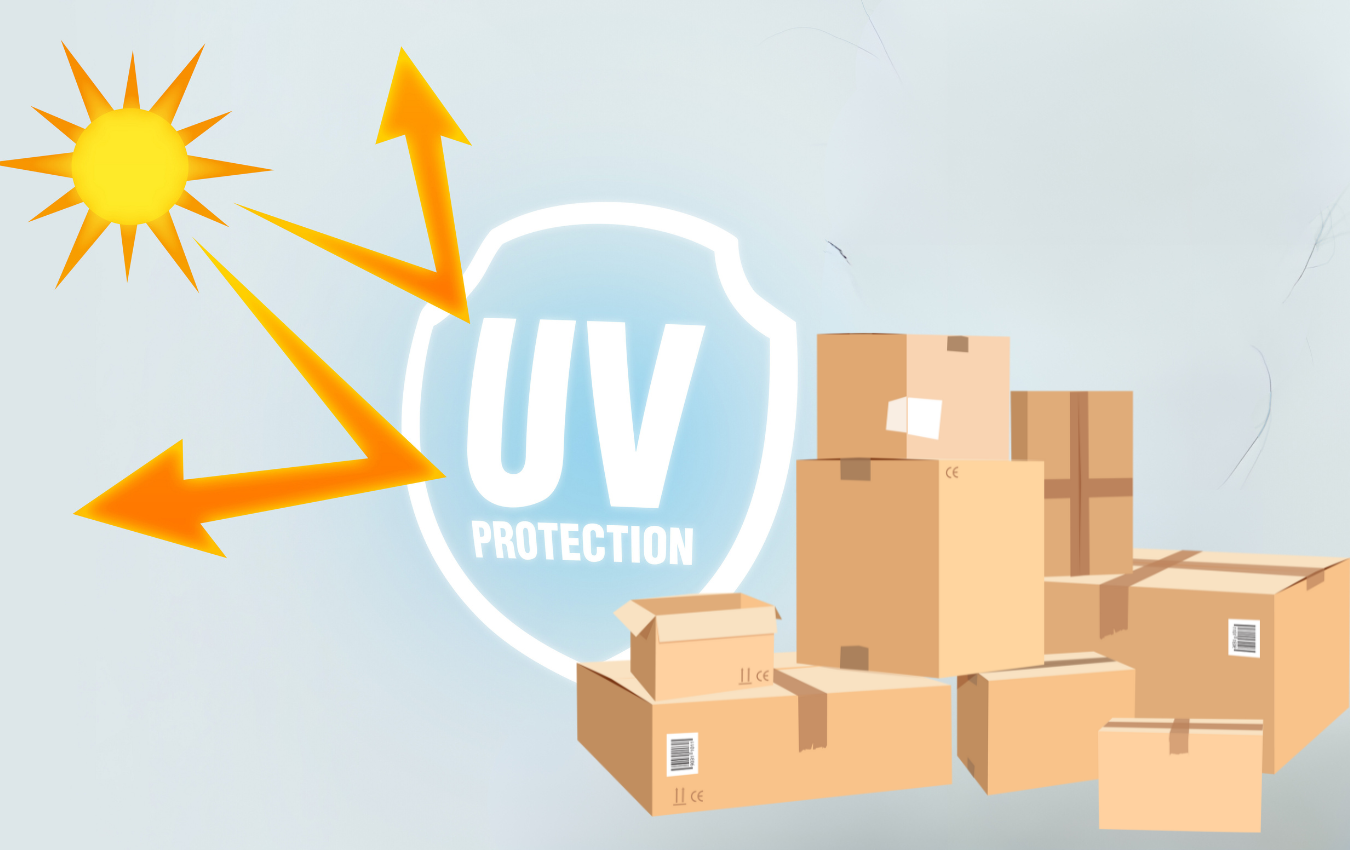
Ultraviolet (UV) rays can have detrimental effects on product packaging, leading to faded colors, weakened materials, and compromised product integrity. In industries where products are frequently exposed to sunlight, such as in retail storefronts or during transportation, safeguarding packaging from UV damage is crucial. This blog post delves into various strategies and solutions for protecting packaging from the harmful effects of UV rays.
Understanding UV Damage in Packaging
UV rays can cause various types of damage to packaging materials. Common issues include discoloration of inks and dyes, degradation of plastic materials, and weakening of structural integrity. Over time, this can result in unappealing product presentation and potential product spoilage, which can adversely affect consumer perception and brand reputation.
Materials Resistant to UV Damage
Choosing the right materials is the first line of defense against UV damage.
- UV-Resistant Plastics: Some plastics are formulated to resist UV damage. Materials like PET and certain grades of polyethylene can offer better protection against sunlight.
- UV Inhibitors: For plastic packaging, consider using materials treated with UV inhibitors. These additives absorb or block UV radiation, helping to prevent degradation.
- Metal and Glass Packaging: In some cases, opting for metal or glass packaging can be beneficial as they are less susceptible to UV damage compared to certain plastics.
Protective Coatings and Laminates
Applying protective coatings or laminates can significantly enhance a package’s resistance to UV rays.
- UV-Curable Coatings: These coatings provide a protective layer that shields the packaging from UV rays. They are often used for printed and colored packaging to prevent fading.
- Laminates: Laminates can act as a barrier against UV light. They can be applied to both paper and plastic packaging to extend longevity and preserve print quality.
Ink and Printing Considerations
The choice of inks and printing techniques can influence a package’s susceptibility to UV damage.
- UV-Stable Inks: Utilize inks that are formulated to be resistant to UV radiation. These inks are less likely to fade when exposed to sunlight.
- Overprint Varnishes: Applying an overprint varnish can protect the printed areas from UV exposure and physical wear.
Designing for UV Protection
Design elements can also play a role in minimizing UV damage.
- Color Choices: Some colors are more prone to fading under UV exposure. Opt for UV-stable pigments and consider using lighter colors that show less visible fading.
- Minimalistic Design: Reduce the use of extensive colored areas in packaging design to limit the impact of potential fading.
Storage and Display Strategies
How you store and display your products can impact their exposure to UV rays.
- Shade and Shelter: Store products away from direct sunlight. Utilize shaded areas in warehouses and avoid window displays where products are exposed to prolonged sunlight.
- UV-Protective Window Films: For retail spaces with windows, consider installing UV-protective films to reduce sun exposure.
Regular Testing and Monitoring
Conduct periodic testing to assess the UV resistance of your packaging. This can involve exposing samples to simulated sunlight and evaluating the effects.
If you are interested in UV packaging, then partner with Brown Packaging today to get started.
Sustainability Matters
Today’s consumers are increasingly eco-conscious, and sustainable packaging design can be a significant selling point. Consider the following:
- Eco-friendly materials: Explore sustainable packaging materials such as recycled paper, biodegradable plastics, or reusable containers.
- Reduce waste: Minimize excess packaging and opt for minimalist designs that reduce material consumption.
- Communicate your efforts: Highlight your commitment to sustainability on the packaging to resonate with environmentally conscious consumers.
Retail packaging continues to evolve as brands balance sustainability, supply chain performance, and consumer experience. In 2026, buyers face new challenges shaped by material innovation, compliance requirements, and rising consumer expectations. Understanding these trends helps companies stay competitive while aligning packaging programs with industry standards. Sustainability Becomes Non-Negotiable Greater use of recyclable and compostable substrates. Retailers pushing suppliers toward FSC-certified materials. Minimalist designs that reduce waste without losing impact. Smarter Packaging for Supply Chains Increased adoption of right-sizing to reduce freight costs. Boxes designed for automation and faster fulfillment. Stronger corrugated grades to withstand long e-commerce journeys. Enhanced Consumer Experience Custom graphics for seasonal campaigns and limited editions. Tear strips, resealable closures, and window cutouts for convenience. Premium finishes that elevate gift packaging at retail. Growth of Hybrid Packaging Formats Combining corrugated strength with folding carton graphics. Modular designs for multi-SKU and club store environments. Packaging engineered to serve both e-commerce and in-store needs. Compliance and Testing Standards Retailers demanding ISTA and ASTM testing for packaging durability. Supply chain audits on recyclability and sustainability claims. More pressure for transparent reporting on environmental impact. Retail Packaging Solutions with Brown Packaging Brown Packaging helps brands adapt to evolving retail packaging trends. From sustainable substrates to automation-friendly designs, our solutions balance branding, durability, and compliance for 2026. Contact us to prepare your packaging program for the year ahead. References Forest Stewardship Council (FSC). (2023). FSC Packaging Certification Guidelines. Retrieved from https://fsc.orgSustainable Packaging Coalition. (2023). Packaging Trends and Consumer Insights. Retrieved from https://sustainablepackaging.orgSoroka, W. (2009). Fundamentals of Packaging Technology (4th ed.). Institute of Packaging Professionals. (714)300-0650 request@brownpackaging.com Most Recent Posts: Categories: Corrugated Ecommerce ESD Design Display Flexible Packaging Foam Folding Carton Packaging Plastic Packaging Pouch Printing Protection Retail Rigid Box Thermoform Sustainability Subscribe To Our Newsletter By submitting your information, you agree to our terms and conditions and privacy policy. Custom Packaging Facebook Twitter LinkedIn Pinterest Relevant Posts
Supplier contracts can make or break a packaging program. Without the right terms, buyers risk price volatility, missed lead times, and inconsistent product quality. In 2026, negotiating smart contracts is essential for controlling costs, securing reliable supply, and meeting compliance requirements. Why Packaging Contracts Matter Cost stability: Protects against sudden raw material price spikes. Supply security: Ensures availability during peak demand. Quality control: Aligns suppliers with testing and compliance standards. Operational efficiency: Streamlines purchasing and reduces administrative burden. Key Terms Buyers Should Negotiate Volume commitments: Secure better pricing with accurate forecasts. Price adjustment clauses: Define when and how costs can change. Lead times and delivery windows: Avoid shortages and production delays. Testing and compliance: Require ISTA, ASTM, or FSC certification where applicable. Sustainability commitments: Ensure suppliers align with environmental goals. Risks of Weak Contracts Paying inflated prices during market fluctuations. Receiving inconsistent corrugated strength or print quality. Missed shipments leading to costly expedited freight. Difficulty meeting retailer or regulatory compliance. Best Practices for Buyers in 2026 Leverage data: Use past order history to negotiate realistic volumes. Dual sourcing: Maintain backup suppliers for risk management. Annual reviews: Reassess terms to reflect changes in demand and compliance. Collaborative approach: Treat suppliers as partners, not just vendors. Packaging Solutions with Brown Packaging Brown Packaging helps buyers secure strong supplier contracts that balance cost, quality, and supply chain reliability. Our partnerships and industry expertise ensure your packaging program is protected for 2026 and beyond. Contact us to discuss supplier solutions. References Soroka, W. (2009). Fundamentals of Packaging Technology (4th ed.). Institute of Packaging Professionals.Fiber Box Association. (2024). Corrugated Packaging Market Outlook. Retrieved from https://www.fibrebox.orgSustainable Packaging Coalition. (2023). Supplier Standards for Sustainable Packaging. Retrieved from https://sustainablepackaging.org (714)300-0650 request@brownpackaging.com Most Recent Posts: Categories: Corrugated Ecommerce ESD Design Display Flexible Packaging Foam Folding Carton Packaging Plastic Packaging Pouch Printing Protection Retail Rigid Box Thermoform Sustainability Subscribe To Our Newsletter By submitting your information, you agree to our terms and conditions and privacy policy. Custom Packaging Facebook Twitter LinkedIn Pinterest Relevant Posts
Packaging compliance is no longer optional—it’s a requirement for accessing retail shelves, shipping networks, and international markets. In 2026, buyers must navigate evolving regulations around sustainability, labeling, and testing to avoid costly fines, rejected shipments, or damaged customer relationships. Why Compliance Matters in 2026 Retail requirements: Major retailers demand FSC, ISTA, and sustainability certifications. E-commerce standards: Carriers enforce dimensional weight and package testing rules. Global trade: Export packaging must comply with ISPM 15, ASTM, and ISO guidelines. Consumer trust: Transparency in packaging claims impacts purchasing decisions. Key Compliance Areas for Buyers Material sourcing: FSC-certified corrugated and board for sustainability. Labeling standards: GS1-compliant barcodes and accurate product details. Durability testing: ISTA and ASTM protocols for drop, vibration, and compression. Sustainability regulations: Requirements for recyclable or compostable materials. Chemical restrictions: Compliance with FDA, EU, or state-specific standards. Common Compliance Challenges Keeping up with frequent regulatory changes. Managing multiple certifications across suppliers. Balancing compliance with cost-efficiency. Verifying supplier claims for sustainability. Best Practices for Staying Compliant Audit suppliers annually to confirm certification validity. Run internal packaging tests before scaling. Track regulatory updates for each region you ship to. Work with experienced partners who understand industry compliance. Packaging Solutions with Brown Packaging Brown Packaging helps buyers meet 2026 compliance standards with FSC-certified materials, ISTA-tested designs, and regulatory expertise. Our team ensures your packaging meets retailer, carrier, and sustainability requirements. Contact us to keep your program compliant. References Forest Stewardship Council (FSC). (2023). FSC Certification Guidelines for Packaging. Retrieved from https://fsc.orgInternational Safe Transit Association (ISTA). (2023). ISTA Testing Procedures for Transport Packaging. Retrieved from https://ista.orgGS1. (2024). Global Standards for Packaging and Labeling. Retrieved from https://www.gs1.org (714)300-0650 request@brownpackaging.com Most Recent Posts: Categories: Corrugated Ecommerce ESD Design Display Flexible Packaging Foam Folding Carton Packaging Plastic Packaging Pouch Printing Protection Retail Rigid Box Thermoform Sustainability Subscribe To Our Newsletter By submitting your information, you agree to our terms and conditions and privacy policy. Custom Packaging Facebook Twitter LinkedIn Pinterest Relevant Posts
Home » Protecting Your Packaging from UV Damage: Essential Strategies

Corrugated boxes are essential to shipping, retail, and e-commerce—but when you introduce custom printing, the stakes (and the opportunities) rise. Print isn’t just about looks—it’s about communication, branding, compliance, and customer experience. Whether you’re designing a basic shipper or a bold, shelf-ready display, printing smart can save money and elevate your packaging. Here are 12 essential print tips to help buyers make informed decisions when sourcing printed corrugated boxes. Start With Purpose Before Design Are you trying to impress in-store, create a branded unboxing experience, or simply add a logo to a shipper? Your goal will determine how much print you need—and which method is best. Know the Three Main Print Methods Flexographic (Flexo): Cost-effective for simple graphics and large runs Digital: Great for short runs, versioning, or quick turnarounds Litho (Litho-Label): High-end graphics mounted to the box for premium results Choose based on your volume, detail level, and budget. Understand Your Print Surface Corrugated comes in kraft (brown) and white surfaces. White gives better color accuracy Kraft offers an organic, eco-conscious look Your surface will affect how your design prints—especially with flexo. Keep Artwork Simple for Flexo Flexo printing uses plates and works best with limited colors, bold text, and clean logos. Avoid gradients, fine details, or small fonts unless you’re going digital or litho. Use Vector Files and High-Res Assets Always supply artwork in vector format (AI, EPS, or PDF) for scalability and sharp print. Images should be 300 DPI or higher. Low-res files can distort or blur during printing. Design Around the Dieline Your design should be laid out directly on the box dieline. This ensures correct placement of logos, cut lines, folds, and glue areas—so nothing important gets trimmed or hidden. Limit Ink Coverage to Reduce Cost Full-coverage ink areas (flood coats) require more material and setup. Consider printing only on key panels or using the box’s natural color to create contrast and cut costs. Test Color on Corrugated First Colors will appear differently on kraft vs. white corrugated and on different print methods. Always ask for a sample or press proof to verify color before production. Use Pantone Colors (When Needed) For brand consistency, especially with logos or specific brand colors, use Pantone Matching System (PMS) inks instead of CMYK—especially in flexo. Balance Design with Function Your print layout should enhance the box, not interfere with it. Avoid placing fine graphics near flaps, folds, or high-stress areas where cracking or misalignment can occur. Consider Print Inside the Box Want to wow customers or reinforce your brand? Add inside print for messaging, graphics, or product instructions. It adds impact—especially for e-commerce or subscription boxes. Always Review a Physical Proof (If Possible) Before full production, ask for a printed sample or digital proof to catch any errors in layout, registration, or color. This step can save time, cost, and frustration down the line. Final Thoughts Printing on corrugated boxes adds incredible value—but only if it’s done right. From selecting the right method to preparing artwork properly, these print tips help ensure your packaging performs as well as it looks. Need guidance on printed corrugated boxes? We’ll help you choose the best structure, material, and print approach to match your goals and your brand. (714)300-0650 request@brownpackaging.com Most Recent Posts: Categories: Corrugated Ecommerce ESD Design Display Flexible Packaging Foam Folding Carton Packaging Plastic Packaging Pouch Printing Protection Retail Rigid Box Thermoform Sustainability Subscribe To Our Newsletter By submitting your information, you agree to our terms and conditions and privacy policy. Custom Packaging Facebook Twitter LinkedIn Pinterest Relevant Posts

Folding cartons are one of the most versatile forms of retail packaging—and how you print on them can make the difference between a product that blends in and one that commands attention. Strategic printing isn’t just about aesthetics; it’s about communicating value, increasing shelf appeal, and making your packaging work harder without adding cost. Here’s how to use print effectively to elevate your folding cartons—whether you’re working with skincare, supplements, food, electronics, or lifestyle products. Use Print to Create Visual Hierarchy Your folding carton only has a few seconds to make an impression on the shelf. Strategic printing helps guide the customer’s eye to what matters most. Tips: Use bold, contrasting colors or finishes (spot UV, foil) to highlight your brand name or logo Place key selling points (benefits, claims, features) front and center using larger font sizes Use typography and spacing to separate messaging and improve readability ✅ Helps the customer immediately understand what your product is and why it matters ✅ Improves visual impact without changing the structure ✅ Reduces reliance on costly redesigns by making the most of layout Match Print Quality to Product Value Your packaging should reflect the value of the product inside. Low-quality print on a premium item creates confusion—or worse, distrust. Use printing to reinforce brand perception. Recommendations: For high-end products, use offset or digital printing with high-resolution artwork Consider soft-touch coating, foil stamping, or embossed logos to enhance tactile appeal For entry-level products, clean flexo printing with sharp colors and simple messaging works well ✅ Aligns packaging with price point ✅ Builds customer trust and perceived quality ✅ Supports brand consistency across SKUs Make the Most of Every Panel Most folding cartons have six printable panels—front, back, two sides, top, and bottom. Don’t waste the real estate. Strategies: Use side panels for storytelling: sustainability efforts, brand values, QR codes Use bottom or inner flaps for certifications or required disclosures Add interactive elements (e.g., scan-to-learn codes) to drive post-purchase engagement ✅ Adds value without extra packaging ✅ Keeps primary panels clean and uncluttered ✅ Improves consumer education and brand connection Use Print to Simplify SKU Management For brands managing multiple SKUs or flavor/variant lines, digital printing or smart layout choices can reduce production complexity. Tactics: Create a shared dieline with only small design changes per SKU (e.g., color blocks, product names) Use black plate changes to keep core branding consistent while personalizing each version Leverage short-run digital printing for seasonal or promotional packaging ✅ Reduces setup and plate costs ✅ Increases flexibility for new launches ✅ Speeds up time to market for new variants Print for Retail Compliance Many retailers—especially in food, supplement, and cosmetic categories—have strict requirements around what’s displayed and where. Best practices: Print barcodes and expiration dates in scannable, clearly defined areas Use appropriate font sizes and spacing for ingredients, warnings, or supplement facts Leave space for lot coding or labeling if filled after printing ✅ Helps avoid costly chargebacks or relabeling ✅ Ensures legal compliance and customer clarity ✅ Streamlines vendor approvals Create a Memorable Unboxing Moment Folding cartons aren’t just for shelves—they also deliver an unboxing experience. The inside of the carton is an underutilized branding space. Ideas: Print a thank-you message or tagline inside the top flap Include hidden branding, illustrations, or QR codes inside the box Use the interior to reinforce key product benefits or cross-sell other products ✅ Turns packaging into a brand moment ✅ Encourages sharing and customer loyalty ✅ Adds value without structural changes Keep Production Methods in Mind Not every finish or design choice works with every printing method. Knowing the strengths of each helps you make the most cost-effective decision: Digital printing is perfect for small batches, personalized runs, or multiple SKUs Offset printing is ideal for high-quality retail packaging in larger volumes Flexographic printing is budget-friendly for basic folding cartons or larger quantities with simpler designs ✅ Ensures print decisions align with volume, speed, and budget ✅ Reduces production delays and unexpected costs Final Thoughts Your folding carton is more than just a box—it’s your on-shelf sales rep, brand ambassador, and customer touchpoint all in one. Strategic use of print can transform ordinary packaging into a powerful marketing tool, helping you communicate, connect, and convert. Need help making your folding carton print work harder? We’ll help you choose the right design, layout, and print method to bring out the best in your packaging—without overcomplicating your process or budget. (714)300-0650 request@brownpackaging.com Most Recent Posts: Categories: Corrugated Ecommerce ESD Design Display Flexible Packaging Foam Folding Carton Packaging Plastic Packaging Pouch Printing Protection Retail Rigid Box Thermoform Sustainability Subscribe To Our Newsletter By submitting your information, you agree to our terms and conditions and privacy policy. Folding Carton Facebook Twitter LinkedIn Pinterest Relevant Posts

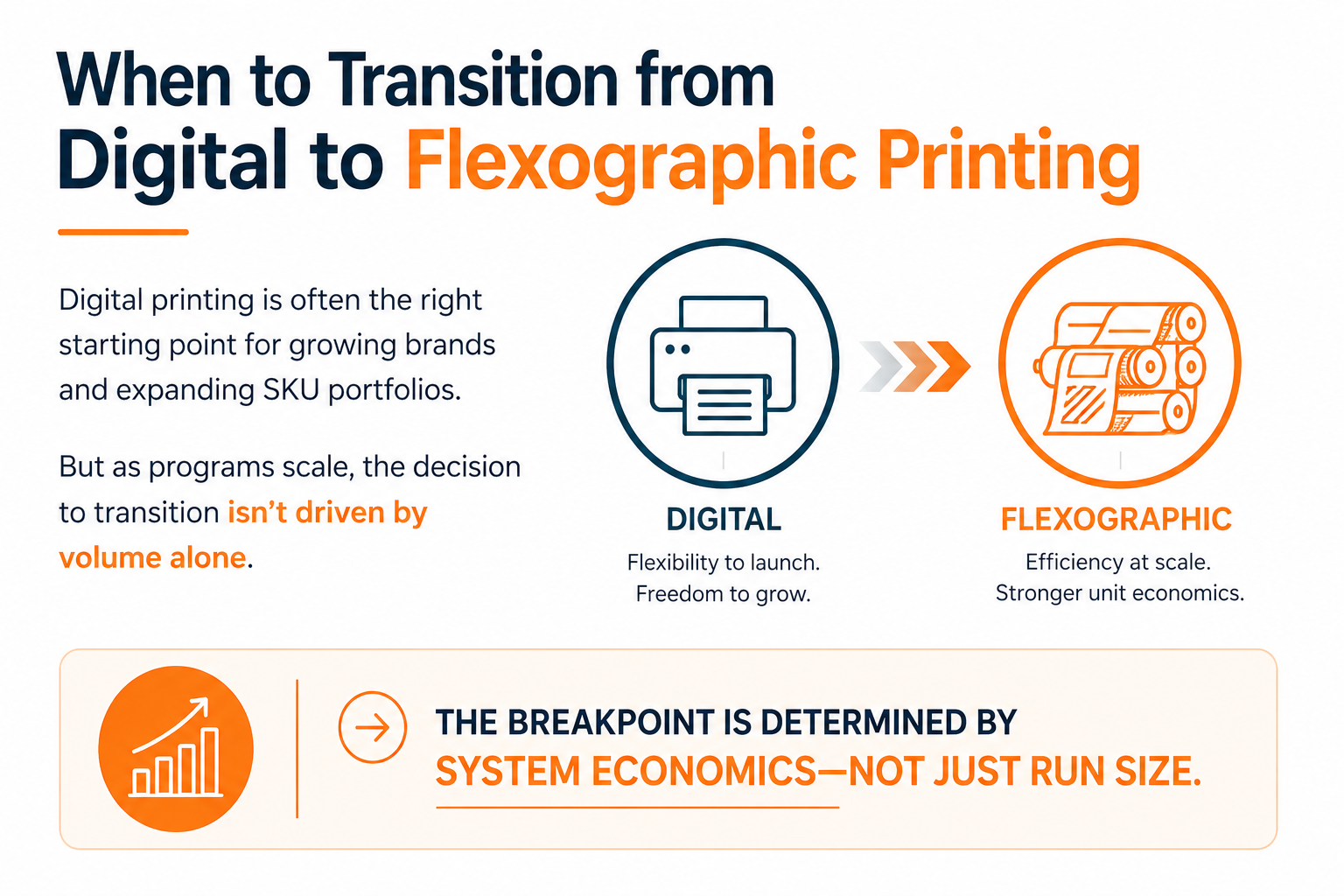
Point-of-purchase (POP) displays are designed to capture shopper attention and influence buying decisions. Beyond structure and branding, the quality of print determines how well a display communicates from multiple viewing angles in a retail environment. Selecting the right printing method ensures your display performs both visually and functionally. Printing Methods for Corrugated POP Displays Not all printing methods are suited for corrugated displays. Each has its own strengths and trade-offs in cost, speed, quality, and run size. The three most common methods are: Flexographic Printing Digital Printing Lithographic (Offset) Printing Flexographic Printing Flexographic printing uses plates to apply ink as material passes through rollers. Advantages Cost-Efficient at Scale: Once plates are created, cost per unit is low for large or repeat orders. Pantone Accurate: Ensures precise color matching across production runs. Versatile: Works on uneven surfaces and a wide range of substrates. High Speed: Suited for mass production. Limitations High Startup Costs: Plates and tooling are expensive, making short runs less economical. Poor for Sampling: Costly and impractical to produce prototypes. Best Fit: Large-volume retail displays where consistency and color accuracy are priorities. Digital Printing Digital printing applies artwork directly from a file to the substrate, eliminating plates. Advantages Low Startup Cost: Cost-effective for short runs and prototypes. Fast Turnaround: Ideal for tight deadlines or seasonal campaigns. Flexible: Easily handles multiple SKUs or frequent artwork changes. High Quality: Produces sharp graphics suitable for branded displays. Limitations Less Economical at Scale: Higher cost per unit for large volumes. Color Variability: Approx. 95% accurate; not a perfect Pantone match. Slower Mass Output: Not as efficient as flexographic presses for high quantities. Best Fit: Small-batch retail displays, prototypes, or variable-data campaigns. Lithographic (Offset) Printing Lithographic printing transfers ink from a plate to a rubber blanket, then onto the substrate, with options for coatings or varnishes. Advantages Highest Quality: Sharp, detailed graphics with accurate color reproduction. Premium Finishes: Coatings and varnishes enhance durability and appearance. Scalable: Handles small to large format prints. Limitations High Setup Cost: Plates and setup make short runs expensive. Not Sample-Friendly: Prototypes are cost-prohibitive. Longer Lead Time: Setup and adjustments require planning. Best Fit: High-volume displays where premium image quality is essential for brand impact.` Designing Graphics for POP Displays Effective POP displays combine structure with clear, impactful graphics. Common elements include: Logos and Brand Colors Product Imagery Text (ingredients, instructions, contact info) Symbols and Icons Promotions or Pricing Call-to-Action Messaging Mascots or Characters Any artwork provided must be adjusted to fit dielines correctly. Designers ensure bleed, folds, and structural features align with graphics to avoid misprints. Choosing the Right Printing Method When selecting a printing process, consider: Quality: Lithographic offers the highest resolution; flexographic is durable but less detailed. Budget and Quantity: Flexographic suits large runs, digital works best for small runs, lithographic for high-volume premium graphics. Lead Time: Digital is fastest due to no plate requirements. Brand Goals: For premium retail impact, lithographic justifies higher cost; for efficiency, flexographic is the workhorse. Buyer Takeaway Use flexographic printing for large-scale runs that need durability and consistent Pantone colors. Choose digital printing for prototypes, short runs, or campaigns with multiple SKUs. Invest in lithographic printing for premium displays that require sharp, high-quality graphics. Selecting the right method ensures POP displays not only stand out visually but also align with budget and timeline requirements. References Association of Independent Corrugated Converters (AICC). (2024). Printing Methods in Corrugated Packaging. Retrieved from https://www.aiccbox.org Flexible Packaging Association. (2023). Digital vs. Flexographic Printing. Retrieved from https://www.flexpack.org Robertson, G. L. (2016). Food Packaging: Principles and Practice (3rd ed.). CRC Press. (714)300-0650 request@brownpackaging.com Most Recent Posts: Categories: Corrugated Folding Carton Display Packaging Rigid Box Subscribe To Our Newsletter By submitting your information, you agree to our terms and conditions and privacy policy. POP Displays Facebook Twitter LinkedIn Pinterest Relevant Posts