

window.uetq = window.uetq || []; window.uetq.push(‘event’, ‘submit_lead_form’,{ event_label:‘SUBMIT MESSAGE’ }); window.lintrk('track', { conversion_id: 10271009 }); window.lintrk('track', { conversion_id: 10271017 });

Preventing Damage in Peak season Deliveries

Preventing Damage in Peak Season Deliveries

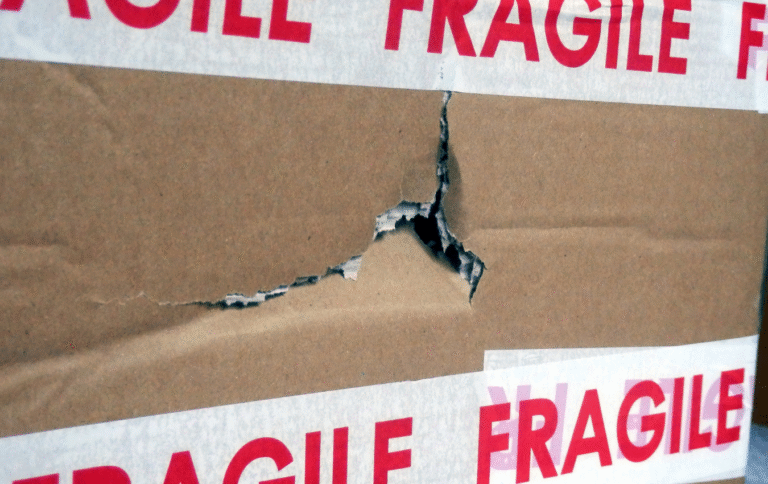
The holiday season is the busiest—and most demanding—time of year for e-commerce packaging. Higher shipping volumes, faster turnaround times, and rougher handling conditions increase the risk of product damage. For packaging buyers, preventing costly returns and protecting brand reputation requires balancing structural strength, material efficiency, and smart design choices.

The Risks of Peak Season Shipping

During peak periods, parcels move through more touchpoints than at any other time of year. This creates conditions that amplify damage risks:

  • Increased handling: More scans, transfers, and repacks.
  • Stacking and compression: Trailers and warehouses filled to maximum capacity.
  • Temperature extremes: Exposure to cold, moisture, or fluctuating environments.
  • Rushed labor: Faster fulfillment increases the chance of rough handling.
Benefits of Edge Protectors for Pallet Shipping

Key Packaging Strategies for Damage Prevention

  • Right-size boxes: Eliminate empty space that allows product shifting.
  • Reinforced materials: Choose double-wall or high-performance corrugated for heavy SKUs.
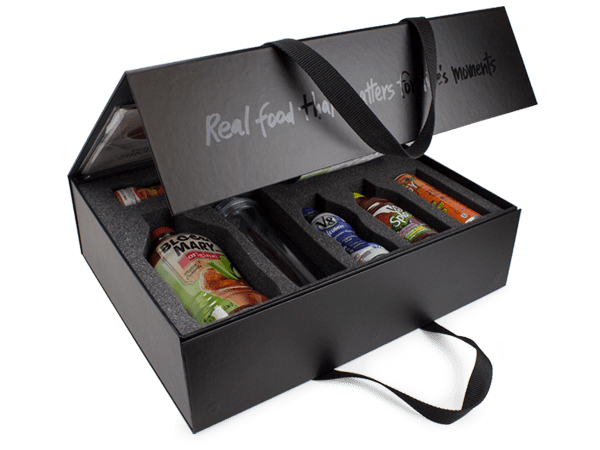
  • Protective inserts: Foam, corrugated, or molded pulp provide stability.
  • Edge and corner protection: Absorb shock during stacking and transit.
  • Moisture resistance: Add coatings or liners for weather-sensitive deliveries.
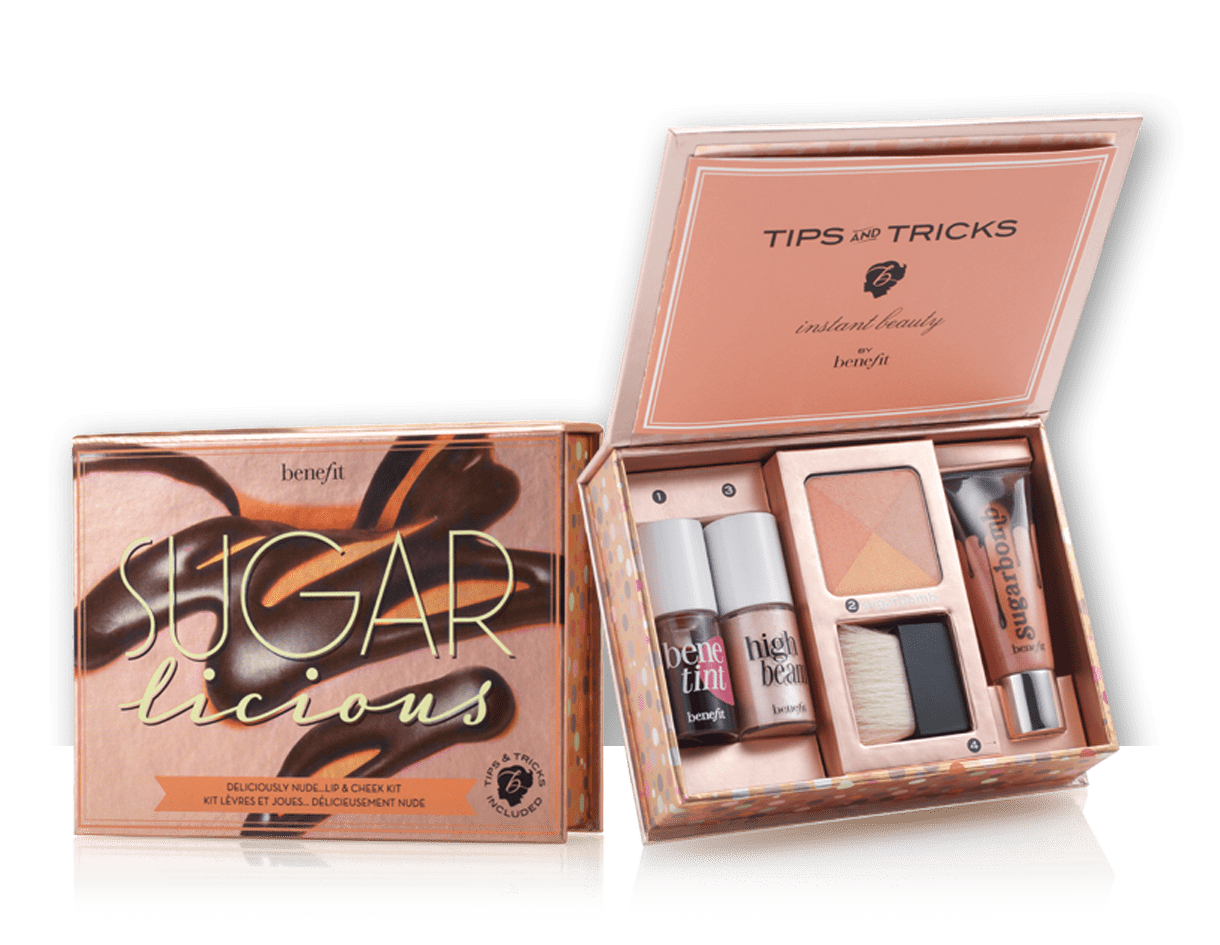
custom rigid box with insert

Testing Packaging for Peak Loads

Simulation testing before the holiday rush ensures packaging is fit for purpose:

  • Vibration testing: Replicates conditions of long-haul transit.
  • Compression testing: Confirms stacking strength under peak loads.
  • Drop testing: Evaluates impact protection across handling points.

Investing in testing reduces the risk of large-scale returns that erode profit margins.

Balancing Cost and Performance

Not every product requires heavy-duty protection. Over-packaging drives up material and freight costs. Buyers should focus on:

  • Identifying SKUs most vulnerable to damage.
  • Applying protective features only where necessary.
  • Leveraging data from past returns to guide improvements.
Custom rigid box with handles and foam insert

Holiday Packaging Solutions with Brown Packaging

Brown Packaging helps brands design e-commerce packaging that survives peak season conditions without unnecessary cost. From reinforced corrugated boxes to protective inserts and coatings, our solutions ensure your products arrive intact and customer-ready. Contact us to prepare your packaging program for the holiday rush.

References


ASTM International. (2023). ASTM D4169: Standard Practice for Performance Testing of Shipping Containers and Systems.
Soroka, W. (2009). Fundamentals of Packaging Technology (4th ed.). Institute of Packaging Professionals.
International Safe Transit Association (ISTA). (2022). ISTA Series Test Procedures for Packaged Products in Transit.

Most Recent Posts:
Meeting 2026 Packaging Compliance Standards

Packaging compliance is no longer optional—it’s a requirement for accessing retail shelves, shipping networks, and international markets. In 2026, buyers must navigate evolving regulations around sustainability, labeling, and testing to

Read More »
Categories:
Subscribe To Our Newsletter

By submitting your information, you agree to our terms and conditions and privacy policy.

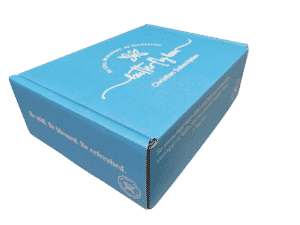
Custom tuck top mailer box with print
Ecommerce Packaging
Facebook
Twitter
LinkedIn
Pinterest
Relevant Posts
10 Strategies for Bottom Shelf Retail Success
Retail
brownpackaging
10 Strategies for Bottom Shelf Retail Success

In the competitive world of retail, effective packaging can make all the difference. If your product finds itself on the bottom shelf, it’s essential to invest in packaging that not only protects your product but also captures the attention of shoppers. In this comprehensive guide, we’ll explore how to package your product for retail and make it stand out, even when placed on the bottom shelf. Know Your Target Audience Eye-Catching Design Optimize Packaging Size Clear Product Information Use Unique Shapes Incorporate Interactive Elements Highlight Key Selling Points Utilize Color Psychology Test Store Layouts Collaborate with Retailers Understanding the Significance of Shelf Placement The placement of your product on the retail shelf can greatly impact its visibility and sales. Bottom shelf placement is a common challenge, as it may be less eye-catching than eye-level or top-shelf locations. However, with strategic packaging and design, you can overcome this challenge and make your product shine. Know Your Target Audience Understanding your target audience is the first step in creating effective packaging. What appeals to your potential customers? What are their preferences and priorities? Tailor your packaging design to resonate with your target demographic. Eye-Catching Design Invest in a visually appealing packaging design that grabs attention. Use vibrant colors, compelling graphics, and high-quality images to make your product stand out. Ensure that your packaging reflects the essence of your brand and the uniqueness of your product. Optimize Packaging Size Consider the dimensions of your packaging. If your product is on the bottom shelf, it should be easy to reach and handle. Avoid oversized or bulky packaging that can be challenging for customers to access. Clear Product Information Provide clear and concise product information on the packaging. Shoppers should be able to quickly understand what your product is, its key features, and its benefits. Use legible fonts and make essential details easily visible. Use Unique Shapes Consider unique packaging shapes that distinguish your product from the competition. Unconventional shapes can pique curiosity and draw shoppers’ attention. However, ensure that the shape aligns with your brand and product identity. Incorporate Interactive Elements Interactive packaging features can engage shoppers and make your product memorable. This might include peel-and-reveal labels, cut-out windows, or embossed textures that invite touch and exploration. Highlight Key Selling Points Identify your product’s key selling points and prominently feature them on the packaging. Whether it’s eco-friendly materials, product quality, or a special promotion, make sure these attributes are clearly communicated. Utilize Color Psychology Harness the power of color psychology to evoke specific emotions and associations. Different colors can convey trust, excitement, or relaxation, depending on your brand and product message. Test Store Layouts Visit retail stores where your product is sold and observe how the bottom shelves are arranged. Request shelf adjustments or rearrangements if necessary to ensure better visibility. Collaborate with Retailers Build strong relationships with retailers and collaborate on promotional opportunities. Retailers may provide signage, displays, or end-cap placements that can enhance your product’s visibility. Conclusion Effective packaging is a crucial element in making your product stand out on the bottom shelf of retail stores. By understanding your target audience, investing in eye-catching design, optimizing packaging size, providing clear product information, using unique shapes, incorporating interactive elements, highlighting key selling points, leveraging color psychology, testing store layouts, and collaborating with retailers, you can increase your product’s chances of success, even in a less prominent location. Remember that packaging is not just a protective shell; it’s a powerful marketing tool that can influence shoppers’ buying decisions. With thoughtful and strategic packaging, you can make your product a standout success on any shelf. (714)300-0650 request@brownpackaging.com Most Recent Posts: Categories: Corrugated Ecommerce ESD Design Display Flexible Packaging Foam Folding Carton Packaging Plastic Packaging Pouch Printing Protection Retail Rigid Box Thermoform Sustainability Subscribe To Our Newsletter By submitting your information, you agree to our terms and conditions and privacy policy. Custom Packaging Facebook Twitter LinkedIn Pinterest Relevant Posts

Read More »
The Imperative Role of Protective Packaging in eCommerce
Ecommerce
brownpackaging
The Imperative Role of Protective Packaging in eCommerce

The surge of eCommerce has fundamentally altered the methods in which products are bought and sold. Amid these alterations, one element consistently remains vital — the significance of protective packaging. This blog post aims to examine the essential role that protective packaging plays in eCommerce, highlighting the various types, and assessing its influence on customer satisfaction and brand reputation. Setting the Scene: The Fundamentals of Protective Packaging The principle of protective packaging is straightforward. It’s designed to guard goods from potential damage during transit. It cloaks the product, offering a defensive layer against shocks, vibrations, or unfavorable environmental conditions that may take place during the delivery process. This makes sure the item arrives in the best condition, ready for the customer’s unboxing delight. Protective Packaging: A Cornerstone of eCommerce Victory The prominence of protective packaging in eCommerce is indisputable. Let’s delve into why: Consumer Gratification and Recurring Business Picture a customer, their anticipation high, unboxing their long-awaited purchase, only to discover it’s broken or damaged. The consequent disappointment can result in negative feedback, a claim for a refund, or worst still, a customer lost forever. In contrast, a product delivered in immaculate condition, thanks to sturdy protective packaging, culminates in a content customer who’s more likely to make subsequent purchases. Corporate Image and Reputation The condition in which a product is delivered significantly influences a company’s professionalism and dedication to quality. An undamaged product suggests that the company values its customers and takes pride in its quality product delivery. Conversely, repeated delivery of damaged goods can smear a company’s reputation. Ecological Considerations Modern consumers are more eco-conscious than ever about their purchasing impact. Employing environmentally friendly, recyclable protective packaging not only diminishes a company’s ecological footprint but also resonates with this burgeoning market demographic. A Variety of Protective Packaging Options Different types of protective packaging are frequently employed in eCommerce. Here’s a brief introduction: Air Pillows These lightweight, inflatable packaging materials secure items within the box and prevent them from shifting during transit. They provide a space-efficient, reusable, and recyclable solution. Bubble Wrap Bubble wrap is a pliable plastic sheeting with small, air-filled bubbles providing cushioning for fragile or delicate items. Foam Inserts Custom foam inserts are cut to fit around the specific shape of a product, offering excellent protection. They are perfect for shipping electronics, glassware, and other fragile items. Kraft Paper Kraft paper is a robust and versatile packaging material, ideal for filling voids and providing cushioning in the packaging. It’s also recyclable and biodegradable, making it a popular eco-friendly choice. Corrugated Inserts Corrugated inserts, made from sturdy paper-pulp, are a favored choice for due to their strength, durability, and cost-effectiveness. Selecting the Ideal Solution for Your eCommerce Enterprise Selecting the right protective packaging for your eCommerce business is a juggling act. It demands consideration of the nature of the products you ship, your budget, the customer experience, and your company’s commitment to the environment. Experiment with various packaging materials and techniques to find what suits your products best. Involve your customers by seeking their feedback. Most importantly, keep sustainability at the forefront of your packaging strategy, as it can be a significant differentiator in the highly competitive eCommerce environment. If you are interested in protective packaging for ecommerce, then partner with Brown Packaging today to get started today. (714)300-0650 request@brownpackaging.com Most Recent Posts: Categories: Corrugated Ecommerce ESD Design Display Flexible Packaging Foam Folding Carton Packaging Plastic Packaging Pouch Printing Protection Retail Rigid Box Thermoform Sustainability Subscribe To Our Newsletter By submitting your information, you agree to our terms and conditions and privacy policy. Ecommerce Packaging Facebook Twitter LinkedIn Pinterest Relevant Posts

Read More »
Bringing Your Small Business Product to Retail
Retail
brownpackaging
Bringing Your Small Business Product to Retail

As a small business owner, bringing your product to retail is a significant milestone, and the packaging plays a crucial role in making a lasting impression on customers. Proper packaging not only protects your product but also enhances its visual appeal and brand recognition. In this comprehensive guide, we’ll walk you through the essential steps and considerations for creating the correct and proper packaging for your product as you navigate the retail landscape. Understand Your Product and Audience Before diving into packaging design, take the time to thoroughly understand your product and target audience. What are the unique features and benefits of your product? What problem does it solve for your customers? Knowing your product inside and out will help you tailor your packaging to its specific needs and the preferences of your audience. Determine Your Budget Packaging costs can vary significantly depending on factors like materials, design complexity, and order quantity. Determine your budget for packaging early in the process to ensure you strike the right balance between cost and quality. Remember that packaging is an investment in your brand’s success. Choose the Right Materials Selecting the appropriate packaging materials is essential for product protection and presentation. Consider factors such as product fragility, weight, and environmental impact when choosing materials. Common packaging materials include cardboard, corrugated cardboard, plastic, glass, and more. If sustainability is a priority, explore eco-friendly options. Focus on Functionality Functionality is key when designing retail packaging. Your packaging should not only protect your product but also make it easy for customers to access and use. Consider features like resealable closures, easy-open tabs, and clear windows that allow customers to see the product inside. Design for Brand Identity Your packaging should align with your brand’s identity and convey a cohesive message. Use your brand colors, logo, and typography consistently across all packaging elements. A well-designed package enhances brand recognition and encourages customer loyalty. Follow Retailer Guidelines If you plan to sell your product through specific retailers, be sure to understand their packaging guidelines and requirements. Retailers often have specific packaging standards that must be met for shelf placement. Failing to comply with these guidelines can hinder your product’s entry into retail stores. Test and Iterate Before finalizing your packaging, conduct testing and gather feedback. Test the packaging for durability, functionality, and visual appeal. Seek input from potential customers, friends, or focus groups to ensure it resonates with your target audience. Be open to making adjustments based on the feedback you receive. Consider Sustainability Sustainability is an increasingly important factor in packaging design. Many consumers prefer eco-friendly packaging, so explore options like recyclable materials, reduced packaging waste, and sustainable printing practices. Highlight your commitment to sustainability on your packaging if applicable. Work with Professionals If you’re not confident in your packaging design skills, consider working with packaging professionals, such as graphic designers and packaging manufacturers. They can provide expertise and guidance to create packaging that meets industry standards and customer expectations. Plan for Production and Distribution Once you’ve finalized your packaging design, plan for production and distribution. Choose a reliable packaging manufacturer or supplier that can meet your production needs. Ensure that your packaging is compatible with your distribution methods and can withstand the rigors of shipping and handling. Conclusion Creating the correct and proper packaging for your small business product is a critical step in bringing it to retail success. Invest time and resources in thoughtful packaging design that aligns with your brand identity, appeals to your target audience, and meets retailer requirements. A well-designed package not only enhances your product’s chances of success on retail shelves but also communicates your brand’s values and quality to customers. With the right packaging strategy, your small business can make a memorable impact in the retail marketplace. If you are interested in bringing your products to retail with the correct packaging solutions, then partner with Brown Packaging today to get started. (714)300-0650 request@brownpackaging.com Most Recent Posts: Categories: Corrugated Ecommerce ESD Design Display Flexible Packaging Foam Folding Carton Packaging Plastic Packaging Pouch Printing Protection Retail Rigid Box Thermoform Sustainability Subscribe To Our Newsletter By submitting your information, you agree to our terms and conditions and privacy policy. Retail Packaging Facebook Twitter LinkedIn Pinterest Relevant Posts

Read More »