window.uetq = window.uetq || []; window.uetq.push(‘event’, ‘submit_lead_form’,{ event_label:‘SUBMIT MESSAGE’ }); window.lintrk('track', { conversion_id: 10271009 }); window.lintrk('track', { conversion_id: 10271017 });

Pet Product Packaging That Withstands E-Commerce Handling

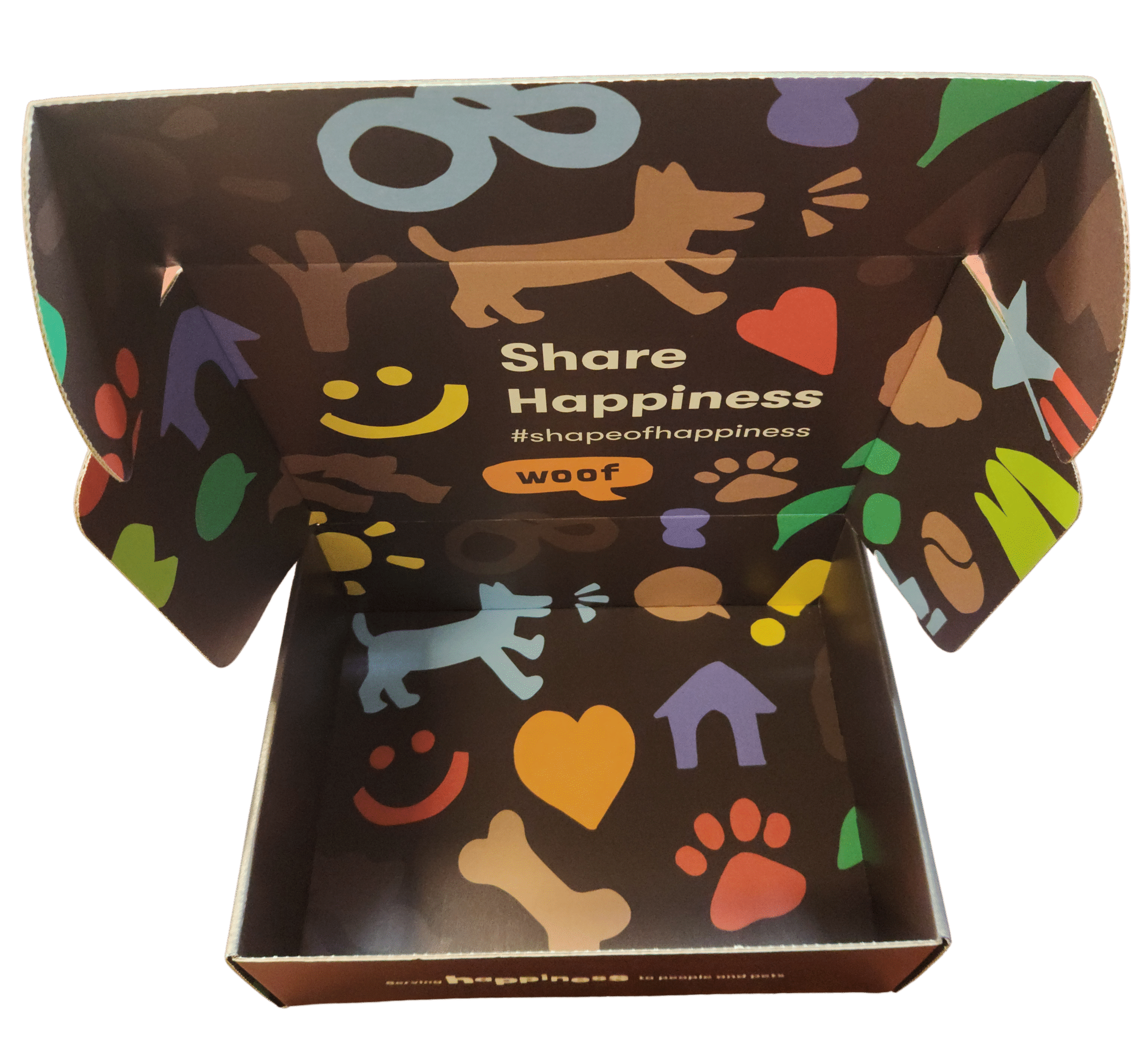
Custom Corrugated Mailer

E-commerce packaging for pet products must endure far more stress than traditional retail packaging. Shipments face repeated drops, vibration, compression, and environmental fluctuations. Structural design, material selection, and protective features must work together to ensure the product arrives in perfect condition.

Key Hazards in E-Commerce Distribution

  • Drop Impact: Packages may be dropped from heights of up to 1.2 m (4 ft) during sortation or delivery.
  • Vibration: Continuous shaking in transit can cause product settling or material fatigue.
  • Compression: Stacking in transit or warehouses can deform or crush underfilled packages.
  • Moisture and Temperature Extremes: Exposure to rain, snow, and heat during delivery.

Structural Design Considerations

  • Reinforced Corrugated Shippers: Double-wall or heavy-duty C-flute for bulk pet food and accessories.
  • Internal Bracing or Partitioning: Keeps products from shifting during transit.
  • Right-Sizing: Minimizes void space to reduce product movement and dimensional weight charges.
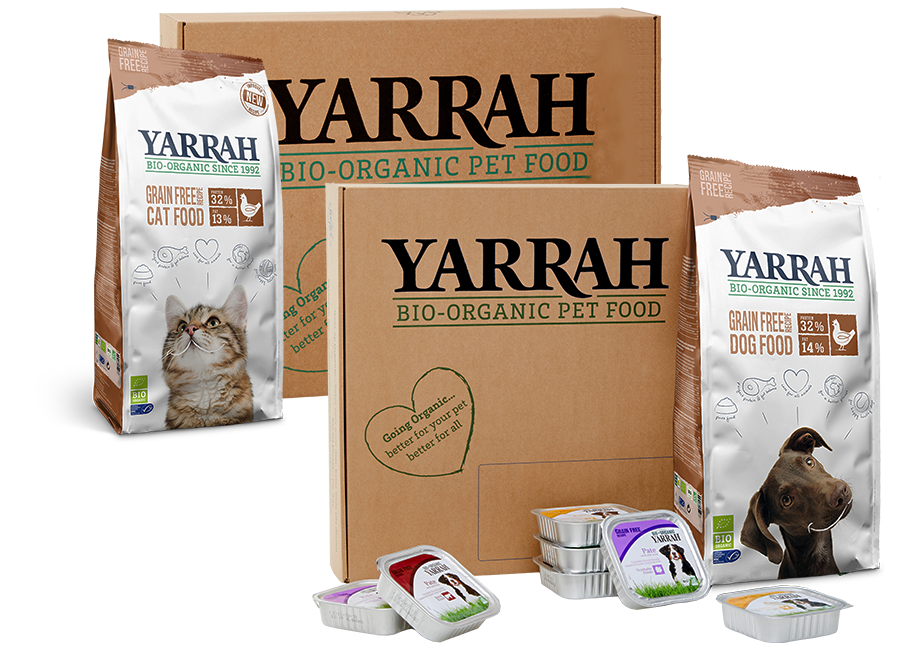
custom corrugated boxes with print and custom printed gusseted pouches

Material Selection

  • Moisture-Resistant Coatings: For corrugated and paperboard used in outer shipping containers.
  • Puncture-Resistant Films: Prevent tearing from sharp pet accessories like toys or grooming tools.
  • Impact-Absorbing Cushioning: Paper-based or foam inserts to protect fragile items such as glass supplement jars.
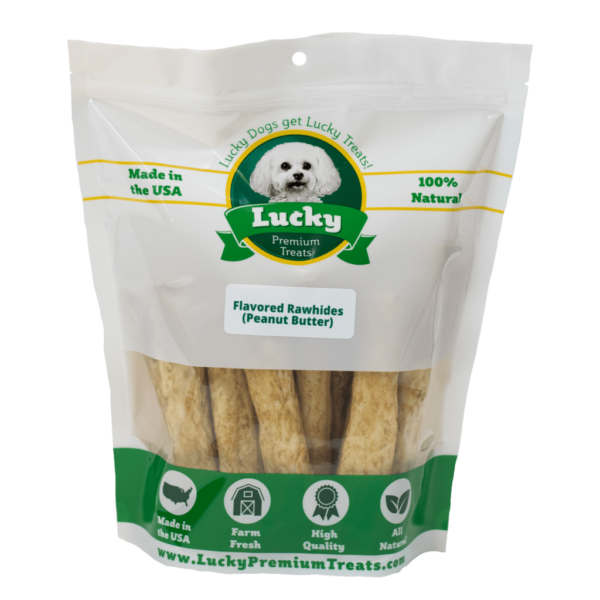
custom pouch

Protective Features

  • Tamper-Evident Seals: Maintain consumer trust and ensure product integrity.
  • Overwraps or Polybags: Provide secondary protection against moisture and dirt.
  • Label Durability: Smudge- and water-resistant labels for scannability.
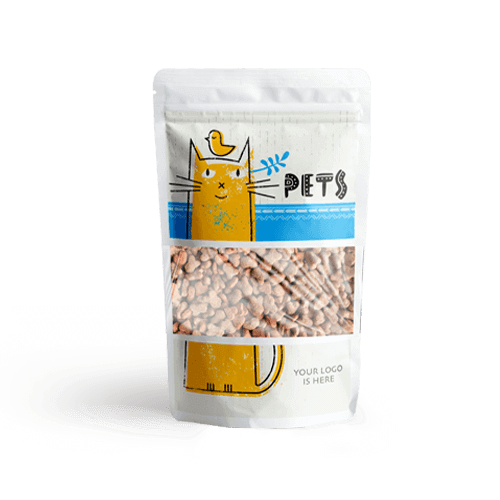
custom Printed pouch with clear window

Performance Testing for E-Commerce

  • Drop Testing: ISTA 3A or ASTM D5276 to simulate parcel handling.
  • Vibration Testing: ASTM D999 to evaluate performance under prolonged vibration.
  • Compression Testing: ASTM D642 to determine stacking strength.
  • Environmental Conditioning: ASTM D4332 to simulate humidity and temperature changes.

E-Commerce Packaging Guidelines

  • Amazon ISTA 6 Standards: Requires packaging to pass drop and vibration tests without damage.
  • Right-Weighting: Balancing durability with material reduction to lower shipping costs.
  • Consumer Experience: Easy-open designs and branding that reinforce product quality.

References


ASTM International. (2015). ASTM D5276-15: Standard test method for drop test of loaded containers by free fall. ASTM International. https://doi.org/10.1520/D5276-15
ASTM International. (2015). ASTM D642-15: Standard test method for determining compressive resistance of shipping containers. ASTM International. https://doi.org/10.1520/D0642-15
International Safe Transit Association. (2022). ISTA test procedures. https://ista.org

Most Recent Posts:
Retail Packaging Trends for 2026

Retail packaging continues to evolve as brands balance sustainability, supply chain performance, and consumer experience. In 2026, buyers face new challenges shaped by material innovation, compliance requirements, and rising consumer

Read More »
Categories:
Subscribe To Our Newsletter

By submitting your information, you agree to our terms and conditions and privacy policy.

custom pet packaging
Custom Packaging
Facebook
Twitter
LinkedIn
Pinterest
Relevant Posts
Custom printed stick packs on countertop display
Display
brownpackaging
Maximizing Visual Appeal in POP Displays

Point of Purchase (POP) displays are crucial tools in the retail landscape, serving as a silent salesperson that attracts, engages, and persuades shoppers. The visual appeal of these displays can profoundly influence consumer behavior, driving impulse purchases and enhancing brand recognition. This blog delves into strategies to maximize the visual impact of your POP displays to captivate and convert shoppers more effectively. The Power of First Impressions The first interaction a customer has with a product often happens through a POP display. Creating a striking first impression is essential as it sets the tone for the customer’s perception of the product. This can be achieved by using a combination of colors, lighting, and arrangement that not only attracts attention but also communicates the brand’s message effectively. Strategies for Enhancing Visual Appeal Emphasizing Color Psychology Color plays a pivotal role in marketing, with different colors evoking specific emotions. For example, red can create feelings of excitement and urgency, which is ideal for clearance sales, while blue can invoke a sense of trust and dependability. Selecting the right colors for your POP display can help influence consumer reactions and encourage purchasing behavior. Innovative Lighting Techniques Lighting can dramatically enhance the attractiveness of a display. Spotlighting can be used to highlight key products or features, while ambient lighting can set the mood or atmosphere around a display. LED lights are particularly useful for their versatility and energy efficiency, allowing for dynamic color changes and effects that draw the eye. Dynamic Layouts and Structures The physical structure of a POP display should not only be sturdy but also creatively engaging. Modular displays that can be easily reconfigured allow for refreshing the presentation regularly, keeping it interesting for repeat customers. Incorporating levels, depth, and motion in display designs can guide the customer’s gaze through the products and emphasize promotional items effectively. Integrating Technology Technology can be a game-changer in enhancing the visual appeal of POP displays. Digital screens can display changing content such as ads, informative videos, or interactive elements. This not only attracts attention but also provides valuable information, making the shopping experience more engaging and memorable. High-Quality Graphics and Signage Investing in high-resolution graphics and clear, readable signage is crucial. Quality visuals convey the brand’s commitment to excellence and help maintain a professional image. Effective signage should be concise yet descriptive, providing key information at a glance while enticing shoppers to learn more about the product. Tailoring Displays to Target Audiences Understanding the demographics and preferences of your target audience is vital. A display aimed at younger consumers might be more vibrant and energetic, while one targeting a more upscale demographic might employ subtler, sophisticated design elements. Tailoring the visual elements of your POP displays to match the expectations and preferences of your specific audience can significantly increase their effectiveness. Conclusion The visual appeal of POP displays plays an essential role in capturing customer interest and driving sales. By carefully considering elements such as color, lighting, structure, technology, and graphics, retailers can create compelling displays that not only draw attention but also enhance the shopping experience. Effective POP displays are those that manage to marry aesthetic appeal with functional design, making them not just visually striking but also strategically effective in driving product interest and sales. If you are interested in POP displays, then partner with Brown Packaging today to get started. (714)300-0650 request@brownpackaging.com Most Recent Posts: Categories: Corrugated Ecommerce ESD Design Display Flexible Packaging Foam Folding Carton Packaging Plastic Packaging Pouch Printing Protection Retail Rigid Box Thermoform Sustainability Subscribe To Our Newsletter By submitting your information, you agree to our terms and conditions and privacy policy. POP Displays Facebook Twitter LinkedIn Pinterest Relevant Posts

Read More »
Why Brands Are Turning to Flexible Packaging
Flexible Packaging
brownpackaging
Why Brands Are Turning to Flexible Packaging

When you think about product packaging, your mind probably jumps to traditional solutions like plastic containers, cans, or cardboard boxes. However, a dramatic shift is taking place in the industry, with more and more brands embracing flexible packaging. This transition doesn’t just benefit the businesses adopting this approach, but it also has implications for consumers and the environment. Let’s delve deeper into why brands are turning to flexible packaging. Cost-Effectiveness One of the primary reasons businesses are gravitating towards flexible packaging is its cost-effectiveness. Compared to rigid packaging, flexible packaging often requires less material. This decrease in material not only reduces the upfront cost for the company but also means that less energy is consumed during production, which results in a lower overall manufacturing cost. Furthermore, flexible packaging is lighter and compact, which means it requires less storage space and reduces transportation costs. Consequently, the savings can be passed on to the consumer, leading to a competitive price point on the shelf. Enhanced Brand Appeal and Marketing Capabilities Flexible packaging offers a wide array of creative design opportunities. The surface of flexible packaging provides a larger area for product information, instructions, and branding elements compared to traditional rigid packaging. This allows companies to create more engaging and informative packaging, enhancing their brand appeal and increasing their product’s visibility on store shelves. Moreover, the ability to use high-quality graphics and vibrant colors on flexible packaging helps brands to stand out in a crowded marketplace and make a stronger connection with consumers. Convenience and User Experience In today’s fast-paced world, consumers prioritize convenience. They desire products that are easy to use, transport, and store. Flexible packaging aligns perfectly with these consumer demands. Packages can be resealable, easy to open, and can even include features like spouts for easy pouring. In addition, flexible packaging can be engineered to improve the freshness of food items, offering a more extended shelf-life. This enhanced preservation functionality is particularly appealing to consumers and can lead to increased brand loyalty. Sustainability In the face of increasing environmental concerns, brands are under pressure to minimize their ecological footprint. Flexible packaging often utilizes less material and energy during production and transportation compared to traditional packaging, thereby reducing CO2 emissions. As consumers become more environmentally conscious, brands that utilize sustainable packaging options are likely to be favored over those that don’t. Adaptability Finally, flexible packaging offers a high degree of adaptability. It can be tailored to suit a wide range of product shapes, sizes, and types, from food items to beauty products, and everything in between. It can also accommodate various product delivery methods, like squeeze pouches or stand-up pouches with zip locks. This versatility means that no matter what a company’s specific needs may be, flexible packaging can be customized to meet them. Final Thoughts: Why Brands Are Shifting Towards Flexible Packaging The shift towards flexible packaging signifies a crucial evolution in the packaging industry. It provides brands with a host of benefits, from cost-effectiveness and enhanced brand appeal to improved user experience, sustainability, and adaptability. With these advantages, it’s no surprise that more and more brands are choosing flexible packaging as their go-to solution. Whether you’re a brand looking to reinvent your packaging or a consumer keen to understand the changes you’re seeing on store shelves, the rise of flexible packaging is an exciting development that’s set to shape the future of product packaging. If you are interested in flexible packaging, then partner with Brown Packaging today. (714)300-0650 request@brownpackaging.com Most Recent Posts: Categories: Corrugated Ecommerce ESD Design Display Flexible Packaging Foam Folding Carton Packaging Plastic Packaging Pouch Printing Protection Retail Rigid Box Thermoform Sustainability Subscribe To Our Newsletter By submitting your information, you agree to our terms and conditions and privacy policy. Custom Packaging Facebook Twitter LinkedIn Pinterest Relevant Posts

Read More »
How to Reduce the Risk of Glass Breaking During Transit
Protection
brownpackaging
How to Reduce the Risk of Glass Breaking During Transit

Shipping glass products can be challenging due to their fragile nature. Whether you’re shipping glass jars, bottles, or other delicate items, the packaging you choose plays a critical role in ensuring their safe arrival. This guide provides practical strategies and materials to protect glass during transit, reducing the risk of damage. Tips for Protecting Glass During Transit Minimize Empty Space Empty space inside the package allows glass items to move around, increasing the likelihood of breakage.• Choose packaging that closely fits your product dimensions.• Fill any gaps with cushioning materials like foam, packing peanuts, or bubble wrap.Pro Tip: Use dividers or molded inserts to keep multiple items secure and separate. Use Durable Boxes Your choice of shipping box can make or break your packaging strategy—literally.• Sturdy cardboard or corrugated boxes provide better protection than thin or flimsy options.• Consider weather-resistant materials to protect against moisture during transit.Pro Tip: Double-boxing adds an extra layer of protection for particularly fragile or valuable glass items. Invest in Custom Packaging Custom packaging solutions are tailored to your product’s specific needs.• Custom-fitted boxes, foam or molded pulp inserts keep items secure and reduce movement.• These options often incorporate materials designed to absorb shock and protect against impacts.Pro Tip: Custom packaging may have a higher upfront cost but often saves money by reducing breakage and returns. Test Your Packaging Before Shipping Simulate real-world shipping conditions to identify potential weaknesses in your packaging.• Drop tests and vibration tests can help ensure your materials hold up under stress.• Make adjustments to address any vulnerabilities.Pro Tip: Testing your packaging can also help you optimize material usage, balancing protection with cost efficiency. Best Materials for Shipping Glass Bubble Wrap Lightweight and versatile, bubble wrap provides excellent cushioning.• Use it to wrap individual items tightly and secure with tape.• Place additional layers around the product if needed.Cons: Not eco-friendly and can be time-consuming to apply. Molded Pulp Inserts Custom-shaped from recycled materials, molded pulp provides a snug fit for glass items.• Protects against movement and shock.• Biodegradable and easy to recycle.Cons: Higher cost and requires a steady supply of recycled materials. Corrugated, Chipboard, Foam Inserts & Partitions These inserts help stabilize and protect individual items during transit.• Corrugated inserts offer strong structural support and can be customized to fit product shapes.• Chipboard inserts provide a thinner, eco-friendly option ideal for lighter products or presentation.• Foam inserts absorb shock and protect fragile items with precision cutouts.• Partitions keep multiple items separated to prevent internal impact.Cons: May require custom tooling or design, but provide significant value in protection and product organization. Wrapping Paper An affordable and eco-friendly option for additional cushioning.• Use in combination with other materials to fill gaps or wrap items.Cons: Thin and unable to absorb significant shock on its own. Packing Peanuts Lightweight and shock-absorbent, packing peanuts fill empty spaces effectively.• Ensure items are tightly surrounded to prevent shifting.Cons: Less environmentally friendly and can be messy to handle. How to Pack Glass Jars for Shipping Wrap Each Jar Securely: Use bubble wrap, molded pulp, or other protective materials. Insert Dividers: Keep jars separate to avoid collisions. Seal Liquids: Place liquid-filled jars in leak-proof bags before wrapping. Fill Empty Spaces: Use packing peanuts or crumpled paper to stabilize items. Reinforce the Box: Use sturdy tape to seal the box and reinforce the seams. Final Packing Steps Layer the Base: Place at least 3 inches of cushioning material at the bottom of the box. Position the Items: Place glass products in the center, away from edges. Top Layer: Add another layer of cushioning to protect the top. Seal and Label: Secure the box with packing tape and add “Fragile” labels to inform handlers. Why Proper Packaging Matters Shipping fragile items like glass is a challenge, but investing in the right packaging materials and techniques can significantly reduce breakage. Properly protected items not only ensure customer satisfaction but also save you money on replacements and returns. Need expert advice on packaging solutions?Contact us today to explore custom options for your shipping needs! (714)300-0650 request@brownpackaging.com Most Recent Posts: Categories: Corrugated Ecommerce ESD Design Display Flexible Packaging Foam Folding Carton Packaging Plastic Packaging Pouch Printing Protection Retail Rigid Box Thermoform Sustainability Subscribe To Our Newsletter By submitting your information, you agree to our terms and conditions and privacy policy. Custom Packaging Facebook Twitter LinkedIn Pinterest Relevant Posts

Read More »