









Brown Packaging
With over 30 years of experience, Brown Packaging has been a trusted partner for businesses of all sizes, providing custom and stock packaging solutions tailored to their needs. Our in-house services ensure personalized support, guiding you from concept to completion for a seamless experience. Whether you need innovative designs or sustainable options, we work with you every step of the way to deliver exceptional packaging results.


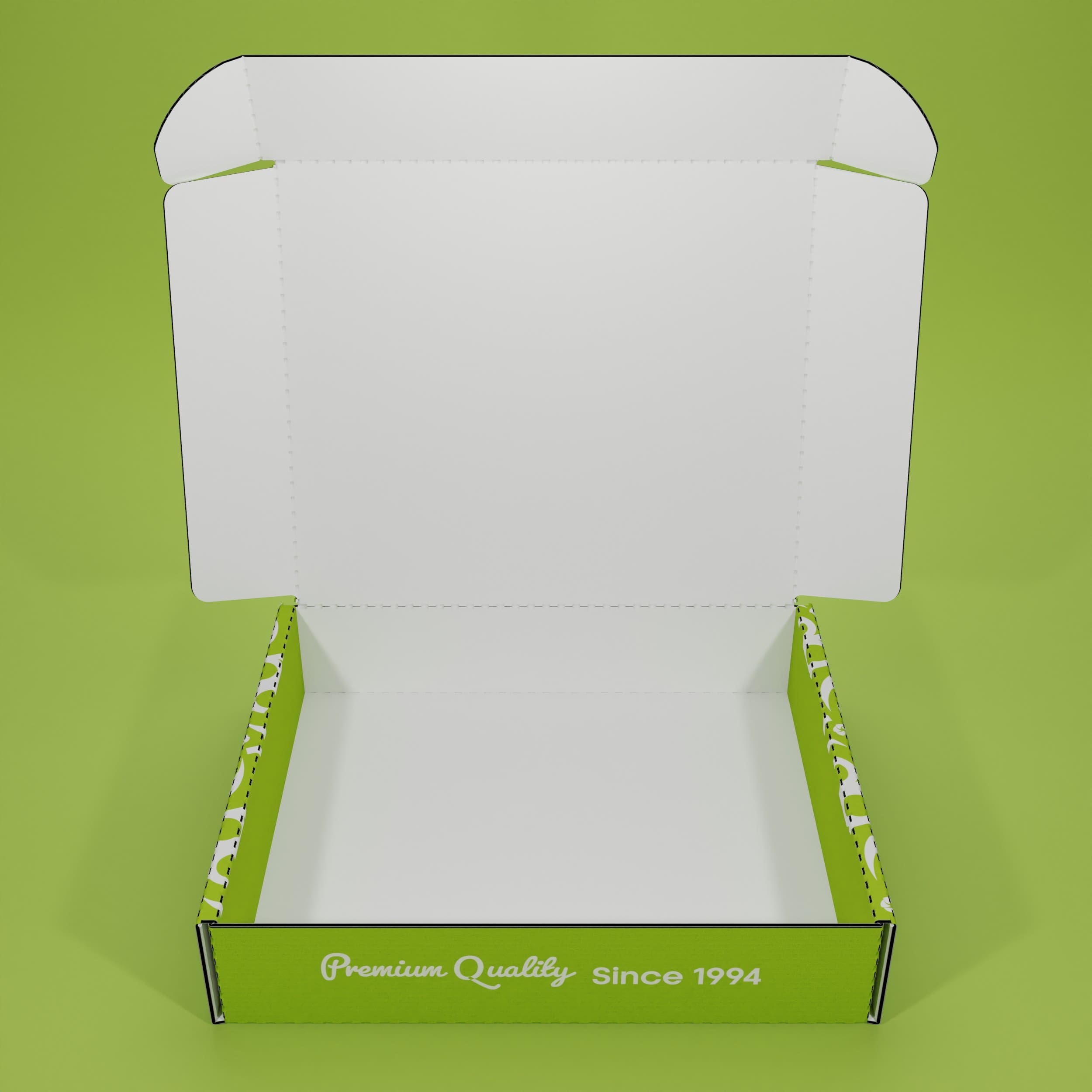
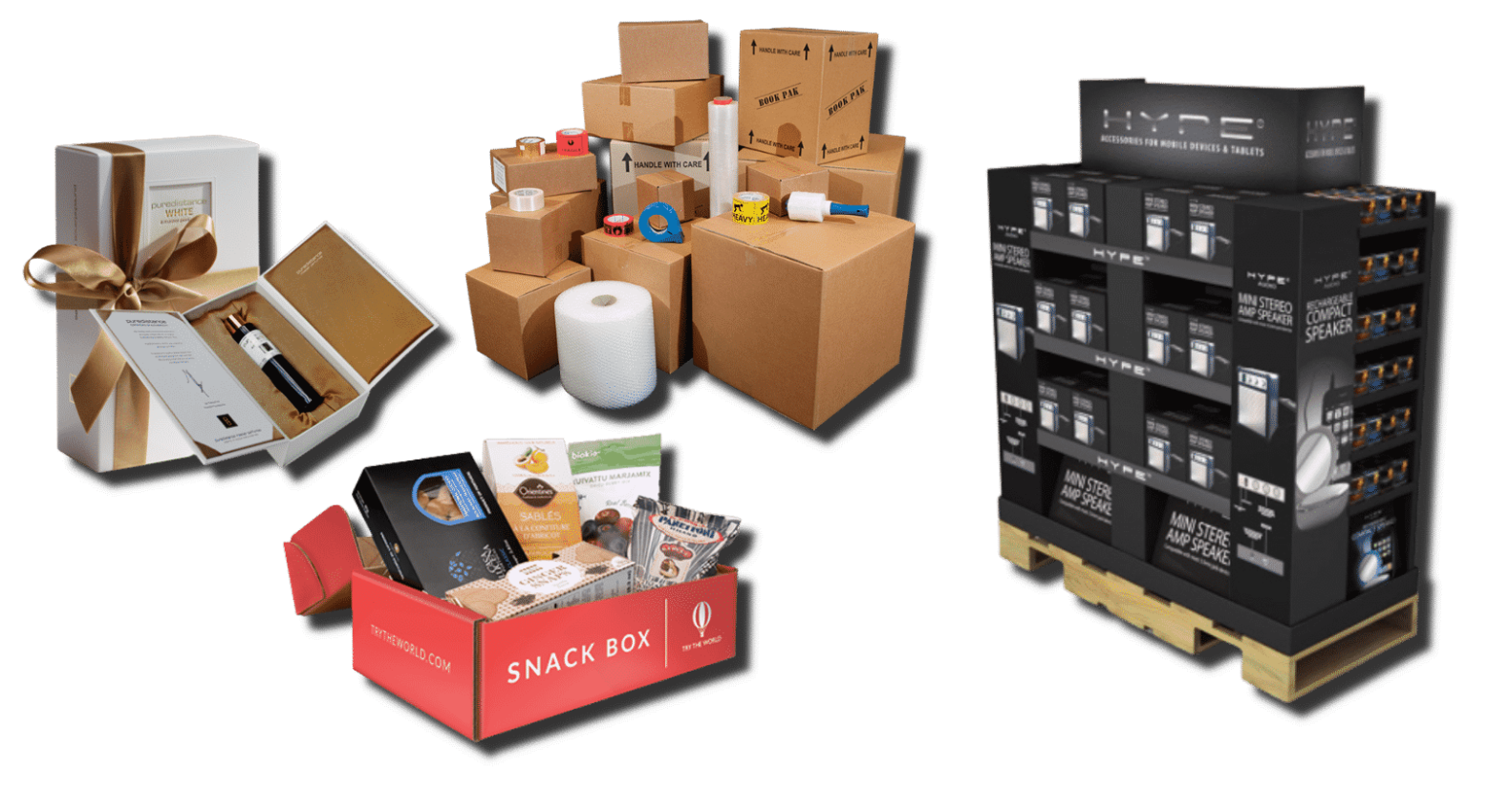
We offer a variety of custom packaging products and solutions to meet all your packaging needs in one place. You’ll work directly with a dedicated project specialist to customize your package according to your specifications, including branding, features, and design.
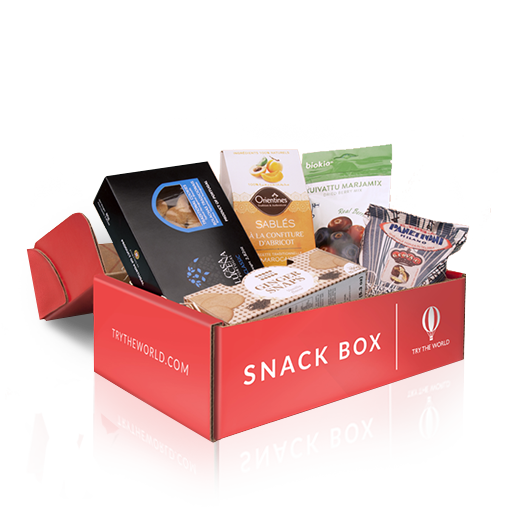
Our stock packaging products, from corrugated boxes to stretch film, offer a wide selection, including essentials like tape, edge protectors, labels, and more, with quick turnaround times to meet your packaging needs efficiently.
Optimize your packaging’s durability, security, branding, cost, unboxing experience and more.
We build durable and efficient packaging for simple to the most complex products.
Sterilization, clean room and medical compliant packaging products and solutions.
We serve a wide variety of businesses including: pet, toy, cosmetic, electronic and more.
At Brown Packaging, we help our clients create unique packages that reflect their brand and produce results. As a result, we look to add as much value to your packaging experience and product as possible with our services.
-
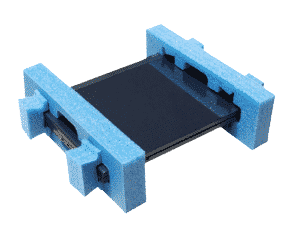
Structural Design
-
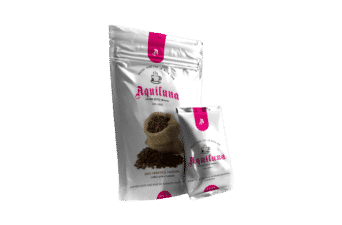
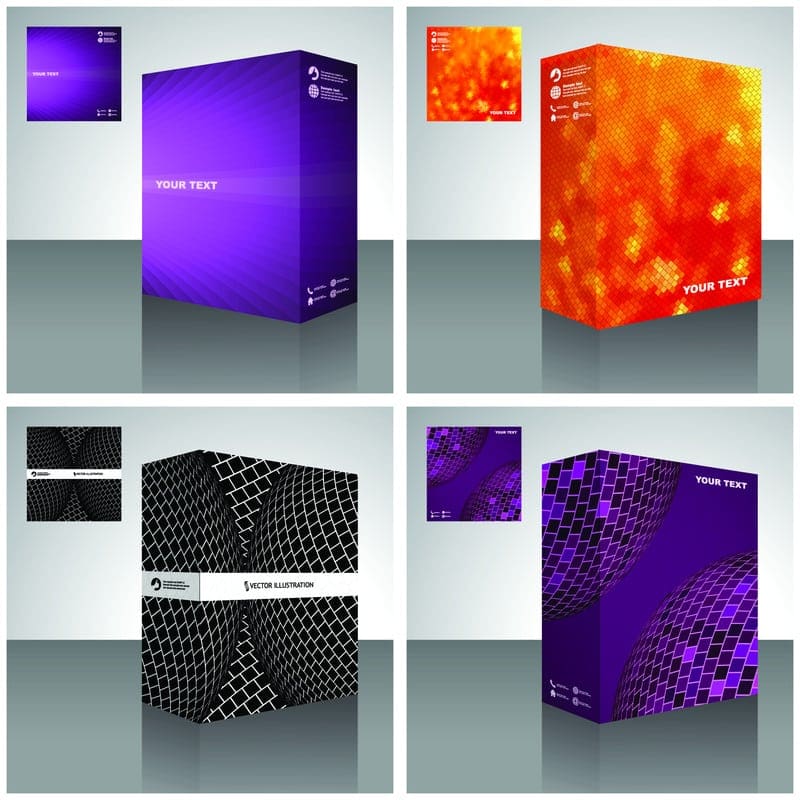
Graphic Design
-
Sampling & Prototyping
-
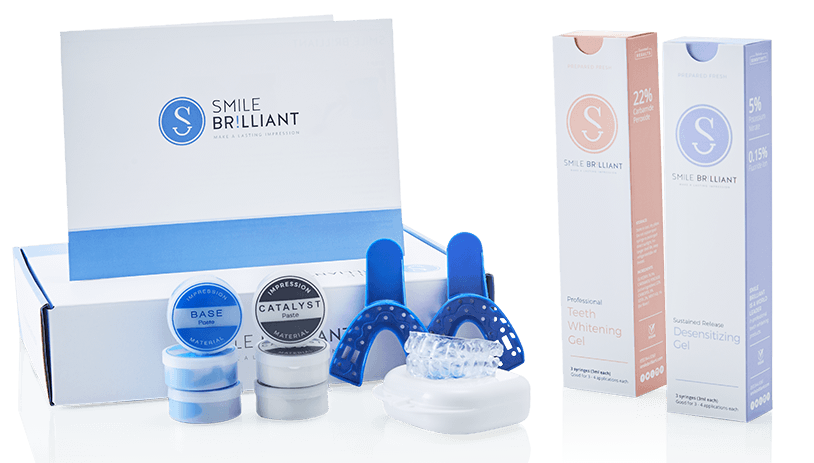
Contract Packaging & Fulfillment
-
Product & Material Testing
Optimize Your Packaging with Structural Design Services
Our structural design services optimize your packaging by enhancing durability and reducing material use, which leads to cost savings and increased sustainability. By focusing on efficient design, we help improve product protection, reduce shipping costs, and minimize environmental impact. These tailored solutions also boost your brand’s shelf presence, making your packaging both functional and attractive.
Elevate Your Packaging with Graphic Design Services
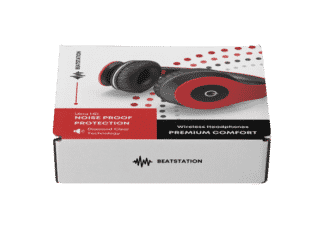
Our graphic design services enhance your packaging by creating visually appealing designs that strengthen branding and attract customer attention. By focusing on cohesive brand identity and impactful visuals, we ensure your products stand out on the shelf and resonate with your target audience. Thoughtfully designed packaging not only improves shelf appeal but also reinforces brand recognition and loyalty. Let us help you make a lasting impression with packaging that truly represents your brand.
Perfect Your Packaging with Sampling and Prototyping Services
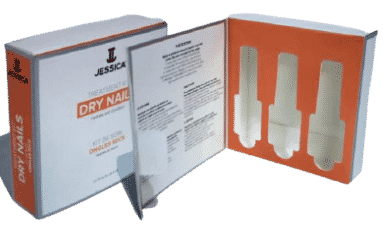
Our sampling and prototyping services provide both digital and physical packaging samples, allowing you to see and feel your design before full production. We offer high-quality digital prints for precise visualization and physical samples to ensure the packaging meets your expectations in terms of design, fit, and function. This process helps you make informed decisions and refine your packaging to perfection before committing to large-scale production. Whether you need to test a concept or showcase a final design, our sampling and prototyping services ensure your packaging is ready for market.
Streamline Your Packaging with Fulfillment and Contract Services
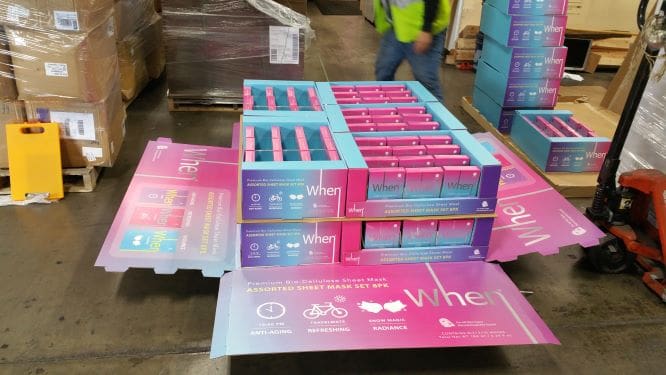
Our fulfillment and contract packaging services offer comprehensive solutions, including assembly, kitting, pack-out displays, and co-packing. We handle every step of the process, ensuring your products are expertly assembled, packaged, and ready for distribution. Whether you need custom kitting, retail-ready displays, or efficient co-packing, our services are designed to streamline your operations and get your products to market quickly and efficiently. Trust us to manage the details, so you can focus on growing your business.
Ensure Quality with Product and Material Testing Services
Our product and material testing services ensure your packaging meets the highest standards of quality and durability. We rigorously test packaging materials to confirm they can withstand the demands of shipping, handling, and storage, protecting your products from damage. In addition, we assist in obtaining key certifications, such as ISTA and others, to ensure compliance with industry standards. By evaluating both the product and its packaging, we help you identify potential issues before they reach the market, ensuring reliability and customer satisfaction.
-
Structural Design
-
Graphic Design
-
Sampling & Prototyping
-
Contract Packaging & Fulfillment
-
Product & Material Testing
Optimize Your Packaging with Structural Design Services
Our structural design services optimize your packaging by enhancing durability and reducing material use, which leads to cost savings and increased sustainability. By focusing on efficient design, we help improve product protection, reduce shipping costs, and minimize environmental impact. These tailored solutions also boost your brand’s shelf presence, making your packaging both functional and attractive.
Elevate Your Packaging with Graphic Design Services
Our graphic design services enhance your packaging by creating visually appealing designs that strengthen branding and attract customer attention. By focusing on cohesive brand identity and impactful visuals, we ensure your products stand out on the shelf and resonate with your target audience. Thoughtfully designed packaging not only improves shelf appeal but also reinforces brand recognition and loyalty. Let us help you make a lasting impression with packaging that truly represents your brand.
Perfect Your Packaging with Sampling and Prototyping Services
Our sampling and prototyping services provide both digital and physical packaging samples, allowing you to see and feel your design before full production. We offer high-quality digital prints for precise visualization and physical samples to ensure the packaging meets your expectations in terms of design, fit, and function. This process helps you make informed decisions and refine your packaging to perfection before committing to large-scale production. Whether you need to test a concept or showcase a final design, our sampling and prototyping services ensure your packaging is ready for market.
Streamline Your Packaging with Fulfillment and Contract Services
Our fulfillment and contract packaging services offer comprehensive solutions, including assembly, kitting, pack-out displays, and co-packing. We handle every step of the process, ensuring your products are expertly assembled, packaged, and ready for distribution. Whether you need custom kitting, retail-ready displays, or efficient co-packing, our services are designed to streamline your operations and get your products to market quickly and efficiently. Trust us to manage the details, so you can focus on growing your business.
Ensure Quality with Product and Material Testing Services
Our product and material testing services ensure your packaging meets the highest standards of quality and durability. We rigorously test packaging materials to confirm they can withstand the demands of shipping, handling, and storage, protecting your products from damage. In addition, we assist in obtaining key certifications, such as ISTA and others, to ensure compliance with industry standards. By evaluating both the product and its packaging, we help you identify potential issues before they reach the market, ensuring reliability and customer satisfaction.
Our sustainable packaging products are designed to minimize environmental impact while maintaining top-notch quality and durability. Choose from a variety of eco-friendly materials, inks, prints and other customizable options to meet your sustainability goals.
At Brown Packaging, we specialize in providing innovative, fully customizable packaging solutions to meet all your business needs. With over 30 years of experience, we offer the capabilities of a large supplier while delivering personalized service and cost-efficient options. From concept to completion, we are committed to sustainability and offer a wide range of eco-friendly packaging solutions.
Full-Service Packaging
Get all your packaging needs from one supplier, guiding you from concept to completion.
Flexible Solutions
We offer packaging options to suit the needs of any brand and budget.
Expert Assistance
Work one on one with a dedicated project manager from concept to completion.
Compliant Solutions
Our packaging solutions meet both retailer requirements and government regulations.
Aaron Meneses went above and beyond servicing our company for our specific needs, and delivered on all his promises for the job. The outcome of the product went above our expectations and delivered ON TIME!
Brown Packaging fulfilled many of our orders with competitive pricing and always provided a quick turn around time. Keith Thomas personally assisted me on several projects and helped walk me though all of the important ordering details. I will be contacting Keith again as new projects come my way!
Full-Service Packaging
Get all your packaging needs from one supplier, guiding you from concept to completion.
Flexible Solutions
We offer packaging options to suit the needs of any brand and budget.
Expert Assistance
Work one on one with a dedicated project manager from concept to completion.
Compliant Solutions
Our packaging solutions meet both retailer requirements and government regulations.
Brown Packaging fulfilled many of our orders with competitive pricing and always provided a quick turn around time. Keith Thomas personally assisted me on several projects and helped walk me though all of the important ordering details. I will be contacting Keith again as new projects come my way!
If you need any assistance with your packaging or have a question, then contact us directly at request@brownpackaging.com or (714)300-0650. Learn more about packaging by reading our blog posts on new and trending topics.

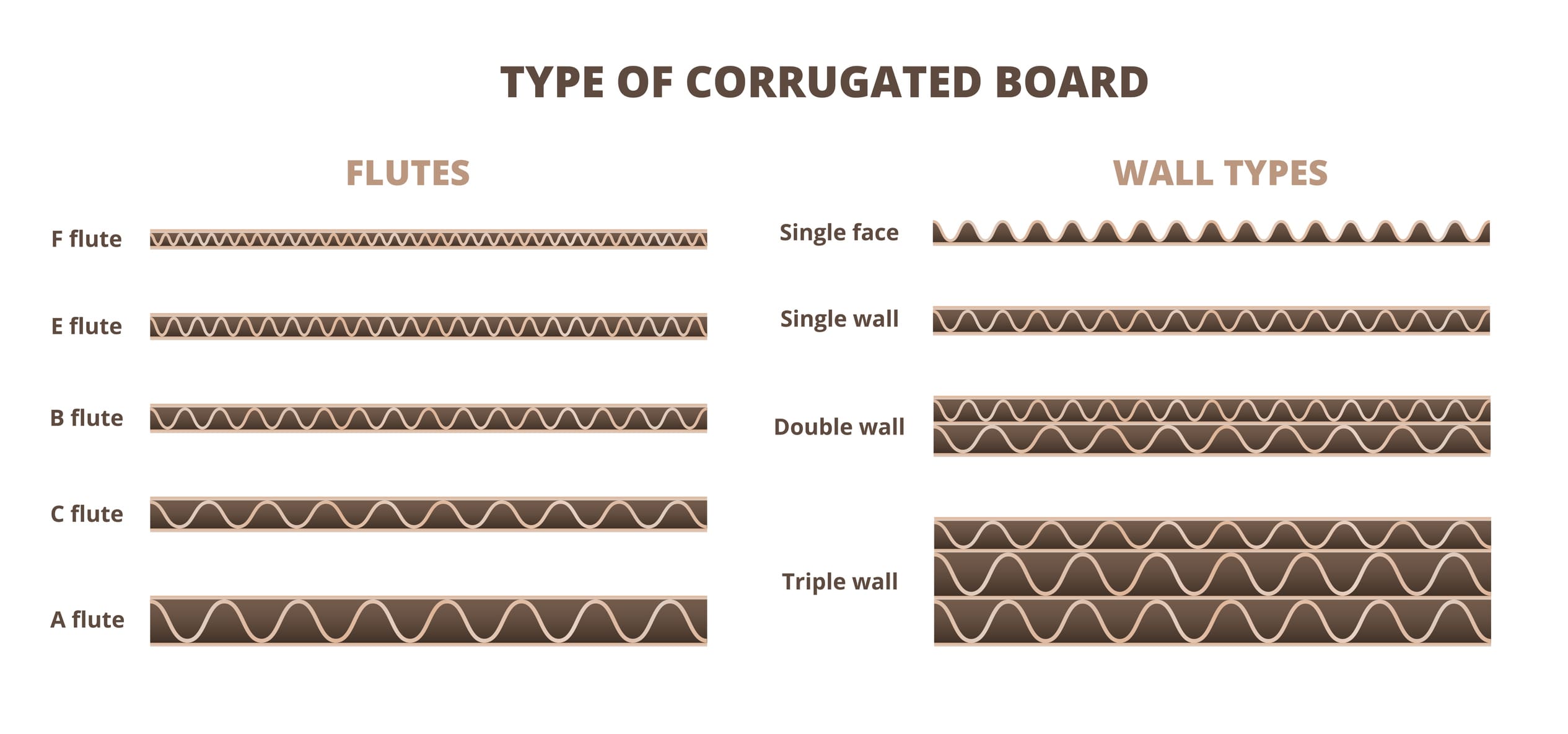
When it comes to choosing the right packaging for your products, you’re often faced with various options. One critical decision in the world of packaging is whether to go with double-wall or single-wall boxes. Each has its own set of advantages and considerations. In this detailed blog, we will explore both options, helping you make an informed choice that suits your specific packaging needs. Single-Wall Boxes: The Basics Single-wall boxes are constructed from a single layer of corrugated cardboard. This makes them lightweight and cost-effective. They are an excellent choice for a wide range of products, especially those that don’t require heavy-duty protection during transportation and storage. Advantages of Single-Wall Boxes Cost-Effective: Single-wall boxes are budget-friendly and suitable for businesses looking to reduce packaging costs without compromising quality. Lightweight: Their lightweight nature reduces shipping costs and makes handling easier. Versatile: Single-wall boxes can be used for a variety of products, such as clothing, cosmetics, and lightweight electronics. Easy to Assemble: They are straightforward to assemble, saving time in the packaging process. Considerations for Single-Wall Boxes Limited Protection: They offer limited protection for fragile or heavy items, making them less suitable for products that require enhanced safety during transit. Stacking Strength: Single-wall boxes may not withstand heavy stacking loads as well as double-wall boxes. Double or Wall Boxes: The Essentials Double-wall boxes are constructed from two layers of corrugated cardboard, offering increased strength and durability. They are designed to provide superior protection for heavier or fragile products. Advantages of Double-Wall Boxes Enhanced Durability: Double-wall boxes offer superior protection, making them ideal for products that require additional safeguarding during shipping. Heavy-Duty: They can withstand heavy stacking loads, reducing the risk of damage to the contents. Versatility: Double-wall boxes are suitable for a wide range of products, from electronics and appliances to glassware and ceramics. Considerations for Double-Wall RETT Boxes Cost: Double-wall boxes are generally more expensive than single-wall options due to the additional material and strength. Weight: They are heavier, which can increase shipping costs and make handling more challenging. Choosing the Right Option The choice between single-wall and double-wall boxes ultimately depends on your specific product and shipping requirements. Here are some factors to consider: Product Weight: If your products are heavy or fragile, double-wall boxes provide the necessary protection. For lighter and less delicate items, single-wall boxes may suffice. Shipping Distance: For long-distance shipping or international transport, double-wall boxes can offer added security against rough handling and stacking. Budget: Consider your budget constraints. Single-wall boxes are more cost-effective, which can be an advantage for businesses looking to reduce packaging expenses. Environmental Impact: Think about your commitment to sustainability. Single-wall boxes, being lighter, may have a lower carbon footprint in terms of shipping, while double-wall boxes are sturdier and reusable. Conclusion Choosing between single-wall and double-wall boxes depends on your specific packaging needs, product characteristics, and budget considerations. Single-wall boxes are cost-effective and versatile, suitable for lightweight products. Double-wall boxes offer enhanced protection and durability, making them ideal for heavy or fragile items. Assess your unique requirements and make an informed choice to ensure your products are well-protected during transit and storage while staying within your budget constraints. If you are interested in roll end tuck end boxes, then partner with Brown Packaging today to get started. (714)300-0650 request@brownpackaging.com Most Recent Posts: Categories: Corrugated Ecommerce ESD Design Display Flexible Packaging Foam Folding Carton Packaging Plastic Packaging Pouch Printing Protection Retail Rigid Box Thermoform Sustainability Subscribe To Our Newsletter By submitting your information, you agree to our terms and conditions and privacy policy. Roll End Tuck Top (RETT) Boxes Facebook Twitter LinkedIn Pinterest Relevant Posts

Polyvinyl chloride, commonly known as PVC, is a widely used plastic in the packaging industry, celebrated for its versatility and durability. PVC’s unique properties make it an ideal choice for various packaging applications, utilizing its capability to be molded into rigid or flexible forms. In this blog, we’ll delve into the integral role of PVC in thermoforming, a process that transforms this adaptable material into innovative packaging solutions. What is PVC? PVC is a synthetic plastic polymer, commercially available in two basic forms: rigid and flexible. The rigid form of PVC is often used in construction for pipes and in windows and doors, while the flexible form is enhanced with plasticizers like phthalates, making it suitable for a wide range of packaging applications. Its intrinsic properties, such as resistance to environmental degradation, chemical stability, and durability, make it a staple in the packaging sector. The Thermoforming Process of PVC Thermoforming is a manufacturing process where a plastic sheet is heated to a pliable forming temperature, formed to a specific shape in a mold, and trimmed to create a usable product. PVC is particularly well-suited for this process due to its thermal stability and excellent moldability. Here’s how PVC is used in thermoforming for packaging: Vacuum Forming Overview: This is the simplest form of thermoforming. Here, a sheet of plastic is heated and then stretched onto a single-surface mold. A vacuum is applied sucking the plastic sheet into the mold to form the desired shape. Applications: Vacuum forming is often used for packaging products that do not require intricate details or extreme precision, such as blister packaging and clamshell packaging which are prevalent in retail to securely package electronics, toys, and many consumer goods. Pressure Forming Overview: This method involves applying pressure on the heated plastic sheet against the mold, in addition to the vacuum. This process allows for greater detail and texture in the molding. Applications: Pressure forming is used for packaging solutions that require finer details and textures. This method is suitable for high-quality blister packs and trays that need a more aesthetically pleasing appearance or functional components like snap-fits. Twin-Sheet Forming Overview: Twin-sheet forming involves heating two plastic sheets simultaneously and then molding them to fuse together, creating a hollow structure. Applications: This technique is perfect for creating more robust and durable packaging solutions, like double-walled trays and cases that offer enhanced protection for transportation and storage. Benefits of Using PVC for Packaging Thermoforming Durability: PVC offers excellent resistance to impact, which is crucial for protecting products during shipping and handling. Chemical Resistance: It is resistant to oils, greases, and other chemicals, making it ideal for packaging a wide variety of substances. Moisture Resistance: PVC’s non-porous nature ensures that the packaged goods are protected against moisture, enhancing the product’s shelf life. Cost-Effectiveness: PVC is a cost-effective material choice for bulk manufacturing of packaging materials due to its low raw material cost and efficient processing capabilities. Applications of PVC in Packaging PVC’s adaptability makes it suitable for a broad range of packaging needs: Medical Packaging: For sterile medical tools and devices, where cleanliness and visibility are paramount. Food Packaging: For food items where rigidity and resistance to grease are needed. Retail Packaging: Durable and clear packaging options like blister packs and clamshells that protect and display the product attractively. For further details on how PVC can be integrated into your packaging strategy, or to explore the customization options available for your products, visit our frequently asked questions about polyvinyl chloride or contact our team at Brown Packaging, Inc. (714)300-0650 request@brownpackaging.com Most Recent Posts: Subscribe To Our Newsletter By submitting your information, you agree to our terms and conditions and privacy policy. Thermoform Packaging Facebook Twitter LinkedIn Pinterest Relevant Posts

When it comes to packaging fragile products, the choice of packaging materials and techniques plays a critical role in ensuring your delicate items reach their destination unscathed. Roll End Tuck Top (RETT) boxes offer a versatile solution for safeguarding fragile treasures during transit. In this buyer’s guide, we will delve into the essential steps and strategies for effectively packaging fragile products using RETT boxes, helping you make an informed choice to protect your delicate items. Selecting the Right RETT Box for Fragile Items The first step in packaging fragile products is choosing the appropriate RETT box. As a buyer, consider the following factors: Size: Ensure the box is the right size for your fragile items, allowing for a snug fit without excess space that could lead to movement during transit. Stronger Material: Opt for double-wall RETT boxes to ensure added strength and protection, especially when dealing with particularly fragile items. Internal Packaging: Depending on the fragility of your items, you may need additional internal packaging materials such as bubble wrap, foam inserts, or custom dividers. Wrapping and Cushioning Your Fragile Items Bubble Wrap: As a buyer, it’s essential to procure multiple layers of bubble wrap to wrap your fragile items. Ensure that all surfaces are covered, and pay special attention to any delicate protrusions or corners. Foam Padding: For extra protection, consider purchasing foam padding to wrap around your items. You can choose between cutting foam sheets to size or acquiring pre-cut foam inserts for a snug and cushioned environment. Secure with Tape: Be sure to secure the bubble wrap and foam padding in place using packaging tape. Verify that there are no loose edges or corners that could get caught during transit. Positioning Your Fragile Items in the RETT Box Center Placement: As a buyer, take care to place the wrapped and cushioned fragile items in the center of the RETT box. Ensure that there is a buffer of space between the products and the box walls. Layer of Void Fill: Add a layer of void fill material, such as packing peanuts or air pillows, around the items to further absorb shocks and vibrations during transportation. Sealing and Securing the RETT Box Tuck Top Closure: As a buyer, you should utilize the tuck top closure and cherry locks feature of the RETT box, folding the tuck flaps neatly. This secure closure prevents accidental openings during handling and transport. Sealing Tape: Seal the top of the box using high-quality packaging tape. Make certain that all seams are well-secured and consider using tape to reinforce the corners for added stability. Labeling and Fragile Warning for Buyers Labeling: It is crucial to label the box clearly as “Fragile” on all sides, using bold and easily visible lettering. This notifies handlers to exercise caution when dealing with your fragile items. Orientation Arrows: Buyers may also consider adding orientation arrows to indicate the proper upright position of the box, further reducing the risk of mishandling. Properly Packing Multiple Fragile Items for Buyers When purchasing RETT boxes to package multiple fragile items, buyers should consider these additional tips: Separate and Wrap: Ensure that each fragile item is individually wrapped, cushioned, and separated from the others to prevent contact and potential damage. Layering: Utilize dividers or layers of void fill between the items to create a protective barrier. Staggered Placement: Stagger the placement of items within the box to distribute weight evenly and reduce the risk of breakage. Conclusion for Buyers As a buyer, choosing the right RETT boxes and following these packaging steps and strategies can significantly reduce the risk of damage to your fragile products during transit. By taking these precautions and selecting the appropriate packaging materials, you can have confidence that your delicate items will reach their destination in pristine condition, ensuring customer satisfaction and brand reputation. If you are interested in packaging fragile products with roll end tuck end boxes, then partner with Brown Packaging today to get started. (714)300-0650 request@brownpackaging.com Most Recent Posts: Categories: Corrugated Ecommerce ESD Design Display Flexible Packaging Foam Folding Carton Packaging Plastic Packaging Pouch Printing Protection Retail Rigid Box Thermoform Sustainability Subscribe To Our Newsletter By submitting your information, you agree to our terms and conditions and privacy policy. Roll End Tuck Top Boxes Facebook Twitter LinkedIn Pinterest Relevant Posts

As businesses prepare for a new fiscal year, evaluating packaging needs becomes a crucial part of the planning process. Effective packaging not only protects your product but also plays a significant role in branding and customer experience. This blog post will guide you through a comprehensive approach to assess your packaging needs for the upcoming fiscal year. Understanding Current Packaging Performance Start by reviewing the performance of your current packaging. Consider factors like: Customer Feedback: Gather insights from customer reviews and surveys regarding the packaging. Are there any common complaints or suggestions? Damage Rates: Analyze the rate of product damage during shipping. High damage rates might indicate the need for more robust packaging. Cost Effectiveness: Evaluate the cost of your current packaging materials and processes. Are there areas where you can cut costs without compromising quality? Forecasting Product Trends and Changes Anticipate any changes in your product line that might affect packaging needs: New Products: Consider the packaging requirements for any new products you plan to launch. Product Modifications: Changes in size, shape, or fragility of your products will affect packaging choices. Market Trends: Stay abreast of market trends, like sustainable packaging, that could influence consumer preferences. Assessing Sustainability and Environmental Impact Sustainability in packaging is no longer a trend but a necessity. Assess your current packaging’s environmental impact: Material Usage: Are the materials used in your packaging recyclable or biodegradable? Could you switch to more sustainable options? Supply Chain Footprint: Consider the carbon footprint of your packaging supply chain and look for ways to reduce it. Evaluating Supplier Relationships The reliability of your packaging suppliers is crucial. Reflect on these relationships: Supplier Performance: Assess the performance of your current suppliers in terms of quality, delivery time, and communication. Cost Negotiations: Explore opportunities to renegotiate costs or find more cost-effective suppliers without compromising on quality. Technology and Innovation in Packaging Stay updated on the latest in packaging technology and innovations: Automation in Packaging: Can automation improve efficiency in your packaging process? Innovative Materials: Are there new materials that offer better protection, sustainability, or cost-effectiveness? Smart Packaging: Consider the adoption of smart packaging technologies that add value, such as QR codes or augmented reality features. Budget Allocation for Packaging Determine how much of your budget should be allocated to packaging, considering: Cost vs. Benefit Analysis: Balance the cost of improved packaging against the potential benefits, like reduced damage rates or increased customer satisfaction. Long-term Investments: Consider investing in higher-quality packaging that might be more expensive upfront but offers long-term savings. Compliance and Regulatory Considerations Ensure your packaging complies with industry regulations and standards: Local and International Laws: Be aware of packaging laws and regulations, especially if you’re shipping products internationally. Industry-Specific Standards: Certain products may have specific packaging standards, like food safety or hazardous materials. Developing a Packaging Strategy Based on your evaluation, develop a comprehensive packaging strategy for the fiscal year: Setting Goals: Define clear objectives for your packaging, such as reducing costs, minimizing environmental impact, or enhancing customer unboxing experiences. Action Plan: Create a step-by-step action plan to achieve these goals, including timelines and responsibilities. Conclusion Evaluating your packaging needs for the upcoming fiscal year is a multi-faceted process that requires a strategic approach. By assessing current performance, anticipating product changes, focusing on sustainability, and staying attuned to technological advancements, businesses can develop a packaging strategy that not only meets their operational needs but also aligns with customer expectations and environmental responsibilities. Remember, effective packaging is an investment in your product’s success and your brand’s reputation. (714)300-0650 request@brownpackaging.com Most Recent Posts: Categories: Corrugated Ecommerce ESD Design Display Flexible Packaging Foam Folding Carton Packaging Plastic Packaging Pouch Printing Protection Retail Rigid Box Thermoform Sustainability Subscribe To Our Newsletter By submitting your information, you agree to our terms and conditions and privacy policy. Custom Packaging Facebook Twitter LinkedIn Pinterest Relevant Posts

Effective packaging serves multiple purposes, including protecting products from dust, moisture, and tampering. These elements can compromise product quality, safety, and integrity during storage and transit. In this blog, we will explore various strategies and best practices to help you minimize the impact of dust, moisture, and tampering on your packaged goods. Reducing Dust Select Appropriate Packaging Materials: Choose packaging materials that offer good dust resistance. Sealed materials like plastics, laminates, or coated cardboard can create a protective barrier between the product and external dust particles. Implement Sealable Closures: Use packaging designs with sealable closures like zip-lock bags, resealable pouches, or adhesive seals. These closures keep dust out and allow consumers to reseal the package after use. Proper Handling and Storage: Store products in a clean and controlled environment before packaging. Ensure employees handling the products wear gloves and follow good hygiene practices to prevent contamination. Regular Cleaning: Maintain a clean packaging area to minimize dust contamination during the packaging process. Regularly clean equipment, conveyor belts, and packaging surfaces. Protective Inner Packaging: Consider using inner packaging layers, such as liners or inserts, to shield products from dust. For example, placing electronics in anti-static bags can prevent dust and electrostatic discharge. Mitigating Moisture Moisture-Resistant Materials: Select packaging materials with inherent moisture resistance, such as moisture-barrier films or laminated materials. These materials protect against humidity and moisture infiltration. Desiccants and Humidity Control: Include desiccants or humidity control products inside the packaging to absorb excess moisture. Silica gel packets and moisture-absorbing sachets are common options. Seal Integrity: Ensure that packaging seals are strong and airtight. Quality control checks should verify that no gaps or defects exist in the sealing process to prevent moisture ingress. Protective Coatings: Use coatings or laminates that provide a moisture-resistant barrier for printed packaging materials. This helps maintain the integrity of labels and graphics. Proper Storage: Store packaged products in a dry environment with controlled humidity levels. Warehouses and storage areas should be equipped with adequate ventilation and dehumidification systems. Preventing Tampering Tamper-Evident Seals: Incorporate tamper-evident features like shrink bands, breakable seals, or tear strips into your packaging design. These features indicate if the package has been tampered with. Security Labels: Apply security labels that leave a visible mark or message when removed. These labels discourage tampering and provide a clear indication if tampering has occurred. Serialization and Track-and-Trace: Implement serialization and track-and-trace systems to monitor and authenticate product movement through the supply chain. This helps identify anomalies and potential tampering incidents. Employee Training: Train your staff to recognize signs of tampering and follow proper security procedures. Encourage them to report any suspicious activities or findings. Regulatory Compliance: Adhere to industry and regulatory standards for tamper-evident packaging. Compliance ensures that your products meet safety and security requirements. By implementing these strategies and best practices, you can significantly reduce the risks associated with dust, moisture, and tampering in packaging. Remember that the specific approach may vary depending on your product type, industry, and regulatory requirements, so it’s essential to assess your unique needs and tailor your packaging solutions accordingly. Ultimately, effective packaging safeguards your products and enhances their overall quality and safety. If you are interested in proper packaging, then partner with Brown Packaging today to get started. (714)300-0650 request@brownpackaging.com Most Recent Posts: Categories: Corrugated Ecommerce ESD Design Display Flexible Packaging Foam Folding Carton Packaging Plastic Packaging Pouch Printing Protection Retail Rigid Box Thermoform Sustainability Subscribe To Our Newsletter By submitting your information, you agree to our terms and conditions and privacy policy. Custom Packaging Facebook Twitter LinkedIn Pinterest Relevant Posts