

Home » Packaging Solutions Designed for Cost Effectiveness
Packaging Solutions Designed for Cost Effectiveness
When it comes to packaging, cutting costs doesn’t mean cutting corners. The most cost-effective packaging solutions are those that balance performance, simplicity, and scalability. Whether you’re shipping direct-to-consumer, distributing through retail, or moving industrial product in bulk, your packaging should protect your product, support your brand, and save you money at scale.
Here are some of the most cost-effective packaging products—and why they’re worth considering.
Corrugated Boxes
Why it’s cost-effective:
Corrugated boxes are one of the most affordable and versatile options for shipping and storage. They’re lightweight, recyclable, and available in a wide range of sizes and strengths. Standard box styles like RSC (Regular Slotted Containers) keep production costs low and lead times fast.
Best for:
- E-commerce shipping
- Industrial parts
- Retail master packs
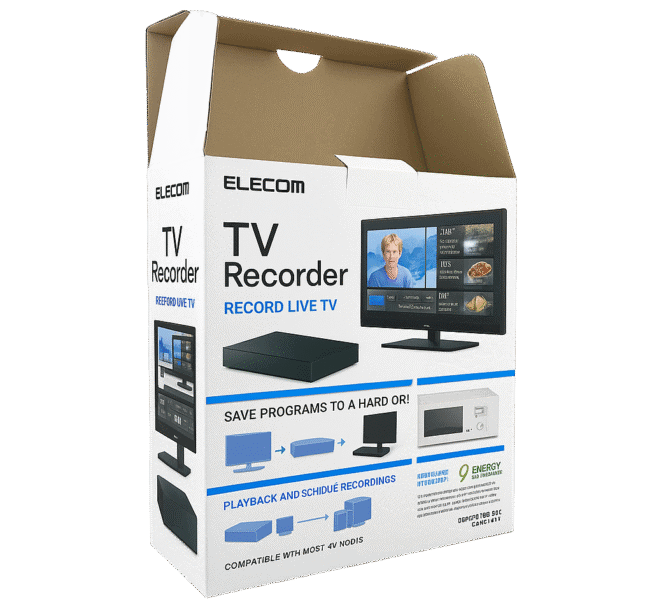
Folding Cartons
Why it’s cost-effective:
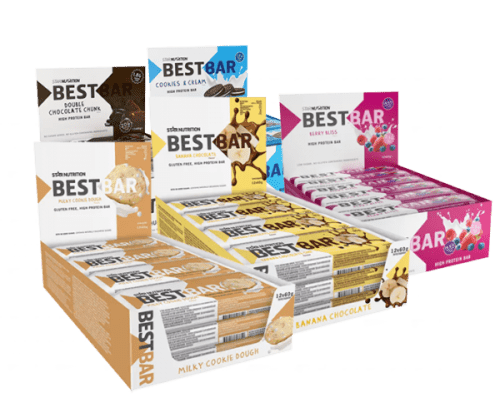
Folding cartons use less material than rigid boxes, collapse flat for efficient shipping, and run easily through automated packing lines. They’re ideal for low to mid-weight items and are highly customizable for retail.
Best for:
- Food, beverage, and supplements
- Cosmetics and personal care
- Pharmaceuticals
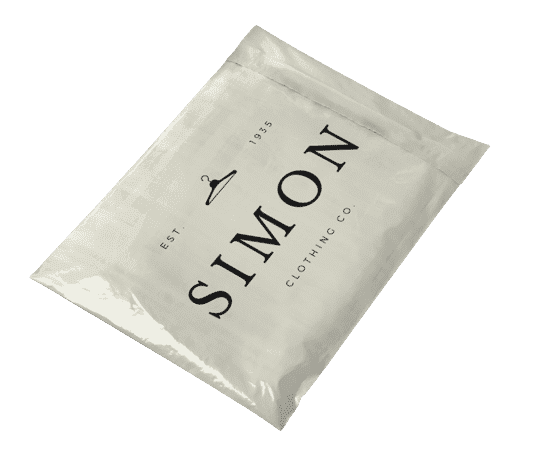
Poly Mailers
Why it’s cost-effective:
For soft goods or items that don’t require structural protection, poly mailers are inexpensive and lightweight. They also help reduce dimensional shipping weight, saving money in both materials and freight.
Best for:
- Apparel and textiles
- Accessories
- DTC shipping
Roll Stock (Flexible Film)
Why it’s cost-effective:
Roll stock is efficient for high-volume production and automated packaging environments. It’s commonly used for pouches, snack packs, and sachets. By forming packaging on demand, it reduces waste and speeds up fulfillment.
Best for:
- Snacks and dry goods
- Single-serve products
- Promotional sample packs
Kraft Paper and Fill
Why it’s cost-effective:
Kraft paper and void fill are low-cost ways to protect products inside a box without using foam or molded inserts. Paper-based solutions are recyclable and easy to source.
Best for:
- Light cushioning and bracing
- Eco-conscious shipping
- Variable product sizes
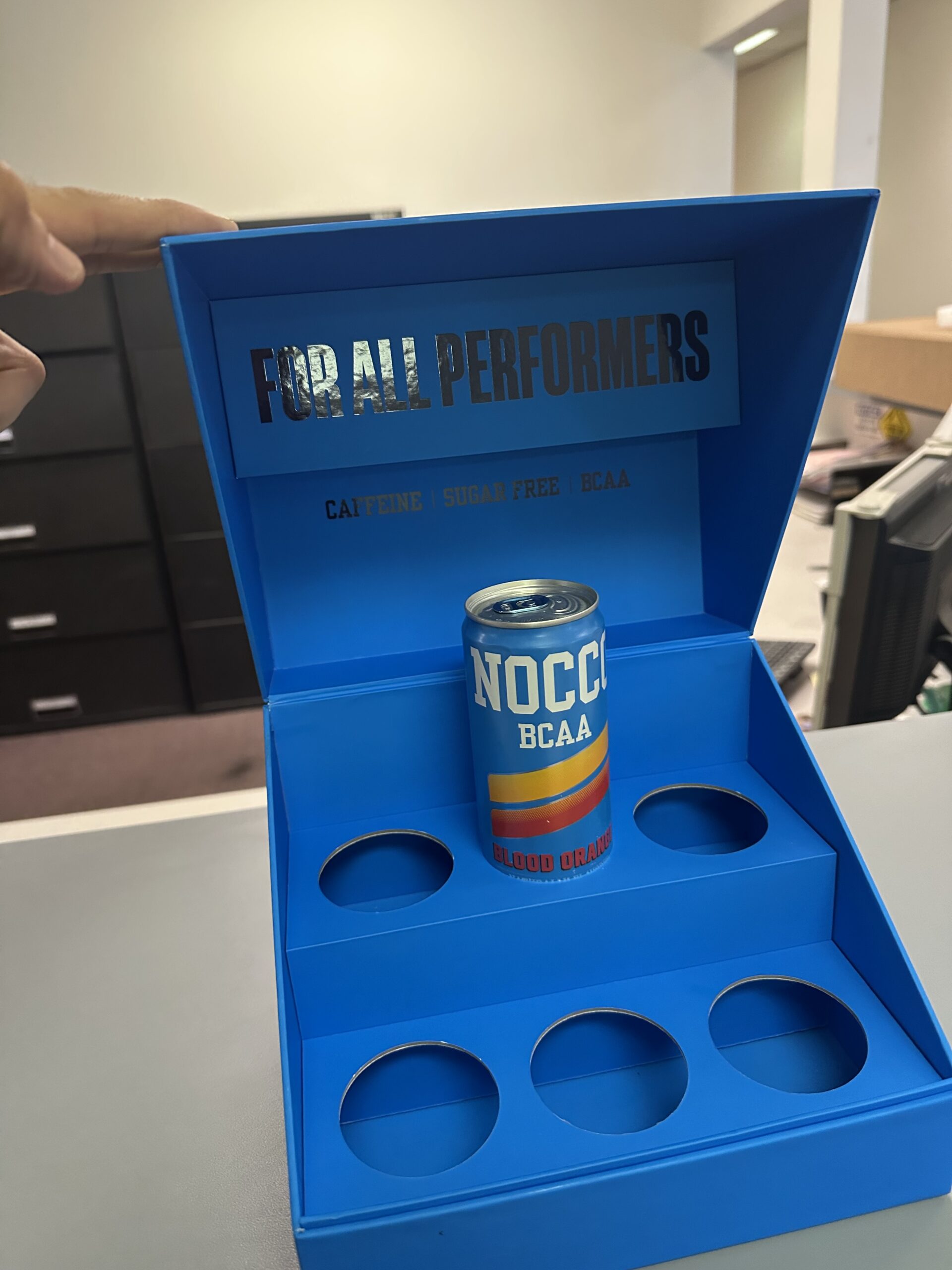
Die-Cut Inserts (Chipboard or Corrugated)
Why it’s cost-effective:
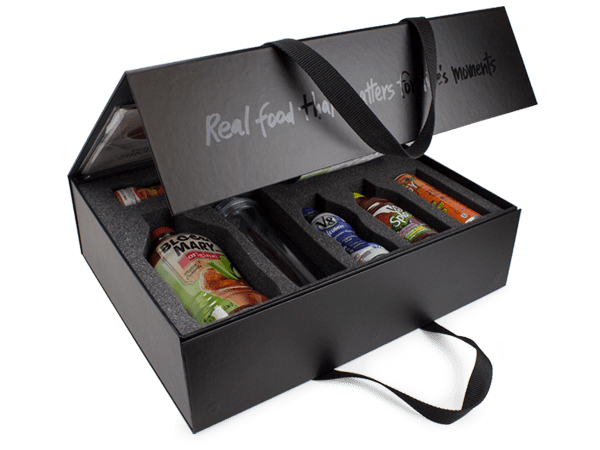
Custom inserts made from chipboard or corrugated reduce product movement in transit and eliminate the need for bubble wrap or expensive molded foam. They also improve unboxing and reduce returns from damage.
Best for:
- Multipacks
- Fragile or breakable items
- E-commerce kits
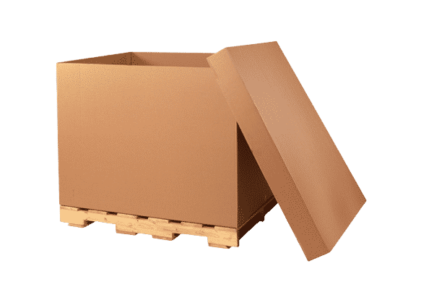
Bulk Packaging & Pallet Solutions
Why it’s cost-effective:
For large or industrial products, bulk corrugated bins, Gaylord boxes, and edge protectors reduce labor and material use. These solutions are reusable and help consolidate shipments.
Best for:
- Industrial and automotive parts
- Warehouse-to-warehouse movement
- Heavy or oversized loads
Final Thoughts
Cost-effective packaging isn’t about going cheap—it’s about using the right material, structure, and design for your product and distribution channel. With smart packaging choices, you can reduce freight, simplify fulfillment, and protect your margins without sacrificing quality.
Want help building a cost-effective packaging solution?
We’ll help you identify the most efficient products for your needs—whether it’s simple shippers, optimized inserts, or custom print-on-demand solutions.
Retail packaging continues to evolve as brands balance sustainability, supply chain performance, and consumer experience. In 2026, buyers face new challenges shaped by material innovation, compliance requirements, and rising consumer
Supplier contracts can make or break a packaging program. Without the right terms, buyers risk price volatility, missed lead times, and inconsistent product quality. In 2026, negotiating smart contracts is
Packaging compliance is no longer optional—it’s a requirement for accessing retail shelves, shipping networks, and international markets. In 2026, buyers must navigate evolving regulations around sustainability, labeling, and testing to
In 2026, sustainability is no longer just a trend—it’s a buyer expectation. Forest Stewardship Council (FSC) certification has become a key benchmark for responsible packaging, signaling that materials are sourced
Home » Packaging Solutions Designed for Cost Effectiveness

Choosing the right sealing method impacts product quality, cost, durability, and speed to market. The two most common options—heat seal and cold seal—each have distinct strengths and limitations. By understanding how these methods differ, buyers can select the most effective solution for food, medical, industrial, and consumer products. What is Heat Seal? Heat seal packaging uses heated surfaces to melt the sides of a film or a sealant coating together. This creates a tight, durable closure that resists outside elements. Because it supports multi-layered films with barrier properties, heat seal remains one of the most widely used sealing methods. Applications Heat seal is often used for snacks, dry goods, frozen foods, and pasta. In addition, medical devices, electronic components, and industrial items such as screws or fittings are frequently packaged this way. These products are typically sealed in pouches, sachets, plastic bags, or blister packs. Advantages Provides strong seals resistant to chemicals, moisture, and harsh environments. Creates a tamper-evident closure. Works without adhesives. Disadvantages However, high temperatures can damage products such as chocolate or ice cream. Production requires precise monitoring of time, temperature, and pressure. Sealing speed is up to 10 times slower than cold seal. Heated machinery increases the risk of burns and workplace injuries. What is Cold Seal? Cold seal packaging bonds film surfaces by applying a cohesive coating that sticks only to itself when pressure is added. Since heat is not required, this process is faster and well suited for products sensitive to high temperatures. Applications Cold seal is common for chocolates, ice cream, pharmaceuticals, baked goods, flammable items, and other temperature-sensitive products. Packaging formats include pouches, roll stock, chipboard cartons, clamshells, and blister packs. Advantages Much faster than heat seal because no warm-up is needed. Protects heat-sensitive products. Easier to open, enhancing consumer convenience. Disadvantages However, seal strength is lower than heat seal. Requires cohesive material, adding cost. Not chemical resistant, limiting use in some food and beverage applications. Which Method Should You Choose? Heat seal provides maximum strength, durability, and tamper resistance, making it ideal for applications that demand barrier protection. In contrast, cold seal offers higher production speed and protects heat-sensitive products, though with reduced strength. Ultimately, the choice depends on your product type, performance requirements, and fulfillment environment. Sealing Solutions with Brown Packaging Whether you need the superior durability of heat seal or the speed and temperature protection of cold seal, Brown Packaging delivers customized solutions to match your application. Contact us today to get started. References Soroka, W. (2009). Fundamentals of Packaging Technology (4th ed.). Institute of Packaging Professionals.FDA. (2023). Food Contact Substances and Packaging Materials Guidance. U.S. Food and Drug Administration.Fibre Box Association. (2022). Sealing and Packaging Methods Overview. Retrieved from https://www.fibrebox.org (714)300-0650 request@brownpackaging.com Most Recent Posts: Categories: Corrugated Folding Carton Display Packaging Rigid Box Subscribe To Our Newsletter By submitting your information, you agree to our terms and conditions and privacy policy. Custom Packaging Facebook Twitter LinkedIn Pinterest Relevant Posts

Ultraviolet (UV) rays can have detrimental effects on product packaging, leading to faded colors, weakened materials, and compromised product integrity. In industries where products are frequently exposed to sunlight, such as in retail storefronts or during transportation, safeguarding packaging from UV damage is crucial. This blog post delves into various strategies and solutions for protecting packaging from the harmful effects of UV rays. Understanding UV Damage in Packaging UV rays can cause various types of damage to packaging materials. Common issues include discoloration of inks and dyes, degradation of plastic materials, and weakening of structural integrity. Over time, this can result in unappealing product presentation and potential product spoilage, which can adversely affect consumer perception and brand reputation. Materials Resistant to UV Damage Choosing the right materials is the first line of defense against UV damage. UV-Resistant Plastics: Some plastics are formulated to resist UV damage. Materials like PET and certain grades of polyethylene can offer better protection against sunlight. UV Inhibitors: For plastic packaging, consider using materials treated with UV inhibitors. These additives absorb or block UV radiation, helping to prevent degradation. Metal and Glass Packaging: In some cases, opting for metal or glass packaging can be beneficial as they are less susceptible to UV damage compared to certain plastics. Protective Coatings and Laminates Applying protective coatings or laminates can significantly enhance a package’s resistance to UV rays. UV-Curable Coatings: These coatings provide a protective layer that shields the packaging from UV rays. They are often used for printed and colored packaging to prevent fading. Laminates: Laminates can act as a barrier against UV light. They can be applied to both paper and plastic packaging to extend longevity and preserve print quality. Ink and Printing Considerations The choice of inks and printing techniques can influence a package’s susceptibility to UV damage. UV-Stable Inks: Utilize inks that are formulated to be resistant to UV radiation. These inks are less likely to fade when exposed to sunlight. Overprint Varnishes: Applying an overprint varnish can protect the printed areas from UV exposure and physical wear. Designing for UV Protection Design elements can also play a role in minimizing UV damage. Color Choices: Some colors are more prone to fading under UV exposure. Opt for UV-stable pigments and consider using lighter colors that show less visible fading. Minimalistic Design: Reduce the use of extensive colored areas in packaging design to limit the impact of potential fading. Storage and Display Strategies How you store and display your products can impact their exposure to UV rays. Shade and Shelter: Store products away from direct sunlight. Utilize shaded areas in warehouses and avoid window displays where products are exposed to prolonged sunlight. UV-Protective Window Films: For retail spaces with windows, consider installing UV-protective films to reduce sun exposure. Regular Testing and Monitoring Conduct periodic testing to assess the UV resistance of your packaging. This can involve exposing samples to simulated sunlight and evaluating the effects. If you are interested in UV packaging, then partner with Brown Packaging today to get started. Sustainability Matters Today’s consumers are increasingly eco-conscious, and sustainable packaging design can be a significant selling point. Consider the following: Eco-friendly materials: Explore sustainable packaging materials such as recycled paper, biodegradable plastics, or reusable containers. Reduce waste: Minimize excess packaging and opt for minimalist designs that reduce material consumption. Communicate your efforts: Highlight your commitment to sustainability on the packaging to resonate with environmentally conscious consumers. (714)300-0650 request@brownpackaging.com Most Recent Posts: Categories: Corrugated Ecommerce Design Flexible Packaging Folding Carton Packaging Plastic Packaging Pouch Printing Protection Retail Rigid Box Subscribe To Our Newsletter By submitting your information, you agree to our terms and conditions and privacy policy. Custom Packaging Facebook Twitter LinkedIn Pinterest Relevant Posts

In the business landscape, packaging plays a pivotal role in shaping consumer perception and brand identity. While great packaging can enhance brand reputation and customer loyalty, inconsistent packaging quality can have far-reaching negative implications. This blog post explores how fluctuating packaging standards can affect a brand, offering insights into the broader impacts of this often-overlooked aspect of product presentation. Understanding the Role of Packaging in Brand Perception Packaging is often the first physical interaction customers have with a product. It sets expectations, communicates values, and can significantly influence purchasing decisions. Consistent quality in packaging is therefore crucial in maintaining a positive brand image. Detrimental Effects of Inconsistent Packaging Quality Damaged Brand Reputation: Inconsistent packaging can lead to a perception of unreliability. Customers expecting a certain standard might be disappointed if the packaging (and by extension, the product) doesn’t meet their expectations. Negative experiences due to poor packaging quality can quickly lead to adverse word-of-mouth and social media attention, harming the brand’s reputation. Decreased Consumer Trust: Consistency in packaging quality is key to building consumer trust. Inconsistencies, such as varying material quality or design, can make consumers question the overall credibility and standards of the brand. Once trust is eroded, it can be challenging and costly to rebuild. Impact on Customer Loyalty: Customer loyalty is contingent on a consistently positive experience with a product, including its packaging. Inconsistency can lead to customer attrition as consumers might seek more reliable alternatives. Impaired User Experience: Packaging that varies in functionality (e.g., sometimes easy to open, other times not) can lead to frustration and a poor user experience. A negative unboxing experience can overshadow the quality of the product itself, detracting from the overall satisfaction. Financial Implications Increased Returns and Refunds: Inconsistent packaging can lead to damaged products, resulting in increased returns and refunds, which can be a significant financial drain. Loss of Sales: Potential customers may be deterred by negative reviews regarding packaging, leading to lost sales opportunities. Legal and Compliance Risks Inconsistent packaging quality can also result in non-compliance with industry standards and regulations, especially in sectors like food and pharmaceuticals. This non-compliance can have legal ramifications and lead to fines or recalls. Strategies to Ensure Consistent Packaging Quality Stringent Quality Control Processes: Implement and enforce strict quality control measures throughout the packaging production process. Regular audits and inspections of packaging can help maintain high standards. Reliable Supply Chain Partnerships: Foster strong relationships with trustworthy suppliers who understand your packaging standards and expectations. Regularly review supplier performance to ensure consistency in the materials and services they provide. Customer Feedback Mechanisms: Encourage and monitor customer feedback specifically regarding packaging. Use this feedback to make continuous improvements and address any inconsistencies. Investing in Packaging Technology: Leverage advanced packaging technologies and materials that offer greater consistency and protection. Automation in packaging processes can reduce human error and ensure uniformity. If you are interested in consistent branded packaging, then partner with Brown Packaging today to get started. (714)300-0650 request@brownpackaging.com Most Recent Posts: Categories: Corrugated Ecommerce ESD Design Display Flexible Packaging Foam Folding Carton Packaging Plastic Packaging Pouch Printing Protection Retail Rigid Box Thermoform Sustainability Subscribe To Our Newsletter By submitting your information, you agree to our terms and conditions and privacy policy. Custom Packaging Facebook Twitter LinkedIn Pinterest Relevant Posts