

Home » Nearshore vs. U.S. Packaging Costs in 2026
Nearshore vs. U.S. Packaging Costs in 2026
With new tariff proposals and continued trade uncertainty, 2026 is shaping up to be another pivotal year for packaging sourcing strategy. Many companies that shifted production away from China in 2024–2025 are now reassessing cost structures between nearshore and fully domestic manufacturing. While both options reduce tariff exposure, each carries different implications for labor, logistics, compliance, and scalability.
Why Cost Comparison Matters in 2026
As global trade policy remains unpredictable, packaging buyers must balance cost efficiency with reliability. Nearshore manufacturing — primarily in Mexico and Canada — offers competitive labor rates and regional proximity, while U.S. converters provide faster lead times, stricter compliance, and integrated fulfillment capabilities. The goal for 2026 is not just lower cost per unit, but optimized total landed cost with minimal risk.
Key Cost Factors to Evaluate
Labor and Production Efficiency
Labor costs continue to be a primary advantage for nearshore production. However, increased automation across U.S. facilities is narrowing the gap.
- Nearshore (Mexico/Canada): Lower base wages, but variable automation and longer setup times for smaller runs.
- U.S.: Higher labor rates, but shorter turnaround, reduced downtime, and higher throughput through robotics and digital converting lines.
By 2026, modern U.S. converters using digital die cutting, inline gluing, and automated case packing can rival nearshore cost per finished unit once efficiency is factored.
Freight and Transit Time
Freight volatility remains a major cost driver. With fewer ocean shipments, both nearshore and domestic programs gain predictability, but domestic manufacturing provides the most control.
Source Region | Average Transit Time | Typical Freight (West Coast) |
Mexico → U.S. | 2-5 days | Moderate (border clearance dependent) |
Canada → U.S. | 2-5 days | Moderate |
U.S. Domestic | 1–3 days | Low (regional or inter-state) |
Faster delivery reduces demurrage, storage, and replenishment delays — a growing cost consideration for multi-SKU packaging programs.
Material and Substrate Availability
Material flow remains a major differentiator:
- Mexico: Expanding board and film production but still imports some adhesives and coatings from the U.S.
- Canada: Strong pulp and FSC® paperboard infrastructure with sustainability advantages.
- U.S.: Full domestic substrate ecosystem including corrugated, folding carton, and flexible film production.
Domestic converters maintain the most resilient material supply, reducing risk from international component dependencies.
Quality Control and Waste Reduction
For 2026 buyers, consistent print accuracy and die precision matter as much as cost.
- Nearshore suppliers often deliver competitive quality but may lack full ISO or GMI auditing.
- U.S. manufacturers increasingly operate under ISO 9001:2015 or G7 Master Printer certification, reducing rejects and non-conformance.
Even small rework or print errors can offset initial savings, making quality stability a financial factor rather than a cosmetic one.
Compliance, ESG, and Reporting
With increased scrutiny on sustainability claims, domestic production simplifies documentation and compliance.
- U.S.: Transparent traceability for recycled content, FSC® verification, and carbon accounting.
- Nearshore: Improving ESG frameworks, though validation processes can be slower or fragmented.
For brands selling through major retailers, U.S.-based sourcing often shortens ESG audit cycles and meets evolving corporate responsibility standards.
Currency, Trade, and Policy Stability
Even under the USMCA framework, exchange rates and local policy shifts affect nearshore pricing. Domestic production avoids foreign exchange risk and ensures stable compliance documentation as tariff adjustments continue.
Total Landed Cost Comparison (2026 Estimate)
Cost Component | China Import (Baseline) | Nearshore | U.S. Domestic |
Unit Price | Low | Moderate | Slightly Higher |
Freight & Tariffs | High | Low | None |
Lead Time | 6–8 weeks | 1–2 weeks | 2–5 days |
Quality Control | Variable | Moderate | High |
Compliance Risk | High | Moderate | Low |
Total Landed Cost (Est.) | 100% baseline | 85–90% | 90–95% |
This demonstrates that by 2026, both nearshore and U.S. production can outperform Chinese imports once freight, tariffs, and quality consistency are included.
When to Choose Nearshore vs. U.S. Manufacturing
- Nearshore (Mexico/Canada): Ideal for medium to high volume packaging with extended lead time flexibility and lower labor sensitivity.
- U.S. Manufacturing: Best for just-in-time fulfillment, high-mix SKU programs, and packaging tied to strict compliance or retail testing.
Many brands now combine both — running bulk corrugated or folding carton production nearshore while keeping display assembly, printing, and co-packing domestic for faster deployment.
Final Outlook for 2026
As tariffs, freight rates, and ESG requirements evolve, hybrid sourcing models will dominate packaging procurement. The most resilient programs will integrate nearshore cost advantages with domestic quality control and logistics precision. In 2026, total cost efficiency comes not from chasing the lowest price — but from designing a supply chain that balances tariff protection, reliability, and sustainability.
References
- U.S. International Trade Administration (ITA). USMCA and North American Supply Chain Outlook 2026.
- International Corrugated Case Association (ICCA). Global Corrugated Industry Report 2026.
- Forest Stewardship Council (FSC®). Supply Chain and Certification Data.
- Soroka, W. Fundamentals of Packaging Technology. 6th ed. Institute of Packaging Professionals.
Most brands invest in POP displays without clearly measuring performance. They look at sales after rollout and assume the display worked—or didn’t. But without isolating variables, that’s just guessing. If
Most cost-cutting in POP displays happens in the wrong place. Brands reduce board grade, simplify structure too aggressively, or cut print quality—only to see: Higher damage rates Poor retail execution
Oil prices don’t just affect fuel—they ripple through nearly every part of packaging. When oil rises, packaging costs follow.When oil drops, costs don’t always fall as quickly. That’s because oil
Most POP display failures aren’t caused by weak materials—they’re caused by poor weight distribution. A display can use the right board, the right flute, and still fail early if the
By submitting your information, you agree to our terms and conditions and privacy policy.

Home » Nearshore vs. U.S. Packaging Costs in 2026

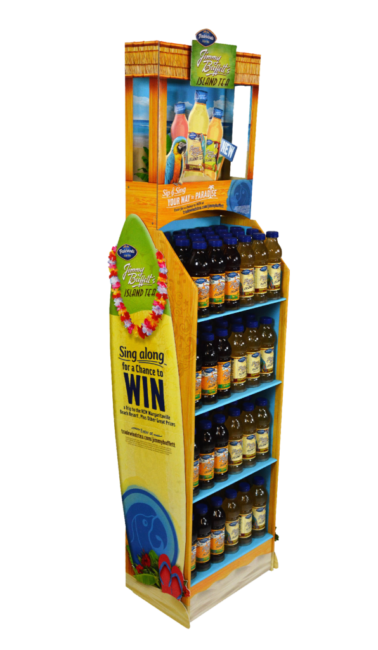

In the fast-paced world of retail, every moment counts when it comes to capturing the attention of customers and driving sales. This is where Point
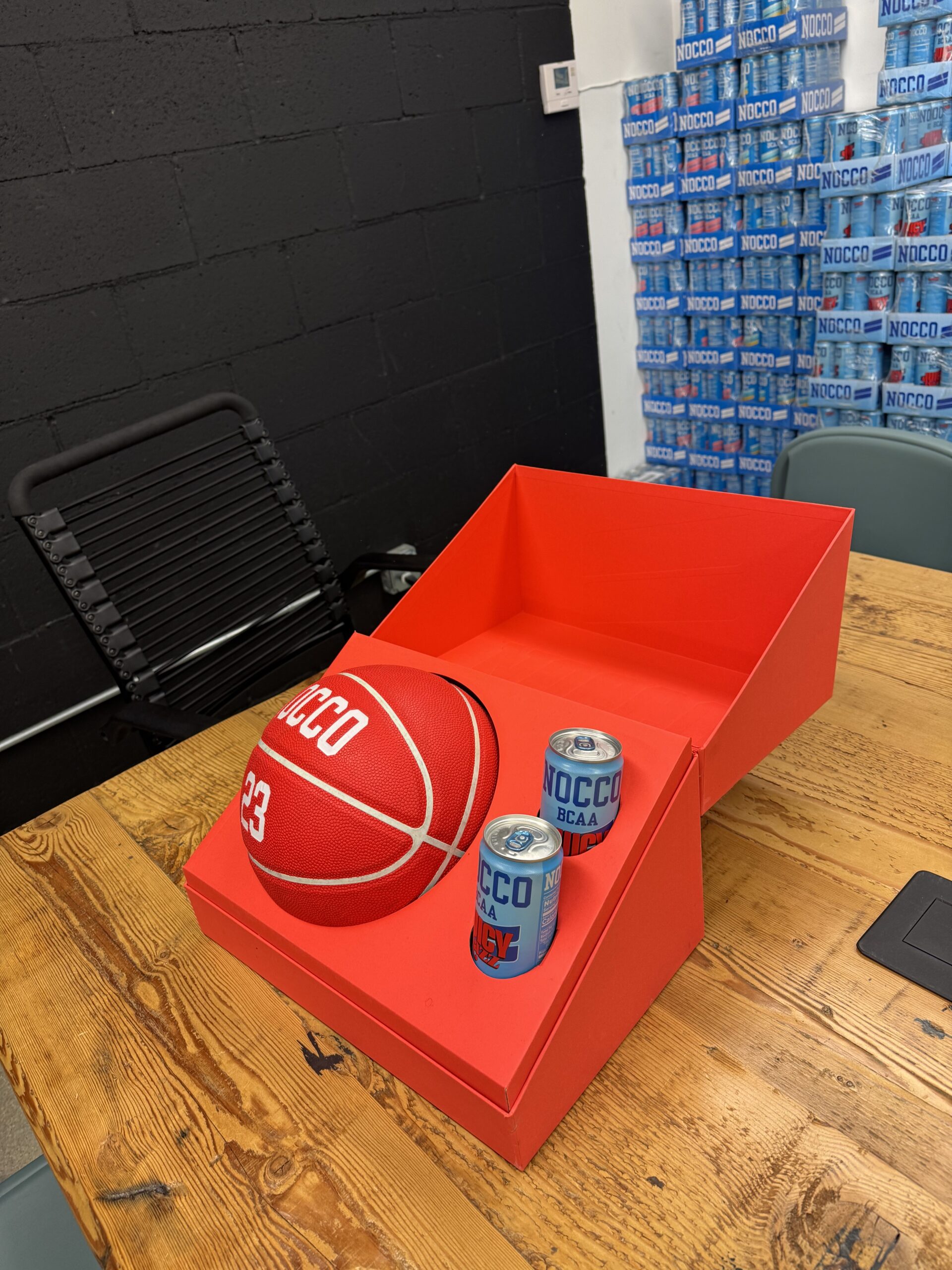
Before committing to a full production run, businesses often receive packaging samples to evaluate fit, functionality, print quality, and overall design. Whether it’s a digital

Selecting the right packaging supplier can be a daunting task, especially for newcomers in the market. The challenge often lies in balancing cost, value, product