


Home » Meeting 2026 Packaging Compliance Standards
Meeting 2026 Packaging Compliance Standards
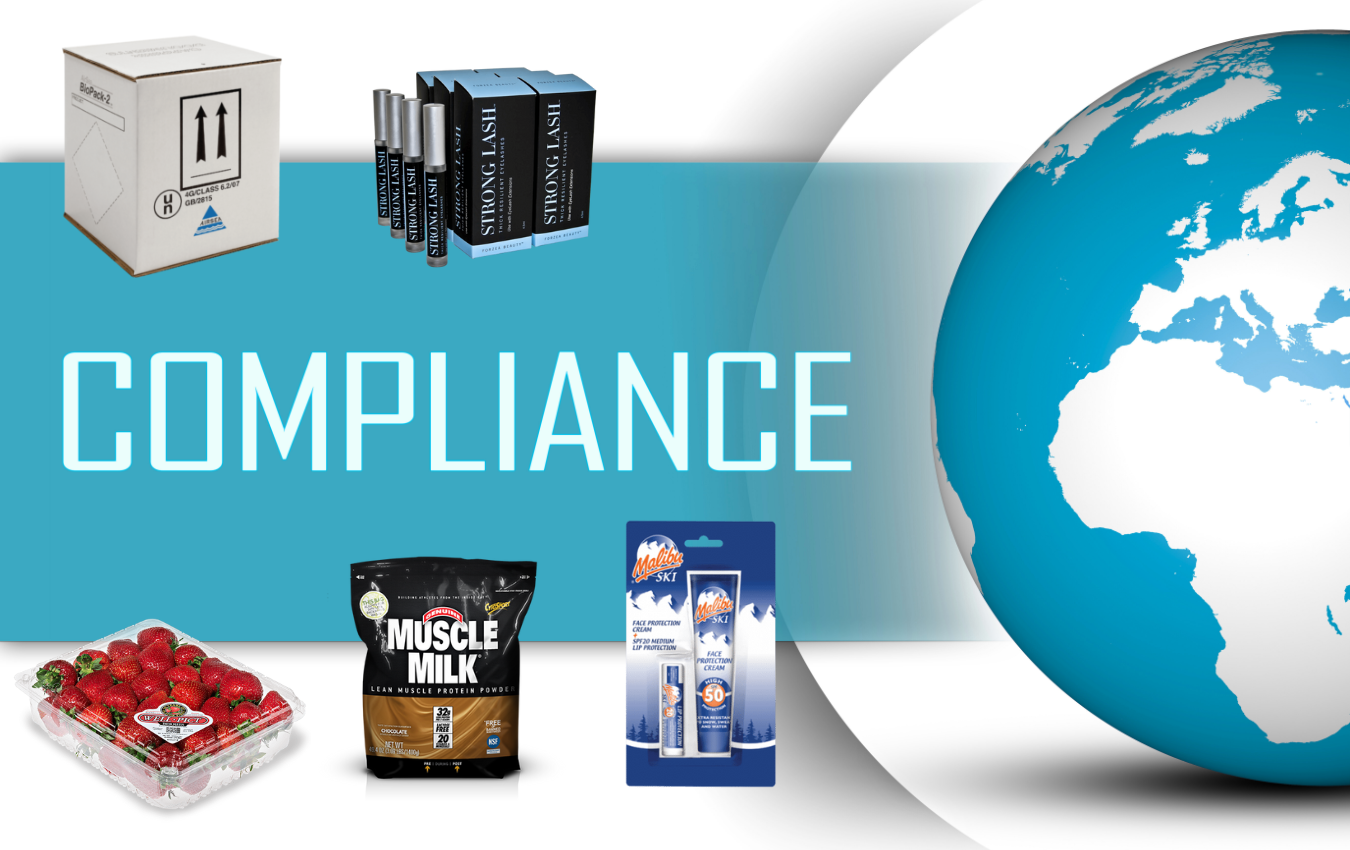
Packaging compliance is no longer optional—it’s a requirement for accessing retail shelves, shipping networks, and international markets. In 2026, buyers must navigate evolving regulations around sustainability, labeling, and testing to avoid costly fines, rejected shipments, or damaged customer relationships.
Why Compliance Matters in 2026
- Retail requirements: Major retailers demand FSC, ISTA, and sustainability certifications.
- E-commerce standards: Carriers enforce dimensional weight and package testing rules.
- Global trade: Export packaging must comply with ISPM 15, ASTM, and ISO guidelines.
- Consumer trust: Transparency in packaging claims impacts purchasing decisions.
Key Compliance Areas for Buyers
- Material sourcing: FSC-certified corrugated and board for sustainability.
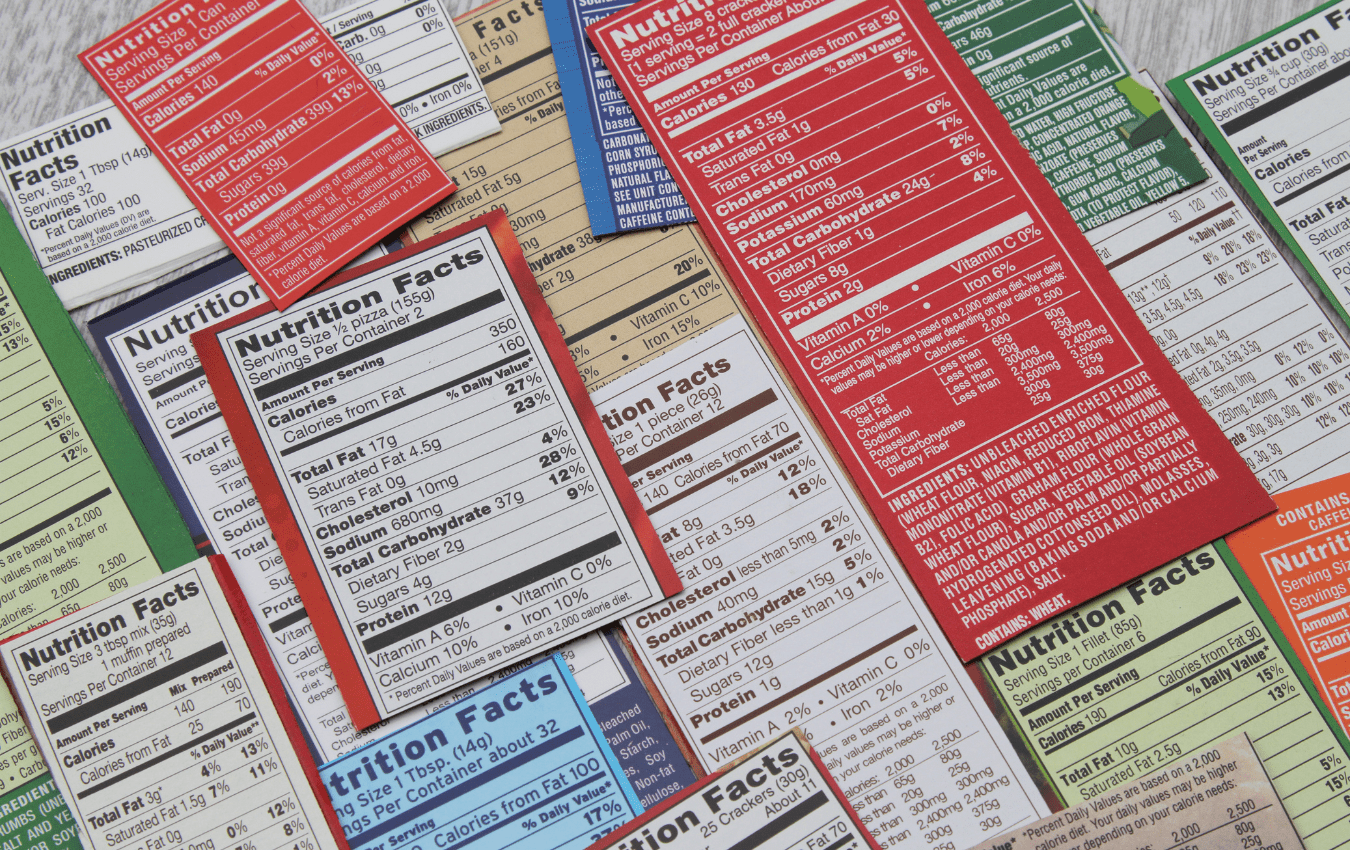
- Labeling standards: GS1-compliant barcodes and accurate product details.
- Durability testing: ISTA and ASTM protocols for drop, vibration, and compression.
- Sustainability regulations: Requirements for recyclable or compostable materials.
- Chemical restrictions: Compliance with FDA, EU, or state-specific standards.
Common Compliance Challenges
- Keeping up with frequent regulatory changes.
- Managing multiple certifications across suppliers.
- Balancing compliance with cost-efficiency.
- Verifying supplier claims for sustainability.
Best Practices for Staying Compliant
- Audit suppliers annually to confirm certification validity.
- Run internal packaging tests before scaling.
- Track regulatory updates for each region you ship to.
- Work with experienced partners who understand industry compliance.
Packaging Solutions with Brown Packaging
Brown Packaging helps buyers meet 2026 compliance standards with FSC-certified materials, ISTA-tested designs, and regulatory expertise. Our team ensures your packaging meets retailer, carrier, and sustainability requirements. Contact us to keep your program compliant.
References
Forest Stewardship Council (FSC). (2023). FSC Certification Guidelines for Packaging. Retrieved from https://fsc.org
International Safe Transit Association (ISTA). (2023). ISTA Testing Procedures for Transport Packaging. Retrieved from https://ista.org
GS1. (2024). Global Standards for Packaging and Labeling. Retrieved from https://www.gs1.org
Packaging compliance is no longer optional—it’s a requirement for accessing retail shelves, shipping networks, and international markets. In 2026, buyers must navigate evolving regulations around sustainability, labeling, and testing to
In 2026, sustainability is no longer just a trend—it’s a buyer expectation. Forest Stewardship Council (FSC) certification has become a key benchmark for responsible packaging, signaling that materials are sourced
Sustainability is now a top priority for packaging buyers. Retailers, regulators, and consumers are all demanding packaging solutions that reduce environmental impact without sacrificing performance. In 2026, buyers must balance
Choosing the right packaging material is one of the most important decisions buyers face. Single-material packaging offers simplicity and recyclability, while multi-material designs provide enhanced performance and protection. Understanding the
Home » Meeting 2026 Packaging Compliance Standards

In an age where sustainability and ecological responsibility take center stage, our individual roles in environmental preservation have never been more crucial. A key part of this role includes recycling, but we can do even more by reusing items as much as possible before they end up in the recycle bin. Today, we’ll be focusing on an often-overlooked recyclable: the humble shipping tube. Often used for packaging items like posters, blueprints, and textiles, these tubes usually end up in the trash. Here’s a guide on how we can transform them into useful items and eventually recycle them responsibly. Understanding the Importance of Shipping Tube Recycling Before diving into the ways to recycle and reuse shipping tubes, let’s first grasp why it’s vital. Environmental Impact: In general, recycling reduces the need for new raw materials, subsequently reducing deforestation and mining impacts. It also curtails the energy expended in production processes, hence reducing greenhouse emissions. Landfill Reduction: Every item that’s reused or recycled is an item that doesn’t end up in a landfill. Shipping tubes, mainly made from cardboard, paper, or plastic, can take years to degrade and may release harmful chemicals in the process. Economic Efficiency: Reusing and recycling also save money by reducing the need for purchasing new items and by generating income in the recycling and manufacturing industries. Innovative Ways to Reuse Shipping Tubes Before you send your shipping tubes off to be recycled, consider whether you can give them a second life. Below are some creative ideas for reusing these versatile cylinders: Craft Projects: Shipping tubes make great materials for kids’ craft projects. They can become kaleidoscopes, binoculars, musical instruments, or parts of a castle. Storage Solutions: Cut shipping tubes into smaller sections to create custom drawer organizers. Alternatively, keep them whole for storing important documents, artworks, or textiles. Garden Aids: Use them to support young plants or as seedling starters. The biodegradable tubes can be planted directly in the ground, gradually decomposing and adding organic matter to your garden. Proper Recycling of Shipping Tubes When your shipping tubes have been reused to the point of no return, it’s time to recycle them. Here’s how to do it responsibly: Preparation: Remove any plastic caps and non-recyclable materials from the tubes. If your shipping tube came with plastic ends, these usually need to be recycled separately from the tube itself. Recycling Bins: If your local curbside recycling program accepts cardboard or the type of plastic your shipping tubes are made from, you can typically place them in your recycling bin. Always check your local guidelines as these can vary. Recycling Centers: If curbside recycling isn’t an option, take your shipping tubes to a recycling center. These facilities have the ability to recycle various materials, including cardboard and different types of plastic. Commercial Recycling Programs: Some office supply stores and shipping companies offer recycling programs for packaging materials, including shipping tubes. Final Thoughts By reusing and responsibly recycling shipping tubes, we not only reduce waste but also contribute to environmental conservation. And remember, these principles can apply to many other items in our daily lives. Let’s strive for a circular economy, where we reduce, reuse, and recycle as much as possible. Every small action count and contributes to the health and sustainability of our planet. If your interested in custom or stock shipping tubes, then partner with Brown Packaging today to get started. (714)300-0650 request@brownpackaging.com Most Recent Posts: Categories: Subscribe To Our Newsletter By submitting your information, you agree to our terms and conditions and privacy policy. Custom Mailing Tubes Facebook Twitter LinkedIn Pinterest Relevant Posts

When it comes to packaging and shipping, having the right type of tape can make all the difference. Not only does it ensure that your packages stay secure during transit, but it also helps to protect the contents inside. But with so many different types of packaging tape available, it can be difficult to know which one to choose. In this blog post, we’ll take a closer look at the 7 most commonly used types of packaging tape and their unique properties, so you can make an informed decision when it comes to your packaging needs. 7 Most Commonly Used Packaging Tapes: Clear Brown Flatback Masking Duct Water Activated Film Double-Sided Clear Tape Clear tape, also known as transparent tape, is a pressure-sensitive tape that is made from polypropylene or polyester. It is a versatile tape that is suitable for a wide range of packaging applications, including sealing boxes, envelopes, and bags. Clear tape is a great option for packaging items that need to be visible, as it does not obstruct the view of the contents inside. Advantages Versatile, suitable for a wide range of packaging applications Transparent, does not obstruct the view of the contents inside Affordable Disadvantages Not as strong as other types of tape Not suitable for heavy duty applications Brown Flatback Tape Brown flatback tape, also known as paper packaging tape, is a type of pressure-sensitive tape that is made from strong paper. It is a strong and durable tape that is commonly used for sealing boxes and other packaging materials. Flatback tape is a great option for heavy duty packaging applications as it is strong, sustainable and durable. Advantages Strong and durable Suitable for heavy duty packaging applications Sustainable Disadvantages Not transparent, can obstruct the view of the contents inside Not suitable for applications where visibility is important Masking Tape Masking tape is a type of pressure-sensitive tape made from a thin and easy-to-tear paper. It is often used for light-duty packaging, sealing and bundling applications. The adhesive on masking tape is not very strong, making it easy to remove and reposition. It is available in a variety of widths and lengths, and colors. Examples: Packaging and sealing boxes, temporarily holding items together, labeling items. Advantages Easy to tear by hand Can be repositioned easily Easy to remove without leaving residue Available in a variety of widths and lengths Available in different colors Disadvantages Not suitable for heavy-duty applications Not water-resistant Duct Tape Duct tape is a heavy-duty, water-resistant tape made from a combination of cloth and plastic. It is often used for industrial and commercial packaging applications, as well as for home repairs and DIY projects. It is available in a variety of widths and lengths. Examples: Sealing boxes and bags, bundling items, reinforcing packaging Advantages Strong and durable Water-resistant Can be used for a variety of applications Available in a variety of widths and lengths Disadvantages Not as easy to tear by hand as other types of tape Can leave residue if removed Can be difficult to remove if left on for an extended period of time. Water-Activated Tape (WAT) WAT is a type of paper tape that is activated by water, making it an ideal option for sealing heavy-duty boxes and packages. The tape is made of a thick, kraft paper material and has a water-activated adhesive on one side. This type of tape is often used in industrial and commercial packaging applications and is known for its strength and durability. Customization options include printing company logos or branding on the tape. Advantages Water-activated adhesive provides a strong bond, making it suitable for heavy-duty packages Made of durable kraft paper material Reinforced version available Customizable with company branding or logos Disadvantages Requires a water-activated dispenser to apply the tape Not as versatile as other types of tape, as it can only be used for specific packaging applications Film Tape Film tape is a type of tape that is made of a thin, clear plastic material. It is often used in packaging applications where visibility of the package’s contents is important, such as with retail packaging. The tape has a strong adhesive that is suitable for a variety of packaging materials. Customization options include printing company logos or branding on the tape. Advantages Clear plastic material allows for visibility of package contents Strong adhesive suitable for a variety of packaging materials Customizable with company branding or logos Disadvantages Not as durable as other types of tape Can be easily torn or punctured Double-Sided Tape Double-sided tape is a type of tape that has adhesive on both sides, making it ideal for attaching items together without leaving a residue. This tape is often used in packaging applications where a clean and professional look is desired, such as with retail packaging. The tape can be made of a variety of materials, such as paper, plastic, or foam. Advantages Adhesive on both sides allows for attaching items together without leaving residue Can be made of a variety of materials Disadvantages Not suitable for heavy-duty packaging applications Can be difficult to remove without leaving residue Summary: Which Packaging Tape Should You Choose? In conclusion, there are many different types of packaging tape available, each with their own unique advantages and disadvantages. It’s important to choose the right type of tape for your specific packaging application, whether it be a light-duty package or a heavy-duty package, a clean and professional look or a durable and strong hold. With the right tape, you can ensure that your packages are secure and protected during transit and storage. And if you want to add your branding on the tape, it is a good way to make your brand more memorable to the customers. If you are interested in packaging tape, stock or custom, then contact Brown Packaging today for assistance. (714)300-0650 request@brownpackaging.com Most Recent Posts: Categories: Corrugated Ecommerce ESD Design Display Flexible Packaging Foam Folding Carton Packaging Plastic Packaging Pouch Printing Protection Retail Rigid Box Thermoform Sustainability Subscribe To Our

In the ever-competitive business world, effective product packaging has evolved beyond mere containers used to secure goods for transit. Today, it serves as a powerful marketing tool, offering brands a unique way to showcase their identity, stir consumer emotions, and, ultimately, influence buying decisions. Yet, as compelling as innovative and creative packaging may be, it must never sacrifice its fundamental purpose – functionality. So, how do companies strike the right balance between creativity and functionality in custom packaging? This article will explore strategies that successful brands have employed in their quest for that golden equilibrium. Functionality: The Foundation of Effective Packaging Before we delve into creativity, let’s understand the basic premise of functionality. Packaging, at its core, should protect the product, facilitate its transportation, and provide relevant information about the contents. Without these, even the most beautifully designed packaging fails to fulfill its purpose. Therefore, as much as creativity is important, it must not overshadow these fundamental aspects. Protect the Product: Packaging should safeguard the product from damage, whether during transit or while sitting on the store shelf. This includes protection from external elements such as light, heat, moisture, and physical shock. Facilitate Transportation and Storage: Good packaging should be easy to handle, stack, and store, both for the retailer and the end customer. For example, the packaging design of bottled drinks often includes contours that enhance grip, making them easier to hold and pour. Provide Relevant Information: Lastly, effective packaging communicates crucial product details. This can range from nutritional information on food items, usage instructions on an electronic device, or the brand’s story to build a deeper connection with the consumers. Unleashing Creativity: More Than Just a Pretty Face Once the functional aspects are in place, it’s time to let the creative juices flow. Creative packaging can amplify a brand’s message, entice potential customers, and create memorable unboxing experiences. Reflect Your Brand: Your packaging is often the first physical interaction a customer has with your brand, so it should reflect your identity. From the colors used, the typography, to the overall aesthetics, every element should be in harmony with your brand personality. Engage the Senses: Great packaging doesn’t just look good; it engages multiple senses. Think about the texture of the packaging materials, the sound it makes when opened, or even the smell that’s released. This multi-sensory experience can create a more memorable interaction with your brand. Tell a Story: Storytelling is a powerful marketing tool. Use your packaging to tell your brand story or the story behind the product. This could be as subtle as using certain colors or images or as explicit as including a short narrative on the packaging. The Art of Balancing Creativity and Functionality The magic happens when brands manage to blend creativity and functionality seamlessly. Here are some strategies to consider: Consider the User’s Journey: Understanding your customer’s interaction with your product – from purchase, unboxing, usage, to disposal or recycling – can help shape the design process. For instance, some companies use reusable packaging that serves secondary functions, marrying utility with environmentally-friendly design. Materials Matter: The choice of packaging material can play a huge role in this balance. Innovative materials can add a unique touch to your packaging while ensuring robust protection. For instance, plant-based packaging can be molded into unique shapes and textures while providing excellent cushioning. Prototyping and Testing: Always prototype and test your packaging design. This includes stress tests to ensure product safety and focus groups or surveys to gather consumer feedback on its aesthetic and functional appeal. Innovation Through Technology: Advancements in packaging technology can open up new possibilities. Augmented Reality (AR), for instance, can bring packaging to life, offering a highly engaging and interactive experience while maintaining the package’s protective role. Consumers can simply point their smartphones at the packaging to access a wealth of information or interactive content. Eco-conscious Design: Today, functionality also means sustainability. Consumers are increasingly concerned about environmental impacts, so consider using recyclable materials or minimalistic designs to reduce waste. This not only fulfills the function of protection but also serves the larger purpose of environmental consciousness – a trait that could enhance your brand image. Successful Examples of Creative Yet Functional Packaging Many brands have successfully achieved this balance. Here are a few noteworthy examples: Nike’s Air Max 95 Box: Nike designed a shoebox for the Air Max 95 that resembled the shoe’s design. Not only did it create a unique unboxing experience, but the box was sturdy and protective, maintaining the fundamental functionality of shoe packaging. Puma’s Clever Little Bag: Puma replaced traditional shoe boxes with a reusable bag in a carton frame, reducing corrugated usage by 65%. This design retained its protective function while adding the creative element of a reusable bag for the customers, effectively telling a story about Puma’s commitment to sustainability. Fit Buns High Protein Bread: This brand used packaging that features a muscular arm graphic which also serves as a handle. It’s a playful touch that reinforces the product’s high-protein, healthy angle, while providing functionality in the form of an easy-to-carry package. In conclusion, the perfect blend of creativity and functionality in custom packaging can create a memorable brand experience, drive customer engagement, and ultimately fuel business growth. Striking this balance requires thoughtful design, innovative use of materials, rigorous testing, and a deep understanding of the customer’s journey. With the right approach, your packaging can serve as a powerful marketing tool that encapsulates your brand’s identity while serving its protective and informative roles impeccably. In the realm of custom packaging, it’s all about creating harmony between the practical and the creative, turning each package into a canvas that tells your brand’s story and a protective shell that ensures your product reaches your customer in pristine condition. The interplay between these elements can result in a packaging design that is as enchanting as it is effective, delighting your customers and setting your brand apart in the marketplace. If you are interested in custom packaging with a