window.uetq = window.uetq || []; window.uetq.push(‘event’, ‘submit_lead_form’,{ event_label:‘SUBMIT MESSAGE’ }); window.lintrk('track', { conversion_id: 10271009 }); window.lintrk('track', { conversion_id: 10271017 });

Maximizing Visual Appeal in POP Displays

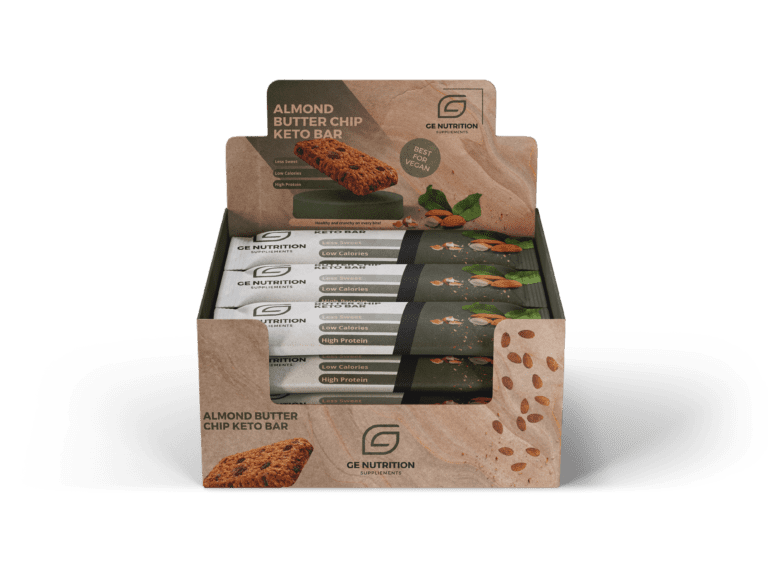
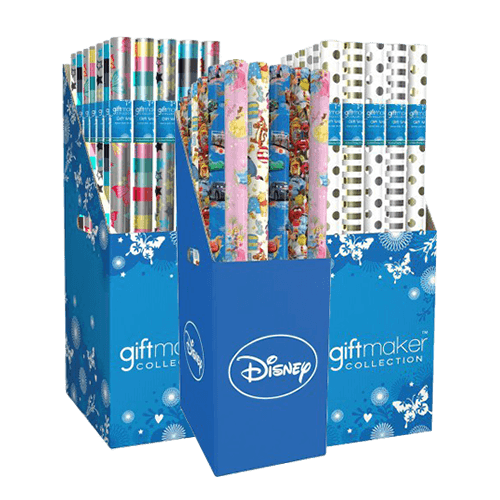
Custom printed stick packs on countertop display

Point of Purchase (POP) displays are crucial tools in the retail landscape, serving as a silent salesperson that attracts, engages, and persuades shoppers. The visual appeal of these displays can profoundly influence consumer behavior, driving impulse purchases and enhancing brand recognition. This blog delves into strategies to maximize the visual impact of your POP displays to captivate and convert shoppers more effectively.

The Power of First Impressions

The first interaction a customer has with a product often happens through a POP display. Creating a striking first impression is essential as it sets the tone for the customer’s perception of the product. This can be achieved by using a combination of colors, lighting, and arrangement that not only attracts attention but also communicates the brand’s message effectively.

Strategies for Enhancing Visual Appeal

Emphasizing Color Psychology

Color plays a pivotal role in marketing, with different colors evoking specific emotions. For example, red can create feelings of excitement and urgency, which is ideal for clearance sales, while blue can invoke a sense of trust and dependability. Selecting the right colors for your POP display can help influence consumer reactions and encourage purchasing behavior.

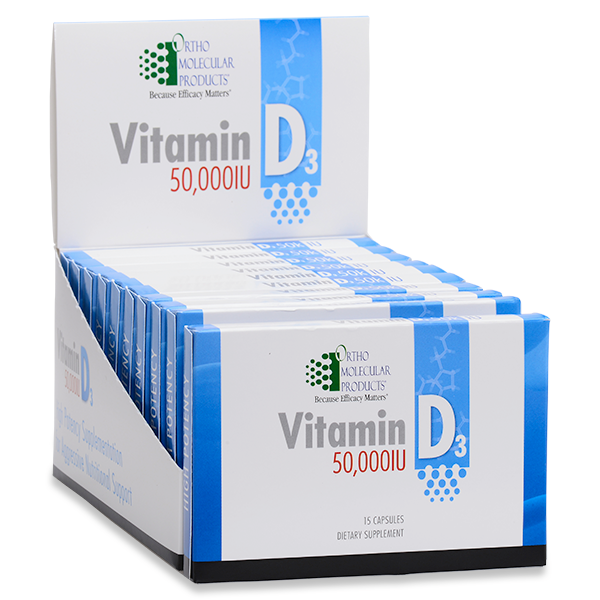
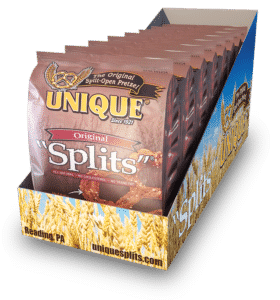
Custom Folding Carton With Countertop Display

Innovative Lighting Techniques

Lighting can dramatically enhance the attractiveness of a display. Spotlighting can be used to highlight key products or features, while ambient lighting can set the mood or atmosphere around a display. LED lights are particularly useful for their versatility and energy efficiency, allowing for dynamic color changes and effects that draw the eye.

Dynamic Layouts and Structures

The physical structure of a POP display should not only be sturdy but also creatively engaging. Modular displays that can be easily reconfigured allow for refreshing the presentation regularly, keeping it interesting for repeat customers. Incorporating levels, depth, and motion in display designs can guide the customer’s gaze through the products and emphasize promotional items effectively.

Integrating Technology

Technology can be a game-changer in enhancing the visual appeal of POP displays. Digital screens can display changing content such as ads, informative videos, or interactive elements. This not only attracts attention but also provides valuable information, making the shopping experience more engaging and memorable.

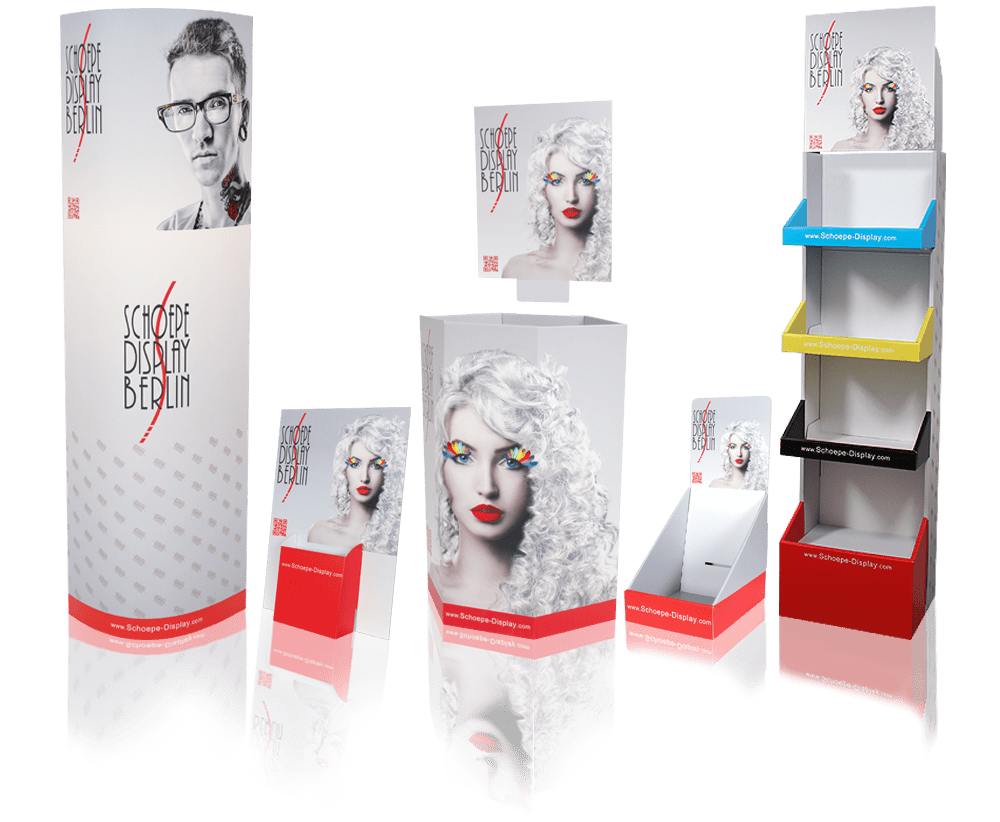
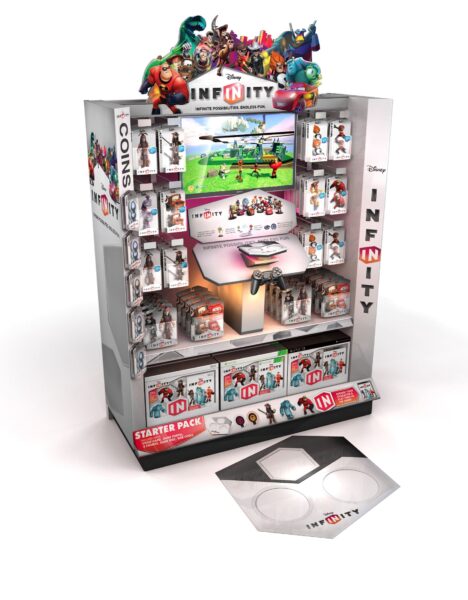
custom pop display

High-Quality Graphics and Signage

Investing in high-resolution graphics and clear, readable signage is crucial. Quality visuals convey the brand’s commitment to excellence and help maintain a professional image. Effective signage should be concise yet descriptive, providing key information at a glance while enticing shoppers to learn more about the product.

Tailoring Displays to Target Audiences

Understanding the demographics and preferences of your target audience is vital. A display aimed at younger consumers might be more vibrant and energetic, while one targeting a more upscale demographic might employ subtler, sophisticated design elements. Tailoring the visual elements of your POP displays to match the expectations and preferences of your specific audience can significantly increase their effectiveness.

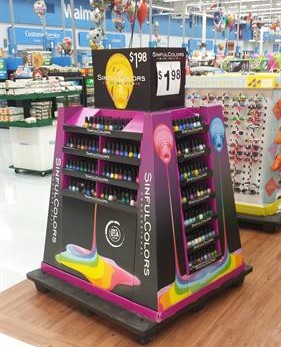
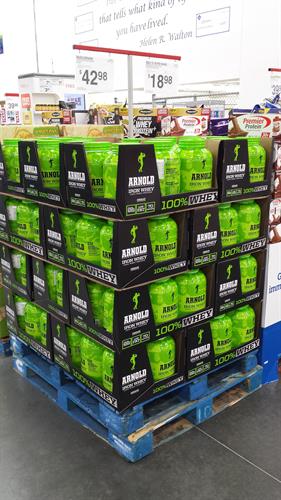
Point of purchase pallet display

Conclusion

The visual appeal of POP displays plays an essential role in capturing customer interest and driving sales. By carefully considering elements such as color, lighting, structure, technology, and graphics, retailers can create compelling displays that not only draw attention but also enhance the shopping experience. Effective POP displays are those that manage to marry aesthetic appeal with functional design, making them not just visually striking but also strategically effective in driving product interest and sales.

If you are interested in POP displays, then partner with Brown Packaging today to get started.

Most Recent Posts:
Retail Packaging Trends for 2026

Retail packaging continues to evolve as brands balance sustainability, supply chain performance, and consumer experience. In 2026, buyers face new challenges shaped by material innovation, compliance requirements, and rising consumer

Read More »
Categories:
Subscribe To Our Newsletter

By submitting your information, you agree to our terms and conditions and privacy policy.

Counter Top Display
POP Displays
Facebook
Twitter
LinkedIn
Pinterest
Relevant Posts
Health-Beauty-POP-floor Display
Display
brownpackaging
Corrugated POP Display Printing

Point-of-purchase (POP) displays are designed to capture shopper attention and influence buying decisions. Beyond structure and branding, the quality of print determines how well a display communicates from multiple viewing angles in a retail environment. Selecting the right printing method ensures your display performs both visually and functionally. Printing Methods for Corrugated POP Displays Not all printing methods are suited for corrugated displays. Each has its own strengths and trade-offs in cost, speed, quality, and run size. The three most common methods are: Flexographic Printing Digital Printing Lithographic (Offset) Printing Flexographic Printing Flexographic printing uses plates to apply ink as material passes through rollers. Advantages Cost-Efficient at Scale: Once plates are created, cost per unit is low for large or repeat orders. Pantone Accurate: Ensures precise color matching across production runs. Versatile: Works on uneven surfaces and a wide range of substrates. High Speed: Suited for mass production. Limitations High Startup Costs: Plates and tooling are expensive, making short runs less economical. Poor for Sampling: Costly and impractical to produce prototypes. Best Fit: Large-volume retail displays where consistency and color accuracy are priorities. Digital Printing Digital printing applies artwork directly from a file to the substrate, eliminating plates. Advantages Low Startup Cost: Cost-effective for short runs and prototypes. Fast Turnaround: Ideal for tight deadlines or seasonal campaigns. Flexible: Easily handles multiple SKUs or frequent artwork changes. High Quality: Produces sharp graphics suitable for branded displays. Limitations Less Economical at Scale: Higher cost per unit for large volumes. Color Variability: Approx. 95% accurate; not a perfect Pantone match. Slower Mass Output: Not as efficient as flexographic presses for high quantities. Best Fit: Small-batch retail displays, prototypes, or variable-data campaigns. Lithographic (Offset) Printing Lithographic printing transfers ink from a plate to a rubber blanket, then onto the substrate, with options for coatings or varnishes. Advantages Highest Quality: Sharp, detailed graphics with accurate color reproduction. Premium Finishes: Coatings and varnishes enhance durability and appearance. Scalable: Handles small to large format prints. Limitations High Setup Cost: Plates and setup make short runs expensive. Not Sample-Friendly: Prototypes are cost-prohibitive. Longer Lead Time: Setup and adjustments require planning. Best Fit: High-volume displays where premium image quality is essential for brand impact.` Designing Graphics for POP Displays Effective POP displays combine structure with clear, impactful graphics. Common elements include: Logos and Brand Colors Product Imagery Text (ingredients, instructions, contact info) Symbols and Icons Promotions or Pricing Call-to-Action Messaging Mascots or Characters Any artwork provided must be adjusted to fit dielines correctly. Designers ensure bleed, folds, and structural features align with graphics to avoid misprints. Choosing the Right Printing Method When selecting a printing process, consider: Quality: Lithographic offers the highest resolution; flexographic is durable but less detailed. Budget and Quantity: Flexographic suits large runs, digital works best for small runs, lithographic for high-volume premium graphics. Lead Time: Digital is fastest due to no plate requirements. Brand Goals: For premium retail impact, lithographic justifies higher cost; for efficiency, flexographic is the workhorse. Buyer Takeaway Use flexographic printing for large-scale runs that need durability and consistent Pantone colors. Choose digital printing for prototypes, short runs, or campaigns with multiple SKUs. Invest in lithographic printing for premium displays that require sharp, high-quality graphics. Selecting the right method ensures POP displays not only stand out visually but also align with budget and timeline requirements. References Association of Independent Corrugated Converters (AICC). (2024). Printing Methods in Corrugated Packaging. Retrieved from https://www.aiccbox.org Flexible Packaging Association. (2023). Digital vs. Flexographic Printing. Retrieved from https://www.flexpack.org Robertson, G. L. (2016). Food Packaging: Principles and Practice (3rd ed.). CRC Press. (714)300-0650 request@brownpackaging.com Most Recent Posts: Categories: Corrugated Folding Carton Display Packaging Rigid Box Subscribe To Our Newsletter By submitting your information, you agree to our terms and conditions and privacy policy. POP Displays Facebook Twitter LinkedIn Pinterest Relevant Posts

Read More »
Custom POP displays
Display
brownpackaging
POP Displays for Cross-Merchandising

Cross-merchandising is one of the most effective ways to increase basket size in retail. By pairing complementary products in a single point-of-purchase (POP) display, brands can encourage impulse buys and highlight product synergies. Well-designed cross-merchandising displays must balance structural integrity with creative graphics to hold multiple SKUs securely while capturing shopper attention. Why Cross-Merchandising Works Shoppers often overlook product pairings when items are placed in separate aisles. POP displays solve this by bringing products together in a single, convenient location. Encourages impulse purchases. Educates consumers on product compatibility. Strengthens brand visibility and retailer relationships. Increases revenue per shopper visit. Structural Considerations for Multi-SKU Displays Cross-merchandising displays require careful engineering to hold different shapes and weights. Compartmentalized trays: Keep SKUs organized and accessible. Reinforced shelving: Prevent sagging under uneven product loads. Flexible layouts: Allow for multiple packaging sizes. Retail compliance: Dimensions must fit chain-specific guidelines. Graphics That Highlight Product Pairings Graphics play a key role in cross-merchandising by showing shoppers why products belong together. Use bold imagery to connect items visually. Highlight bundle savings or promotional pricing. Position brand messaging where both products share visibility. Ensure graphics remain clear even when product stock is low. Examples of Cross-Merchandising POP Displays Snacks and beverages: Pairing chips with soda or beer. Health and beauty: Combining shampoo with conditioner or styling products. Electronics: Packaging batteries alongside small devices. Household goods: Cleaning products displayed with tools or accessories. POP Display Solutions with Brown Packaging Brown Packaging designs cross-merchandising POP displays that integrate structural strength with branding impact. Our solutions make it easy to showcase complementary products while meeting retailer standards. Contact us to explore custom display designs for your retail strategy. References Shop! Association. (2021). Best Practices for In-Store Marketing and POP Displays. Retrieved from https://www.shopassociation.orgSoroka, W. (2009). Fundamentals of Packaging Technology (4th ed.). Institute of Packaging Professionals.ASTM International. (2022). ASTM D685: Standard Practice for Conditioning Paper and Paper Products for Testing. (714)300-0650 request@brownpackaging.com Most Recent Posts: Categories: Corrugated Ecommerce ESD Design Display Flexible Packaging Foam Folding Carton Packaging Plastic Packaging Pouch Printing Protection Retail Rigid Box Thermoform Sustainability Subscribe To Our Newsletter By submitting your information, you agree to our terms and conditions and privacy policy. POP Displays Facebook Twitter LinkedIn Pinterest Relevant Posts

Read More »
POP floor display
Display
brownpackaging
Understanding Product Accessibility with POP Displays

In retail, the ease with which customers can interact with products directly influences their purchasing decisions. Point of Purchase (POP) displays designed with accessibility in mind are pivotal for enhancing customer experience and boosting sales. This blog dives into the concept of product accessibility within POP displays, highlighting strategies to maximize ease of access and encourage active engagement. The Importance of Product Accessibility Product accessibility in a retail setting means more than just physical reach; it involves making products approachable, understandable, and engaging through well-thought-out display designs. Effective POP displays remove barriers that could deter a customer from interacting with the product, thereby increasing the likelihood of a purchase. Key Strategies for Accessible POP Displays Minimize Physical Barriers Ensure that products within POP displays are easy to reach and interact with. Avoid high shelves or deep bins where products might be out of reach for some customers. Consider the layout and height of your displays to accommodate all customers, including those who might be wheelchair users or of short stature. Interactive Elements Incorporate elements that invite interaction, such as touchscreens with product information, samples for testing, or QR codes that link to detailed product demonstrations. Interactive displays not only improve accessibility but also enhance the shopping experience, making it more informative and engaging. Clear and Concise Signage Use clear, easily readable signage that guides and educates the customer. Signage should be visible from a distance and at eye level, using simple language to explain the product benefits and how to use them. This reduces confusion and empowers customers to make informed decisions quickly. Optimal Placement Position POP displays in locations where customers naturally pause, such as at eye level on end caps, near product categories that complement the display items, or along paths that most customers travel. Strategic placement ensures products are not only accessible but also unavoidable as customers navigate through the store. Use of Lighting Enhance product visibility and appeal through effective lighting. Well-lit displays draw attention to the products and can influence mood and perception. Consider using spotlights or LED lighting to highlight specific products or features, making them more inviting to customers. Regular Updates Keep your POP displays fresh and relevant by regularly updating them to reflect new products, seasonal items, or current promotions. This keeps returning customers engaged and ensures that the display maintains its appeal over time. Conclusion Understanding and improving product accessibility in POP displays is essential for creating effective retail environments. By implementing strategies that enhance physical access, interaction, and comprehension, retailers can significantly boost customer engagement and sales. Accessible POP displays not only cater to a wider audience but also foster a more inclusive shopping experience. If you are interested in POP displays, then partner with Brown Packaging today to get started. (714)300-0650 request@brownpackaging.com Most Recent Posts: Categories: Corrugated Ecommerce ESD Design Display Flexible Packaging Foam Folding Carton Packaging Plastic Packaging Pouch Printing Protection Retail Rigid Box Thermoform Sustainability Subscribe To Our Newsletter By submitting your information, you agree to our terms and conditions and privacy policy. POP Display Facebook Twitter LinkedIn Pinterest Relevant Posts

Read More »