

Home » Mastering Signage for POP Displays: A Retailer’s Guide
Mastering Signage for POP Displays: A Retailer’s Guide
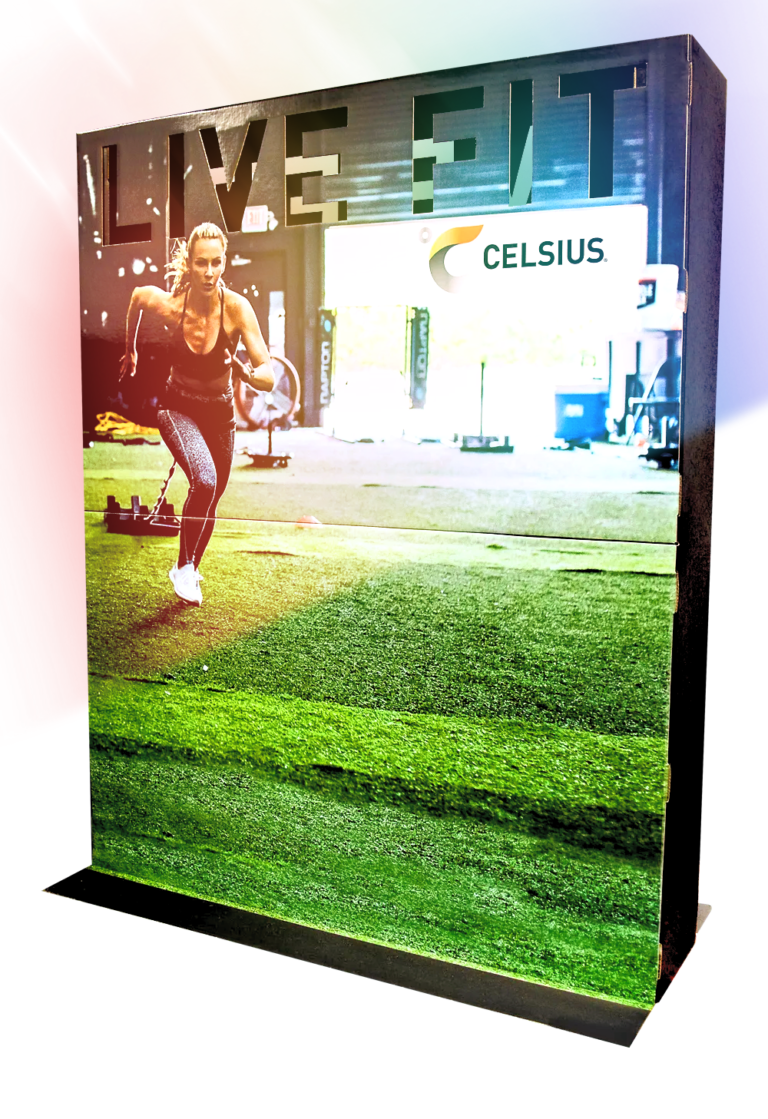
Effective signage is a critical component of successful Point of Purchase (POP) displays. It not only attracts attention but also communicates essential information, helping to convert casual browsers into buyers. This blog delves into the best practices for signage in POP displays, offering insights on how to design signs that are both engaging and effective.
The Role of Signage in POP Displays
Signage serves as a direct communication channel between the product and the consumer. In a busy retail environment, it helps your products stand out by delivering clear messages and drawing attention to specific features or promotions. The right signage can enhance the visual appeal of a display, provide necessary information, and guide purchasing decisions.
Key Elements of Effective Signage
Clarity and Readability
The primary goal of any sign is to be read. Use clear, concise language and a readable font to ensure that your messages are easily understood at a glance. Avoid overcrowding your signs with too much text or overly complex vocabulary that might confuse the shopper.
Visual Appeal
Your signage should catch the eye of the shopper. Use vibrant colors and bold fonts that align with your brand identity. However, it’s important to balance attractiveness with readability and not sacrifice one for the other. High-contrast color schemes can help make your signage pop against the background of your display.
Brand Consistency
All signage should reflect your brand’s visual identity and voice. Consistent use of logos, color schemes, and typography reinforces brand recognition and builds trust with your customers. Consistency in signage across all displays also helps create a cohesive shopping experience.
Strategic Messaging
The content of your signage should be strategic. Highlight the benefits of the product, any special offers, or unique selling propositions that can influence buying decisions. Phrases like “New Arrival,” “Limited Edition,” or “Special Discount” can create urgency and attract interest.
Size and Placement
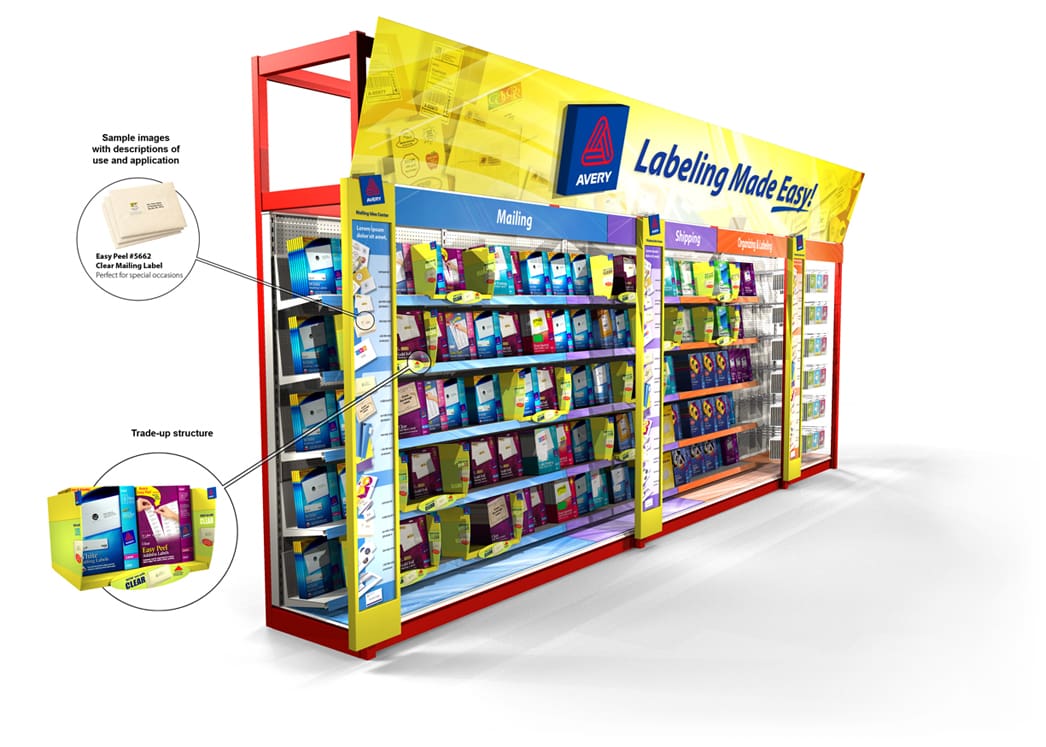
The size of the signage should be appropriate for the distance from which it is meant to be read. Larger signs are necessary for visibility from afar, while smaller, more detailed signs can be used for up-close interactions. Placement also plays a crucial role; signs should be placed at eye level or just above to catch the shopper’s eye as they approach or pass by the display.
Integrating Technology in Signage
Digital Signage
Incorporating digital elements into your signage can significantly enhance its impact. Digital signs can display changing messages, interactive content, or even multimedia presentations that engage customers more deeply than static signs. They are particularly effective in catching the attention of tech-savvy consumers and can be easily updated to reflect new promotions or products.
QR Codes and Interactive Elements
Adding QR codes to your signage can provide a bridge to online content, offering more detailed product information, promotional videos, or even direct links to online purchasing options. This integration of online and offline marketing creates a seamless shopping experience that can enhance customer satisfaction and increase sales.
Conclusion
Signage is a powerful tool in the arsenal of POP display strategies. By focusing on clarity, visual appeal, brand consistency, strategic messaging, and the integration of technology, retailers can create effective signage that not only draws attention but also persuades and informs. Well-designed signs make POP displays more effective and can significantly influence consumer behavior in the retail environment.
If you are interested in POP displays, then partner with Brown Packaging today to get started.
Most brands invest in POP displays without clearly measuring performance. They look at sales after rollout and assume the display worked—or didn’t. But without isolating variables, that’s just guessing. If
Most cost-cutting in POP displays happens in the wrong place. Brands reduce board grade, simplify structure too aggressively, or cut print quality—only to see: Higher damage rates Poor retail execution
Oil prices don’t just affect fuel—they ripple through nearly every part of packaging. When oil rises, packaging costs follow.When oil drops, costs don’t always fall as quickly. That’s because oil
Most POP display failures aren’t caused by weak materials—they’re caused by poor weight distribution. A display can use the right board, the right flute, and still fail early if the
By submitting your information, you agree to our terms and conditions and privacy policy.

Home » Mastering Signage for POP Displays: A Retailer’s Guide

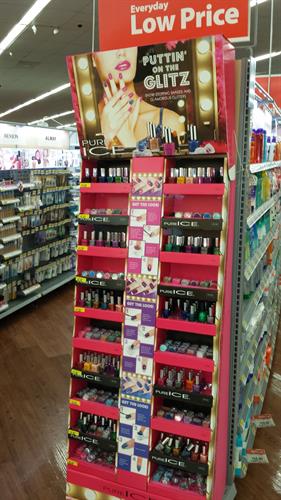

Creating an effective Point of Purchase (POP) display can be a game changer for any retail business, influencing buying decisions and enhancing product visibility. For

Point-of-purchase (POP) displays are designed to capture shopper attention and influence buying decisions. Beyond structure and branding, the quality of print determines how well a
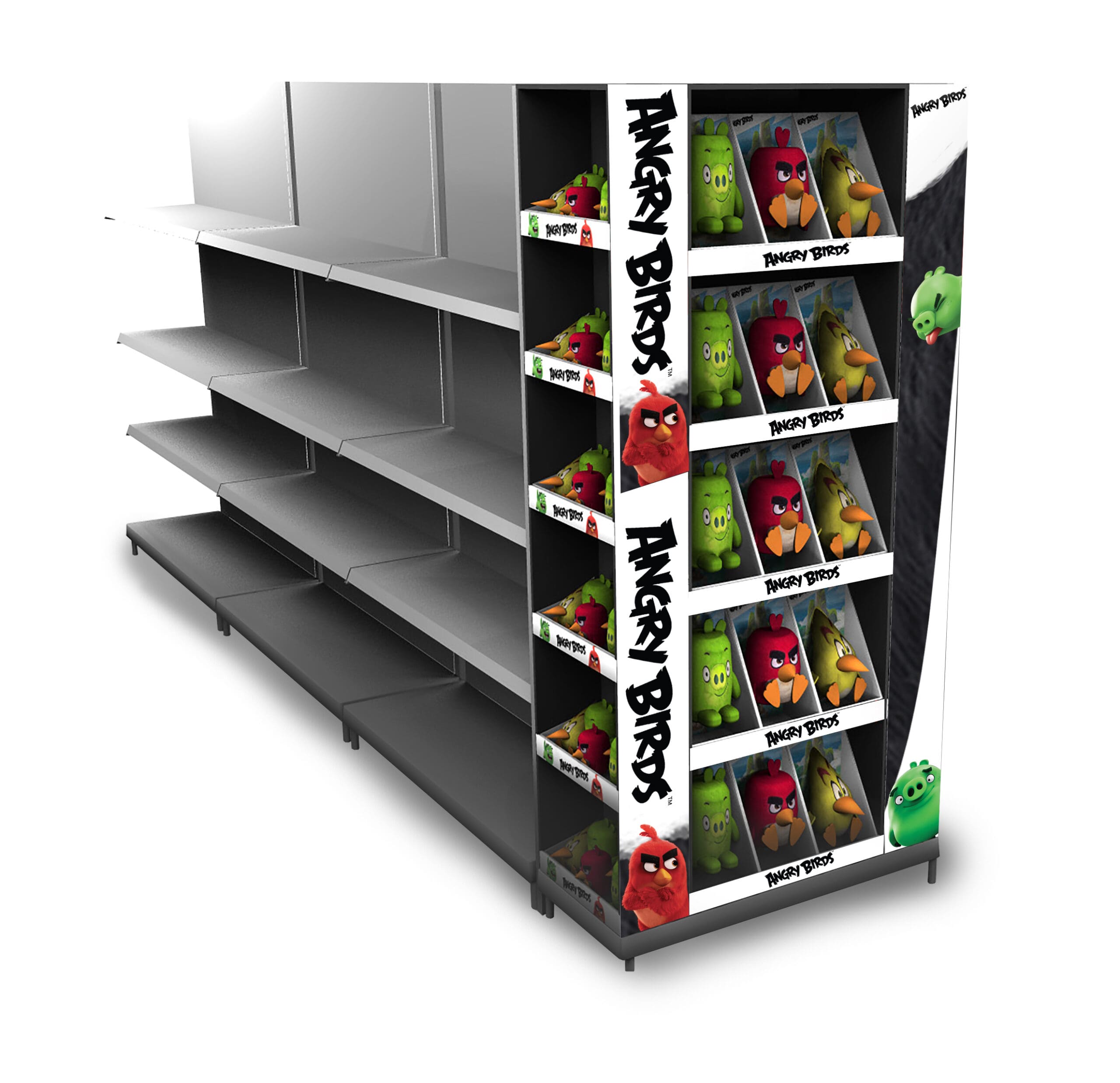
Understanding consumer psychology is paramount to creating effective point of purchase (POP) displays. These strategically placed displays can significantly influence a customer’s decision to make