



Home » Is Your Packaging Costing You More Than It Should?
Is Your Packaging Costing You More Than It Should?
Packaging isn’t just a box or a bag—it’s a line item on your budget, a touchpoint with your customer, and a critical part of your supply chain. But what many companies don’t realize is that their packaging may be costing them more than it should—not just in materials, but in storage, shipping, damage, and customer experience.
If you haven’t taken a close look at your packaging setup lately, now’s the time to assess whether it’s helping or hurting your bottom line.
Oversized Packaging = Wasted Money
It’s a common mistake: using a box that’s much larger than the product. Not only does this require more void fill, it also increases your dimensional shipping weight, which drives up freight costs—especially for e-commerce and parcel shipping.
Solution:
Switch to right-sized packaging or explore mailer alternatives like poly mailers or custom die-cut corrugated options that hug the product more closely.
Over-Engineering Without Added Benefit
It’s easy to assume stronger means better—but not every product needs double-wall corrugated, high-end inserts, or expensive finishes. If your packaging is doing more than it needs to, you’re likely paying for protection or features your customer doesn’t notice or value.
Solution:
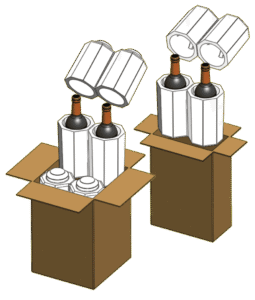
Review your structural design and board grade. A packaging engineer can help you optimize for the product’s weight and fragility without overspending on material.
Inefficient Packaging Leads to Higher Labor Costs
Packaging that’s hard to assemble, overcomplicated, or inconsistent can slow down fulfillment and increase errors.
Solution:
Use auto-lock bottom boxes, pre-folded cartons, or streamlined assembly instructions to reduce pack time, labor cost, and error rates.
Your Shipping and Fulfillment Costs Are Rising
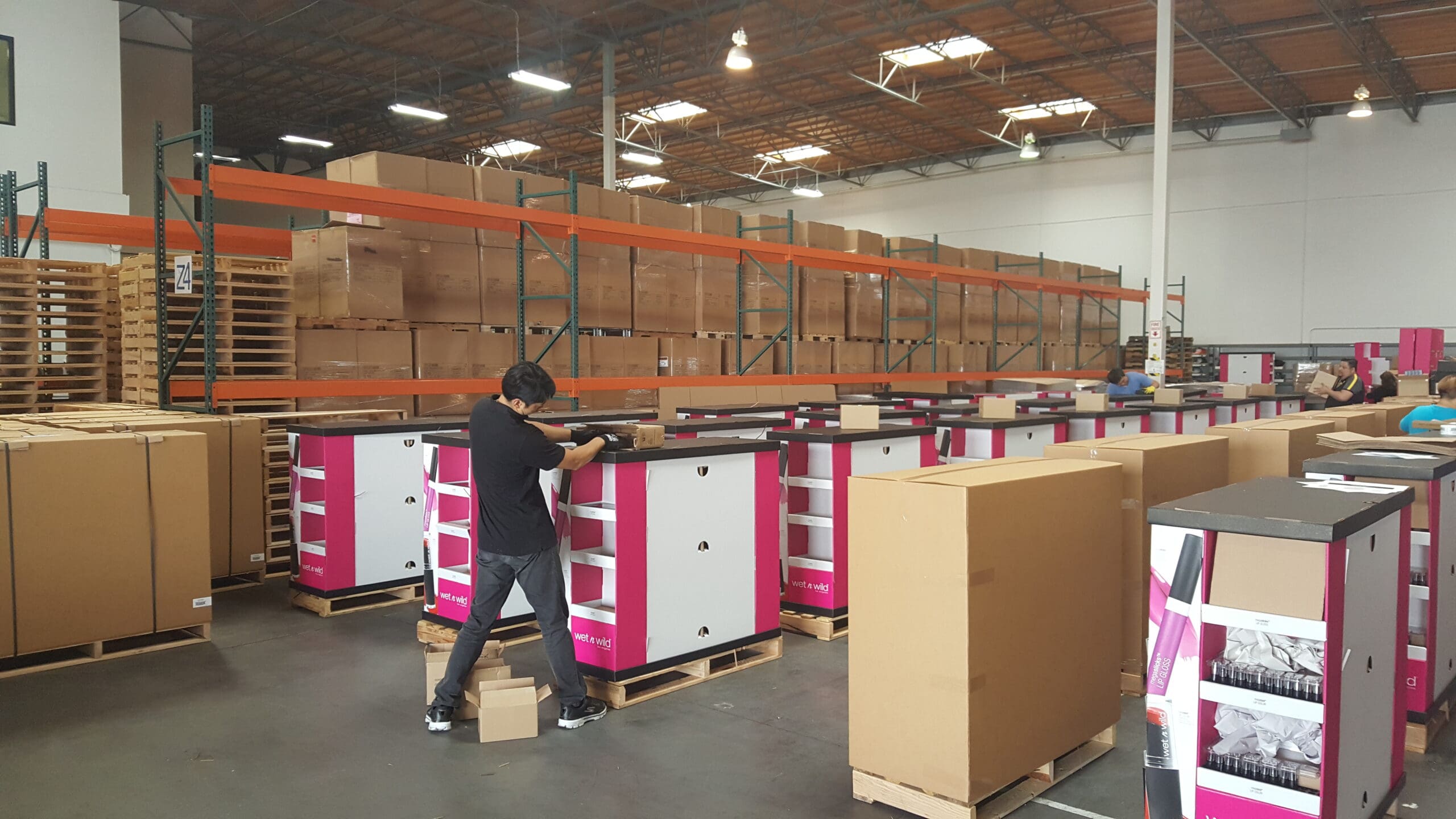
Higher freight bills or warehouse inefficiencies are often tied to inefficient packaging: oversized boxes, time-consuming assembly, or mismatched pallets.
Why it matters:
This is the moment to reallocate budget toward structural redesign or automation-friendly packaging that reduces labor, materials, and dimensional weight.
Storage and Shipping Inefficiencies
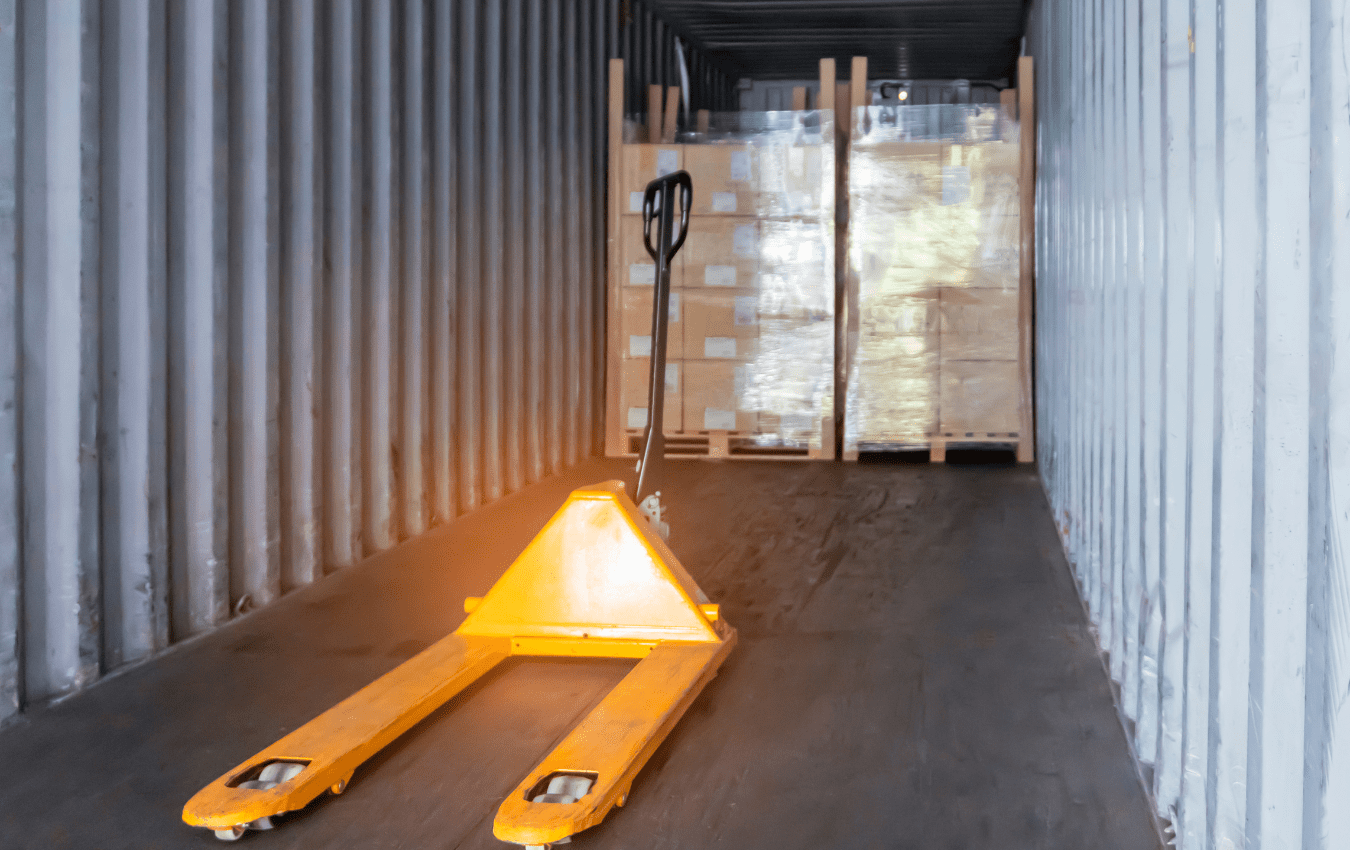
If your packaging takes up too much warehouse space or doesn’t palletize efficiently, you’re losing money in storage and shipping before a product even leaves your facility.
Solution:
Work with your supplier to optimize dimensions for palletization and warehouse stacking. You may be able to reduce total storage volume or fit more units per shipment.
Damage and Returns Are Killing Margins
If your packaging fails in transit—even occasionally—the cost of returns, replacements, and negative reviews can quickly outweigh the cost of upgrading your packaging.
Solution:
If you’re seeing damage or breakage rates over 1–2%, it’s time to audit your box strength, inserts, and material choices. Improving packaging here is a direct path to better margins.
Missed Opportunities with Branding
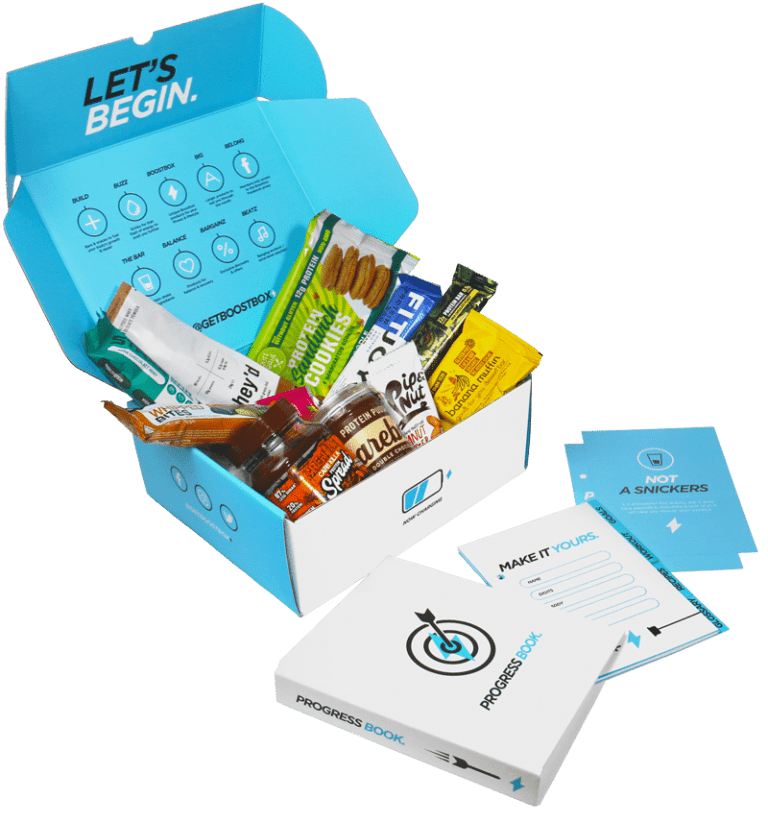
Generic packaging may be cheaper—but it can cost you in brand recognition, customer loyalty, and perceived value. If your packaging doesn’t reflect your product quality, customers may assume it’s lower value.
Solution:
Consider affordable branding upgrades like one-color flexo print, interior printing, or custom labels to make a stronger impression without blowing the budget.
Final Thoughts
If you’re only looking at unit cost when reviewing packaging, you’re missing the bigger picture. True packaging costs include materials, shipping, labor, storage, damage, and brand perception.
Ready to find out if your packaging is costing more than it should?
We’ll help you audit your current setup and identify opportunities to save money—without compromising quality, protection, or your customer experience.
As tariff changes reshape global trade, packaging buyers moving production from China to the U.S. or nearshore regions face a new challenge: supplier qualification. Transitioning supply doesn’t end once a
With new tariff proposals and continued trade uncertainty, 2026 is shaping up to be another pivotal year for packaging sourcing strategy. Many companies that shifted production away from China in
Following multiple rounds of tariff changes and trade policy adjustments, 2026 marks a turning point for U.S. packaging buyers. Many who previously transitioned from China to domestic or nearshore suppliers
Shifting packaging production from China to the U.S. can help stabilize costs, reduce tariff exposure, and shorten lead times. But the transition process requires careful planning. For packaging buyers, the
Home » Is Your Packaging Costing You More Than It Should?