

Home » Is a Corrugated Box Good for Shipping?
Is a Corrugated Box Good for Shipping?
Yes, a corrugated box is an excellent choice for shipping due to its strong, durable nature and its ability to protect contents from damage during transit. Its structural integrity, coupled with its lightweight design, makes it ideal for a wide range of shipping needs, from delicate items to heavy goods.
Strength and Durability
The key to the corrugated box’s suitability for shipping lies in its unique construction. Composed of a fluted corrugated sheet sandwiched between two linerboards, this design creates a sturdy, yet cushioned, environment for items being shipped. The corrugation provides resistance against impacts, vibrations, and compression, significantly reducing the risk of damage. This structural strength is scalable; by adjusting the thickness of the board and the size of the flutes, corrugated boxes can be customized to handle various weight capacities and protection levels.
Versatility
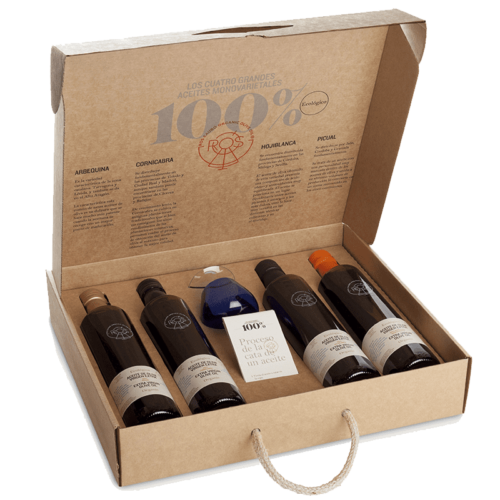
Corrugated boxes offer unparalleled versatility. They can be customized in size, shape, and strength to suit specific shipping needs, whether for small, fragile items or large, bulky products. This customization extends to the printing and branding of the boxes, enabling businesses to use their packaging as a marketing tool. Moreover, additional features like handles, die-cut inserts, or reinforced corners can be added to enhance functionality and protection.
Sustainability
In an era where environmental concerns are increasingly important, corrugated boxes stand out for their eco-friendliness. Made from renewable resources, primarily recycled paper, corrugated boxes are recyclable and biodegradable. Their production and recycling processes are energy efficient and contribute to a reduction in carbon footprint, making corrugated boxes a responsible choice for businesses committed to sustainability.
Protective Features
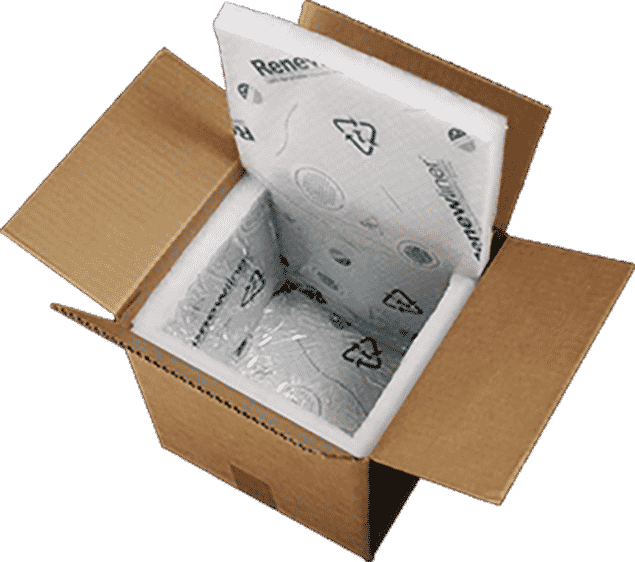
Corrugated boxes can also be equipped with various protective features to enhance their shipping capabilities. These include water-resistant coatings or liners, which protect against moisture and humidity, and barrier coatings that guard against oil, grease, or other contaminants. For items requiring temperature control, insulated corrugated boxes are available to maintain a stable environment during transit.
Ease of Use
The simplicity and ease of use of corrugated boxes are significant benefits. They can be quickly assembled, filled, sealed, and labeled, making the packing process efficient and straightforward. At the destination, they are easy to open and, if undamaged, can be reused or recycled, contributing to waste reduction.
Conclusion
Corrugated boxes are indeed an excellent choice for shipping, offering a combination of strength, durability, cost efficiency, and environmental sustainability. Their adaptability to various shipping requirements, coupled with protective and customizable features, makes them a reliable packaging solution for businesses and individuals worldwide. Whether you’re shipping locally or internationally, corrugated boxes ensure that your products arrive safely, securely, and in style.
If you are interested in corrugated boxes, then partner with Brown Packaging today to get started.
Subscription packaging continues to expand across beauty, food, lifestyle, and specialty products. Buyers must balance branding, protection, and sustainability while keeping fulfillment efficient. This checklist highlights the critical areas buyers
As budgets tighten in 2026, packaging buyers are under pressure to reduce costs without increasing damage rates. Cutting too aggressively can lead to product loss, higher return rates, and frustrated
Product damage is one of the most expensive risks in packaging. Beyond replacement costs, damaged goods lead to lost sales, returns, and reputational harm. In 2026, complex e-commerce, global shipping,
Retail packaging continues to evolve as brands balance sustainability, supply chain performance, and consumer experience. In 2026, buyers face new challenges shaped by material innovation, compliance requirements, and rising consumer
Home » Is a Corrugated Box Good for Shipping?

The weight a corrugated box can hold depends on factors such as box construction, material grade, flute size, and box dimensions. Corrugated boxes are designed to protect and hold items during storage and shipping efficiently. A standard single-wall corrugated box can hold between 20 to 120 pounds, while double-wall constructions can support significantly higher weights ranging from 80 to 180 pounds. Understanding Corrugated Box Strength Corrugated box strength is determined by multiple factors, including construction, material grade, and flute size. Understanding these variables ensures the right box is chosen for the job. Box Construction Corrugated boxes are available in three main constructions: Single-Wall Boxes: Suitable for lighter items with weight capacities ranging from 20 to 120 lbs, depending on the material strength. Double-Wall Boxes: Designed for heavier or fragile items, supporting weights from 80 to 180 lbs. Triple-Wall Boxes: Used for exceptionally heavy items, such as industrial equipment, capable of holding hundreds of pounds. Material Strength: Bursting Test and Edge Crush Test (ECT) Two key measurements determine corrugated box strength: Bursting Strength Test: Measures the force required to rupture the surface of corrugated board. Edge Crush Test (ECT): Measures stacking strength and indicates how much weight a box can withstand before collapsing. The following tables summarize the equivalencies for single-wall and double-wall corrugated boxes: Single-Wall Corrugated Boxes Bursting Test Minimum Edge Crush Test (ECT) Maximum Suggested Loading Limit Per Carton 125# 23 ECT 20 lbs. 150# 26 ECT 35 lbs. 175# 29 ECT 50 lbs. 200# 32 ECT 65 lbs. 275# 44 ECT 95 lbs. 350# 55 ECT 120 lbs. Double-Wall Corrugated Boxes Bursting Test Minimum Edge Crush Test (ECT) Maximum Suggested Loading Limit Per Carton 200# 42 ECT 80 lbs. 275# 48 ECT 100 lbs. 350# 51 ECT 120 lbs. 400# 61 ECT 140 lbs. 500# 71 ECT 160 lbs. 600# 82 ECT 180 lbs. These standardized tests ensure the durability and reliability of corrugated boxes, helping buyers choose boxes that meet their weight requirements. The Role of Flute Size Corrugated boxes use fluted sheets to provide strength and cushioning. Larger flutes (like A or B flutes) offer better compression resistance and are ideal for heavier items, while smaller flutes (like E or F flutes) provide a smoother surface for printing and are better for lightweight items. The Importance of Box Dimensions Box size directly affects weight capacity and strength. Larger boxes have a wider surface area, which can distribute weight evenly but may require stronger materials to prevent collapse. Choosing the appropriate box size can optimize load support and minimize material waste. How to Choose the Right Box To ensure optimal performance, consider the following when selecting a corrugated box: Determine the Weight of the ContentsUse the tables above to match the weight of your products with the appropriate box strength. Evaluate the Box Construction Single-wall for lightweight items. Double-wall for medium to heavy items. Triple-wall for extremely heavy or industrial goods. Consult with SuppliersCollaborate with packaging experts to select boxes with the proper ECT or bursting strength for your application. Optimize for SustainabilityChoose boxes made from recycled or sustainable materials without compromising strength. Conclusion The weight a corrugated box can hold depends on its construction, material grade, and strength ratings (ECT and bursting test). Single-wall boxes can hold up to 120 lbs, while double-wall boxes can support weights up to 180 lbs, as shown in the tables above. By understanding these key metrics and factors, packaging buyers can confidently choose the right boxes for their needs, ensuring products are protected during shipping and storage. Partner with Brown Packaging today to find corrugated boxes designed to meet your weight, size, and durability requirements. Whether you’re shipping lightweight goods or industrial equipment, we’ve got the solution for you! (714)300-0650 request@brownpackaging.com Most Recent Posts: Categories: Corrugated Ecommerce ESD Design Display Flexible Packaging Foam Folding Carton Packaging Plastic Packaging Pouch Printing Protection Retail Rigid Box Thermoform Sustainability Subscribe To Our Newsletter By submitting your information, you agree to our terms and conditions and privacy policy. Custom Corrugated Boxes Facebook Twitter LinkedIn Pinterest Relevant Posts

Today, more and more brands are switching to sustainable packaging options to improve their social responsibility to the environment and to meet any regulation or requirements imposed on them. As a result, many buyers are now becoming more aware and concerned about how their packaging is made and whether or not it is recyclable. For the purpose of this blog, we will thoroughly explain what corrugated packaging is made of and why it is recyclable. Corrugated Material Explained Corrugated, often mistaken for cardboard, is compressed fiberboard consisting of multiple layers. Fiberboard material is made up of wood chips from a pine pulp tree that is quickly grown. The number of layers is determined by the desired thickness and strength of the material: 2 (single face), 3 (single wall), 5 (double wall) to 7 (triple wall). Single face consists of a fiberboard and flute layer. Flutes consist of air chambers that provide additional cushioning to the material. Single wall consists of an outside and inside layer of fiberboard with a middle flute. Double wall consists of 3 fiberboard layers and two flutes, and triple wall consists of 4 fiberboard layers and 3 flutes. Corrugated Recyclability Explained Corrugated packaging products such as boxes, displays, edge protectors, inserts, and others are often advertised and described as recyclable. This is true, since corrugated material is produced from natural materials it can be recycled or naturally decomposed back into the environment. How To Recycle Corrugated Materials Out of all packaging materials, corrugated is among the most successful and frequently recycled materials in the world, as it is quite simple to recycle. It can be recycled by having it placed in the recycling bin or by taking it to a recycling center where it will be reprocessed. Corrugated packaging must be prepared and broken down prior to recycling. This may involve removing any non recyclable materials from the cardboard such as foam, plastic, bubble wrap, wood, tapes and other materials. Corrugated packaging such as boxes or displays need to be broken down with all flaps extended and pressed flat. Once flattened, corrugated can now be recycled at the curbside recycling pickup. If you are taking your material to a recycling center, then make sure you are disposing it in the correct bin. If you are recycling in large quantities then it may be best to use a bale to flatten boxes, which can greatly improve your transportation efficiency. For more flexibility and hassle free recycling, many businesses with huge quantities of recycled corrugated materials use automatic compact and balers to streamline the process. When You Should Not Recycle Corrugated Materials In most cases you should be able to recycle your corrugated packaging, however there are few exceptions. For example, food and beverages can spoil corrugated material if it has made direct physical contact. Pizza boxes, take out containers, frozen containers and other food packaging is often not recycled due to food residue or damage to the corrugated material. Some inks used to print corrugated materials with graphics, logos and colors may not be recyclable. Tapes and adhesives on a box must be removed or cut out as the material will not be recycled nor is it compatible with the recycling process. Failure to follow these recycling guidelines can result in ruined recycling materials for entire batches. Interested in Sustainable Corrugated Packaging? At Brown Packaging, we supply businesses with stock and custom corrugated packaging for boxes, displays, edge protectors and more. We have over 30+ years of experience providing businesses with sustainable packaging solutions. Partner with us today to limit your carbon footprint on the environment. (714)300-0650 request@brownpackaging.com Most Recent Posts: Categories: Corrugated Folding Carton Display Packaging Rigid Box Subscribe To Our Newsletter By submitting your information, you agree to our terms and conditions and privacy policy. Custom Corrugated Boxes Facebook Twitter LinkedIn Pinterest Relevant Posts

For industries seeking efficient solutions for material storage and transportation, corrugated gaylord boxes have emerged as a viable alternative to plastic totes and super sacks. These lightweight and cost-effective containers are not only environmentally friendly but also surprisingly versatile. Despite misconceptions about their single-use nature, gaylord boxes boast impressive durability and reusability, making them a favorite among businesses. In this guide, we’ll explore the diverse landscape of gaylord box sizes, shedding light on the various options available to manufacturers, retailers, and distributors alike. Versatility of Corrugated Gaylord Boxes Before we delve into the specifics of sizing, let’s revisit what makes Corrugated gaylord boxes a staple in the logistics world. Designed to accommodate bulk materials, these containers typically feature cubic or rectangular, ensuring easy access and secure storage. Corrugated Gaylord Box Sizes: An Overview Corrugated gaylord boxes span a range of sizes to suit diverse needs across industries. Sizing is typically expressed in inches, measuring length, width, and height. Below, we’ll detail some of the most common gaylord box sizes, along with their dimensions: Standard Corrugated Gaylord Size: 48 x 40 x 36″ The quintessential gaylord box, measuring 48 inches in length, 40 inches in width, and 36 inches in height. Often rectangular or octangular in shape with three to five walls, these boxes are the most prevalent, with up to 500-550 boxes fitting on a single trailer when properly palletized. The four and five wall variants of this size boast weight capacities ranging from 4,000 to 5,000 lbs. A standout feature is their compatibility with standard pallet dimensions, allowing for double stacking within trailers. This makes them ideal for metal, plastic, and electronic waste recycling. Moreover, these boxes can be bound to pallets, enabling multiple reuses and contributing to their resale value. Pallet Container: 40 x 40 x 40″ Similar in weight and carrying capacity to the standard 48 x 40 x 36″ corrugated gaylord box, this size measures 40 inches in each dimension. They offer versatility for internal logistics and transportation. The remarkable advantage is their ability to fit and stack on both 40 x 40 and 48 x 40 pallets. This flexibility, coupled with the capacity to hold 3,000 lbs in the four and five wall variants, positions them as a preferred choice for many users. Pallet Boxes: 40 x 30 x 30″ Measuring 40 inches in length, 30 inches in width, and 30 inches in height, these boxes vary in walls (2-5) and shapes (rectangular or octagonal). While their weight capacity depends on these factors, they are designed for lighter loads compared to the standard 48 x 40 x 36″ corrugated gaylord box. The typical 40 x 30 x 30″ box features 4 walls and holds around 1,200-1,500 lbs. Their advantage lies in their compatibility with standard 40 x 48 pallets, ensuring even stacking and easy transportation. Small Corrugated Gaylords: 36 x 36 x 36″ Catering to more compact needs, these boxes measure 36 inches in each dimension and typically feature three or four walls. Their smaller stature and lower wall count result in reduced weight and carrying capacities compared to the standard 48 x 40 x 36″ corrugated gaylord box. Weight capacities usually range from 1,000 to 1,200 lbs. While they may hold less weight, these boxes offer two distinct advantages: a higher quantity can fit onto a trailer, and they often come with a lower price per unit. Choosing the Perfect Fit: Factors to Consider Selecting the right corrugated gaylord box size involves a careful evaluation of several factors: Materials Volume: Assess the quantity of materials you intend to store or transport. Storage Space: Consider the available storage area or warehouse dimensions. Weight Capacity: Ensure the chosen size can safely accommodate the weight of your materials. Transportation: Account for any transportation constraints, such as truck dimensions or shipping regulations. Applications: Tailoring Sizes to Industries Different industries benefit from various corrugated gaylord box sizes: Agriculture and Manufacturing: Optimal sizes vary for packing produce or components. Uses mid to large sizes. Retail and Distribution: Choose sizes that streamline packaging and distribution processes. Uses small to mid sizes. Recycling Centers: corrugated gaylord boxes facilitate sorting recyclables of varying volumes. Use mid to large sizes. If you are interested in custom or stock corrugated gaylord boxes, then partner with Brown Packaging today to get started. (714)300-0650 request@brownpackaging.com Most Recent Posts: Categories: Corrugated ESD Design Foam Packaging Printing Protection Retail Sustainability Subscribe To Our Newsletter By submitting your information, you agree to our terms and conditions and privacy policy. Gaylord Boxes Facebook Twitter LinkedIn Pinterest Relevant Posts