Home » Innovative Custom Packaging Ideas for Limited Edition and Special Collections
Innovative Custom Packaging Ideas for Limited Edition and Special Collections

Limited edition and special collection items provide a unique customer experience that can significantly elevate a brand’s appeal. One way to make these products stand out is through innovative custom packaging. It’s an important aspect that, when executed thoughtfully, can transform an ordinary item into an unforgettable, must-have product. This article explores a series of innovative custom packaging ideas that will make your limited edition or special collection products genuinely special.
Creative Unboxing Experiences
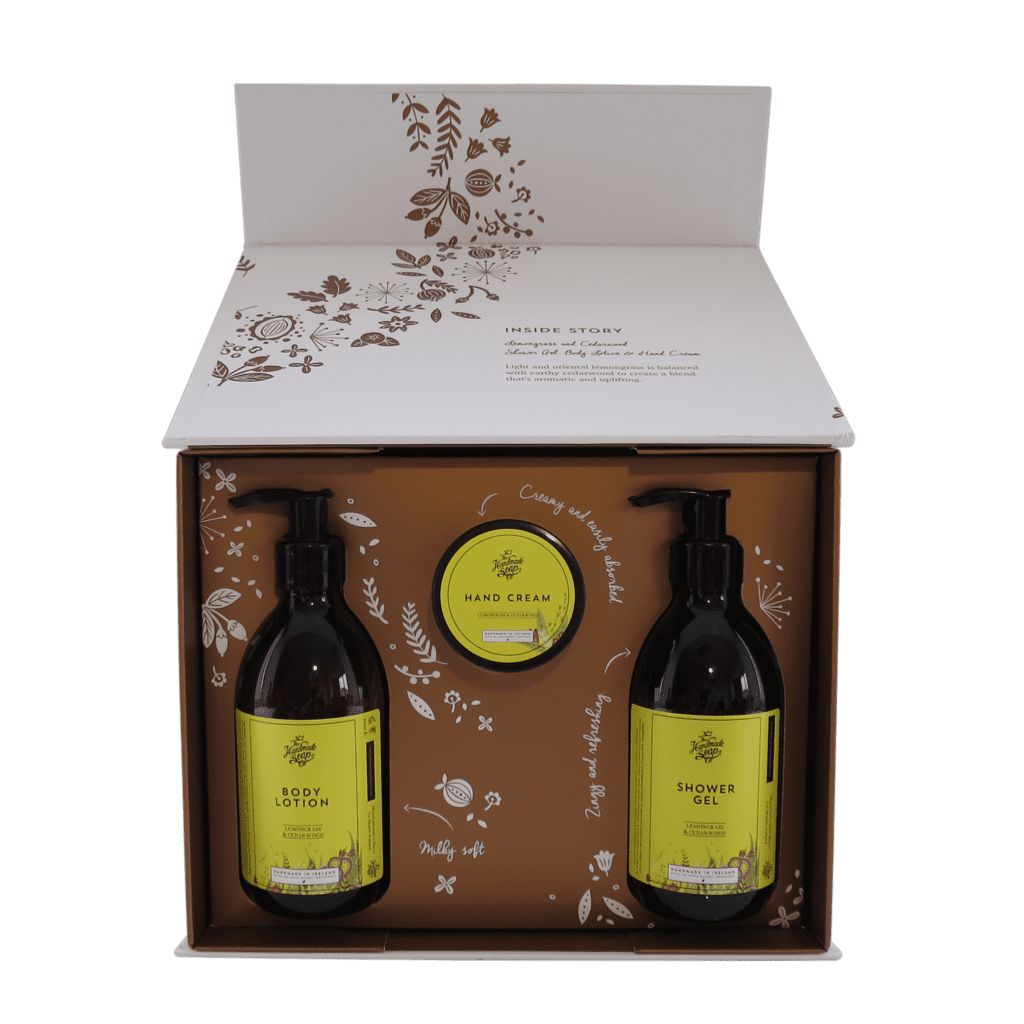
The unboxing experience is an exciting moment for customers. It’s a chance for brands to impress and surprise, heightening the sense of exclusivity. Consider designing a package that unfolds, slides open, or otherwise transforms during unboxing. You could also include unique, reusable packaging materials, such as branded tissue paper or decorative ribbons.
Sustainability-Focused Packaging
With consumers increasingly concerned about the environment, sustainable packaging is more than just a trend; it’s an expectation. Consider using biodegradable or recyclable materials for your packaging. Additionally, reusable packaging that serves a secondary purpose, like storage containers or tote bags, can add an extra level of appeal. Packaging made from plantable seed paper, for example, can transform into a beautiful array of flowers, herbs, or vegetables.
Handcrafted Wooden Boxes
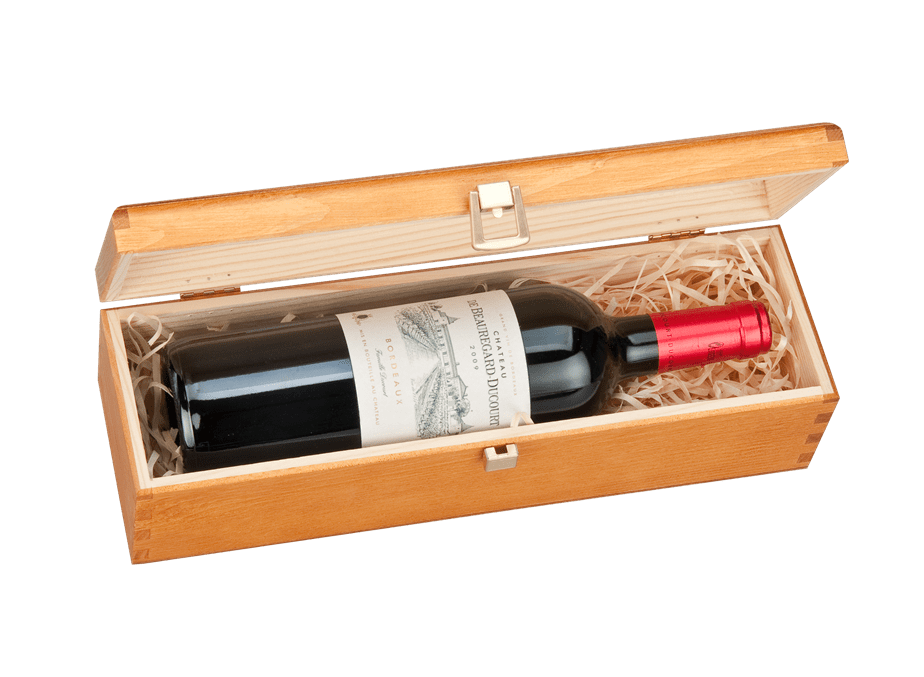
Wooden boxes add a premium feel to any product, and they can be especially effective for limited edition items. They can be custom carved, painted, or engraved to match the product or the brand’s aesthetic. Plus, they’re reusable and often kept by customers as keepsakes.
Augmented Reality Packaging
Technology has opened up exciting new opportunities for custom packaging. Augmented reality (AR) is one such innovation that brands can leverage. With an AR app, customers can point their smartphones at the packaging to bring up additional content, such as videos, 3D models, or interactive experiences. This feature can make the unboxing experience feel even more exclusive and personalized.
Custom Illustrations and Artwork
Another way to create an exclusive feeling with your packaging is to incorporate custom illustrations or artwork. You could commission a local artist or run a competition among your customers for the design. This not only makes the package unique; it also creates a stronger connection with the community around your brand.
Hidden Messages or Surprises
Including hidden messages or surprises in your packaging can create a memorable unboxing experience. This could be anything from a hidden compartment with a bonus item, a message printed on the inside of the box, or a puzzle or game incorporated into the package design.
Personalized Packaging
Personalization can take various forms, from printing the customer’s name on the box to including custom items based on their preferences. This requires more effort on the brand’s part, but the increased customer satisfaction and word-of-mouth marketing can make it worthwhile.
Limited Edition Labels or Badges
Include unique labels or badges on your packaging to highlight the exclusivity of limited edition products. This could be a serialized label indicating which number of the product the customer has received (e.g., “No. 1 of 500”) or a unique badge that isn’t included with the standard edition of the product.
Storytelling Through Packaging
Incorporate elements of storytelling into your packaging. This could be the story of how the product was made, the inspiration behind the collection, or information about the people who made it. This not only makes the packaging more interesting; it also helps create a deeper connection between the customer and the product.

Thematic Packaging
Finally, consider thematic packaging that ties into the specific collection or season. This could involve specific colors, designs, or materials related to the theme. For instance, a winter collection might use snowy motifs, metallic accents, and cool-toned colors, while a spring collection could incorporate floral patterns, pastel colors, and sustainable materials. Similarly, a limited-edition product released in conjunction with a special event, like a movie premiere or a sports championship, could feature design elements related to that event.
If you are interested in custom packaging, then partner with Brown Packaging today.
Retail packaging continues to evolve as brands balance sustainability, supply chain performance, and consumer experience. In 2026, buyers face new challenges shaped by material innovation, compliance requirements, and rising consumer expectations. Understanding these trends helps companies stay competitive while aligning packaging programs with industry standards. Sustainability Becomes Non-Negotiable Greater use of recyclable and compostable substrates. Retailers pushing suppliers toward FSC-certified materials. Minimalist designs that reduce waste without losing impact. Smarter Packaging for Supply Chains Increased adoption of right-sizing to reduce freight costs. Boxes designed for automation and faster fulfillment. Stronger corrugated grades to withstand long e-commerce journeys. Enhanced Consumer Experience Custom graphics for seasonal campaigns and limited editions. Tear strips, resealable closures, and window cutouts for convenience. Premium finishes that elevate gift packaging at retail. Growth of Hybrid Packaging Formats Combining corrugated strength with folding carton graphics. Modular designs for multi-SKU and club store environments. Packaging engineered to serve both e-commerce and in-store needs. Compliance and Testing Standards Retailers demanding ISTA and ASTM testing for packaging durability. Supply chain audits on recyclability and sustainability claims. More pressure for transparent reporting on environmental impact. Retail Packaging Solutions with Brown Packaging Brown Packaging helps brands adapt to evolving retail packaging trends. From sustainable substrates to automation-friendly designs, our solutions balance branding, durability, and compliance for 2026. Contact us to prepare your packaging program for the year ahead. References Forest Stewardship Council (FSC). (2023). FSC Packaging Certification Guidelines. Retrieved from https://fsc.orgSustainable Packaging Coalition. (2023). Packaging Trends and Consumer Insights. Retrieved from https://sustainablepackaging.orgSoroka, W. (2009). Fundamentals of Packaging Technology (4th ed.). Institute of Packaging Professionals. (714)300-0650 request@brownpackaging.com Most Recent Posts: Categories: Corrugated Ecommerce ESD Design Display Flexible Packaging Foam Folding Carton Packaging Plastic Packaging Pouch Printing Protection Retail Rigid Box Thermoform Sustainability Subscribe To Our Newsletter By submitting your information, you agree to our terms and conditions and privacy policy. Custom Packaging Facebook Twitter LinkedIn Pinterest Relevant Posts
Supplier contracts can make or break a packaging program. Without the right terms, buyers risk price volatility, missed lead times, and inconsistent product quality. In 2026, negotiating smart contracts is essential for controlling costs, securing reliable supply, and meeting compliance requirements. Why Packaging Contracts Matter Cost stability: Protects against sudden raw material price spikes. Supply security: Ensures availability during peak demand. Quality control: Aligns suppliers with testing and compliance standards. Operational efficiency: Streamlines purchasing and reduces administrative burden. Key Terms Buyers Should Negotiate Volume commitments: Secure better pricing with accurate forecasts. Price adjustment clauses: Define when and how costs can change. Lead times and delivery windows: Avoid shortages and production delays. Testing and compliance: Require ISTA, ASTM, or FSC certification where applicable. Sustainability commitments: Ensure suppliers align with environmental goals. Risks of Weak Contracts Paying inflated prices during market fluctuations. Receiving inconsistent corrugated strength or print quality. Missed shipments leading to costly expedited freight. Difficulty meeting retailer or regulatory compliance. Best Practices for Buyers in 2026 Leverage data: Use past order history to negotiate realistic volumes. Dual sourcing: Maintain backup suppliers for risk management. Annual reviews: Reassess terms to reflect changes in demand and compliance. Collaborative approach: Treat suppliers as partners, not just vendors. Packaging Solutions with Brown Packaging Brown Packaging helps buyers secure strong supplier contracts that balance cost, quality, and supply chain reliability. Our partnerships and industry expertise ensure your packaging program is protected for 2026 and beyond. Contact us to discuss supplier solutions. References Soroka, W. (2009). Fundamentals of Packaging Technology (4th ed.). Institute of Packaging Professionals.Fiber Box Association. (2024). Corrugated Packaging Market Outlook. Retrieved from https://www.fibrebox.orgSustainable Packaging Coalition. (2023). Supplier Standards for Sustainable Packaging. Retrieved from https://sustainablepackaging.org (714)300-0650 request@brownpackaging.com Most Recent Posts: Categories: Corrugated Ecommerce ESD Design Display Flexible Packaging Foam Folding Carton Packaging Plastic Packaging Pouch Printing Protection Retail Rigid Box Thermoform Sustainability Subscribe To Our Newsletter By submitting your information, you agree to our terms and conditions and privacy policy. Custom Packaging Facebook Twitter LinkedIn Pinterest Relevant Posts
Packaging compliance is no longer optional—it’s a requirement for accessing retail shelves, shipping networks, and international markets. In 2026, buyers must navigate evolving regulations around sustainability, labeling, and testing to avoid costly fines, rejected shipments, or damaged customer relationships. Why Compliance Matters in 2026 Retail requirements: Major retailers demand FSC, ISTA, and sustainability certifications. E-commerce standards: Carriers enforce dimensional weight and package testing rules. Global trade: Export packaging must comply with ISPM 15, ASTM, and ISO guidelines. Consumer trust: Transparency in packaging claims impacts purchasing decisions. Key Compliance Areas for Buyers Material sourcing: FSC-certified corrugated and board for sustainability. Labeling standards: GS1-compliant barcodes and accurate product details. Durability testing: ISTA and ASTM protocols for drop, vibration, and compression. Sustainability regulations: Requirements for recyclable or compostable materials. Chemical restrictions: Compliance with FDA, EU, or state-specific standards. Common Compliance Challenges Keeping up with frequent regulatory changes. Managing multiple certifications across suppliers. Balancing compliance with cost-efficiency. Verifying supplier claims for sustainability. Best Practices for Staying Compliant Audit suppliers annually to confirm certification validity. Run internal packaging tests before scaling. Track regulatory updates for each region you ship to. Work with experienced partners who understand industry compliance. Packaging Solutions with Brown Packaging Brown Packaging helps buyers meet 2026 compliance standards with FSC-certified materials, ISTA-tested designs, and regulatory expertise. Our team ensures your packaging meets retailer, carrier, and sustainability requirements. Contact us to keep your program compliant. References Forest Stewardship Council (FSC). (2023). FSC Certification Guidelines for Packaging. Retrieved from https://fsc.orgInternational Safe Transit Association (ISTA). (2023). ISTA Testing Procedures for Transport Packaging. Retrieved from https://ista.orgGS1. (2024). Global Standards for Packaging and Labeling. Retrieved from https://www.gs1.org (714)300-0650 request@brownpackaging.com Most Recent Posts: Categories: Corrugated Ecommerce ESD Design Display Flexible Packaging Foam Folding Carton Packaging Plastic Packaging Pouch Printing Protection Retail Rigid Box Thermoform Sustainability Subscribe To Our Newsletter By submitting your information, you agree to our terms and conditions and privacy policy. Custom Packaging Facebook Twitter LinkedIn Pinterest Relevant Posts
In 2026, sustainability is no longer just a trend—it’s a buyer expectation. Forest Stewardship Council (FSC) certification has become a key benchmark for responsible packaging, signaling that materials are sourced from responsibly managed forests. For packaging buyers, FSC certification is more than a compliance checkbox—it’s a brand value that influences purchasing decisions, retailer acceptance, and customer loyalty. What Is FSC Certification? The Forest Stewardship Council certifies that paper-based packaging materials are sourced from forests managed for environmental responsibility, social benefit, and economic viability. FSC Mix: Packaging contains a blend of FSC-certified and controlled wood. FSC Recycled: Packaging is made entirely from recycled fiber. FSC 100%: Packaging is sourced only from FSC-certified forests. Why FSC Matters to Buyers in 2026 Retail access: Many major retailers now require FSC-certified packaging. Sustainability goals: Aligns with corporate ESG and carbon reduction commitments. Consumer trust: Customers recognize the FSC label and view it as credible. Global compliance: Meets international sustainability regulations. How FSC Certification Strengthens Brand Value Differentiation: Stand out with certified sustainable packaging. Marketing advantage: FSC logos reinforce eco-friendly messaging. Risk reduction: Verified sourcing prevents greenwashing claims. Customer loyalty: Environmentally conscious buyers prefer certified products. Challenges in FSC Implementation Limited supply of certain FSC substrates. Higher costs compared to non-certified materials. Need for supplier audits and documentation. Packaging Solutions with Brown Packaging Brown Packaging partners with buyers to integrate FSC-certified materials into corrugated boxes, folding cartons, and retail packaging. Our solutions support sustainability while maintaining cost efficiency and protection. Contact us to strengthen your brand with FSC-certified packaging. References Forest Stewardship Council (FSC). (2023). FSC Certification Guidelines for Packaging. Retrieved from https://fsc.orgSustainable Packaging Coalition. (2023). Consumer Insights on Sustainable Packaging. Retrieved from https://sustainablepackaging.orgSoroka, W. (2009). Fundamentals of Packaging Technology (4th ed.). Institute of Packaging Professionals. (714)300-0650 request@brownpackaging.com Most Recent Posts: Subscribe To Our Newsletter By submitting your information, you agree to our terms and conditions and privacy policy. Sustainable Packaging Facebook Twitter LinkedIn Pinterest Relevant Posts
Sustainability is now a top priority for packaging buyers. Retailers, regulators, and consumers are all demanding packaging solutions that reduce environmental impact without sacrificing performance. In 2026, buyers must balance eco-friendly materials, cost, and compliance to build programs that are both effective and future-ready. What Buyers Need to Know About Sustainable Packaging Regulatory pressure: Governments are enforcing stricter rules on recyclability and plastic use. Retail mandates: FSC certification and recyclable packaging are becoming standard requirements. Consumer expectations: Customers increasingly choose brands with visible sustainability commitments. Sustainable Material Options Recycled corrugated: High recycled content while maintaining compression strength. Compostable films: Suitable for select food and retail applications. Molded pulp inserts: Replace foam or plastic for protective packaging. Water-based coatings: Enhance moisture resistance without harmful chemicals. Balancing Cost and Performance Right-size packaging: Reduces material waste and shipping costs. Hybrid solutions: Combine eco-materials with corrugated for balance. Life cycle analysis: Evaluate true environmental impact, not just marketing claims. How to Evaluate Sustainable Suppliers Verify FSC, SPC, or ISO certifications. Request testing data for durability and recyclability. Audit supply chains for consistency and transparency. Ensure claims meet local and international compliance standards. Packaging Solutions with Brown Packaging Brown Packaging helps buyers implement sustainable packaging programs that balance cost, performance, and compliance. From recycled corrugated to eco-friendly coatings and inserts, we deliver solutions that meet 2026 sustainability goals. Contact us to explore sustainable packaging options. References Forest Stewardship Council (FSC). (2023). FSC Certification Guidelines for Packaging. Retrieved from https://fsc.orgSustainable Packaging Coalition. (2023). Packaging Sustainability Trends and Buyer Insights. Retrieved from https://sustainablepackaging.orgSoroka, W. (2009). Fundamentals of Packaging Technology (4th ed.). Institute of Packaging Professionals. (714)300-0650 request@brownpackaging.com Most Recent Posts: Categories: Corrugated Ecommerce ESD Design Display Flexible Packaging Foam Folding Carton Packaging Plastic Packaging Pouch Printing Protection Retail Rigid Box Thermoform Sustainability Subscribe To Our Newsletter By submitting your information, you agree to our terms and conditions and privacy policy. Sustainable Packaging Facebook Twitter LinkedIn Pinterest Relevant Posts
Choosing the right packaging material is one of the most important decisions buyers face. Single-material packaging offers simplicity and recyclability, while multi-material designs provide enhanced performance and protection. Understanding the trade-offs helps companies balance cost, functionality, and sustainability goals in 2026. What Is Single-Material Packaging? Single-material packaging uses one substrate—such as corrugated board, folding carton, or plastic—for the entire structure. Advantages: Easier to recycle and dispose. Lower material costs in many cases. Streamlined sourcing and inventory. Supports sustainability messaging. Disadvantages: Limited barrier protection. Less customization for fragile or complex products. May require added thickness for strength, increasing weight. What Is Multi-Material Packaging? Multi-material packaging combines two or more substrates—such as corrugated with foam, or paperboard laminated with film—to achieve specific performance outcomes. Advantages: Greater protection against moisture, oxygen, and impact. Allows for premium finishes and enhanced graphics. Ideal for fragile or high-value products. Customizable for unique supply chain conditions. Disadvantages: More difficult to recycle due to material separation. Higher cost and longer lead times. Complex sourcing and inventory management. When to Use Each Approach Single-material packaging: Best for products with low fragility, strong sustainability requirements, or cost-driven programs. Multi-material packaging: Best for high-value, fragile, or regulated products requiring advanced protection. Balancing Performance and Sustainability Buyers must weigh performance needs against eco goals: Use recyclable coatings to extend single-material performance. Choose hybrid designs that separate easily for recycling. Apply multi-material solutions only where risk of damage outweighs cost. Packaging Solutions with Brown Packaging Brown Packaging helps buyers evaluate when to use single- vs. multi-material packaging. Our team balances sustainability, performance, and cost to deliver solutions tailored to your supply chain. Contact us to explore the right approach for your products. References Forest Stewardship Council (FSC). (2023). FSC Packaging Certification Guidelines. Retrieved from https://fsc.orgSoroka, W. (2009). Fundamentals of Packaging Technology (4th ed.). Institute of Packaging Professionals.Sustainable Packaging Coalition. (2022). Design for Recyclability and Multi-Material Packaging Report. Retrieved from https://sustainablepackaging.org (714)300-0650 request@brownpackaging.com Most Recent Posts: Categories: Corrugated Ecommerce ESD Design Display Flexible Packaging Foam Folding Carton Packaging Plastic Packaging Pouch Printing Protection Retail Rigid Box Thermoform Sustainability Subscribe To Our Newsletter By submitting your information, you agree to our terms and conditions and privacy policy. Custom Packaging Facebook Twitter LinkedIn Pinterest Relevant Posts
Home » Innovative Custom Packaging Ideas for Limited Edition and Special Collections

Shifting packaging production from China to the U.S. can help stabilize costs, reduce tariff exposure, and shorten lead times. But the transition process requires careful planning. For packaging buyers, the key is to maintain product consistency and supply reliability while minimizing operational disruption. Why Buyers Are Moving Away from China Trade policy volatility and freight instability have pushed many U.S. companies to rethink their packaging sourcing strategy. Rising import duties on corrugated boxes, folding cartons, and flexible films have narrowed the price gap between overseas and domestic suppliers. Primary drivers include: Tariff risk: Section 301 duties on many packaging materials remain in place. Freight volatility: Ocean container rates fluctuate significantly, adding uncertainty. Lead times: Global shipping delays and port congestion disrupt timelines. Quality oversight: Longer supply chains make corrective actions harder to implement. As a result, many buyers are transitioning to U.S. packaging suppliers for improved cost control, compliance, and visibility. Step 1: Evaluate Current Exposure Start by identifying which SKUs, materials, or vendors are tied to China. Document: Country of origin for all packaging components. Annual spend and volumes by supplier. Tariff classification (HTS code) for each SKU. Freight, duty, and logistics costs per shipment. This baseline allows you to calculate your total landed cost, not just unit pricing, and shows where domestic sourcing offers the biggest impact. Step 2: Identify Viable U.S. Suppliers Work with suppliers that can deliver both structural and graphic packaging capabilities within the U.S. Confirm: Available converting and printing processes (flexo, litho-lam, digital). Access to sustainable materials (FSC-certified, post-consumer recycled). Proximity to fulfillment centers or distribution hubs. Experience transitioning overseas programs without downtime. Brown Packaging partners with domestic manufacturers across the U.S. to meet these standards and ensure full program continuity. Step 3: Test and Validate Packaging Before committing to a full rollout, pilot your packaging with a short production run to confirm performance. Match material specs to existing overseas designs. Validate durability under ISTA and ASTM transport testing. Review print registration, color, and finish consistency. Confirm pallet optimization and packing line compatibility. Testing ensures a seamless switch without affecting retail presentation or customer experience. Step 4: Adjust Forecasting and Lead Times Domestic production typically reduces lead times from months to weeks, but requires tighter inventory planning. Build in short buffer windows for material procurement. Align forecasts with your new supplier’s production cadence. Recalculate safety stock based on faster replenishment cycles. This shift improves responsiveness and reduces warehouse carrying costs over time. Step 5: Communicate Internally and Externally Transitioning packaging affects purchasing, logistics, marketing, and compliance teams. Update specifications and vendor databases. Revise packaging artwork to include “Made in USA” where appropriate. Inform key customers of improvements to delivery and reliability. Transparency helps ensure all departments adapt smoothly and maintain consistent packaging performance. Why It Matters for Buyers Transitioning from China to U.S. packaging is a strategic move toward long-term cost stability and supply chain control. Beyond tariff avoidance, it allows for stronger oversight, sustainable sourcing, and improved customer satisfaction. Brown Packaging supports this process by helping businesses identify high-risk imports, match U.S. equivalents, and test performance before scaling.Contact us to start evaluating your packaging transition plan. References Packaging Dive. (2025). Tariffs Continue to Reshape U.S. Packaging Sourcing Strategies. U.S. International Trade Commission. (2025). Section 301 Duty Updates on Packaging Materials. ASTM International. (2023). ASTM D4169: Performance Testing of Shipping Containers. ISTA. (2023). Testing Procedures for Transport Packaging. Fibre Box Association. (2024). Corrugated Packaging Handbook. (714)300-0650 request@brownpackaging.com Most Recent Posts: Categories: Corrugated Ecommerce ESD Design Display Flexible Packaging Foam Folding Carton Packaging Plastic Packaging Pouch Printing Protection Retail Rigid Box Thermoform Sustainability Subscribe To Our Newsletter By submitting your information, you agree to our terms and conditions and privacy policy. Custom Packaging Facebook Twitter LinkedIn Pinterest Relevant Posts

When it comes to shipping or storing fragile items, ensuring their safe arrival without any damage is of utmost importance. Fragile items such as glassware, electronics, ceramics, and artwork require special attention and protection during transportation. This blog aims to highlight the best practices in protective packaging for fragile items, offering valuable insights to individuals and businesses to ensure their delicate items reach their destination intact. Understanding the Fragility of the Item Before choosing the appropriate protective packaging, it is crucial to understand the fragility of the item. Assess its susceptibility to impact, vibration, compression, and temperature variations. This understanding will help determine the level of protection required and guide the selection of suitable packaging materials. Selecting the Right Packaging Materials Cushioning Materials Bubble wrap, foam sheets, packing peanuts, and air pillows are popular cushioning materials. They provide a protective layer around the item, absorbing shocks and preventing direct contact with the outer packaging. Inner Packaging For fragile items with intricate details or multiple components, it is advisable to use inner packaging to provide additional protection. Custom foam inserts, cardboard dividers, and molded pulp trays can be tailored to fit the specific shape and size of the item, securing it in place and minimizing movement during transit. Outer Packaging The outer packaging should be sturdy and durable to withstand external impacts. Corrugated cardboard boxes are commonly used due to their strength and shock-absorbing capabilities. Reinforced corners or double-walled boxes provide extra protection. Proper Packing Techniques Wrap The Item Start by wrapping the fragile item with a layer of bubble wrap or foam sheets, ensuring all sides are covered. Secure the wrapping with tape, but avoid applying tape directly to the item’s surface to prevent damage upon removal. Fill Void Spaces Fill the empty spaces within the box using packing peanuts, crumpled paper, or air pillows. This prevents the item from shifting or moving during transportation. Labeling and Instructions Clearly label the package as “Fragile” or “Handle with Care” to alert handlers and carriers of the delicate contents. Include any specific handling instructions, such as “This Side Up” or “Do Not Stack.” Consider Specialized Packaging Certain fragile items may require specialized packaging solutions tailored to their unique characteristics: Temperature-sensitive items: For items sensitive to temperature fluctuations, consider insulated packaging or temperature-controlled containers. Liquid or breakable items: Use leak-proof and sturdy containers, and seal them properly to prevent spills or breakage. Artwork or delicate objects: Consider custom-built wooden crates or reinforced cardboard boxes designed specifically for protecting artwork and delicate objects. These containers provide added protection against impact, humidity, and temperature changes. Partner with a Reliable Shipping Carrier Choosing a reputable shipping carrier with experience in handling fragile items is crucial. Research carriers that offer specialized fragile item handling services or use dedicated fragile item shipping services. Insurance options are also worth considering to provide financial protection in case of damage during transit. Final Thoughts: Protective Packaging and Fragile Items Protective packaging plays a vital role in safeguarding fragile items during shipping or storage. By understanding the fragility of the item, selecting appropriate packaging materials, utilizing proper packing techniques, and considering specialized packaging, individuals and businesses can ensure the safe arrival of delicate items. Partnering with a reliable shipping carrier further enhances the chances of a successful and damage-free transportation experience. Successful Examples of Creative Yet Functional Packaging Many brands have successfully achieved this balance. Here are a few noteworthy examples: Nike’s Air Max 95 Box: Nike designed a shoebox for the Air Max 95 that resembled the shoe’s design. Not only did it create a unique unboxing experience, but the box was sturdy and protective, maintaining the fundamental functionality of shoe packaging. Puma’s Clever Little Bag: Puma replaced traditional shoe boxes with a reusable bag in a carton frame, reducing corrugated usage by 65%. This design retained its protective function while adding the creative element of a reusable bag for the customers, effectively telling a story about Puma’s commitment to sustainability. Fit Buns High Protein Bread: This brand used packaging that features a muscular arm graphic which also serves as a handle. It’s a playful touch that reinforces the product’s high-protein, healthy angle, while providing functionality in the form of an easy-to-carry package. In conclusion, the perfect blend of creativity and functionality in custom packaging can create a memorable brand experience, drive customer engagement, and ultimately fuel business growth. Striking this balance requires thoughtful design, innovative use of materials, rigorous testing, and a deep understanding of the customer’s journey. With the right approach, your packaging can serve as a powerful marketing tool that encapsulates your brand’s identity while serving its protective and informative roles impeccably. In the realm of custom packaging, it’s all about creating harmony between the practical and the creative, turning each package into a canvas that tells your brand’s story and a protective shell that ensures your product reaches your customer in pristine condition. The interplay between these elements can result in a packaging design that is as enchanting as it is effective, delighting your customers and setting your brand apart in the marketplace. If you are interested in custom packaging with a balance of functionality and creativity, then partner with Brown Packaging today. (714)300-0650 request@brownpackaging.com Most Recent Posts: Categories: Corrugated Ecommerce ESD Design Display Flexible Packaging Foam Folding Carton Packaging Plastic Packaging Pouch Printing Protection Retail Rigid Box Thermoform Sustainability Subscribe To Our Newsletter By submitting your information, you agree to our terms and conditions and privacy policy. Custom Packaging Facebook Twitter LinkedIn Pinterest Relevant Posts

Generation X, typically defined as those born between 1965 and 1980, holds significant purchasing power and influence in today’s market. Often characterized as pragmatic and value-oriented, this demographic has distinct preferences when it comes to packaging. Brands looking to appeal to Generation X need to understand their unique values and priorities. This blog post explores effective packaging strategies that resonate with Generation X, offering insights for brands to effectively engage with this demographic. Understanding Generation X Values To design packaging that appeals to Generation X, it’s important to grasp their core values: Practicality and Functionality: Gen Xers value practicality and straightforward functionality in products and packaging. Quality and Durability: This generation tends to prioritize quality and durability over flashy or trendy designs. Brand Loyalty: Once loyal to a brand, Gen X consumers are likely to remain loyal, provided the quality and value remain consistent. Environmental Awareness: While not as vocal as millennials or Gen Z, Gen Xers are environmentally conscious and appreciate sustainable practices. Designing for Practicality and Ease of Use Functionality is key for packaging aimed at Generation X. User-Friendly Design: Ensure that packaging is easy to open, use, and store. Consider the ergonomics of packaging, especially for products used frequently. Clear Instructions: Include straightforward and easy-to-read instructions or product information. Emphasizing Quality and Durability Generation X tends to view purchases as long-term investments. Durable Materials: Use high-quality materials that convey the durability and longevity of the product. Classic Design: Opt for classic and timeless designs over trendy aesthetics. Gen Xers often prefer simplicity and sophistication. Building Brand Loyalty through Consistency Brand consistency is crucial in maintaining the loyalty of Gen X consumers. Consistent Branding: Maintain a consistent brand image across all packaging. Sudden rebrands or drastic design changes might be off-putting. Trust and Reliability: Emphasize the reliability and trustworthiness of your brand through your packaging. Eco-friendly Packaging Options Incorporate sustainable practices in your packaging strategy. Recyclable Materials: Utilize materials that are recyclable or have been recycled. Minimalist Packaging: Adopt a minimalist approach to reduce waste. Gen Xers appreciate packaging that doesn’t feel excessive or environmentally unfriendly. Incorporating Technology Smartly While Gen Xers are comfortable with technology, they don’t necessarily seek it out in packaging. QR Codes for Information: Use QR codes sparingly to provide additional product information or instructions. Subtle Tech Integration: Any tech features should enhance the functionality or user experience without being overly complicated. Marketing Through Packaging Use packaging as a tool for subtle yet effective marketing. Promotions and Rewards: Include information about loyalty programs, promotions, or rewards that might appeal to the value-oriented nature of Gen X. Testimonials and Ratings: Incorporate customer testimonials or ratings, as Gen X consumers often seek out peer reviews and opinions. If you are interested in packaging for generation x, then partner with Brown Packaging today to get started. (714)300-0650 request@brownpackaging.com Most Recent Posts: Categories: Corrugated Ecommerce ESD Design Display Flexible Packaging Foam Folding Carton Packaging Plastic Packaging Pouch Printing Protection Retail Rigid Box Thermoform Sustainability Subscribe To Our Newsletter By submitting your information, you agree to our terms and conditions and privacy policy. Custom Packaging Facebook Twitter LinkedIn Pinterest Relevant Posts