

Home » How to Transition Packaging Sourcing from China to USA
How to Transition Packaging Sourcing from China to USA
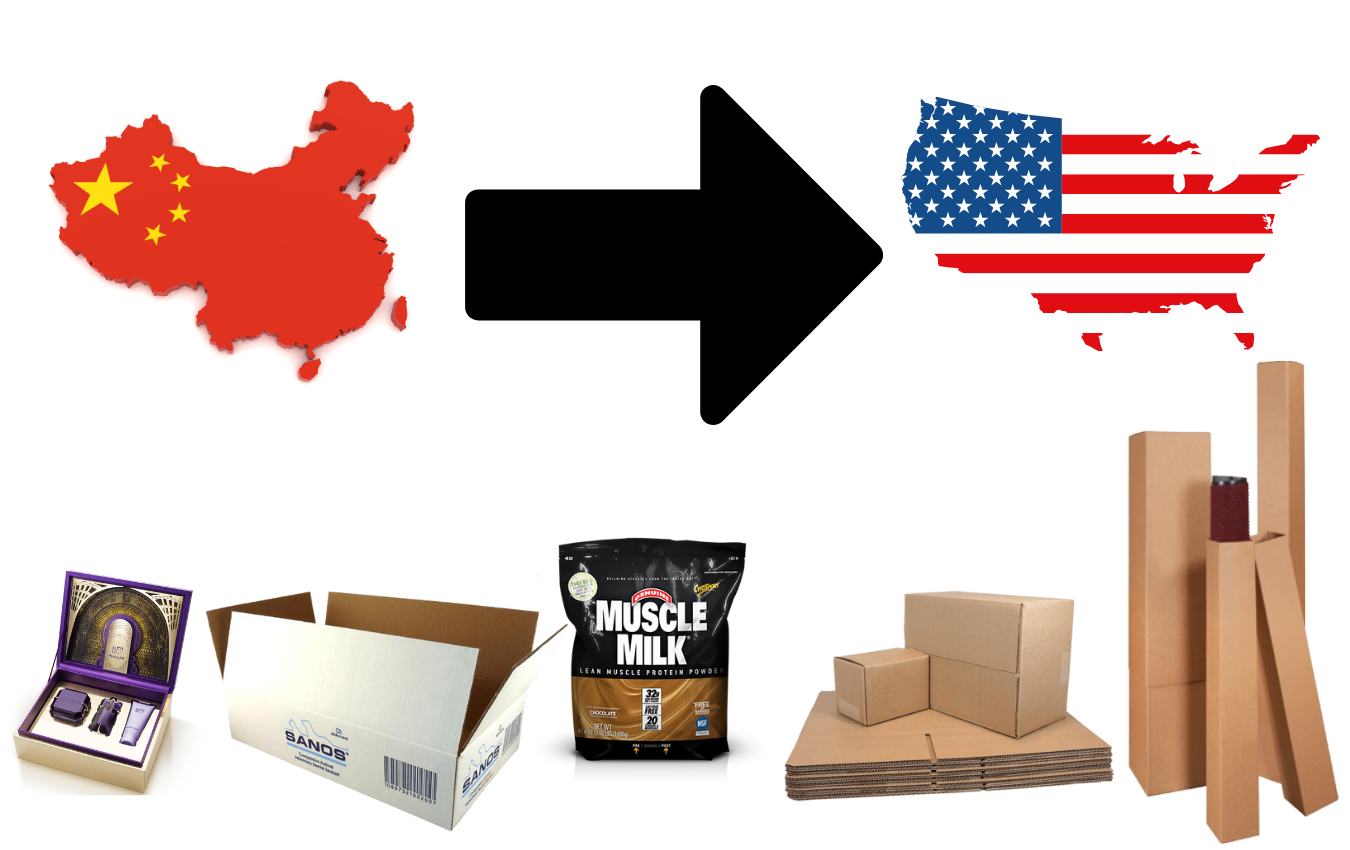
Shifting packaging production from China to the U.S. can help stabilize costs, reduce tariff exposure, and shorten lead times. But the transition process requires careful planning. For packaging buyers, the key is to maintain product consistency and supply reliability while minimizing operational disruption.
Why Buyers Are Moving Away from China
Trade policy volatility and freight instability have pushed many U.S. companies to rethink their packaging sourcing strategy. Rising import duties on corrugated boxes, folding cartons, and flexible films have narrowed the price gap between overseas and domestic suppliers.
Primary drivers include:
- Tariff risk: Section 301 duties on many packaging materials remain in place.
- Freight volatility: Ocean container rates fluctuate significantly, adding uncertainty.
- Lead times: Global shipping delays and port congestion disrupt timelines.
- Quality oversight: Longer supply chains make corrective actions harder to implement.
As a result, many buyers are transitioning to U.S. packaging suppliers for improved cost control, compliance, and visibility.

Step 1: Evaluate Current Exposure
Start by identifying which SKUs, materials, or vendors are tied to China. Document:
- Country of origin for all packaging components.
- Annual spend and volumes by supplier.
- Tariff classification (HTS code) for each SKU.
- Freight, duty, and logistics costs per shipment.
This baseline allows you to calculate your total landed cost, not just unit pricing, and shows where domestic sourcing offers the biggest impact.

Step 2: Identify Viable U.S. Suppliers
Work with suppliers that can deliver both structural and graphic packaging capabilities within the U.S. Confirm:
- Available converting and printing processes (flexo, litho-lam, digital).
- Access to sustainable materials (FSC-certified, post-consumer recycled).
- Proximity to fulfillment centers or distribution hubs.
- Experience transitioning overseas programs without downtime.
Brown Packaging partners with domestic manufacturers across the U.S. to meet these standards and ensure full program continuity.

Step 3: Test and Validate Packaging
Before committing to a full rollout, pilot your packaging with a short production run to confirm performance.
- Match material specs to existing overseas designs.
- Validate durability under ISTA and ASTM transport testing.
- Review print registration, color, and finish consistency.
- Confirm pallet optimization and packing line compatibility.
Testing ensures a seamless switch without affecting retail presentation or customer experience.
Step 4: Adjust Forecasting and Lead Times
Domestic production typically reduces lead times from months to weeks, but requires tighter inventory planning.
- Build in short buffer windows for material procurement.
- Align forecasts with your new supplier’s production cadence.
- Recalculate safety stock based on faster replenishment cycles.
This shift improves responsiveness and reduces warehouse carrying costs over time.

Step 5: Communicate Internally and Externally
Transitioning packaging affects purchasing, logistics, marketing, and compliance teams.
- Update specifications and vendor databases.
- Revise packaging artwork to include “Made in USA” where appropriate.
- Inform key customers of improvements to delivery and reliability.
Transparency helps ensure all departments adapt smoothly and maintain consistent packaging performance.
Why It Matters for Buyers
Transitioning from China to U.S. packaging is a strategic move toward long-term cost stability and supply chain control. Beyond tariff avoidance, it allows for stronger oversight, sustainable sourcing, and improved customer satisfaction.
Brown Packaging supports this process by helping businesses identify high-risk imports, match U.S. equivalents, and test performance before scaling.
Contact us to start evaluating your packaging transition plan.
References
- Packaging Dive. (2025). Tariffs Continue to Reshape U.S. Packaging Sourcing Strategies.
- U.S. International Trade Commission. (2025). Section 301 Duty Updates on Packaging Materials.
- ASTM International. (2023). ASTM D4169: Performance Testing of Shipping Containers.
- ISTA. (2023). Testing Procedures for Transport Packaging.
- Fibre Box Association. (2024). Corrugated Packaging Handbook.
Most brands invest in POP displays without clearly measuring performance. They look at sales after rollout and assume the display worked—or didn’t. But without isolating variables, that’s just guessing. If
Most cost-cutting in POP displays happens in the wrong place. Brands reduce board grade, simplify structure too aggressively, or cut print quality—only to see: Higher damage rates Poor retail execution
Oil prices don’t just affect fuel—they ripple through nearly every part of packaging. When oil rises, packaging costs follow.When oil drops, costs don’t always fall as quickly. That’s because oil
Most POP display failures aren’t caused by weak materials—they’re caused by poor weight distribution. A display can use the right board, the right flute, and still fail early if the
By submitting your information, you agree to our terms and conditions and privacy policy.
Home » How to Transition Packaging Sourcing from China to USA



In the ongoing battle against environmental degradation, California has emerged as a leader in the fight to reduce single-use plastics. With a series of comprehensive

When it comes to packaging and shipping, having the right type of tape can make all the difference. Not only does it ensure that your
As the packaging industry evolves, corrugated boxes continue to play a pivotal role in shipping, storage, and retail displays. In 2025, businesses will look for