
window.uetq = window.uetq || []; window.uetq.push(‘event’, ‘submit_lead_form’,{ event_label:‘SUBMIT MESSAGE’ }); window.lintrk('track', { conversion_id: 10271009 }); window.lintrk('track', { conversion_id: 10271017 });

How to Reduce POP Display Costs Without Downgrading Quality

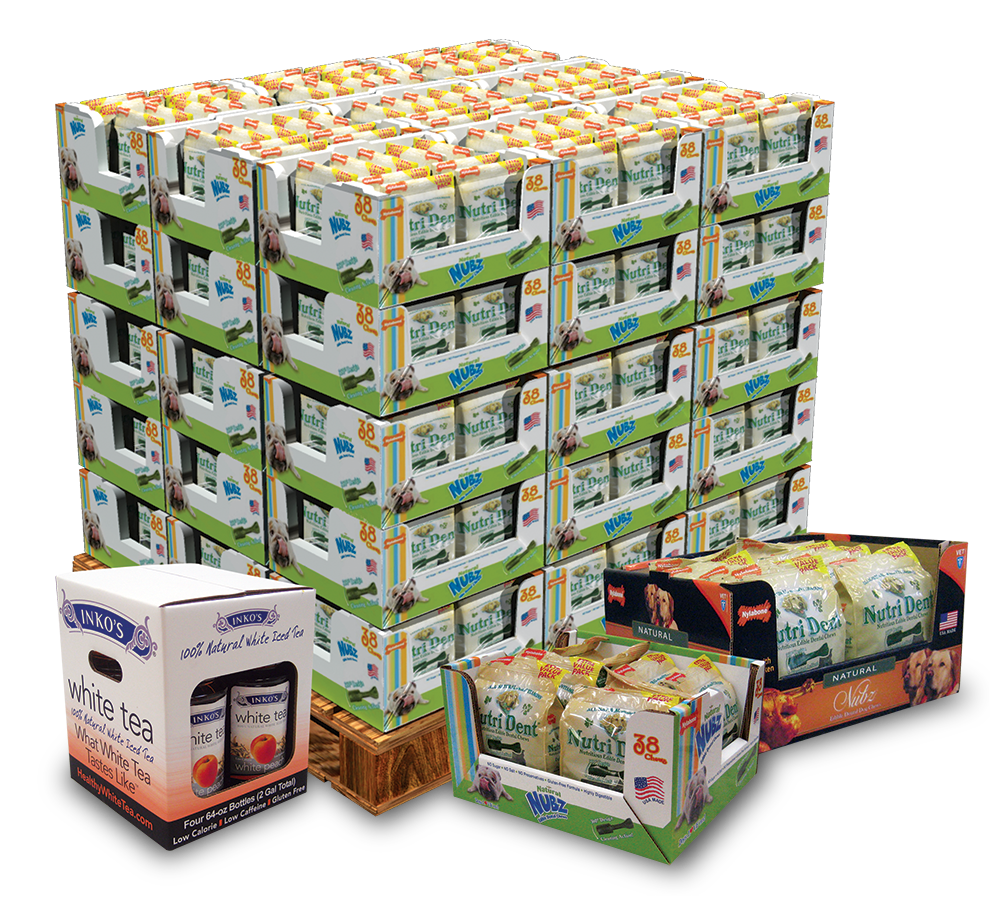
Custom-Floor-Display With Packaged Bottles and labels

Most cost-cutting in POP displays happens in the wrong place.

Brands reduce board grade, simplify structure too aggressively, or cut print quality—only to see:

  • Higher damage rates
  • Poor retail execution
  • Lower sell-through

The result? Lower upfront cost… but higher total cost.

Real cost reduction comes from engineering efficiency, not sacrificing performance.

Start with Structural Optimization—not Material Downgrades

The biggest opportunity isn’t cheaper material—it’s using material more efficiently.

Common waste:

  • Overbuilt panels where strength isn’t needed
  • Under-engineered load points that later fail
  • Inefficient die lines increasing scrap

Better approach:

  • Reinforce only high-stress areas
  • Remove unnecessary material in low-load zones
  • Optimize structure before changing board grade

You don’t need less material—you need smarter structure.

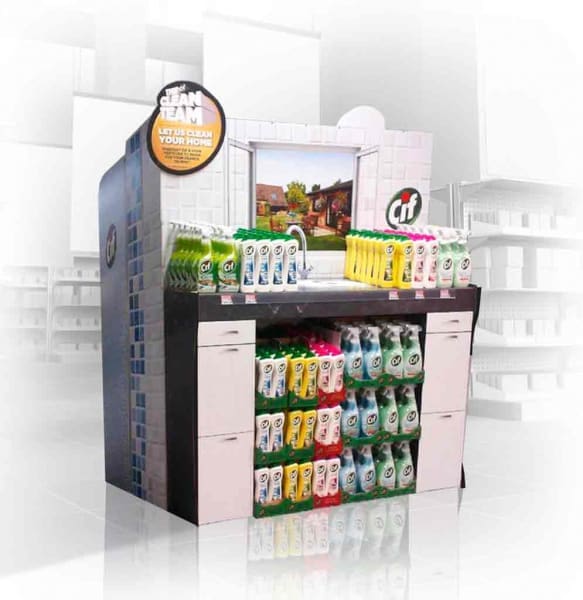
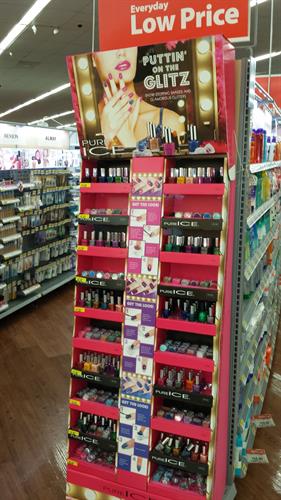
Custom Point of Purchase Displays

Right-Size the Display

Oversized displays increase:

  • Material usage
  • Freight cost
  • Storage space
  • Retail inefficiency

Right-sizing focuses on:

  • Product fit
  • Shelf capacity
  • Retail footprint requirements

This reduces:

  • DIM charges
  • Excess corrugated usage
  • Handling inefficiencies

Small dimensional changes can create significant savings across the entire program.

Choose the Right Print Method for the Job

Print is one of the biggest cost variables.

Using the wrong method adds unnecessary expense.

  • Litho-laminate → best for high-end graphics, higher cost
  • Flexo print → cost-efficient for large runs
  • Digital print → ideal for short runs and quick turnarounds

The mistake:
Using premium print where it doesn’t impact sales.

The smarter move, Match print method to:

  • Volume
  • Retail environment
  • Display lifespan
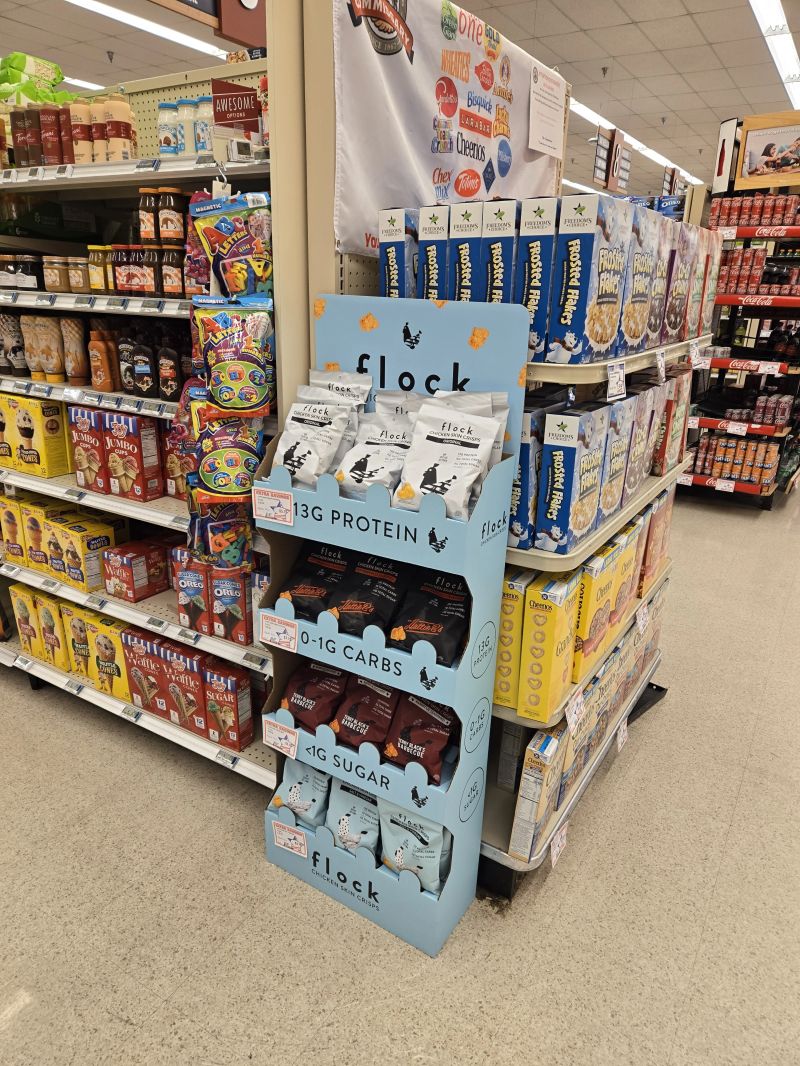
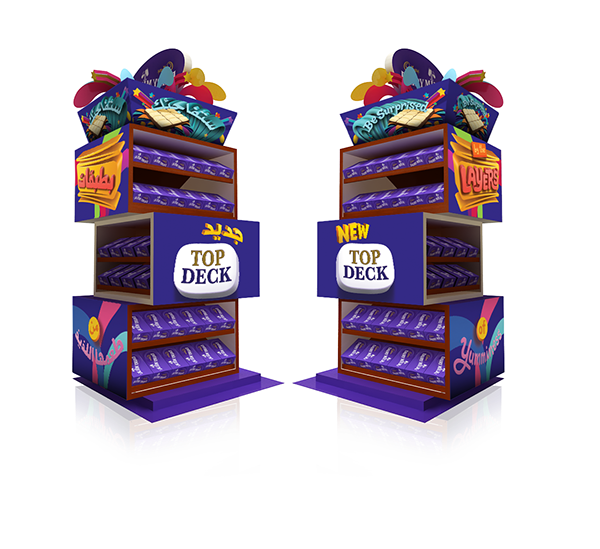
POP Display

Reduce Assembly Complexity

Complex designs increase hidden costs:

  • Longer assembly time
  • Higher labor requirements
  • Increased error rates

Simplifying structure:

  • Reduces labor cost
  • Improves consistency across stores
  • Speeds up rollout

A display that’s faster to set up is cheaper to execute—even if unit cost is slightly higher.

Standardize Where Possible

Custom everything = higher cost.

Standardization reduces:

  • Tooling costs
  • Production setup time
  • Inventory complexity

Examples:

  • Using consistent base structures across programs
  • Reusing insert designs
  • Aligning dimensions across SKUs

This creates efficiency across:

  • Production
  • Warehousing
  • Reordering

Optimize Pack-Out and Shipping

How displays are packed impacts cost significantly.

Opportunities include:

  • Increasing units per pallet
  • Reducing empty space
  • Improving stacking efficiency

This lowers:

  • Freight cost per unit
  • Handling time
  • Damage risk during transit

Freight is often one of the biggest hidden cost drivers.

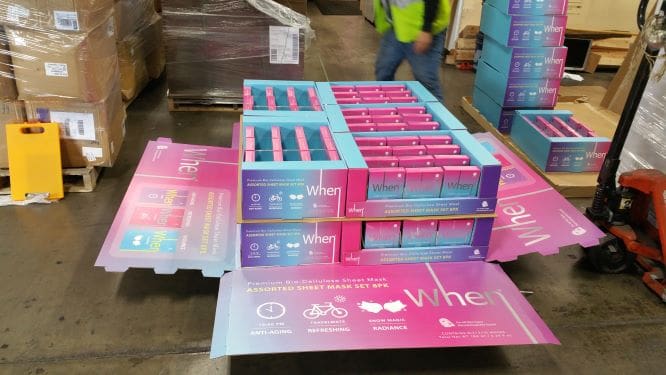
Packout and Fulfillment

Avoid Overengineering

More complexity doesn’t equal better performance.

Common issues:

  • Excessive reinforcements
  • Overbuilt structures
  • Features that don’t impact retail performance

These add cost without improving results.

Focus on:

  • Performance-critical elements only
  • Removing unnecessary design features

Design for Lifecycle Performance

Displays that fail early cost more.

Short lifespan leads to:

  • Replacement costs
  • Lost sales
  • Retail dissatisfaction

Investing in:

  • Proper board strength
  • Structural durability
  • Stable design

Reduces total cost over time.

POP Display

Where Brands Get It Wrong

  • Cutting material instead of optimizing design
  • Choosing print methods based on appearance alone
  • Ignoring labor and assembly cost
  • Over-customizing every display
  • Not evaluating total cost of ownership

These decisions create short-term savings—but long-term losses.

What Cost-Efficient Displays Actually Look Like

They:

  • Use material efficiently—not minimally
  • Match print quality to actual need
  • Simplify assembly and execution
  • Optimize shipping and pack-out
  • Maintain durability throughout lifecycle

They are engineered—not stripped down.

How Brown Packaging Reduces Cost Without Sacrificing Performance

At Brown Packaging, cost reduction is driven by design and engineering—not shortcuts.

We focus on:

  • Structural optimization to eliminate waste
  • Aligning materials with real performance needs
  • Selecting the right print method for each program
  • Reducing freight, labor, and failure-related costs

Because the goal isn’t to make displays cheaper—it’s to make them more efficient and more effective.

References

Soroka, W. (2009). Fundamentals of Packaging Technology (4th ed.). IoPP.
Freedonia Group. (2023). Corrugated Packaging Market Analysis.
Shop! Association. (2023). Retail Display Cost & Performance Study.
Deloitte. (2022). Supply Chain Cost Optimization Report.
McKinsey & Company. (2021). Operational Efficiency in Manufacturing.

Most Recent Posts:
Subscribe To Our Newsletter

By submitting your information, you agree to our terms and conditions and privacy policy.

Custom printed stick packs on countertop display
POP Display
Facebook
Twitter
LinkedIn
Pinterest
Relevant Posts