


window.uetq = window.uetq || []; window.uetq.push(‘event’, ‘submit_lead_form’,{ event_label:‘SUBMIT MESSAGE’ }); window.lintrk('track', { conversion_id: 10271009 }); window.lintrk('track', { conversion_id: 10271017 });

How to Find a Domestic Packaging Supplier in the USA

How to Find a Domestic Packaging Supplier in the USA

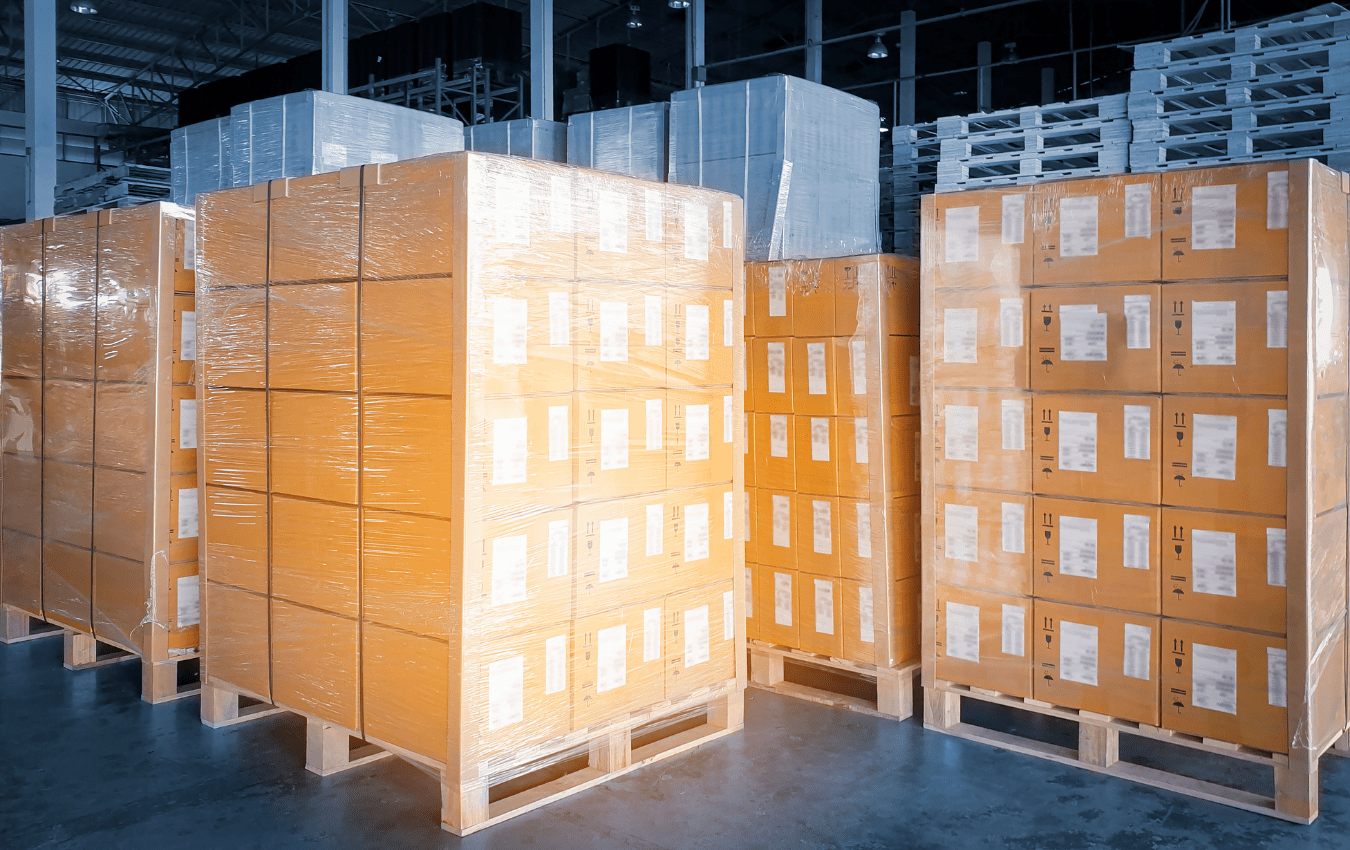
As businesses increasingly shift away from overseas suppliers, finding a reliable domestic packaging supplier in the USA has become a priority. Domestic suppliers offer shorter lead times, better quality control, and protection from tariffs and international shipping delays. However, identifying the right supplier requires strategic research and evaluation to ensure they meet your specific packaging needs.

Key Steps to Finding a U.S. Packaging Supplier

Define Your Packaging Requirements

Before searching for a supplier, establish clear requirements based on:

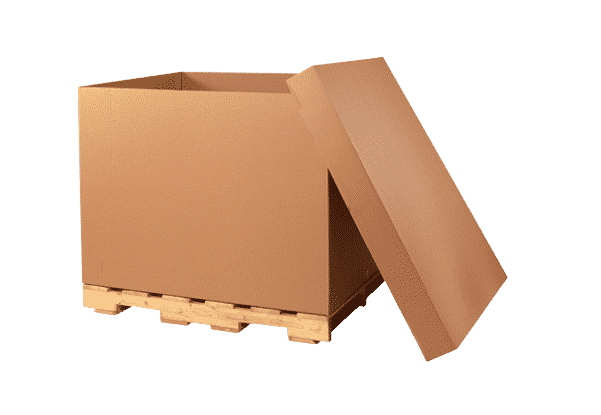
  • Packaging Type: Corrugated boxes, folding cartons, flexible packaging, etc.
  • Customization Needs: Printing, coatings, branding, and structural design.
  • Order Volume: Minimum order quantities (MOQs) and scalability for future growth.
  • Industry Standards & Compliance: Food-grade, pharmaceutical, retail, or industrial packaging.
The Importance of Food Packaging: Understanding Materials, Requirements, and Benefits

Use Online Supplier Directories and Industry Networks

Utilize trusted business directories and industry associations to locate reputable suppliers. Some useful resources include:

  • Thomasnet.com – A leading directory of U.S. manufacturers and suppliers.
  • Packaging World Supplier Database – A resource for finding packaging companies.
  • National Association of Manufacturers (NAM) – A database of U.S. manufacturing companies.
  • Trade Shows & Conferences – Events like Pack Expo provide opportunities to meet suppliers in person.

Evaluate Supplier Capabilities and Reliability

Once you have a list of potential suppliers, conduct thorough evaluations based on:

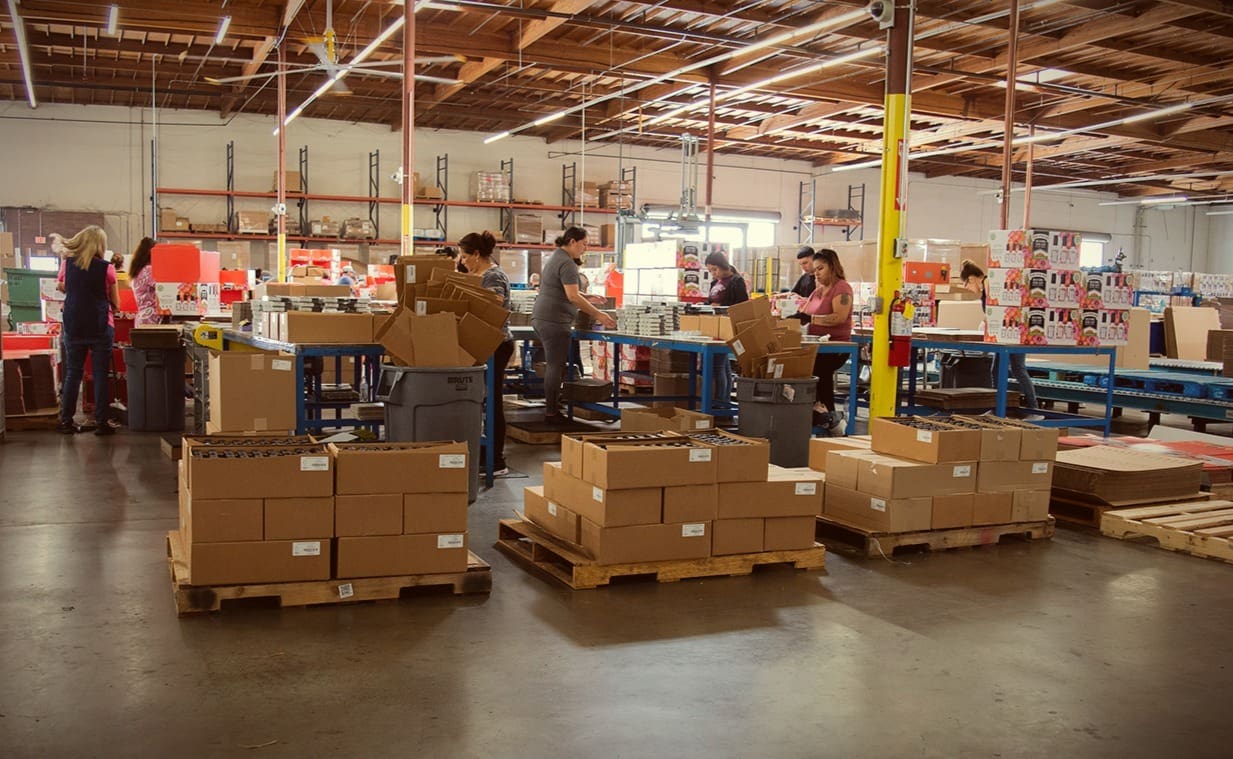
  • Manufacturing Location & Capacity: Ensure the supplier has facilities within the U.S. and can handle your volume requirements.
  • Lead Times & Logistics: Confirm turnaround times, delivery options, and warehouse locations.
  • Certifications & Compliance: Look for ISO, FDA, FSC, or industry-specific certifications that align with your needs.
  • Customer Reviews & Case Studies: Assess feedback from businesses in your industry.
packaging supply chain

Request Samples and Quotes

To ensure product quality, request physical samples before placing a bulk order. Compare multiple quotes for:

  • Material Quality & Durability – Ensure the packaging meets protection standards.
  • Printing & Customization Quality – Verify branding and finishing options.
  • Pricing Transparency – Watch for hidden fees in setup, tooling, or freight costs.
structural design concepts

Build a Long-Term Partnership

Choosing a packaging supplier isn’t just about pricing—it’s about finding a reliable long-term partner. A strong supplier relationship ensures consistent quality, priority service, and customized solutions as your business grows.

Final Thoughts: Finding the Right U.S. Packaging Supplier

The process of finding a domestic packaging supplier requires research, evaluation, and a clear understanding of your business needs. By prioritizing quality, responsiveness, and supply chain reliability, companies can secure the right partner for sustainable packaging success.

Looking for a trusted U.S. packaging supplier? Contact Brown Packaging today to discuss customized solutions for your business.

Most Recent Posts:
Comparing Single vs. Multi-Material Packaging

Choosing the right packaging material is one of the most important decisions buyers face. Single-material packaging offers simplicity and recyclability, while multi-material designs provide enhanced performance and protection. Understanding the

Read More »
Categories:
Subscribe To Our Newsletter

By submitting your information, you agree to our terms and conditions and privacy policy.

Custom Packaging
Facebook
Twitter
LinkedIn
Pinterest
Relevant Posts
How to Limit the Impact of Tariffs on Your Packaging
Packaging
brownpackaging
How to Limit the Impact of Tariffs on Your Packaging

Tariffs can create significant challenges for packaging buyers, affecting costs, supply chains, and sourcing strategies. While tariffs are designed to promote domestic production, they often introduce complexities that impact businesses relying on imported materials. With thoughtful planning and strategic actions, packaging buyers can minimize these impacts and maintain operational efficiency. Understanding the Impact of Tariffs on Packaging Tariffs impose additional taxes on imported goods, driving up the costs of raw materials and finished packaging products. For the packaging industry, this includes commonly used materials such as corrugated cardboard, plastics, and metals. These added expenses often lead to higher procurement costs, supply chain adjustments, and increased administrative burdens. Strategies to Limit the Impact of Tariffs Reevaluate Your Supply Chain The first step to reducing the impact of tariffs is gaining a clear understanding of your current supply chain. Knowing where your materials and packaging products originate helps identify risks and areas for improvement. Key Steps: Map out your supply chain to identify dependencies on imported goods. Identify tariff-affected materials and evaluate their contribution to your costs. Explore local or alternative suppliers to reduce reliance on imports. Strengthen Relationships with Domestic Suppliers With tariffs increasing the cost of imports, domestic sourcing becomes a more attractive option. Building strong partnerships with local suppliers can help secure reliable and affordable packaging. Actionable Tips: Establish long-term contracts to lock in pricing and secure priority access. Collaborate with domestic manufacturers to explore custom solutions tailored to your needs. Consider working with regional distributors for quicker lead times and reduced shipping costs. Diversify Your Supplier Base Relying heavily on one supplier or region can expose your business to greater risks when tariffs are introduced. Diversifying your supplier network provides flexibility and reduces vulnerability. Implementation Steps: Source from multiple domestic suppliers to mitigate potential shortages. Evaluate international suppliers in tariff-free regions for cost-effective alternatives. Work with packaging distributors who offer access to a variety of options. Optimize Packaging Design Innovative packaging design can help reduce material usage and overall costs, minimizing the financial impact of tariffs. Design Adjustments: Lightweighting: Use thinner or lighter materials to lower costs. Right-Sizing: Tailor box sizes to reduce material waste and shipping costs. Mono-Material Solutions: Simplify designs to use fewer or single types of materials. Explore Alternative Materials Switching to tariff-free or domestically sourced materials can provide significant savings. Examples: Transition from virgin paperboard to recycled corrugated materials. Use kraft paper or mailers as cost-effective alternatives to plastic-based packaging. Evaluate the feasibility of biodegradable or compostable materials that align with sustainability goals. Plan Ahead and Stockpile Strategically Tariffs often lead to increased lead times, especially as demand for domestic suppliers grows. Proactive planning ensures you’re prepared for potential disruptions. Practical Steps: Forecast demand to order packaging materials in advance of tariff changes. Stockpile critical materials with long shelf lives to avoid shortages. Develop an inventory management system to balance stock levels and avoid overstocking. Negotiate Pricing and Payment Terms Work with your suppliers to manage tariff-related cost increases effectively. Negotiation Tips: Request volume discounts for bulk orders. Negotiate extended payment terms to ease cash flow pressures. Explore opportunities for bundled services to reduce overall costs. Leverage Technology for Supply Chain Efficiency Investing in technology can improve decision-making and streamline procurement processes, helping mitigate the administrative burden of tariffs. Recommended Tools: Supply Chain Management Software: Monitor supplier performance and optimize sourcing strategies. Tariff Calculators: Assess the impact of tariffs on your materials and products. Inventory Management Systems: Improve forecasting accuracy and avoid last-minute purchases. Long-Term Benefits of Adapting to Tariffs While tariffs can create short-term challenges, they also encourage businesses to adopt resilient and innovative strategies. By optimizing supply chains, exploring sustainable options, and strengthening relationships with domestic suppliers, packaging buyers can position themselves for long-term success. Conclusion Tariffs on packaging can introduce complexities, but with proactive planning and strategic adjustments, their impact can be minimized. By reevaluating supply chains, optimizing packaging designs, diversifying suppliers, and leveraging technology, packaging buyers can navigate these changes effectively while maintaining operational efficiency. Taking these steps now can help businesses adapt to a changing landscape and thrive in a competitive market. (714)300-0650 request@brownpackaging.com Most Recent Posts: Categories: Corrugated Ecommerce ESD Design Display Flexible Packaging Foam Folding Carton Packaging Plastic Packaging Pouch Printing Protection Retail Rigid Box Thermoform Sustainability Subscribe To Our Newsletter By submitting your information, you agree to our terms and conditions and privacy policy. Custom Packaging Facebook Twitter LinkedIn Pinterest Relevant Posts

Read More »
Box Emboss Logo
Printing
brownpackaging
Enhancing Packaging with Embossing: A Detailed Look

In the dynamic world of packaging, embossing stands out as a distinguished technique that adds depth and texture to product packaging, elevating the consumer experience. This blog post aims to shed light on the process of embossing, its applications in packaging, and the benefits it offers. Understanding Embossing in Packaging Embossing is a process used to create raised designs or textures on various materials, such as paper, cardboard, and even metal. This technique involves pressing a design into the material from underneath, resulting in a raised, three-dimensional effect on the surface. The Embossing Process The embossing process can be outlined in the following steps: Design Preparation: The first step involves creating a design that will be embossed onto the packaging. This design is typically made using specialized software and is crucial for the final outcome. Creating the Die: Based on the design, a metal die (or stamp) is created. The die is essentially a reverse of the final embossed design. Setting Up the Embossing Press: The packaging material and the die are set up in an embossing press. This machine precisely aligns the die with the material. Applying Pressure: The press applies high pressure to the die, pushing it into the material. The areas where the die meets the material are raised, creating the embossed effect. Quality Check: Post-embossing, each piece is checked for quality to ensure the design is accurately and uniformly embossed across all units. Materials Suitable for Embossing Embossing can be applied to a variety of materials, including: Paper and Cardboard: Common in business cards, book covers, and packaging boxes. Leather: Adds a luxurious feel to high-end product packaging. Metal Sheets: Used for creating unique, textured surfaces on metal packaging. Types of Embossing There are different embossing techniques, each offering a unique look: Single-Level Embossing: A simple and common technique where the design is raised to a single flat level. Multi-Level Embossing: Involves varying levels of depth, adding more detail and texture to the design. Sculptured Embossing: The most detailed, creating a three-dimensional image that looks sculpted. Applications in Packaging Embossing is widely used in various types of packaging: Branding and Logo Embossing: Used to make logos stand out on product packaging. Decorative Embossing: Adds decorative patterns to packaging for a more elegant look. Textural Embossing: Creates a tactile experience for the consumer, enhancing the perception of quality. Benefits of Embossing in Packaging Embossing offers several advantages: Enhanced Aesthetic Appeal: Adds a touch of sophistication and luxury to the packaging. Tactile Experience: The raised design provides a unique tactile experience, making the packaging more engaging. Brand Differentiation: Helps in making products stand out on the shelves and can strengthen brand recognition. Considerations When Using Embossing When opting for embossing, there are a few considerations: Cost Implications: Embossing can add to the cost of packaging due to the specialized process and equipment required. Design Limitations: Some designs may not translate well into embossing, especially highly intricate patterns. Material Constraints: Not all materials are suitable for embossing, and the choice of material can impact the final result. If you are interested in embossed packaging, then partner with Brown Packaging today to get started. (714)300-0650 request@brownpackaging.com Most Recent Posts: Categories: Corrugated Design Display Flexible Packaging Folding Carton Packaging Plastic Packaging Pouch Printing Retail Rigid Box Thermoform Sustainability Subscribe To Our Newsletter By submitting your information, you agree to our terms and conditions and privacy policy. Custom Packaging Facebook Twitter LinkedIn Pinterest Relevant Posts

Read More »
custom mailer boxes with insert cavities
Corrugated
brownpackaging
Maximizing Product Protection with Corrugated Box Inserts

Corrugated box inserts are a key player in the world of packaging solutions. Not only do they secure and protect the products during transit, but they also add an extra level of professionalism and aesthetic appeal when unboxing. This blog post will delve into the various aspects of corrugated box inserts and how they help in maximizing product protection. Understanding Corrugated Box Inserts What are Corrugated Box Inserts? Corrugated box inserts are specifically designed components that fit inside the packaging box to provide a structured and safe space for the product. They can be customized to fit any product’s shape and size, thereby reducing movement and minimizing the risk of damages during transportation or handling. Materials Used in Corrugated Box Inserts Corrugated is a popular choice for inserts due to its strength, durability, and cost-effectiveness. It offers excellent shock absorption properties, reducing the impact on the products within. Moreover, corrugated inserts are sustainable, making them an environmentally friendly packaging solution. Benefits of Using Corrugated Box Inserts Improved Product Protection Corrugated box inserts offer excellent product protection. The inserts provide a snug fit for the products, limiting their movement within the box and minimizing potential damage caused by shocks and impacts during transportation. Enhanced Product Presentation Aside from protection, the inserts also enhance the unboxing experience. A well-designed insert can hold the product in place, present it effectively, and even highlight specific components or features. Customizable and Versatile The versatility of corrugated box inserts allows them to be tailored to any product’s shape and size, creating a custom solution that ensures optimal product protection. Effective Practices for Maximizing Protection with Corrugated Box Inserts Designing for the Product The design of the insert should cater to the product’s unique dimensions and fragility. A custom-fitted insert provides more security than a generic one, as it ensures the product fits perfectly, minimizing movement within the box. Multi-Layering for Extra Protection For more fragile items, using multi-layered corrugated box inserts can provide additional protection. The layers create an extra barrier, increasing the resistance to impact and shock. Incorporating Protective Padding Depending on the product, incorporating protective padding within the insert can help absorb impact. This is particularly beneficial for delicate items such as electronics, glassware, or ceramics. Summary: Corrugated Box Inserts In a world where online shopping is becoming increasingly prevalent, ensuring that products arrive safely at their destination is of paramount importance. This is where corrugated box inserts shine, by offering an effective and sustainable solution to maximize product protection. By investing in well-designed corrugated box inserts, companies can reduce product damage, increase customer satisfaction, and improve their overall brand image. (714)300-0650 request@brownpackaging.com Most Recent Posts: Categories: Corrugated Ecommerce ESD Design Display Flexible Packaging Foam Folding Carton Packaging Plastic Packaging Pouch Printing Protection Retail Rigid Box Thermoform Sustainability Subscribe To Our Newsletter By submitting your information, you agree to our terms and conditions and privacy policy. Corrugated Box Inserts Facebook Twitter LinkedIn Pinterest Relevant Posts

Read More »