window.uetq = window.uetq || []; window.uetq.push(‘event’, ‘submit_lead_form’,{ event_label:‘SUBMIT MESSAGE’ }); window.lintrk('track', { conversion_id: 10271009 }); window.lintrk('track', { conversion_id: 10271017 });

How to Design E-Commerce Packaging for Easy Returns

How to Design E-Commerce Packaging for Easy Returns

In e-commerce, the customer experience doesn’t end with the sale—it often continues through the returns process. With many customers expecting hassle-free returns, especially during the holiday season, businesses must design their packaging to simplify this step. Not only does this improve customer satisfaction, but it can also increase the likelihood of repeat purchases. Below is a guide to help you design e-commerce packaging that makes returns as seamless as possible.

Use Reusable Packaging for Returns

One of the most important factors in return-friendly packaging is ensuring the package can be reused for returns. Instead of expecting customers to find new boxes or envelopes, design your packaging to serve dual purposes—both for outbound shipping and return shipping.

How to Design Reusable Packaging:

  • Tear-Open Strips: Incorporate tear-open strips that allow customers to open the package without damaging it. This keeps the original packaging intact and ready to be reused for the return process.
  • Double-Seal Adhesive Strips: Include a second adhesive strip inside the box or mailer. This allows customers to reseal the package securely when returning the item.
  • Durability for Multiple Uses: Ensure the packaging is durable enough to handle multiple shipments. Reinforced materials or boxes with extra strength will prevent damage during return shipping.

By designing reusable packaging, you not only make it easier for customers to return items but also minimize the environmental impact by reducing packaging waste.

Provide Clear Return Instructions Inside the Packaging

A major pain point for customers returning items is not understanding the return process. Eliminate confusion by providing clear, concise instructions inside the packaging. These instructions should be simple and easy to follow, guiding the customer through every step of the return.

Tips for Clear Return Instructions:

  • Step-by-Step Guide: Include a step-by-step guide on how to repackage the item and ship it back. Make sure to mention whether customers need to attach any return labels, or if it’s already included.
  • Visuals: Adding images or illustrations can make the process easier to understand, especially for customers who may be unfamiliar with the return process.
  • Dedicated Customer Service Contact: Provide a direct phone number, email, or live chat option for customers who need help with returns. Clear communication can ease frustration and build trust in your brand.

Include Prepaid Return Labels

A prepaid return label takes the hassle out of the return process for the customer. If you can, provide a prepaid shipping label within the package. This convenience encourages customers to make returns quickly and easily without having to navigate the post office or pay for shipping costs.

Benefits of Prepaid Return Labels:

  • Simplifies the Process: Customers can just peel off the return label and stick it on the box, making the process almost effortless.
  • Boosts Customer Loyalty: Free or prepaid returns show that you value your customers’ time and experience, leading to increased loyalty and repeat purchases.
  • Faster Returns: By streamlining the process, prepaid return labels encourage faster returns, helping you get items back in stock quickly.

If offering prepaid returns is too costly for your business, consider offering discounted return labels or partnering with a shipping service that offers reduced rates.

Design for Minimal Repackaging

Some customers find repackaging to be one of the most frustrating parts of the return process. To minimize this pain point, design packaging that requires minimal effort to repack. When a customer can easily slide an item back into the original box or pouch without the need for excess tape or bubble wrap, the returns process becomes less daunting.

Key Design Features for Minimal Repackaging:

  • Fitted Inserts: Use fitted foam or cardboard inserts that hold the product securely but are easy to remove and replace.
  • Simple Closures: Avoid packaging designs that require too many steps to reassemble, such as intricate folding or complex locks.
  • Clear Layout: When customers receive the package, they should be able to easily understand how to return the item to its original place.

By focusing on user-friendly designs, you simplify the experience for customers and reduce frustration during returns.
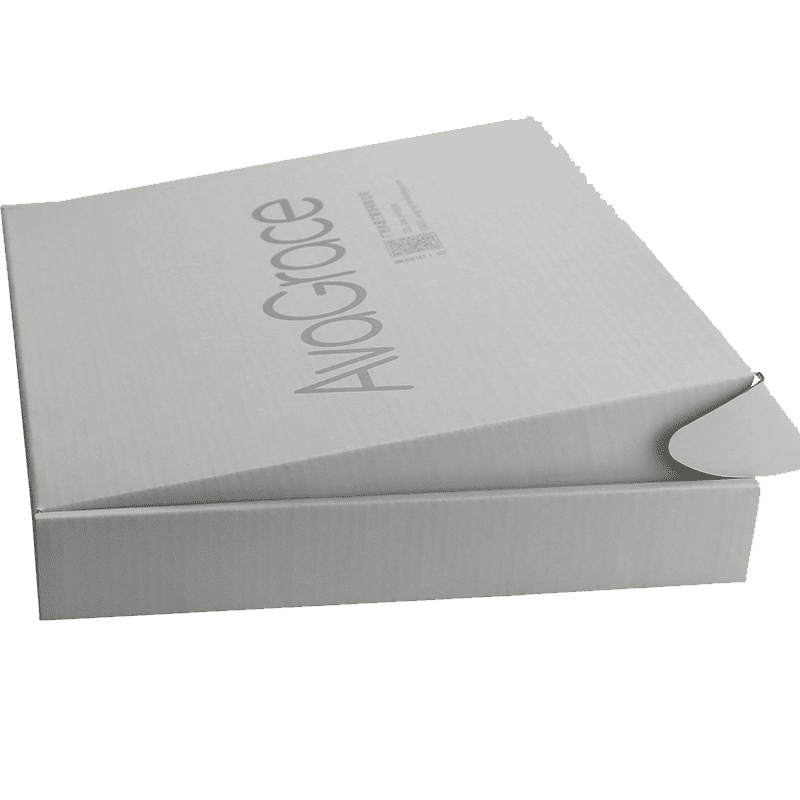
Custom Corrugated Mailer RETT with Dust Flap and Cherry Locks
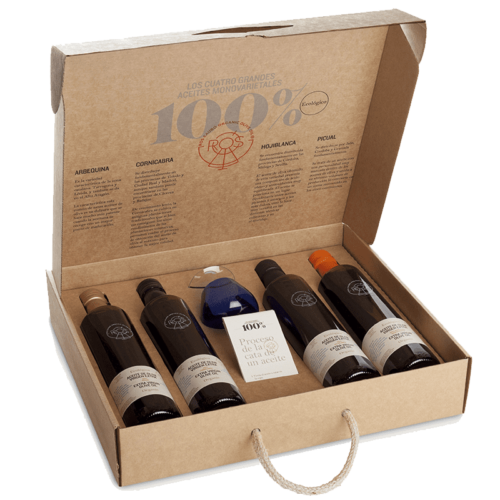
Custom corrugated mailer box for wine subscription

Ensure the Packaging is Return-Label Friendly

Make sure your packaging has a designated area for return labels. Often, customers need to affix a return label on top of the existing shipping label, which can lead to confusion if there’s no clear place to do so. Designing packaging with a specific area for return labels, whether it’s a flat section on a box or an easily accessible area on a mailer, streamlines the process.

Tips for Return-Label-Friendly Packaging:

  • Smooth Surface: Ensure there is a smooth, flat surface for labels to be easily applied and visible for shipping carriers.
  • Removable Shipping Labels: Consider designing packaging with removable shipping labels that can be peeled off or replaced with return labels. This reduces any risk of confusion during return shipping.

Make Sustainability a Priority

Customers today are more eco-conscious than ever. By offering sustainable packaging that can be reused for returns, your brand shows its commitment to the environment. Not only does this reflect positively on your business, but it also reduces waste associated with returns.

Sustainable Return Packaging Ideas:

  • Recyclable and Compostable Materials: Use recyclable or compostable materials in your packaging design to ensure that even after returns, the packaging can be disposed of responsibly.
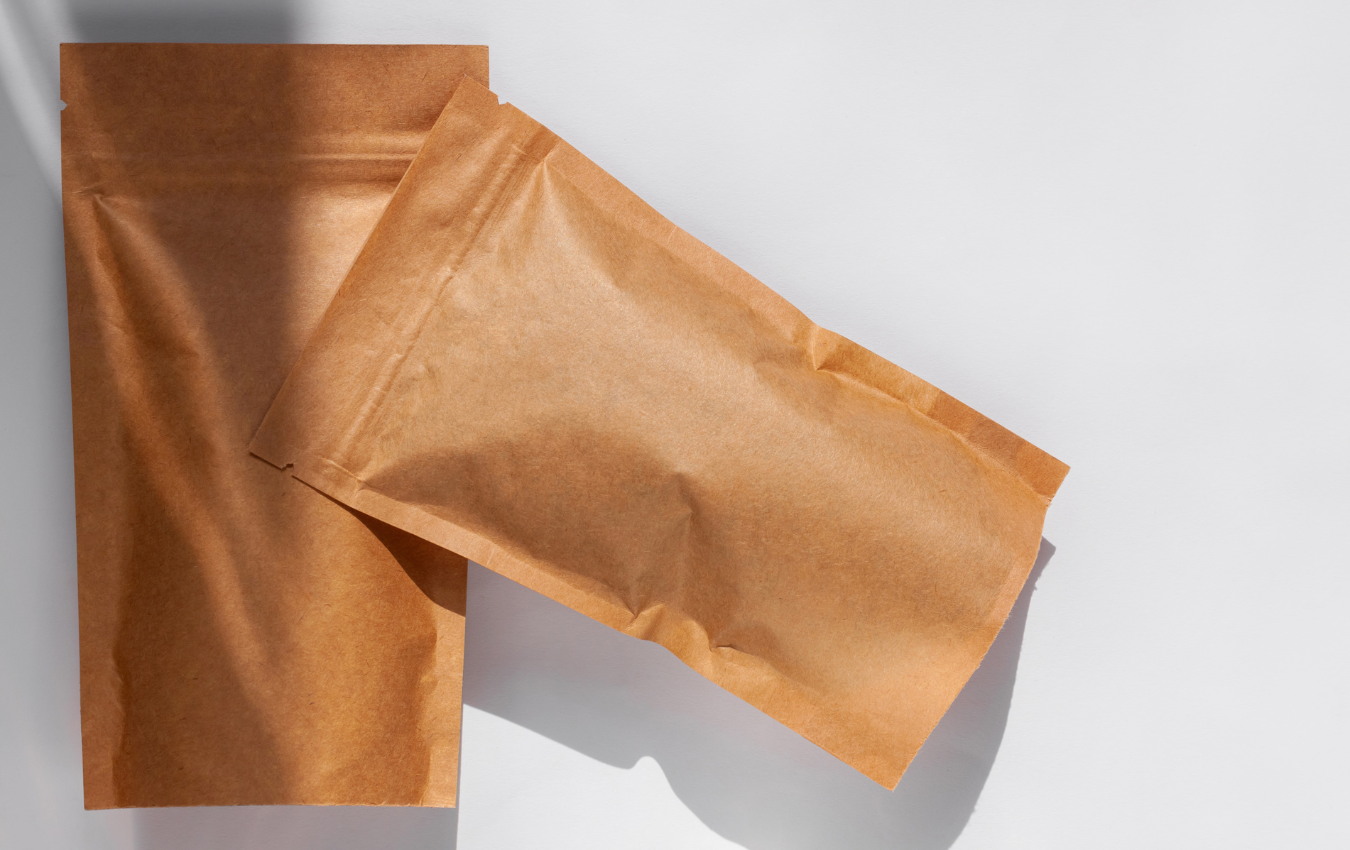
  • Reusable Bags or Pouches: For apparel and accessories, consider using reusable bags that customers can send back with ease. These not only enhance sustainability but can also provide additional branding opportunities.
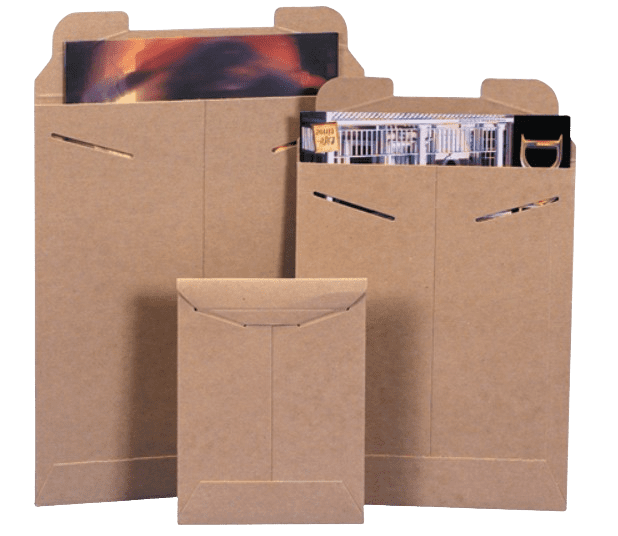
Kraft Stay Flat Mailer
Kraft Pouches

Branding During the Returns Process

The returns process is another opportunity to leave a lasting impression on your customers. Even though the customer is returning a product, branded packaging and thoughtful messaging can reinforce your commitment to customer satisfaction and encourage them to shop with you again in the future.

How to Leverage Branding During Returns:

  • Thank-You Notes: Include a small thank-you note or a message that acknowledges the return but invites the customer to try again with a new product.
  • Loyalty Promotions: Offering a discount code or loyalty points for a future purchase can turn the return into a positive experience, motivating customers to come back and shop with you again.

By incorporating branding into the returns experience, you can transform a potentially negative interaction into a positive one that strengthens your relationship with the customer.

Conclusion

Designing your e-commerce packaging for easy returns is essential to providing a seamless customer experience. By using reusable packaging, including prepaid return labels, providing clear instructions, and offering sustainable options, you can enhance customer satisfaction and build long-term loyalty. With the right return-friendly packaging design, your e-commerce brand can stand out and offer a truly customer-focused experience that encourages repeat business.

If you’re interested in ecommerce packaging, then partner with Brown Packaging today to get started.

Most Recent Posts:
Retail Packaging Trends for 2026

Retail packaging continues to evolve as brands balance sustainability, supply chain performance, and consumer experience. In 2026, buyers face new challenges shaped by material innovation, compliance requirements, and rising consumer

Read More »
Categories:
Subscribe To Our Newsletter

By submitting your information, you agree to our terms and conditions and privacy policy.
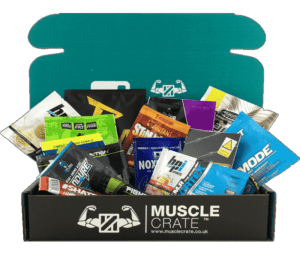
Corrugated subscription Box
Roll End Tuck Top
Facebook
Twitter
LinkedIn
Pinterest
Relevant Posts
How to Prioritize Durability and Protection in E-Commerce Packaging
Ecommerce
brownpackaging
Prioritizing Durability in E-Commerce Packaging

Ensuring that products arrive in perfect condition is a top priority for e-commerce businesses, as damaged items can lead to returns, bad reviews, and loss of customer trust. To prioritize durability and protection in your e-commerce packaging, you should focus on several key strategies: Select the Right Materials Use Protective Inserts Right-Size Your Packaging Secure Sealing Test Packaging Durability Consider the Entire Supply Chain Choose Sustainable Yet Durable Materials Select the Right Materials The foundation of durable packaging lies in using the right materials. Strong, high-quality materials can better withstand the stresses of shipping and handling. Corrugated Boxes: These are widely used for shipping because of their strength and durability. Double-wall or triple-wall corrugated boxes provide extra layers of protection, making them ideal for heavier or fragile items. Padded Mailers: For smaller or more delicate items, padded mailers (with bubble wrap or foam lining) offer extra cushioning while being compact. Rigid Mailers: For documents or flat items that need to avoid bending, rigid mailers are a good choice to protect against damage during transit. By choosing materials that are appropriate for your product’s size and fragility, you can significantly reduce the risk of damage. Use Protective Inserts Inserts provide an extra layer of protection inside the packaging. They help to secure the product in place and absorb impact from movement or drops during transit. Foam Inserts: Custom foam inserts or molded pulp inserts are ideal for protecting fragile or sensitive products like electronics, cosmetics, or glassware. Corrugated Dividers: For multiple items being shipped in the same package, corrugated dividers ensure each product is isolated and protected from collisions with other items inside the box. Air Cushions and Bubble Wrap: For products with irregular shapes, bubble wrap, paper void fillers or air pillows can help fill voids and provide cushioning. The right inserts are critical for absorbing shock and preventing products from shifting, which is one of the main causes of damage during shipping. Right-Size Your Packaging Using oversized boxes leads to excess movement of products inside the package, increasing the chances of damage. Right-sizing your packaging to fit your product snugly minimizes the need for excess filler material and ensures the product is secure. Reduce Void Space: Design packaging that minimizes empty spaces inside the box. This reduces the need for additional packing materials and keeps the product from shifting during transit. Custom Packaging: Consider using custom-fit boxes that are designed specifically for the size and shape of your product. Custom packaging not only offers better protection but also gives your product a more professional appearance. Right-sized packaging also reduces shipping costs by decreasing the dimensional weight of the package, benefiting both your bottom line and the environment. Secure Sealing Durability isn’t just about the box itself—secure sealing is essential to keep the contents safe and intact during transit. Reinforced Tape: Use heavy-duty packaging tape, especially for larger or heavier boxes. Water-activated tape (also known as gummed tape) provides a tamper-evident seal and is more durable than standard tape. Double-Sealing for Fragile Items: For extra protection, consider using multiple layers of tape or reinforcing vulnerable areas of the box, such as the corners and edges, where impacts are more likely to occur. Tamper-Evident Seals: These seals ensure that customers can identify whether the packaging has been opened or tampered with, offering an extra layer of protection and peace of mind. Test Packaging Durability Before committing to a packaging solution, conducting real-world durability tests ensures that your products are protected throughout the shipping process. Drop Tests: Simulate shipping conditions by performing drop tests from different heights to assess how well the packaging holds up to impact. Compression Testing: Test how well your packaging can withstand weight and pressure, especially for items that may be stacked during shipping or storage. Environmental Testing: For products shipped in extreme conditions (hot, cold, or humid environments), test how your packaging materials react to these conditions to ensure the product’s integrity remains intact. Testing helps you identify weak points in your packaging design and gives you the opportunity to make improvements before issues arise with customers. Consider the Entire Supply Chain Your product’s journey doesn’t end when it leaves your warehouse. To ensure durable and protective packaging, consider every step of the supply chain, from your packaging facility to the final delivery. Third-Party Logistics (3PL) Handling: Ensure that your packaging can withstand the handling practices of third-party shipping and logistics companies. This includes drops, stacking, and rough handling. Carrier Requirements: Some carriers have specific packaging guidelines for certain products (like fragile items or hazardous materials). Adhering to these guidelines reduces the risk of damage and ensures smooth shipping. By understanding how your product will be handled at each stage of the supply chain, you can better design your packaging to prevent damage and ensure safe delivery. Choose Sustainable Yet Durable Materials Sustainability and durability don’t have to be mutually exclusive. Many eco-friendly materials can offer excellent protection while reducing your environmental footprint. Recycled Corrugated Boxes: Boxes made from recycled materials are just as durable as virgin fiber boxes, but have the added benefit of being more sustainable. Biodegradable Packing Materials: Biodegradable air cushions, packing peanuts, and bubble wrap offer protective cushioning while minimizing environmental impact. By choosing sustainable materials that also prioritize durability, you meet customer expectations for eco-consciousness while ensuring their products arrive in perfect condition. Conclusion Prioritizing durability and protection in your e-commerce packaging is essential for reducing damage, improving customer satisfaction, and minimizing return rates. By selecting the right materials, using protective inserts, and optimizing your packaging design, you can create a packaging solution that not only protects your products but also enhances the overall customer experience. Regular testing and adapting your packaging to the realities of the supply chain ensure that your packaging is fit for purpose and durable enough to handle the rigors of shipping. If you’re interested in ecommerce packaging, then partner with Brown Packaging today to get started. (714)300-0650 request@brownpackaging.com Most Recent Posts: Categories: Corrugated Ecommerce ESD Design

Read More »
custom printed corrugated box with interior print
Ecommerce
brownpackaging
Right Sizing Boxes for Holiday E-Commerce

Peak season shipping volumes put pressure on every part of the supply chain. For packaging buyers, right-sizing boxes is one of the most effective strategies to reduce freight costs, improve protection, and support sustainability goals. During the holidays, when every cubic inch of trailer space counts, oversized packaging can erode margins and damage customer satisfaction. Why Right-Sizing Matters Oversized boxes waste materials, increase void fill usage, and drive up dimensional weight (DIM) shipping charges. During the holiday rush, these costs multiply. Higher freight costs: Carriers charge based on box size, not just weight. Excess materials: More corrugated and dunnage raise costs and waste. Poor customer experience: Shoppers dislike oversized boxes for small items. Increased damage risk: Extra space allows products to shift during transit. Best Practices for Right-Sizing Analyze SKU dimensions: Match box styles to product families. Invest in multiple sizes: Stock a range of box dimensions to reduce void fill. Use modular design: Boxes that cube efficiently on pallets and in trailers. Integrate automation: Automated packing systems can select optimal box sizes at scale. Leverage inserts: Corrugated or molded pulp inserts reduce the need for excess space. Holiday Season Considerations During peak e-commerce periods, right-sizing takes on added importance: Carrier surcharges: Oversize fees are more common during holidays. Storage constraints: Compact packaging reduces warehouse congestion. Sustainability visibility: Shoppers are more critical of waste during gifting seasons. Balancing Efficiency and Flexibility Right-sizing should not limit fulfillment speed. Buyers should evaluate: The trade-off between stocking many sizes vs. standardizing. Whether automation can offset labor required to manage multiple SKUs. The role of sustainable materials in reinforcing brand image. Holiday Packaging Solutions with Brown Packaging Brown Packaging helps e-commerce brands right-size boxes for efficiency, protection, and cost savings. Our packaging solutions reduce freight charges, minimize waste, and improve customer experience during the holiday rush. Contact us to optimize your holiday packaging program. References Soroka, W. (2009). Fundamentals of Packaging Technology (4th ed.). Institute of Packaging Professionals.UPS. (2023). Dimensional Weight Guidelines for Shippers. Retrieved from https://www.ups.comInternational Safe Transit Association (ISTA). (2022). ISTA Testing Standards for Packaged Products in Transit. (714)300-0650 request@brownpackaging.com Most Recent Posts: Categories: Corrugated Ecommerce ESD Design Display Flexible Packaging Foam Folding Carton Packaging Plastic Packaging Pouch Printing Protection Retail Rigid Box Thermoform Sustainability Subscribe To Our Newsletter By submitting your information, you agree to our terms and conditions and privacy policy. Ecommerce Packaging Facebook Twitter LinkedIn Pinterest Relevant Posts

Read More »
Decorated Custom Poly Mailer
Ecommerce
brownpackaging
Automation in Holiday E-Commerce Packaging

Holiday e-commerce volumes can overwhelm manual packing operations. Automation offers a scalable way to meet peak demand while maintaining accuracy, speed, and consistency. For packaging buyers, integrating automation into holiday programs reduces labor costs and ensures products ship on time with packaging that meets both performance and branding requirements. Why Automation Matters in Peak Season High order volumes: Hundreds or thousands of parcels processed daily. Labor shortages: Seasonal staff are costly and less efficient. Fulfillment speed: Delays risk missed delivery windows. Consistency: Automated systems reduce human error in packaging assembly. Types of Packaging Automation Automated box erectors: Assemble corrugated boxes quickly and consistently. Right-sizing systems: Create custom-sized boxes on demand. Automated sealing: Tape or glue systems increase closure speed. Labeling systems: Apply shipping labels with accuracy at scale. Pick-and-place robotics: Load products and inserts efficiently. Benefits of Automated Packaging for Holidays Scalability: Easily expand throughput for peak periods. Cost savings: Reduce labor costs over time. Sustainability: Right-sized automation reduces materials and freight impact. Customer satisfaction: Faster, more accurate deliveries. Challenges of Holiday Packaging Automation Upfront investment: Equipment costs may be high for smaller operations. Flexibility: Some systems handle limited box formats. Integration time: Requires planning before peak season. Holiday Automation Success Examples Subscription boxes: Automated kitting lines improve speed and accuracy. Large-scale e-commerce brands: Right-sizing systems minimize void fill. Retail fulfillment centers: Robotic pick-and-pack reduces bottlenecks. Holiday Packaging Solutions with Brown Packaging Brown Packaging helps brands integrate automation into holiday e-commerce programs. From right-sizing machines to full-line automation, our solutions increase speed, reduce costs, and improve accuracy during peak demand. Contact us to scale your holiday packaging operations. References Packaging Machinery Manufacturers Institute (PMMI). (2023). Trends in Packaging Automation. Retrieved from https://www.pmmi.orgSoroka, W. (2009). Fundamentals of Packaging Technology (4th ed.). Institute of Packaging Professionals.UPS. (2023). Holiday Fulfillment and Automation Strategies. Retrieved from https://www.ups.com (714)300-0650 request@brownpackaging.com Most Recent Posts: Categories: Corrugated Ecommerce ESD Design Display Flexible Packaging Foam Folding Carton Packaging Plastic Packaging Pouch Printing Protection Retail Rigid Box Thermoform Sustainability Subscribe To Our Newsletter By submitting your information, you agree to our terms and conditions and privacy policy. Ecommerce Packaging Facebook Twitter LinkedIn Pinterest Relevant Posts

Read More »