Home » How Litho Labels Elevate Rigid Box Packaging
How Litho Labels Elevate Rigid Box Packaging
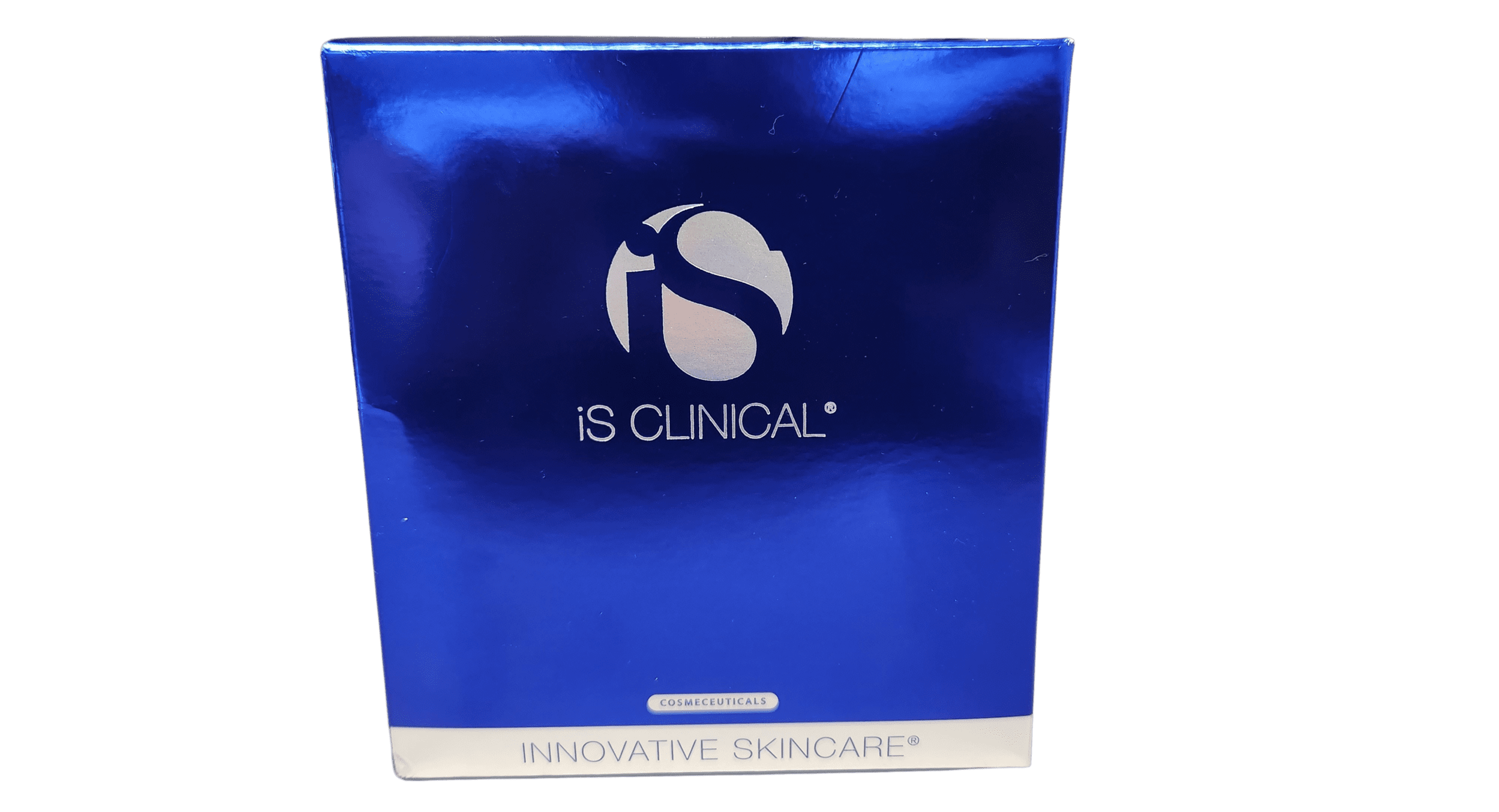
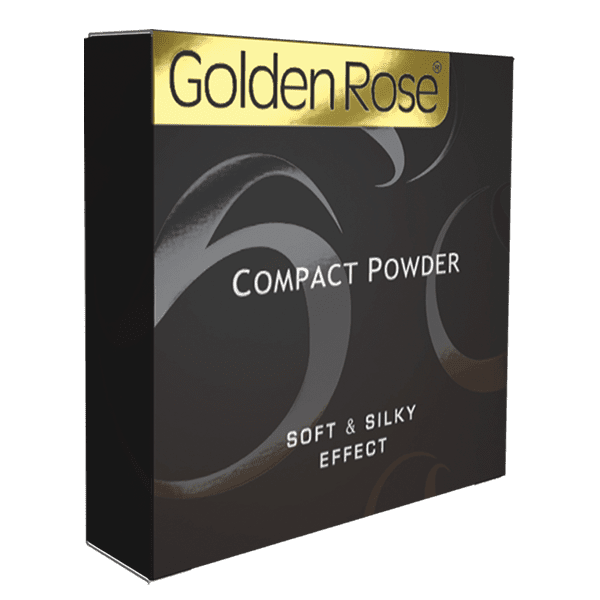
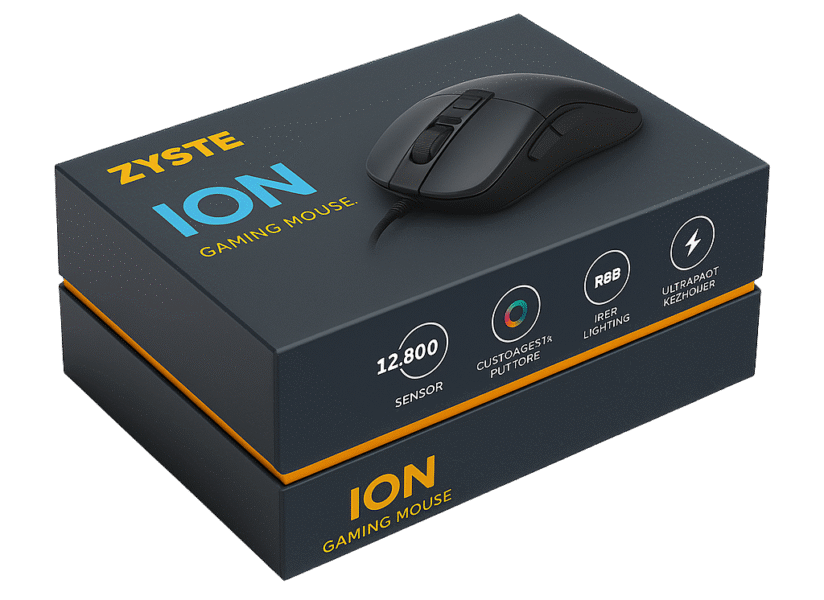
Rigid boxes are known for their durability, structure, and high-end feel—but what truly gives them their luxury appeal is the finish. That polished, vibrant exterior you see on high-end packaging? That’s often thanks to a litho label—a printed sheet that’s mounted to the box surface to deliver rich detail, bold color, and elevated texture.
In this blog, we’ll explore what litho labels are, why they’re commonly used on rigid boxes, and how they can transform your packaging into a premium brand experience.
What Is a Litho Label?
A litho label (short for lithographic label) is a high-resolution printed sheet—usually made from paper or specialty stock—that’s adhered to the surface of a rigid box using glue or mounting equipment.
Litho labels are produced using offset (lithographic) printing, which is known for:
- Crisp detail
- Vivid color accuracy
- Smooth gradients and photo-quality imagery
- Compatibility with coatings like gloss, matte, or soft-touch
Once printed, the label is mounted onto the rigid box, giving it a refined appearance that can’t be achieved through direct-to-board printing.
Why Litho Labels Are Ideal for Rigid Boxes
Rigid boxes are made from thick, dense paperboard (often chipboard), which isn’t suitable for high-quality direct printing. Litho labels solve that by providing a premium printed surface that wraps the box cleanly.
Benefits of Litho Labels on Rigid Boxes:
✅ Photo-Quality Graphics
Perfect for showcasing detailed artwork, branding, or imagery that reinforces luxury positioning.
✅ Wide Range of Finishes
Litho labels can be laminated or coated with gloss, matte, soft-touch, or spot UV, depending on your aesthetic.
✅ Tactile Enhancement
Embossing, debossing, and foil stamping can be applied on top of the label for even more depth and visual interest.
✅ Consistent Quality Across Batches
Offset printing offers high repeatability, making litho labels ideal for brands that demand precision and consistency.
Popular Applications for Litho-Labeled Rigid Boxes
You’ll find litho labels in nearly every premium category, especially where first impressions and unboxing matter.
Common uses include:
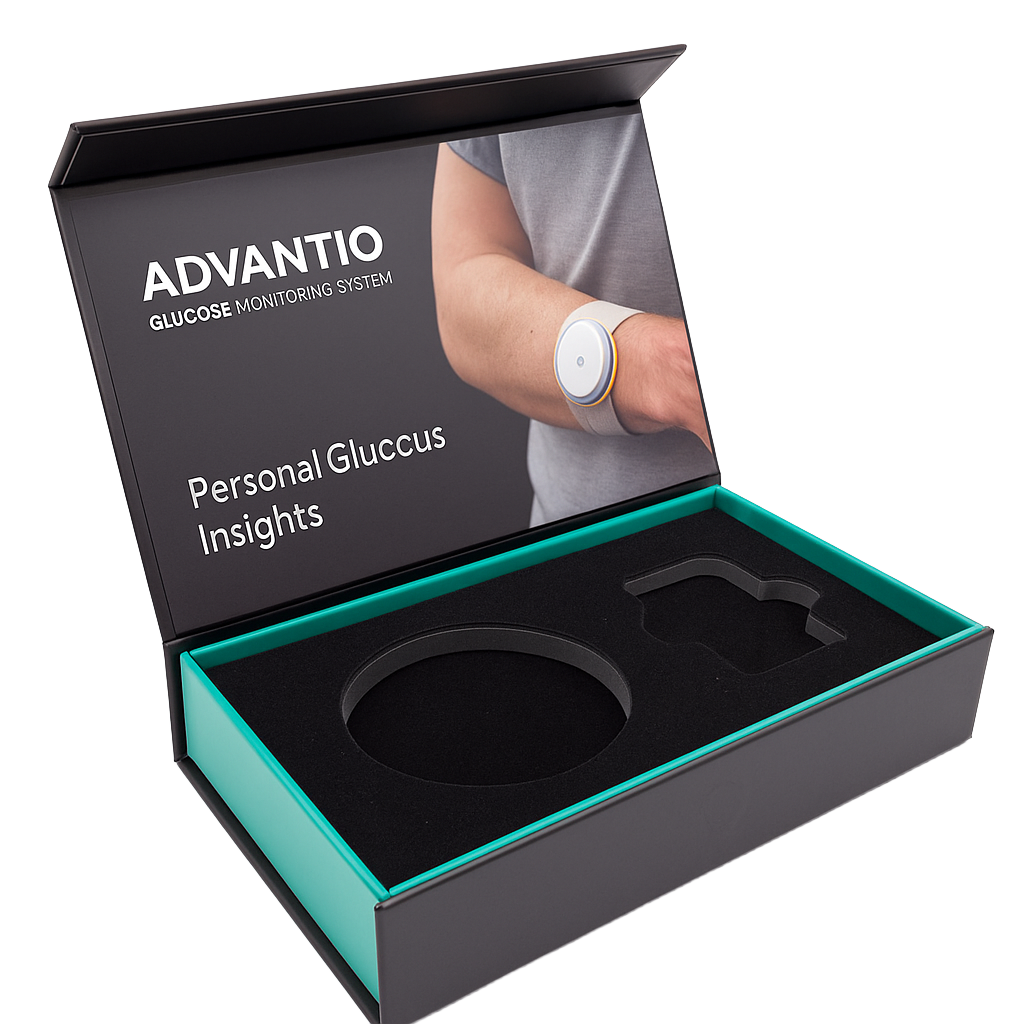
- Cosmetics & skincare kits
- Premium electronics packaging
- Subscription or influencer boxes
- High-end spirits or beverage boxes
- Luxury fashion or accessories
- Gift boxes and holiday promotions
Whether displayed in-store or shipped DTC, litho-labeled rigid boxes instantly elevate the perceived value of the product inside.
Design Freedom and Branding Possibilities
Because litho labels are printed before they’re applied, they give you more flexibility in design than other packaging types. You can:
- Use full-bleed artwork and photo backgrounds
- Add intricate patterns or subtle gradients
- Include metallic inks or layered finishes
- Create seamless designs across lids and bases
This allows your packaging to act as an extension of your brand—not just a container, but a premium visual statement.
When Should You Use Litho Labels?
If you’re investing in rigid box packaging and want to maximize visual impact, litho labels are the industry standard. They’re the right choice when:
- Your brand prioritizes premium presentation
- You need high-definition imagery or color matching
- Your packaging will be seen in high-end retail environments
- You’re building a luxury unboxing experience for influencers or direct customers
For mid-range or mass-market packaging, simpler wraps or direct-to-board printing may suffice—but when presentation drives perception, litho-labeled rigid boxes deliver.
Final Thoughts
Litho labels bring rigid boxes to life. They combine the strength and structure of rigid packaging with the visual impact of high-end print finishes, making them a top choice for brands that want to stand out on the shelf—and in customers’ hands.
Ready to create a premium rigid box with litho labeling?
We’ll help you design the perfect combination of structure, print, and finish to match your product’s value and your brand’s voice.
Packaging compliance is no longer optional—it’s a requirement for accessing retail shelves, shipping networks, and international markets. In 2026, buyers must navigate evolving regulations around sustainability, labeling, and testing to
In 2026, sustainability is no longer just a trend—it’s a buyer expectation. Forest Stewardship Council (FSC) certification has become a key benchmark for responsible packaging, signaling that materials are sourced
Sustainability is now a top priority for packaging buyers. Retailers, regulators, and consumers are all demanding packaging solutions that reduce environmental impact without sacrificing performance. In 2026, buyers must balance
Choosing the right packaging material is one of the most important decisions buyers face. Single-material packaging offers simplicity and recyclability, while multi-material designs provide enhanced performance and protection. Understanding the
Home » How Litho Labels Elevate Rigid Box Packaging

In today’s fast-paced market, packaging needs to be more than just protective—it needs to be agile, customizable, and visually compelling. That’s where digital printing steps in. Whether you’re working with corrugated boxes, POP displays, folding cartons, pouches, or roll stock, digital printing offers unmatched flexibility to bring your packaging to life—fast. This blog breaks down why digital printing is becoming the preferred solution for brands that want speed, precision, and the freedom to scale or switch designs with ease. What Is Digital Printing? Digital printing is a method that transfers artwork directly onto the packaging surface using inkjet or laser-based technology—no printing plates required. Unlike flexographic or lithographic printing, which need costly tooling and setup, digital allows brands to go from concept to press quickly with full-color, high-resolution results. Why Digital Printing Matters in Custom Packaging For businesses handling multiple SKUs, frequent promotions, or small-batch runs, digital printing solves many traditional production challenges: Fast turnarounds No plate or setup fees Easy design updates and personalization Lower minimums Reduced waste Whether you’re testing a new SKU or running a seasonal promotion, digital keeps you nimble without sacrificing quality. Packaging Types That Benefit from Digital Printing Corrugated Boxes Digital printing allows brands to produce full-color graphics on corrugated boxes without the high volume requirements of flexo or litho. Great for e-commerce packaging, subscription boxes, and branded shippers that require quick runs or custom versions per region, SKU, or campaign. POP Displays For retail displays, digital printing enables fast production of high-impact visuals, especially for short-term promotions or limited launches. Designs can be versioned per product, retailer, or store location without creating delays or extra costs. Folding Cartons Brands in food, beauty, and wellness use folding cartons with digital printing to achieve photo-quality results on small or medium runs. It’s ideal for startups or established brands that need design flexibility and fast turnaround. Pouches Digital printing is widely used on flexible packaging for products like snacks, supplements, and pet treats. You can quickly create multiple pouch designs in a single run, making it perfect for multi-SKU product lines, samples, or limited editions. Roll Stock For brands that form-fill-seal pouches in-house, digitally printed roll stock delivers speed and precision without large MOQs. This reduces inventory pressure and simplifies changeovers between product runs. Other Products Digital printing is also ideal for belly bands, labels, sleeves, and custom inserts—anywhere variable data, fast updates, or small runs are required. When Digital Printing Makes the Most Sense Digital printing is best when you need: Fast speed to market Multiple design versions Frequent content updates (ingredients, regulations, offers) Personalized or regionalized packaging Low-to-mid volume production with high visual quality Minimal risk when testing new designs or SKUs For growing brands, digital printing enables test-and-learn agility. For larger brands, it offers flexibility for campaigns, events, or seasonal promotions without tying up your main production line. Final Thoughts If your brand thrives on innovation, variety, or speed, digital printing is the tool that keeps your packaging agile and aligned with market demands. From boxes and pouches to displays and roll stock, this technology opens the door to more creativity and less complexity. Need help choosing the right digital print solution for your packaging?We’ll help you determine where digital makes sense, what volume fits, and how to build a packaging system that moves as fast as your business does. (714)300-0650 request@brownpackaging.com Most Recent Posts: Categories: Corrugated Ecommerce ESD Design Display Flexible Packaging Foam Folding Carton Packaging Plastic Packaging Pouch Printing Protection Retail Rigid Box Thermoform Sustainability Subscribe To Our Newsletter By submitting your information, you agree to our terms and conditions and privacy policy. Custom Packaging Facebook Twitter LinkedIn Pinterest Relevant Posts
Packaging labels and graphics serve as the face of a product, making them an integral part of brand identity and consumer appeal. However, the longevity of these visual elements can be compromised by factors such as UV radiation, moisture, temperature fluctuations, and physical handling. In this blog, we’ll explore effective strategies to safeguard packaging labels and graphics, ensuring they retain their vibrancy and impact throughout the product’s lifecycle. Understanding the Challenge Before we delve into preventive measures, it’s important to understand why packaging labels and graphics fade: UV Radiation: Exposure to ultraviolet (UV) radiation, whether from sunlight or artificial light sources, can break down the pigments and dyes in inks, causing colors to fade over time. Oxygen and Moisture: Oxidation and moisture exposure can lead to chemical reactions that alter the properties of inks and substrates, resulting in fading and degradation. Temperature Fluctuations: Rapid temperature fluctuations can cause materials to expand and contract, potentially leading to cracks, tears, and peeling of labels and graphics. Abrasion and Physical Handling: Rough handling during transportation and storage can cause labels and graphics to rub against surfaces or other packaging materials, leading to wear and tear. Effective Strategies for Prevention To ensure that packaging labels and graphics remain visually appealing and informative, consider implementing the following preventive measures: UV-Resistant Inks: Choose UV-resistant inks designed to withstand exposure to UV radiation. These inks are formulated to be less susceptible to fading and degradation. Protective Coatings: Apply protective coatings, such as UV-resistant varnishes or laminates, over labels and graphics. These coatings create a barrier that shields against UV radiation, moisture, and abrasion. Thoughtful Material Selection: Opt for packaging materials that offer inherent UV protection. UV-resistant films and substrates can serve as a barrier to minimize the impact of UV radiation on labels and graphics. Controlled Storage and Display: Educate retailers and consumers on the importance of storing products away from direct sunlight and fluorescent lighting to minimize UV exposure. Proper storage conditions can significantly extend the life of labels and graphics. Quality Inks and Printing Processes: Invest in high-quality printing processes and inks that are less prone to fading. Options may include pigment-based inks and digital printing technologies known for their durability. Regular Quality Control: Implement regular quality control checks to ensure that printing and labeling processes meet industry standards and are resistant to fading. Consistent quality assurance is essential. Temperature and Humidity Control: Maintain controlled environmental conditions in storage and display areas to prevent extreme temperature fluctuations and humidity levels that can damage labels and graphics. Gentle Handling: Train employees and handlers to practice gentle and careful product handling to avoid physical damage to labels and graphics during transportation and storage. Ensuring Long-Lasting Impact Preventing packaging labels and graphics from fading is not just a matter of aesthetics; it’s an investment in preserving brand identity, consumer trust, and the overall appeal of a product. By implementing these proactive strategies, businesses can ensure that their packaging remains vibrant and impactful, reinforcing brand recognition and delivering a positive consumer experience throughout the product’s journey from production to purchase. If you are interested in labels and custom packaging, then partner with Brown Packaging today to get started. (714)300-0650 request@brownpackaging.com Most Recent Posts: Categories: Corrugated Ecommerce ESD Design Display Flexible Packaging Foam Folding Carton Packaging Plastic Packaging Pouch Printing Protection Retail Rigid Box Thermoform Sustainability Subscribe To Our Newsletter By submitting your information, you agree to our terms and conditions and privacy policy. Custom Packaging Facebook Twitter LinkedIn Pinterest Relevant Posts
Lithography and digital print are two of the most commonly used methods in packaging printing. They both have unique advantages and disadvantages, and understanding these differences can help you make an informed decision about which method is best for your packaging needs. In this blog, we’ll compare and contrast digital print and lithography in packaging. Lithography Lithography, also known as offset printing, is a traditional printing process that has been used for over a century. It involves the transfer of ink from a printing plate to a rubber blanket, which is then pressed onto the paper or packaging material. Lithography is a high-quality printing method that produces sharp, crisp, and detailed images with consistent color and density. Advantages of Lithography Lithography is a high-quality printing method that has been used for over a century and is known for its superior print quality. It is widely used in packaging printing for a variety of reasons, including its versatility, consistency, and cost-effectiveness for large runs. Here are some advantages of lithography in more detail: High-Quality Prints: Lithography produces high-quality prints with accurate color reproduction, sharp images, and consistent color and density. The printing plates used in lithography are carefully prepared, ensuring that each print is of the same quality as the first. Versatility: Lithography can be used on a wide range of packaging materials, including paper, corrugated and plastic. It is also suitable for printing on various shapes and sizes of packaging, making it a versatile option for packaging printing. Consistency: Because lithography uses printing plates, each print is consistent in quality and color. This makes it an ideal choice for large runs where consistency is essential. Cost-Effective for Large Runs: Lithography becomes more cost-effective for large runs because the cost of the printing plates can be spread over a large number of prints. This makes lithography a popular choice for large packaging orders. Excellent Detail and Resolution: Lithography produces prints with excellent detail and resolution, making it the ideal choice for printing complex designs and fine text. Disadvantages of Lithography While lithography has many advantages, it also has some disadvantages that should be considered when deciding whether to use this printing method for packaging. Here are some disadvantages of lithography in more detail: High Setup Costs: Lithography has a high setup cost because it requires the creation of a printing plate and the preparation of the printing press. This can make it less cost-effective for smaller runs of packaging. Long Lead Times: The setup process for lithography can take a long time, which can be a disadvantage when you need your packaging printed quickly. The process of creating the printing plates and preparing the printing press can take several days or even weeks, depending on the complexity of the design and the size of the print run. Limited Customization: Lithography is not the best choice for highly customized packaging as it requires the creation of a new printing plate for each design. This can be time-consuming and expensive, making lithography less suitable for small runs of packaging with different designs. Environmental Concerns: Lithography is not the most environmentally friendly printing method. The process uses chemicals and produces a lot of waste, including used ink, paper waste, and printing plates, which can be harmful to the environment if not disposed of properly. Digital Printing Digital printing is a newer printing technology that has been rapidly gaining popularity in recent years. It involves the direct transfer of digital files to the printing press, eliminating the need for printing plates. Advantages of Digital Print Digital print offers a range of advantages over traditional printing methods like lithography, making it an attractive option for many packaging applications. Here are some advantages of digital printing in more detail: Quick Turnaround: Digital printing has a much faster setup time than lithography, which means that your packaging can be printed quickly. There is no need to create printing plates, which eliminates the time-consuming process of plate making and setup. Cost-Effective for Small Runs: Digital printing is cost-effective for small runs of packaging because there are no setup costs associated with the printing plates. This makes digital printing an ideal choice for startups or small businesses that need a smaller number of packaging prints. Customization: Digital printing allows for a high degree of customization, making it ideal for unique and personalized packaging. Each print can be different without any additional costs, which is perfect for packaging with multiple versions or personalized designs. High-Quality Prints: While digital printing may not match the print quality of lithography, it has come a long way in recent years and can produce high-quality prints with accurate color reproduction, sharp images, and excellent detail and resolution. Versatility: Digital printing is suitable for a wide range of packaging materials, including paper, corrugated, plastic, and some types of metal. This makes it a versatile option for packaging printing that can be used in a variety of applications. Disadvantages of Digital Print Although digital printing has many advantages, it also has some disadvantages that should be considered when deciding whether to use this printing method for packaging. Here are some disadvantages of digital printing in more detail: Lower Print Quality: While digital printing has come a long way in recent years, it still cannot match the print quality of lithography. Digital printing can produce high-quality prints, but the color reproduction, sharpness, and detail may not be as accurate or consistent as lithography. Limited Versatility: While digital printing is suitable for a wide range of packaging materials, it may not be the best choice for all materials. Digital printing may not be suitable for some packaging materials like glass or some types of metal. Additionally, digital printing may not be able to achieve some specialty finishes, such as metallic inks or embossing. Inconsistent Color Matching: Because digital printing does not use the same ink as lithography, color matching can be challenging, especially when it comes to Pantone colors. Variations in temperature, humidity, and the printing substrate can also