window.uetq = window.uetq || []; window.uetq.push(‘event’, ‘submit_lead_form’,{ event_label:‘SUBMIT MESSAGE’ }); window.lintrk('track', { conversion_id: 10271009 }); window.lintrk('track', { conversion_id: 10271017 });

How Folding Cartons and POP Displays Work Together in Retail

custom counter top point of purchase (POP) display, custom printed folding carton box, toy packaging

When it comes to maximizing shelf space and capturing buyer attention, few pairings are more effective than folding cartons and POP displays. Whether it’s a full-size floor display or a compact countertop display, using folding cartons within your display system brings structure, brand consistency, and a retail-ready finish that helps your product stand out—and sell.

Here’s how and why folding cartons and POP displays work so well together—and how you can use both to your advantage in-store.

What Each Does Best

Understanding the strengths of each packaging component helps you combine them more effectively:

  • Folding Cartons are primary packaging. They hold, protect, and present your product, while also delivering branding, compliance, and consumer communication.
  • POP (Point-of-Purchase) Displays are secondary packaging built for retail presentation—designed to showcase multiple products in high-traffic areas like endcaps, aisles, and counters.

Used together, they create a powerful presentation system that delivers both structure and shelf appeal.

Folding Cartons Add Structure Inside the Display

When placed inside a POP display, folding cartons help:

  • Keep products organized and upright
  • Prevent movement and scuffing inside the display
  • Maintain a clean, uniform look throughout the lifespan of the promotion

This is especially important for countertop displays, where customers may interact directly with the packaging—grabbing one item at a time.

✅ Prevents messy or slouched displays
✅ Improves shopability and perceived value
✅ Ensures product presentation stays consistent
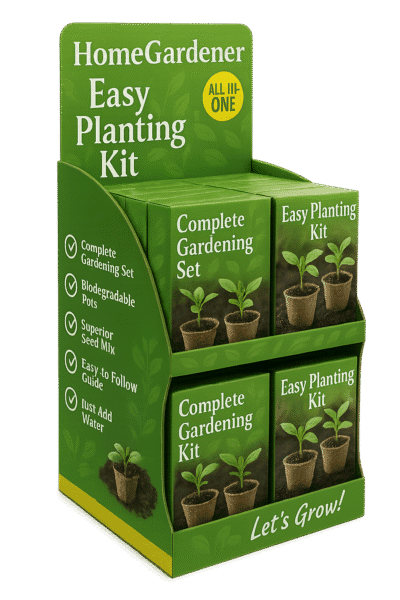
Custom point of purchase (POP) display, floor display, home and gardening packaging, corrugated full overlap box with print

Cartons Enhance Branding Within the Display

The display may carry your logo and key messages—but the folding carton is what customers will take home. That’s why it’s important to align the carton design with the display artwork.

Tips:

  • Match color palettes and typography between the carton and display
  • Include consistent messaging across both components
  • Ensure front panels of cartons are fully visible and legible within the display tray

✅ Reinforces brand identity
✅ Creates a seamless shopper experience
✅ Builds brand recall after purchase
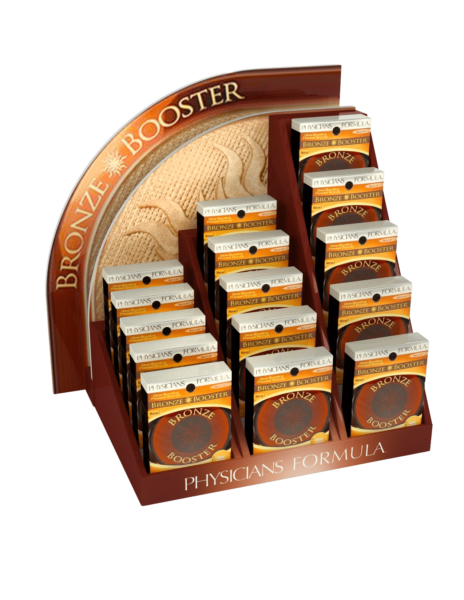
custom countertop display with print

Essential for Club Stores, Retail Chains & Promotions

Many retail and club store environments require retail-ready packaging that combines display and individual packaging. Folding cartons placed in POP displays are perfect for:

  • Multi-pack promotional kits
  • Trial-size or travel-size programs
  • New product launches
  • Seasonal or endcap promotions

In club stores, countertop displays or tray packs with folding cartons make it easy for stores to place the product on display without repackaging—saving time and increasing compliance.

✅ Satisfies retail guidelines
✅ Makes setup easier for staff
✅ Streamlines logistics for brand and retailer

Great for High-Volume, Low-Footprint Selling

Countertop displays are used in checkout lanes, convenience stores, cafes, and specialty boutiques—anywhere space is tight and impulse purchases are common.

Folding cartons in countertop displays are perfect for:

  • Supplements or wellness shots
  • Candy, snacks, or gum
  • Small beauty items or trial kits
  • Electronics accessories or travel essentials

These cartons provide structure and protection while still being compact and lightweight—ideal for high-turnover items.

✅ Encourages grab-and-go sales
✅ Protects product without adding bulk
✅ Gives retailers a neat, self-contained unit
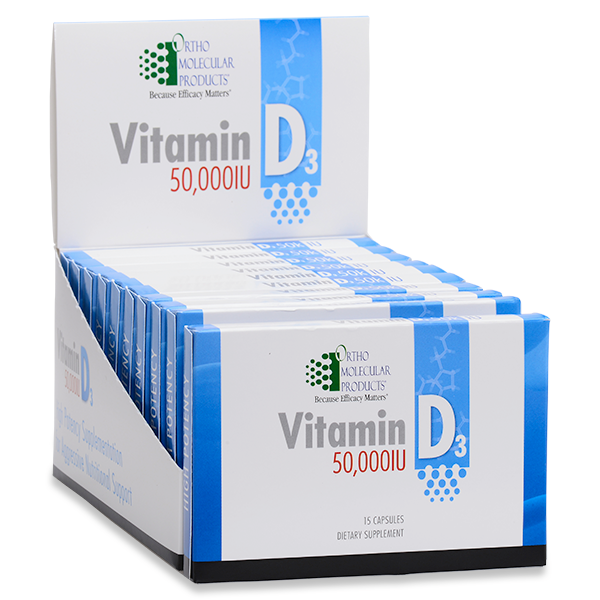
Custom Folding Carton With Countertop Display

Cartons Make Replenishment and Restocking Easy

Retail staff love displays that are easy to restock. Folding cartons simplify the process:

  • Easy to count, refill, or rotate
  • Stackable within the display tray
  • Protect the product even after multiple interactions

You can even use numbered or color-coded cartons to help identify flavors, formulas, or SKUs within the same display.

✅ Reduces downtime at shelf
✅ Keeps displays neat throughout their lifecycle
✅ Makes multi-SKU management easier

Final Thoughts

Folding cartons and POP displays—especially countertop displays—go hand in hand when it comes to boosting product visibility, protection, and in-store performance. While the display grabs attention, the carton delivers branding, clarity, and trust.

Need help designing folding cartons that work with POP displays?
We’ll help you create a cohesive packaging system that blends structure, design, and in-store efficiency to drive retail success.


Most Recent Posts:
Comparing Single vs. Multi-Material Packaging

Choosing the right packaging material is one of the most important decisions buyers face. Single-material packaging offers simplicity and recyclability, while multi-material designs provide enhanced performance and protection. Understanding the

Read More »
Categories:
Subscribe To Our Newsletter

By submitting your information, you agree to our terms and conditions and privacy policy.
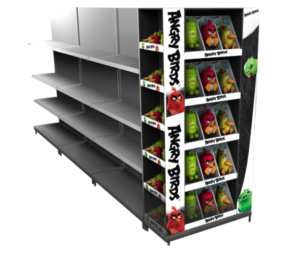
Custom POP displays
POP Displays
Facebook
Twitter
LinkedIn
Pinterest
Relevant Posts
Custom POP Display
Display
brownpackaging
Maximizing ROI with Point of Purchase Displays: Tips and Tricks

In the competitive retail landscape, capturing consumers’ attention is more crucial than ever. One strategic approach to achieve this is through effective point of purchase (POP) displays. These displays, positioned strategically at checkout counters or end-of-aisle locations, can significantly impact your bottom line and maximize your return on investment (ROI). This blog will provide valuable tips and tricks on how to leverage POP displays to optimize sales and enhance customer experience. Understanding the Power of POP Displays POP displays serve as a powerful marketing tool, grabbing customers’ attention and stimulating impulsive buying behaviors. Well-designed and positioned displays can highlight products, create a sense of urgency, and encourage add-on purchases, ultimately driving higher sales. Tips and Tricks to Maximize ROI with POP Displays Strategic Placement Placement is key when it comes to POP displays. They should be located in high-traffic areas, such as near checkout lines or at the end of aisles. These locations often have the highest visibility and can effectively prompt last-minute purchase decisions. Eye-Catching Design Ensure your displays stand out by implementing eye-catching designs. This could involve using vibrant colors, engaging graphics, or innovative structures. Additionally, the use of clear and concise messaging can convey the product’s benefits and create a sense of urgency. Rotate Displays Regularly Regularly changing your displays keeps the retail environment fresh and engaging. It encourages repeat customers to explore new products and prevents display blindness, where consumers overlook the display due to familiarity. Optimize for Product Interaction Allowing customers to touch and interact with the product can lead to higher sales. Design your POP displays in a way that products are easily accessible and can be handled by customers. Use Cross-Merchandising Techniques Consider pairing related items together in your POP display. This cross-merchandising strategy can encourage multiple purchases and increase the overall sales value per customer. Measure Performance Implement tracking measures to analyze the effectiveness of your POP displays. This can be as simple as tracking sales of displayed products or as complex as using technology like heat maps or customer journey analysis. The insights can inform your future display strategies and help optimize ROI. Leveraging Technology for Enhanced POP Displays In the digital age, technology can significantly enhance the effectiveness of displays. Interactive displays, augmented reality (AR), or digital signage can provide a unique and engaging customer experience, further driving impulse purchases and boosting sales. Wrapping Up: A Worthwhile Investment In conclusion, while creating effective POP displays requires an initial investment, it can lead to significant returns in terms of increased sales, customer engagement, and brand recognition. By employing these tips and tricks, retailers can truly harness the power of their displays to maximize their ROI. If you are interested in POP Display and need help maximize your displays potential, then contact Brown Packaging today. (714)300-0650 request@brownpackaging.com Most Recent Posts: Categories: Corrugated Ecommerce ESD Design Display Flexible Packaging Foam Folding Carton Packaging Plastic Packaging Pouch Printing Protection Retail Rigid Box Thermoform Sustainability Subscribe To Our Newsletter By submitting your information, you agree to our terms and conditions and privacy policy. POP Displays Facebook Twitter LinkedIn Pinterest Relevant Posts

Read More »
Endcap Display
Display
brownpackaging
Choosing Materials and Production for Your POP Display

The selection of materials and the production process are critical aspects of creating a Point of Purchase (POP) display that not only captures attention but is also cost-effective and durable. This stage in the creation of a POP display involves deciding on the materials that will best convey the brand message while standing up to the retail environment. This blog explores how to choose the right materials for your POP display and discusses key considerations for the production process. Material Selection: Balancing Aesthetics, Budget, and Durability Understand Material Options The most common materials used in POP displays include cardboard, plastic, metal, and wood. Each has its advantages and drawbacks: Cardboard (Corrugated) is cost-effective and versatile but less durable. Plastic offers durability and a clean look but can be more expensive. Metal is highly durable and stable, suitable for heavier products. Wood provides a premium aesthetic but is often heavier and more costly. Consider Environmental Factors Select materials that are appropriate for the display’s environment. For indoor displays, durability concerns might be less stringent than for outdoor displays. Additionally, consider the sustainability of materials if environmental impact is a concern for your brand. Align with Budget Your material choice is heavily influenced by your budget. While it’s important to aim for high-quality, cost-effective materials that offer visual appeal and durability, ensure they do not stretch your budget too thin. Plan to allocate resources efficiently to balance between material costs and other elements like design and transportation. Production Process: Ensuring Quality and Efficiency Choose the Right Manufacturer Selecting a manufacturer is a pivotal decision in the production process. Look for manufacturers with experience in producing similar types of displays, good reputations for quality and reliability, and the ability to provide valuable insights and adjustments to your design. Prototype Testing Before moving into mass production, ensure that a prototype of the display is tested. This helps in identifying any potential issues with the design or materials that might affect the display’s functionality or durability. Quality Control Establish a strict quality control process with your manufacturer to ensure that every display meets your standards. Consistent quality is crucial, as any defects can detract from the effectiveness of your display and potentially harm your brand’s reputation. Consider Assembly and Installation Think about the assembly process for your display. If the displays need to be assembled on-site, ensure that they are designed to be easily put together, with clear instructions provided. This can significantly affect the overall success of the display deployment. Plan for Logistics Coordinate with the manufacturer about logistics. This includes the packaging of the displays for shipment and the delivery schedules to ensure that displays arrive in good condition and on time for deployment. Conclusion Choosing the right materials and overseeing a careful production process are essential steps in creating effective POP displays. By considering factors like material properties, budget constraints, and environmental conditions, and by working closely with a reliable manufacturer, you can ensure that your POP display effectively represents your brand and engages your target audience. This attention to detail in the production phase will pay dividends in the display’s success and durability. If you are interested in POP displays, then partner with Brown Packaging today to get started.   (714)300-0650 request@brownpackaging.com Most Recent Posts: Categories: Corrugated Ecommerce ESD Design Display Flexible Packaging Foam Folding Carton Packaging Plastic Packaging Pouch Printing Protection Retail Rigid Box Thermoform Sustainability Subscribe To Our Newsletter By submitting your information, you agree to our terms and conditions and privacy policy. POP Display Facebook Twitter LinkedIn Pinterest Relevant Posts

Read More »
POP Endcap Display
Display
brownpackaging
Point-of-Purchase Displays: A Comprehensive Retailer’s Guide

In the intricate world of retail, where sales are the ultimate goal, having an exceptional product is just the beginning. To truly succeed, retailers need to guide customers through the decision-making process effectively. This is where point-of-purchase (POP) displays emerge as a game-changing strategy, capable of influencing purchasing decisions at the critical moment. By mastering the art of POP displays, retailers can tap into increased sales and create lasting brand impressions. What Are Point of Purchase Displays? Point of purchase displays serve as strategic marketing tools within retail environments, aiming to highlight products and guide customers toward making informed purchase decisions. Designed to capture attention and spark curiosity, these displays play a pivotal role in driving sales by influencing last-minute choices. Point of Purchase vs. Point of Sale Distinguishing between point of purchase and point of sale is crucial, as they serve distinct purposes. While both contribute to the shopping experience, point of purchase refers to the area where products are showcased, visually guiding customers, while point of sale is the actual transaction point. Exploring Different Types of Point-of-Purchase Displays POP displays come in various forms, catering to diverse needs. Temporary displays are ideal for seasonal promotions, while semi-permanent and permanent displays offer durability and adaptability. Additionally, digital and robotic POP displays introduce an interactive dimension to product presentation. End Cap Display Pallet Display Countertop Display The Essence of Point-of-Purchase Marketing Point-of-purchase marketing strategically targets customers precisely when they’re ready to make a purchase. In-store POP displays encompass a range of tools, from attention-grabbing banners to central aisle displays, all aimed at enhancing product understanding and driving decision-making. The Multi-Faceted Benefits of POP Displays Cost-Efficiency: Temporary POP displays offer flexibility at an affordable cost, enabling frequent updates. Targeted Impact: POP displays focus on specific products, catering to niche audiences and building brand recognition. Highlighting Promotions: These displays effectively showcase special offers, enticing customers to explore and purchase. Enhanced Visibility: By rotating products on display, retailers ensure continuous product discovery and engagement. Boosting Sales: The culmination of benefits leads to increased sales, making POP displays a crucial revenue driver. Crafting Effective Point-of-Purchase Displays: Expert Tips Strategic Placement: Choose locations that maximize visibility and engagement. Clear Messaging: Communicate product benefits concisely for easy customer understanding. Engaging Visuals: Utilize captivating designs, imagery, and colors to capture attention. Interactive Elements: Incorporate interactivity, such as product demos or videos, for enhanced engagement. Testing Ground: Experiment with various displays to identify what resonates best with your audience. Strategically Deploying POP Displays for Maximum Impact Beyond the checkout counter, creativity thrives. POP displays can thrive throughout the store, leading customers through paths and sections that encourage additional purchases. This strategic approach extends the shopping experience and encourages exploration. Mastering the art of point-of-purchase displays is pivotal in the evolving landscape of retail. By strategically deploying and creatively designing POP displays, retailers can influence decisions, create captivating shopping journeys, and foster brand loyalty. If you are interested in point of purchase displays, then partner with Brown Packaging today. (714)300-0650 request@brownpackaging.com Most Recent Posts: Categories: Corrugated Ecommerce ESD Design Display Flexible Packaging Foam Folding Carton Packaging Plastic Packaging Pouch Printing Protection Retail Rigid Box Thermoform Sustainability Subscribe To Our Newsletter By submitting your information, you agree to our terms and conditions and privacy policy. POP Displays Facebook Twitter LinkedIn Pinterest Relevant Posts

Read More »