


Home » How Carton Style and Material Selection Work Together
How Carton Style and Material Selection Work Together
Choosing a folding carton isn’t just about the graphics or the style—it’s about how the structural design and substrate work in tandem. The right combination can optimize line efficiency, protect products during transit, and reinforce brand perception, while the wrong pairing can lead to excess costs, damaged goods, or production slowdowns. This guide explains how style and material decisions influence one another and how to align them for maximum performance.
Load-Bearing and Product Weight
Heavier products place greater stress on both the style and the board grade.
- High-Strength Pairing: Auto-bottom or Full Seal End designs with coated unbleached kraft (CUK) for beverage carriers, glass jars, or frozen food.
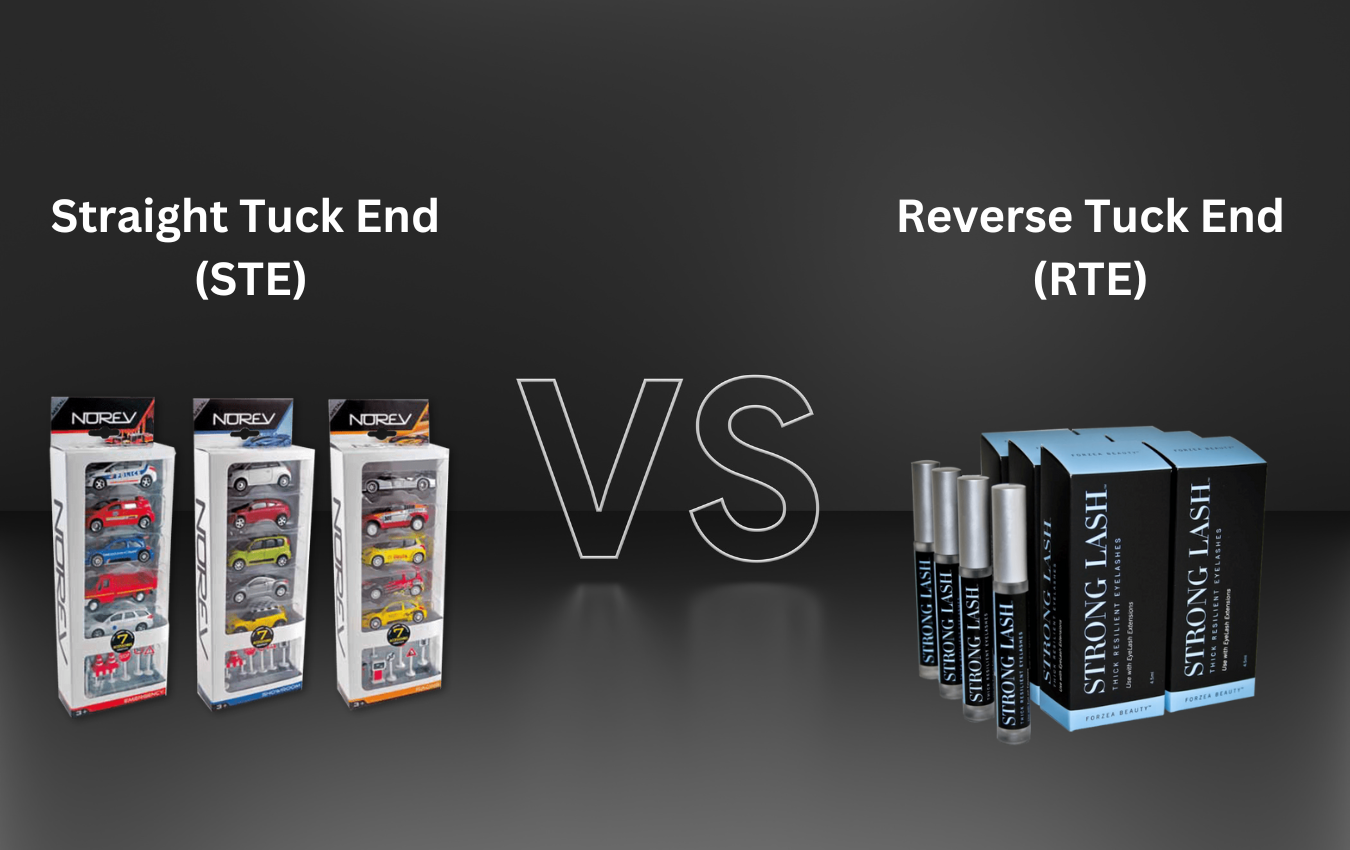
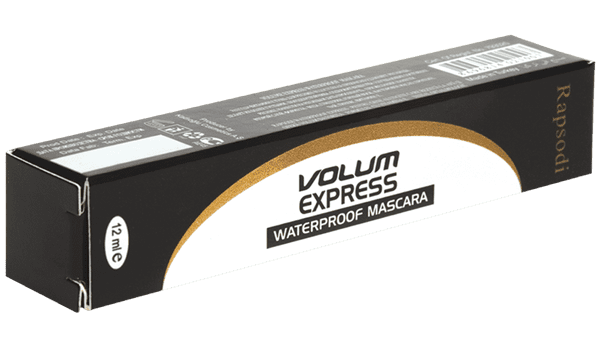
- Lightweight Retail: Straight Tuck End (STE) with SBS for cosmetics or nutraceuticals, where presentation outweighs structural load.
Key Interaction: Style choice can compensate for lighter materials—an auto-bottom with medium caliper SBS can still handle moderate weight without upgrading to heavier board.
Environmental Resistance
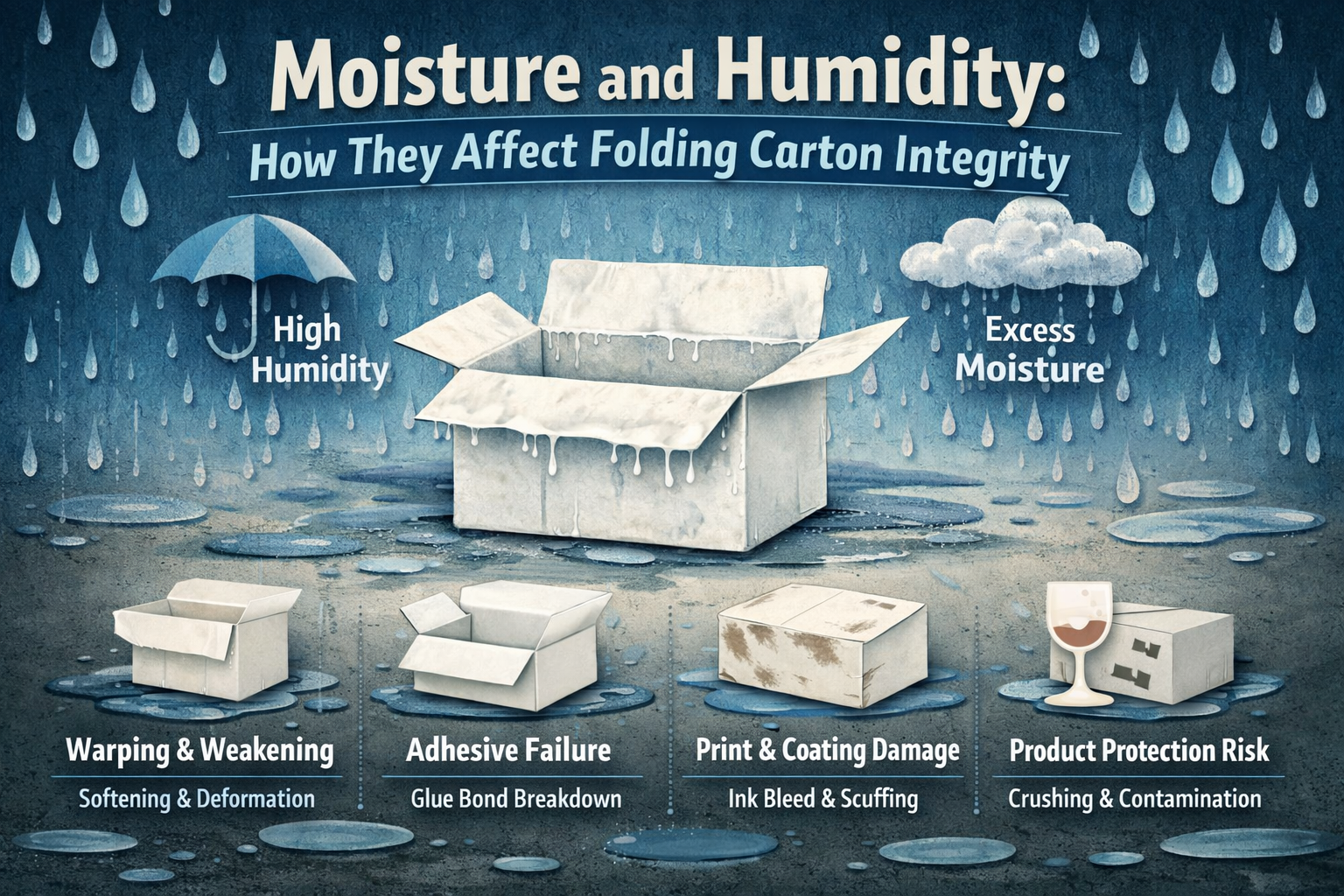
Packaging exposed to moisture, grease, or temperature swings needs both the right style and the right coating.
- Cold Chain Products: FSE with poly-coated CUK to prevent panel warping in refrigerated or frozen conditions.
- Dry Shelf Products: STE or RTE with uncoated SBS for vibrant graphics without added cost.
Key Interaction: The wrong pairing—like SBS without coating in high-humidity environments—can fail even if the style is structurally sound.
Assembly Speed and Automation
Line efficiency depends on how easily the style works with the chosen substrate.
- High-Speed Automation: FSE or STE in SBS or FBB for consistent feeding and folding with minimal score cracking.
- Manual Operations: RTE or auto-bottom in softer recycled FBB for easy hand folding.
Key Interaction: Certain recycled boards may require adjusted creasing profiles to fold cleanly at high speeds—designers must factor this into style selection.
Branding and Shelf Presence
Material surface quality and structural layout work together to shape consumer perception.
- Premium Branding: STE in SBS for uninterrupted front panels and high-gloss finishes.
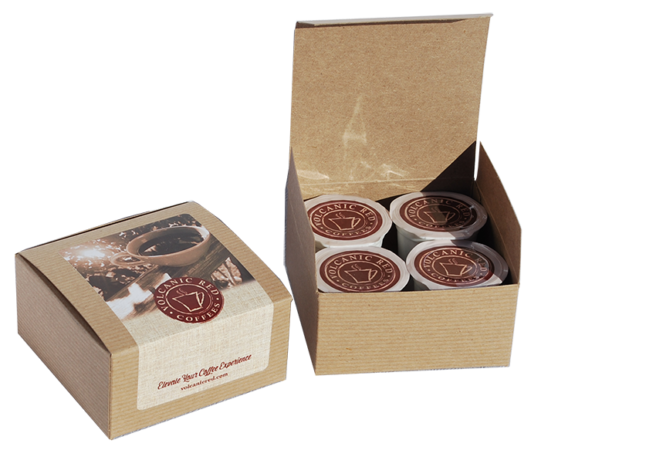
- Natural/Artisan Look: Sleeve or RTE in natural kraft CUK for an eco-conscious aesthetic.
Key Interaction: Choosing a style with large uninterrupted panels means surface smoothness matters more, favoring higher-grade boards.
Cost Optimization
The most cost-effective designs balance board grade, caliper, and style complexity.
- Cost-Down Opportunities: Switch from STE to RTE when material yield is higher in layout, or move from SBS to recycled FBB when strength is over-specified.
- When to Spend More: Upgrade to auto-bottom when labor costs outweigh the savings of a simpler tuck style.
Key Interaction: Sometimes a stronger style allows for a lighter material, and sometimes a higher-grade board allows for a simpler style—knowing which trade-off delivers more savings is critical.
Decision Framework
- Define Product Constraints – Weight, fragility, shelf life, and environmental conditions.
- Set Line Requirements – Manual vs. automated, speed targets, changeover flexibility.
- Match Style to Strength – Select a structural format that supports handling and branding needs.
- Match Material to Style – Ensure board grade, caliper, and coatings enhance the style’s performance.
- Validate with Prototypes – Test under real-world shipping and retail conditions before committing to production.
References
Soroka, W. (2014). Fundamentals of packaging technology (5th ed.). Institute of Packaging Professionals. ISBN: 978-1-930268-37-2
Twede, D., & Goddard, R. (2021). Cartons, crates and corrugated board: Handbook of paper and wood packaging technology (2nd ed.). DEStech Publications. ISBN: 978-1-60595-120-5
Corrugated board comes in multiple flute sizes and wall grades, each designed to balance strength, weight, and cost. Selecting the wrong grade can lead to product damage, excessive freight costs,
As tariff changes reshape global trade, packaging buyers moving production from China to the U.S. or nearshore regions face a new challenge: supplier qualification. Transitioning supply doesn’t end once a
With new tariff proposals and continued trade uncertainty, 2026 is shaping up to be another pivotal year for packaging sourcing strategy. Many companies that shifted production away from China in
Following multiple rounds of tariff changes and trade policy adjustments, 2026 marks a turning point for U.S. packaging buyers. Many who previously transitioned from China to domestic or nearshore suppliers
Home » How Carton Style and Material Selection Work Together