Home » Gusseted Bags Explained: Types, Uses & Applications
Gusseted Bags Explained: Types, Uses & Applications
Gusseted bags are designed with extra folds of material at the sides or bottom to increase capacity and structural support. This feature makes them ideal for products requiring more volume, weight capacity, or shelf stability. Available in both poly (plastic) and flexible pouch formats, gusseted bags are widely used across food, retail, and industrial markets.
Side Gusset Bags
Design
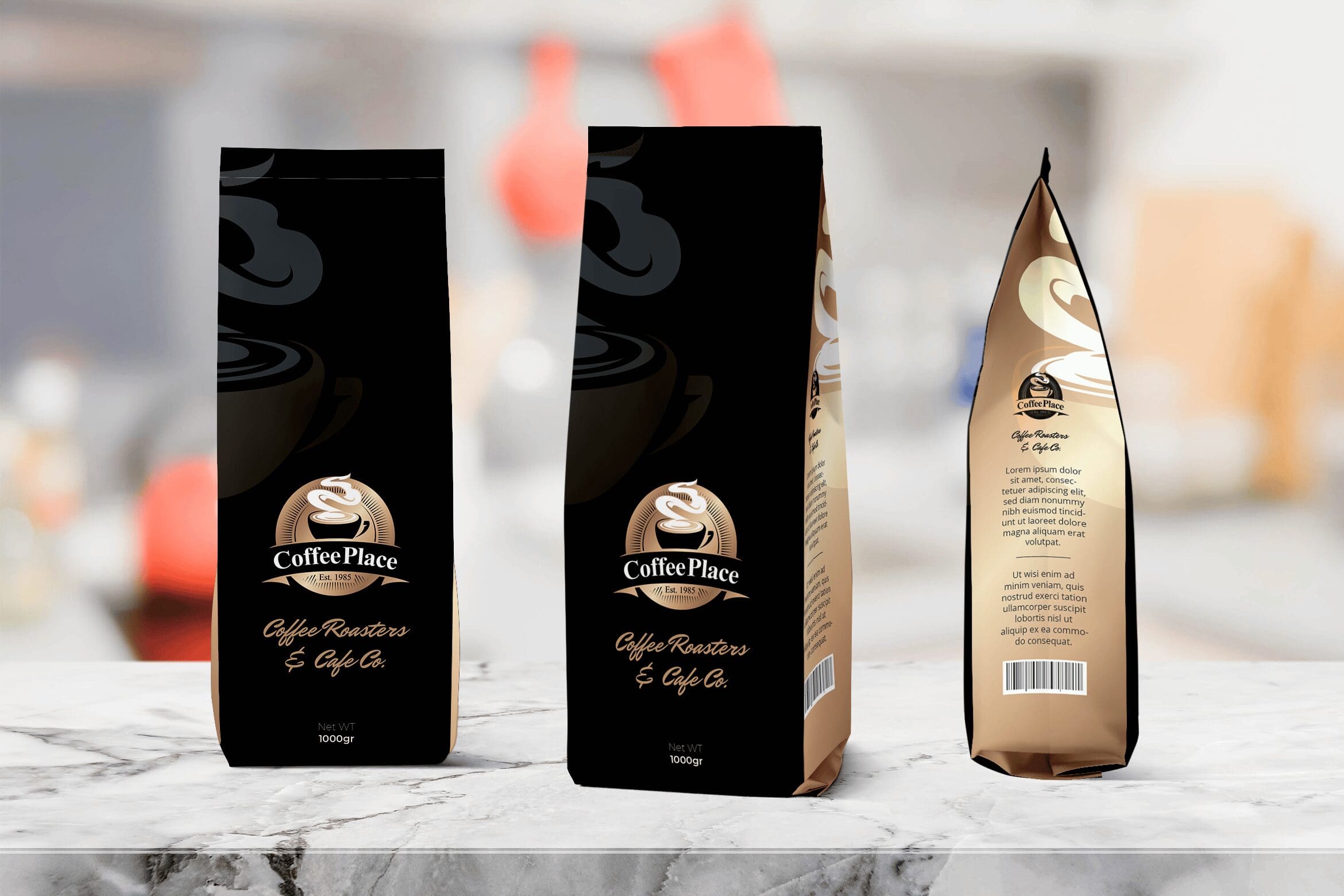
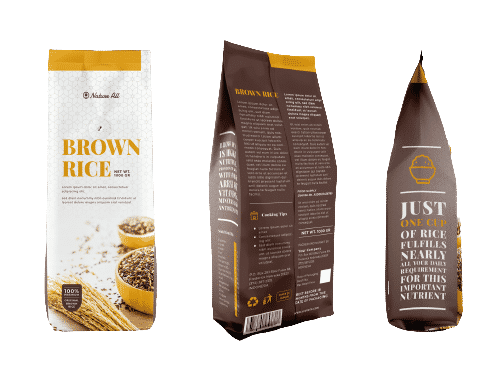
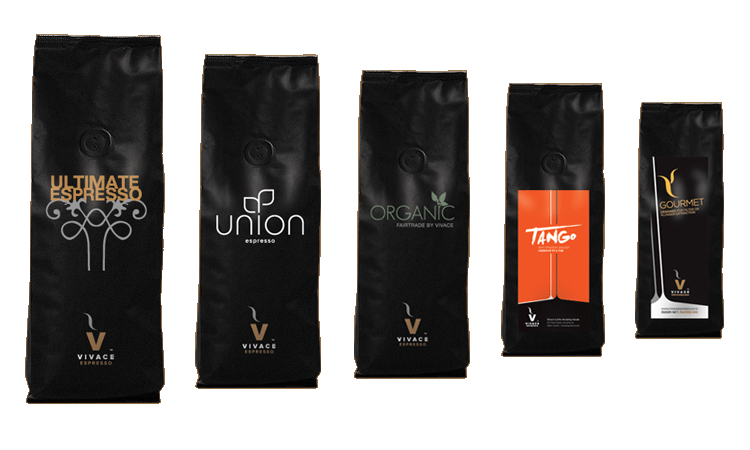
Additional material on the sides allows expansion for greater volume.
Slimmer profile takes up less shelf space compared to bottom gusset designs.
Advantages
Efficient storage and shipping due to compact shape.
Strong capacity for heavier or bulkier products.
Limitations
Harder to stack neatly for retail displays.
Less stable when standing upright compared to bottom gusset bags.
Common Applications
Pet food
Dry ingredients (flour, rice, grains)
Frozen foods
Snacks and confectionery
Personal care items or textiles
Bottom Gusset Bags
Design
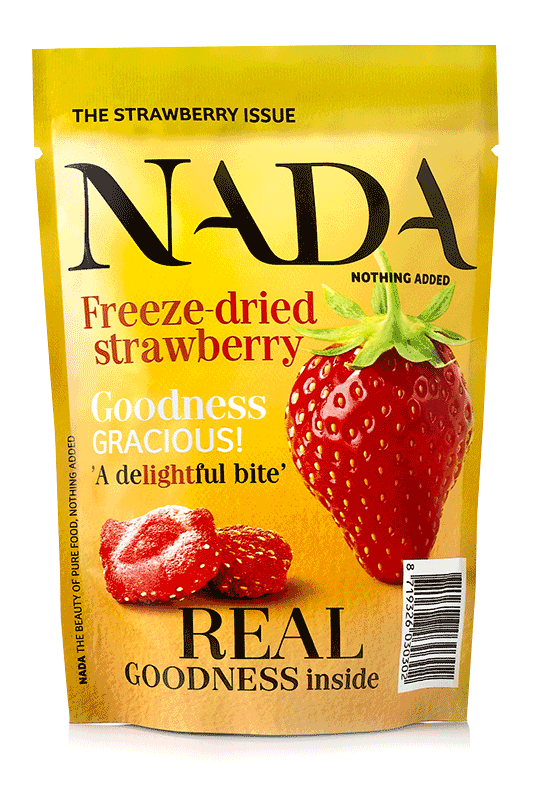
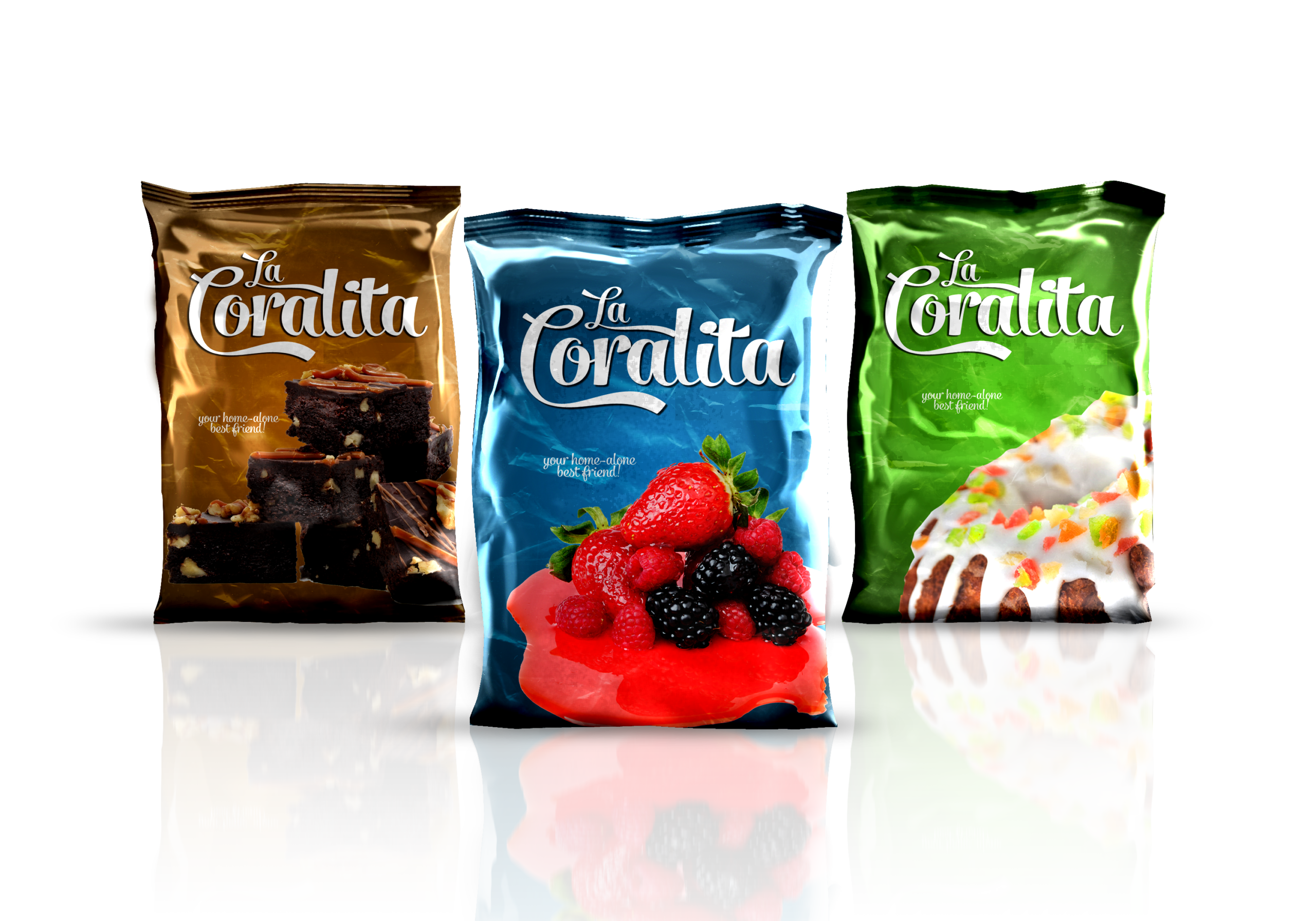
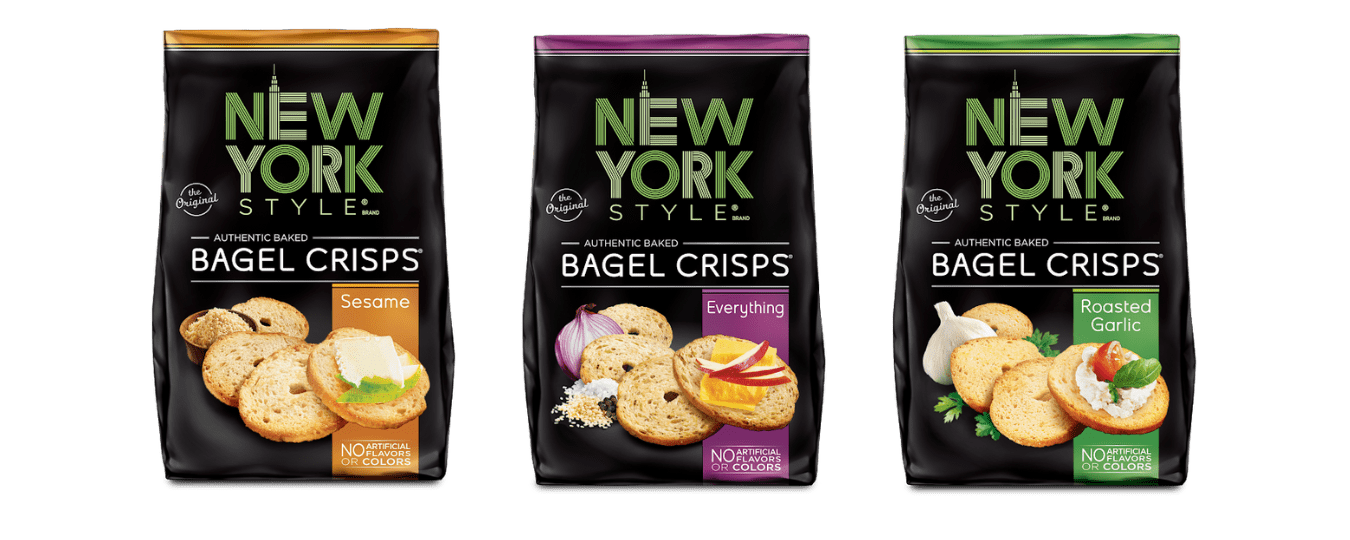
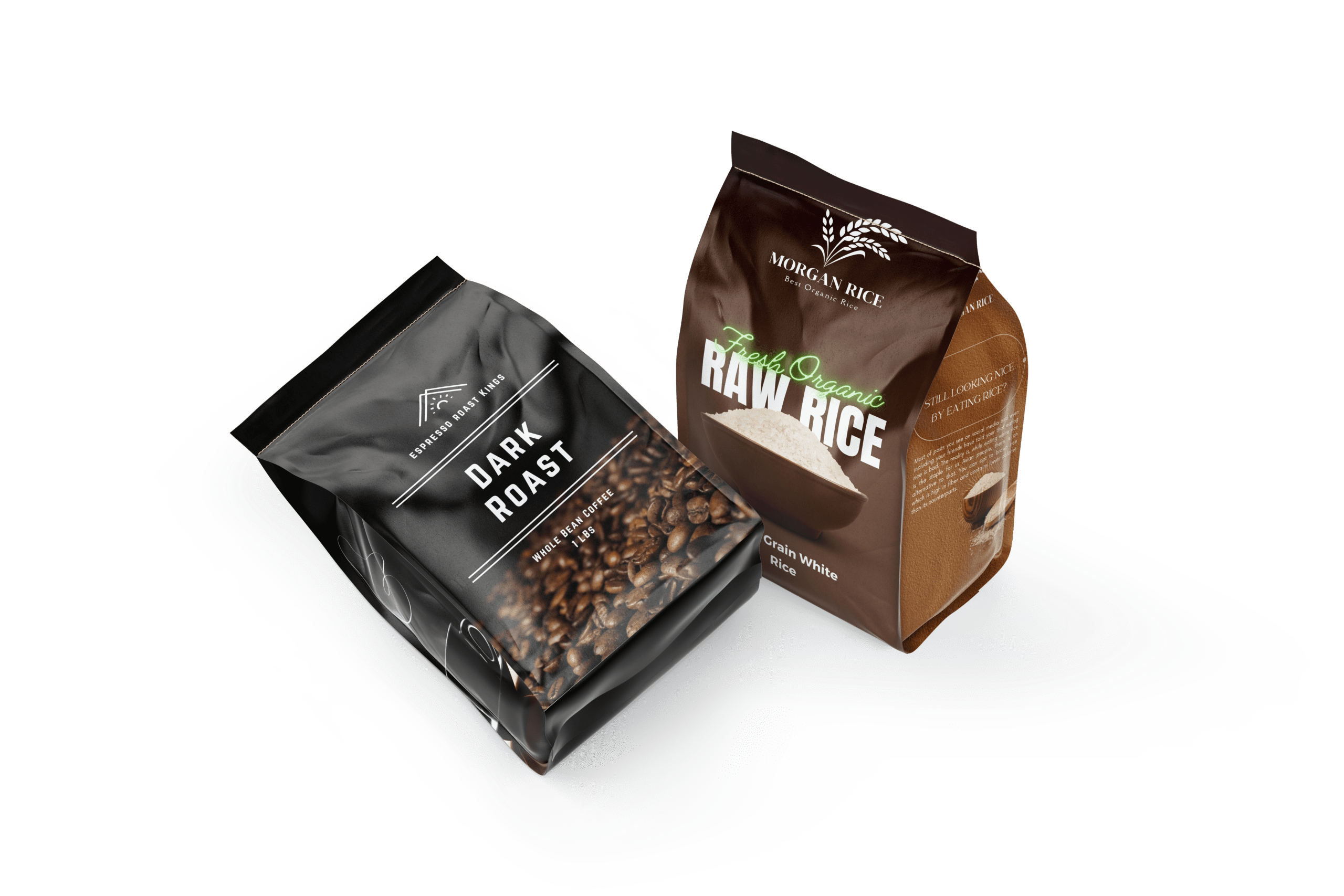
Extra material at the bottom expands outward, allowing the package to stand upright.
Offers greater display appeal with more visible front-facing branding.
Advantages
Excellent stability on shelves and counters.
Versatile for liquid, powder, or irregularly shaped products.
Limitations
Occupies more shelf space compared to side gusset designs.
May require stronger sealing for heavier or sharp-edged products.
Common Applications
Candy and baked goods
Coffee and powdered beverages
Sanitary and personal care products
Pharmaceuticals
Liquid products (soups, sauces, supplements)
Choosing Between Side and Bottom Gussets
The right gusset design depends on product needs, distribution, and retail goals:
Side Gusset: Best for products needing compact storage and high-volume capacity with less emphasis on shelf display.
Bottom Gusset: Best for stand-up presentation, premium branding, and consumer visibility.
Consider whether you need packaging that will be stackable vs. stand-up, space-saving vs. display-ready, and how your graphics or branding will appear on the chosen format.
Buyer Takeaway
Choose side gusset bags when storage efficiency and capacity are key priorities.
Choose bottom gusset bags when branding, display visibility, and consumer presentation matter most.
Both styles can be fully customized with graphics, colors, and finishes to support your product and marketing strategy.
References
Flexible Packaging Association. (2023). Guide to Pouch Formats and Applications. Retrieved from https://www.flexpack.org
Robertson, G. L. (2016). Food Packaging: Principles and Practice (3rd ed.). CRC Press.
Plastics Industry Association. (2022). Trends in Flexible Packaging. Retrieved from https://www.plasticsindustry.org
RSC boxes are known for their efficiency and versatility, but their performance ultimately comes down to strength. Buyers often see numbers like ECT, BCT, and
In packaging, foam isn’t just about initial protection — it’s about maintaining performance over the entire shipping or storage cycle. Compression set and recovery characteristics
Pouches are a go-to for flexibility and convenience, but they can fail in critical ways—from poor seals to punctures and delamination—that hurt performance and brand
In the retail environment, the placement of Point of Purchase (POP) displays is just as critical as their design and content. Strategic positioning can significantly
Choosing the right foam density isn’t about “soft” versus “hard” — it’s about controlling shock transmission and matching the foam’s cushioning curve to the product’s
Moisture resistance and dimensional stability are critical performance factors for custom inserts, especially when products are shipped or stored in variable climates. Both foam and
Home » Gusseted Bags Explained: Types, Uses & Applications

When designing flexible packaging, one key consideration is how the product will be displayed: Will it be showcased individually on retail shelves or packed in

Gusseted bags are designed with extra folds of material at the sides or bottom to increase capacity and structural support. This feature makes them ideal

When designing flexible packaging for perishables, customers often have initial ideas for graphics but lack clarity on functional aspects critical to product performance. Shelf life