Home » Gaylord Containers: Single, Double, and Triple Wall Options
Gaylord Containers: Single, Double, and Triple Wall Options
Gaylord containers are large, sturdy boxes used primarily for shipping, storing, and handling bulk materials. Often utilized in industries like manufacturing, agriculture, and retail, these versatile containers are designed to accommodate large volumes of products while providing robust protection. Depending on the specific application, Gaylord containers are available in single, double, and triple wall options, each offering varying degrees of strength and durability. In this blog, we will explore the differences between these options and their practical applications.
What Are Gaylord Containers?
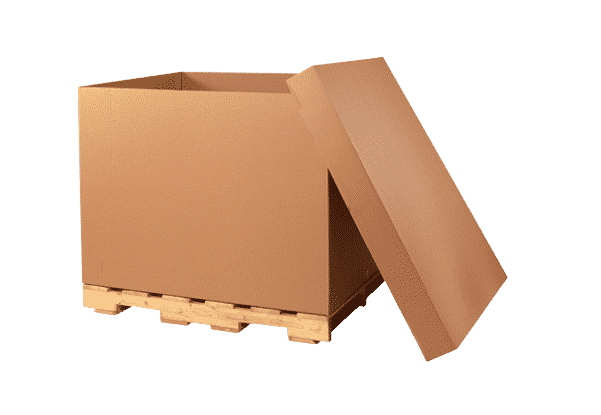
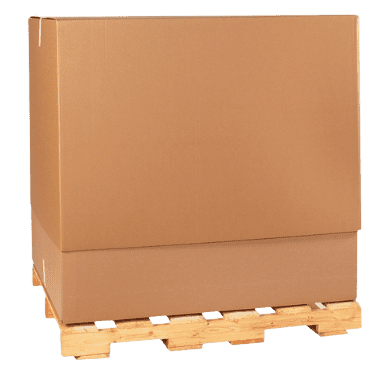
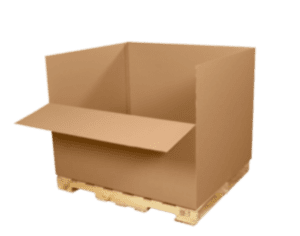
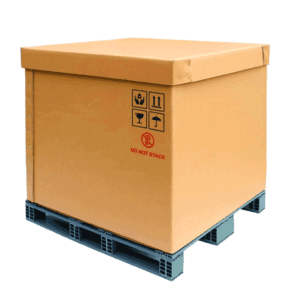
Gaylord containers, also known as bulk bins or pallet boxes, are large corrugated boxes designed for storing and transporting bulk goods. They are typically mounted on pallets for easy handling with forklifts and other equipment. These containers are highly versatile, accommodating a wide range of materials, including powders, granules, parts, and even irregularly shaped items.
Single Wall Gaylord Containers
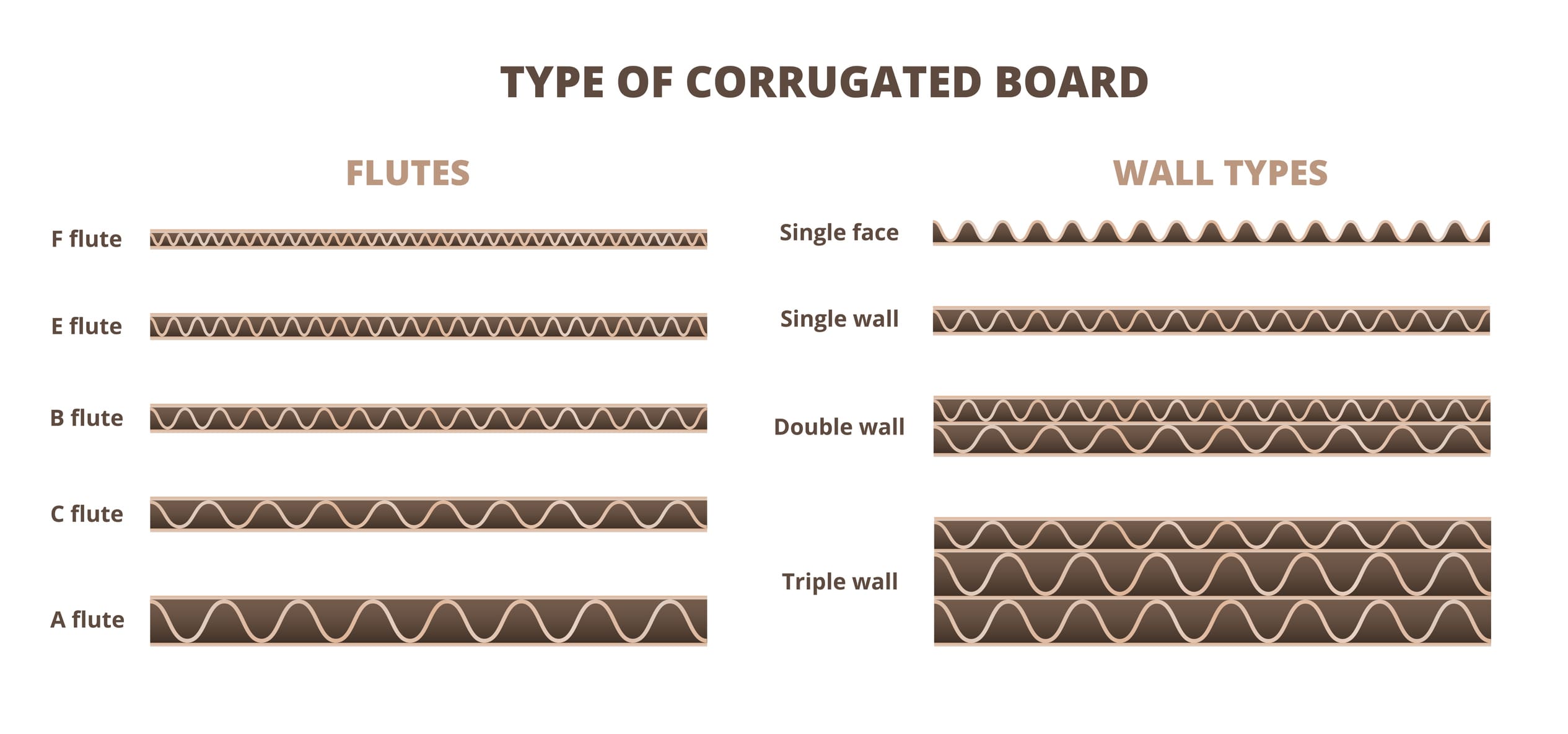
Construction: Single wall Gaylord containers consist of one layer of corrugated cardboard. This layer typically includes a fluted sheet sandwiched between two flat linerboards.
Applications: Single wall containers are suitable for lighter materials or products that do not require extensive protection during shipping. They are commonly used for:
- Lightweight products like plastic parts or textiles
- Non-fragile items that are not prone to damage
- Short-distance shipping where minimal handling occurs
Benefits:
- Cost-effective solution for bulk packaging
- Lightweight and easy to handle
- Efficient for low-risk, high-volume shipping
Double Wall Gaylord Containers
Construction: Double wall Gaylord containers feature two layers of corrugated cardboard, providing increased strength and durability compared to single wall options.
Applications: Double wall containers are ideal for heavier or more delicate items that require extra protection. Common uses include:
- Metal parts, automotive components, or hardware
- Products requiring additional cushioning and support
- Moderate to long-distance shipping with multiple handling points
Benefits:
- Enhanced strength and durability for heavier loads
- Better protection against impact and compression
- Suitable for stacking and efficient space utilization
Triple Wall Gaylord Containers
Construction: Triple wall Gaylord containers are constructed with three layers of corrugated cardboard, offering maximum strength and resistance to external pressures.
Applications: These containers are best suited for the heaviest and most fragile items, providing superior protection during transit and storage. They are often used for:
- Heavy industrial components or machinery parts
- Fragile items like glassware or electronics
- Export shipping, where containers face prolonged handling and rough conditions
Benefits:
- Maximum protection for heavy and fragile goods
- Optimal for international shipping and storage in harsh environments
- High resistance to punctures, compression, and impact
Choosing the Right Gaylord Container
Selecting the appropriate Gaylord container depends on several factors:
- Weight of Contents: Heavier items require double or triple wall containers for adequate support.
- Fragility: Fragile products benefit from the added protection of multiple wall layers.
- Distance and Handling: Longer shipping distances and frequent handling call for stronger container options.
- Budget Considerations: Single wall containers offer cost savings for less demanding applications, while double and triple wall containers are investments in product safety.
Customization and Additional Features
Gaylord containers can be customized to meet specific needs, including:
- Printing and branding for enhanced visibility
- Coating for moisture resistance
- Lids and liners for additional protection
- Dividers and inserts for organized storage
Conclusion
Gaylord containers are essential for industries requiring efficient and secure bulk packaging solutions. By understanding the differences between single, double, and triple wall options, businesses can choose the right container to protect their products, optimize shipping efficiency, and reduce costs. Whether you need basic packaging for lightweight items or robust protection for heavy machinery, Gaylord containers offer a versatile and reliable solution for all your bulk packaging needs.
Retail packaging continues to evolve as brands balance sustainability, supply chain performance, and consumer experience. In 2026, buyers face new challenges shaped by material innovation, compliance requirements, and rising consumer
Supplier contracts can make or break a packaging program. Without the right terms, buyers risk price volatility, missed lead times, and inconsistent product quality. In 2026, negotiating smart contracts is
Packaging compliance is no longer optional—it’s a requirement for accessing retail shelves, shipping networks, and international markets. In 2026, buyers must navigate evolving regulations around sustainability, labeling, and testing to
In 2026, sustainability is no longer just a trend—it’s a buyer expectation. Forest Stewardship Council (FSC) certification has become a key benchmark for responsible packaging, signaling that materials are sourced
Home » Gaylord Containers: Single, Double, and Triple Wall Options

In the world of packaging, businesses often face the decision of whether to use chipboard boxes or transition to corrugated ones. Both types have their unique strengths and applications, but there comes a time when transitioning to corrugated boxes is more beneficial. This blog post explores the scenarios that warrant such a transition, helping businesses make an informed decision for their packaging needs. Understanding Chipboard and Corrugated Boxes Before discussing the transition, it’s important to understand the differences between these two types of packaging. Chipboard Boxes: Made from reclaimed paper stock, chipboard boxes are lightweight and ideal for small, non-fragile items. They are commonly used for products like cereals, shoes, or board games. Corrugated Boxes: These are stronger and more durable, consisting of a fluted corrugated sheet sandwiched between two linerboards. They provide better protection and are suitable for heavier or more delicate items. Chipboard box Corrugated box When to Consider Transitioning to Corrugated Boxes Increased Product Weight: If your products have become heavier, corrugated boxes offer the strength and durability necessary to support the additional weight. Fragile or Valuable Items: For products that are fragile or of high value, corrugated boxes provide better protection against impacts and crushing forces. Shipping and Handling Concerns: If your products are being shipped over longer distances or through multiple carriers, corrugated boxes can withstand the rigors of shipping and handling more effectively. Storage and Stacking Needs: Corrugated boxes have superior stacking strength, making them ideal if your products need to be stored or stacked without risking box collapse. Environmental Considerations: While both chipboard and corrugated materials can be environmentally friendly, corrugated boxes often have a higher content of recycled materials and are easily recyclable. Varying Product Sizes: Corrugated boxes come in a wider range of sizes and can be customized more easily, making them suitable for businesses with a diverse product range. Benefits of Switching to Corrugated Boxes Enhanced Product Protection: The sturdy structure of corrugated boxes provides better protection, reducing the risk of product damage during transit. Cost-Effectiveness in the Long Run: Although initially more expensive, the durability of corrugated boxes can reduce the costs associated with damaged goods and returns. Sustainability: Corrugated boxes are highly recyclable, aligning with sustainable business practices. Considerations Before Making the Transition Cost Implications: Evaluate the cost differences between chipboard and corrugated boxes and how it impacts your overall budget. Supplier Relationships: Assess your current supplier’s ability to provide high-quality corrugated options or consider finding a new supplier. Customer Feedback: Gather insights from your customers, as their satisfaction with packaging can influence repeat business. If you are interested in transition from chipboards to corrugated boxes, then partner with Brown Packaging today to get started. (714)300-0650 request@brownpackaging.com Most Recent Posts: Categories: Corrugated Ecommerce ESD Design Display Flexible Packaging Foam Folding Carton Packaging Plastic Packaging Pouch Printing Protection Retail Rigid Box Thermoform Sustainability Subscribe To Our Newsletter By submitting your information, you agree to our terms and conditions and privacy policy. Custom Corrugated Boxes Facebook Twitter LinkedIn Pinterest Relevant Posts

In the world of packaging, the way a corrugated box is sealed and closed is as important as the box itself. The right type of sealing and closure not only ensures the safety and security of the contents but also can enhance ease of use, storage, and even branding. This blog post explores the different types of sealing and closure methods available for corrugated boxes, helping businesses choose the best option for their specific needs. Understanding the Importance of Proper Sealing and Closure Before delving into the types, it’s crucial to understand why sealing and closure matter. The right closure method can protect the contents from damage, theft, or contamination, while also providing an additional layer of branding through custom tapes or seals. Tape Closure One of the most common methods of sealing corrugated boxes is using tape. This method is versatile and cost-effective, suitable for a wide range of applications. Pressure-Sensitive Tape: Easy to apply, available in various widths and strengths, and ideal for lightweight to medium-weight boxes. Water-Activated Tape (WAT): Forms a strong bond with the corrugated box, offering superior security, and is excellent for heavier packages. Reinforced Water-Activated Tape: Best for heavy-duty applications, providing extra strength and security. Staple Closure Stapling is a traditional method of closing corrugated boxes, often used for heavy or industrial items. Manual Stapling: Suitable for small-scale operations or where additional security is needed. Pneumatic Stapling: Used in larger operations for efficiency and consistency in sealing. Glue Closure Adhesive or glue is another popular method, especially in automated packaging lines. Hot Melt Adhesive: Quick to apply and set, providing a strong and durable seal. Cold Glue Adhesive: Requires more time to set but offers a strong bond and is suitable for boxes that require refrigeration. Self-Locking Tabs and Slots For consumer-facing products, self-locking tabs and slots offer an appealing and tool-free option. Tab Lock: Simple to use, providing a secure closure without additional materials. Slot Lock: Offers added security as tabs lock into slots, making the box more tamper-resistant. Velcro or Hook-and-Loop Closures For reusable box designs, Velcro or hook-and-loop closures are ideal. Easy Open and Close: Allows for multiple uses, ideal for sample kits or storage boxes. Customizable: Can be designed in various shapes and sizes to suit specific packaging needs. Strapping or Banding Strapping or banding is used for heavy-duty applications or for bundling multiple boxes together. Metal Strapping: Offers the highest strength, ideal for heavy industrial goods. Polyester or Polypropylene Strapping: More flexible than metal, suitable for a wide range of applications. Sealing with Labels or Stickers Custom labels or stickers can double as a sealing method, particularly for light packages or as an additional security seal. Branding Opportunity: Custom labels provide a platform for branding and product information. Tamper-Evident Seals: Enhance security by indicating if the box has been opened. Conclusion The choice of sealing and closure method for corrugated boxes depends on several factors, including the weight and nature of the contents, the shipping and handling process, the need for security, and the desired customer experience. By selecting the appropriate sealing and closure method, businesses can ensure their products are well-protected and arrive at their destination in the best possible condition. Moreover, creative and practical sealing solutions can enhance brand recognition and provide an additional touchpoint for customer engagement. (714)300-0650 request@brownpackaging.com Most Recent Posts: Categories: Corrugated Ecommerce ESD Design Display Flexible Packaging Foam Folding Carton Packaging Plastic Packaging Pouch Printing Protection Retail Rigid Box Thermoform Sustainability Subscribe To Our Newsletter By submitting your information, you agree to our terms and conditions and privacy policy. Custom Corrugated Boxes Facebook Twitter LinkedIn Pinterest Relevant Posts

The packaging world is vast, catering to various industry needs and requirements. Among the myriad options, Gaylord boxes stand out for their durability, versatility, and sustainability. Initially designed for shipping agricultural products, they’ve evolved to serve multiple sectors, ensuring products are shielded effectively. Let’s explore how these boxes can provide unparalleled protection for your goods. What is a Gaylord Box? A Gaylord box, often referred to as a bulk box or pallet box, is a large corrugated container predominantly used for bulk shipping and storage. They are known for their strength and capability to handle weighty items, coming in varied sizes and strengths based on the number of corrugated layers they contain. Key Features of Gaylord Boxes Enhancing Protection Multi-layered Design: The inherent strength of Gaylord boxes comes from their multi-layered corrugated structure. This design makes them robust and resistant to external pressures. Reinforced Corners: Another significant feature of these boxes is their reinforced corners. This ensures they support the weight of their contents without giving way. Broad Flaps: The flaps on these boxes are wide and may overlap, providing a cushioning effect that adds another protective barrier against external impacts. Sustainable and Reusable Beyond their protective attributes, Gaylord boxes champion sustainability. Made primarily from recycled materials, they are eco-friendly. Their sturdy design means they can be reused several times, leading to reduced environmental waste. Versatility in Use Gaylord boxes are versatile. They can hold a range of items, from agricultural produce to automotive parts. This adaptability ensures the contents receive maximum protection against external variables. Efficient for Storage and Transport Their standardized dimensions mean they can be stacked effectively in storage facilities, making the most of available space. This same uniformity makes them a favorite for transportation as they are easily loaded onto transportation vehicles, assuring a safe passage for goods. Enhanced Protection with Complementary Materials When combined with other protective packaging materials, such as bubble wrap or foam inserts, the defensive capabilities of Gaylord boxes increase exponentially, ensuring products remain unscathed. Conclusion Gaylord boxes are a testament to how packaging can be both effective and eco-friendly. Whether you’re an entrepreneur searching for bulk shipping solutions or someone needing robust storage options, Gaylord boxes are a top-tier choice. Their blend of durability, environmental responsibility, and adaptability positions them as a preferred option for those who prioritize the safekeeping of products. If you are interested in gaylord boxes, then partner with Brown Packaging today to get started. (714)300-0650 request@brownpackaging.com Most Recent Posts: Categories: Corrugated Ecommerce ESD Design Display Flexible Packaging Foam Folding Carton Packaging Plastic Packaging Pouch Printing Protection Retail Rigid Box Thermoform Sustainability Subscribe To Our Newsletter By submitting your information, you agree to our terms and conditions and privacy policy. Stock Gaylord Boxes Facebook Twitter LinkedIn Pinterest Relevant Posts