Home » Exploring the World of E-commerce Packaging: Trends, Sustainability, and Popular Solutions
Exploring the World of E-commerce Packaging: Trends, Sustainability, and Popular Solutions

E-commerce has revolutionized the way we shop and do business, making it more convenient for consumers to purchase products from the comfort of their own homes. However, the increasing popularity of online shopping has also led to a surge in the demand for e-commerce packaging. In this blog, we will explore the world of e-commerce packaging, including its importance, trends, sustainability, and popular solutions.
Importance of E-commerce Packaging
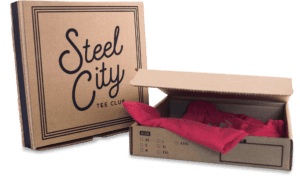
E-commerce packaging is an essential component of the overall customer experience. It is not only responsible for protecting the product during shipment, but it also serves as a physical representation of the brand. An e-commerce package that is visually appealing, easy to open, and functional can help build brand loyalty and leave a positive lasting impression on the customer.
Moreover, e-commerce packaging plays a critical role in reducing product returns due to damage during shipment. According to a study by Dotcom Distribution, 34% of customers who received a damaged package from an online order would not order from the same retailer again. Therefore, it is crucial for businesses to invest in high-quality packaging solutions that can protect their products and prevent damage during transit.
Trends in E-commerce Packaging
E-commerce packaging trends are continually evolving to meet the changing needs and preferences of customers. Here are some of the current trends that are shaping the world of e-commerce packaging:
- Minimalism: Minimalist packaging is a trend that has gained popularity in recent years. This trend is characterized by simple designs, clean lines, and a focus on eco-friendliness. Minimalist packaging can help businesses reduce their environmental impact and create a memorable unboxing experience for customers.
- Personalization: Personalized packaging is another emerging trend in e-commerce packaging. Personalized packaging can include everything from custom wrapping paper to personalized messages on the box. This trend can help businesses create a stronger connection with their customers and differentiate themselves from their competitors.
- Biodegradable and Compostable Materials: With increased awareness of the impact of plastic on the environment, businesses are turning to biodegradable and compostable materials for e-commerce packaging. These materials are more environmentally friendly and can help reduce waste.
- Smart Packaging: Smart packaging is an emerging trend that involves the use of technology to enhance the functionality of packaging. For example, QR codes can be used to provide customers with additional information about the product or to track the package’s delivery status.
Popular E-commerce Packaging Solutions
There are various e-commerce packaging solutions available that can help businesses enhance their customer experience, reduce costs, and improve sustainability. Here are some of the popular e-commerce packaging solutions:
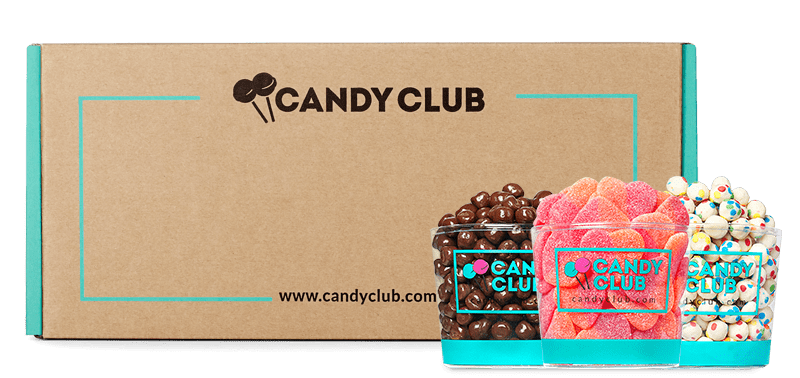
- Corrugated Boxes: Corrugated boxes are one of the most popular e-commerce packaging solutions. These boxes are made of multiple layers of paperboard that provide excellent cushioning and protection during shipment. Corrugated boxes are recyclable and can be customized with various designs and sizes.
- Poly Mailers: Poly mailers are lightweight and durable plastic bags that are ideal for shipping soft goods such as clothing, accessories, and textiles. These bags are waterproof, tear-resistant, and can be customized with various designs and sizes. Poly mailers are also recyclable and can be reused multiple times.
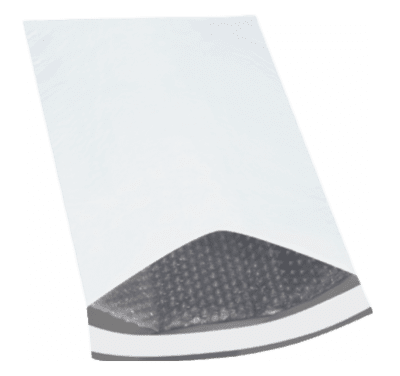
- Bubble Mailers: Bubble mailers are similar to poly mailers but feature an extra layer of bubble wrap padding for added protection. These mailers are ideal for shipping delicate or fragile items such as electronics, glassware, and ceramics. Bubble mailers are recyclable and can be customized with various designs and sizes.
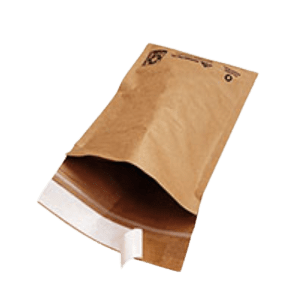
- Padded Envelopes: Padded envelopes are a popular e-commerce packaging solution for shipping small, lightweight items such as jewelry, cosmetics, and stationery. These envelopes are lined with padded material, providing extra cushioning and protection during transit. Padded envelopes come in various sizes and designs, and they are also recyclable
Sustainability in E-commerce Packaging
Sustainability is a critical issue in e-commerce packaging, with consumers increasingly demanding more eco-friendly options from businesses. Here are some ways that businesses can address sustainability in their e-commerce packaging:
- Use of Eco-friendly Materials: Businesses can switch to eco-friendly materials such as recycled paper, cardboard, and biodegradable plastics for their e-commerce packaging. These materials are more environmentally friendly and can help reduce waste.
- Optimal Sizing: Optimal sizing of packaging can help reduce waste and the use of excess materials. Businesses should choose packaging sizes that are appropriate for their products to avoid using unnecessary materials.
- Lightweight Packaging: Lightweight packaging can help reduce the carbon footprint of transportation and shipping. Businesses should choose lightweight packaging solutions that provide adequate protection while using minimal materials.
- Innovative Packaging Designs: Innovative packaging designs can help reduce waste and increase the reusability of packaging. For example, businesses can use packaging that can be repurposed or upcycled, or they can implement reusable packaging solutions such as tote bags.
- Recycling Programs: Recycling programs can help reduce waste and promote sustainability. Many businesses are implementing recycling programs for their packaging materials, allowing customers to recycle their packaging after use.
If you are looking for ecommerce packaging solutions, then partner with Brown Packaging today to get started.
Subscription packaging continues to expand across beauty, food, lifestyle, and specialty products. Buyers must balance branding, protection, and sustainability while keeping fulfillment efficient. This checklist highlights the critical areas buyers should review in 2026 when sourcing or redesigning subscription packaging. Branding and Unboxing Experience Seasonal or rotating graphics to keep unboxing fresh. Premium finishes such as foil, embossing, or unique die-cuts. Easy-open features like tear strips for convenience. Right-Sizing and Efficiency Reduce DIM charges with packaging tailored to product sizes. Use modular designs to cover multiple SKUs with fewer box sizes. Ensure packaging works with automation to speed fulfillment. Protection and Durability Inserts that prevent product shifting during transit. ISTA-tested designs to withstand vibration and drops. Moisture-resistant coatings for temperature-sensitive items. Sustainability Requirements FSC-certified corrugated or recycled substrates. Recyclable coatings or compostable options. Clear sustainability messaging to support consumer expectations. Cost Control SKU rationalization to limit unnecessary box variations. Material selection that balances protection and price. Supplier contracts that secure pricing for seasonal peaks. Packaging Solutions with Brown Packaging Brown Packaging designs subscription packaging that combines branding, protection, and sustainability. From FSC-certified corrugated to custom inserts, our solutions help buyers create packaging that builds loyalty and controls costs in 2026. Contact us to review your subscription packaging program. References Sustainable Packaging Coalition. (2023). Subscription Packaging and Consumer Insights. Retrieved from https://sustainablepackaging.orgForest Stewardship Council (FSC). (2023). FSC Certification Guidelines for Packaging. Retrieved from https://fsc.orgInternational Safe Transit Association (ISTA). (2023). ISTA Testing Procedures for Transport Packaging. Retrieved from https://ista.org (714)300-0650 request@brownpackaging.com Most Recent Posts: Categories: Corrugated Ecommerce ESD Design Display Flexible Packaging Foam Folding Carton Packaging Plastic Packaging Pouch Printing Protection Retail Rigid Box Thermoform Sustainability Subscribe To Our Newsletter By submitting your information, you agree to our terms and conditions and privacy policy. Ecommerce Packaging Facebook Twitter LinkedIn Pinterest Relevant Posts
As budgets tighten in 2026, packaging buyers are under pressure to reduce costs without increasing damage rates. Cutting too aggressively can lead to product loss, higher return rates, and frustrated customers. The key is balancing material use, box design, and supply chain efficiency so that savings do not come at the expense of protection. Where Packaging Costs Add Up Oversized boxes: Drive dimensional weight charges. Excess materials: Overuse of void fill and inserts. Complex SKU mix: Redundant sizes increase inventory costs. Inefficient freight: Poor palletization and stacking. Cost-Saving Strategies That Maintain Protection Right-sizing: Match box size to product dimensions to cut DIM charges and material use. Optimize corrugated grades: Switch to single- or double-wall where appropriate without compromising strength. Consolidate SKUs: Streamline packaging options to reduce inventory overhead. Efficient inserts: Replace foam or excess dunnage with engineered corrugated or molded pulp. Supplier contracts: Negotiate based on annual volumes, not just peak season orders. Testing Before Implementing Changes Use ASTM and ISTA protocols to ensure changes won’t increase product damage. Test for compression, vibration, and drop resistance. Run pilot shipments before scaling across the supply chain. Balancing Sustainability and Cost Eco-friendly doesn’t have to mean expensive: Use recyclable coatings to reduce plastic films. Choose corrugated designs that require less material while maintaining stacking strength. Highlight sustainable solutions in marketing to offset cost concerns. Packaging Solutions with Brown Packaging Brown Packaging helps companies lower costs while protecting products across the supply chain. From SKU rationalization to right-sized corrugated solutions, our team ensures packaging savings don’t compromise performance. Contact us to optimize your packaging program. References Soroka, W. (2009). Fundamentals of Packaging Technology (4th ed.). Institute of Packaging Professionals.ASTM International. (2023). ASTM D4169: Standard Practice for Performance Testing of Shipping Containers and Systems.Sustainable Packaging Coalition. (2023). Packaging Efficiency and Waste Reduction Report. Retrieved from https://sustainablepackaging.org (714)300-0650 request@brownpackaging.com Most Recent Posts: Categories: Corrugated Ecommerce ESD Design Display Flexible Packaging Foam Folding Carton Packaging Plastic Packaging Pouch Printing Protection Retail Rigid Box Thermoform Sustainability Subscribe To Our Newsletter By submitting your information, you agree to our terms and conditions and privacy policy. Custom Packaging Facebook Twitter LinkedIn Pinterest Relevant Posts
Product damage is one of the most expensive risks in packaging. Beyond replacement costs, damaged goods lead to lost sales, returns, and reputational harm. In 2026, complex e-commerce, global shipping, and automation create new challenges for packaging buyers. The right materials, testing, and design strategies are critical to protecting products while controlling costs. Why Damage Prevention Matters Financial losses: Damaged products increase replacement and freight costs. Customer impact: Poor delivery experience reduces loyalty and repeat sales. Sustainability: Returns and waste drive higher carbon footprints. Compliance: Retailers often impose penalties for damaged shipments. Common Causes of Product Damage Compression: Pallet stacking weakens boxes in transit. Vibration and shock: Long-haul shipping increases risk. Moisture exposure: Humidity and rain compromise corrugated performance. Poor right-sizing: Oversized boxes allow product movement inside. Strategies to Reduce Damage in 2026 Right-size packaging: Minimize empty space and movement. Material optimization: Choose the correct corrugated grade for load demands. Protective inserts: Molded pulp or engineered corrugated reduce shock. Moisture-resistant coatings: Defend against water and humidity. Automation-friendly design: Prevent jams that damage products on high-speed lines. Testing Protocols for Damage Prevention ISTA testing: Simulates vibration, drops, and compression. ASTM standards: Validate packaging strength and durability. Pilot shipments: Real-world trials confirm lab results. Packaging Solutions with Brown Packaging Brown Packaging designs solutions that minimize damage across today’s complex supply chains. From right-sized corrugated to ISTA-tested inserts, we help buyers protect products while reducing costs. Contact us to strengthen your packaging program. References ASTM International. (2023). ASTM D4169: Standard Practice for Performance Testing of Shipping Containers and Systems.International Safe Transit Association (ISTA). (2023). ISTA Testing Procedures for Transport Packaging. Retrieved from https://ista.orgSoroka, W. (2009). Fundamentals of Packaging Technology (4th ed.). Institute of Packaging Professionals. (714)300-0650 request@brownpackaging.com Most Recent Posts: Categories: Corrugated Ecommerce ESD Design Display Flexible Packaging Foam Folding Carton Packaging Plastic Packaging Pouch Printing Protection Retail Rigid Box Thermoform Sustainability Subscribe To Our Newsletter By submitting your information, you agree to our terms and conditions and privacy policy. Custom Packaging Facebook Twitter LinkedIn Pinterest Relevant Posts
Retail packaging continues to evolve as brands balance sustainability, supply chain performance, and consumer experience. In 2026, buyers face new challenges shaped by material innovation, compliance requirements, and rising consumer expectations. Understanding these trends helps companies stay competitive while aligning packaging programs with industry standards. Sustainability Becomes Non-Negotiable Greater use of recyclable and compostable substrates. Retailers pushing suppliers toward FSC-certified materials. Minimalist designs that reduce waste without losing impact. Smarter Packaging for Supply Chains Increased adoption of right-sizing to reduce freight costs. Boxes designed for automation and faster fulfillment. Stronger corrugated grades to withstand long e-commerce journeys. Enhanced Consumer Experience Custom graphics for seasonal campaigns and limited editions. Tear strips, resealable closures, and window cutouts for convenience. Premium finishes that elevate gift packaging at retail. Growth of Hybrid Packaging Formats Combining corrugated strength with folding carton graphics. Modular designs for multi-SKU and club store environments. Packaging engineered to serve both e-commerce and in-store needs. Compliance and Testing Standards Retailers demanding ISTA and ASTM testing for packaging durability. Supply chain audits on recyclability and sustainability claims. More pressure for transparent reporting on environmental impact. Retail Packaging Solutions with Brown Packaging Brown Packaging helps brands adapt to evolving retail packaging trends. From sustainable substrates to automation-friendly designs, our solutions balance branding, durability, and compliance for 2026. Contact us to prepare your packaging program for the year ahead. References Forest Stewardship Council (FSC). (2023). FSC Packaging Certification Guidelines. Retrieved from https://fsc.orgSustainable Packaging Coalition. (2023). Packaging Trends and Consumer Insights. Retrieved from https://sustainablepackaging.orgSoroka, W. (2009). Fundamentals of Packaging Technology (4th ed.). Institute of Packaging Professionals. (714)300-0650 request@brownpackaging.com Most Recent Posts: Categories: Corrugated Ecommerce ESD Design Display Flexible Packaging Foam Folding Carton Packaging Plastic Packaging Pouch Printing Protection Retail Rigid Box Thermoform Sustainability Subscribe To Our Newsletter By submitting your information, you agree to our terms and conditions and privacy policy. Custom Packaging Facebook Twitter LinkedIn Pinterest Relevant Posts
Supplier contracts can make or break a packaging program. Without the right terms, buyers risk price volatility, missed lead times, and inconsistent product quality. In 2026, negotiating smart contracts is essential for controlling costs, securing reliable supply, and meeting compliance requirements. Why Packaging Contracts Matter Cost stability: Protects against sudden raw material price spikes. Supply security: Ensures availability during peak demand. Quality control: Aligns suppliers with testing and compliance standards. Operational efficiency: Streamlines purchasing and reduces administrative burden. Key Terms Buyers Should Negotiate Volume commitments: Secure better pricing with accurate forecasts. Price adjustment clauses: Define when and how costs can change. Lead times and delivery windows: Avoid shortages and production delays. Testing and compliance: Require ISTA, ASTM, or FSC certification where applicable. Sustainability commitments: Ensure suppliers align with environmental goals. Risks of Weak Contracts Paying inflated prices during market fluctuations. Receiving inconsistent corrugated strength or print quality. Missed shipments leading to costly expedited freight. Difficulty meeting retailer or regulatory compliance. Best Practices for Buyers in 2026 Leverage data: Use past order history to negotiate realistic volumes. Dual sourcing: Maintain backup suppliers for risk management. Annual reviews: Reassess terms to reflect changes in demand and compliance. Collaborative approach: Treat suppliers as partners, not just vendors. Packaging Solutions with Brown Packaging Brown Packaging helps buyers secure strong supplier contracts that balance cost, quality, and supply chain reliability. Our partnerships and industry expertise ensure your packaging program is protected for 2026 and beyond. Contact us to discuss supplier solutions. References Soroka, W. (2009). Fundamentals of Packaging Technology (4th ed.). Institute of Packaging Professionals.Fiber Box Association. (2024). Corrugated Packaging Market Outlook. Retrieved from https://www.fibrebox.orgSustainable Packaging Coalition. (2023). Supplier Standards for Sustainable Packaging. Retrieved from https://sustainablepackaging.org (714)300-0650 request@brownpackaging.com Most Recent Posts: Categories: Corrugated Ecommerce ESD Design Display Flexible Packaging Foam Folding Carton Packaging Plastic Packaging Pouch Printing Protection Retail Rigid Box Thermoform Sustainability Subscribe To Our Newsletter By submitting your information, you agree to our terms and conditions and privacy policy. Custom Packaging Facebook Twitter LinkedIn Pinterest Relevant Posts
Packaging compliance is no longer optional—it’s a requirement for accessing retail shelves, shipping networks, and international markets. In 2026, buyers must navigate evolving regulations around sustainability, labeling, and testing to avoid costly fines, rejected shipments, or damaged customer relationships. Why Compliance Matters in 2026 Retail requirements: Major retailers demand FSC, ISTA, and sustainability certifications. E-commerce standards: Carriers enforce dimensional weight and package testing rules. Global trade: Export packaging must comply with ISPM 15, ASTM, and ISO guidelines. Consumer trust: Transparency in packaging claims impacts purchasing decisions. Key Compliance Areas for Buyers Material sourcing: FSC-certified corrugated and board for sustainability. Labeling standards: GS1-compliant barcodes and accurate product details. Durability testing: ISTA and ASTM protocols for drop, vibration, and compression. Sustainability regulations: Requirements for recyclable or compostable materials. Chemical restrictions: Compliance with FDA, EU, or state-specific standards. Common Compliance Challenges Keeping up with frequent regulatory changes. Managing multiple certifications across suppliers. Balancing compliance with cost-efficiency. Verifying supplier claims for sustainability. Best Practices for Staying Compliant Audit suppliers annually to confirm certification validity. Run internal packaging tests before scaling. Track regulatory updates for each region you ship to. Work with experienced partners who understand industry compliance. Packaging Solutions with Brown Packaging Brown Packaging helps buyers meet 2026 compliance standards with FSC-certified materials, ISTA-tested designs, and regulatory expertise. Our team ensures your packaging meets retailer, carrier, and sustainability requirements. Contact us to keep your program compliant. References Forest Stewardship Council (FSC). (2023). FSC Certification Guidelines for Packaging. Retrieved from https://fsc.orgInternational Safe Transit Association (ISTA). (2023). ISTA Testing Procedures for Transport Packaging. Retrieved from https://ista.orgGS1. (2024). Global Standards for Packaging and Labeling. Retrieved from https://www.gs1.org (714)300-0650 request@brownpackaging.com Most Recent Posts: Categories: Corrugated Ecommerce ESD Design Display Flexible Packaging Foam Folding Carton Packaging Plastic Packaging Pouch Printing Protection Retail Rigid Box Thermoform Sustainability Subscribe To Our Newsletter By submitting your information, you agree to our terms and conditions and privacy policy. Custom Packaging Facebook Twitter LinkedIn Pinterest Relevant Posts
Home » Exploring the World of E-commerce Packaging: Trends, Sustainability, and Popular Solutions


E-commerce exposes folding cartons to more handling points, longer transit times, and harsher mechanical stresses than traditional retail distribution. Designing for these conditions requires careful material selection, structural reinforcement, and testing to ensure the product arrives intact and presentable. Understanding E-Commerce Transit Hazards Small-parcel shipping subjects cartons to conditions outside typical retail supply chains: Multiple Sorting Touchpoints: Each transfer increases the risk of edge crush and panel denting. High Vibration: Long delivery routes and conveyor systems cause sustained shaking. Compression Loads: Cartons may be stacked under heavier mixed-weight items in transport. Environmental Variability: Temperature and humidity swings in delivery trucks and sorting centers. (ASTM D4169 simulates these hazards for performance testing.) Material Selection CUK (Coated Unbleached Kraft): Higher tear and puncture resistance, ideal for heavier or rigid products. High-Caliper SBS: Provides a smooth print surface while increasing crush resistance. Poly-Coated or Moisture-Barrier Boards: Essential for humid climates or cold-chain shipments. Tip: Avoid over-specifying — choose the lightest grade that meets drop, compression, and vibration requirements. Structural Reinforcements Full Seal End (FSE): Seals both ends for maximum tamper resistance and panel rigidity. Auto Bottom: Improves stacking strength while enabling faster manual packing. Reinforced Glue Flaps: Wider flaps or added tear-resistant tape in high-stress zones. Double-Panel Sides: Layering board at impact-prone edges to reduce corner crushing. Coatings and Finishes Scuff-Resistant Varnish: Maintains appearance after multiple handling points. Water-Resistant Coatings: Prevent fiber swelling from rain or condensation. Matte Finishes: Reduce visible wear compared to high gloss in transit. Testing and Validation Drop Tests: Simulate handling from waist height at multiple orientations. Vibration Testing: Identify structural weaknesses under sustained shaking (ASTM D4728). Compression Tests: Ensure cartons can withstand stacking in mixed-weight loads (TAPPI T804). Environmental Conditioning: Test under humidity and temperature extremes before market launch. Cost–Performance Balance Over-engineering increases per-unit cost and shipping weight. The most durable e-commerce cartons balance material and style to meet ISTA or ASTM testing requirements without exceeding budget targets. References ASTM International. (2016). ASTM D4169-16: Standard practice for performance testing of shipping containers and systems. ASTM International. https://doi.org/10.1520/D4169-16ASTM International. (2016). ASTM D4728-06(2016): Random vibration testing of shipping containers. ASTM International. https://doi.org/10.1520/D4728-06R16TAPPI. (2017). T 804: Compression test of fiberboard shipping containers. TAPPI Press.Soroka, W. (2014). Fundamentals of packaging technology (5th ed.). Institute of Packaging Professionals. ISBN: 978-1-930268-37-2Twede, D., & Goddard, R. (2021). Cartons, crates and corrugated board: Handbook of paper and wood packaging technology (2nd ed.). DEStech Publications. ISBN: 978-1-60595-120-5 (714)300-0650 request@brownpackaging.com Most Recent Posts: Categories: Corrugated Ecommerce ESD Design Display Flexible Packaging Foam Folding Carton Packaging Plastic Packaging Pouch Printing Protection Retail Rigid Box Thermoform Sustainability Subscribe To Our Newsletter By submitting your information, you agree to our terms and conditions and privacy policy. Folding Cartons Facebook Twitter LinkedIn Pinterest Relevant Posts

In the world of e-commerce, packaging is much more than just protection for your products. It has evolved into a vital marketing asset that helps build brand recognition, enhance customer experiences, and drive brand loyalty. Here are key ways businesses can leverage e-commerce packaging to serve as an effective marketing tool: Create a Memorable Unboxing Experience The unboxing experience is the first physical interaction customers have with your brand. A well-crafted unboxing experience leaves a lasting impression and can turn one-time buyers into loyal customers. Brands can design their packaging to be visually engaging and reflective of their brand identity. This could include using branded materials, premium finishes, or even adding personalized touches, such as custom messages or small gifts. By designing packaging with the customer experience in mind, businesses can foster a deeper emotional connection with their customers, leading to brand loyalty and increased customer retention. Encourage Social Sharing Packaging that is visually appealing or creatively designed encourages customers to share their unboxing experience on social media. A simple, visually striking box or innovative design can easily prompt a customer to share their experience with friends and followers. Social sharing acts as word-of-mouth marketing and provides free promotion, helping your brand reach a wider audience. To amplify social sharing, include your brand’s social media handles and encourage the use of a branded hashtag. Providing customers with an incentive, such as a discount or a feature on your social pages, can further boost engagement and increase your brand’s visibility. Highlight Sustainability Efforts Sustainability is becoming a key concern for modern consumers, and packaging is an excellent space to showcase your eco-friendly practices. Using recyclable or biodegradable materials and clearly communicating your sustainability efforts can help build trust with environmentally conscious customers. Including a brief message about the eco-friendliness of your packaging shows that your brand is committed to reducing its environmental impact. Emphasizing sustainability in packaging can also influence purchase decisions. Consumers are more likely to support brands that align with their values, and environmentally friendly packaging can give your business a competitive edge. Promote Cross-Selling and Repeat Purchases E-commerce packaging is an ideal platform to promote other products and encourage repeat business. By including promotional materials like flyers, coupons, or special discount codes in your packaging, you can drive customers to explore more of your product offerings. Cross-selling is a powerful strategy to increase the average order value and introduce customers to complementary products. Additionally, including discount vouchers or loyalty incentives for future purchases can boost customer retention and repeat sales. Packaging inserts provide an easy and cost-effective way to engage customers and encourage long-term brand loyalty. Personalize the Packaging Experience Personalized packaging creates a unique and memorable experience for customers, helping to foster stronger brand connections. Personal touches like thank-you notes, custom inserts, or packaging that includes the customer’s name make the experience feel special and tailored. Personalization shows customers that your brand values them, and this extra attention can lead to higher customer satisfaction and brand advocacy. A personalized packaging experience can also create differentiation in the market. Small businesses, in particular, can use personalized packaging to compete with larger brands by delivering a more intimate, customer-focused experience. Integrate QR Codes and Augmented Reality Integrating technology into packaging, such as QR codes or augmented reality (AR), offers a unique way to engage customers beyond the physical product. QR codes can lead customers to a landing page with additional product information, video tutorials, or even personalized thank-you messages. AR can allow customers to interact with your brand in new ways, from virtual product demonstrations to digital storytelling. By using technology in your packaging, you not only enhance the customer experience but also provide valuable post-purchase engagement. Interactive packaging can turn the act of receiving a package into an opportunity for deeper brand immersion. Use Packaging as a Storytelling Tool Packaging can be an effective medium for telling your brand’s story. Whether you’re highlighting the origin of your product, sharing your mission, or explaining the craftsmanship behind your brand, packaging offers the perfect canvas for these narratives. Packaging that conveys your values and the story behind your products helps to humanize your brand, making it more relatable and authentic to customers. By leveraging storytelling in your packaging, you create a connection with your customers that goes beyond the product itself. This helps in building emotional ties with your audience, increasing customer loyalty and advocacy. Conclusion E-commerce packaging is no longer just about protecting the product during shipping. It has become a critical marketing tool that can enhance customer experiences, build brand loyalty, and drive sales. By focusing on memorable unboxing experiences, sustainability, personalization, and interactive elements, businesses can turn their packaging into a powerful extension of their brand and a key factor in their marketing strategy. (714)300-0650 request@brownpackaging.com Most Recent Posts: Categories: Corrugated Ecommerce ESD Design Display Flexible Packaging Foam Folding Carton Packaging Plastic Packaging Pouch Printing Protection Retail Rigid Box Thermoform Sustainability Subscribe To Our Newsletter By submitting your information, you agree to our terms and conditions and privacy policy. Ecommerce Packaging Facebook Twitter LinkedIn Pinterest Relevant Posts

In the world of e-commerce, packaging is much more than just protection for your products. It has evolved into a vital marketing asset that helps build brand recognition, enhance customer experiences, and drive brand loyalty. Here are key ways businesses can leverage e-commerce packaging to serve as an effective marketing tool: Create a Memorable Unboxing Experience The unboxing experience is the first physical interaction customers have with your brand. A well-crafted unboxing experience leaves a lasting impression and can turn one-time buyers into loyal customers. Brands can design their packaging to be visually engaging and reflective of their brand identity. This could include using branded materials, premium finishes, or even adding personalized touches, such as custom messages or small gifts. By designing packaging with the customer experience in mind, businesses can foster a deeper emotional connection with their customers, leading to brand loyalty and increased customer retention. Encourage Social Sharing Packaging that is visually appealing or creatively designed encourages customers to share their unboxing experience on social media. A simple, visually striking box or innovative design can easily prompt a customer to share their experience with friends and followers. Social sharing acts as word-of-mouth marketing and provides free promotion, helping your brand reach a wider audience. To amplify social sharing, include your brand’s social media handles and encourage the use of a branded hashtag. Providing customers with an incentive, such as a discount or a feature on your social pages, can further boost engagement and increase your brand’s visibility. Highlight Sustainability Efforts Sustainability is becoming a key concern for modern consumers, and packaging is an excellent space to showcase your eco-friendly practices. Using recyclable or biodegradable materials and clearly communicating your sustainability efforts can help build trust with environmentally conscious customers. Including a brief message about the eco-friendliness of your packaging shows that your brand is committed to reducing its environmental impact. Emphasizing sustainability in packaging can also influence purchase decisions. Consumers are more likely to support brands that align with their values, and environmentally friendly packaging can give your business a competitive edge. Promote Cross-Selling and Repeat Purchases E-commerce packaging is an ideal platform to promote other products and encourage repeat business. By including promotional materials like flyers, coupons, or special discount codes in your packaging, you can drive customers to explore more of your product offerings. Cross-selling is a powerful strategy to increase the average order value and introduce customers to complementary products. Additionally, including discount vouchers or loyalty incentives for future purchases can boost customer retention and repeat sales. Packaging inserts provide an easy and cost-effective way to engage customers and encourage long-term brand loyalty. Personalize the Packaging Experience Personalized packaging creates a unique and memorable experience for customers, helping to foster stronger brand connections. Personal touches like thank-you notes, custom inserts, or packaging that includes the customer’s name make the experience feel special and tailored. Personalization shows customers that your brand values them, and this extra attention can lead to higher customer satisfaction and brand advocacy. A personalized packaging experience can also create differentiation in the market. Small businesses, in particular, can use personalized packaging to compete with larger brands by delivering a more intimate, customer-focused experience. Integrate QR Codes and Augmented Reality Integrating technology into packaging, such as QR codes or augmented reality (AR), offers a unique way to engage customers beyond the physical product. QR codes can lead customers to a landing page with additional product information, video tutorials, or even personalized thank-you messages. AR can allow customers to interact with your brand in new ways, from virtual product demonstrations to digital storytelling. By using technology in your packaging, you not only enhance the customer experience but also provide valuable post-purchase engagement. Interactive packaging can turn the act of receiving a package into an opportunity for deeper brand immersion. Use Packaging as a Storytelling Tool Packaging can be an effective medium for telling your brand’s story. Whether you’re highlighting the origin of your product, sharing your mission, or explaining the craftsmanship behind your brand, packaging offers the perfect canvas for these narratives. Packaging that conveys your values and the story behind your products helps to humanize your brand, making it more relatable and authentic to customers. By leveraging storytelling in your packaging, you create a connection with your customers that goes beyond the product itself. This helps in building emotional ties with your audience, increasing customer loyalty and advocacy. Conclusion E-commerce packaging is no longer just about protecting the product during shipping. It has become a critical marketing tool that can enhance customer experiences, build brand loyalty, and drive sales. By focusing on memorable unboxing experiences, sustainability, personalization, and interactive elements, businesses can turn their packaging into a powerful extension of their brand and a key factor in their marketing strategy. If you are interested in leveraging your ecommerce packaging with the right solutions, then partner with Brown Packaging today to get started. (714)300-0650 request@brownpackaging.com Most Recent Posts: Categories: Corrugated Ecommerce ESD Design Display Flexible Packaging Foam Folding Carton Packaging Plastic Packaging Pouch Printing Protection Retail Rigid Box Thermoform Sustainability Subscribe To Our Newsletter By submitting your information, you agree to our terms and conditions and privacy policy. Ecommerce Packaging Facebook Twitter LinkedIn Pinterest Relevant Posts