Home » Edge Crush Testing: Corrugated Packaging Strength and Durability
Edge Crush Testing: Corrugated Packaging Strength and Durability

Packaging plays a crucial role in protecting products during transportation and handling. However, not all packaging materials, such as corrugated are created equal, and choosing the wrong materials can lead to damaged or lost products. That’s why testing the strength and durability of packaging materials is crucial to the packaging industry.
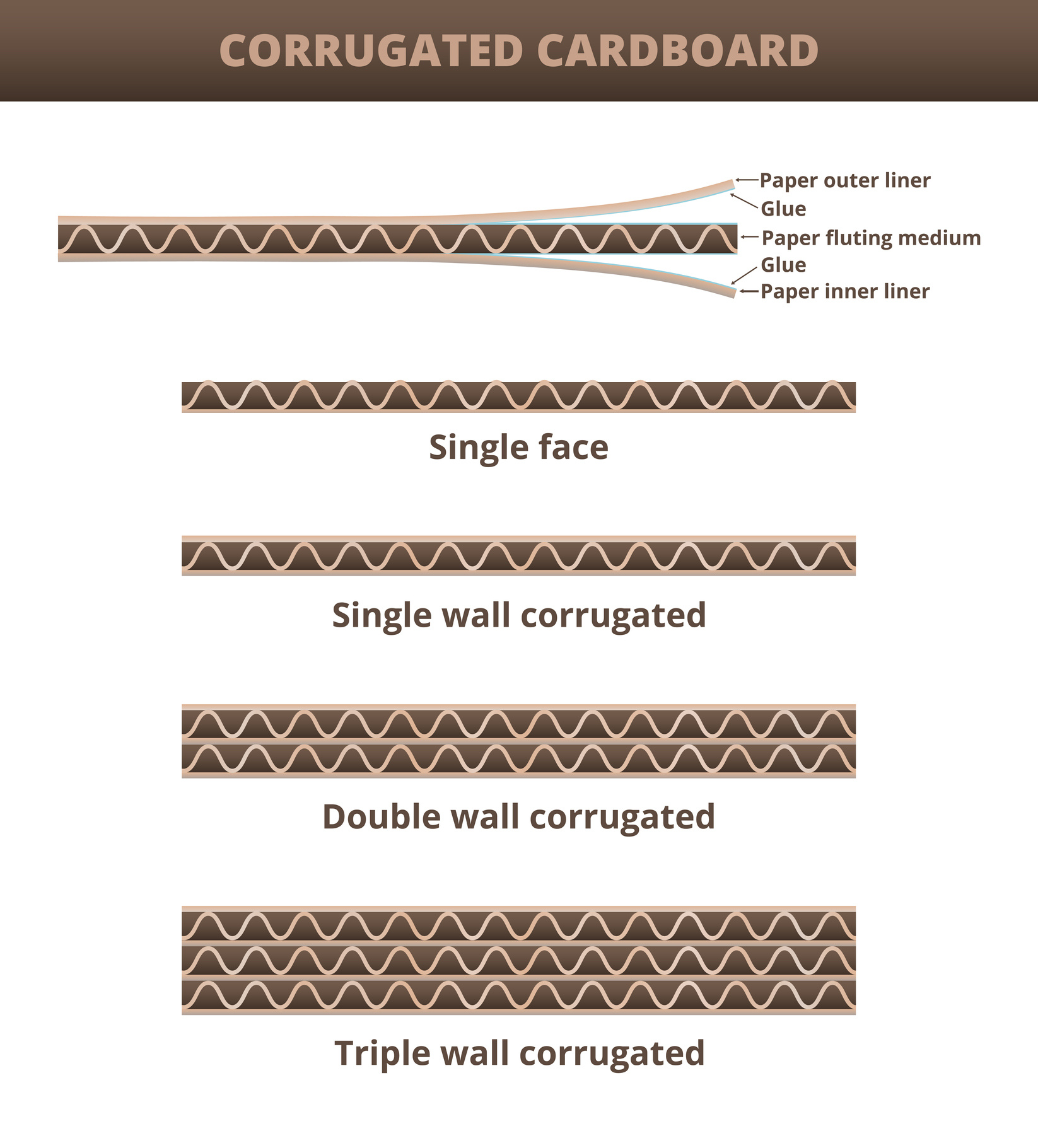
Edge crush testing are processes that measure the strength and durability of packaging materials, particularly corrugated boxes. Corrugated boxes are made of a fluted sheet sandwiched between two flat sheets of paper and are commonly used for shipping and storing products. The strength of the corrugated box depends on the number and size of the flutes, as well as the quality of the paper used.
Corrugated Strength and Durability
The strength and resistance of corrugated board is determined by the maximum force that the board can withstand before collapsing, known as the compression strength. These board consists of a fluted sheet sandwiched between two flat sheets of paper, providing cushioning and support. Various types of flutes, such as A, B, C, E, F, and N flutes, offer durability and cushioning options for manufacturers to choose from.
Edge Crush Testing
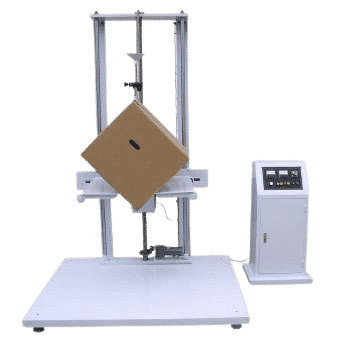
Edge crush testing evaluates the edge crush resistance of corrugated board. It measures the board’s ability to withstand pressure along its edges without collapsing. As the edges of corrugated boxes are often the weakest points, measuring edge crush resistance is crucial. The testing procedure involves compressing a sample of corrugated board between two plates until it fails. The results are expressed in pounds per inch (PPI) or kilonewtons per meter (kN/m).
The Importance of Corrugated and Edge Crush Testing
Corrugated and edge crush testing are essential for several reasons. They help manufacturers and distributors choose the right packaging materials based on the fragility, weight, and dimensions of their products. By conducting these tests, businesses can ensure that their packaging materials can withstand the rigors of transportation and handling, reducing the risk of damage or loss. Additionally, meeting industry standards and regulations is crucial, and these tests help ensure compliance.
To determine the appropriate packaging material strength, factors such as product weight, dimensions, and fragility should be considered. For example, a small, lightweight product with low fragility may require an Edge Crush Test (ECT) rating of 23 or higher. On the other hand, a large, heavy product with high fragility may require an ECT rating of 44 or higher. The chart below illustrates some general recommendations for product weight, dimensions, fragility, and the required ECT rating:
Corrugated Board Strength Equivalencies: Single Wall Corrugated
Corrugated Board Strength Equivalencies: Double Wall Corrugated
** Please note that the additional factors such as dimensions and fragility are general descriptors and may vary depending on the specific product being packaged. It is essential to consider these factors in conjunction with the weight and consult with a packaging expert to determine the appropriate ECT rating for your specific product and shipping needs.**
Benefits of Corrugated and Edge Crush Testing
The benefits of corrugated and edge crush testing extend beyond ensuring product safety during transportation. By using the appropriate packaging materials based on the results of these tests, manufacturers and distributors can experience several advantages.
- Cost Savings: Selecting the right packaging materials reduces the risk of damage or loss during transit, saving businesses costs associated with product replacement, shipping, and customer service.
- Enhanced Product Quality: Using packaging materials that have been tested for strength and durability ensures that products arrive in good condition, enhancing the overall product quality and customer satisfaction.
- Environmental Impact Reduction: Choosing materials that are strong and durable helps minimize waste generation and reduce the environmental impact of packaging operations.
- Brand Image Enhancement: Packaging materials that effectively protect products and deliver them in pristine condition contribute to positive customer experiences, repeat business, and a strong brand image.
Future of Corrugated and Edge Crush Testing
As technology continues to advance, we can expect improvements in the methods and equipment used for corrugated and edge crush testing. These advancements may include enhanced accuracy, faster testing processes, and the ability to test a broader range of materials. The continuous improvement of testing methods will further enhance the reliability and efficiency of these tests, benefiting the packaging industry as a whole.
If you are interested in corrugated packaging that meets your desired edge crush ratings, then partner with Brown Packaging today to get started.
Subscription packaging continues to expand across beauty, food, lifestyle, and specialty products. Buyers must balance branding, protection, and sustainability while keeping fulfillment efficient. This checklist highlights the critical areas buyers should review in 2026 when sourcing or redesigning subscription packaging. Branding and Unboxing Experience Seasonal or rotating graphics to keep unboxing fresh. Premium finishes such as foil, embossing, or unique die-cuts. Easy-open features like tear strips for convenience. Right-Sizing and Efficiency Reduce DIM charges with packaging tailored to product sizes. Use modular designs to cover multiple SKUs with fewer box sizes. Ensure packaging works with automation to speed fulfillment. Protection and Durability Inserts that prevent product shifting during transit. ISTA-tested designs to withstand vibration and drops. Moisture-resistant coatings for temperature-sensitive items. Sustainability Requirements FSC-certified corrugated or recycled substrates. Recyclable coatings or compostable options. Clear sustainability messaging to support consumer expectations. Cost Control SKU rationalization to limit unnecessary box variations. Material selection that balances protection and price. Supplier contracts that secure pricing for seasonal peaks. Packaging Solutions with Brown Packaging Brown Packaging designs subscription packaging that combines branding, protection, and sustainability. From FSC-certified corrugated to custom inserts, our solutions help buyers create packaging that builds loyalty and controls costs in 2026. Contact us to review your subscription packaging program. References Sustainable Packaging Coalition. (2023). Subscription Packaging and Consumer Insights. Retrieved from https://sustainablepackaging.orgForest Stewardship Council (FSC). (2023). FSC Certification Guidelines for Packaging. Retrieved from https://fsc.orgInternational Safe Transit Association (ISTA). (2023). ISTA Testing Procedures for Transport Packaging. Retrieved from https://ista.org (714)300-0650 request@brownpackaging.com Most Recent Posts: Categories: Corrugated Ecommerce ESD Design Display Flexible Packaging Foam Folding Carton Packaging Plastic Packaging Pouch Printing Protection Retail Rigid Box Thermoform Sustainability Subscribe To Our Newsletter By submitting your information, you agree to our terms and conditions and privacy policy. Ecommerce Packaging Facebook Twitter LinkedIn Pinterest Relevant Posts
As budgets tighten in 2026, packaging buyers are under pressure to reduce costs without increasing damage rates. Cutting too aggressively can lead to product loss, higher return rates, and frustrated customers. The key is balancing material use, box design, and supply chain efficiency so that savings do not come at the expense of protection. Where Packaging Costs Add Up Oversized boxes: Drive dimensional weight charges. Excess materials: Overuse of void fill and inserts. Complex SKU mix: Redundant sizes increase inventory costs. Inefficient freight: Poor palletization and stacking. Cost-Saving Strategies That Maintain Protection Right-sizing: Match box size to product dimensions to cut DIM charges and material use. Optimize corrugated grades: Switch to single- or double-wall where appropriate without compromising strength. Consolidate SKUs: Streamline packaging options to reduce inventory overhead. Efficient inserts: Replace foam or excess dunnage with engineered corrugated or molded pulp. Supplier contracts: Negotiate based on annual volumes, not just peak season orders. Testing Before Implementing Changes Use ASTM and ISTA protocols to ensure changes won’t increase product damage. Test for compression, vibration, and drop resistance. Run pilot shipments before scaling across the supply chain. Balancing Sustainability and Cost Eco-friendly doesn’t have to mean expensive: Use recyclable coatings to reduce plastic films. Choose corrugated designs that require less material while maintaining stacking strength. Highlight sustainable solutions in marketing to offset cost concerns. Packaging Solutions with Brown Packaging Brown Packaging helps companies lower costs while protecting products across the supply chain. From SKU rationalization to right-sized corrugated solutions, our team ensures packaging savings don’t compromise performance. Contact us to optimize your packaging program. References Soroka, W. (2009). Fundamentals of Packaging Technology (4th ed.). Institute of Packaging Professionals.ASTM International. (2023). ASTM D4169: Standard Practice for Performance Testing of Shipping Containers and Systems.Sustainable Packaging Coalition. (2023). Packaging Efficiency and Waste Reduction Report. Retrieved from https://sustainablepackaging.org (714)300-0650 request@brownpackaging.com Most Recent Posts: Categories: Corrugated Ecommerce ESD Design Display Flexible Packaging Foam Folding Carton Packaging Plastic Packaging Pouch Printing Protection Retail Rigid Box Thermoform Sustainability Subscribe To Our Newsletter By submitting your information, you agree to our terms and conditions and privacy policy. Custom Packaging Facebook Twitter LinkedIn Pinterest Relevant Posts
Product damage is one of the most expensive risks in packaging. Beyond replacement costs, damaged goods lead to lost sales, returns, and reputational harm. In 2026, complex e-commerce, global shipping, and automation create new challenges for packaging buyers. The right materials, testing, and design strategies are critical to protecting products while controlling costs. Why Damage Prevention Matters Financial losses: Damaged products increase replacement and freight costs. Customer impact: Poor delivery experience reduces loyalty and repeat sales. Sustainability: Returns and waste drive higher carbon footprints. Compliance: Retailers often impose penalties for damaged shipments. Common Causes of Product Damage Compression: Pallet stacking weakens boxes in transit. Vibration and shock: Long-haul shipping increases risk. Moisture exposure: Humidity and rain compromise corrugated performance. Poor right-sizing: Oversized boxes allow product movement inside. Strategies to Reduce Damage in 2026 Right-size packaging: Minimize empty space and movement. Material optimization: Choose the correct corrugated grade for load demands. Protective inserts: Molded pulp or engineered corrugated reduce shock. Moisture-resistant coatings: Defend against water and humidity. Automation-friendly design: Prevent jams that damage products on high-speed lines. Testing Protocols for Damage Prevention ISTA testing: Simulates vibration, drops, and compression. ASTM standards: Validate packaging strength and durability. Pilot shipments: Real-world trials confirm lab results. Packaging Solutions with Brown Packaging Brown Packaging designs solutions that minimize damage across today’s complex supply chains. From right-sized corrugated to ISTA-tested inserts, we help buyers protect products while reducing costs. Contact us to strengthen your packaging program. References ASTM International. (2023). ASTM D4169: Standard Practice for Performance Testing of Shipping Containers and Systems.International Safe Transit Association (ISTA). (2023). ISTA Testing Procedures for Transport Packaging. Retrieved from https://ista.orgSoroka, W. (2009). Fundamentals of Packaging Technology (4th ed.). Institute of Packaging Professionals. (714)300-0650 request@brownpackaging.com Most Recent Posts: Categories: Corrugated Ecommerce ESD Design Display Flexible Packaging Foam Folding Carton Packaging Plastic Packaging Pouch Printing Protection Retail Rigid Box Thermoform Sustainability Subscribe To Our Newsletter By submitting your information, you agree to our terms and conditions and privacy policy. Custom Packaging Facebook Twitter LinkedIn Pinterest Relevant Posts
Retail packaging continues to evolve as brands balance sustainability, supply chain performance, and consumer experience. In 2026, buyers face new challenges shaped by material innovation, compliance requirements, and rising consumer expectations. Understanding these trends helps companies stay competitive while aligning packaging programs with industry standards. Sustainability Becomes Non-Negotiable Greater use of recyclable and compostable substrates. Retailers pushing suppliers toward FSC-certified materials. Minimalist designs that reduce waste without losing impact. Smarter Packaging for Supply Chains Increased adoption of right-sizing to reduce freight costs. Boxes designed for automation and faster fulfillment. Stronger corrugated grades to withstand long e-commerce journeys. Enhanced Consumer Experience Custom graphics for seasonal campaigns and limited editions. Tear strips, resealable closures, and window cutouts for convenience. Premium finishes that elevate gift packaging at retail. Growth of Hybrid Packaging Formats Combining corrugated strength with folding carton graphics. Modular designs for multi-SKU and club store environments. Packaging engineered to serve both e-commerce and in-store needs. Compliance and Testing Standards Retailers demanding ISTA and ASTM testing for packaging durability. Supply chain audits on recyclability and sustainability claims. More pressure for transparent reporting on environmental impact. Retail Packaging Solutions with Brown Packaging Brown Packaging helps brands adapt to evolving retail packaging trends. From sustainable substrates to automation-friendly designs, our solutions balance branding, durability, and compliance for 2026. Contact us to prepare your packaging program for the year ahead. References Forest Stewardship Council (FSC). (2023). FSC Packaging Certification Guidelines. Retrieved from https://fsc.orgSustainable Packaging Coalition. (2023). Packaging Trends and Consumer Insights. Retrieved from https://sustainablepackaging.orgSoroka, W. (2009). Fundamentals of Packaging Technology (4th ed.). Institute of Packaging Professionals. (714)300-0650 request@brownpackaging.com Most Recent Posts: Categories: Corrugated Ecommerce ESD Design Display Flexible Packaging Foam Folding Carton Packaging Plastic Packaging Pouch Printing Protection Retail Rigid Box Thermoform Sustainability Subscribe To Our Newsletter By submitting your information, you agree to our terms and conditions and privacy policy. Custom Packaging Facebook Twitter LinkedIn Pinterest Relevant Posts
Supplier contracts can make or break a packaging program. Without the right terms, buyers risk price volatility, missed lead times, and inconsistent product quality. In 2026, negotiating smart contracts is essential for controlling costs, securing reliable supply, and meeting compliance requirements. Why Packaging Contracts Matter Cost stability: Protects against sudden raw material price spikes. Supply security: Ensures availability during peak demand. Quality control: Aligns suppliers with testing and compliance standards. Operational efficiency: Streamlines purchasing and reduces administrative burden. Key Terms Buyers Should Negotiate Volume commitments: Secure better pricing with accurate forecasts. Price adjustment clauses: Define when and how costs can change. Lead times and delivery windows: Avoid shortages and production delays. Testing and compliance: Require ISTA, ASTM, or FSC certification where applicable. Sustainability commitments: Ensure suppliers align with environmental goals. Risks of Weak Contracts Paying inflated prices during market fluctuations. Receiving inconsistent corrugated strength or print quality. Missed shipments leading to costly expedited freight. Difficulty meeting retailer or regulatory compliance. Best Practices for Buyers in 2026 Leverage data: Use past order history to negotiate realistic volumes. Dual sourcing: Maintain backup suppliers for risk management. Annual reviews: Reassess terms to reflect changes in demand and compliance. Collaborative approach: Treat suppliers as partners, not just vendors. Packaging Solutions with Brown Packaging Brown Packaging helps buyers secure strong supplier contracts that balance cost, quality, and supply chain reliability. Our partnerships and industry expertise ensure your packaging program is protected for 2026 and beyond. Contact us to discuss supplier solutions. References Soroka, W. (2009). Fundamentals of Packaging Technology (4th ed.). Institute of Packaging Professionals.Fiber Box Association. (2024). Corrugated Packaging Market Outlook. Retrieved from https://www.fibrebox.orgSustainable Packaging Coalition. (2023). Supplier Standards for Sustainable Packaging. Retrieved from https://sustainablepackaging.org (714)300-0650 request@brownpackaging.com Most Recent Posts: Categories: Corrugated Ecommerce ESD Design Display Flexible Packaging Foam Folding Carton Packaging Plastic Packaging Pouch Printing Protection Retail Rigid Box Thermoform Sustainability Subscribe To Our Newsletter By submitting your information, you agree to our terms and conditions and privacy policy. Custom Packaging Facebook Twitter LinkedIn Pinterest Relevant Posts
Packaging compliance is no longer optional—it’s a requirement for accessing retail shelves, shipping networks, and international markets. In 2026, buyers must navigate evolving regulations around sustainability, labeling, and testing to avoid costly fines, rejected shipments, or damaged customer relationships. Why Compliance Matters in 2026 Retail requirements: Major retailers demand FSC, ISTA, and sustainability certifications. E-commerce standards: Carriers enforce dimensional weight and package testing rules. Global trade: Export packaging must comply with ISPM 15, ASTM, and ISO guidelines. Consumer trust: Transparency in packaging claims impacts purchasing decisions. Key Compliance Areas for Buyers Material sourcing: FSC-certified corrugated and board for sustainability. Labeling standards: GS1-compliant barcodes and accurate product details. Durability testing: ISTA and ASTM protocols for drop, vibration, and compression. Sustainability regulations: Requirements for recyclable or compostable materials. Chemical restrictions: Compliance with FDA, EU, or state-specific standards. Common Compliance Challenges Keeping up with frequent regulatory changes. Managing multiple certifications across suppliers. Balancing compliance with cost-efficiency. Verifying supplier claims for sustainability. Best Practices for Staying Compliant Audit suppliers annually to confirm certification validity. Run internal packaging tests before scaling. Track regulatory updates for each region you ship to. Work with experienced partners who understand industry compliance. Packaging Solutions with Brown Packaging Brown Packaging helps buyers meet 2026 compliance standards with FSC-certified materials, ISTA-tested designs, and regulatory expertise. Our team ensures your packaging meets retailer, carrier, and sustainability requirements. Contact us to keep your program compliant. References Forest Stewardship Council (FSC). (2023). FSC Certification Guidelines for Packaging. Retrieved from https://fsc.orgInternational Safe Transit Association (ISTA). (2023). ISTA Testing Procedures for Transport Packaging. Retrieved from https://ista.orgGS1. (2024). Global Standards for Packaging and Labeling. Retrieved from https://www.gs1.org (714)300-0650 request@brownpackaging.com Most Recent Posts: Categories: Corrugated Ecommerce ESD Design Display Flexible Packaging Foam Folding Carton Packaging Plastic Packaging Pouch Printing Protection Retail Rigid Box Thermoform Sustainability Subscribe To Our Newsletter By submitting your information, you agree to our terms and conditions and privacy policy. Custom Packaging Facebook Twitter LinkedIn Pinterest Relevant Posts
Home » Edge Crush Testing: Corrugated Packaging Strength and Durability

Custom corrugated boxes are a staple in the packaging industry, serving as a reliable means to protect and present various products. The cost of these boxes can vary significantly based on several factors. Understanding what influences the cost of custom corrugated boxes is crucial for businesses looking to strike a balance between quality and budget. Box Size and Dimensions The size and dimensions of custom corrugated boxes are perhaps the most fundamental factors affecting their cost. Larger boxes generally require more raw material (corrugated cardboard) and manufacturing time, resulting in higher costs. Conversely, smaller boxes are typically more affordable. Box Style and Complexity The style and complexity of the box design can greatly influence its cost. Custom boxes come in various styles, including regular slotted containers (RSC), tuck-top boxes, mailer boxes, and more. Intricate box designs with multiple flaps, unique openings, or custom die-cut shapes require specialized manufacturing processes and are usually more expensive than standard box styles. Material Quality The type and quality of corrugated material used play a significant role in determining box cost. Corrugated cardboard comes in different grades, with single-wall, double-wall, and triple-wall being common options. Higher-quality, thicker material provides better structural integrity and protection but comes at a higher cost compared to thinner alternatives. Printing and Customization Customization options such as printing, branding, and special finishes can add to the cost of corrugated boxes. Full-color printing, embossing, foil stamping, and matte or gloss finishes all require additional processes and materials, making the boxes more expensive. However, these customization features can enhance the visual appeal and branding of the product. Quantity and Order Volume The quantity of custom corrugated boxes ordered has a direct impact on the cost per unit. Generally, ordering in larger quantities can lower the per-box cost due to economies of scale. Smaller orders, on the other hand, may incur higher unit costs as they are less efficient to produce. Lead Time and Rush Orders The lead time or turnaround time for custom box production can also influence costs. Rush orders often come with premium pricing because they require expedited production, potentially causing disruptions to the manufacturer’s regular schedule. Planning well in advance and avoiding rush orders can help keep costs down. Special Features and Add-Ons If you require special features or add-ons like handles, windows, or inserts within the corrugated boxes, be prepared for additional expenses. These features require extra materials, labor, and manufacturing time, contributing to higher costs. Shipping and Handling Requirements Consider the logistics and shipping requirements when calculating the overall cost of custom corrugated boxes. If your products need extra protection during transit, you might require additional inserts, padding, or even double-boxing, all of which can increase the total cost. Environmental Considerations As environmental awareness grows, more businesses are opting for eco-friendly packaging solutions. While sustainable materials and designs can contribute to higher upfront costs, they may attract eco-conscious consumers and reduce long-term environmental impact. If you are looking for cost effective stock or custom corrugated boxes, then partner with Brown Packaging today to get started. (714)300-0650 request@brownpackaging.com Most Recent Posts: Categories: Corrugated Ecommerce ESD Design Display Flexible Packaging Foam Folding Carton Packaging Plastic Packaging Pouch Printing Protection Retail Rigid Box Thermoform Sustainability Subscribe To Our Newsletter By submitting your information, you agree to our terms and conditions and privacy policy. Stock Corrugated Facebook Twitter LinkedIn Pinterest Relevant Posts

Custom corrugated boxes, owing to their versatility, durability, and eco-friendliness, have become a crucial tool for businesses seeking to maximize their packaging appeal. In today’s competitive market, where every detail counts, a bespoke print on your corrugated box can be the differentiating factor that elevates your brand above the rest. Understanding Corrugated Boxes Before diving into the printing methods, let’s understand the foundation – the corrugated box itself. Crafted from corrugated cardboard which consists of a fluted layer nestled between two flat liners, these boxes are renowned for their strength. This unique structure not only ensures product safety but also provides an optimal surface for various print methods. The Case for Custom Printing So, why should one invest in custom printing? Beyond the obvious aesthetic appeal, custom printed boxes offer functional advantages. They facilitate smoother inventory management, as labels and prints assist in quick content identification. Additionally, a custom design brings a touch of professionalism, subtly signaling to clients and partners that you care about every aspect of your business, down to the boxes you use. And let’s not forget promotion; the surface of your box can be a canvas for marketing messages or spotlight promotions. Flexographic Printing Flexographic printing, often compared to traditional letterpress printing, stands out for its adaptability to print on a wide range of substrates. This method uses flexible relief plates that transfer ink onto the box’s surface. When you have large-volume orders but wish to keep costs in check, flexographic printing offers a reliable solution. Its strength lies in producing large batches efficiently, and the prints dry relatively quickly. Digital Printing Evocative of the common home inkjet printers but on a much grander scale, digital printing promises precision. Perfect for businesses looking to place smaller orders or those desiring intricately detailed graphics, this method doesn’t necessitate printing plates, enabling quicker turnaround times. The real allure of digital printing, however, is its impeccable accuracy, ensuring each design is replicated to perfection. Litho Laminating and Single Face Printing Litho laminating is akin to artistry in the world of box printing. Here, a high-resolution printed paper sheet (the litho label) gets glued meticulously onto the corrugated material. It’s the go-to for businesses keen on delivering a retail experience that speaks of luxury and attention to detail. The resultant boxes often have a glossy, upscale appearance. Spot UV Printing A technique that’s both subtle and impactful, Spot UV printing introduces a tactile dimension to box printing. Specific areas are cured using UV light, giving them a glossy, raised appearance. This is not just about aesthetics; it’s a sensory experience, making logos or particular design features truly pop. Green Printing The print industry has been conscious of its environmental footprint, leading to the emergence of eco-friendly inks and coatings. Water-based inks, for instance, have become popular as they are significantly less harmful than their solvent-based counterparts. UV-curable inks are also gaining traction for being free from volatile organic compounds (VOCs). Biodegradable coatings, on the other hand, ensure that the environment doesn’t pay the price for our aesthetic pursuits. Designing for Print In the realm of print, understanding your audience remains paramount. Tailor your designs with your target demographic at the forefront of your mind. Consistency is key, so incorporate brand colors and motifs, ensuring that the box is an extension of your brand identity. Lastly, while it’s tempting to fill every inch with design elements, sometimes less truly is more. Effective use of white space can deliver a design that’s both impactful and elegant. In Conclusion Custom printing on corrugated boxes is that detail that can set you apart. Armed with knowledge about the diverse printing techniques available, you’re well-placed to make a decision that aligns with your brand’s ethos, aesthetic preferences, and budget. If you are interested in printed corrugated boxes, then partner with Brown Packaging today to get started. (714)300-0650 request@brownpackaging.com Most Recent Posts: Categories: Corrugated Ecommerce ESD Design Display Flexible Packaging Foam Folding Carton Packaging Plastic Packaging Pouch Printing Protection Retail Rigid Box Thermoform Sustainability Subscribe To Our Newsletter By submitting your information, you agree to our terms and conditions and privacy policy. Custom Corrugated Boxes Facebook Twitter LinkedIn Pinterest Relevant Posts

Packaging plays a crucial role in protecting products during transit and storage. Among the various materials used for packaging, polyethylene foam stands out as an excellent choice due to its unique combination of properties that make it ideal for cushioning and protecting a wide range of items. In this comprehensive guide, we will explore everything you need to know about polyethylene foam for packaging. What is Polyethylene Foam? Polyethylene foam is a lightweight material made from polyethylene, a type of plastic. It is characterized by its high resilience, flexibility, and excellent cushioning properties. Polyethylene foam is commonly used in various industries, including automotive, electronics and aerospace. Key Properties of Polyethylene Foam Polyethylene foam’s popularity in packaging is attributed to several key properties: Cushioning and Shock Absorption One of the primary reasons for using polyethylene foam in packaging is its exceptional cushioning and shock-absorbing capabilities. The structure of the foam allows it to compress and absorb impact energy, protecting delicate or fragile items from damage during handling and transportation. Lightweight Polyethylene foam is lightweight, making it an ideal choice for reducing shipping costs while still providing adequate protection. Its low weight-to-volume ratio is advantageous for both the manufacturer and the end consumer. Water Resistance Polyethylene foam is resistant to moisture and water, which helps protect products from water damage during transit or storage. This property is particularly important for items that are sensitive to moisture. Chemical Resistance Polyethylene foam is also resistant to many chemicals, oils, and solvents, making it suitable for packaging items that may come into contact with these substances. Durability Polyethylene foam is durable and long-lasting, ensuring that it can withstand the rigors of the packaging and shipping process. It does not easily tear, puncture, or break down over time. Thermal Insulation While not as efficient as some other insulating materials, polyethylene foam provides a degree of thermal insulation, helping to protect products from temperature fluctuations during transportation and storage. Types of Polyethylene Foam Polyethylene foam comes in various forms, each tailored to specific packaging needs: Plank Foam Plank foam is a solid sheet of polyethylene foam available in various thicknesses. It is often used for cushioning, interleaving, and lining packaging boxes. Roll Foam Roll foam is a continuous roll of polyethylene foam, which can be easily cut to the desired length. It is commonly used for wrapping and protecting fragile items. Die-Cut Foam Die-cut foam refers to polyethylene foam sheets that have been cut into specific shapes or profiles to fit the contours of a product precisely. This customized approach provides optimal protection for irregularly shaped items. Anti-Static Foam For packaging sensitive electronic components, anti-static polyethylene foam is available. It prevents electrostatic discharge (ESD) that can damage sensitive electronics. Common Applications of Polyethylene Foam in Packaging Polyethylene foam finds applications in a wide range of industries and packaging scenarios, including: Electronics Packaging Polyethylene foam is commonly used to protect electronic components, such as circuit boards, computer equipment, and delicate sensors, from shock and ESD during transportation. Automotive Packaging In the automotive industry, polyethylene foam is used to protect fragile automotive parts, prevent damage to painted surfaces, and reduce noise and vibration during transit. Medical Equipment Packaging Sensitive medical equipment, instruments, and devices are often packaged using polyethylene foam to ensure they reach their destination in pristine condition. Glassware and Dishware Packaging Fragile glassware, ceramics, and dishware benefit from polyethylene foam’s cushioning properties, preventing breakage and chipping. Furniture Packaging Polyethylene foam is used to protect furniture pieces like tables, chairs, and glass tabletops from scratches and damage during shipping. Aerospace Packaging In the aerospace industry, where precision and safety are paramount, polyethylene foam is used to protect critical components and equipment during transportation and storage. Choosing the Right Polyethylene Foam for Your Packaging Needs Selecting the appropriate polyethylene foam for your packaging requirements is crucial. Consider the following factors: Thickness Choose the foam thickness based on the fragility of the item you’re packaging. Thicker foam provides better cushioning for delicate items. Density The foam’s density affects its compression and cushioning abilities. Higher-density foam offers greater protection but may be heavier and more expensive. Type Select the right type of polyethylene foam (plank, roll, die-cut, or anti-static) depending on your packaging needs and the nature of the items you’re shipping. Customization For irregularly shaped items or unique packaging requirements, consider custom die-cut foam for a tailored solution. If you are interested in polyethylene foam, then partner with Brown Packaging today to get started. (714)300-0650 request@brownpackaging.com Most Recent Posts: Categories: Corrugated Ecommerce ESD Design Display Flexible Packaging Foam Folding Carton Packaging Plastic Packaging Pouch Printing Protection Retail Rigid Box Thermoform Sustainability Subscribe To Our Newsletter By submitting your information, you agree to our terms and conditions and privacy policy. Polyethylene (PE) Foam Facebook Twitter LinkedIn Pinterest Relevant Posts