






Home » Ecommerce: How to Plan for Holiday Packaging
Ecommerce: How to Plan for Holiday Packaging
The holiday season is the most profitable time of year for ecommerce. With increased competition, brands must create a memorable seasonal experience through custom holiday packaging. Strategic holiday packaging not only makes products more appealing but also positions them as ready-to-gift items, helping brands capture greater market share.
Plan for the Holidays Early
Holiday packaging requires advanced planning to avoid missed deadlines. Suppliers, freight carriers, and logistics networks become congested, leaving little room for late adjustments. Ordering early allows time for:
Structural and graphic design revisions
Material sourcing and print lead times
Coordination with freight providers to secure on-time delivery
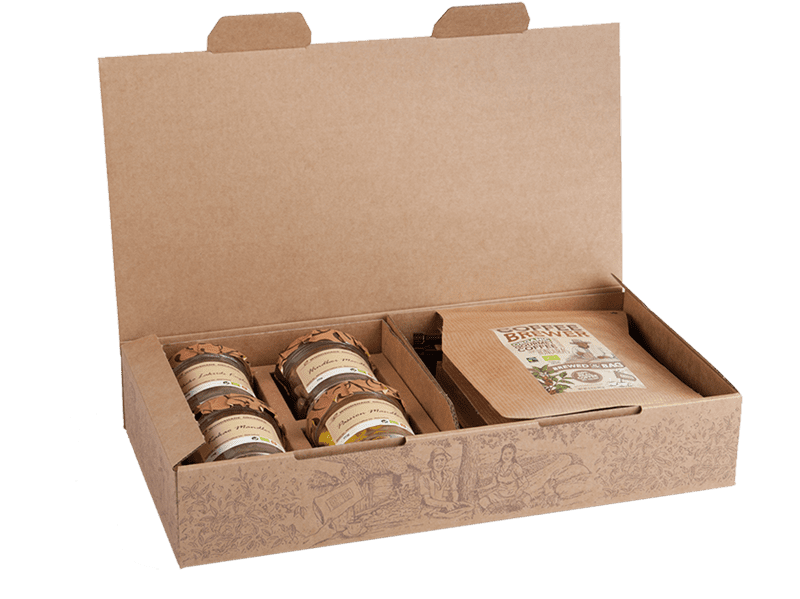
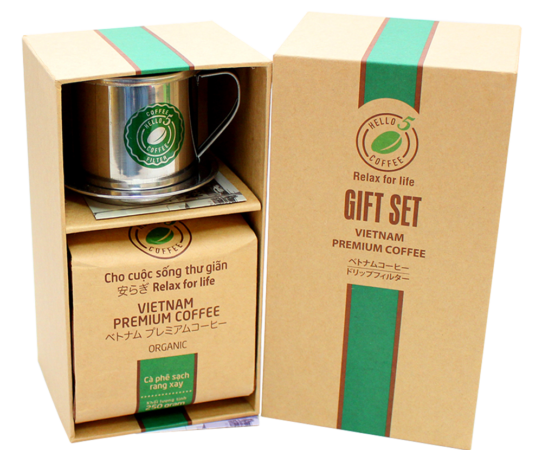
Focus on Seasonal Products and Gift Bundles
Consumers look for seasonal SKUs and bundled offerings during the holidays.
Seasonal SKUs drive urgency through limited availability and holiday themes.
Gift Bundles provide convenience by combining products into a single package, saving buyers time and effort.
Tracking purchase history helps allocate resources toward SKUs most likely to perform during peak shopping windows.
Incorporate Seasonal Designs
Holiday packaging is not just functional — it’s part of the customer experience. Seasonal graphics can create excitement, improve brand recall, and encourage social sharing.
Ideas for seasonal design include:
Bright and festive colors
Nostalgic or traditional holiday patterns
Sustainable materials and eco-conscious messaging
Custom add-ons like stickers, ribbons, tags, or tissue paper
Use Quality Materials
During the holidays, packaging must balance presentation and protection.
Premium materials (rigid boxes, corrugated mailers, luxury bags) enhance gift appeal.
Finishing techniques such as embossing, foiling, and varnishes elevate perceived value.
Stronger substrates protect products in transit during peak shipping volumes.
Quality packaging enhances unboxing experiences, making gifts feel more special while protecting brand reputation.
Work With a Packaging Provider
Partnering with an experienced packaging supplier streamlines the process. A provider can:
Recommend seasonal design approaches
Manage lead times and supply chain coordination
Ensure packaging aligns with ecommerce logistics and retail compliance
This expertise saves time and reduces the risk of delays, helping brands stay competitive during the busiest season.
Work With Brown Packaging
At Brown Packaging, we help ecommerce brands prepare for the holiday rush with custom holiday packaging tailored to seasonal demand. From structural design to premium finishes, our team ensures your packaging communicates value, enhances customer experience, and arrives on time. Contact Brown Packaging today to get started.
References
National Retail Federation (NRF). (2023). Holiday Shopping Trends and Consumer Behavior. Retrieved from https://nrf.com
Flexible Packaging Association. (2023). Holiday Packaging Trends in E-commerce. Retrieved from https://www.flexpack.org
Robertson, G. L. (2016). Food Packaging: Principles and Practice (3rd ed.). CRC Press.
Supplier contracts can make or break a packaging program. Without the right terms, buyers risk price volatility, missed lead times, and inconsistent product quality. In 2026, negotiating smart contracts is essential for controlling costs, securing reliable supply, and meeting compliance requirements. Why Packaging Contracts Matter Cost stability: Protects against sudden raw material price spikes. Supply security: Ensures availability during peak demand. Quality control: Aligns suppliers with testing and compliance standards. Operational efficiency: Streamlines purchasing and reduces administrative burden. Key Terms Buyers Should Negotiate Volume commitments: Secure better pricing with accurate forecasts. Price adjustment clauses: Define when and how costs can change. Lead times and delivery windows: Avoid shortages and production delays. Testing and compliance: Require ISTA, ASTM, or FSC certification where applicable. Sustainability commitments: Ensure suppliers align with environmental goals. Risks of Weak Contracts Paying inflated prices during market fluctuations. Receiving inconsistent corrugated strength or print quality. Missed shipments leading to costly expedited freight. Difficulty meeting retailer or regulatory compliance. Best Practices for Buyers in 2026 Leverage data: Use past order history to negotiate realistic volumes. Dual sourcing: Maintain backup suppliers for risk management. Annual reviews: Reassess terms to reflect changes in demand and compliance. Collaborative approach: Treat suppliers as partners, not just vendors. Packaging Solutions with Brown Packaging Brown Packaging helps buyers secure strong supplier contracts that balance cost, quality, and supply chain reliability. Our partnerships and industry expertise ensure your packaging program is protected for 2026 and beyond. Contact us to discuss supplier solutions. References Soroka, W. (2009). Fundamentals of Packaging Technology (4th ed.). Institute of Packaging Professionals.Fiber Box Association. (2024). Corrugated Packaging Market Outlook. Retrieved from https://www.fibrebox.orgSustainable Packaging Coalition. (2023). Supplier Standards for Sustainable Packaging. Retrieved from https://sustainablepackaging.org (714)300-0650 request@brownpackaging.com Most Recent Posts: Categories: Corrugated Ecommerce ESD Design Display Flexible Packaging Foam Folding Carton Packaging Plastic Packaging Pouch Printing Protection Retail Rigid Box Thermoform Sustainability Subscribe To Our Newsletter By submitting your information, you agree to our terms and conditions and privacy policy. Custom Packaging Facebook Twitter LinkedIn Pinterest Relevant Posts
Packaging compliance is no longer optional—it’s a requirement for accessing retail shelves, shipping networks, and international markets. In 2026, buyers must navigate evolving regulations around sustainability, labeling, and testing to avoid costly fines, rejected shipments, or damaged customer relationships. Why Compliance Matters in 2026 Retail requirements: Major retailers demand FSC, ISTA, and sustainability certifications. E-commerce standards: Carriers enforce dimensional weight and package testing rules. Global trade: Export packaging must comply with ISPM 15, ASTM, and ISO guidelines. Consumer trust: Transparency in packaging claims impacts purchasing decisions. Key Compliance Areas for Buyers Material sourcing: FSC-certified corrugated and board for sustainability. Labeling standards: GS1-compliant barcodes and accurate product details. Durability testing: ISTA and ASTM protocols for drop, vibration, and compression. Sustainability regulations: Requirements for recyclable or compostable materials. Chemical restrictions: Compliance with FDA, EU, or state-specific standards. Common Compliance Challenges Keeping up with frequent regulatory changes. Managing multiple certifications across suppliers. Balancing compliance with cost-efficiency. Verifying supplier claims for sustainability. Best Practices for Staying Compliant Audit suppliers annually to confirm certification validity. Run internal packaging tests before scaling. Track regulatory updates for each region you ship to. Work with experienced partners who understand industry compliance. Packaging Solutions with Brown Packaging Brown Packaging helps buyers meet 2026 compliance standards with FSC-certified materials, ISTA-tested designs, and regulatory expertise. Our team ensures your packaging meets retailer, carrier, and sustainability requirements. Contact us to keep your program compliant. References Forest Stewardship Council (FSC). (2023). FSC Certification Guidelines for Packaging. Retrieved from https://fsc.orgInternational Safe Transit Association (ISTA). (2023). ISTA Testing Procedures for Transport Packaging. Retrieved from https://ista.orgGS1. (2024). Global Standards for Packaging and Labeling. Retrieved from https://www.gs1.org (714)300-0650 request@brownpackaging.com Most Recent Posts: Categories: Corrugated Ecommerce ESD Design Display Flexible Packaging Foam Folding Carton Packaging Plastic Packaging Pouch Printing Protection Retail Rigid Box Thermoform Sustainability Subscribe To Our Newsletter By submitting your information, you agree to our terms and conditions and privacy policy. Custom Packaging Facebook Twitter LinkedIn Pinterest Relevant Posts
In 2026, sustainability is no longer just a trend—it’s a buyer expectation. Forest Stewardship Council (FSC) certification has become a key benchmark for responsible packaging, signaling that materials are sourced from responsibly managed forests. For packaging buyers, FSC certification is more than a compliance checkbox—it’s a brand value that influences purchasing decisions, retailer acceptance, and customer loyalty. What Is FSC Certification? The Forest Stewardship Council certifies that paper-based packaging materials are sourced from forests managed for environmental responsibility, social benefit, and economic viability. FSC Mix: Packaging contains a blend of FSC-certified and controlled wood. FSC Recycled: Packaging is made entirely from recycled fiber. FSC 100%: Packaging is sourced only from FSC-certified forests. Why FSC Matters to Buyers in 2026 Retail access: Many major retailers now require FSC-certified packaging. Sustainability goals: Aligns with corporate ESG and carbon reduction commitments. Consumer trust: Customers recognize the FSC label and view it as credible. Global compliance: Meets international sustainability regulations. How FSC Certification Strengthens Brand Value Differentiation: Stand out with certified sustainable packaging. Marketing advantage: FSC logos reinforce eco-friendly messaging. Risk reduction: Verified sourcing prevents greenwashing claims. Customer loyalty: Environmentally conscious buyers prefer certified products. Challenges in FSC Implementation Limited supply of certain FSC substrates. Higher costs compared to non-certified materials. Need for supplier audits and documentation. Packaging Solutions with Brown Packaging Brown Packaging partners with buyers to integrate FSC-certified materials into corrugated boxes, folding cartons, and retail packaging. Our solutions support sustainability while maintaining cost efficiency and protection. Contact us to strengthen your brand with FSC-certified packaging. References Forest Stewardship Council (FSC). (2023). FSC Certification Guidelines for Packaging. Retrieved from https://fsc.orgSustainable Packaging Coalition. (2023). Consumer Insights on Sustainable Packaging. Retrieved from https://sustainablepackaging.orgSoroka, W. (2009). Fundamentals of Packaging Technology (4th ed.). Institute of Packaging Professionals. (714)300-0650 request@brownpackaging.com Most Recent Posts: Subscribe To Our Newsletter By submitting your information, you agree to our terms and conditions and privacy policy. Sustainable Packaging Facebook Twitter LinkedIn Pinterest Relevant Posts
Sustainability is now a top priority for packaging buyers. Retailers, regulators, and consumers are all demanding packaging solutions that reduce environmental impact without sacrificing performance. In 2026, buyers must balance eco-friendly materials, cost, and compliance to build programs that are both effective and future-ready. What Buyers Need to Know About Sustainable Packaging Regulatory pressure: Governments are enforcing stricter rules on recyclability and plastic use. Retail mandates: FSC certification and recyclable packaging are becoming standard requirements. Consumer expectations: Customers increasingly choose brands with visible sustainability commitments. Sustainable Material Options Recycled corrugated: High recycled content while maintaining compression strength. Compostable films: Suitable for select food and retail applications. Molded pulp inserts: Replace foam or plastic for protective packaging. Water-based coatings: Enhance moisture resistance without harmful chemicals. Balancing Cost and Performance Right-size packaging: Reduces material waste and shipping costs. Hybrid solutions: Combine eco-materials with corrugated for balance. Life cycle analysis: Evaluate true environmental impact, not just marketing claims. How to Evaluate Sustainable Suppliers Verify FSC, SPC, or ISO certifications. Request testing data for durability and recyclability. Audit supply chains for consistency and transparency. Ensure claims meet local and international compliance standards. Packaging Solutions with Brown Packaging Brown Packaging helps buyers implement sustainable packaging programs that balance cost, performance, and compliance. From recycled corrugated to eco-friendly coatings and inserts, we deliver solutions that meet 2026 sustainability goals. Contact us to explore sustainable packaging options. References Forest Stewardship Council (FSC). (2023). FSC Certification Guidelines for Packaging. Retrieved from https://fsc.orgSustainable Packaging Coalition. (2023). Packaging Sustainability Trends and Buyer Insights. Retrieved from https://sustainablepackaging.orgSoroka, W. (2009). Fundamentals of Packaging Technology (4th ed.). Institute of Packaging Professionals. (714)300-0650 request@brownpackaging.com Most Recent Posts: Categories: Corrugated Ecommerce ESD Design Display Flexible Packaging Foam Folding Carton Packaging Plastic Packaging Pouch Printing Protection Retail Rigid Box Thermoform Sustainability Subscribe To Our Newsletter By submitting your information, you agree to our terms and conditions and privacy policy. Sustainable Packaging Facebook Twitter LinkedIn Pinterest Relevant Posts
Choosing the right packaging material is one of the most important decisions buyers face. Single-material packaging offers simplicity and recyclability, while multi-material designs provide enhanced performance and protection. Understanding the trade-offs helps companies balance cost, functionality, and sustainability goals in 2026. What Is Single-Material Packaging? Single-material packaging uses one substrate—such as corrugated board, folding carton, or plastic—for the entire structure. Advantages: Easier to recycle and dispose. Lower material costs in many cases. Streamlined sourcing and inventory. Supports sustainability messaging. Disadvantages: Limited barrier protection. Less customization for fragile or complex products. May require added thickness for strength, increasing weight. What Is Multi-Material Packaging? Multi-material packaging combines two or more substrates—such as corrugated with foam, or paperboard laminated with film—to achieve specific performance outcomes. Advantages: Greater protection against moisture, oxygen, and impact. Allows for premium finishes and enhanced graphics. Ideal for fragile or high-value products. Customizable for unique supply chain conditions. Disadvantages: More difficult to recycle due to material separation. Higher cost and longer lead times. Complex sourcing and inventory management. When to Use Each Approach Single-material packaging: Best for products with low fragility, strong sustainability requirements, or cost-driven programs. Multi-material packaging: Best for high-value, fragile, or regulated products requiring advanced protection. Balancing Performance and Sustainability Buyers must weigh performance needs against eco goals: Use recyclable coatings to extend single-material performance. Choose hybrid designs that separate easily for recycling. Apply multi-material solutions only where risk of damage outweighs cost. Packaging Solutions with Brown Packaging Brown Packaging helps buyers evaluate when to use single- vs. multi-material packaging. Our team balances sustainability, performance, and cost to deliver solutions tailored to your supply chain. Contact us to explore the right approach for your products. References Forest Stewardship Council (FSC). (2023). FSC Packaging Certification Guidelines. Retrieved from https://fsc.orgSoroka, W. (2009). Fundamentals of Packaging Technology (4th ed.). Institute of Packaging Professionals.Sustainable Packaging Coalition. (2022). Design for Recyclability and Multi-Material Packaging Report. Retrieved from https://sustainablepackaging.org (714)300-0650 request@brownpackaging.com Most Recent Posts: Categories: Corrugated Ecommerce ESD Design Display Flexible Packaging Foam Folding Carton Packaging Plastic Packaging Pouch Printing Protection Retail Rigid Box Thermoform Sustainability Subscribe To Our Newsletter By submitting your information, you agree to our terms and conditions and privacy policy. Custom Packaging Facebook Twitter LinkedIn Pinterest Relevant Posts
One of the biggest challenges in sustainable packaging is balancing environmental responsibility with product protection. Buyers often worry that switching to eco-friendly materials means sacrificing durability or driving up costs. In 2026, new material technologies allow brands to meet sustainability goals without compromising strength or supply chain performance. Why Protection Still Matters Damaged products create more waste than packaging ever could. Returns increase logistics costs and carbon emissions. Retailers and e-commerce platforms expect packaging to deliver both sustainability and reliability. Eco-Friendly Material Options Recycled corrugated: Maintains stacking strength while reducing virgin fiber use. Molded pulp inserts: Cushion fragile items while replacing plastic foam. Water-based barrier coatings: Add moisture resistance without plastic films. Compostable films: Ideal for short shelf-life or single-use applications. Paper-based mailers: Replace poly mailers for e-commerce shipments. How to Balance Eco Goals and Protection Use right-sizing to reduce material volume while improving fit. Apply hybrid solutions (corrugated + pulp) for high-value goods. Conduct ISTA testing to validate protective performance. Match material choice to product fragility and supply chain conditions. Examples in Action Electronics: Molded pulp trays replacing EPS foam. Food and beverage: FSC-certified corrugated with recyclable coatings. Retail e-commerce: Recycled paper mailers protecting apparel. Packaging Solutions with Brown Packaging Brown Packaging develops eco-friendly solutions that protect products while meeting sustainability requirements. From recycled corrugated to innovative coatings, our team ensures you never trade protection for environmental impact. Contact us to explore eco-material options. References Forest Stewardship Council (FSC). (2023). FSC Certification Guidelines for Packaging. Retrieved from https://fsc.orgSustainable Packaging Coalition. (2023). Eco-Friendly Packaging Materials and Case Studies. Retrieved from https://sustainablepackaging.orgASTM International. (2023). ASTM D4169: Standard Practice for Performance Testing of Shipping Containers and Systems. (714)300-0650 request@brownpackaging.com Most Recent Posts: Subscribe To Our Newsletter By submitting your information, you agree to our terms and conditions and privacy policy. Custom Packaging Facebook Twitter LinkedIn Pinterest Relevant Posts
Home » Ecommerce: How to Plan for Holiday Packaging

As the holiday season approaches, the world of e-commerce gears up for a surge in online shopping. With changing consumer behaviors and heightened expectations, brands are reimagining their packaging strategies to capture attention, evoke emotions, and create memorable unboxing experiences. This blog explores the latest e-commerce packaging trends for the 2023 holiday season, showcasing how businesses can leverage these trends to stand out in a crowded marketplace and make a lasting impact on customers. Sustainable Packaging Solutions Personalized and Customized Packaging Festive and Limited-Edition Designs Interactive and Engaging Elements Multi-Functional Packaging Minimalistic and Elegant Designs Eco-Friendly Packaging Statements Thoughtful Inclusion of Holiday Extras Storytelling Through Packaging Enhanced Shipping Experience Embracing the Trends for a Joyful Holiday Season Sustainable Packaging Solutions Sustainability remains a dominant trend as consumers increasingly prioritize eco-friendly practices. Brands are opting for packaging materials that are recyclable, compostable, or biodegradable. This holiday season, expect to see more brands embracing innovative sustainable packaging options, such as plant-based plastics, recycled materials, and minimalist designs that reduce waste. Personalized and Customized Packaging Customization is key to creating a unique and memorable unboxing experience. Brands are using personalization to connect with customers on a deeper level. Expect to see customized packaging with customers’ names, special messages, or even tailored recommendations based on their shopping history. The holiday season provides an ideal opportunity for brands to showcase their thoughtfulness through personalized packaging. Festive and Limited-Edition Designs Holiday-themed packaging designs bring the spirit of the season to life. Brands are infusing their packaging with festive colors, patterns, and imagery that resonate with the holiday vibe. Limited-edition packaging designs create a sense of exclusivity, encouraging customers to make purchases before these special offerings run out. Interactive and Engaging Elements Interactive packaging engages customers and enhances the unboxing experience. QR codes, augmented reality (AR) elements, or hidden surprises within the packaging create a sense of excitement. Brands are using technology to bridge the gap between physical and digital experiences, adding an element of playfulness and exploration to the unboxing process. Multi-Functional Packaging Brands are incorporating multi-functional packaging that adds value beyond holding the product. Boxes that transform into gift wrap, storage solutions, or even holiday decorations resonate with customers looking for practicality and versatility. Multi-functional packaging extends the life of the package, making it more likely to be retained and repurposed. Minimalistic and Elegant Designs While some brands opt for festive and vibrant designs, others are embracing a minimalist approach. Clean lines, elegant typography, and subtle holiday accents create a sophisticated and upscale look. Minimalistic packaging exudes a sense of luxury and can cater to customers seeking a more refined aesthetic. Eco-Friendly Packaging Statements Brands are proudly communicating their commitment to sustainability through packaging statements. Clear labeling indicating the use of eco-friendly materials, carbon-neutral practices, or charitable initiatives resonates with environmentally-conscious consumers. Transparent communication builds trust and loyalty among customers who align with a brand’s values. Thoughtful Inclusion of Holiday Extras Including small holiday-themed extras within the packaging can surprise and delight customers. Brands might include personalized thank-you cards, samples of related products, or discount codes for future purchases. These thoughtful extras create a sense of reciprocity and gratitude. Storytelling Through Packaging Packaging that tells a compelling brand story enhances the emotional connection with customers. Brands are using packaging to share their journey, values, and the inspiration behind their holiday collections. Storytelling engages customers on a deeper level and fosters brand loyalty. Enhanced Shipping Experience The shipping experience itself plays a vital role in the overall customer journey. Brands are investing in secure and aesthetically pleasing shipping materials that align with their brand identity. Sturdy boxes, colorful tape, and well-organized inner packaging contribute to a positive first impression when the package arrives. Embracing the Trends for a Joyful Holiday Season As the 2023 holiday season approaches, e-commerce brands have the opportunity to create packaging experiences that resonate with customers and leave a lasting impression. By incorporating these packaging trends, businesses can tap into the festive spirit, elevate their customer experience, and stand out in the competitive e-commerce landscape. Whether it’s through sustainability, personalization, or interactive elements, innovative packaging will undoubtedly play a significant role in making this holiday season truly memorable for both brands and customers alike. If you are interested in holiday packaging for ecommerce, then partner with Brown Packaging today to get started. (714)300-0650 request@brownpackaging.com Most Recent Posts: Categories: Corrugated Ecommerce ESD Design Display Flexible Packaging Foam Folding Carton Packaging Plastic Packaging Pouch Printing Protection Retail Rigid Box Thermoform Sustainability Subscribe To Our Newsletter By submitting your information, you agree to our terms and conditions and privacy policy. E-commerce Packaging Facebook Twitter LinkedIn Pinterest Relevant Posts

E-commerce packaging for pet products must endure far more stress than traditional retail packaging. Shipments face repeated drops, vibration, compression, and environmental fluctuations. Structural design, material selection, and protective features must work together to ensure the product arrives in perfect condition. Key Hazards in E-Commerce Distribution Drop Impact: Packages may be dropped from heights of up to 1.2 m (4 ft) during sortation or delivery. Vibration: Continuous shaking in transit can cause product settling or material fatigue. Compression: Stacking in transit or warehouses can deform or crush underfilled packages. Moisture and Temperature Extremes: Exposure to rain, snow, and heat during delivery. Structural Design Considerations Reinforced Corrugated Shippers: Double-wall or heavy-duty C-flute for bulk pet food and accessories. Internal Bracing or Partitioning: Keeps products from shifting during transit. Right-Sizing: Minimizes void space to reduce product movement and dimensional weight charges. Material Selection Moisture-Resistant Coatings: For corrugated and paperboard used in outer shipping containers. Puncture-Resistant Films: Prevent tearing from sharp pet accessories like toys or grooming tools. Impact-Absorbing Cushioning: Paper-based or foam inserts to protect fragile items such as glass supplement jars. Protective Features Tamper-Evident Seals: Maintain consumer trust and ensure product integrity. Overwraps or Polybags: Provide secondary protection against moisture and dirt. Label Durability: Smudge- and water-resistant labels for scannability. Performance Testing for E-Commerce Drop Testing: ISTA 3A or ASTM D5276 to simulate parcel handling. Vibration Testing: ASTM D999 to evaluate performance under prolonged vibration. Compression Testing: ASTM D642 to determine stacking strength. Environmental Conditioning: ASTM D4332 to simulate humidity and temperature changes. E-Commerce Packaging Guidelines Amazon ISTA 6 Standards: Requires packaging to pass drop and vibration tests without damage. Right-Weighting: Balancing durability with material reduction to lower shipping costs. Consumer Experience: Easy-open designs and branding that reinforce product quality. References ASTM International. (2015). ASTM D5276-15: Standard test method for drop test of loaded containers by free fall. ASTM International. https://doi.org/10.1520/D5276-15ASTM International. (2015). ASTM D642-15: Standard test method for determining compressive resistance of shipping containers. ASTM International. https://doi.org/10.1520/D0642-15International Safe Transit Association. (2022). ISTA test procedures. https://ista.org (714)300-0650 request@brownpackaging.com Most Recent Posts: Categories: Corrugated Ecommerce ESD Design Display Flexible Packaging Foam Folding Carton Packaging Plastic Packaging Pouch Printing Protection Retail Rigid Box Thermoform Sustainability Subscribe To Our Newsletter By submitting your information, you agree to our terms and conditions and privacy policy. Custom Packaging Facebook Twitter LinkedIn Pinterest Relevant Posts

The holiday season is the busiest—and most demanding—time of year for e-commerce packaging. Higher shipping volumes, faster turnaround times, and rougher handling conditions increase the risk of product damage. For packaging buyers, preventing costly returns and protecting brand reputation requires balancing structural strength, material efficiency, and smart design choices. The Risks of Peak Season Shipping During peak periods, parcels move through more touchpoints than at any other time of year. This creates conditions that amplify damage risks: Increased handling: More scans, transfers, and repacks. Stacking and compression: Trailers and warehouses filled to maximum capacity. Temperature extremes: Exposure to cold, moisture, or fluctuating environments. Rushed labor: Faster fulfillment increases the chance of rough handling. Key Packaging Strategies for Damage Prevention Right-size boxes: Eliminate empty space that allows product shifting. Reinforced materials: Choose double-wall or high-performance corrugated for heavy SKUs. Protective inserts: Foam, corrugated, or molded pulp provide stability. Edge and corner protection: Absorb shock during stacking and transit. Moisture resistance: Add coatings or liners for weather-sensitive deliveries. Testing Packaging for Peak Loads Simulation testing before the holiday rush ensures packaging is fit for purpose: Vibration testing: Replicates conditions of long-haul transit. Compression testing: Confirms stacking strength under peak loads. Drop testing: Evaluates impact protection across handling points. Investing in testing reduces the risk of large-scale returns that erode profit margins. Balancing Cost and Performance Not every product requires heavy-duty protection. Over-packaging drives up material and freight costs. Buyers should focus on: Identifying SKUs most vulnerable to damage. Applying protective features only where necessary. Leveraging data from past returns to guide improvements. Holiday Packaging Solutions with Brown Packaging Brown Packaging helps brands design e-commerce packaging that survives peak season conditions without unnecessary cost. From reinforced corrugated boxes to protective inserts and coatings, our solutions ensure your products arrive intact and customer-ready. Contact us to prepare your packaging program for the holiday rush. References ASTM International. (2023). ASTM D4169: Standard Practice for Performance Testing of Shipping Containers and Systems.Soroka, W. (2009). Fundamentals of Packaging Technology (4th ed.). Institute of Packaging Professionals.International Safe Transit Association (ISTA). (2022). ISTA Series Test Procedures for Packaged Products in Transit. (714)300-0650 request@brownpackaging.com Most Recent Posts: Categories: Corrugated Ecommerce ESD Design Display Flexible Packaging Foam Folding Carton Packaging Plastic Packaging Pouch Printing Protection Retail Rigid Box Thermoform Sustainability Subscribe To Our Newsletter By submitting your information, you agree to our terms and conditions and privacy policy. Ecommerce Packaging Facebook Twitter LinkedIn Pinterest Relevant Posts