Home » Dust Flaps and Cherry Locks for RETT Boxes Explained
Dust Flaps and Cherry Locks for RETT Boxes Explained

In the ever-evolving world of packaging, finding the perfect combination of features that ensures both security and ease of use can be a challenging endeavor. Roll end tuck top (RETT) boxes have long been recognized for their durability and versatility, and when you introduce the dynamic duo of dust flaps and cherry locks, you take your packaging game to the next level. In this blog, we will delve into the intricacies of these two features and explore how their synergy enhances the functionality and appeal of RETT boxes.
Understanding Dust Flaps
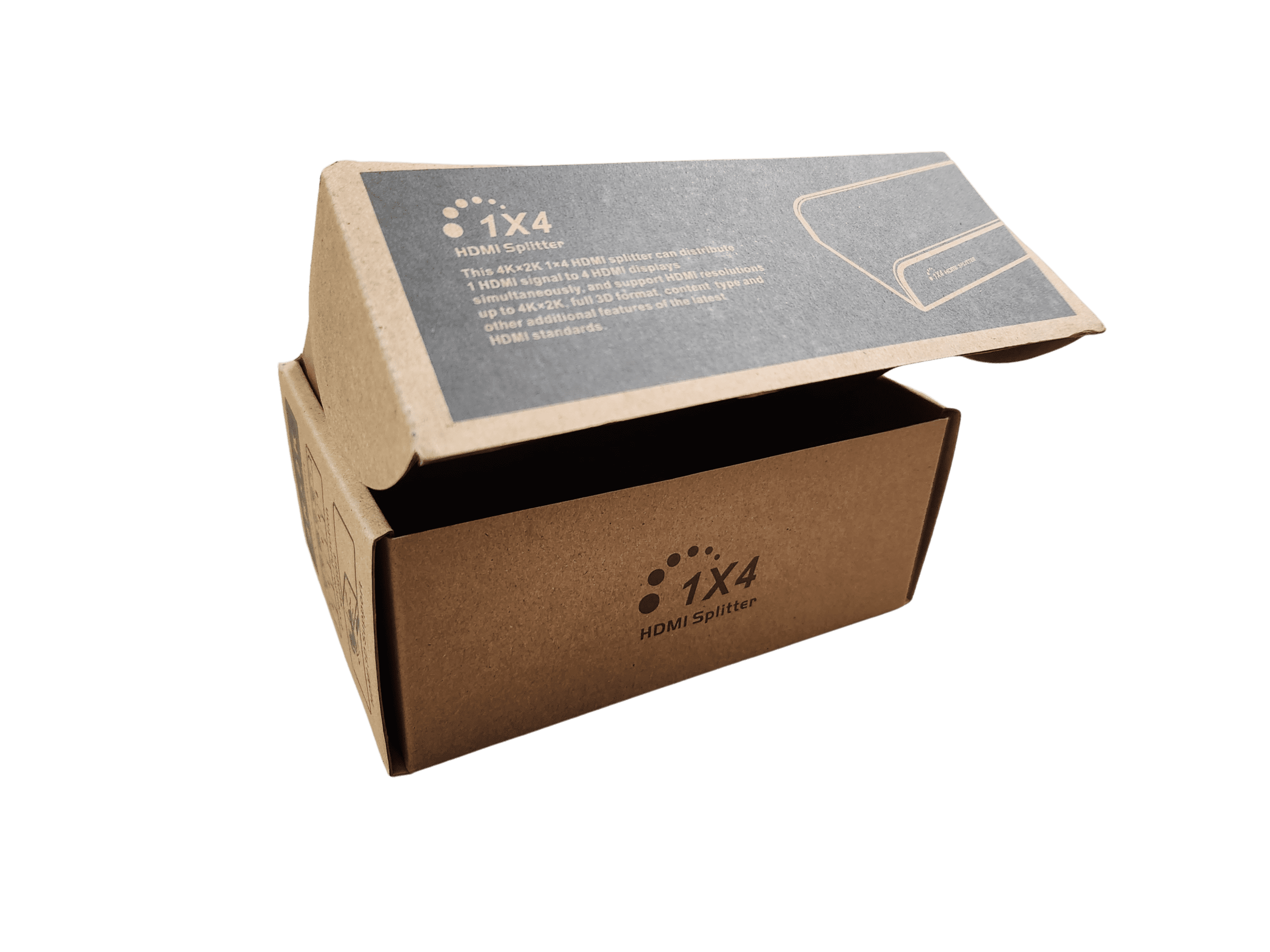
Dust flaps are extensions from the top of the box that fold down when closed. Their primary function is to protect the contents from dust, dirt, and contaminants. However, when paired with cherry locks, they bring an additional layer of security and sophistication to the packaging:
Security: Dust flaps provide an extra barrier against tampering and unauthorized access, ensuring the contents remain intact and untouched.
Presentation: When opened, dust flaps add to the overall presentation, creating a polished and professional unboxing experience that can be especially beneficial for premium or luxury products.

Understanding Cherry Locks
Cherry locks, on the other hand, are locking mechanisms that securely close the top flaps of boxes without the need for additional adhesives or tape. Their unique design features include:
Reusability: Unlike traditional adhesive closures, cherry locks are reusable, making them both cost-effective and eco-friendly.
Easy Access: Cherry locks are user-friendly, allowing for quick and effortless opening, which is essential for products that need frequent access.
The Perfect Pairing: Dust Flaps and Cherry Locks in RETT Boxes
When dust flaps and cherry locks come together in RETT boxes, they create a packaging solution that excels in both form and function:
Enhanced Security: Dust flaps provide an additional layer of protection against external contaminants and tampering, while cherry locks ensure a secure closure that keeps the contents safe.
Presentation Excellence: The combination of dust flaps and cherry locks enhances the unboxing experience, leaving a lasting impression on customers and making it ideal for products that demand a touch of sophistication.
User-Friendly Design: Cherry locks make it easy for customers to access the contents repeatedly without compromising the box’s integrity, making them an excellent choice for subscription boxes and retail products.
Customization Opportunities: Dust flaps and cherry locks offer ample space for branding elements, product information, or decorative designs, allowing you to reinforce brand identity and connect with your customers.

Applications of Dust Flaps and Cherry Locks in RETT Boxes
These features find applications across various industries:
Retail: In retail packaging, the combination of dust flaps and cherry locks offers secure, easy-to-access solutions for items like cosmetics, electronics, and clothing.
E-commerce: For e-commerce businesses, this pairing enhances security during shipping while providing a memorable unboxing experience for customers.
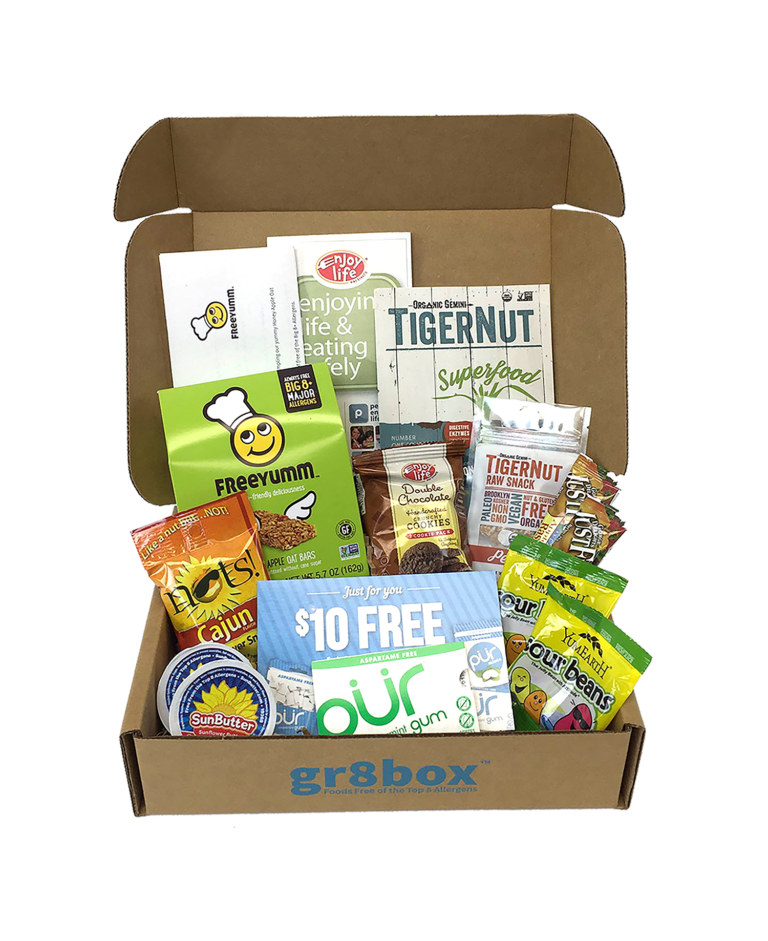
Subscription Boxes: Subscription box services benefit from dust flaps and cherry locks as they offer security, easy access, and a branded presentation.
Luxury and Premium Products: High-end products often require packaging that exudes sophistication, making dust flaps and cherry locks an ideal choice.
Conclusion
Dust flaps and cherry locks are a powerful combination that elevates the functionality and appeal of RETT boxes. Understanding their features, benefits, and applications can help businesses make informed choices when selecting packaging solutions. Whether you prioritize security, presentation, or ease of access, the integration of dust flaps and cherry locks into your RETT boxes can enhance your packaging strategy, ensuring that your products are not only well-protected but also delivered in style.
If you are interested in roll end tuck top boxes with dust flaps and cherry locks, then partner with Brown Packaging today to get started.
Subscription packaging continues to expand across beauty, food, lifestyle, and specialty products. Buyers must balance branding, protection, and sustainability while keeping fulfillment efficient. This checklist highlights the critical areas buyers should review in 2026 when sourcing or redesigning subscription packaging. Branding and Unboxing Experience Seasonal or rotating graphics to keep unboxing fresh. Premium finishes such as foil, embossing, or unique die-cuts. Easy-open features like tear strips for convenience. Right-Sizing and Efficiency Reduce DIM charges with packaging tailored to product sizes. Use modular designs to cover multiple SKUs with fewer box sizes. Ensure packaging works with automation to speed fulfillment. Protection and Durability Inserts that prevent product shifting during transit. ISTA-tested designs to withstand vibration and drops. Moisture-resistant coatings for temperature-sensitive items. Sustainability Requirements FSC-certified corrugated or recycled substrates. Recyclable coatings or compostable options. Clear sustainability messaging to support consumer expectations. Cost Control SKU rationalization to limit unnecessary box variations. Material selection that balances protection and price. Supplier contracts that secure pricing for seasonal peaks. Packaging Solutions with Brown Packaging Brown Packaging designs subscription packaging that combines branding, protection, and sustainability. From FSC-certified corrugated to custom inserts, our solutions help buyers create packaging that builds loyalty and controls costs in 2026. Contact us to review your subscription packaging program. References Sustainable Packaging Coalition. (2023). Subscription Packaging and Consumer Insights. Retrieved from https://sustainablepackaging.orgForest Stewardship Council (FSC). (2023). FSC Certification Guidelines for Packaging. Retrieved from https://fsc.orgInternational Safe Transit Association (ISTA). (2023). ISTA Testing Procedures for Transport Packaging. Retrieved from https://ista.org (714)300-0650 request@brownpackaging.com Most Recent Posts: Categories: Corrugated Ecommerce ESD Design Display Flexible Packaging Foam Folding Carton Packaging Plastic Packaging Pouch Printing Protection Retail Rigid Box Thermoform Sustainability Subscribe To Our Newsletter By submitting your information, you agree to our terms and conditions and privacy policy. Ecommerce Packaging Facebook Twitter LinkedIn Pinterest Relevant Posts
As budgets tighten in 2026, packaging buyers are under pressure to reduce costs without increasing damage rates. Cutting too aggressively can lead to product loss, higher return rates, and frustrated customers. The key is balancing material use, box design, and supply chain efficiency so that savings do not come at the expense of protection. Where Packaging Costs Add Up Oversized boxes: Drive dimensional weight charges. Excess materials: Overuse of void fill and inserts. Complex SKU mix: Redundant sizes increase inventory costs. Inefficient freight: Poor palletization and stacking. Cost-Saving Strategies That Maintain Protection Right-sizing: Match box size to product dimensions to cut DIM charges and material use. Optimize corrugated grades: Switch to single- or double-wall where appropriate without compromising strength. Consolidate SKUs: Streamline packaging options to reduce inventory overhead. Efficient inserts: Replace foam or excess dunnage with engineered corrugated or molded pulp. Supplier contracts: Negotiate based on annual volumes, not just peak season orders. Testing Before Implementing Changes Use ASTM and ISTA protocols to ensure changes won’t increase product damage. Test for compression, vibration, and drop resistance. Run pilot shipments before scaling across the supply chain. Balancing Sustainability and Cost Eco-friendly doesn’t have to mean expensive: Use recyclable coatings to reduce plastic films. Choose corrugated designs that require less material while maintaining stacking strength. Highlight sustainable solutions in marketing to offset cost concerns. Packaging Solutions with Brown Packaging Brown Packaging helps companies lower costs while protecting products across the supply chain. From SKU rationalization to right-sized corrugated solutions, our team ensures packaging savings don’t compromise performance. Contact us to optimize your packaging program. References Soroka, W. (2009). Fundamentals of Packaging Technology (4th ed.). Institute of Packaging Professionals.ASTM International. (2023). ASTM D4169: Standard Practice for Performance Testing of Shipping Containers and Systems.Sustainable Packaging Coalition. (2023). Packaging Efficiency and Waste Reduction Report. Retrieved from https://sustainablepackaging.org (714)300-0650 request@brownpackaging.com Most Recent Posts: Categories: Corrugated Ecommerce ESD Design Display Flexible Packaging Foam Folding Carton Packaging Plastic Packaging Pouch Printing Protection Retail Rigid Box Thermoform Sustainability Subscribe To Our Newsletter By submitting your information, you agree to our terms and conditions and privacy policy. Custom Packaging Facebook Twitter LinkedIn Pinterest Relevant Posts
Product damage is one of the most expensive risks in packaging. Beyond replacement costs, damaged goods lead to lost sales, returns, and reputational harm. In 2026, complex e-commerce, global shipping, and automation create new challenges for packaging buyers. The right materials, testing, and design strategies are critical to protecting products while controlling costs. Why Damage Prevention Matters Financial losses: Damaged products increase replacement and freight costs. Customer impact: Poor delivery experience reduces loyalty and repeat sales. Sustainability: Returns and waste drive higher carbon footprints. Compliance: Retailers often impose penalties for damaged shipments. Common Causes of Product Damage Compression: Pallet stacking weakens boxes in transit. Vibration and shock: Long-haul shipping increases risk. Moisture exposure: Humidity and rain compromise corrugated performance. Poor right-sizing: Oversized boxes allow product movement inside. Strategies to Reduce Damage in 2026 Right-size packaging: Minimize empty space and movement. Material optimization: Choose the correct corrugated grade for load demands. Protective inserts: Molded pulp or engineered corrugated reduce shock. Moisture-resistant coatings: Defend against water and humidity. Automation-friendly design: Prevent jams that damage products on high-speed lines. Testing Protocols for Damage Prevention ISTA testing: Simulates vibration, drops, and compression. ASTM standards: Validate packaging strength and durability. Pilot shipments: Real-world trials confirm lab results. Packaging Solutions with Brown Packaging Brown Packaging designs solutions that minimize damage across today’s complex supply chains. From right-sized corrugated to ISTA-tested inserts, we help buyers protect products while reducing costs. Contact us to strengthen your packaging program. References ASTM International. (2023). ASTM D4169: Standard Practice for Performance Testing of Shipping Containers and Systems.International Safe Transit Association (ISTA). (2023). ISTA Testing Procedures for Transport Packaging. Retrieved from https://ista.orgSoroka, W. (2009). Fundamentals of Packaging Technology (4th ed.). Institute of Packaging Professionals. (714)300-0650 request@brownpackaging.com Most Recent Posts: Categories: Corrugated Ecommerce ESD Design Display Flexible Packaging Foam Folding Carton Packaging Plastic Packaging Pouch Printing Protection Retail Rigid Box Thermoform Sustainability Subscribe To Our Newsletter By submitting your information, you agree to our terms and conditions and privacy policy. Custom Packaging Facebook Twitter LinkedIn Pinterest Relevant Posts
Retail packaging continues to evolve as brands balance sustainability, supply chain performance, and consumer experience. In 2026, buyers face new challenges shaped by material innovation, compliance requirements, and rising consumer expectations. Understanding these trends helps companies stay competitive while aligning packaging programs with industry standards. Sustainability Becomes Non-Negotiable Greater use of recyclable and compostable substrates. Retailers pushing suppliers toward FSC-certified materials. Minimalist designs that reduce waste without losing impact. Smarter Packaging for Supply Chains Increased adoption of right-sizing to reduce freight costs. Boxes designed for automation and faster fulfillment. Stronger corrugated grades to withstand long e-commerce journeys. Enhanced Consumer Experience Custom graphics for seasonal campaigns and limited editions. Tear strips, resealable closures, and window cutouts for convenience. Premium finishes that elevate gift packaging at retail. Growth of Hybrid Packaging Formats Combining corrugated strength with folding carton graphics. Modular designs for multi-SKU and club store environments. Packaging engineered to serve both e-commerce and in-store needs. Compliance and Testing Standards Retailers demanding ISTA and ASTM testing for packaging durability. Supply chain audits on recyclability and sustainability claims. More pressure for transparent reporting on environmental impact. Retail Packaging Solutions with Brown Packaging Brown Packaging helps brands adapt to evolving retail packaging trends. From sustainable substrates to automation-friendly designs, our solutions balance branding, durability, and compliance for 2026. Contact us to prepare your packaging program for the year ahead. References Forest Stewardship Council (FSC). (2023). FSC Packaging Certification Guidelines. Retrieved from https://fsc.orgSustainable Packaging Coalition. (2023). Packaging Trends and Consumer Insights. Retrieved from https://sustainablepackaging.orgSoroka, W. (2009). Fundamentals of Packaging Technology (4th ed.). Institute of Packaging Professionals. (714)300-0650 request@brownpackaging.com Most Recent Posts: Categories: Corrugated Ecommerce ESD Design Display Flexible Packaging Foam Folding Carton Packaging Plastic Packaging Pouch Printing Protection Retail Rigid Box Thermoform Sustainability Subscribe To Our Newsletter By submitting your information, you agree to our terms and conditions and privacy policy. Custom Packaging Facebook Twitter LinkedIn Pinterest Relevant Posts
Supplier contracts can make or break a packaging program. Without the right terms, buyers risk price volatility, missed lead times, and inconsistent product quality. In 2026, negotiating smart contracts is essential for controlling costs, securing reliable supply, and meeting compliance requirements. Why Packaging Contracts Matter Cost stability: Protects against sudden raw material price spikes. Supply security: Ensures availability during peak demand. Quality control: Aligns suppliers with testing and compliance standards. Operational efficiency: Streamlines purchasing and reduces administrative burden. Key Terms Buyers Should Negotiate Volume commitments: Secure better pricing with accurate forecasts. Price adjustment clauses: Define when and how costs can change. Lead times and delivery windows: Avoid shortages and production delays. Testing and compliance: Require ISTA, ASTM, or FSC certification where applicable. Sustainability commitments: Ensure suppliers align with environmental goals. Risks of Weak Contracts Paying inflated prices during market fluctuations. Receiving inconsistent corrugated strength or print quality. Missed shipments leading to costly expedited freight. Difficulty meeting retailer or regulatory compliance. Best Practices for Buyers in 2026 Leverage data: Use past order history to negotiate realistic volumes. Dual sourcing: Maintain backup suppliers for risk management. Annual reviews: Reassess terms to reflect changes in demand and compliance. Collaborative approach: Treat suppliers as partners, not just vendors. Packaging Solutions with Brown Packaging Brown Packaging helps buyers secure strong supplier contracts that balance cost, quality, and supply chain reliability. Our partnerships and industry expertise ensure your packaging program is protected for 2026 and beyond. Contact us to discuss supplier solutions. References Soroka, W. (2009). Fundamentals of Packaging Technology (4th ed.). Institute of Packaging Professionals.Fiber Box Association. (2024). Corrugated Packaging Market Outlook. Retrieved from https://www.fibrebox.orgSustainable Packaging Coalition. (2023). Supplier Standards for Sustainable Packaging. Retrieved from https://sustainablepackaging.org (714)300-0650 request@brownpackaging.com Most Recent Posts: Categories: Corrugated Ecommerce ESD Design Display Flexible Packaging Foam Folding Carton Packaging Plastic Packaging Pouch Printing Protection Retail Rigid Box Thermoform Sustainability Subscribe To Our Newsletter By submitting your information, you agree to our terms and conditions and privacy policy. Custom Packaging Facebook Twitter LinkedIn Pinterest Relevant Posts
Packaging compliance is no longer optional—it’s a requirement for accessing retail shelves, shipping networks, and international markets. In 2026, buyers must navigate evolving regulations around sustainability, labeling, and testing to avoid costly fines, rejected shipments, or damaged customer relationships. Why Compliance Matters in 2026 Retail requirements: Major retailers demand FSC, ISTA, and sustainability certifications. E-commerce standards: Carriers enforce dimensional weight and package testing rules. Global trade: Export packaging must comply with ISPM 15, ASTM, and ISO guidelines. Consumer trust: Transparency in packaging claims impacts purchasing decisions. Key Compliance Areas for Buyers Material sourcing: FSC-certified corrugated and board for sustainability. Labeling standards: GS1-compliant barcodes and accurate product details. Durability testing: ISTA and ASTM protocols for drop, vibration, and compression. Sustainability regulations: Requirements for recyclable or compostable materials. Chemical restrictions: Compliance with FDA, EU, or state-specific standards. Common Compliance Challenges Keeping up with frequent regulatory changes. Managing multiple certifications across suppliers. Balancing compliance with cost-efficiency. Verifying supplier claims for sustainability. Best Practices for Staying Compliant Audit suppliers annually to confirm certification validity. Run internal packaging tests before scaling. Track regulatory updates for each region you ship to. Work with experienced partners who understand industry compliance. Packaging Solutions with Brown Packaging Brown Packaging helps buyers meet 2026 compliance standards with FSC-certified materials, ISTA-tested designs, and regulatory expertise. Our team ensures your packaging meets retailer, carrier, and sustainability requirements. Contact us to keep your program compliant. References Forest Stewardship Council (FSC). (2023). FSC Certification Guidelines for Packaging. Retrieved from https://fsc.orgInternational Safe Transit Association (ISTA). (2023). ISTA Testing Procedures for Transport Packaging. Retrieved from https://ista.orgGS1. (2024). Global Standards for Packaging and Labeling. Retrieved from https://www.gs1.org (714)300-0650 request@brownpackaging.com Most Recent Posts: Categories: Corrugated Ecommerce ESD Design Display Flexible Packaging Foam Folding Carton Packaging Plastic Packaging Pouch Printing Protection Retail Rigid Box Thermoform Sustainability Subscribe To Our Newsletter By submitting your information, you agree to our terms and conditions and privacy policy. Custom Packaging Facebook Twitter LinkedIn Pinterest Relevant Posts
Home » Dust Flaps and Cherry Locks for RETT Boxes Explained

Designing a Full-Overlap (FOL) box tailored to your specific needs is a critical step in ensuring the safe and secure packaging of your products. FOL boxes are renowned for their strength and protection, making them ideal for shipping delicate, valuable, or heavy items. In this comprehensive buyer’s guide, we will walk you through the essential steps and considerations to design a Full-Overlap box that meets your packaging requirements. Step 1: Define Your Product Requirements Step 2: Box Dimensions and Sizing Step 3: Material Selection Step 4: Box Style and Closure Step 5: Customization and Branding Step 6: Testing and Prototyping Step 7: Eco-Friendly Considerations Step 8: Production and Ordering Step 9: Shipping and Handling Step 1: Define Your Product Requirements Product Type: Clearly identify the product you intend to package. Understand its dimensions, weight, fragility, and any unique characteristics. Quantity: Determine the quantity of products you need to package per box, as this affects the box’s size and capacity. Protection Needs: Assess the level of protection required. Consider whether your product needs cushioning, shock absorption, or additional support within the box. Step 2: Box Dimensions and Sizing Interior Dimensions: Calculate the interior dimensions of the box based on your product’s size and quantity. Ensure there is enough space to accommodate the product without excess room that can lead to movement during transit. Customization: Decide if you need a custom-sized box or if standard FOL box sizes are suitable for your product. Customization allows for a perfect fit, reducing the risk of damage during shipping. Step 3: Material Selection Corrugated Material: Choose the corrugated material that suits your packaging needs. Single-wall corrugated is suitable for lightweight items, while double-wall corrugated provides added strength and protection for heavier products. Flute Type: Select the flute type (e.g., A, B, C, or E flute) based on your product’s fragility and weight. Larger flute sizes offer better cushioning. Step 4: Box Style and Closure Full-Overlap (FOL) Design: Opt for the FOL box style, known for its overlapping flaps that enhance structural integrity and protection. Closure Method: Choose the closure method, such as adhesive tape, glue, or staples, that suits your packaging process and ensures a secure seal. Step 5: Customization and Branding Graphics and Branding: Consider adding custom graphics, branding, or product information to the box to enhance its visual appeal and promote your brand. Printing Options: Decide between flexographic or lithographic printing methods based on your desired print quality and budget. Step 6: Testing and Prototyping Prototyping: Before committing to a large production run, create a prototype of your FOL box to test its fit and functionality. Quality Control: Establish quality control measures to ensure that each box meets your specifications and provides the necessary protection. Step 7: Eco-Friendly Considerations Recyclability: Choose eco-friendly corrugated materials that are easily recyclable, supporting sustainability initiatives. Ink and Coating: Select water-based inks and coatings for environmentally responsible printing options. Step 8: Production and Ordering Vendor Selection: Choose a reputable corrugated box manufacturer with experience in producing FOL boxes to ensure quality and reliability. Order Quantity: Determine the quantity of FOL boxes you need, considering production lead times and storage space. Step 9: Shipping and Handling Storage: Store your FOL boxes in a dry, cool, and clean environment to prevent damage before use. Handling Instructions: Provide handling instructions for your shipping and warehouse teams to ensure that the FOL boxes are used correctly.Top of Form If you are interested full overlap (FOL) corrugated boxes, then partner with Brown Packaging today to get started. (714)300-0650 request@brownpackaging.com Most Recent Posts: Categories: Corrugated Ecommerce ESD Design Display Flexible Packaging Foam Folding Carton Packaging Plastic Packaging Pouch Printing Protection Retail Rigid Box Thermoform Sustainability Subscribe To Our Newsletter By submitting your information, you agree to our terms and conditions and privacy policy. Custom Full Overlap Boxes Facebook Twitter LinkedIn Pinterest Relevant Posts

In e-commerce, packaging plays a crucial role in ensuring that your products reach customers safely and intact. Whether you’re shipping lightweight apparel or heavy electronics, choosing the right corrugated box material is essential for protecting your items throughout the delivery process. Corrugated boxes come in three main types—single-wall, double-wall, and triple-wall—and each offers varying levels of durability and protection. Here’s a breakdown of how to choose the best option for your e-commerce business. Single-Wall Corrugated Boxes: Cost-Effective for Lightweight Items Structure: Single-wall corrugated boxes consist of one layer of fluted material between two layers of linerboard, making them the most common type of corrugated packaging. Best For: Lightweight products such as apparel, books, or small household items that don’t require extensive protection. Benefits: Affordable: Single-wall boxes are cost-effective, making them the most economical choice for businesses shipping light items. Lightweight: Their lightweight nature reduces shipping costs. Widely Available: These boxes are easily sourced and come in a variety of sizes to meet your e-commerce needs. Drawbacks: Limited Protection: While sufficient for lightweight items, single-wall boxes don’t offer much protection for heavy or fragile products. When to Use: Single-wall corrugated boxes are ideal for e-commerce businesses shipping lightweight, durable items that don’t require additional padding or protection during transit. Their low cost and availability make them perfect for high-volume shipping. Double-Wall Corrugated Boxes: Added Protection for Fragile or Heavy Items Structure: Double-wall boxes are made up of two layers of fluted material sandwiched between three sheets of linerboard, offering greater durability and strength than single-wall boxes. Best For: Heavier or more fragile products like kitchen appliances, electronics, or bulkier items. Benefits: Enhanced Durability: With two layers of fluting, these boxes provide superior protection against crushing, drops, or impacts. Perfect for Shipping Fragile Goods: They are ideal for protecting items that require more cushioning during the shipping process. Drawbacks: Heavier: Double-wall boxes are heavier than single-wall, increasing shipping costs slightly. More Expensive: They are costlier than single-wall boxes but provide a better balance of protection and price. When to Use: Double-wall boxes are the best option for e-commerce businesses that ship mid-weight or fragile products. These boxes offer a good balance of protection and cost, ensuring your products arrive intact while maintaining a manageable budget. Triple-Wall Corrugated Boxes: Maximum Protection for Heavy-Duty Shipments Structure: Triple-wall corrugated boxes are built with three layers of fluted material, offering the highest level of strength and durability. Best For: Extremely heavy or high-value items such as industrial equipment, furniture, or large appliances that require maximum protection. Benefits: Ultimate Strength: These boxes are highly resistant to crushing and damage, making them perfect for large or high-value shipments. Ideal for Long-Distance or International Shipping: Triple-wall boxes can withstand rough handling over extended periods, providing peace of mind during long-distance shipping. Drawbacks: Higher Cost: Triple-wall boxes are the most expensive corrugated option due to their enhanced strength and durability. Increased Weight: They are significantly heavier, which can result in higher shipping costs. When to Use: If you’re shipping heavy, valuable, or sensitive products that need the highest level of protection, triple-wall corrugated boxes are the best choice. Though they come at a higher cost, they offer unmatched durability and security during transit. Key Factors to Consider When Choosing the Right Corrugated Box When deciding which corrugated box type is best for your e-commerce packaging, consider the following factors: Product Weight and Fragility: For lightweight, durable items, single-wall boxes are sufficient. For heavier or fragile items, double or triple-wall boxes provide necessary protection. Shipping Distance: Longer shipping distances and international shipments are best handled with double or triple-wall boxes, as they offer better protection against handling damage. Budget: Balancing protection with cost is crucial. While double and triple-wall boxes provide more durability, they are more expensive, so businesses must evaluate the importance of protection versus shipping costs. Conclusion Selecting the right corrugated box material for your e-commerce business is essential for protecting your products and maintaining customer satisfaction. Single-wall boxes are ideal for lighter, non-fragile items, while double-wall and triple-wall boxes offer added protection for heavier or more valuable goods. By considering the weight, fragility, and shipping distance of your products, you can make an informed choice that ensures your items arrive in perfect condition while keeping shipping costs in check. If you’re interested in ecommerce packaging and/or corrugated boxes, then partner with Brown Packaging today to get started. (714)300-0650 request@brownpackaging.com Most Recent Posts: Categories: Corrugated Ecommerce ESD Design Display Flexible Packaging Foam Folding Carton Packaging Plastic Packaging Pouch Printing Protection Retail Rigid Box Thermoform Sustainability Subscribe To Our Newsletter By submitting your information, you agree to our terms and conditions and privacy policy. Ecommerce Packaging Facebook Twitter LinkedIn Pinterest Relevant Posts

Foam-in-corrugated hybrid inserts combine the cushioning properties of foam with the structural rigidity of corrugated board, creating a packaging solution that is both protective and adaptable. This design approach is particularly useful in industries where precision fit and shock absorption are critical, such as electronics, medical devices, and high-value industrial components. Why Combine Foam and Corrugated? Corrugated offers structural stability, vertical stacking strength, and a printable surface for branding or instructions. Foam provides vibration dampening, energy absorption during impact, and surface protection against scratches or abrasions. When integrated, these materials address a broader range of performance requirements than either could alone. Material Selection The choice of foam type—such as polyethylene (PE), polyurethane (PU), or expanded polystyrene (EPS)—should be driven by product fragility, weight, and storage conditions. PE foam, for example, excels in repeated compression recovery, making it suitable for reusable inserts. Corrugated board grades (e.g., single-wall B-flute vs. double-wall BC-flute) must be matched to anticipated stacking loads and compression requirements. Bonding Methods and Compatibility Adhesive selection is critical. Water-based adhesives can warp corrugated under high humidity, while hot-melt options may degrade certain foam chemistries. Mechanical retention methods, such as die-cut lock tabs or slotted cavities, can reduce adhesive usage and improve recyclability. Engineering Fit and Tolerance Control Foam compression should be engineered to 10–30% deflection under typical product weight to balance retention and ease of removal. Corrugated cutouts must account for foam expansion and any dimensional variation due to manufacturing tolerances. Overly tight fits can cause stress concentrations, while loose fits reduce protection efficiency. Shock and Vibration Performance ASTM D1596 testing can determine the foam’s cushioning curve, ensuring the hybrid insert meets drop-test performance requirements. Corrugated structure should be verified under ASTM D642 compression testing to confirm stacking safety in transit and storage. Sustainability Considerations Designing with minimal adhesive, using water-based inks for print, and specifying recyclable PE foams can increase end-of-life recyclability. An emerging approach is designing separable components so the foam and corrugated can be easily disassembled for proper recycling streams. References American Society for Testing and Materials. (2019). ASTM D1596-14: Standard Test Method for Dynamic Shock Cushioning Characteristics of Packaging Material. https://doi.org/10.1520/D1596-14American Society for Testing and Materials. (2015). ASTM D642-15: Standard Test Method for Determining Compressive Resistance of Shipping Containers. https://doi.org/10.1520/D0642-15Soroka, W. (2016). Fundamentals of Packaging Technology (5th ed.). Institute of Packaging Professionals.Kistler, S. F., & Schweizer, P. M. (Eds.). (2013). Liquid Film Coating: Scientific Principles and Their Technological Implications. Springer. https://doi.org/10.1007/978-94-011-4942-0 (714)300-0650 request@brownpackaging.com Most Recent Posts: Categories: Corrugated Ecommerce ESD Design Display Flexible Packaging Foam Folding Carton Packaging Plastic Packaging Pouch Printing Protection Retail Rigid Box Thermoform Sustainability Subscribe To Our Newsletter By submitting your information, you agree to our terms and conditions and privacy policy. Custom Packaging Facebook Twitter LinkedIn Pinterest Relevant Posts