


window.uetq = window.uetq || []; window.uetq.push(‘event’, ‘submit_lead_form’,{ event_label:‘SUBMIT MESSAGE’ }); window.lintrk('track', { conversion_id: 10271009 }); window.lintrk('track', { conversion_id: 10271017 });

Customization for Different Segments: A Key Strategy in Packaging

Customization for Different Segments: A Key Strategy in Packaging

In a diverse consumer market, the effectiveness of your packaging strategy can hinge on how well it resonates with specific customer segments. Customization for different segments in packaging allows brands to tailor their approach to meet the unique preferences and needs of various consumer groups. This blog post continues to explore the strategies and benefits of segment-specific packaging customization.

Demographic-Based Customization

  • Age Groups: Packaging for different age groups requires distinct design elements. Bright, bold designs may attract a younger audience, while older consumers might prefer sleek, sophisticated packaging.
  • Gender-Specific Design: While moving towards more gender-neutral designs is a growing trend, some products might still benefit from gender-specific packaging, using color schemes and imagery that traditionally appeal more to men or women.
custom rigid box with insert
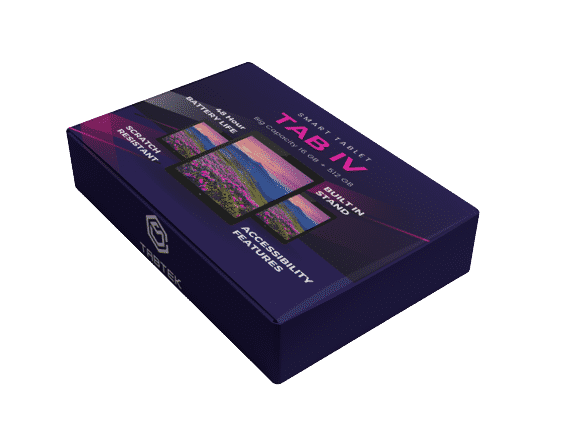
custom electronic box

Lifestyle and Interest Customization

  • Hobby or Interest-Based Packaging: Products aimed at specific hobbies or interests can benefit from customized packaging that reflects these activities. For instance, sports equipment packaging can feature athletic imagery and dynamic designs.
  • Cultural and Geographic Tailoring: Customizing packaging to reflect local cultures, languages, and symbols can significantly increase its appeal in different geographic markets.

Customization Based on Consumer Behavior

  • Eco-Conscious Packaging: For environmentally conscious consumers, using sustainable materials and minimalist designs can make the product more appealing.
  • Luxury and Premium Packaging: High-end products can benefit from packaging that exudes luxury through high-quality materials, elegant designs, and exclusive finishes.
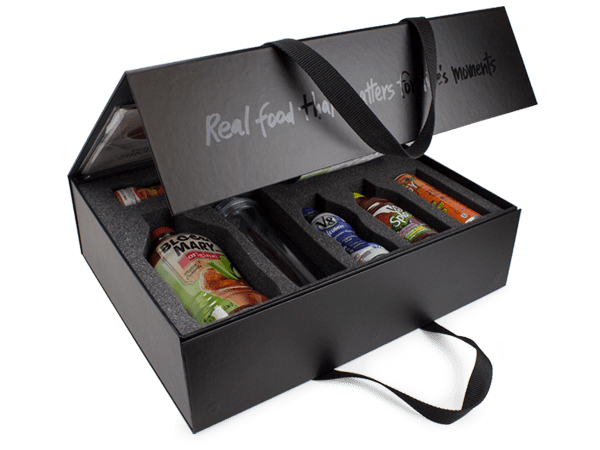
Custom rigid box with handles and foam insert

Personalization: The Ultimate Customization

  • Individualized Packaging: Advances in printing technology have made it possible to create personalized packaging, such as including a customer’s name or a personalized message, which can greatly enhance the customer experience and loyalty.

Technological Integration for Targeted Segments

  • Smart Packaging Elements: Incorporating technology like QR codes or augmented reality can appeal to tech-savvy segments, offering them an interactive and informative packaging experience.

Testing and Consumer Feedback

  • Market Testing: Before fully committing to a new packaging design for a specific segment, conduct market tests to gauge consumer response.
  • Feedback Loops: Regularly collecting and analyzing consumer feedback can provide insights into how well your packaging resonates with different segments and what improvements can be made.

Challenges in Segment-Specific Customization

  • Balancing Cost and Benefit: While customization can significantly increase appeal, it can also raise production costs. It’s crucial to balance the level of customization with the potential return on investment.
  • Avoiding Stereotypes: It’s important to base customization on genuine consumer insights and avoid reinforcing stereotypes that might be offensive or outdated.
If you are interested in customer packaging, then partner with Brown Packaging today to get started.
Most Recent Posts:
Retail Packaging Trends for 2026

Retail packaging continues to evolve as brands balance sustainability, supply chain performance, and consumer experience. In 2026, buyers face new challenges shaped by material innovation, compliance requirements, and rising consumer expectations. Understanding these trends helps companies stay competitive while aligning packaging programs with industry standards. Sustainability Becomes Non-Negotiable Greater use of recyclable and compostable substrates. Retailers pushing suppliers toward FSC-certified materials. Minimalist designs that reduce waste without losing impact. Smarter Packaging for Supply Chains Increased adoption of right-sizing to reduce freight costs. Boxes designed for automation and faster fulfillment. Stronger corrugated grades to withstand long e-commerce journeys. Enhanced Consumer Experience Custom graphics for seasonal campaigns and limited editions. Tear strips, resealable closures, and window cutouts for convenience. Premium finishes that elevate gift packaging at retail. Growth of Hybrid Packaging Formats Combining corrugated strength with folding carton graphics. Modular designs for multi-SKU and club store environments. Packaging engineered to serve both e-commerce and in-store needs. Compliance and Testing Standards Retailers demanding ISTA and ASTM testing for packaging durability. Supply chain audits on recyclability and sustainability claims. More pressure for transparent reporting on environmental impact. Retail Packaging Solutions with Brown Packaging Brown Packaging helps brands adapt to evolving retail packaging trends. From sustainable substrates to automation-friendly designs, our solutions balance branding, durability, and compliance for 2026. Contact us to prepare your packaging program for the year ahead. References Forest Stewardship Council (FSC). (2023). FSC Packaging Certification Guidelines. Retrieved from https://fsc.orgSustainable Packaging Coalition. (2023). Packaging Trends and Consumer Insights. Retrieved from https://sustainablepackaging.orgSoroka, W. (2009). Fundamentals of Packaging Technology (4th ed.). Institute of Packaging Professionals. (714)300-0650 request@brownpackaging.com Most Recent Posts: Categories: Corrugated Ecommerce ESD Design Display Flexible Packaging Foam Folding Carton Packaging Plastic Packaging Pouch Printing Protection Retail Rigid Box Thermoform Sustainability Subscribe To Our Newsletter By submitting your information, you agree to our terms and conditions and privacy policy. Custom Packaging Facebook Twitter LinkedIn Pinterest Relevant Posts

Read More »
Packaging Supplier Contracts: What Buyers Should Know

Supplier contracts can make or break a packaging program. Without the right terms, buyers risk price volatility, missed lead times, and inconsistent product quality. In 2026, negotiating smart contracts is essential for controlling costs, securing reliable supply, and meeting compliance requirements. Why Packaging Contracts Matter Cost stability: Protects against sudden raw material price spikes. Supply security: Ensures availability during peak demand. Quality control: Aligns suppliers with testing and compliance standards. Operational efficiency: Streamlines purchasing and reduces administrative burden. Key Terms Buyers Should Negotiate Volume commitments: Secure better pricing with accurate forecasts. Price adjustment clauses: Define when and how costs can change. Lead times and delivery windows: Avoid shortages and production delays. Testing and compliance: Require ISTA, ASTM, or FSC certification where applicable. Sustainability commitments: Ensure suppliers align with environmental goals. Risks of Weak Contracts Paying inflated prices during market fluctuations. Receiving inconsistent corrugated strength or print quality. Missed shipments leading to costly expedited freight. Difficulty meeting retailer or regulatory compliance. Best Practices for Buyers in 2026 Leverage data: Use past order history to negotiate realistic volumes. Dual sourcing: Maintain backup suppliers for risk management. Annual reviews: Reassess terms to reflect changes in demand and compliance. Collaborative approach: Treat suppliers as partners, not just vendors. Packaging Solutions with Brown Packaging Brown Packaging helps buyers secure strong supplier contracts that balance cost, quality, and supply chain reliability. Our partnerships and industry expertise ensure your packaging program is protected for 2026 and beyond. Contact us to discuss supplier solutions. References Soroka, W. (2009). Fundamentals of Packaging Technology (4th ed.). Institute of Packaging Professionals.Fiber Box Association. (2024). Corrugated Packaging Market Outlook. Retrieved from https://www.fibrebox.orgSustainable Packaging Coalition. (2023). Supplier Standards for Sustainable Packaging. Retrieved from https://sustainablepackaging.org (714)300-0650 request@brownpackaging.com Most Recent Posts: Categories: Corrugated Ecommerce ESD Design Display Flexible Packaging Foam Folding Carton Packaging Plastic Packaging Pouch Printing Protection Retail Rigid Box Thermoform Sustainability Subscribe To Our Newsletter By submitting your information, you agree to our terms and conditions and privacy policy. Custom Packaging Facebook Twitter LinkedIn Pinterest Relevant Posts

Read More »
Meeting 2026 Packaging Compliance Standards

Packaging compliance is no longer optional—it’s a requirement for accessing retail shelves, shipping networks, and international markets. In 2026, buyers must navigate evolving regulations around sustainability, labeling, and testing to avoid costly fines, rejected shipments, or damaged customer relationships. Why Compliance Matters in 2026 Retail requirements: Major retailers demand FSC, ISTA, and sustainability certifications. E-commerce standards: Carriers enforce dimensional weight and package testing rules. Global trade: Export packaging must comply with ISPM 15, ASTM, and ISO guidelines. Consumer trust: Transparency in packaging claims impacts purchasing decisions. Key Compliance Areas for Buyers Material sourcing: FSC-certified corrugated and board for sustainability. Labeling standards: GS1-compliant barcodes and accurate product details. Durability testing: ISTA and ASTM protocols for drop, vibration, and compression. Sustainability regulations: Requirements for recyclable or compostable materials. Chemical restrictions: Compliance with FDA, EU, or state-specific standards. Common Compliance Challenges Keeping up with frequent regulatory changes. Managing multiple certifications across suppliers. Balancing compliance with cost-efficiency. Verifying supplier claims for sustainability. Best Practices for Staying Compliant Audit suppliers annually to confirm certification validity. Run internal packaging tests before scaling. Track regulatory updates for each region you ship to. Work with experienced partners who understand industry compliance. Packaging Solutions with Brown Packaging Brown Packaging helps buyers meet 2026 compliance standards with FSC-certified materials, ISTA-tested designs, and regulatory expertise. Our team ensures your packaging meets retailer, carrier, and sustainability requirements. Contact us to keep your program compliant. References Forest Stewardship Council (FSC). (2023). FSC Certification Guidelines for Packaging. Retrieved from https://fsc.orgInternational Safe Transit Association (ISTA). (2023). ISTA Testing Procedures for Transport Packaging. Retrieved from https://ista.orgGS1. (2024). Global Standards for Packaging and Labeling. Retrieved from https://www.gs1.org (714)300-0650 request@brownpackaging.com Most Recent Posts: Categories: Corrugated Ecommerce ESD Design Display Flexible Packaging Foam Folding Carton Packaging Plastic Packaging Pouch Printing Protection Retail Rigid Box Thermoform Sustainability Subscribe To Our Newsletter By submitting your information, you agree to our terms and conditions and privacy policy. Custom Packaging Facebook Twitter LinkedIn Pinterest Relevant Posts

Read More »
How FSC Packaging Certification Impacts Your Brand

In 2026, sustainability is no longer just a trend—it’s a buyer expectation. Forest Stewardship Council (FSC) certification has become a key benchmark for responsible packaging, signaling that materials are sourced from responsibly managed forests. For packaging buyers, FSC certification is more than a compliance checkbox—it’s a brand value that influences purchasing decisions, retailer acceptance, and customer loyalty. What Is FSC Certification? The Forest Stewardship Council certifies that paper-based packaging materials are sourced from forests managed for environmental responsibility, social benefit, and economic viability. FSC Mix: Packaging contains a blend of FSC-certified and controlled wood. FSC Recycled: Packaging is made entirely from recycled fiber. FSC 100%: Packaging is sourced only from FSC-certified forests. Why FSC Matters to Buyers in 2026 Retail access: Many major retailers now require FSC-certified packaging. Sustainability goals: Aligns with corporate ESG and carbon reduction commitments. Consumer trust: Customers recognize the FSC label and view it as credible. Global compliance: Meets international sustainability regulations. How FSC Certification Strengthens Brand Value Differentiation: Stand out with certified sustainable packaging. Marketing advantage: FSC logos reinforce eco-friendly messaging. Risk reduction: Verified sourcing prevents greenwashing claims. Customer loyalty: Environmentally conscious buyers prefer certified products. Challenges in FSC Implementation Limited supply of certain FSC substrates. Higher costs compared to non-certified materials. Need for supplier audits and documentation. Packaging Solutions with Brown Packaging Brown Packaging partners with buyers to integrate FSC-certified materials into corrugated boxes, folding cartons, and retail packaging. Our solutions support sustainability while maintaining cost efficiency and protection. Contact us to strengthen your brand with FSC-certified packaging. References Forest Stewardship Council (FSC). (2023). FSC Certification Guidelines for Packaging. Retrieved from https://fsc.orgSustainable Packaging Coalition. (2023). Consumer Insights on Sustainable Packaging. Retrieved from https://sustainablepackaging.orgSoroka, W. (2009). Fundamentals of Packaging Technology (4th ed.). Institute of Packaging Professionals. (714)300-0650 request@brownpackaging.com Most Recent Posts: Subscribe To Our Newsletter By submitting your information, you agree to our terms and conditions and privacy policy. Sustainable Packaging Facebook Twitter LinkedIn Pinterest Relevant Posts

Read More »
Sustainable Packaging Buyers’ Guide for 2026

Sustainability is now a top priority for packaging buyers. Retailers, regulators, and consumers are all demanding packaging solutions that reduce environmental impact without sacrificing performance. In 2026, buyers must balance eco-friendly materials, cost, and compliance to build programs that are both effective and future-ready. What Buyers Need to Know About Sustainable Packaging Regulatory pressure: Governments are enforcing stricter rules on recyclability and plastic use. Retail mandates: FSC certification and recyclable packaging are becoming standard requirements. Consumer expectations: Customers increasingly choose brands with visible sustainability commitments. Sustainable Material Options Recycled corrugated: High recycled content while maintaining compression strength. Compostable films: Suitable for select food and retail applications. Molded pulp inserts: Replace foam or plastic for protective packaging. Water-based coatings: Enhance moisture resistance without harmful chemicals. Balancing Cost and Performance Right-size packaging: Reduces material waste and shipping costs. Hybrid solutions: Combine eco-materials with corrugated for balance. Life cycle analysis: Evaluate true environmental impact, not just marketing claims. How to Evaluate Sustainable Suppliers Verify FSC, SPC, or ISO certifications. Request testing data for durability and recyclability. Audit supply chains for consistency and transparency. Ensure claims meet local and international compliance standards. Packaging Solutions with Brown Packaging Brown Packaging helps buyers implement sustainable packaging programs that balance cost, performance, and compliance. From recycled corrugated to eco-friendly coatings and inserts, we deliver solutions that meet 2026 sustainability goals. Contact us to explore sustainable packaging options. References Forest Stewardship Council (FSC). (2023). FSC Certification Guidelines for Packaging. Retrieved from https://fsc.orgSustainable Packaging Coalition. (2023). Packaging Sustainability Trends and Buyer Insights. Retrieved from https://sustainablepackaging.orgSoroka, W. (2009). Fundamentals of Packaging Technology (4th ed.). Institute of Packaging Professionals. (714)300-0650 request@brownpackaging.com Most Recent Posts: Categories: Corrugated Ecommerce ESD Design Display Flexible Packaging Foam Folding Carton Packaging Plastic Packaging Pouch Printing Protection Retail Rigid Box Thermoform Sustainability Subscribe To Our Newsletter By submitting your information, you agree to our terms and conditions and privacy policy. Sustainable Packaging Facebook Twitter LinkedIn Pinterest Relevant Posts

Read More »
Comparing Single vs. Multi-Material Packaging

Choosing the right packaging material is one of the most important decisions buyers face. Single-material packaging offers simplicity and recyclability, while multi-material designs provide enhanced performance and protection. Understanding the trade-offs helps companies balance cost, functionality, and sustainability goals in 2026. What Is Single-Material Packaging? Single-material packaging uses one substrate—such as corrugated board, folding carton, or plastic—for the entire structure. Advantages: Easier to recycle and dispose. Lower material costs in many cases. Streamlined sourcing and inventory. Supports sustainability messaging. Disadvantages: Limited barrier protection. Less customization for fragile or complex products. May require added thickness for strength, increasing weight. What Is Multi-Material Packaging? Multi-material packaging combines two or more substrates—such as corrugated with foam, or paperboard laminated with film—to achieve specific performance outcomes. Advantages: Greater protection against moisture, oxygen, and impact. Allows for premium finishes and enhanced graphics. Ideal for fragile or high-value products. Customizable for unique supply chain conditions. Disadvantages: More difficult to recycle due to material separation. Higher cost and longer lead times. Complex sourcing and inventory management. When to Use Each Approach Single-material packaging: Best for products with low fragility, strong sustainability requirements, or cost-driven programs. Multi-material packaging: Best for high-value, fragile, or regulated products requiring advanced protection. Balancing Performance and Sustainability Buyers must weigh performance needs against eco goals: Use recyclable coatings to extend single-material performance. Choose hybrid designs that separate easily for recycling. Apply multi-material solutions only where risk of damage outweighs cost. Packaging Solutions with Brown Packaging Brown Packaging helps buyers evaluate when to use single- vs. multi-material packaging. Our team balances sustainability, performance, and cost to deliver solutions tailored to your supply chain. Contact us to explore the right approach for your products. References Forest Stewardship Council (FSC). (2023). FSC Packaging Certification Guidelines. Retrieved from https://fsc.orgSoroka, W. (2009). Fundamentals of Packaging Technology (4th ed.). Institute of Packaging Professionals.Sustainable Packaging Coalition. (2022). Design for Recyclability and Multi-Material Packaging Report. Retrieved from https://sustainablepackaging.org (714)300-0650 request@brownpackaging.com Most Recent Posts: Categories: Corrugated Ecommerce ESD Design Display Flexible Packaging Foam Folding Carton Packaging Plastic Packaging Pouch Printing Protection Retail Rigid Box Thermoform Sustainability Subscribe To Our Newsletter By submitting your information, you agree to our terms and conditions and privacy policy. Custom Packaging Facebook Twitter LinkedIn Pinterest Relevant Posts

Read More »
Categories:
Subscribe To Our Newsletter

By submitting your information, you agree to our terms and conditions and privacy policy.

Custom Kraft Pouch With Window
Custom Packaging
Facebook
Twitter
LinkedIn
Pinterest
Relevant Posts
Packaging: Striking the Perfect Balance Between Price, Sustainability, and Quality
Packaging
brownpackaging
Packaging: Balancing Price, Sustainability, and Quality

Packaging is a critical component of our daily lives, serving a dual purpose of protecting products and conveying vital information to consumers. In the wake of growing environmental concerns, the selection of packaging materials has become a focal point. In this blog, we will delve into the intricate interplay between price, sustainability, and quality in packaging. Price Price typically takes center stage for businesses when they contemplate packaging materials. It wields a direct impact on the financial bottom line and is a key determinant of profitability. Let’s dissect the pricing considerations for various packaging materials: Flexible Plastic: Flexible plastic packaging is often the most economical choice. Its production cost is low, and its lightweight nature reduces transportation expenses. It is important to recognize that generic non-flexible plastic packaging can be more expensive depending on the application. Bulk purchasing of flexible plastic packaging materials is budget-friendly. Nevertheless, a holistic cost analysis should factor in long-term expenses, including disposal and potential harm to a brand’s reputation due to environmental concerns. Corrugated: Corrugated packaging materials are generally cost-effective but may sometimes surpass flexible plastic packaging in terms of pricing. Customization or printing on corrugated packaging can incrementally raise costs. Opting for recycled corrugated materials not only contributes to cost efficiency but also promotes sustainability. Chipboard and Paperboard: Chipboard and paperboard packaging materials tend to offer an economical solution. Their competitive pricing, coupled with their adaptability and versatility, make them suitable for a wide spectrum of products. Utilizing recycled chipboard and paperboard further enhances their cost-effectiveness and sustainability. Flexible Plastic Corrugated Chipboard/Paperboard Sustainability As global environmental consciousness continues to rise, sustainability has emerged as a pivotal factor in packaging decisions. Sustainable packaging aims to minimize its ecological impact across its entire lifecycle. Here’s how different materials stack up in terms of sustainability: Plastic: Traditional plastic packaging is often criticized for being non-biodegradable and for exacerbating plastic pollution. However, innovations such as biodegradable plastics and recycled PET offer more sustainable alternatives. Corrugated: Corrugated packaging is generally regarded as a more sustainable option, especially when sourced from responsibly managed forests or containing recycled content. Its biodegradability and ease of recycling bolster its eco-friendly credentials. Chipboard and Paperboard: Chipboard and paperboard packaging materials inherently possess sustainability attributes, often originating from renewable sources like wood pulp. Their recyclability and biodegradability make them environmentally responsible choices. Quality Packaging quality plays a pivotal role in safeguarding products, preserving their integrity, and enhancing the overall customer experience. Here’s how different materials perform concerning quality: Plastic: Plastic packaging excels in protecting products from moisture and is highly resistant to breakage. However, it may not be suitable for products requiring breathability or specific temperature conditions. Corrugated: Corrugated packaging offers versatility and can be tailored to accommodate various product types. It is particularly well-suited for dry goods and provides robust protection when designed effectively. Chipboard and Paperboard: Chipboard and paperboard packaging are renowned for their adaptability and quality, making them suitable for a diverse range of products. They excel in maintaining product integrity and are an excellent choice for items sensitive to light or air. If you are looking for custom packaging solutions tailored to your needs, then partner with Brown Packaging today to get started. (714)300-0650 request@brownpackaging.com Most Recent Posts: Categories: Corrugated Ecommerce ESD Design Display Flexible Packaging Foam Folding Carton Packaging Plastic Packaging Pouch Printing Protection Retail Rigid Box Thermoform Sustainability Subscribe To Our Newsletter By submitting your information, you agree to our terms and conditions and privacy policy. Custom Packaging Facebook Twitter LinkedIn Pinterest Relevant Posts

Read More »
Corrugated RSC Boxes vs. Full-Overlap (FOL) Boxes: Which is The Right Choice
Corrugated
brownpackaging
Corrugated RSC Boxes vs. Full-Overlap (FOL) Boxes

When it comes to packaging solutions, corrugated boxes offer versatility and protection. Among the common corrugated box styles are the Regular Slotted Container (RSC) box and the Full-Overlap (FOL) box. Each style caters to specific packaging needs, making them suitable for various applications. In this comparative analysis, we will explore the characteristics, use cases, advantages, and considerations of Corrugated RSC Boxes and Full-Overlap (FOL) Boxes to help you determine which is the right choice for your packaging requirements. What is a (RSC) Box? Regular Slotted Container (RSC) boxes are known for their simplicity and efficiency in design and production. They feature four flaps—two on the top and two on the bottom—that meet in the center when closed. RSC boxes are cost-effective and widely used across industries. What is a Full-Overlap (FOL) Box? Full-Overlap (FOL) boxes, in contrast, are designed with flaps that fully overlap when closed, providing added protection and structural integrity. These boxes excel in safeguarding products during transit, making them ideal for items that require extra strength and stability. A Comparative Analysis Design and Closure: Corrugated (RSC) Box: RSC boxes offer a straightforward design, making them easy to assemble and close with tape or adhesive. Closure involves folding the flaps on the top and bottom, taping or gluing to a secure seal. Full-Overlap (FOL) Box: FOL boxes feature overlapping flaps, enhancing structural integrity and security. The flaps provide additional protection and resistance to crushing, making FOL boxes ideal for fragile or heavy items. Protection and Strength: Corrugated (RSC) Box: RSC boxes offer standard protection and are suitable for a wide range of products. While they provide adequate strength, they may not be the best choice for heavy or delicate items. Full-Overlap (FOL) Box: FOL boxes excel in providing enhanced protection and structural integrity. They are ideal for shipping heavy, fragile or valuable items, including electronics, glassware, and machinery. Versatility: Corrugated (RSC) Box: RSC boxes are versatile and can be used for various products and industries. They are cost-effective and readily available in standard sizes. Full-Overlap (FOL) Box: FOL boxes are versatile as well but are often chosen for specific applications requiring superior protection. They may be slightly more expensive than RSC boxes due to their specialized design. Customization: Corrugated (RSC) Box: RSC boxes can be customized with printed graphics and branding, enhancing their visual appeal. Full-Overlap (FOL) Box: FOL boxes can also be customized with branding and graphics and are often used for premium or high-end products. Cost-Efficiency: Corrugated (RSC) Box: RSC boxes are generally more cost-effective due to their simpler design and ease of production. Full-Overlap (FOL) Box: FOL boxes may come at a slightly higher cost, primarily due to their enhanced protective features. Choosing the Right Box for Your Needs The choice between Corrugated RSC Boxes and Full-Overlap (FOL) Boxes hinges on your specific packaging requirements. Here are some considerations: If you need a cost-effective and versatile solution for standard products, Corrugated RSC Boxes are a practical choice. If you’re shipping fragile or valuable items, heavy machinery, or electronics, Full-Overlap (FOL) Boxes offer superior protection and structural integrity. Customization and branding are possible with both box styles, allowing you to create a unique packaging experience for your customers. If you are interested corrugated boxes like RSC, FOL and other styles, then partner with Brown Packaging today to get started. (714)300-0650 request@brownpackaging.com Most Recent Posts: Categories: Corrugated Ecommerce ESD Design Display Flexible Packaging Foam Folding Carton Packaging Plastic Packaging Pouch Printing Protection Retail Rigid Box Thermoform Sustainability Subscribe To Our Newsletter By submitting your information, you agree to our terms and conditions and privacy policy. Custom Corrugated Boxes Facebook Twitter LinkedIn Pinterest Relevant Posts

Read More »
Custom Point of Purchase Displays
Display
brownpackaging
Creating a Sense of Urgency with POP Displays

In the competitive retail landscape, creating a sense of urgency through Point of Purchase (POP) displays can significantly boost impulse buying and drive quick sales decisions. This blog explores effective strategies to harness the power of urgency in POP displays, helping retailers turn casual browsers into committed buyers. Understanding the Psychology of Urgency Urgency compels action. It taps into a consumer’s fear of missing out (FOMO) on a good deal, a new product, or a limited-time offer. The right use of urgency in a POP display can make the difference between a shopper walking by and one stopping to make a purchase. It’s about creating an irresistible offer that feels too good to pass up. Key Strategies to Create Urgency Limited-Time Offers Highlighting that a special offer is available for a limited time is a classic and effective way to create urgency. Use countdown timers or dates clearly stating when the promotion ends. This can be particularly effective during holiday sales, back-to-school seasons, or any other time-sensitive shopping periods. Limited Quantities Available Displaying messages like “While Supplies Last” or “Limited Stock” can drive home the urgency of purchasing before it’s too late. This strategy works well for products known to be popular or for newly released items that are expected to sell out quickly. Exclusive Products Featuring products that are exclusive to your store or available only for a limited period can also create urgency. Shoppers are more likely to make on-the-spot purchases if they believe they’re getting something unique or hard to find elsewhere. Flash Sales Utilize POP displays to promote flash sales, where products are available at a discount for a short period. This not only creates urgency but also adds an element of excitement to the shopping experience. Seasonal and Event-Driven Promotions Aligning POP displays with ongoing events or seasons can leverage existing consumer excitement and a natural sense of urgency. For example, a POP display with a “Back to School Sale Ends Soon!” message during the late summer effectively targets parents and students looking to complete their shopping in time. Design Elements That Enhance Urgency Bold and Clear Messaging Your urgency message should be the most prominent part of the display. Use large fonts, bold colors, and direct language to ensure the message is easily seen and understood from a distance. Visual Cues Use visual cues such as arrows or borders to draw attention directly to the urgency message. Bright colors like red or orange are often associated with urgency and can be very effective. Strategic Placement Place urgent POP displays at high-traffic areas or decision points within the store, such as near the checkout lanes or at the end of aisles. The more eyes on your urgent message, the better. Use of Technology Incorporating digital elements into your POP displays can make updating urgency messages more dynamic and timely. Digital screens can show changing countdowns, flash sale times, or instantly update stock levels to reflect scarcity. How to Create Effective Bundles Creating successful bundle packages requires careful planning and consideration. Here are some steps to guide you: Understand Your Audience: Start by understanding your target audience’s needs and preferences. What products or services are they likely to buy together? What problems can your bundles solve for them? Choose Complementary Products: Select products that naturally complement each other. They should enhance the value of the bundle and make sense to the customer. For example, a camera bundle could include lenses, a tripod, and a camera bag. Pricing Strategy: Determine the pricing strategy for your bundles. Typically, bundles are priced lower than the total cost of purchasing each item separately, offering customers a discount. However, ensure that your pricing still allows for a reasonable profit margin. Packaging Design: Invest in attractive and informative packaging design. The packaging should clearly communicate what’s included in the bundle and its value proposition. High-quality packaging enhances the perceived value of the bundle. Marketing and Promotion: Promote your bundles through various marketing channels, both online and offline. Highlight the benefits of purchasing the bundle, such as cost savings or convenience. Use visuals and descriptions that resonate with your target audience. Monitor and Adjust: Track the performance of your bundles. Analyze sales data, customer feedback, and return on investment. Make adjustments as needed to optimize your bundle offerings. Conclusion Creating a sense of urgency with POP displays is a potent strategy to accelerate decision-making and increase sales. By combining psychological triggers with strategic design and placement, retailers can effectively motivate customers to act quickly, increasing both customer engagement and profitability. Effective urgency strategies make the shopping experience exciting and rewarding, encouraging customers to make immediate purchases and potentially return for more. If you are interested in POP displays, then partner with Brown Packaging today to get started. (714)300-0650 request@brownpackaging.com Most Recent Posts: Categories: Corrugated Ecommerce ESD Design Display Flexible Packaging Foam Folding Carton Packaging Plastic Packaging Pouch Printing Protection Retail Rigid Box Thermoform Sustainability Subscribe To Our Newsletter By submitting your information, you agree to our terms and conditions and privacy policy. POP Display Facebook Twitter LinkedIn Pinterest Relevant Posts

Read More »