

window.uetq = window.uetq || []; window.uetq.push(‘event’, ‘submit_lead_form’,{ event_label:‘SUBMIT MESSAGE’ }); window.lintrk('track', { conversion_id: 10271009 }); window.lintrk('track', { conversion_id: 10271017 });

Creating Competitive Packaging: A Small Business Guide

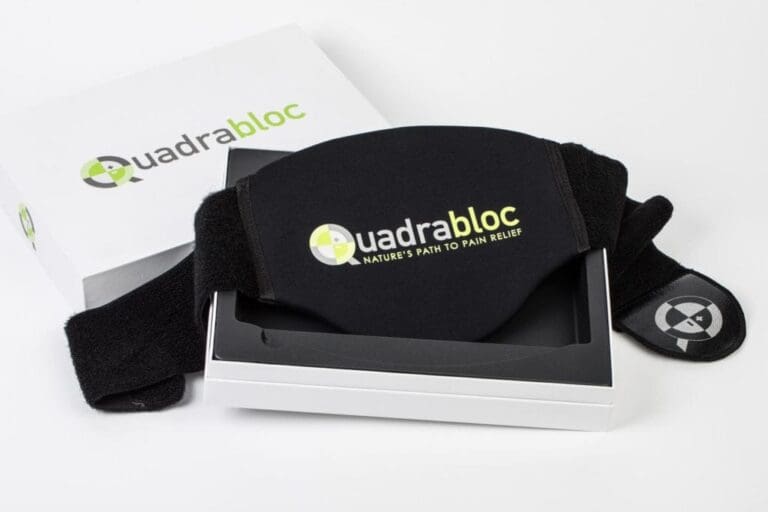
Quadrabloc Case study: rigid box

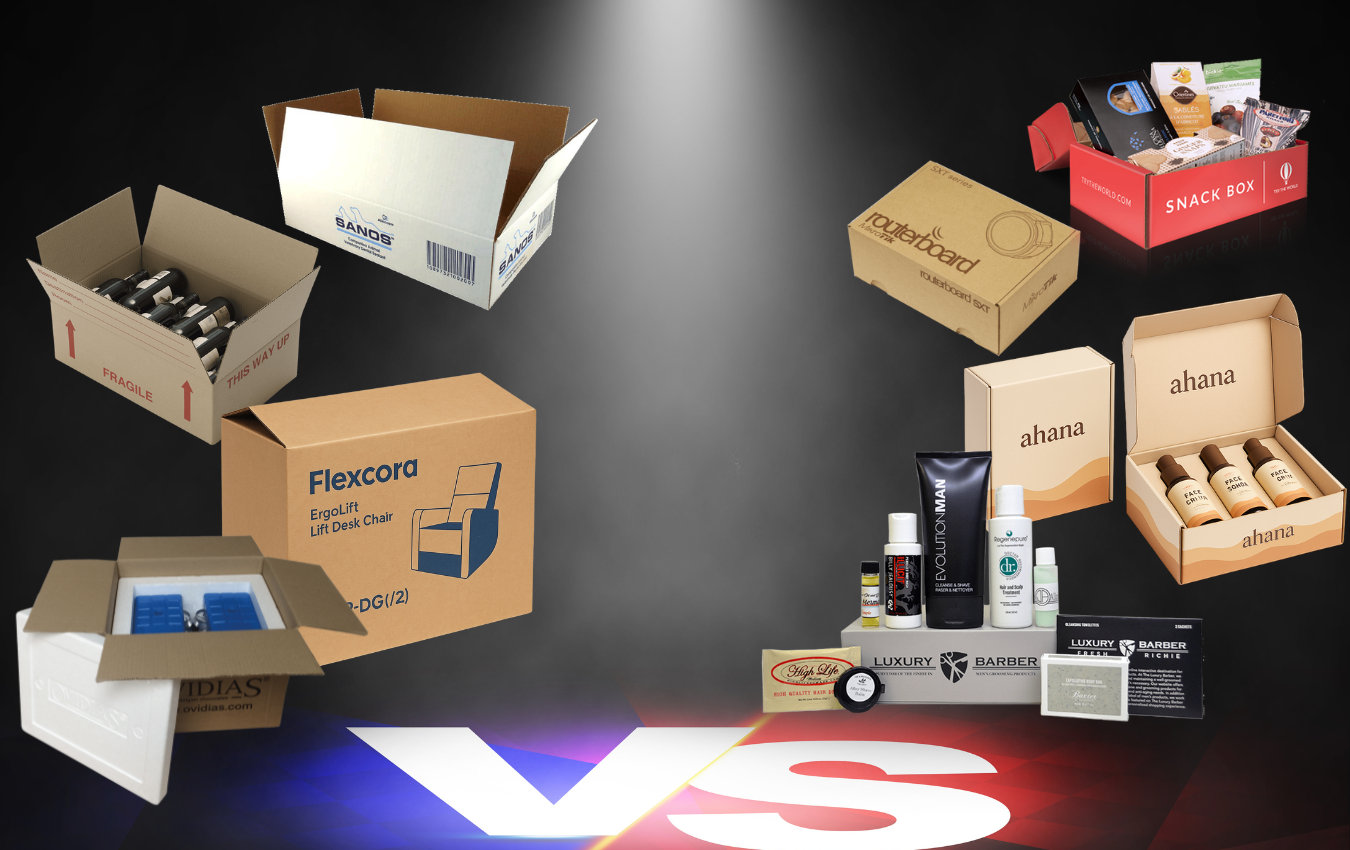
In today’s competitive business landscape, packaging plays a crucial role in attracting customers and setting your products apart from the competition. While larger corporations often have bigger budgets for packaging design and production, small businesses can still create packaging that is equally competitive and appealing. In this blog, we’ll explore strategies and tips for small businesses to create packaging that stands out and drives success.

Understand Your Target Audience

Before diving into packaging design, it’s essential to have a deep understanding of your target audience. What appeals to them? What are their preferences? Small businesses have the advantage of being able to connect on a personal level with their customers. Engage with your audience through surveys, social media, and customer feedback to gather insights into their expectations.

Unique Branding

Your packaging should reflect your brand’s personality and values. Create a unique and memorable brand identity that resonates with your target audience. This includes choosing distinct colors, fonts, and logos that set you apart from competitors. Consistency in branding across all packaging materials is key to building brand recognition.

Quality Matters

While small businesses may not have the budget for extravagant packaging, it’s crucial to invest in quality materials. Sturdy, well-made packaging not only protects your products but also conveys a sense of professionalism and reliability. Consider eco-friendly materials to appeal to environmentally-conscious consumers.

Tell a Story

Larger businesses often have elaborate marketing campaigns, but small businesses can compete by using packaging to tell their story. Include a brief narrative on the packaging that highlights the journey of your business, your commitment to quality, or your dedication to a particular cause. This personal touch can resonate deeply with customers.

Focus on Functionality

Packaging should not only look good but also serve its primary purpose effectively. Ensure that your packaging is practical, easy to open, and provides adequate protection for your products. Think about how customers will interact with it and make their experience as seamless as possible.

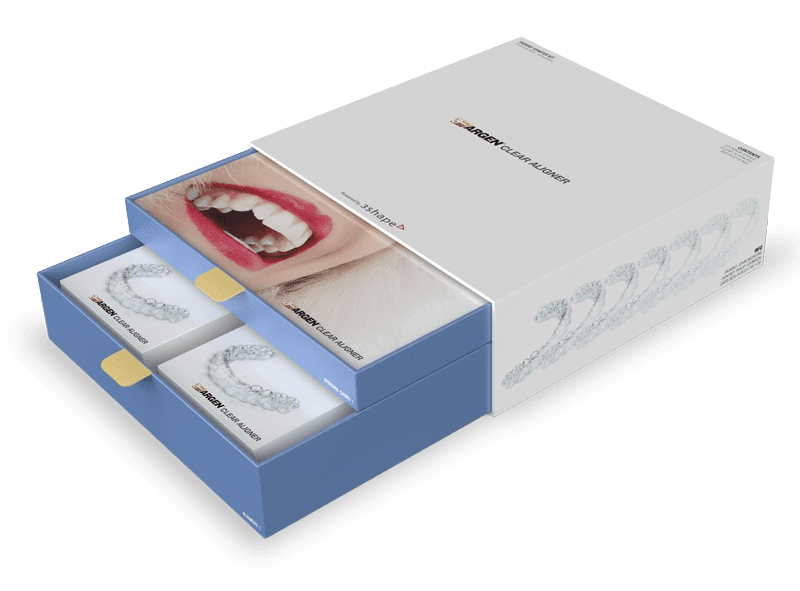
Dental Packaging Match Rigid Box (Slide)

Differentiate Through Innovation

Small businesses can innovate and create packaging solutions that stand out. Consider unique packaging shapes, interactive elements, or even incorporating technology like QR codes for a more engaging experience. Innovations can capture customers’ attention and make your products more memorable.

Cost-Effective Design

While larger corporations may have more resources, small businesses can design cost-effective packaging by simplifying their designs. Focus on minimalist yet impactful design elements. Utilize affordable printing and labeling options that still create a visually appealing package.

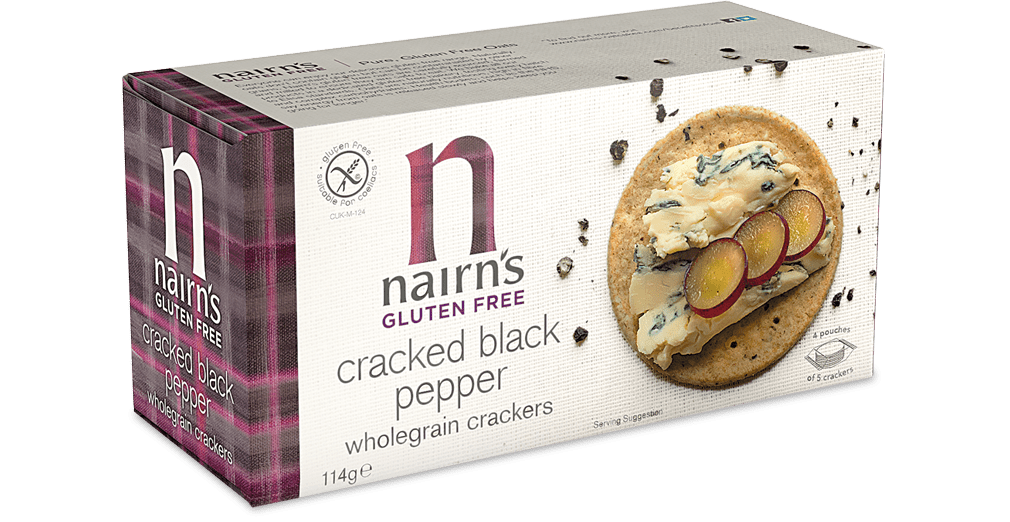
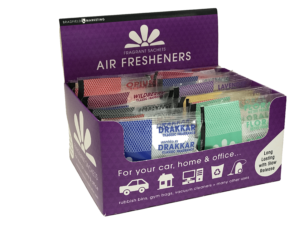
custom folding carton box

Personalization

Personalization is a powerful tool in packaging. Consider adding personalized messages, thank-you notes, or even the customer’s name to create a sense of connection. Customized packaging shows that you value your customers individually.

Stay Updated

The world of packaging is constantly evolving. Stay updated on the latest trends and technologies in packaging design. Attend trade shows, read industry publications, and network with other small business owners to gather insights and inspiration.

Test and Iterate

Don’t be afraid to experiment with different packaging designs and gather feedback from your customers. Continuously improve and refine your packaging based on customer input and changing market trends.

The Art and Science of Toy Packaging for Newborns

Conclusion

Creating competitive packaging as a small business is not just about outspending your larger competitors; it’s about understanding your customers, building a unique brand identity, and delivering high-quality packaging that aligns with your brand’s values. By following these strategies and staying committed to excellence, small businesses can create packaging that competes on a level playing field with larger corporations. Your packaging can become a powerful tool in building customer loyalty and driving success.

If you are interested in competitive packaging for your small business, then partner with Brown Packaging today to get started.

Most Recent Posts:
Retail Packaging Trends for 2026

Retail packaging continues to evolve as brands balance sustainability, supply chain performance, and consumer experience. In 2026, buyers face new challenges shaped by material innovation, compliance requirements, and rising consumer

Read More »
Meeting 2026 Packaging Compliance Standards

Packaging compliance is no longer optional—it’s a requirement for accessing retail shelves, shipping networks, and international markets. In 2026, buyers must navigate evolving regulations around sustainability, labeling, and testing to

Read More »
Categories:
Subscribe To Our Newsletter

By submitting your information, you agree to our terms and conditions and privacy policy.

Custom Packaging
Facebook
Twitter
LinkedIn
Pinterest
Relevant Posts
10 Top E-Commerce Packaging Trends for 2025
Ecommerce
brownpackaging
10 Top E-Commerce Packaging Trends for 2025

As e-commerce continues to grow rapidly, packaging plays a pivotal role in delivering products safely and creating memorable customer experiences. In 2025, brands will focus on innovative, eco-friendly solutions that enhance shipping efficiency while meeting sustainability goals. Here are the top trends expected to shape e-commerce packaging in 2025: Sustainable Materials Right-Sized Packaging Custom Branded Packaging Frustration-Free and Easy-Open Designs Reusable E-Commerce Packaging Smart and Connected Packaging Lightweight and Protective Packaging Minimalist Packaging Solutions Flexible Packaging for E-Commerce Cost-Effective Packaging Solutions Sustainable Materials Sustainability will continue to dominate the e-commerce packaging landscape in 2025, with businesses shifting towards eco-friendly materials like recyclable, biodegradable, and compostable options. Brands will prioritize packaging made from recycled materials to meet consumer demand for environmentally responsible choices. Right-Sized Packaging Right-sizing will become more crucial as brands work to reduce material waste and shipping costs. By using packaging that fits the product precisely, companies will minimize excess packaging, reduce void fill, and decrease the environmental impact associated with oversized packages. Custom Branded Packaging Personalization and branding will remain a key trend in e-commerce packaging in 2025. Businesses will use customized packaging to enhance the unboxing experience, build brand loyalty, and create memorable interactions with customers. Digital printing will allow brands to create custom designs without large print runs. Frustration-Free and Easy-Open Designs Consumers expect packaging that is easy to open and reduces waste. In 2025, frustration-free packaging will continue to gain momentum, ensuring that products are securely packaged but easy for customers to access. This trend will focus on eliminating excessive materials and improving user experience with simplified designs. Reusable E-Commerce Packaging Reusable packaging will be an important trend as companies explore sustainable alternatives to single-use options. Refillable or returnable packaging solutions will help reduce waste and offer customers a more eco-friendly option for receiving and returning products, particularly in industries like fashion and electronics. Smart and Connected Packaging By 2025, more e-commerce brands will incorporate smart technology into their packaging. RFID tags, QR codes, and NFC-enabled packaging will allow customers to interact with the product through their smartphones, providing information about the product’s journey, sustainability efforts, or exclusive promotions. Lightweight and Protective Packaging To balance shipping costs with product protection, businesses will adopt lightweight packaging materials that provide durability without adding unnecessary weight. Advanced materials and design innovations will help protect fragile or high-value items during transit while reducing transportation emissions and costs. Minimalist Packaging Solutions In response to both consumer demand and sustainability efforts, minimalist packaging designs will rise in popularity. Brands will opt for simple, clean packaging that uses fewer materials, reduces waste, and highlights eco-friendly messaging. This approach resonates with consumers who prioritize sustainability and value-conscious choices. Flexible Packaging for E-Commerce Flexible packaging—such as pouches and bags—will continue to gain traction in the e-commerce space due to its lightweight, space-saving properties. Flexible packaging reduces material waste and shipping costs while providing durability and protection for products of various shapes and sizes. Cost-Effective Packaging Solutions As businesses look to balance sustainability with budget constraints, cost-effective packaging solutions will be essential. Innovations in packaging design and material sourcing will allow companies to offer eco-friendly options without raising costs significantly, making sustainable packaging more accessible to businesses of all sizes. E-commerce packaging in 2025 will focus on balancing efficiency, sustainability, and customer experience. Companies that adopt these trends will be well-positioned to deliver high-quality, eco-conscious packaging solutions that meet both business needs and consumer expectations. If you’re interested in ecommerce packaging for 2025, then partner with Brown Packaging today to get started. (714)300-0650 request@brownpackaging.com Most Recent Posts: Categories: Corrugated Ecommerce ESD Design Display Flexible Packaging Foam Folding Carton Packaging Plastic Packaging Pouch Printing Protection Retail Rigid Box Thermoform Sustainability Subscribe To Our Newsletter By submitting your information, you agree to our terms and conditions and privacy policy. Ecommerce Packaging Facebook Twitter LinkedIn Pinterest Relevant Posts

Read More »
Roll Stock vs. Pouches: Comparing Flexible Packaging Options
Flexible Packaging
brownpackaging
Roll Stock vs. Pouches: Comparing Flexible Packaging Options

Packaging plays a crucial role in marketing a product. The packaging material and design not only protect the product but also influence the customer’s purchasing decision. Roll stock and pouches are two popular types of flexible packaging used widely across various industries. In this blog post, we will dive deeper into roll stock and pouches and compare and contrast them to help you decide which one is the best option for your packaging needs. What is Roll Stock? Roll stock, also known as roll-fed packaging, is a type of flexible packaging material that comes in a roll form. It is commonly made of plastic materials such as polypropylene, polyethylene, and polyester. Roll stock is a popular choice for packaging products such as snacks, pet food, candy or similar products. Roll stock can be customized to meet the specific needs of a product. It can be printed with high-quality graphics, which is great for branding and marketing purposes. Roll stock can also be made in different sizes, thicknesses, and colors to suit different packaging requirements. Roll stock is produced in large rolls and then cut and formed into the final shape by the packaging manufacturer or co-packer. The manufacturing process is cost-effective, making it a good choice for companies looking to save money on packaging costs. Roll stock takes up less storage space than pre-made pouches because it is produced in large rolls. This makes it easier to store and transport. What are Pouches? Pouches, also known as pre-made bags, are another popular type of flexible packaging. Unlike roll stock, pouches are pre-made and come in various sizes, shapes, and styles. They are commonly made of materials such as plastic films, laminates, and aluminum foil. Pouches can be customized with high-quality graphics and designs, making them a popular choice for branding and marketing purposes. They are used to package a wide range of products such as supplements, powders, foods, beverages and personal care items. Pouches are made by sealing the edges of pre-made bags to create a sealed container. This process creates a tight seal that prevents air and moisture from entering the package, providing better product protection than roll stock. However, because pouches are pre-made and come in standard sizes and shapes, they can be more expensive than roll stock. Differences between Roll Stock and Pouches Here are the key differences between roll stock and pouches: Manufacturing Process Roll stock is produced in large rolls and then cut and formed into the final shape by the packaging manufacturer or co-packer. Pouches, on the other hand, are pre-made and formed into the final shape during the manufacturing process. Roll stock require either vertical or horizontal 4-fill seal machine also known as a vertical or horizontal wrapper. Size and Shape Roll stock can be made in any size or shape, depending on the product’s packaging requirements. Pouches, on the other hand, come in standard sizes and shapes. Printing Roll stock offers more flexibility when it comes to printing. The entire surface of the roll stock can be printed with high-quality graphics, while pouches have limited space for printing. Cost Roll stock tends to be more cost-effective than pouches because it is produced in bulk and is customizable. Pouches, on the other hand, are pre-made in stock and come in standard sizes and shapes, custom pouches can be made for specific sizes, making them more expensive. Storage Space Roll stock takes up less storage space than pouches because it is produced in large rolls, while pouches take up more storage space because they are pre-made and cannot be stacked. Product Protection Pouches provide better product protection than roll stock because they are pre-made and have sealed edges that prevent air and moisture from entering the package. Which One Should You Choose? Both roll stock and pouches have their advantages and disadvantages. The choice ultimately depends on the specific needs of your product. Roll stock is a good choice if you need a flexible packaging material that can be customized in terms of size, shape, and printing. It is also cost-effective and takes up less storage space, making it a good choice for companies with limited storage capacity. Roll stock is ideal for products that don’t require a specific shape or size and don’t need the extra protection provided by a pre-made pouch. Pouches, on the other hand, provide better product protection and are a good choice for products that are sensitive to air and moisture. They are also a good choice for products that require a specific size or shape. Pouches are an excellent option for products that need to stand out on shelves and grab the attention of customers due to their customizable printing options. When deciding which packaging material to use, consider factors such as cost, size, shape, printing, and product protection. If you are interested in roll stock, pouches or other flexible packaging, then partner with Brown Packaging today to get started. (714)300-0650 request@brownpackaging.com Most Recent Posts: Categories: Corrugated Ecommerce ESD Design Display Flexible Packaging Foam Folding Carton Packaging Plastic Packaging Pouch Printing Protection Retail Rigid Box Thermoform Sustainability Subscribe To Our Newsletter By submitting your information, you agree to our terms and conditions and privacy policy. Roll Stock Facebook Twitter LinkedIn Pinterest Relevant Posts

Read More »
Custom Tubes
Ecommerce
brownpackaging
Exploring Alternative Packaging Options for Mailing Tubes

Mailing tubes have long been a popular choice for shipping and storing various items, from posters and blueprints to documents and delicate artworks. While they serve their purpose effectively, there are alternative packaging solutions that can offer unique advantages and benefits. In this comprehensive guide, we will explore alternative packaging options to mailing tubes, considering various materials, designs, and their suitability for different types of contents. The Limitations of Mailing Tubes Before delving into alternative packaging options, it’s essential to understand the limitations of mailing tubes: Limited Shape Compatibility: Mailing tubes are primarily designed for long, cylindrical items. They may not be suitable for irregularly shaped or flat objects. Lack of Padding: Mailing tubes typically provide minimal protection against impact and bending. Fragile or sensitive items may require additional padding. Storage Challenges: Mailing tubes can be difficult to store efficiently, especially when dealing with a large quantity of varying tube sizes. Now, let’s explore alternative packaging options: Corrugated Boxes Corrugated boxes come in various sizes and shapes, making them versatile for different types of items. They offer more robust protection than mailing tubes and can be customized with dividers, foam inserts, or partitions to secure fragile objects. Corrugated boxes are also easier to stack and store. Bubble Mailers Bubble mailers, or padded envelopes, are lightweight and provide cushioning for small to medium-sized items. They are an excellent choice for documents, books, clothing, and small electronics. Bubble mailers come in different sizes and offer a cost-effective alternative to mailing tubes. Flat Mailers Flat mailers are perfect for shipping flat or thin items such as photographs, artwork, or documents. They are designed to prevent bending or damage during transit. Flat mailers often have rigid or reinforced designs for added protection. Expandable Mailers Expandable mailers are ideal for items that may vary in thickness. They feature a gusseted design that allows the mailer to expand to accommodate thicker contents. This versatility makes them suitable for various products, including books and catalogs. Rigid Mailers Rigid mailers, also known as chipboard mailers or stay flat mailers, provide sturdy protection for delicate items like photographs and prints. They are constructed from rigid cardboard or paperboard and come in various sizes. Telescopic Boxes Telescopic boxes consist of two parts that slide into each other, providing adjustable length. They are a great alternative for items that require a secure and expandable packaging solution, such as posters or rolled documents. Poly Mailers Poly mailers are lightweight and water-resistant, making them suitable for shipping clothing, accessories, and non-fragile items. They come in various sizes and can be customized with branding or labeling. Custom Packaging Solutions Depending on your specific needs, you can explore custom packaging solutions tailored to your product requirements. Custom packaging allows you to design packaging that perfectly fits your items, ensuring maximum protection and brand presentation. Choosing the Right Alternative Selecting the right alternative packaging to mailing tubes depends on the nature of your products, shipping requirements, and budget considerations. Carefully assess the size, shape, and fragility of your items, as well as your branding and sustainability goals. By exploring these alternative packaging options, you can find a solution that not only protects your contents during transit but also aligns with your overall packaging strategy. If you are interested in alternative packaging to mailing tubes, then partner with Brown Packaging today to get started. (714)300-0650 request@brownpackaging.com Most Recent Posts: Categories: Corrugated Ecommerce ESD Design Display Flexible Packaging Foam Folding Carton Packaging Plastic Packaging Pouch Printing Protection Retail Rigid Box Thermoform Sustainability Subscribe To Our Newsletter By submitting your information, you agree to our terms and conditions and privacy policy. Custom Packaging Facebook Twitter LinkedIn Pinterest Relevant Posts

Read More »