

Home » Corrugated Boxes vs. Other Packaging Options: A Comparative Study
Corrugated Boxes vs. Other Packaging Options: A Comparative Study
Packaging serves as the first impression of a product. As the old saying goes, “You never get a second chance to make a first impression.” That’s why choosing the right type of packaging is crucial. There are countless packaging options available in the market, each with its own set of advantages and disadvantages. In this comparative study, we are going to dive into the world of corrugated boxes and see how they stand against other packaging options.
Understanding Corrugated Boxes
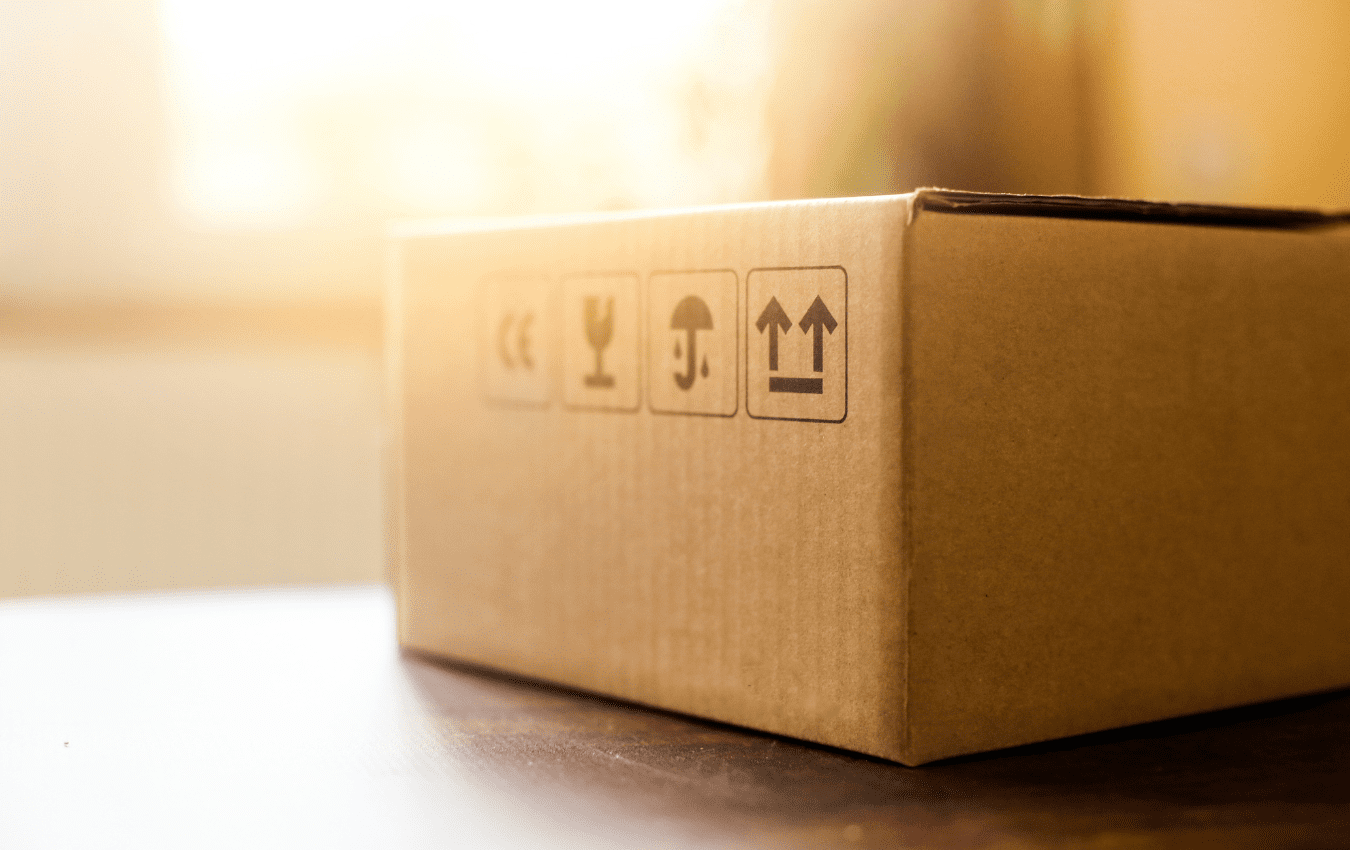
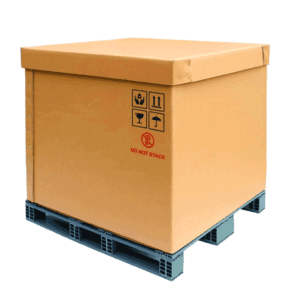
Corrugated boxes, also known as cardboard boxes, are made from corrugated paperboard. These boxes consist of a fluted corrugated sheet and one two, three or four flat linerboards. They are popular for their strength, durability, lightweight nature, recyclability, and cost-effectiveness.
Corrugated Boxes vs. Plastic Packaging
Plastic packaging is one of the primary alternatives to corrugated boxes. While plastic packaging can be lightweight and versatile, corrugated boxes often come out on top in terms of sustainability and protection.
Sustainability
Corrugated boxes are generally made from renewable resources, and they are widely recyclable. In contrast, plastic packaging contributes to environmental pollution as it takes hundreds of years to degrade, and even then, it breaks down into microplastics which pose their own environmental concerns.
Protection
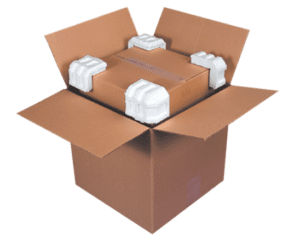
While plastic packaging can provide waterproofing and air-tight sealing, corrugated boxes offer superior cushioning and strength for heavy or fragile items. They can also be customized with interior partitions and protective inserts, providing a safer transit experience for delicate goods.
Corrugated Boxes vs. Wood Crates
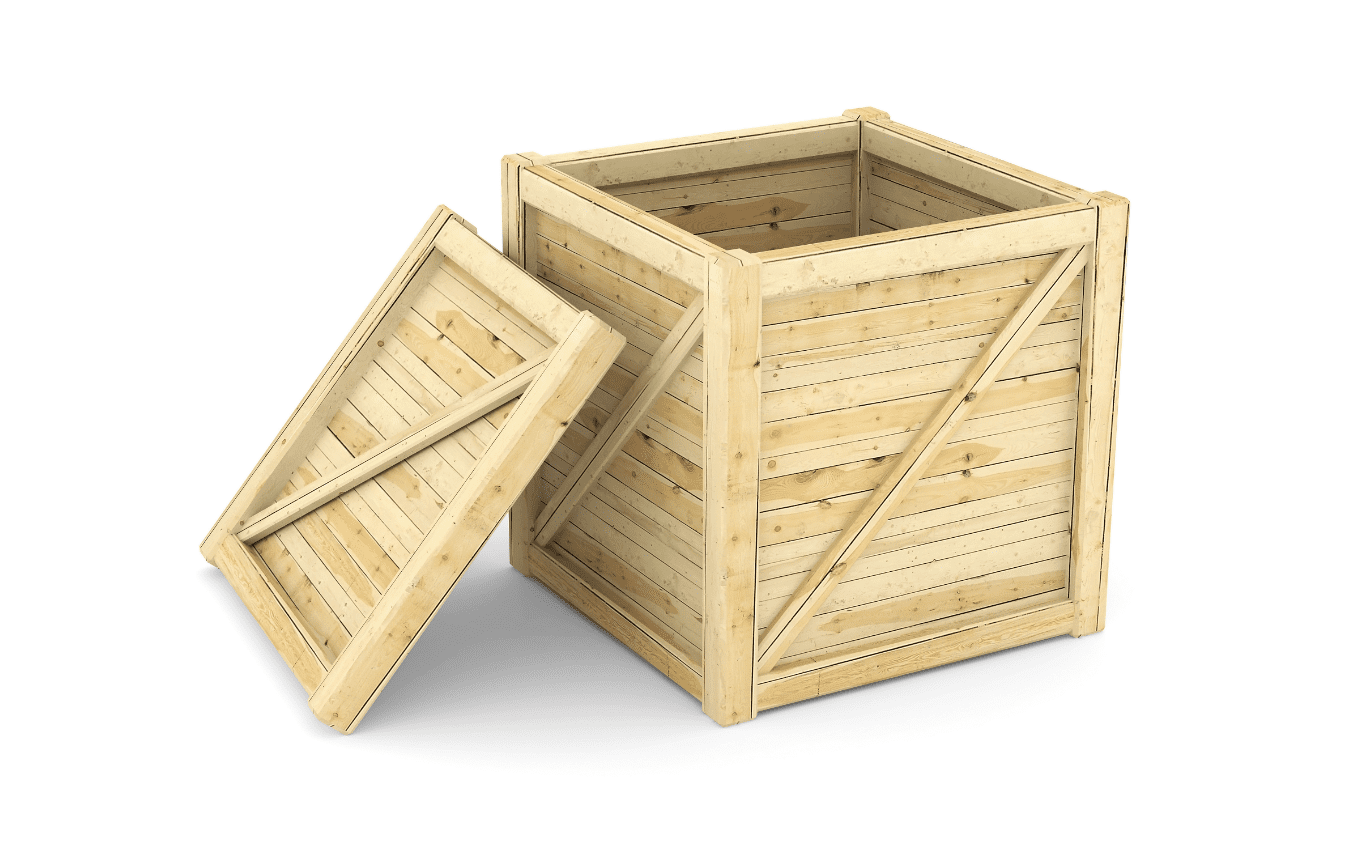
Wooden crates are another common packaging solution, especially for heavy, bulky items. However, corrugated boxes may still be a better choice depending on the application.
Weight and Handling
Corrugated boxes are lighter than wood crates, reducing shipping costs and making them easier to handle. This is especially important in e-commerce where businesses must frequently ship packages of varying sizes to consumers.
Cost
Wooden crates can be more expensive than corrugated boxes, both in terms of the initial cost and the cost of shipping due to their heavier weight.
Customizability
Corrugated boxes can be customized to fit any size and shape, making them more versatile than wooden crates.
Corrugated Boxes vs. Metal Containers
Metal containers are often used for long-term storage and the shipping of specialized items. However, for most uses, corrugated boxes offer a more versatile and cost-effective solution.
Cost and Versatility
Metal containers can be expensive and are often overkill for most shipping needs. Corrugated boxes, on the other hand, are relatively cheap, versatile, and perfect for most goods.
Ease of Use
Metal containers can be bulky and difficult to handle. Corrugated boxes are lighter and can be easily flattened and stored when not in use.
Recyclability
While metal containers can be reused or recycled, the process is energy-intensive. In contrast, recycling corrugated boxes is typically a simpler and more eco-friendly process.
Conclusion: The Versatility and Sustainability of Corrugated Boxes
While other packaging materials may offer certain advantages in specific scenarios, corrugated boxes provide a broad array of benefits making them the go-to choose for many industries. Their strength, durability, lightweight nature, cost-effectiveness, and environmentally friendly attributes make them an exceptional choice for packaging needs. However, it’s always important to carefully consider your specific requirements before choosing a packaging solution, as what works best may vary based on the nature of the product, shipping requirements, and sustainability goals.
If you are interested in stock or custom corrugated boxes, then partner with Brown Packaging today to get started.
Full Overlap (FOL) boxes provide superior strength by using overlapping flaps that double the thickness of the top and bottom panels. While this design reduces
Packaging is rarely viewed as a capital allocation decision. Yet print method selection directly affects working capital, inventory exposure, and cash flow flexibility. In 2026,
Digital printing is often the right starting point for growing brands and expanding SKU portfolios. But growth eventually raises a critical question: when does it
Digital printing is often positioned as the automatic choice for short runs. But the real financial breakpoint isn’t defined by volume alone — it’s determined
Digital printing is often the right starting point for growing brands and expanding SKU portfolios. But growth eventually raises a critical question: when does it
Most POP display programs become inefficient over time—not because of poor design, but because of too many variations. Different sizes, different footprints, different structures. It
Home » Corrugated Boxes vs. Other Packaging Options: A Comparative Study
In the ever-competitive business world, effective product packaging has evolved beyond mere containers used to secure goods for transit. Today, it serves as a powerful
Shipping tubes, also known as mailing tubes, are cylindrical containers that are designed to protect and transport rolled documents, posters, artwork, and other items that
In today’s cost-sensitive market, brands face a double challenge: protecting margins without eroding consumer confidence. When packaging fails — whether through damage, overuse of materials,