
window.uetq = window.uetq || []; window.uetq.push(‘event’, ‘submit_lead_form’,{ event_label:‘SUBMIT MESSAGE’ }); window.lintrk('track', { conversion_id: 10271009 }); window.lintrk('track', { conversion_id: 10271017 });

Choosing the Right Corrugated Grade for 2026

Corrugated Walls

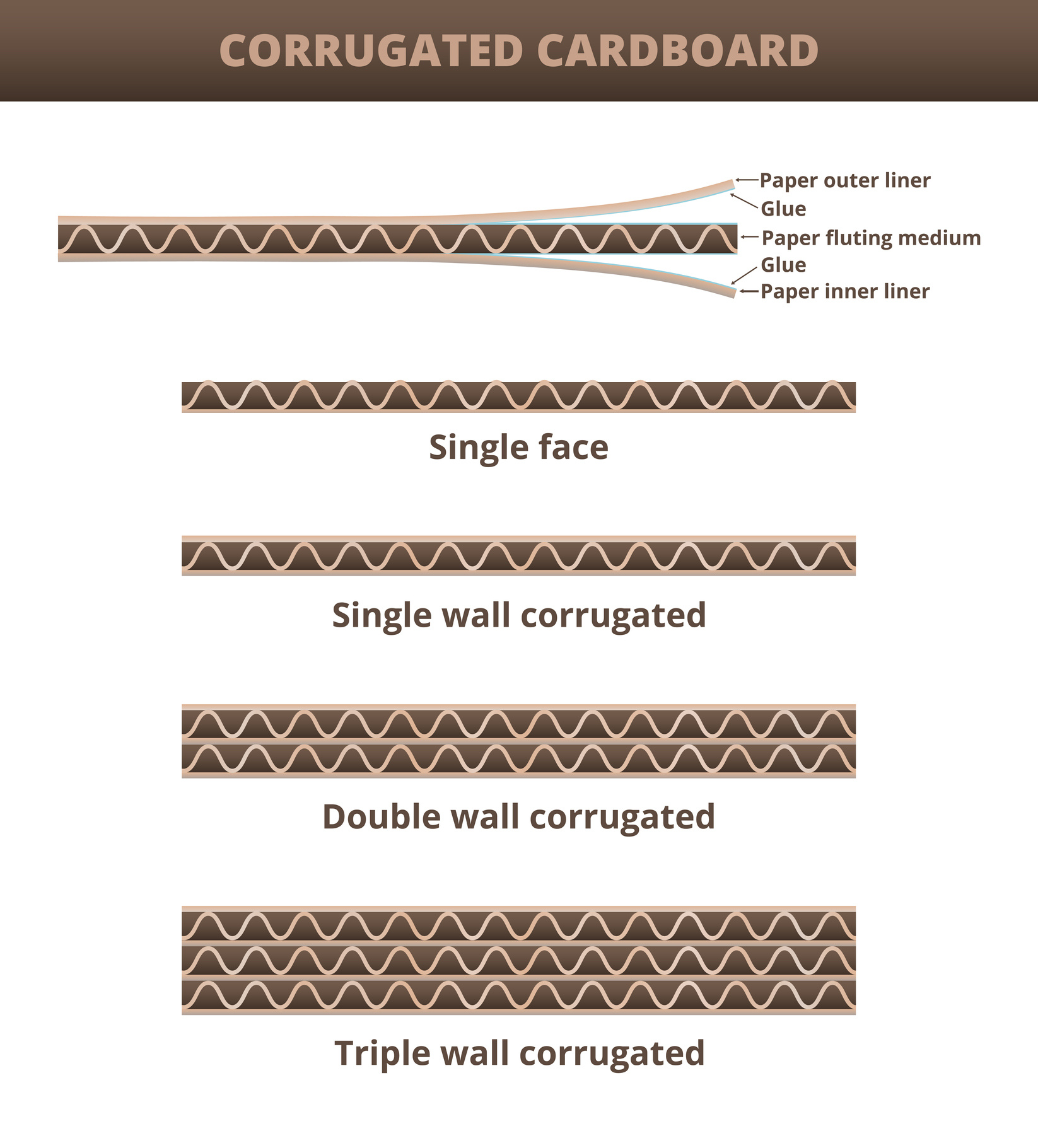
Corrugated board comes in multiple flute sizes and wall grades, each designed to balance strength, weight, and cost. Selecting the wrong grade can lead to product damage, excessive freight costs, or unnecessary material expense. In 2026, buyers must match corrugated performance to their supply chain conditions, sustainability goals, and budget requirements.

Common Corrugated Grades

  • Single-wall: Lightweight, cost-effective, suitable for many retail and e-commerce uses.
  • Double-wall: Greater strength and stacking ability for heavy or fragile items.
  • Triple-wall: Maximum compression resistance for industrial, bulk, and export packaging.

Key Factors When Choosing a Grade

  • Product weight: Heavier items require stronger board.
  • Supply chain conditions: Long transit times, stacking, and climate variations increase stress.
  • Cost balance: Higher grades protect better but add material expense.
  • Sustainability goals: Use recycled content or right-size to minimize waste.
  • Compliance: Certain industries require ISTA or ASTM-tested packaging.
custom corrugated box with print sustainability

How to Match Grade to Application

  • E-commerce: Single-wall RSCs with performance coatings for moisture resistance.
  • Industrial parts: Double-wall or triple-wall for high stacking and pallet loads.
  • Export packaging: Triple-wall FOL boxes for international freight durability.
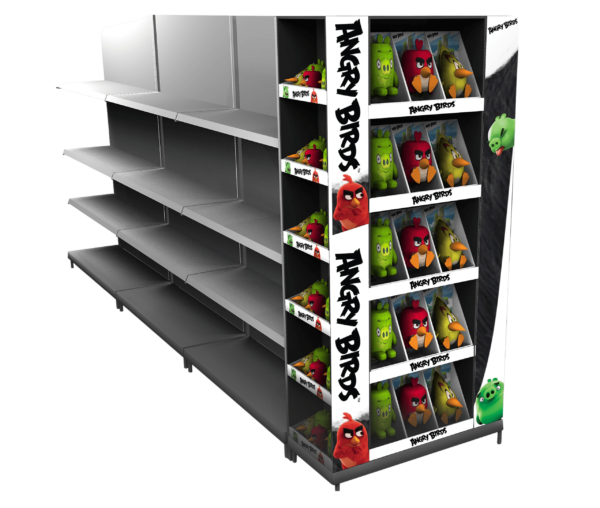
  • Retail displays: Lighter grades with strong print surfaces for shelf appeal.
Custom POP displays

Testing for Performance Confidence

  • Compression testing: Ensures cartons withstand stacking loads.
  • Vibration and drop testing: Validates protection during transport.
  • Material analysis: Confirms recycled fiber content aligns with performance goals.

Packaging Solutions with Brown Packaging

Brown Packaging works with buyers to identify the right corrugated grade for each application. From single-wall e-commerce boxes to triple-wall export packaging, we balance protection, cost, and sustainability. Contact us to select the right grade for 2026.

References


ASTM International. (2023). ASTM D642: Standard Test Method for Compression Resistance of Shipping Containers.
Soroka, W. (2009). Fundamentals of Packaging Technology (4th ed.). Institute of Packaging Professionals.
Fiber Box Association. (2024). Corrugated Packaging Performance Handbook. Retrieved from https://www.fibrebox.org

Most Recent Posts:
Meeting 2026 Packaging Compliance Standards

Packaging compliance is no longer optional—it’s a requirement for accessing retail shelves, shipping networks, and international markets. In 2026, buyers must navigate evolving regulations around sustainability, labeling, and testing to

Read More »
Comparing Single vs. Multi-Material Packaging

Choosing the right packaging material is one of the most important decisions buyers face. Single-material packaging offers simplicity and recyclability, while multi-material designs provide enhanced performance and protection. Understanding the

Read More »
Categories:
Subscribe To Our Newsletter

By submitting your information, you agree to our terms and conditions and privacy policy.

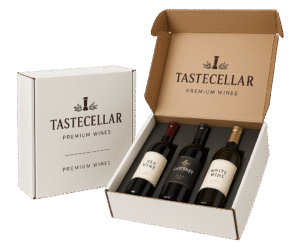
custom corrugated mailer, roll end tuck top (RETT) with cherry lock and dust flaps, beverage and wine packaging
Custom Corrugated Boxes
Facebook
Twitter
LinkedIn
Pinterest
Relevant Posts
Custom-Floor-Display With Packaged Bottles and labels
Corrugated
brownpackaging
9 Different Types of Corrugated Retail POP Displays

Retail point of purchase (POP) displays are essential tools for marketing products directly to consumers within retail environments. These displays vary widely in shape, size, and design, each tailored to specific marketing and placement needs. Corrugated POP displays, known for their versatility and durability, offer an array of options to suit various retail settings. Here, we explore nine popular types of corrugated POP displays, detailing their applications and benefits to help you choose the right one for your products. What is a Corrugated Retail POP Display? Corrugated retail POP displays are made from corrugated fiberboard, which is notable for its structural sturdiness yet lightweight properties. These displays are customized with unique structures, sizes, shapes, and folds, and are often enhanced with vibrant graphic designs, various print options, and finishes. Designed to be temporarily installed, from a day to several months, they provide a flexible and cost-effective solution for seasonal marketing or promotional campaigns. Detailed Overview of Corrugated Retail POP Displays Floor Displays Full Pallet Display Half Pallet Display Quarter Pallet Display Power Wing/Sidekick Dump Bin Pallet Skirt/Wrap Counter Tops PDQ Trays Floor Display Floor displays, or floor stands, are the quintessential type of POP display used in retail. Positioned in prominent store aisles, they provide access from multiple sides, maximizing consumer interaction. Applications: Ideal for new product launches or special promotions. Benefits: High visibility and easy accessibility increase consumer engagement and potential sales. Full Pallet Display These displays are built directly on a shipping pallet and are commonly seen in wholesale and bulk retail environments. Applications: Best for large-volume promotions or wholesale club stores. Benefits: They facilitate bulk selling and are easy to set up directly from the shipping pallet, reducing setup time and effort. Half Pallet Display Smaller than full pallet displays, these are versatile for both product showcasing and promotional uses in retail environments. Applications: Effective in retail settings where space is more limited but product visibility is still a priority. Benefits: Offers a balance between the bulk promotion of a full pallet and the space-saving design of smaller displays. Quarter Pallet Display Designed for small spaces, quarter pallet displays optimize retail areas by accommodating compact display needs. Applications: Suitable for checkout areas or in narrow aisle endcaps. Benefits: Maximizes retail space efficiency and is ideal for highlighting smaller product quantities. Full Pallet Display Half Pallet Display Power Wing/Sidekick These are secondary displays attached to existing shelving or at the end of aisles using hooks or adhesives. Applications: Perfect for promoting small, impulse-buy items next to related products. Benefits: Enhances product visibility and encourages impulse purchases; easy to install and move. Dump Bin An open container for bulk or loose items, placed strategically to attract customers through ease of access and the allure of rummaging. Applications: Great for clearance items, seasonal goods, or promotional products. Benefits: Encourages spontaneous purchasing by making items easily accessible and visibly appealing. Pallet Skirt/Wrap A decorative and informative wrap around the base of a pallet, this display type is often used in warehouse-style retail environments. Applications: Enhances the aesthetic of bulk product displays on pallets. Benefits: Provides significant branding space to communicate marketing messages effectively; quick to install. Counter Tops Small displays designed to sit on counters or other surfaces where space is at a premium. Applications: Ideal for checkout areas to promote small, last-minute purchase items. Benefits: Utilizes otherwise wasted counter space and captures customer attention during the checkout process. PDQ Trays Pre-packed display trays that are easy to set up and can be placed on shelves, counters, or alongside larger displays. Applications: Suitable for quick setup in retail environments, offering versatility for product placement. Benefits: Streamlines the merchandising process, reducing labor costs and enhancing product turnover. Dump Bin Countertop Display Summary: Different Types of Corrugated POP Displays Choosing the right type of corrugated POP display can significantly impact the effectiveness of your in-store marketing efforts. By understanding the specific features and benefits of each display type, you can tailor your approach to better meet your promotional goals and engage more effectively with your target customers. If you are interested in POP displays, then partner with Brown Packaging today to get started. (714)300-0650 request@brownpackaging.com Most Recent Posts: Categories: Corrugated Folding Carton Display Packaging Rigid Box Subscribe To Our Newsletter By submitting your information, you agree to our terms and conditions and privacy policy. POP Displays Facebook Twitter LinkedIn Pinterest Relevant Posts

Read More »
The Environmental Benefits of Corrugated Packaging
Corrugated
brownpackaging
The Environmental Benefits of Corrugated Packaging

Corrugated packaging has been a popular choice for packaging and shipping goods for over a century, and for good reason. The unique structure of corrugated packaging, with its fluted layer between two liners, provides a lightweight yet strong material that can be customized to fit a wide variety of shapes and sizes. However, the environmental benefits of corrugated packaging are often overlooked. With increasing concern over climate change and the impact of waste on the environment, it’s important to consider the sustainability of the materials we use, including packaging. Fortunately, corrugated packaging offers a range of environmental advantages that make it one of the most sustainable packaging materials available today. It’s made from renewable resources, can be easily recycled, and has a relatively low carbon footprint compared to other materials. As consumers become more conscious of their environmental impact, companies are also making an effort to reduce their carbon footprint and contribute to sustainable practices. Choosing corrugated packaging is a simple yet effective way to make a positive impact on the environment. By using recyclable and biodegradable materials, companies can reduce waste, conserve resources, and minimize their carbon footprint. Overview: Corrugated Packaging, Benefits & Sustainability In this article, we will explore the sustainability benefits of corrugated packaging, including its recyclability, biodegradability, and low carbon footprint. We will also examine how these benefits contribute to a more sustainable future and what steps we can take to promote the use of corrugated packaging. Recyclability Biodegradability Low Carbon Footprint Recyclability Recyclability of corrugated packaging is one of the key reasons it is such a sustainable material. Corrugated packaging is made from paper, which is a renewable resource and can be recycled multiple times. Recycling corrugated packaging is easy and efficient, with the vast majority of materials collected and reused within just a few weeks. In this section, we will explore the different aspects of the recyclability of corrugated packaging, including its collection and sorting, recycling process, and benefits to the environment. Collection and Sorting The first step in the recycling process of corrugated packaging is the collection and sorting of materials. Most municipalities have curbside recycling programs that include corrugated packaging, making it easy for households to recycle. The packaging can also be recycled at local recycling centers or through drop-off programs. Once the materials are collected, they are transported to a recycling facility, where they are sorted and prepared for recycling. Recycling Process The recycling process of corrugated packaging is relatively simple and requires minimal energy compared to other materials. The first step is to remove any contaminants, such as tape or staples, which can be done through a pulping process that separates the fibers from the contaminants. The fibers are then cleaned, screened, and de-inked, and made into new paper products. The entire process can take just a few weeks from the time the packaging is collected to the production of new products. Benefits to the Environment Recycling corrugated packaging has many benefits for the environment. Firstly, it conserves resources, as the paper fibers can be recycled multiple times, reducing the need for new materials. Secondly, it reduces the amount of waste sent to landfills, which helps to preserve natural habitats and reduce greenhouse gas emissions. Finally, recycling corrugated packaging helps to promote a circular economy, where materials are reused and waste is minimized. Biodegradability Another sustainability advantage of corrugated packaging is its biodegradability. This means that the material can be broken down by natural processes and does not persist in the environment. In this section, we will explore the biodegradability of corrugated packaging, including how it decomposes, the impact on the environment, and the benefits of composting. Decomposition When corrugated packaging is disposed of in a landfill, it decomposes over time and produces methane gas, a potent greenhouse gas. However, the decomposition process of corrugated packaging is significantly faster than other materials such as plastic, which can take hundreds of years to break down. Corrugated packaging is made from paper, which is a natural material that can be broken down by microorganisms. Impact on the Environment When corrugated packaging is recycled, it is diverted from landfills, and methane emissions are reduced. Methane gas is a potent greenhouse gas that contributes to climate change, so by reducing the amount of corrugated packaging in landfills, we can help mitigate the effects of climate change. Additionally, the biodegradability of corrugated packaging means that it is less likely to persist in the environment and cause harm to wildlife. Composting Corrugated packaging is also an excellent material for composting. It can be shredded and added to a compost pile, where it breaks down quickly and helps to nourish the soil. Composting corrugated packaging also helps to reduce waste and conserve resources. The paper fibers in corrugated packaging provide a good source of carbon for composting, which is essential for creating a balanced compost pile. Benefits of Composting Composting corrugated packaging has many benefits, including reducing the amount of waste sent to landfills, improving soil health, and conserving resources. By adding corrugated packaging to a compost pile, it can help to break down other organic materials, such as food waste, and create a nutrient-rich compost that can be used to grow plants. Low Carbon Footprint The low carbon footprint of corrugated packaging is another important sustainability advantage. The manufacturing process requires less energy compared to other materials, and the packaging is lightweight, which reduces transportation emissions. In this section, we will explore the different aspects of the low carbon footprint of corrugated packaging, including the manufacturing process, transportation emissions, and the impact on the environment. Manufacturing Process The manufacturing process of corrugated packaging requires less energy compared to other materials. The packaging is made from renewable resources, which reduces the reliance on fossil fuels. The process of manufacturing corrugated packaging involves converting wood pulp into paper, which is then formed into the distinctive corrugated structure. The manufacturing process is energy efficient and can be powered by renewable energy sources. Transportation Emissions The lightweight nature of

Read More »
Mailer Subscription Box
Corrugated
brownpackaging
10 Ways to Maximize the Presentation of Your RETT Boxes

In the world of packaging, the visual appeal of your product plays a significant role in catching the customer’s eye and leaving a lasting impression. Roll End Tuck Top (RETT) boxes, known for their durability and versatility, provide an excellent canvas to enhance the presentation of your products. In this detailed blog, we will explore 12 effective strategies and tips on how to maximize the presentation of your RETT boxes to create a memorable unboxing experience for your customers. Creative Branding Custom Printing Consistency Across Products Window Inserts Custom Die-Cut Shapes Matte or Glossy Finish Branding Inside the Box Personalized Touch Seasonal or Limited-Edition Packaging Professional Photography Creative Branding Utilize the ample space on RETT boxes for creative branding. Include your company logo, eye-catching graphics, and product information. A well-designed box instantly communicates your brand identity and sets the tone for the unboxing experience. Custom Printing Invest in high-quality custom printing to ensure that your RETT boxes are visually striking. Vibrant colors and sharp imagery can make your packaging stand out and pique the customer’s interest. Consistency Across Products Maintain consistency in your packaging design across different products or product lines. A cohesive look reinforces your brand and makes your products easily recognizable. Window Inserts Consider adding window inserts to your RETT boxes. These transparent openings allow customers to preview the product inside, adding intrigue and enticing them to open the box. Custom Die-Cut Shapes Opt for custom die-cut shapes for your RETT boxes to make them unique and attention-grabbing. Unconventional shapes can make your packaging more memorable. Matte or Glossy Finish Choose between matte and glossy finishes to complement your brand’s aesthetics. Matte finishes exude sophistication, while glossy finishes provide a polished and vibrant look. Branding Inside the Box Don’t neglect the interior of your RETT boxes. Adding branding elements, messages, or design accents inside the box enhances the overall unboxing experience and surprises customers. Personalized Touch Consider adding a personalized touch, such as a handwritten thank-you note or a small promotional item, to show appreciation to your customers and leave a positive impression. Seasonal or Limited-Edition Packaging For special occasions or limited-edition products, create seasonal or unique packaging designs. These limited runs can generate excitement and encourage purchases. Professional Photography When showcasing your products online or in marketing materials, use professional photography to highlight the packaging’s visual appeal and its role in enhancing the product presentation. Conclusion Maximizing the presentation of your RETT boxes involves careful consideration of design, materials, and branding. These packaging strategies can significantly impact the customer’s perception of your products and brand. By investing in creative design, custom printing, and unique features, you can create a memorable unboxing experience that leaves a lasting impression on your customers, ultimately contributing to increased brand loyalty and customer satisfaction. If you are interested in roll end tuck top boxes, then partner with Brown Packaging today to get started. (714)300-0650 request@brownpackaging.com Most Recent Posts: Categories: Corrugated Ecommerce ESD Design Display Flexible Packaging Foam Folding Carton Packaging Plastic Packaging Pouch Printing Protection Retail Rigid Box Thermoform Sustainability Subscribe To Our Newsletter By submitting your information, you agree to our terms and conditions and privacy policy. Roll End Tuck Top (RETT) Facebook Twitter LinkedIn Pinterest Relevant Posts

Read More »