

Home » Building Packaging Supply Chain Resilience After 2026 Tariffs
Building Packaging Supply Chain Resilience After 2026 Tariffs
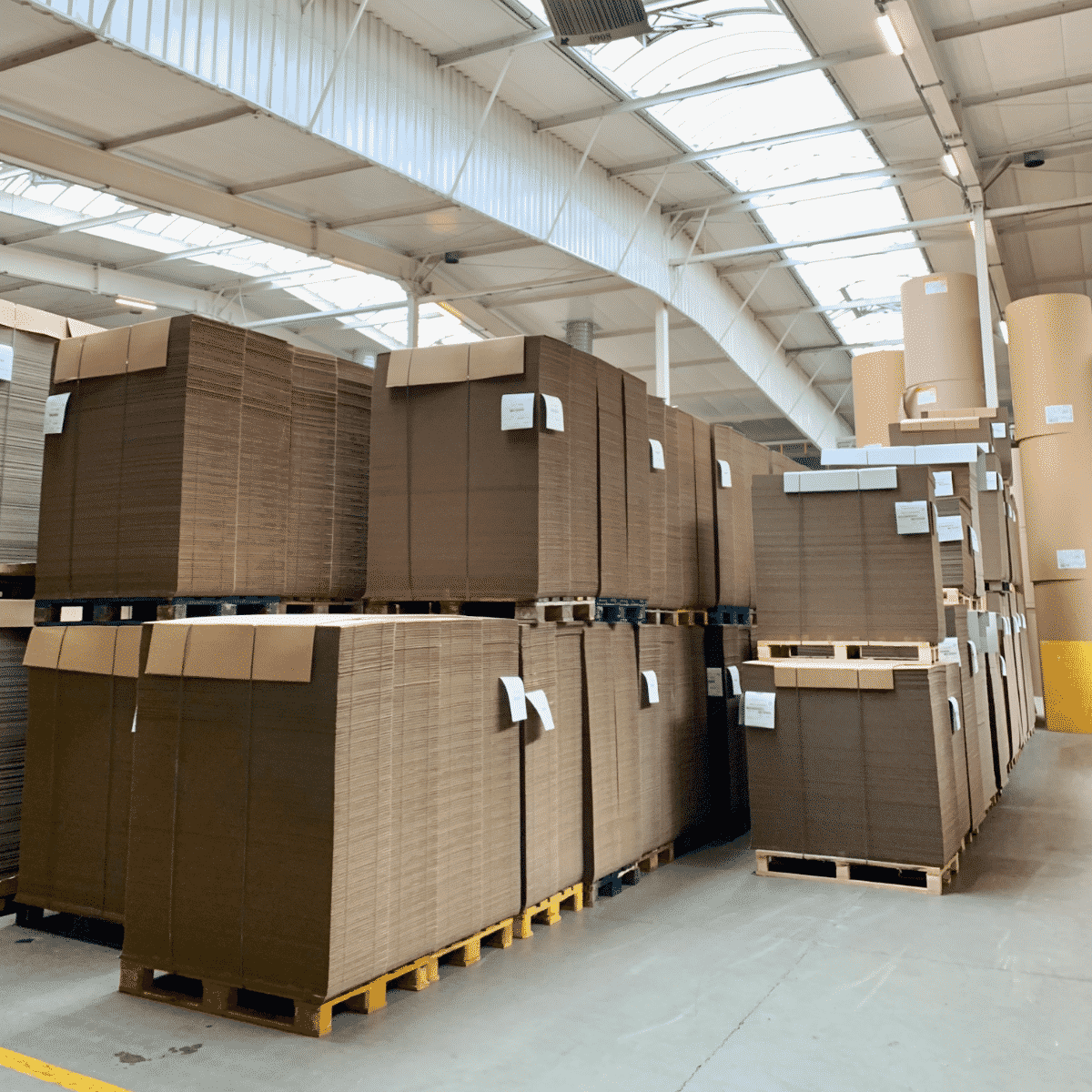
Following multiple rounds of tariff changes and trade policy adjustments, 2026 marks a turning point for U.S. packaging buyers. Many who previously transitioned from China to domestic or nearshore suppliers are now focusing on resilience — ensuring their packaging supply chains remain cost-stable, flexible, and disruption-proof.
Tariffs are no longer short-term events; they’re recurring elements of global trade. The companies best positioned for 2026 and beyond are those that treat sourcing diversification and operational agility as core business functions rather than reactive cost-saving measures.
Understanding Supply Chain Resilience in Packaging
In the packaging industry, resilience means more than just having backup suppliers. It’s about structuring your network, data, and materials so that tariff or freight changes don’t interrupt production or retail fulfillment. A resilient supply chain ensures:
- Predictable lead times regardless of policy shifts or port congestion.
- Stable material access through multi-region substrate sourcing.
- Financial control via cost forecasting that accounts for tariffs, duties, and logistics volatility.
Key Strategies to Strengthen Packaging Supply Chains in 2026
Multi-Regional Sourcing Networks
Single-country dependence has proven to be one of the highest risks for packaging buyers. Instead of choosing between China, Mexico, or the U.S., the strongest programs build multi-regional sourcing portfolios.
For example:
- Corrugated and carton production split between U.S. and Mexico.
- Litho-laminated displays or kitting handled domestically for compliance and speed.
- Paperboard substrates sourced from Canada or domestically for FSC® reliability.
This approach balances cost, agility, and compliance while keeping freight predictable.

Data-Driven Forecasting and Visibility
2026 buyers are leveraging ERP and procurement software that integrate freight, tariff, and material indices directly into cost projections.
Modern systems now automate:
- Tariff impact simulation based on HS codes.
- Freight rate modeling across domestic and nearshore routes.
- Inventory optimization tied to seasonal demand.
With this data visibility, procurement teams can react to cost changes in real time — not months after they’ve impacted margins.
Inventory and Production Flexibility
Flexibility protects against both tariff and logistics shocks. Packaging programs should evaluate:
- Dual production capability (domestic + nearshore).
- Dynamic safety stock levels at regional DCs.
- Modular design formats that adapt to multiple production sites without retooling.
Domestic manufacturers now frequently support JIT and kanban systems that align directly with nearshore runs, allowing seamless scale adjustments without full requalification.
Strengthening Supplier Collaboration
Resilience depends on supplier transparency and shared planning. In 2026, the best-performing packaging networks operate more like strategic partnerships than vendor relationships.
Strong collaboration practices include:
- Quarterly forecasting and capacity reviews.
- Shared visibility into material allocation and lead times.
- Mutual quality metrics and audit reporting.
- Early communication of regulatory or cost changes.
These practices reduce last-minute disruptions and build long-term trust across regions.

Sustainability as a Risk-Reduction Tool
Sustainability and resilience now intersect. FSC® or SFI® certification, recycled substrate sourcing, and verified carbon reporting protect buyers not just from reputational risk but from supply volatility.
Sustainability-linked packaging programs typically benefit from:
- Priority access to certified board mills.
- Simplified compliance under U.S. and USMCA trade rules.
- Lower exposure to international environmental tariffs or surcharges.
Contingency Planning and Scenario Modeling
Resilient supply chains are built on “what if” planning. By modeling multiple tariff and freight outcomes, buyers can determine thresholds for shifting production without disruption.
Scenario modeling examples:
- What if tariffs on imported adhesives rise 20%?
- What if freight rates increase 15% due to fuel surcharges?
- What if domestic demand outpaces capacity during Q4 retail season?
Companies with contingency playbooks can rebalance production before costs escalate or supply falters.
The Role of U.S. Distributors in a Resilient Network
Many packaging buyers are centralizing supplier management under one domestic distributor capable of coordinating corrugated, carton, label, and display manufacturing across multiple facilities. This approach:
- Reduces administrative overhead.
- Maintains consistent quality across SKUs.
- Simplifies tariff classification and compliance tracking.
Distributors with domestic and nearshore partnerships can dynamically shift production between regions based on lead time, cost, and capacity — ensuring resilience without complexity.

Final Takeaway for 2026
Tariff realignment is reshaping global packaging procurement, but it’s also driving modernization. By combining data visibility, diversified sourcing, and strong supplier collaboration, packaging buyers can convert uncertainty into competitive advantage. The future of packaging resilience isn’t about avoiding tariffs — it’s about designing a network that thrives despite them.
References
- U.S. International Trade Administration (ITA). 2026 Packaging Trade and Tariff Outlook.
- Institute of Packaging Professionals (IoPP). Supply Chain Resilience Framework.
- Forest Stewardship Council (FSC®). Certification and Traceability Guidelines.
- Soroka, W. Fundamentals of Packaging Technology. 6th ed. Institute of Packaging Professionals.
Most brands invest in POP displays without clearly measuring performance. They look at sales after rollout and assume the display worked—or didn’t. But without isolating variables, that’s just guessing. If
Most cost-cutting in POP displays happens in the wrong place. Brands reduce board grade, simplify structure too aggressively, or cut print quality—only to see: Higher damage rates Poor retail execution
Oil prices don’t just affect fuel—they ripple through nearly every part of packaging. When oil rises, packaging costs follow.When oil drops, costs don’t always fall as quickly. That’s because oil
Most POP display failures aren’t caused by weak materials—they’re caused by poor weight distribution. A display can use the right board, the right flute, and still fail early if the
By submitting your information, you agree to our terms and conditions and privacy policy.
Home » Building Packaging Supply Chain Resilience After 2026 Tariffs



In a supply chain, your packaging is subjected to various stresses, including being pushed, pulled, dropped, and compressed against other packages. Proper packaging techniques are
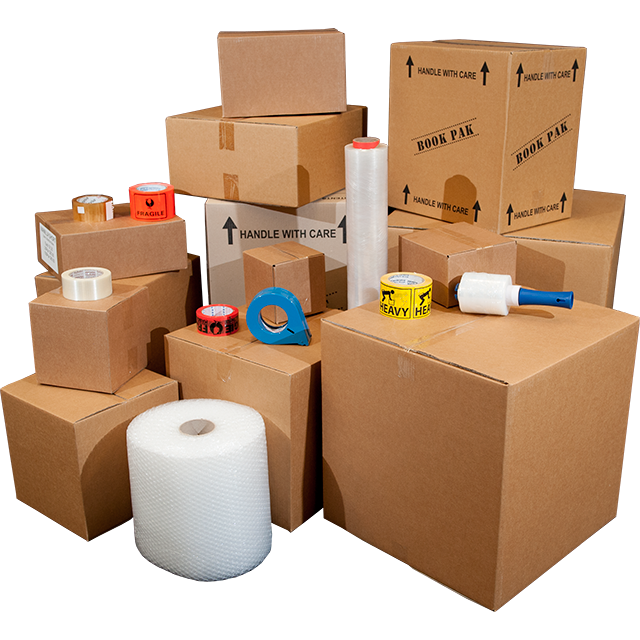
Corrugated boxes play a vital role in the packaging industry, offering durability and versatility for shipping and storing various products. To ensure the safe transportation

For those uninitiated in the finer points of storage and organization, corrugated bin boxes might sound like an odd focal point. However, for hardware stores,