
Home » Corrugated Boxes Vs Folding Cartons: Which to Choose for Retail Packaging
Corrugated Boxes Vs Folding Cartons: Which to Choose for Retail Packaging
Choosing between corrugated boxes and folding cartons is not just a packaging decision—it directly impacts product protection, cost efficiency, and retail performance.
In retail environments, packaging must:
- Protect the product
- Present the brand effectively
- Fit within shelf and display constraints
Most packaging mistakes occur when brands prioritize appearance over performance—or cost over functionality.
👉 Understanding the difference between corrugated boxes vs folding cartons helps you make the right decision based on product requirements, retail conditions, and cost per shipment.
What Is a Folding Carton?
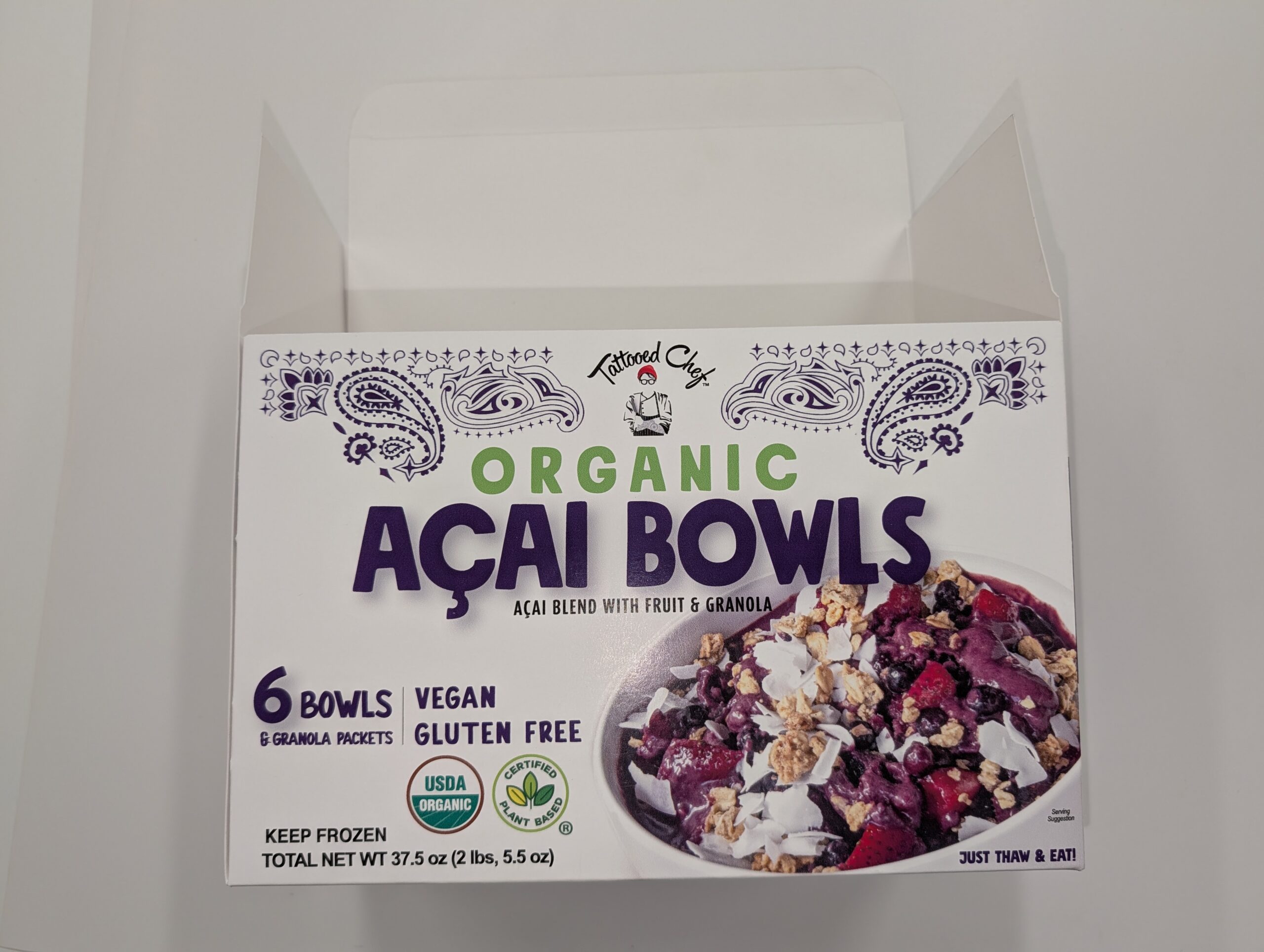
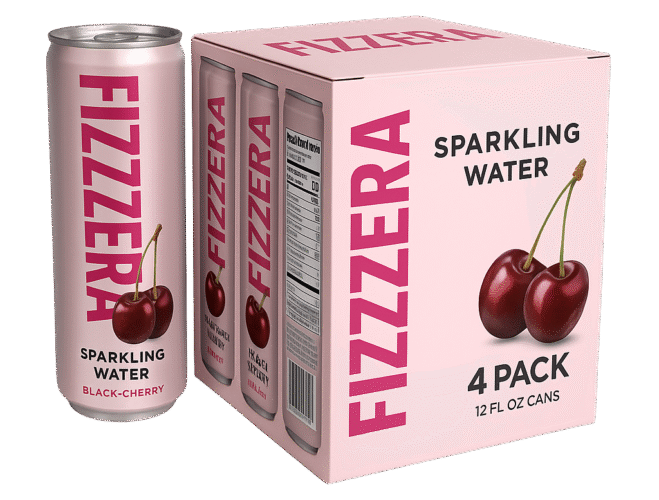
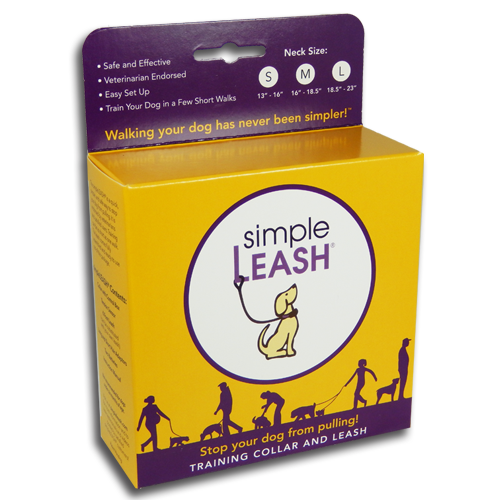
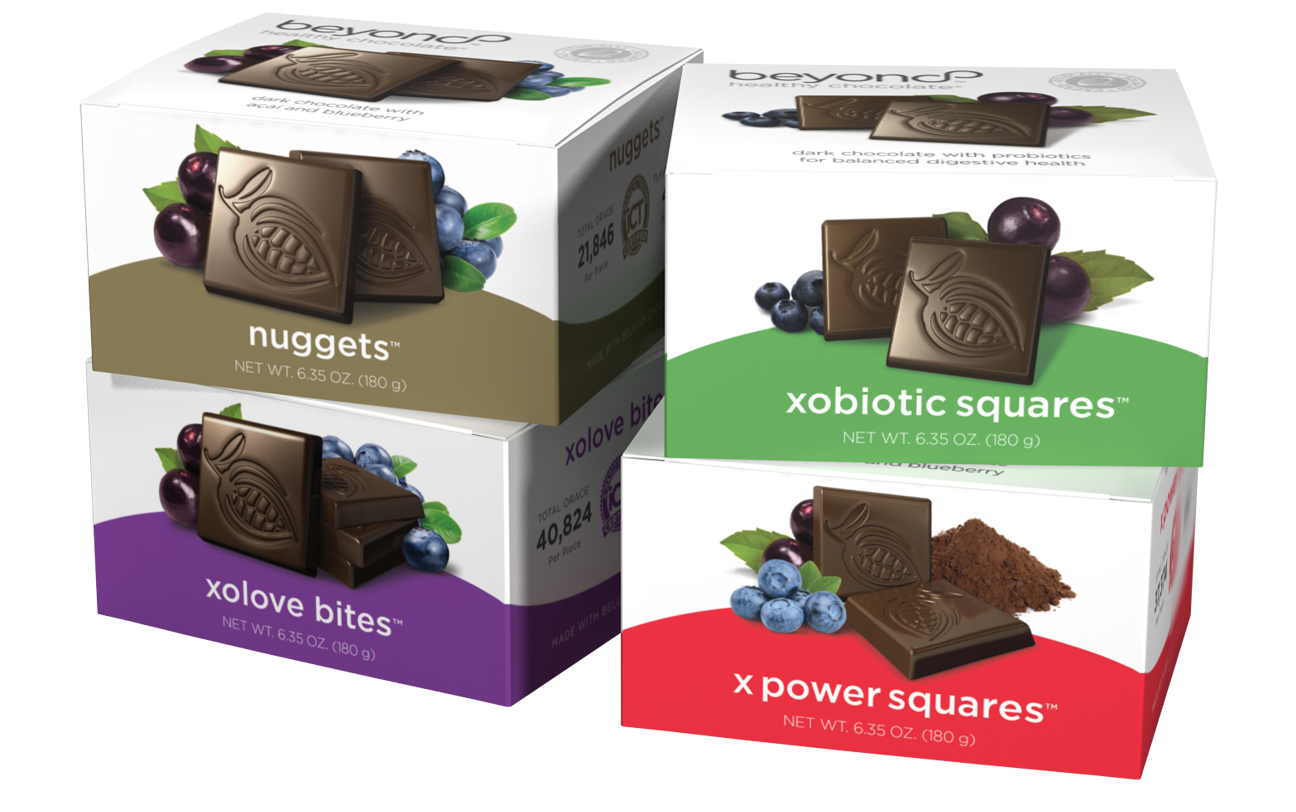
A folding carton is made from paperboard or chipboard, offering a lightweight, cost-efficient packaging solution.
Common folding carton styles:
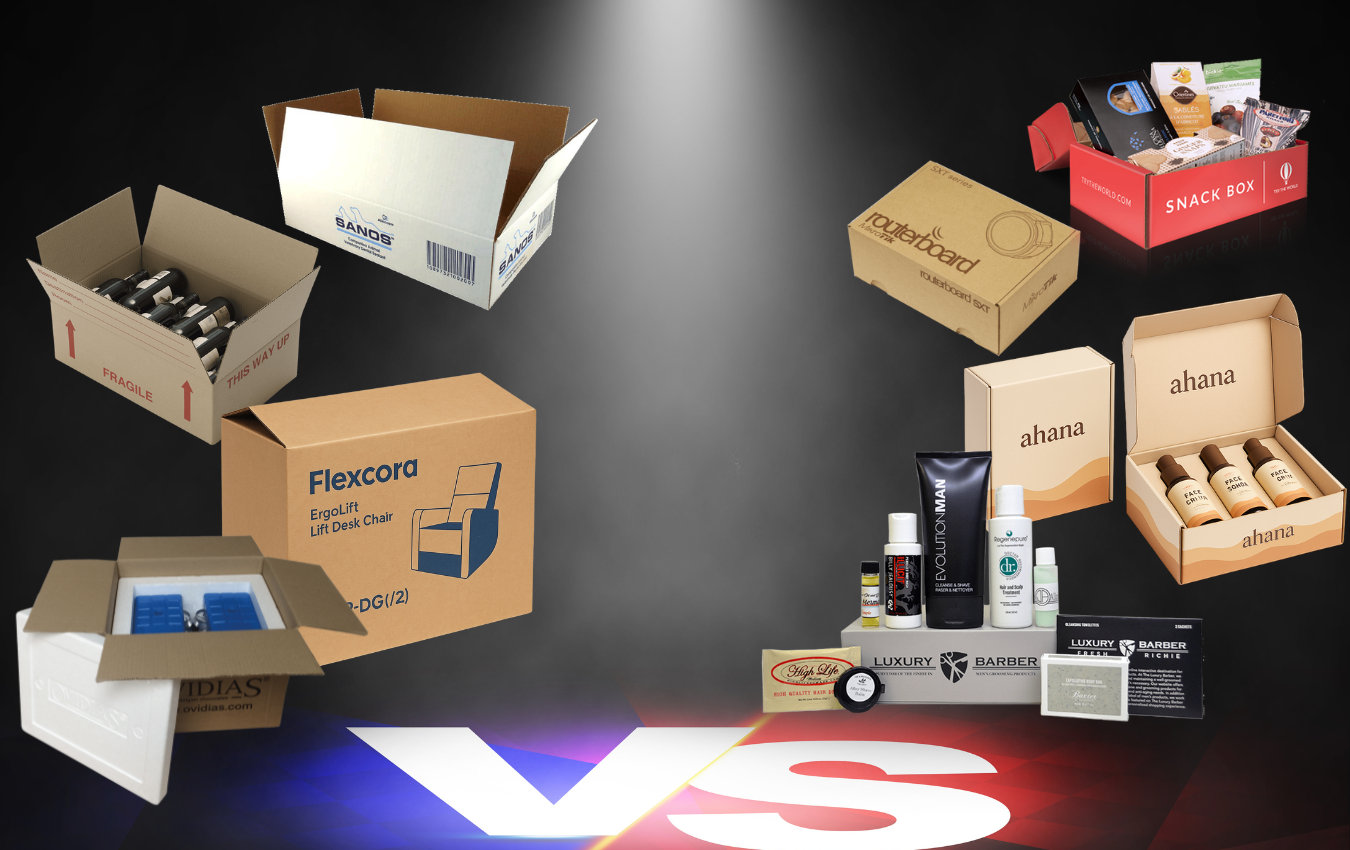
👉 Folding cartons are ideal for lightweight, non-fragile retail products.
Typical Folding Carton Applications
- Snacks and food products
- Cosmetics and personal care
- Trading cards and small electronics
- Consumer packaged goods
Benefits of Folding Cartons in Retail
1. Cost Efficiency
- Uses less material than corrugated
- Lower production and shipping costs
2. High Graphic Quality
- Ideal for premium printing, branding, and finishes
- Strong shelf appeal
3. Storage Efficiency
- Ships and stores flat
- Reduces warehouse space requirements
4. Retail Flexibility
- Can be:
- stacked
- shelved
- hung (hanger holes)
👉 Folding cartons prioritize cost, branding, and shelf presentation over structural strength.
What Is a Corrugated Box?
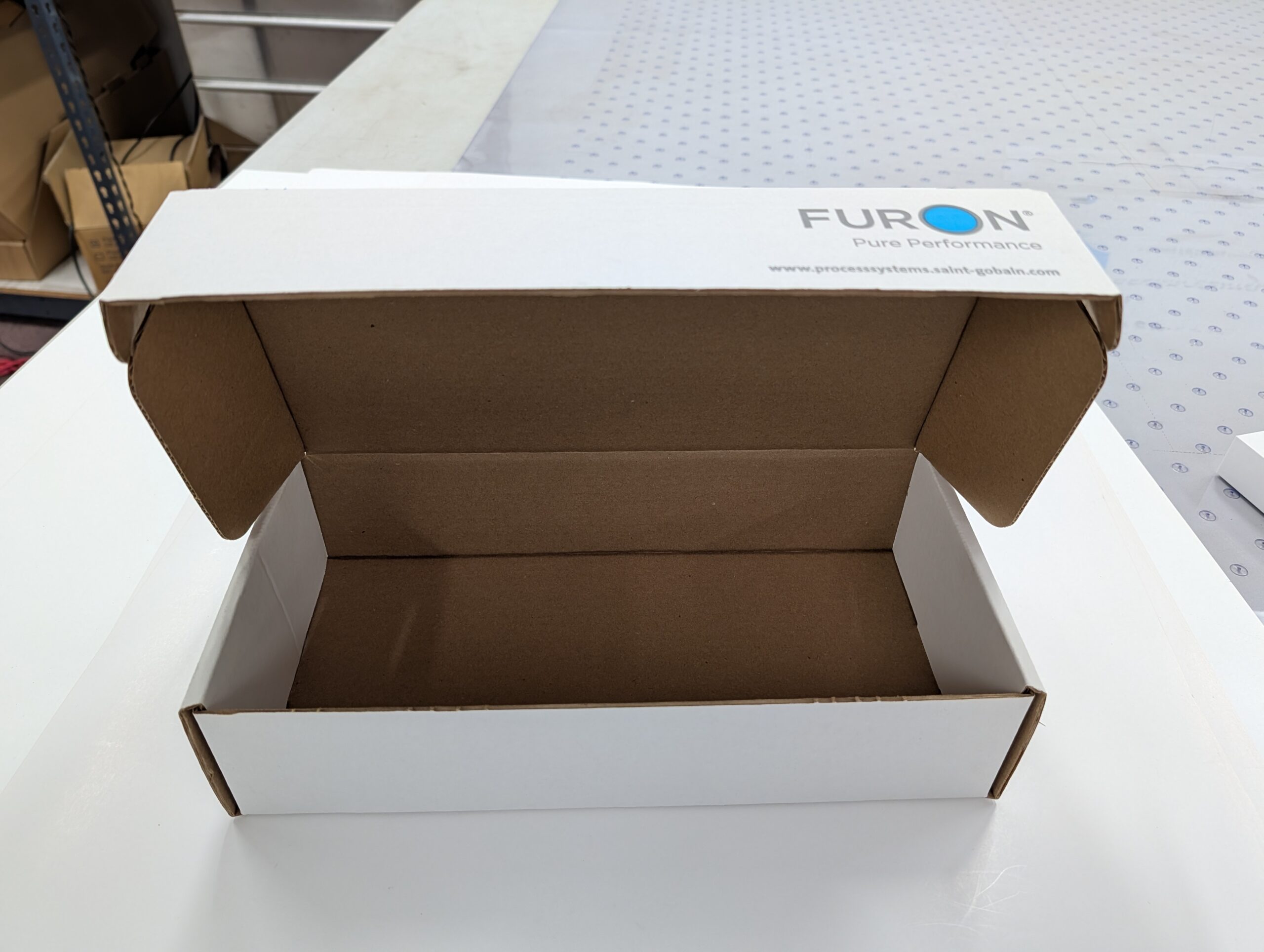
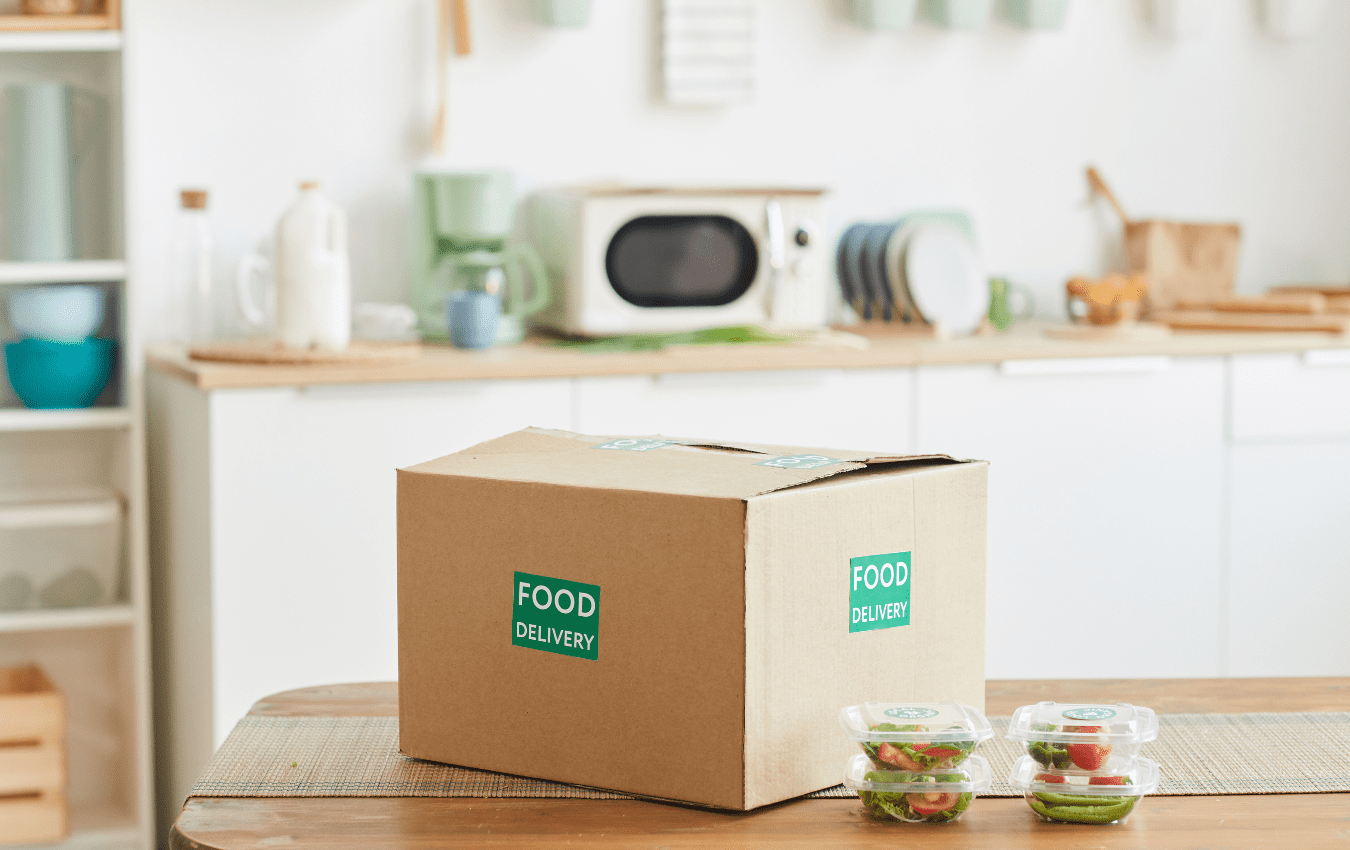
A corrugated box is made from multiple layers of material, including:
- Outer linerboard
- Inner linerboard
- Fluted medium (for strength and cushioning)
👉 This structure creates superior durability and protection compared to folding cartons.
Common Corrugated Box Styles
- RSC (Regular Slotted Container)
- HSC (Half Slotted Container)
- FOL (Full Overlap)
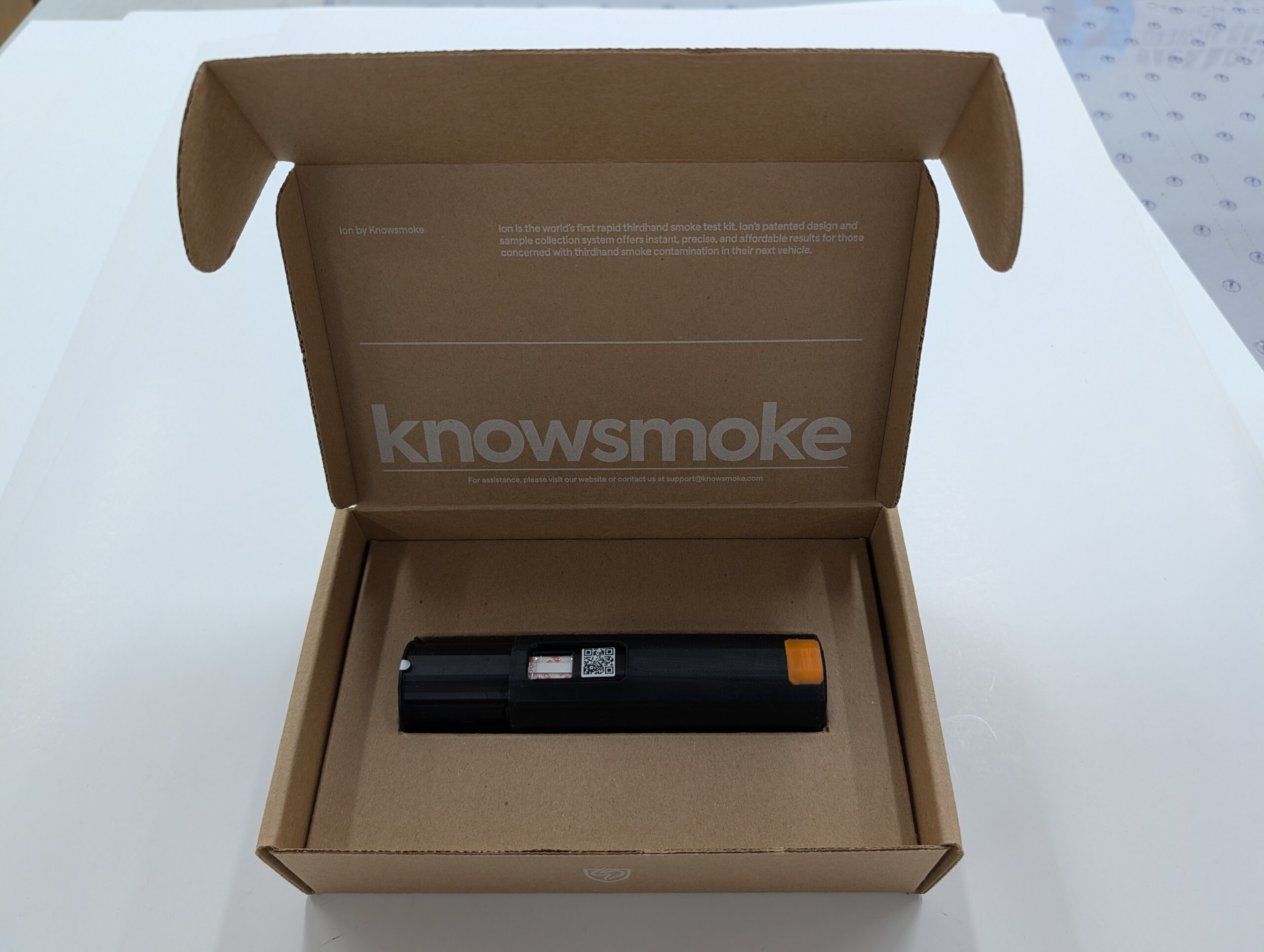
- RETT (Mailer boxes)
- Custom die-cut designs
Typical Corrugated Applications
- Appliances and electronics
- Shoes and apparel
- Toys and consumer goods
- Bulk and fragile products
Benefits of Corrugated Boxes in Retail
1. Superior Product Protection
- Handles weight, impact, and stacking pressure
- Reduces damage during shipping and handling
2. Structural Strength
- Available in multiple flute types and board grades
- Designed for distribution environments
3. Versatility
- Used for:
- shipping
- retail packaging
- POP displays
4. Customization and Branding
- Supports:
- printing
- inserts
- structural design
👉 Corrugated boxes prioritize protection, durability, and supply chain performance.
Corrugated vs Folding Carton: Key Differences
| Feature | Folding Carton | Corrugated Box |
|---|---|---|
| Material | Paperboard | Multi-layer corrugated |
| Strength | Low–moderate | High |
| Cost | Lower | Higher |
| Best For | Lightweight products | Heavy / fragile products |
| Print Quality | High | Moderate–high |
| Shipping Use | Limited | Primary use |
How to Choose the Right Packaging for Retail
Choose Folding Cartons When:
- Product is:
- lightweight
- non-fragile
- low-cost
- Shelf presentation is the priority
- You want maximum branding impact at lower cost
Choose Corrugated Boxes When:
- Product is:
- fragile
- heavy
- bulkier
- Packaging must survive:
- shipping
- handling
- retail stocking
👉 Corrugated reduces risk of damage and inventory loss.
Key Insight for Packaging Buyers
Packaging selection should not be based on material alone—it should be based on how the product moves through the supply chain.
Common mistakes:
- Using folding cartons for fragile products
- Overpaying for corrugated when unnecessary
- Ignoring total cost (damage, freight, labor)
👉 The right packaging balances cost, protection, and retail performance.
Conclusion
Both corrugated boxes and folding cartons serve critical roles in retail packaging.
- Folding cartons = cost efficiency + branding
- Corrugated boxes = protection + durability
The best choice depends on your product, distribution conditions, and retail requirements—not just price.
References
- Fibre Box Association — Corrugated Packaging Fundamentals
- Paperboard Packaging Council — Folding Carton Standards
- ISTA — Packaging Performance Testing
Digital printing is often positioned as the automatic choice for short runs. But the real financial breakpoint isn’t defined by volume alone — it’s determined
Digital printing is often the right starting point for growing brands and expanding SKU portfolios. But growth eventually raises a critical question: when does it
Most POP display programs become inefficient over time—not because of poor design, but because of too many variations. Different sizes, different footprints, different structures. It
Packaging performance testing is designed to verify that packaging can withstand the stresses of distribution. Tests such as drop testing, compression testing, and vibration testing
Most POP floor displays don’t fail immediately—they fail after they’ve been on the retail floor for a short period of time. Week one looks fine.By
Home » Corrugated Boxes Vs Folding Cartons: Which to Choose for Retail Packaging

Folding carton style selection directly impacts packaging line efficiency, end-user experience, and the overall cost-to-deliver. Each design offers unique advantages in terms of assembly speed,

Retail point of purchase (POP) displays are essential tools for marketing products directly to consumers within retail environments. These displays vary widely in shape, size,

Functional features like tear strips, windows, and hang tabs can enhance consumer experience and retail appeal—but they also introduce engineering challenges. Each modification affects structural