

Home » Printing Color Options For Packaging
Printing Color Options For Packaging
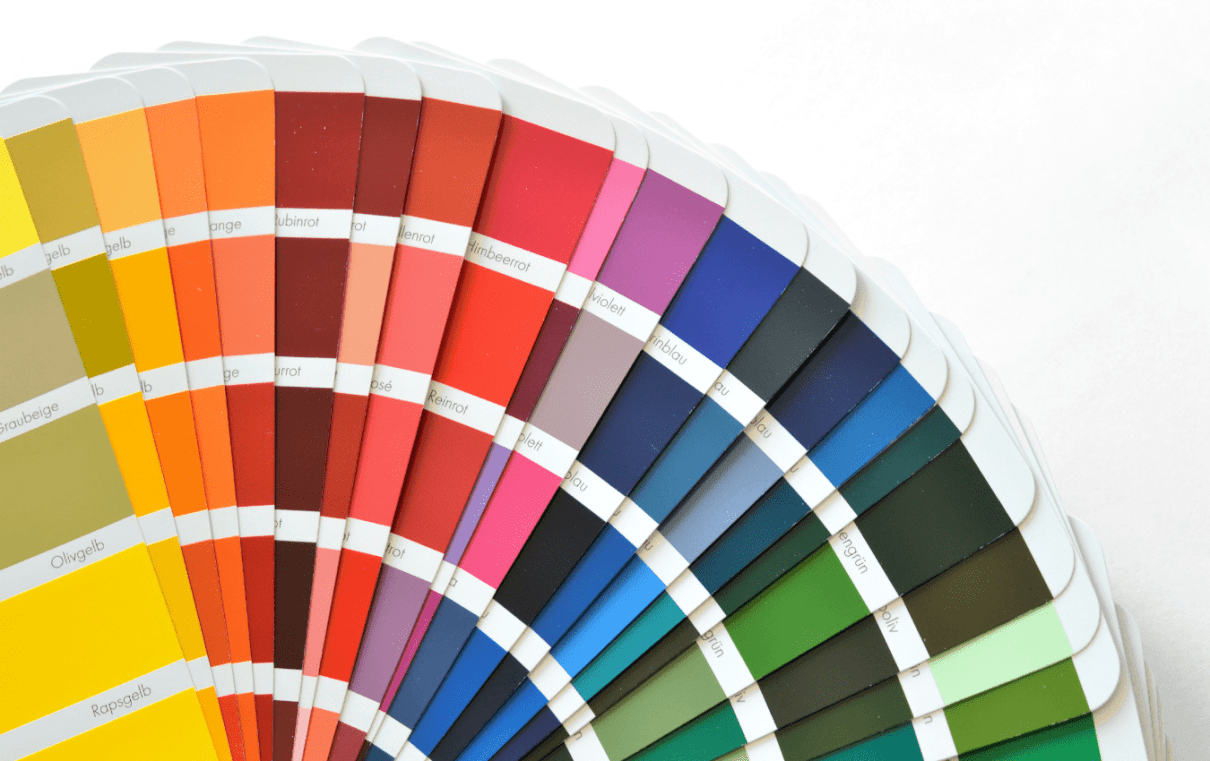
Color selection in packaging is not just a design decision—it directly impacts brand consistency, cost, and print performance.
Understanding the differences between CMYK, PMS, and GCMI printing methods helps businesses choose the right process based on accuracy, budget, lead time, and application.
Most packaging inconsistencies are not caused by poor design—they are caused by choosing the wrong print process.

What Is CMYK (4 Color Process Printing)?
CMYK (Cyan, Magenta, Yellow, Black) is a four-color printing process used to create full-color images by layering tiny dots in varying concentrations.
This method is widely used in:
👉 CMYK is best for designs that require gradients, images, and complex visuals.
Advantages of CMYK Printing
- Lowest cost option for full-color printing
- Fast turnaround times
- No tooling or plate costs (digital printing)
- Ideal for short runs and frequent artwork changes
- Capable of producing a wide range of colors using only four inks
Limitations of CMYK Printing
- Not 100% color accurate
- Color variation between print runs
- Difficult to match exact brand colors
- Shades may shift depending on material and process
👉 CMYK prioritizes flexibility and cost efficiency over exact color consistency.

What Is PMS (Pantone Matching System)?
PMS (Pantone Matching System) is a spot color printing method that uses pre-mixed inks assigned to specific Pantone numbers.
This system is commonly used in:
- Flexographic printing
- Brand-driven packaging applications
👉 PMS is the standard when exact brand color matching is required.
Advantages of PMS Printing
- Precise color matching (brand consistency)
- Consistent results across print runs
- Globally recognized color standard
- Ideal for logos and brand-critical elements
Limitations of PMS Printing
- Higher cost compared to CMYK
- Requires printing plates (setup cost)
- Limited flexibility for complex images
- Each additional color increases cost
👉 PMS prioritizes accuracy and consistency over cost and flexibility.

What Is GCMI (Glass Container Manufacturers Institute)?
GCMI (Glass Container Manufacturers Institute) is a standardized color system used primarily in corrugated and paperboard printing.
It uses:
- Water-based inks
- Limited color palette (compared to PMS)
👉 GCMI is designed specifically for corrugated packaging applications where consistency and simplicity are key.
Advantages of GCMI Printing
- Consistent color reproduction
- Cost-effective for corrugated packaging
- Standardized color system
- Reliable for large production runs
Limitations of GCMI Printing
- Limited number of available colors
- Not suitable for high-graphic designs
- Restricted to corrugated and paperboard materials
👉 GCMI balances cost and consistency but limits design flexibility.

CMYK vs PMS vs GCMI: Key Differences
| Feature | CMYK | PMS | GCMI |
|---|---|---|---|
| Color Accuracy | Moderate | High | High (limited range) |
| Cost | Low | Higher | Moderate |
| Best For | Images & graphics | Brand colors | Corrugated packaging |
| Flexibility | High | Low | Low |
| Consistency | Moderate | High | High |
How to Choose the Right Printing Method
Selecting the wrong print process can increase cost and reduce brand consistency.
Use CMYK when:
- Printing full-color images or gradients
- Running short production runs
- Needing frequent artwork updates
- Prioritizing cost efficiency
Use PMS when:
- Brand color accuracy is critical
- Printing logos or brand-driven packaging
- Running long production runs
- Needing consistent results across batches
Use GCMI when:
- Printing on corrugated packaging
- Using simple color designs
- Requiring consistent, cost-effective color reproduction

Key Insight for Packaging Buyers
Color selection is not just a visual decision—it is a cost and performance decision.
- CMYK reduces upfront cost but introduces variation
- PMS ensures brand consistency but increases cost
- GCMI provides consistency for corrugated but limits design flexibility
👉 The best solution often combines methods (e.g., CMYK + PMS) to balance cost and performance.
Conclusion
Each packaging printing method—CMYK, PMS, and GCMI—serves a different purpose depending on your product, branding, and operational requirements.
Choosing the right color process improves:
- Brand consistency
- Production efficiency
- Cost control
- Overall packaging performance
If you’re unsure which method fits your application, Brown Packaging can help evaluate your design, materials, and supply chain requirements to determine the best solution.
References
- Pantone LLC — Pantone Matching System Standards
- Flexographic Technical Association (FTA) — Flexographic Printing Guidelines
- Fibre Box Association — Corrugated Printing and Ink Systems
A folding carton may look simple once it reaches the shelf, but it goes through a controlled production process before it becomes a finished package.
Folding carton production is becoming more automated because buyers are asking for faster timelines, tighter consistency, and more flexibility across more SKUs. Shorter product lifecycles,
Folding carton style matters because structure affects more than appearance. The right carton can improve shelf presentation, packing speed, product access, closure security, storage efficiency,
Pouch packaging trends in 2027 will be shaped by convenience, shelf impact, sustainability pressure, sealing performance, automation, ecommerce growth, and total packaging cost. Buyers will
Corrugated box trends in 2027 will be driven by a practical mix of cost control, sustainability, ecommerce growth, automation, retail requirements, and supply chain performance.
Packaging trends in 2027 will be shaped by one major reality: buyers are no longer looking at packaging as just a box, carton, insert, pouch,
By submitting your information, you agree to our terms and conditions and privacy policy.

Home » Printing Color Options For Packaging


Rigid boxes are known for their durability, structure, and high-end feel—but what truly gives them their luxury appeal is the finish. That polished, vibrant exterior

In today’s market, the printing strategy employed on packaging can play a significant role in a product’s success. This guide is tailored to help buyers
Digital printing is often positioned as a short-run solution for emerging brands. But advances in press technology, workflow automation, and material compatibility have expanded its