Home » Packaging Prototypes: What You Need To Know
Packaging Prototypes: What You Need To Know
A packaging prototype is a sample or mockup of your packaging concept used to test function, design, and marketability before full production. Prototypes give buyers the opportunity to validate packaging performance, evaluate graphics, and make adjustments to avoid costly mistakes.
Why Prototypes Matter
Provide peace of mind before mass production
Serve as a final sign-off for manufacturing
Help buyers compare design variations and make informed decisions
Reduce risk of wasted materials, inventory loss, and branding errors
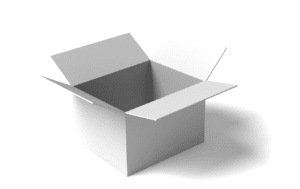
Concept Creation
First Article
Types of Packaging Prototypes
Physical Prototypes
Provide a tangible sample to inspect functionality, strength, and appearance. Typically produced with digital printing for cost efficiency.
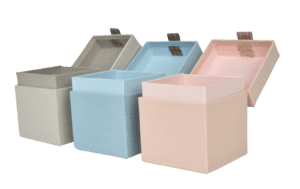
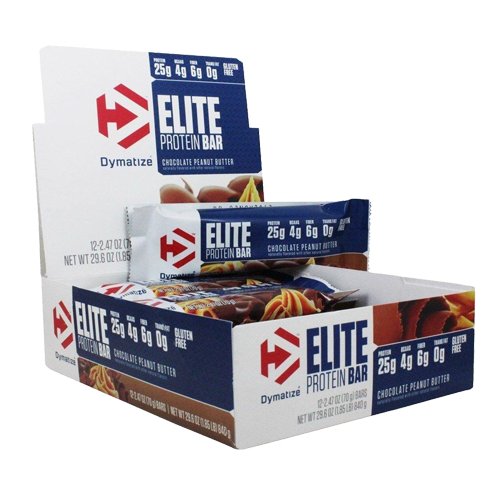
Concept Creation (3D Mockups): Early-stage samples that show shape and function. May lack accurate color or material properties.
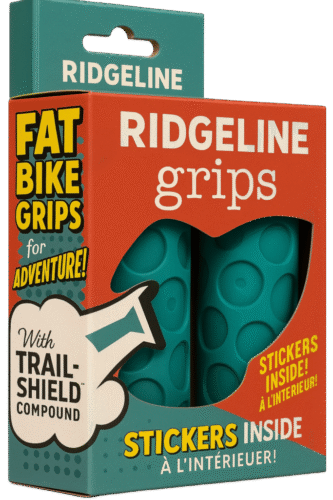
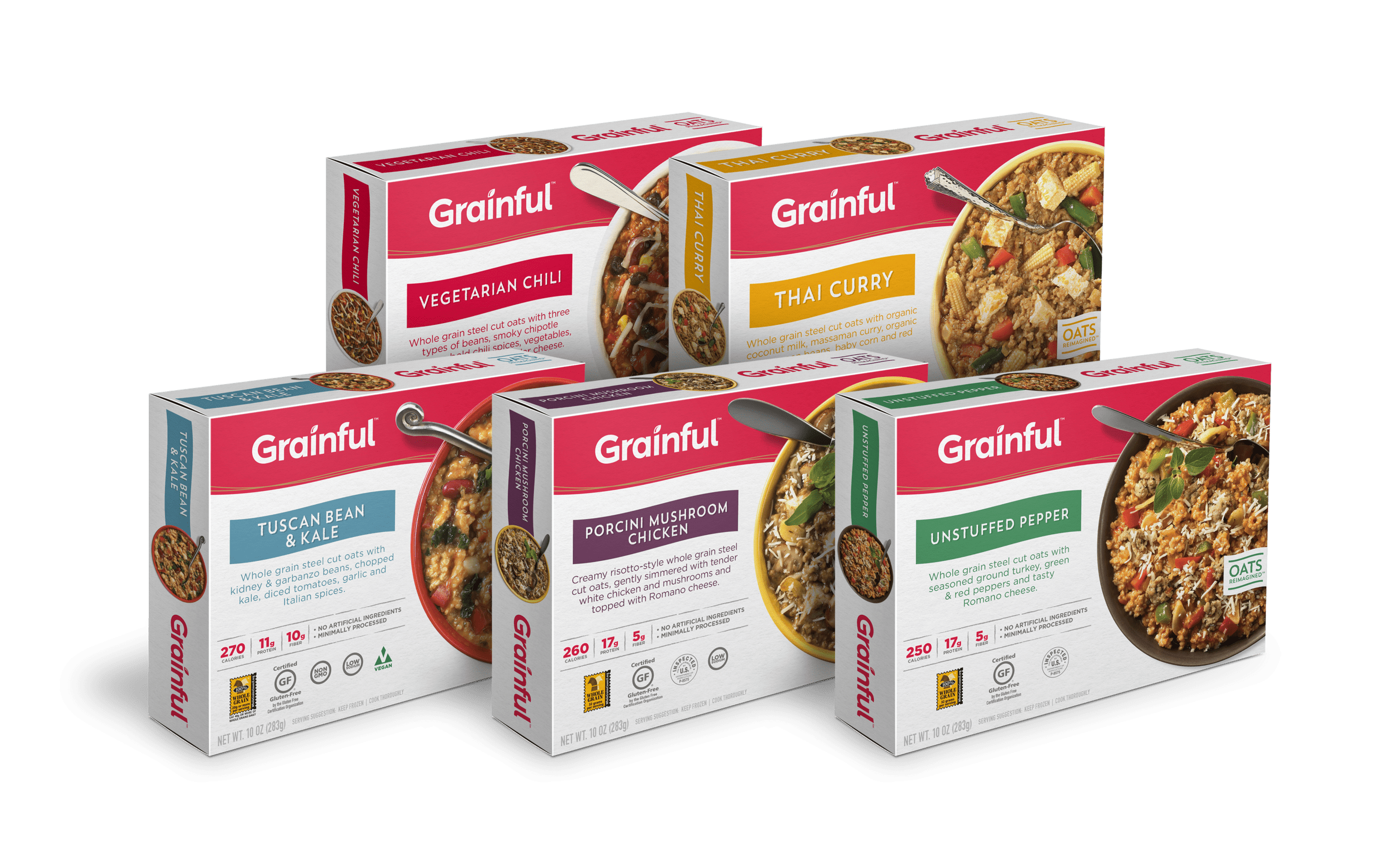
First Article: Pre-production sample created after an order is placed; ensures buyer approval before mass production.
Production Sample: Most accurate version pulled from the actual production line; costly and time-intensive, but best for high-value packaging.
Advantages: Hands-on inspection, true structural testing.
Limitations: Higher cost, longer lead times.
Virtual Prototypes
Digital methods using 2D or 3D modeling software.
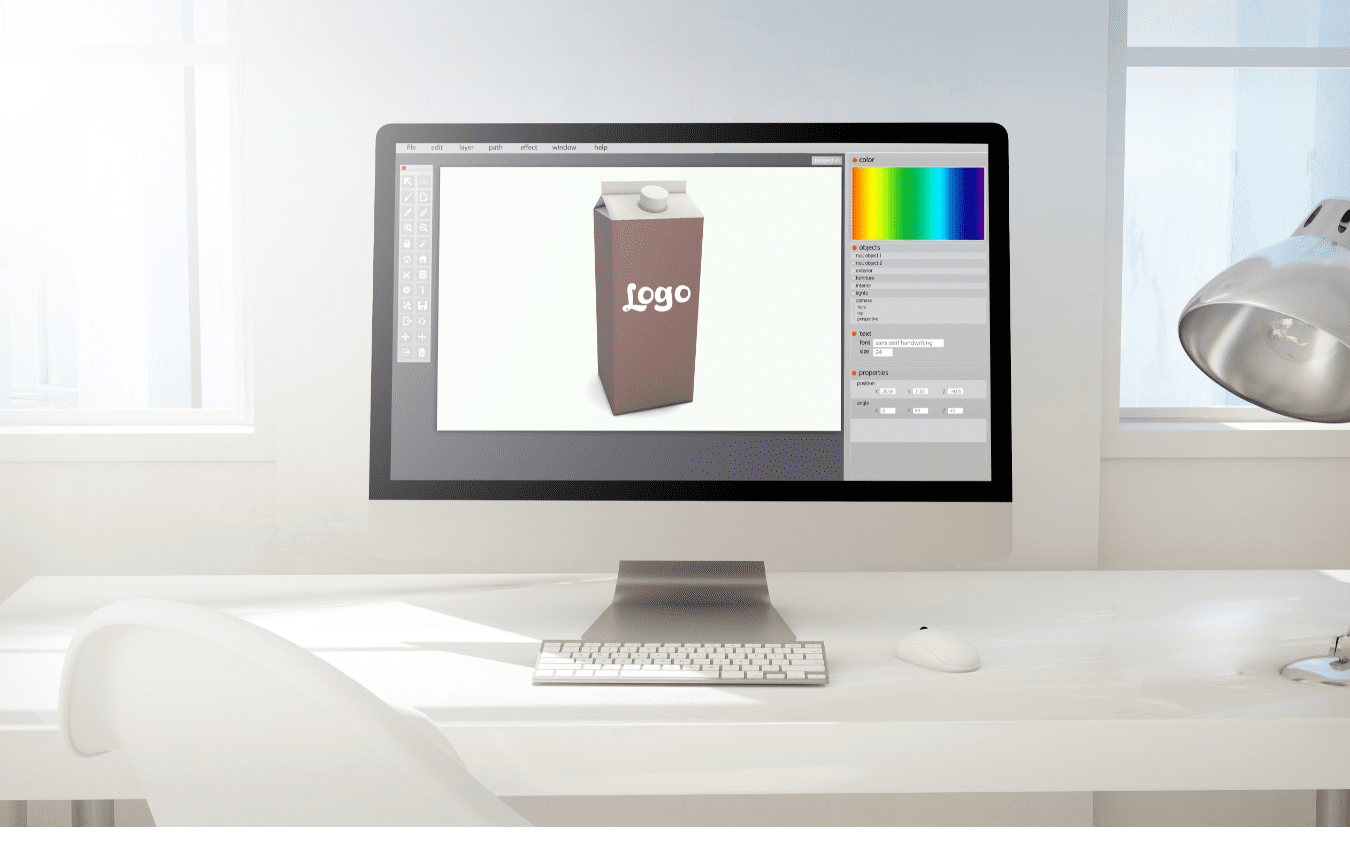
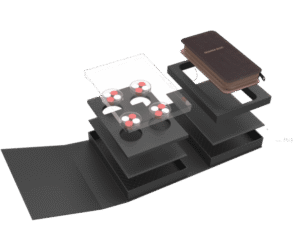
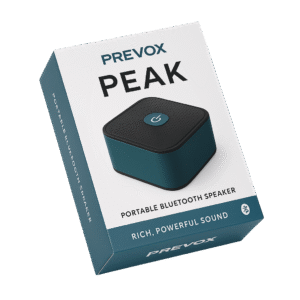
3D Renderings: Photorealistic models created with CAD, often shown in simulated retail or supply chain environments.
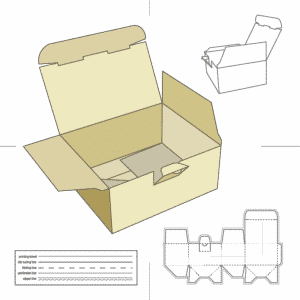
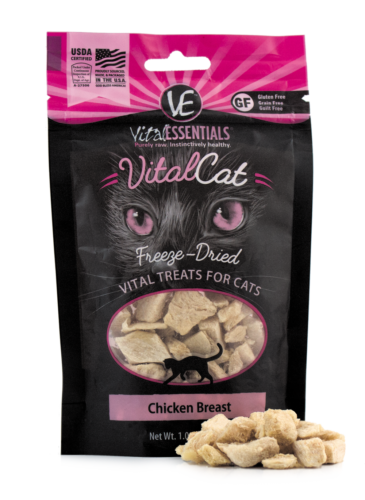
2D Dielines: Flat layouts showing measurements, folds, and graphics. Useful for design alignment before physical production.
Advantages: Fast, low-cost, easily shared and modified.
Limitations: Not physically testable.
3D Rendering
2D Rendering
Key Considerations
Supplier Capabilities: Not all suppliers offer both physical and virtual methods.
Budget: Physical prototypes cost more; virtual is budget-friendly.
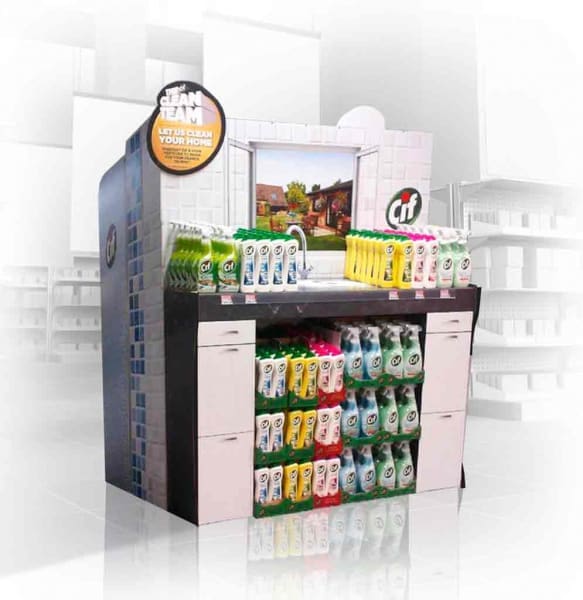
Packaging Type & Materials: Complex structures (like POP displays) cost more to prototype than simple mailers.
Lead Time: Virtual is faster; physical requires more resources and time.
When to Use Prototypes
Large Orders: To ensure packaging performs before scaling production.
Retail Presentations: Many retailers require physical samples for approval.
Supply Chain Testing: Validate structural integrity in shipping and handling.
Marketing Alignment: Digital prototypes allow easy collaboration across teams.
Ultimately, prototypes safeguard your investment by identifying issues early and ensuring your packaging meets both functional and branding goals.
Work With Brown Packaging
At Brown Packaging, we provide both physical and digital packaging prototypes to help businesses make confident decisions before production. Whether you need a structural sample, a 3D rendering, or a production-ready proof, our team ensures your packaging is tested, validated, and ready for market. Contact Brown Packaging today to get started.
References
Soroka, W. (2016). Fundamentals of Packaging Technology (5th ed.). Institute of Packaging Professionals.
Institute of Packaging Professionals (IoPP). (2023). Prototyping in Packaging Development. Retrieved from https://www.iopp.org
Robertson, G. L. (2016). Food Packaging: Principles and Practice (3rd ed.). CRC Press.
Digital printing is often positioned as the automatic choice for short runs. But the real financial breakpoint isn’t defined by volume alone — it’s determined
Digital printing is often the right starting point for growing brands and expanding SKU portfolios. But growth eventually raises a critical question: when does it
Most POP display programs become inefficient over time—not because of poor design, but because of too many variations. Different sizes, different footprints, different structures. It
Packaging performance testing is designed to verify that packaging can withstand the stresses of distribution. Tests such as drop testing, compression testing, and vibration testing
Most POP floor displays don’t fail immediately—they fail after they’ve been on the retail floor for a short period of time. Week one looks fine.By
A lower unit price doesn’t mean lower cost. In POP display programs, the biggest losses rarely show up on the quote—they show up in damage
Home » Packaging Prototypes: What You Need To Know

Shipping goods can be a stressful experience, especially when you’re worried about their safety during transit. Corrugated boxes, due to their durable and versatile nature,

The world of packaging has seen tremendous innovation over the years. With the increasing emphasis on product safety, hygiene, sustainability, and overall aesthetic appeal, manufacturers

For mid-sized businesses, packaging is a crucial element that impacts brand identity, operational efficiency, and customer experience. Unlike small businesses, which focus on cost-effectiveness, and