Home » Flexible Packaging: Shelf Life and Gas-Filled Considerations
Flexible Packaging: Shelf Life and Gas-Filled Considerations
When designing flexible packaging for perishables, customers often have initial ideas for graphics but lack clarity on functional aspects critical to product performance. Shelf life and gas-filled packaging are two essential considerations that significantly impact packaging design and material selection.
Here’s what you need to know.
Shelf Life Expectancy for Perishables
The expected shelf life of a product determines the protective requirements of its packaging. For perishables, maintaining freshness, flavor, and safety over time is paramount.
Key Packaging Features for Shelf Life:
- Barrier Protection
- Packaging should guard against oxygen, moisture, and light exposure, which can cause spoilage or degrade product quality.
- High-barrier films or laminated layers are commonly used to extend shelf life by minimizing exposure to external elements.
- Seal Integrity
- A strong, airtight seal prevents contamination and ensures freshness. Heat sealing is a common method for flexible packaging to create durable closures.
- Material Durability
- Packaging must withstand the storage environment, whether refrigerated, frozen, or at room temperature. For example:
- Refrigerated goods need materials resistant to condensation.
- Frozen products require films that remain flexible and crack-free at low temperatures.
- Packaging must withstand the storage environment, whether refrigerated, frozen, or at room temperature. For example:
- Labeling and Compliance
- Shelf life is often tied to regulatory requirements for perishables. Clear labeling and compliance with industry standards are essential.
Gas-Filled Packaging for Freshness
For products requiring extended shelf life or enhanced visual appeal, gas-filled packaging, also known as Modified Atmosphere Packaging (MAP), is a valuable solution.
Benefits of Gas-Filled Packaging:
- Extended Freshness
- Replacing oxygen with nitrogen or carbon dioxide slows oxidation and microbial growth, keeping products fresh longer.
- Physical Protection
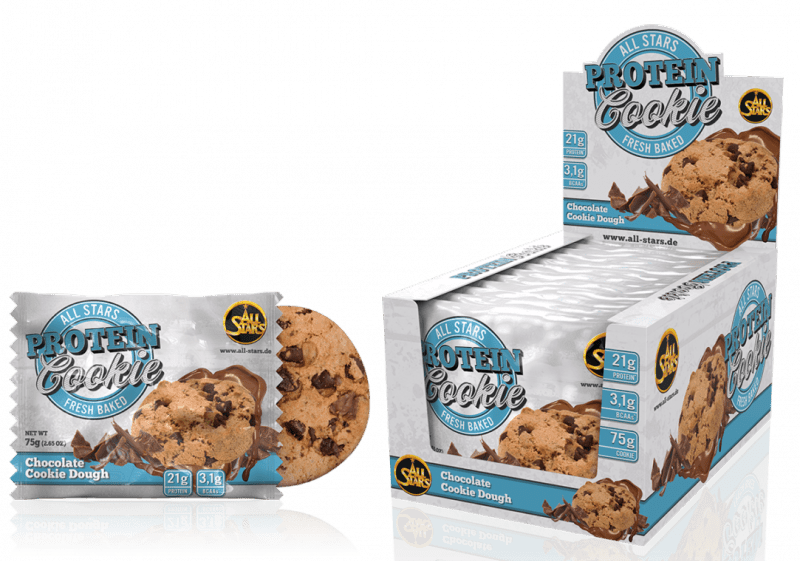
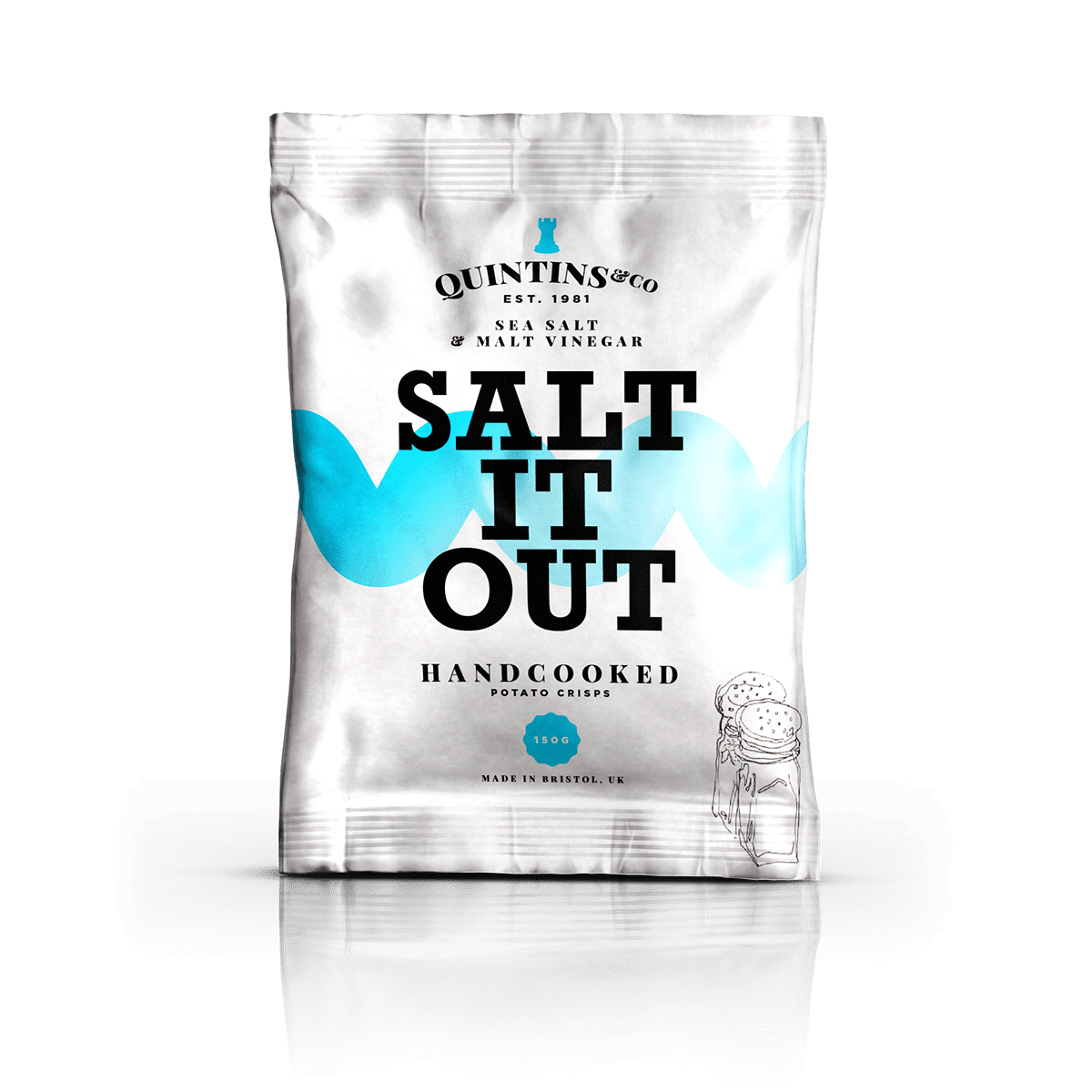
- The inflated appearance of gas-filled packages acts as a cushion, protecting fragile items like chips or baked goods from crushing.
- Enhanced Product Presentation
- The puffed look creates a clean, appealing appearance, boosting consumer confidence in the product’s quality.
Packaging Requirements for Gas Filling:
- Specialized Films: Materials must retain the gas mixture without leaks or permeability.
- Precision Sealing: Ensures the modified atmosphere remains intact until the product is opened.
- Equipment Compatibility: MAP requires specialized machinery to inject and seal the gas mixture.
Practical Applications
Examples by Product Type:
- Snacks (Chips, Crackers): High-barrier films and nitrogen filling protect against staleness and physical damage.
- Fresh Produce: MAP with a blend of nitrogen and carbon dioxide slows ripening and spoilage.
- Meat and Dairy Products: Oxygen-free packaging prevents microbial growth and oxidation, extending shelf life.
Why It Matters
Incorporating the right flexible packaging solution for perishables ensures product integrity, reduces waste from spoilage, and meets consumer expectations for quality. Whether it’s a high-barrier film for extended shelf life or MAP for enhanced freshness and protection, choosing the right approach is critical to product success.
Need expert advice on flexible packaging? Let us guide you through the design and selection process to ensure your product performs flawlessly in its packaging.
Subscription packaging continues to expand across beauty, food, lifestyle, and specialty products. Buyers must balance branding, protection, and sustainability while keeping fulfillment efficient. This checklist highlights the critical areas buyers
As budgets tighten in 2026, packaging buyers are under pressure to reduce costs without increasing damage rates. Cutting too aggressively can lead to product loss, higher return rates, and frustrated
Product damage is one of the most expensive risks in packaging. Beyond replacement costs, damaged goods lead to lost sales, returns, and reputational harm. In 2026, complex e-commerce, global shipping,
Retail packaging continues to evolve as brands balance sustainability, supply chain performance, and consumer experience. In 2026, buyers face new challenges shaped by material innovation, compliance requirements, and rising consumer
Home » Flexible Packaging: Shelf Life and Gas-Filled Considerations

In the world of packaging, roll stock, also referred to as candy wrappers or snack wrappers, is a versatile and essential component. It refers to a continuous sheet of flexible material wound into a roll, used in various packaging applications. Roll stock materials come in a wide range of options, each designed to meet specific packaging requirements. Whether you are a seasoned packaging professional or a newcomer to the field, this buyer’s guide to roll stock will help you navigate the complexities of selecting the right material for your packaging needs. Understand Your Packaging Requirements Before diving into the specifics of roll stock materials, it’s crucial to understand your packaging requirements. Ask yourself the following questions: What type of product are you packaging? What are the dimensions and weight of your product? Is your product sensitive to environmental factors like moisture, oxygen, or light? What is the expected shelf life of your product? Do you require printing or branding on the packaging material? What is your budget for packaging materials? By answering these questions, you’ll gain a clearer picture of your packaging needs and be better equipped to choose the right roll stock material. Types of Roll Stock Materials Roll stock materials come in various types, each offering unique characteristics and benefits. Here are some common roll stock materials: Flexible Films: Polyethylene (PE) Polypropylene (PP) Polyvinyl chloride (PVC) Polyester (PET) Nylon (PA) Flexible films are suitable for a wide range of products, from food to electronics. They offer excellent barrier properties and are customizable for printing. Foil Laminates: Aluminum foil laminated with various substrates Foil laminates provide exceptional barrier properties against moisture, light, and oxygen. They are often used for perishable food items and pharmaceuticals. Paper-Based Roll Stock: Kraft paper Coated paper Paper-based roll stock is eco-friendly and ideal for products where a natural or rustic appearance is desired. Specialty Films: Metallized films Biodegradable films Retort pouch films Specialty films cater to unique packaging needs, such as high gloss, sustainability, and resistance to high-temperature processing. Barrier Properties Consider the barrier properties required for your product. For example, if you are packaging perishable goods, you’ll need materials with excellent moisture and oxygen barrier properties. Foil laminates and certain specialty films are often preferred for such applications. Printing and Branding If branding and aesthetics are crucial for your product, choose roll stock materials that offer excellent printability. Flexible films and paper-based materials are typically easier to print on, allowing for vibrant graphics and branding. Environmental Impact In today’s environmentally conscious world, it’s essential to consider the environmental impact of your packaging materials. Biodegradable films and sustainable materials are excellent choices for eco-friendly packaging. Budget Constraints Budget constraints are a significant factor in the decision-making process. While high-performance materials may offer superior properties, they can also be more expensive. Balance your budget with your packaging requirements to find the most cost-effective solution. Regulatory Compliance Ensure that your chosen roll stock material complies with relevant industry regulations and standards. This is particularly important for packaging in the food and pharmaceutical industries, where strict guidelines are in place. Supplier Selection Choose a reliable and reputable roll stock supplier. Look for a supplier with a proven track record of delivering high-quality materials on time and within budget. If you are interested in packaging your products with roll stock, then partner with Brown Packaging today to get started. (714)300-0650 request@brownpackaging.com Most Recent Posts: Categories: Corrugated Ecommerce ESD Design Display Flexible Packaging Foam Folding Carton Packaging Plastic Packaging Pouch Printing Protection Retail Rigid Box Thermoform Sustainability Subscribe To Our Newsletter By submitting your information, you agree to our terms and conditions and privacy policy. Roll Stock Facebook Twitter LinkedIn Pinterest Relevant Posts

In a fiercely competitive retail landscape, brands strive to ensure their products stand out on the shelves. And one powerful tool they leverage is packaging. It’s often the first interaction that consumers have with a product, and it can significantly influence their buying decisions. Among various packaging options, flexible packaging is fast becoming a popular choice, thanks to its versatility, functionality, and sustainability. But how does it impact the shelf appeal of products? Let’s delve into this topic. The Rise of Flexible Packaging Flexible packaging, which includes everything from stand-up pouches to resealable bags and wraps, has seen a considerable surge in popularity over the years. Thanks to advancements in technology and materials, flexible packaging offers a number of advantages over traditional rigid packaging options. For instance, flexible packaging can be easily customized to fit the shape, size, and weight of a product. This flexibility extends to design possibilities as well, with high-quality printing techniques allowing for vibrant, eye-catching graphics and branding elements. Shelf Appeal: The Power of First Impressions Shelf appeal refers to the visual impact a product makes when displayed on a retail shelf. It’s about making a strong first impression, and as the adage goes, “You never get a second chance to make a first impression”. On retail shelves crammed with numerous competing products, it’s often the packaging that catches the consumer’s eye first and convinces them to pick up the product. The Role of Flexible Packaging in Enhancing Shelf Appeal Here’s how flexible packaging contributes to enhancing the shelf appeal: Product Differentiation: Flexible packaging offers unlimited customization options, from shape and size to design and color. This enables brands to create unique and attention-grabbing packaging that sets their products apart from the competition. High-Quality Graphics: Modern printing technologies can render sharp, vibrant, and high-resolution images on flexible packaging materials. This makes the product visually appealing and easily recognizable on the shelf. Innovative Features: Features such as resealable closures, easy-open tabs, and built-in handles not only provide convenience but also make the product stand out on the shelf. Additionally, these features can be highlighted on the packaging design to further attract customer attention. Sustainability Appeal: Many consumers are now more conscious of the environmental impact of their purchases. As flexible packaging often uses less material than rigid packaging and is increasingly recyclable, it can enhance the shelf appeal for eco-conscious shoppers, especially if right materials are chosen. The Impact of Flexible Packaging on Consumer Perception Research shows that packaging has a significant impact on consumer perception of a product. It can influence how customers perceive the quality and value of the product. Innovative and high-quality packaging, like flexible packaging, can lead customers to perceive the product as high-end and worth a premium price. For instance, a product in a stand-up pouch with a resealable closure might be seen as more innovative and convenient, and thus of higher value, than a similar product in a traditional box or bag. In this way, flexible packaging can help to elevate a brand’s image and increase its appeal on the shelf. The Future of Flexible Packaging and Shelf Appeal Given the numerous benefits and the increasing consumer preference for sustainable and convenient packaging, the use of flexible packaging is only set to increase in the future. Brands will continue to leverage its versatility and adaptability to create packaging designs that boost shelf appeal and connect with their target consumers. If you are interested in flexible packaging, then partner with Brown Packaging today to get started. (714)300-0650 request@brownpackaging.com Most Recent Posts: Categories: Corrugated Ecommerce ESD Design Display Flexible Packaging Foam Folding Carton Packaging Plastic Packaging Pouch Printing Protection Retail Rigid Box Thermoform Sustainability Subscribe To Our Newsletter By submitting your information, you agree to our terms and conditions and privacy policy. Custom Packaging Facebook Twitter LinkedIn Pinterest Relevant Posts

When you think about product packaging, your mind probably jumps to traditional solutions like plastic containers, cans, or cardboard boxes. However, a dramatic shift is taking place in the industry, with more and more brands embracing flexible packaging. This transition doesn’t just benefit the businesses adopting this approach, but it also has implications for consumers and the environment. Let’s delve deeper into why brands are turning to flexible packaging. Cost-Effectiveness One of the primary reasons businesses are gravitating towards flexible packaging is its cost-effectiveness. Compared to rigid packaging, flexible packaging often requires less material. This decrease in material not only reduces the upfront cost for the company but also means that less energy is consumed during production, which results in a lower overall manufacturing cost. Furthermore, flexible packaging is lighter and compact, which means it requires less storage space and reduces transportation costs. Consequently, the savings can be passed on to the consumer, leading to a competitive price point on the shelf. Enhanced Brand Appeal and Marketing Capabilities Flexible packaging offers a wide array of creative design opportunities. The surface of flexible packaging provides a larger area for product information, instructions, and branding elements compared to traditional rigid packaging. This allows companies to create more engaging and informative packaging, enhancing their brand appeal and increasing their product’s visibility on store shelves. Moreover, the ability to use high-quality graphics and vibrant colors on flexible packaging helps brands to stand out in a crowded marketplace and make a stronger connection with consumers. Convenience and User Experience In today’s fast-paced world, consumers prioritize convenience. They desire products that are easy to use, transport, and store. Flexible packaging aligns perfectly with these consumer demands. Packages can be resealable, easy to open, and can even include features like spouts for easy pouring. In addition, flexible packaging can be engineered to improve the freshness of food items, offering a more extended shelf-life. This enhanced preservation functionality is particularly appealing to consumers and can lead to increased brand loyalty. Sustainability In the face of increasing environmental concerns, brands are under pressure to minimize their ecological footprint. Flexible packaging often utilizes less material and energy during production and transportation compared to traditional packaging, thereby reducing CO2 emissions. As consumers become more environmentally conscious, brands that utilize sustainable packaging options are likely to be favored over those that don’t. Adaptability Finally, flexible packaging offers a high degree of adaptability. It can be tailored to suit a wide range of product shapes, sizes, and types, from food items to beauty products, and everything in between. It can also accommodate various product delivery methods, like squeeze pouches or stand-up pouches with zip locks. This versatility means that no matter what a company’s specific needs may be, flexible packaging can be customized to meet them. Final Thoughts: Why Brands Are Shifting Towards Flexible Packaging The shift towards flexible packaging signifies a crucial evolution in the packaging industry. It provides brands with a host of benefits, from cost-effectiveness and enhanced brand appeal to improved user experience, sustainability, and adaptability. With these advantages, it’s no surprise that more and more brands are choosing flexible packaging as their go-to solution. Whether you’re a brand looking to reinvent your packaging or a consumer keen to understand the changes you’re seeing on store shelves, the rise of flexible packaging is an exciting development that’s set to shape the future of product packaging. If you are interested in flexible packaging, then partner with Brown Packaging today. (714)300-0650 request@brownpackaging.com Most Recent Posts: Categories: Corrugated Ecommerce ESD Design Display Flexible Packaging Foam Folding Carton Packaging Plastic Packaging Pouch Printing Protection Retail Rigid Box Thermoform Sustainability Subscribe To Our Newsletter By submitting your information, you agree to our terms and conditions and privacy policy. Custom Packaging Facebook Twitter LinkedIn Pinterest Relevant Posts