
Home » Strategies to Protect Packaging Against Temperature Fluctuations
Strategies to Protect Packaging Against Temperature Fluctuations
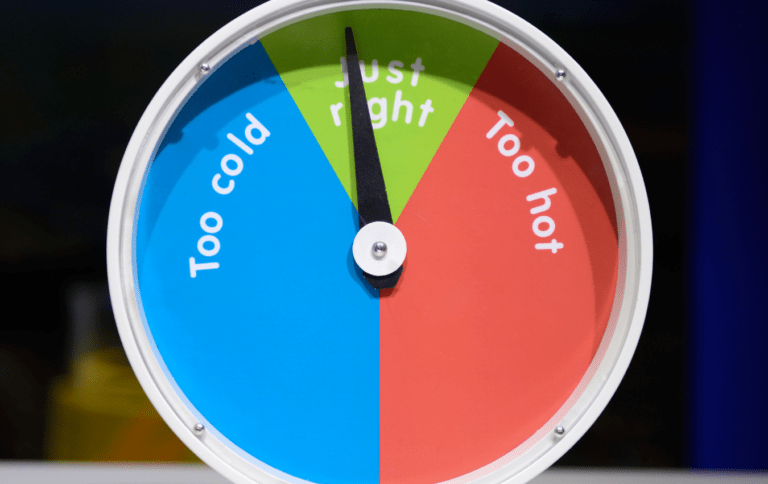
Temperature fluctuations can have a detrimental effect on your products and packaging. Whether your goods are sensitive to extreme heat or cold, maintaining the right temperature during storage and transportation is essential. In this blog, we’ll explore various strategies and best practices to help you protect your packaging against temperature fluctuations effectively.
Understanding the Risks
Before we delve into protective measures, it’s crucial to understand the potential risks associated with temperature fluctuations:
- Product Quality: Fluctuating temperatures can alter the quality, texture, and taste of products, rendering them unsellable or unsafe for consumption.
- Chemical Reactions: Some products, particularly chemicals and pharmaceuticals, can undergo chemical reactions when exposed to temperature extremes, resulting in changes in composition or efficacy.
- Packaging Integrity: Extreme temperatures can weaken packaging materials, making them more susceptible to tears, punctures, or structural damage.
Protective Measures
To safeguard your packaging against temperature fluctuations, consider implementing the following protective measures:
Temperature-Controlled Packaging:
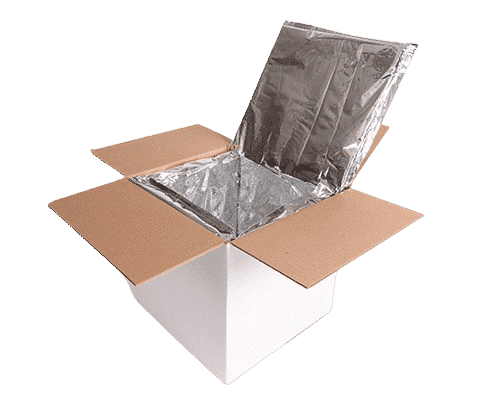
Use temperature-controlled packaging solutions, such as insulated boxes, coolers, or heated containers, depending on the specific temperature requirements of your products.
Insulated Packaging Materials:
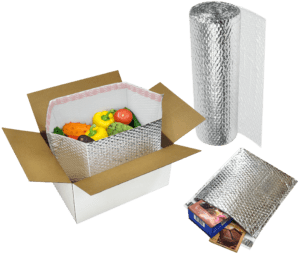
Choose packaging materials with insulating properties. Foam, bubble wrap, or insulated liners can help maintain stable temperatures within the package.
Phase-Change Materials:
Incorporate phase-change materials or gel packs into your packaging. These materials can absorb or release heat to help regulate the temperature inside the package.
Seal Integrity:
Ensure that packaging seals are strong and airtight. Regular quality control checks should verify that no gaps or defects exist in the sealing process to prevent temperature infiltration.
Packaging Design Considerations:
Design packaging with temperature resistance in mind. Use materials that can withstand temperature extremes, and consider multi-layer structures for added insulation.
Quality Testing:
Conduct rigorous testing to verify the effectiveness of your packaging in maintaining temperature stability. Use temperature testing chambers to simulate real-world conditions.
Temperature Monitoring Devices:
Incorporate temperature monitoring devices, such as data loggers or indicators, into your packaging. These devices record temperature data during transit, providing insight into temperature fluctuations.
Controlled Storage Facilities:
Store products in temperature-controlled environments before and after packaging. Warehouses and storage areas should be equipped with adequate ventilation, heating, and cooling systems.
Shipping Route Planning:
Select shipping routes and carriers that prioritize temperature control and offer refrigerated or climate-controlled transportation options.
Regulatory Compliance:
Adhere to industry-specific and regulatory standards for temperature-sensitive products. Compliance ensures that your products meet safety and quality requirements.
Vigilance and Continuous Improvement
Protecting your packaging against temperature fluctuations is an ongoing effort. Continuously assess your packaging solutions and gather feedback from transportation partners to identify any weaknesses or areas for improvement. Make necessary adjustments to enhance temperature resilience and ensure that your products arrive at their destination in optimal condition.
By implementing these strategies and maintaining a proactive approach to packaging protection, you can significantly reduce the risk of temperature-related damage to your products, enhance their overall quality and safety, and meet the specific temperature requirements of your industry.
If you are interested in protection against temperature fluctuations for your packaging, then partner with Brown Packaging today to get started.
Retail packaging continues to evolve as brands balance sustainability, supply chain performance, and consumer experience. In 2026, buyers face new challenges shaped by material innovation, compliance requirements, and rising consumer
Supplier contracts can make or break a packaging program. Without the right terms, buyers risk price volatility, missed lead times, and inconsistent product quality. In 2026, negotiating smart contracts is
Packaging compliance is no longer optional—it’s a requirement for accessing retail shelves, shipping networks, and international markets. In 2026, buyers must navigate evolving regulations around sustainability, labeling, and testing to
In 2026, sustainability is no longer just a trend—it’s a buyer expectation. Forest Stewardship Council (FSC) certification has become a key benchmark for responsible packaging, signaling that materials are sourced
Home » Strategies to Protect Packaging Against Temperature Fluctuations

The cold chain is a temperature-controlled supply chain that plays a critical role in ensuring that certain products, such as pharmaceuticals, vaccines, and food, maintain their quality and efficacy. In this supply chain, the temperature is controlled, monitored, and maintained from the point of manufacture to the point of consumption. Cold chain packaging is an integral part of this process, as it provides a protective environment for temperature-sensitive products during transport and storage. In this blog, we will discuss the importance of cold chain packaging in maintaining product quality, including the various types of cold chain packaging, their benefits, and the challenges associated with cold chain packaging. What is Cold Chain Packaging? Cold chain packaging is the packaging used to protect temperature-sensitive products during transportation and storage. It is designed to maintain a specific temperature range to prevent product degradation and spoilage. Cold chain packaging is used in various industries, including pharmaceuticals, biotech, food, and beverage. Types of Cold Chain Packaging There are several types of cold chain packaging available, including: Insulated Shippers – Insulated shippers are designed to maintain a specific temperature range for a specific duration. These shippers can be made from various materials, including expanded polystyrene (EPS) containers, insulated mailers, foil bubble liners, polyurethane cooler boxes and paper-based liners. They are commonly used for transporting vaccines, blood samples, and temperature-sensitive medications. Refrigerants – Refrigerants are used in cold chain packaging to maintain a specific temperature range. These can be in the form of gel packs, dry ice, or liquid nitrogen. They are placed in insulated shippers to maintain the desired temperature range. Phase Change Materials (PCMs) – PCMs are substances that can store and release thermal energy during a phase change. These materials are commonly used in cold chain packaging to maintain a specific temperature range for extended periods. Benefits of Cold Chain Packaging Maintains Product Quality – Product quality is maintained by keeping products within a specific temperature range during transportation and storage. This ensures that products remain effective and safe for consumption. Reduces Waste – Waste is reduced by preventing spoilage and degradation of products during transportation and storage. This helps reduce the need for product recalls, which can be costly for manufacturers. Increases Shelf Life – Shelf life is increased for temperature-sensitive products by maintaining a specific temperature range. This helps ensure that products can be stored for longer periods without degrading or spoiling. Challenges Associated with Cold Chain Packaging Temperature Control – Temperature control is one of the most significant challenges associated with cold chain packaging. Maintaining a specific temperature range throughout the transportation and storage process can be challenging, especially in extreme weather conditions. Cost – It can be expensive, which can be a significant barrier for small manufacturers. The cost of materials, such as insulated shippers and refrigerants, can add up quickly. Regulatory Compliance – Cold chain packaging must comply with various regulations, including those set by the FDA and other regulatory bodies. Ensuring compliance with these regulations can be challenging and costly for manufacturers. Summary: Cold Chain Packaging Explained Cold chain packaging plays a critical role in maintaining product quality and safety during transportation and storage. It helps reduce waste, increase shelf life, and ensure that products remain effective and safe for consumption. However, there are challenges associated with cold chain packaging, including temperature control, cost, and regulatory compliance. Despite these challenges, the benefits of cold chain packaging outweigh the costs and challenges, making it an essential part of the cold chain supply chain. If you are interested in cold chain packaging solutions, then contact Brown Packaging today to get started. (714)300-0650 request@brownpackaging.com Most Recent Posts: Categories: Corrugated Ecommerce ESD Design Display Flexible Packaging Foam Folding Carton Packaging Plastic Packaging Pouch Printing Protection Retail Rigid Box Thermoform Sustainability Subscribe To Our Newsletter By submitting your information, you agree to our terms and conditions and privacy policy. Cold Chain Packaging Facebook Twitter LinkedIn Pinterest Relevant Posts

In today’s fast-paced world, protective packaging plays a crucial role in safeguarding products during transportation, handling, and storage. It acts as a shield against various external factors, including impacts, vibrations, moisture, temperature variations, and more. However, businesses often face the challenge of balancing the cost of packaging materials and the level of protection required. This blog explores the delicate balance between cost and protection and provides detailed insights into optimizing packaging choices. Understanding the Importance of Protective Packaging Protective packaging serves two primary purposes: preserving product integrity and minimizing damage risks. Whether it’s fragile electronics, delicate glassware, or perishable goods, proper packaging ensures that products reach customers in pristine condition. It helps prevent loss, enhances customer satisfaction, and maintains brand reputation. Factors Influencing Packaging Choices Nature of the Product Fragility: Fragile items, such as glass or electronic components, require extra layers of cushioning to protect against impacts and vibrations. Perishability: Perishable goods, like food or pharmaceuticals, may require temperature-controlled packaging to maintain product freshness and quality. Transportation Method Air Transportation: Air freight involves multiple handling points and potential turbulence. Packaging for air transportation should be designed to withstand these challenges, providing adequate protection against impacts and pressure changes. Sea Transportation: Shipping by sea introduces the risk of moisture and salt exposure. Packaging materials should be moisture-resistant and provide corrosion protection. Land Transportation: Road or rail transportation involves various vibrations and rough handling. Packaging should be robust enough to withstand these conditions. Storage Conditions Duration of Storage: If products are stored for an extended period, protection against environmental factors such as humidity, dust, and temperature fluctuations become crucial. Packaging materials should provide insulation and barrier properties as needed. Storage Environment: Warehouses or storage facilities may have specific conditions that impact packaging requirements. For example, if products are stored outdoors, packaging should offer protection against UV radiation and weather elements. Regulatory Compliance Industries such as pharmaceuticals, hazardous goods, or food products have specific packaging regulations to ensure safety and compliance. Packaging materials must meet these requirements, which may impact costs. Cost Considerations in Protective Packaging Material Selection Traditional Materials: Bubble wrap, foam inserts, corrugated cardboard, and air pillows are widely used and cost-effective options for protection. They provide cushioning, shock absorption, and product support. Sustainable Materials: Eco-friendly packaging materials, such as recycled paper, biodegradable plastics, and compostable materials, offer a more environmentally responsible option. While these materials may have a higher upfront cost, they can enhance brand image and customer perception. Quantity and Volume Discounts Businesses that require large volumes of packaging materials can explore bulk purchasing options. Suppliers often offer discounts for bulk orders, reducing the overall packaging costs. Customization Tailoring packaging solutions to the specific needs of the product can optimize costs. Custom-sized boxes, inserts, or dividers can reduce material waste and improve overall protection. Custom packaging also provides a more tailored and professional presentation. Optimizing Cost-Effective Protection Packaging Design Efficient designs maximize the use of materials, reduce waste, and minimize costs. Packaging engineers can create innovative designs that achieve optimal protection while using fewer materials. Utilizing standardized packaging sizes can improve efficiency in terms of storage space, transportation, and handling. Testing and Prototyping Conducting thorough testing and prototyping can help identify the minimum level of protection required. By simulating real-world conditions, businesses can determine the most cost-effective packaging solution that meets the necessary protective standards. Testing may involve drop tests, compression tests, or vibration tests. Supply Chain Collaboration Collaborating with suppliers and logistics partners can provide valuable insights into cost-effective protective packaging solutions. By working together, it’s possible to identify opportunities for efficiency improvements and cost reduction. Partnerships can also facilitate the sharing of best practices and industry knowledge. Sustainable Packaging Solutions In recent years, sustainability has become a significant concern for both businesses and consumers. Balancing cost and protection while also addressing environmental considerations is essential. Opting for eco-friendly materials, reducing packaging waste, and adopting recyclable or biodegradable options can align cost savings with environmental responsibility. These measures can enhance brand reputation, attract eco-conscious customers, and contribute to a greener future. If you are interested in protective packaging or packaging designed to protect your product, then partner with Brown Packaging today. Our experts will help you maintain cost, while optimizing your product’s protection. (714)300-0650 request@brownpackaging.com Most Recent Posts: Categories: Corrugated Ecommerce ESD Design Display Flexible Packaging Foam Folding Carton Packaging Plastic Packaging Pouch Printing Protection Retail Rigid Box Thermoform Sustainability Subscribe To Our Newsletter By submitting your information, you agree to our terms and conditions and privacy policy. Custom Packaging Facebook Twitter LinkedIn Pinterest Relevant Posts

Oxygen and air exposure can adversely affect the quality, shelf life, and safety of your products. To ensure the integrity of your products and packaging, it’s essential to implement effective measures to protect against oxygen and air infiltration. In this blog, we will explore various strategies and best practices to help you safeguard your packaging against these environmental factors effectively. Understanding the Threat Before we delve into protective measures, it’s crucial to understand the potential risks associated with oxygen and air exposure: Oxidation: Exposure to oxygen can lead to oxidation, which can cause changes in color, flavor, and texture of food products, as well as the degradation of certain chemicals and pharmaceuticals. Spoilage: Oxygen can promote the growth of spoilage organisms and pathogens in perishable products, leading to product spoilage and safety concerns. Product Degradation: In some cases, oxygen exposure can trigger chemical reactions in products, causing them to deteriorate or lose efficacy. Protective Measures To safeguard your packaging against oxygen and air exposure, consider implementing the following protective measures: Oxygen Barrier Packaging Materials: Choose packaging materials with oxygen barrier properties. These materials prevent oxygen from permeating the package and coming into contact with the product. Common oxygen barrier materials include metallized films, aluminum foil, and certain plastics. Vacuum-Sealed Packaging: Utilize vacuum-sealing methods to remove air from the package before sealing it. Vacuum-sealed packaging creates an airtight environment that minimizes oxygen exposure. Nitrogen Flushing: Implement nitrogen flushing or gas flushing during the packaging process. This involves replacing the air inside the package with nitrogen or an inert gas to displace oxygen. Modified Atmosphere Packaging (MAP): Consider modified atmosphere packaging, where the atmosphere inside the package is modified to contain lower oxygen levels. This is common in the packaging of fresh produce and meats. Seal Integrity: Ensure that packaging seals are strong and airtight. Regular quality control checks should verify that no gaps or defects exist in the sealing process, preventing oxygen infiltration. Desiccants and Oxygen Absorbers: Include desiccants or oxygen absorbers inside the packaging. Desiccants remove moisture, which can contribute to oxidation, while oxygen absorbers remove oxygen, extending shelf life. Quality Control Checks: Conduct quality control checks to verify the effectiveness of oxygen protection measures. Use oxygen permeability testing to assess packaging materials. Barrier Films and Coatings: Apply oxygen barrier films or coatings to packaging materials. These films and coatings create an additional layer of protection against oxygen infiltration. Regulatory Compliance: Adhere to industry-specific and regulatory standards for products that require protection against oxygen exposure. Compliance ensures that your products meet safety and quality requirements. Vigilance and Continuous Improvement Protecting your packaging against oxygen and air exposure is an ongoing effort. Continuously assess your packaging solutions and gather feedback from consumers, retailers, and quality control personnel to identify any weaknesses or areas for improvement. Stay vigilant and proactive in addressing potential risks related to oxygen and air exposure. By implementing these strategies and maintaining a proactive approach to packaging protection, you can significantly reduce the risk of oxygen-related damage to your products, enhance their overall quality and safety, and ensure that your packaging maintains the highest standards of protection against these environmental factors. If you are interested in protection against oxygen and air exposure for your packaging, then partner with Brown Packaging today to get started. (714)300-0650 request@brownpackaging.com Most Recent Posts: Categories: Corrugated Ecommerce ESD Design Display Flexible Packaging Foam Folding Carton Packaging Plastic Packaging Pouch Printing Protection Retail Rigid Box Thermoform Sustainability Subscribe To Our Newsletter By submitting your information, you agree to our terms and conditions and privacy policy. Custom Packaging Facebook Twitter LinkedIn Pinterest Relevant Posts