Home » 10 Top 2025 Packaging Trends To Expect
10 Top 2025 Packaging Trends To Expect
As we approach 2025, the packaging industry continues to evolve in response to environmental pressures, consumer demands, and technological advancements. Businesses are increasingly focusing on sustainability, branding, and efficiency in their packaging strategies. Below are some of the key packaging trends expected to shape the industry in 2025:
- Sustainability Takes Center Stage
- Smart Packaging and Technology Integration
- Customization and Personalization
- Minimalist and Transparent Packaging
- Flexible Packaging for Convenience
- Edible Packaging
- E-Commerce-Ready Packaging
- Reusable Packaging Systems
- Health-Conscious Packaging
- Lightweight Packaging for Carbon Footprint Reduction
Sustainability Takes Center Stage
Sustainable packaging will remain at the forefront of industry trends in 2025. With increasing regulations and consumer awareness, companies will continue to adopt eco-friendly materials and reduce their carbon footprints. Packaging made from biodegradable, compostable, and recyclable materials will dominate the market. In addition, many businesses will focus on closed-loop recycling processes, where packaging materials are reused in a circular economy. Brands are expected to embrace minimalistic designs to cut down on material usage and waste, while innovative plant-based materials (like mushroom and cornstarch packaging) are gaining traction.
Smart Packaging and Technology Integration
2025 will witness an expansion in smart packaging, where technology meets packaging. This includes packaging embedded with QR codes, RFID tags, or NFC chips that provide consumers with additional information, from tracking product freshness to enabling interactive experiences via smartphones. Smart packaging will be used to enhance supply chain transparency, provide real-time data for inventory management, and ensure product safety with anti-counterfeiting measures. Brands will leverage these technologies to improve consumer engagement while promoting transparency about their sustainability efforts.
Customization and Personalization
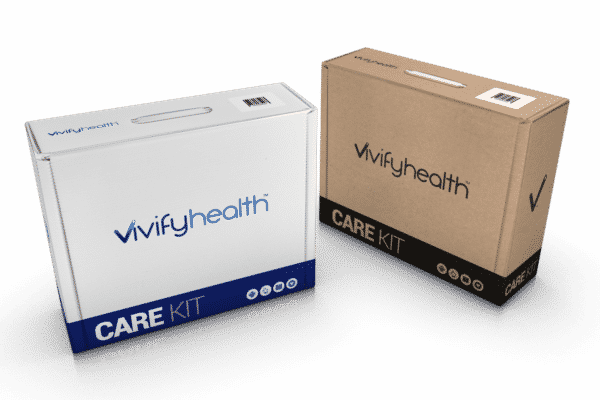
As e-commerce continues to thrive, custom and personalized packaging will gain momentum in 2025. Consumers now expect tailored packaging experiences, especially for direct-to-consumer brands. Companies are increasingly using personalized designs, messages, and custom inserts to create emotional connections with customers. The shift to digital printing will allow businesses to create unique, on-demand packaging without the need for large print runs, reducing waste while offering flexibility.
Minimalist and Transparent Packaging
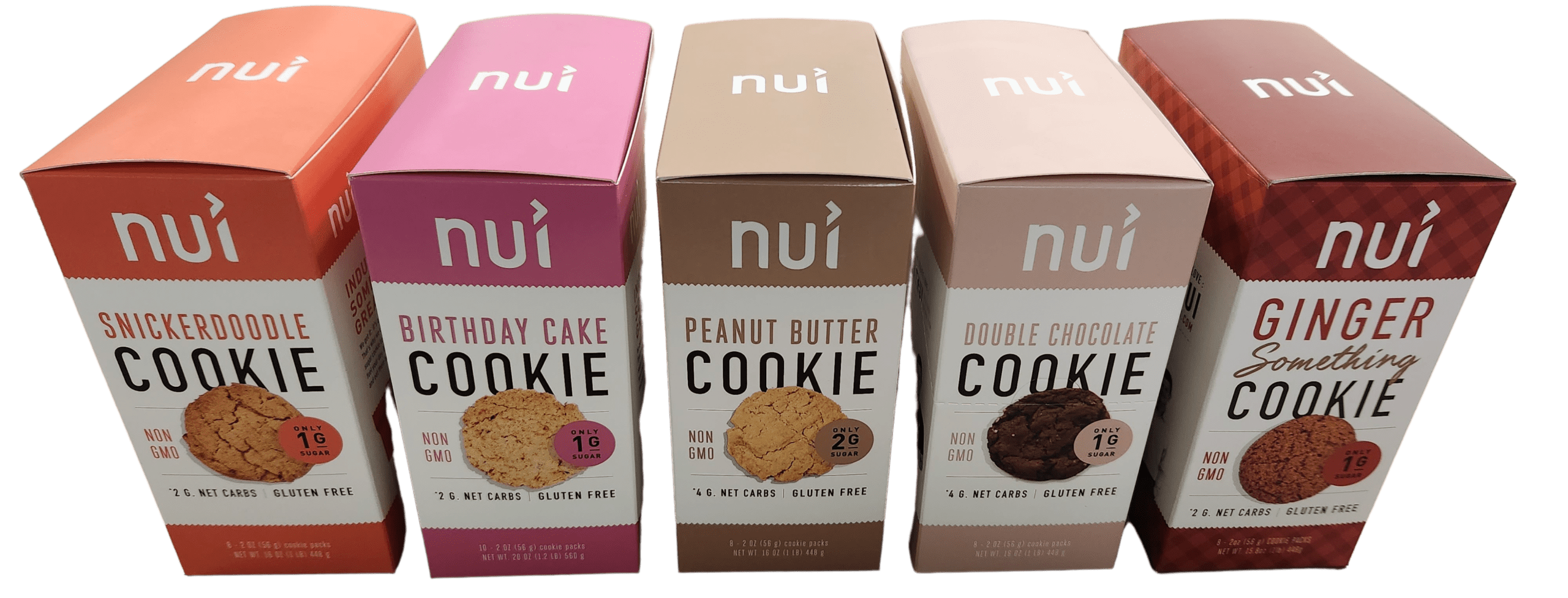
Consumers are drawn to clean, minimalist designs that communicate sustainability and simplicity. Minimalist packaging uses fewer materials, which appeals to eco-conscious buyers. In addition, transparent packaging, especially in the food industry, gives consumers a view of the product and builds trust. Transparent designs also align with the growing demand for clean labels, where brands disclose more information about the contents and sourcing of the product.
Flexible Packaging for Convenience
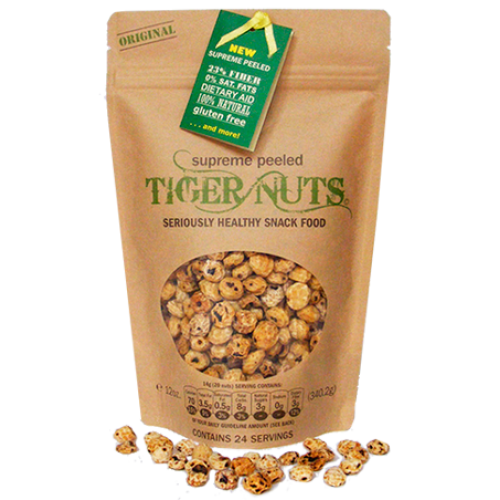
Flexible packaging will continue to grow in popularity due to its lightweight, efficient nature. In 2025, stand-up pouches, resealable bags, and squeeze tubes will dominate the market. Flexible packaging uses fewer materials than traditional rigid packaging, making it a more sustainable choice. It also offers greater convenience, as it is easier to transport and store. Expect more innovations in monomaterial flexible packaging, which enhances recyclability without compromising on performance.
Edible Packaging
The idea of packaging that can be eaten or easily dissolved after use is becoming more than just a novelty. Edible packaging solutions, made from natural ingredients like seaweed or starch, are expected to rise in popularity by 2025, especially in the food and beverage industry. These solutions not only reduce waste but also offer an exciting, eco-friendly alternative to traditional packaging materials. Edible packaging is particularly appealing for single-use products like straws, wrappers, and containers for on-the-go consumption.
E-Commerce-Ready Packaging
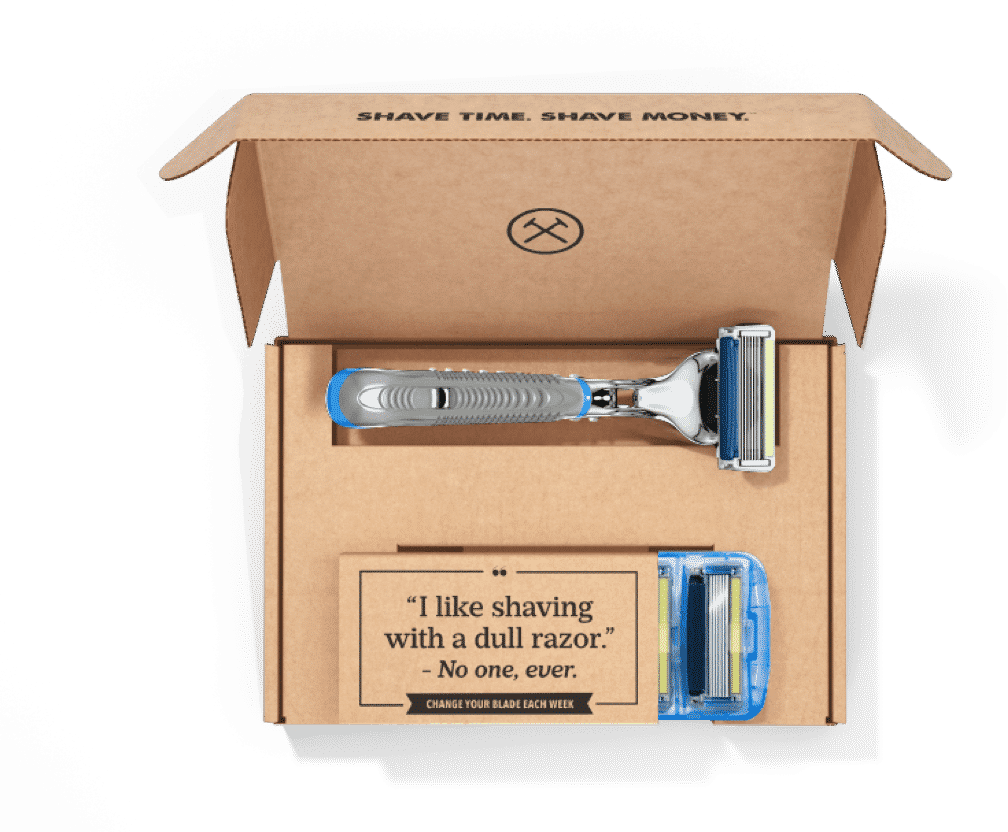
With the exponential growth of e-commerce, packaging designed specifically for shipping will be crucial in 2025. E-commerce packaging needs to balance protection, sustainability, and branding. Expect a surge in frustration-free packaging, which is easy to open and made with minimal materials. The shift towards lightweight and durable designs will help brands reduce shipping costs while maintaining eco-friendly practices. Protective inserts, padding, and collapsible designs will also play a critical role in optimizing shipping processes.
Reusable Packaging Systems
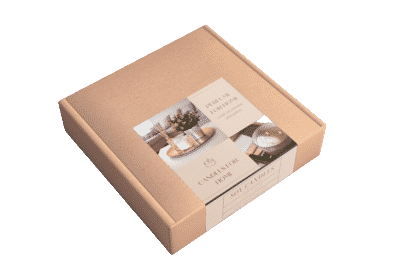
The reusable packaging model will continue to gain momentum as brands seek ways to reduce single-use packaging waste. Several companies are already implementing returnable or refillable packaging solutions, especially for personal care and food products. By 2025, reusable packaging systems are expected to expand across more sectors, supported by subscription services where packaging is collected, cleaned, and reused. This shift reflects a larger trend toward extended product life cycles and a circular economy, where materials are kept in use for as long as possible.
Health-Conscious Packaging
With growing consumer interest in health and wellness, packaging designed for food safety and freshness will remain a priority. Packaging materials that maintain product quality and extend shelf life—while using minimal preservatives—will become essential in 2025. Expect advancements in antimicrobial packaging and active packaging, which can actively preserve or improve the freshness of the product. This is particularly relevant in the food and pharmaceutical industries, where safety and hygiene are paramount.
Lightweight Packaging for Carbon Footprint Reduction
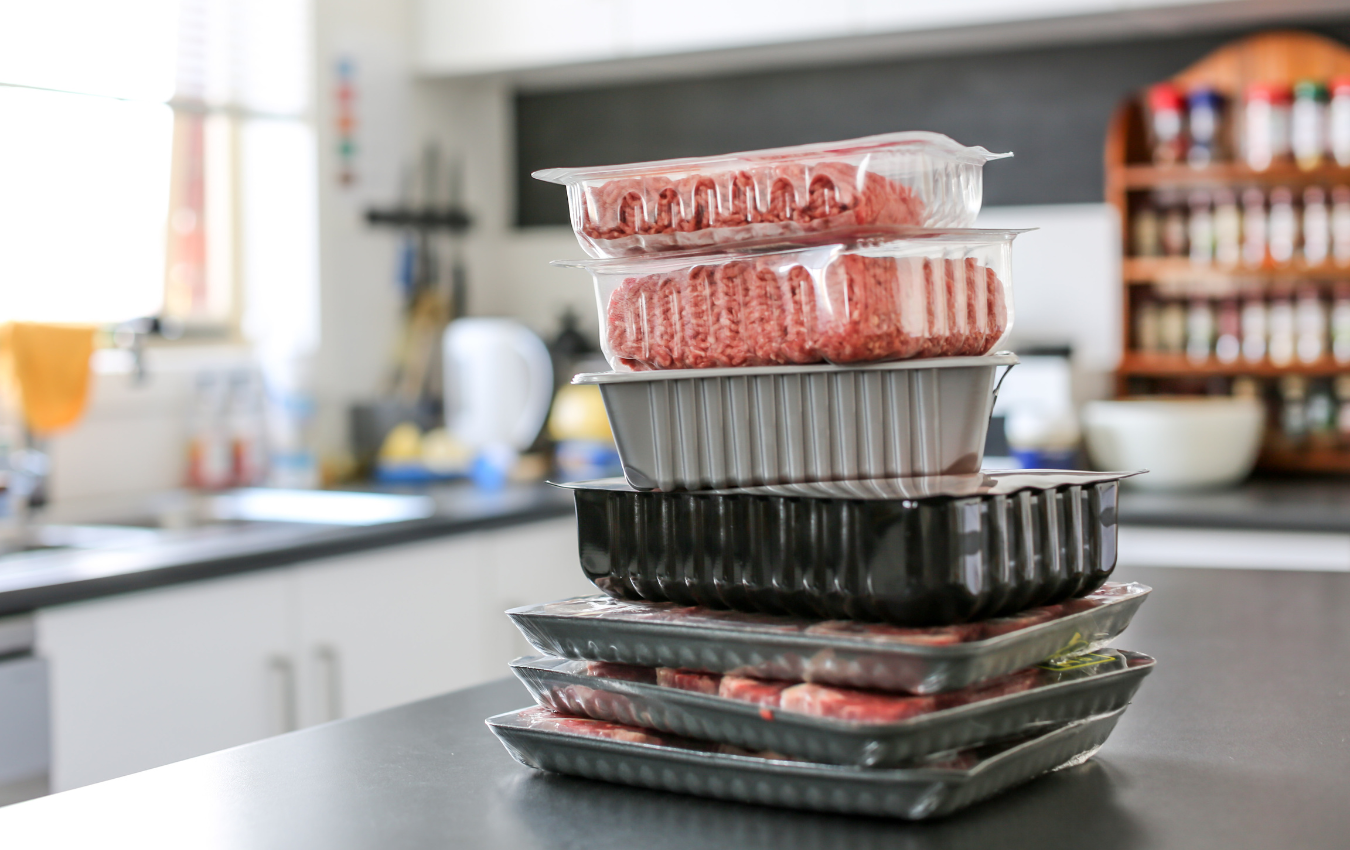
Lightweight packaging not only reduces material usage but also lowers transportation costs by decreasing the overall weight of shipments. In 2025, businesses will continue to adopt lightweight packaging as a way to lower their carbon emissions. Innovations in recyclable plastics, biodegradable materials, and thin but durable materials will enable companies to reduce their packaging’s environmental footprint without sacrificing protection.
Conclusion
The future of packaging is rooted in sustainability, convenience, and technology. As businesses look to meet evolving consumer expectations and comply with new regulations, the packaging industry will continue to innovate with eco-friendly materials, smart designs, and flexible solutions. Companies that adopt these trends will not only improve their environmental impact but also stay ahead in a competitive marketplace.
In 2026, sustainability is no longer just a trend—it’s a buyer expectation. Forest Stewardship Council (FSC) certification has become a key benchmark for responsible packaging, signaling that materials are sourced
Sustainability is now a top priority for packaging buyers. Retailers, regulators, and consumers are all demanding packaging solutions that reduce environmental impact without sacrificing performance. In 2026, buyers must balance
Choosing the right packaging material is one of the most important decisions buyers face. Single-material packaging offers simplicity and recyclability, while multi-material designs provide enhanced performance and protection. Understanding the
One of the biggest challenges in sustainable packaging is balancing environmental responsibility with product protection. Buyers often worry that switching to eco-friendly materials means sacrificing durability or driving up costs.
Home » 10 Top 2025 Packaging Trends To Expect
SO 9001:2015 is a globally recognized certification for quality management systems (QMS). To earn certification, companies must demonstrate the ability to consistently provide products and services that meet customer and regulatory requirements. For packaging buyers, working with an ISO-certified supplier ensures higher quality, reliability, and reduced risk across the supply chain. What ISO Certification Means in Packaging An ISO 9001:2015 certified packaging company follows structured processes that guarantee consistent product performance and service quality. This standard is especially important in industries such as medical, electronics, and food, where compliance and reliability are critical. At Brown Packaging, our ISO certification reinforces our commitment to: Delivering consistent, high-quality packaging solutions. Ensuring a positive and repeatable customer experience. Driving continuous improvement in service, products, and operations. Why ISO Certification Matters for Customers Limiting Risk and Maximizing Opportunities ISO 9001:2015 requires a proactive approach to risk management. We identify risks in operations, projects, and vendor relationships, then implement structured controls. This reduces unexpected issues and allows for better planning, decision-making, and collaboration. Preventing Repeated Mistakes ISO standards require record-keeping and root-cause analysis of issues. Instead of recurring problems, corrective actions are communicated across the company to ensure solutions are lasting. This saves customers time, money, and frustration. Operational Effectiveness Certified companies must monitor, measure, and analyze their QMS for effectiveness. At Brown Packaging, this translates to: Improved transparency in projects Stronger communication between stakeholders Continuous performance improvements that directly benefit customers Work With Brown Packaging Choosing an ISO 9001:2015 certified packaging partner gives you confidence that your packaging will be produced under a proven quality framework. At Brown Packaging, we combine industry expertise with certified systems to deliver solutions you can rely on. Contact Brown Packaging today to learn how our certification benefits your packaging program. References International Organization for Standardization (ISO). (2015). ISO 9001:2015 Quality Management Systems. Retrieved from https://www.iso.org/standard/62085.html American Society for Quality (ASQ). (2023). ISO 9001 Quality Management Systems. Retrieved from https://asq.org/quality-resources/iso-9001 BSI Group. (2023). Benefits of ISO 9001 Certification. Retrieved from https://www.bsigroup.com (714)300-0650 request@brownpackaging.com Most Recent Posts: Categories: Corrugated Folding Carton Display Packaging Rigid Box Subscribe To Our Newsletter By submitting your information, you agree to our terms and conditions and privacy policy. Custom Packaging Facebook Twitter LinkedIn Pinterest Relevant Posts
With new tariff proposals and continued trade uncertainty, 2026 is shaping up to be another pivotal year for packaging sourcing strategy. Many companies that shifted production away from China in 2024–2025 are now reassessing cost structures between nearshore and fully domestic manufacturing. While both options reduce tariff exposure, each carries different implications for labor, logistics, compliance, and scalability. Why Cost Comparison Matters in 2026 As global trade policy remains unpredictable, packaging buyers must balance cost efficiency with reliability. Nearshore manufacturing — primarily in Mexico and Canada — offers competitive labor rates and regional proximity, while U.S. converters provide faster lead times, stricter compliance, and integrated fulfillment capabilities. The goal for 2026 is not just lower cost per unit, but optimized total landed cost with minimal risk. Key Cost Factors to Evaluate Labor and Production Efficiency Labor costs continue to be a primary advantage for nearshore production. However, increased automation across U.S. facilities is narrowing the gap. Nearshore (Mexico/Canada): Lower base wages, but variable automation and longer setup times for smaller runs. U.S.: Higher labor rates, but shorter turnaround, reduced downtime, and higher throughput through robotics and digital converting lines. By 2026, modern U.S. converters using digital die cutting, inline gluing, and automated case packing can rival nearshore cost per finished unit once efficiency is factored. Freight and Transit Time Freight volatility remains a major cost driver. With fewer ocean shipments, both nearshore and domestic programs gain predictability, but domestic manufacturing provides the most control. Source Region Average Transit Time Typical Freight (West Coast) Mexico → U.S. 2-5 days Moderate (border clearance dependent) Canada → U.S. 2-5 days Moderate U.S. Domestic 1–3 days Low (regional or inter-state) Faster delivery reduces demurrage, storage, and replenishment delays — a growing cost consideration for multi-SKU packaging programs. Material and Substrate Availability Material flow remains a major differentiator: Mexico: Expanding board and film production but still imports some adhesives and coatings from the U.S. Canada: Strong pulp and FSC® paperboard infrastructure with sustainability advantages. U.S.: Full domestic substrate ecosystem including corrugated, folding carton, and flexible film production. Domestic converters maintain the most resilient material supply, reducing risk from international component dependencies. Quality Control and Waste Reduction For 2026 buyers, consistent print accuracy and die precision matter as much as cost. Nearshore suppliers often deliver competitive quality but may lack full ISO or GMI auditing. U.S. manufacturers increasingly operate under ISO 9001:2015 or G7 Master Printer certification, reducing rejects and non-conformance. Even small rework or print errors can offset initial savings, making quality stability a financial factor rather than a cosmetic one. Compliance, ESG, and Reporting With increased scrutiny on sustainability claims, domestic production simplifies documentation and compliance. U.S.: Transparent traceability for recycled content, FSC® verification, and carbon accounting. Nearshore: Improving ESG frameworks, though validation processes can be slower or fragmented. For brands selling through major retailers, U.S.-based sourcing often shortens ESG audit cycles and meets evolving corporate responsibility standards. Currency, Trade, and Policy Stability Even under the USMCA framework, exchange rates and local policy shifts affect nearshore pricing. Domestic production avoids foreign exchange risk and ensures stable compliance documentation as tariff adjustments continue. Total Landed Cost Comparison (2026 Estimate) Cost Component China Import (Baseline) Nearshore U.S. Domestic Unit Price Low Moderate Slightly Higher Freight & Tariffs High Low None Lead Time 6–8 weeks 1–2 weeks 2–5 days Quality Control Variable Moderate High Compliance Risk High Moderate Low Total Landed Cost (Est.) 100% baseline 85–90% 90–95% This demonstrates that by 2026, both nearshore and U.S. production can outperform Chinese imports once freight, tariffs, and quality consistency are included. When to Choose Nearshore vs. U.S. Manufacturing Nearshore (Mexico/Canada): Ideal for medium to high volume packaging with extended lead time flexibility and lower labor sensitivity. U.S. Manufacturing: Best for just-in-time fulfillment, high-mix SKU programs, and packaging tied to strict compliance or retail testing. Many brands now combine both — running bulk corrugated or folding carton production nearshore while keeping display assembly, printing, and co-packing domestic for faster deployment. Final Outlook for 2026 As tariffs, freight rates, and ESG requirements evolve, hybrid sourcing models will dominate packaging procurement. The most resilient programs will integrate nearshore cost advantages with domestic quality control and logistics precision. In 2026, total cost efficiency comes not from chasing the lowest price — but from designing a supply chain that balances tariff protection, reliability, and sustainability. References U.S. International Trade Administration (ITA). USMCA and North American Supply Chain Outlook 2026. International Corrugated Case Association (ICCA). Global Corrugated Industry Report 2026. Forest Stewardship Council (FSC®). Supply Chain and Certification Data. Soroka, W. Fundamentals of Packaging Technology. 6th ed. Institute of Packaging Professionals. (714)300-0650 request@brownpackaging.com Most Recent Posts: Categories: Corrugated Ecommerce ESD Design Display Flexible Packaging Foam Folding Carton Packaging Plastic Packaging Pouch Printing Protection Retail Rigid Box Thermoform Sustainability Subscribe To Our Newsletter By submitting your information, you agree to our terms and conditions and privacy policy. Custom Packaging Facebook Twitter LinkedIn Pinterest Relevant Posts
Direct Thermal Printing Direct thermal printing uses heat-sensitive media that darkens as it passes under a printhead. Because it does not require ink, toner, or ribbons, the process is both simple and low-maintenance. Advantages: Produces sharp, scannable barcodes and text. Easy to operate with no consumables. Offers sustainable options and low upkeep. In addition, it requires no setup time. Disadvantages: However, labels are sensitive to light, abrasion, and heat. They are not ideal for long-term use, often fading in 6–12 months. As a result, protective coatings are sometimes needed. Applications: Direct thermal is best for short- to medium-term labels. For example, it is often used for shipping labels, visitor passes, meat carton tags, and receipts. On the other hand, it is not recommended for product barcodes that must endure a complex supply chain. Direct Thermal Mobile Printer Direct Thermal Printed Label Thermal Transfer Printing Thermal transfer printing uses a ribbon heated by the printhead, transferring ink directly into the label substrate. This process delivers long-lasting and durable labels that resist environmental stress. Advantages: Crisp, high-definition prints, long shelf life, supports 1D/2D barcodes, withstands moisture, UV, chemicals, and sterilization. Disadvantages: Higher cost, requires ribbons and setup, less sustainable, potential ribbon wrinkles. Applications: Product identification, inventory management, certification labels, circuit boards, laboratory specimens, cold storage, outdoor labeling, and industrial hazard identification. Thermal transfer is ideal for long-term or critical labeling, where durability and resistance are essential. Thermal Transfer Labels Thermal Transfer Label Printer Choosing the Right Labeling Method Use direct thermal for simplicity, cost efficiency, and short-life labels. Use thermal transfer for durability, compliance, and high-performance labeling in demanding environments. Label Solutions with Brown Packaging From direct thermal shipping labels to long-lasting thermal transfer identification, Brown Packaging provides tailored labeling solutions for industrial, retail, and ecommerce operations. Contact us to find the right label system for your supply chain. References Soroka, W. (2009). Fundamentals of Packaging Technology (4th ed.). Institute of Packaging Professionals.GS1. (2023). Barcode Standards and Printing Guidelines. Retrieved from https://www.gs1.orgFSC. (2023). Responsible Labeling in Packaging. Forest Stewardship Council. Meta description: (714)300-0650 request@brownpackaging.com Most Recent Posts: Categories: Corrugated Folding Carton Display Packaging Rigid Box Subscribe To Our Newsletter By submitting your information, you agree to our terms and conditions and privacy policy. Custom Labels Facebook Twitter LinkedIn Pinterest Relevant Posts