
window.uetq = window.uetq || []; window.uetq.push(‘event’, ‘submit_lead_form’,{ event_label:‘SUBMIT MESSAGE’ }); window.lintrk('track', { conversion_id: 10271009 }); window.lintrk('track', { conversion_id: 10271017 });

Defining Goals for Effective POP Displays

Goal

When planning a Point of Purchase (POP) display, the first and arguably most critical step is to clearly define your objectives. Setting specific, actionable goals early in the process sets the foundation for all subsequent decisions—from design to placement, and even the materials used. This blog explores how to effectively understand and set objectives for POP displays to ensure they meet your business needs and drive desired outcomes.

Importance of Clear Objectives

Understanding the purpose of your POP display is essential. Without clear goals, it’s difficult to measure success or make informed decisions during the design and implementation phases. Clear objectives help align your team, streamline the design process, and ensure that every element of the POP display works towards a common end.

Common Goals for POP Displays

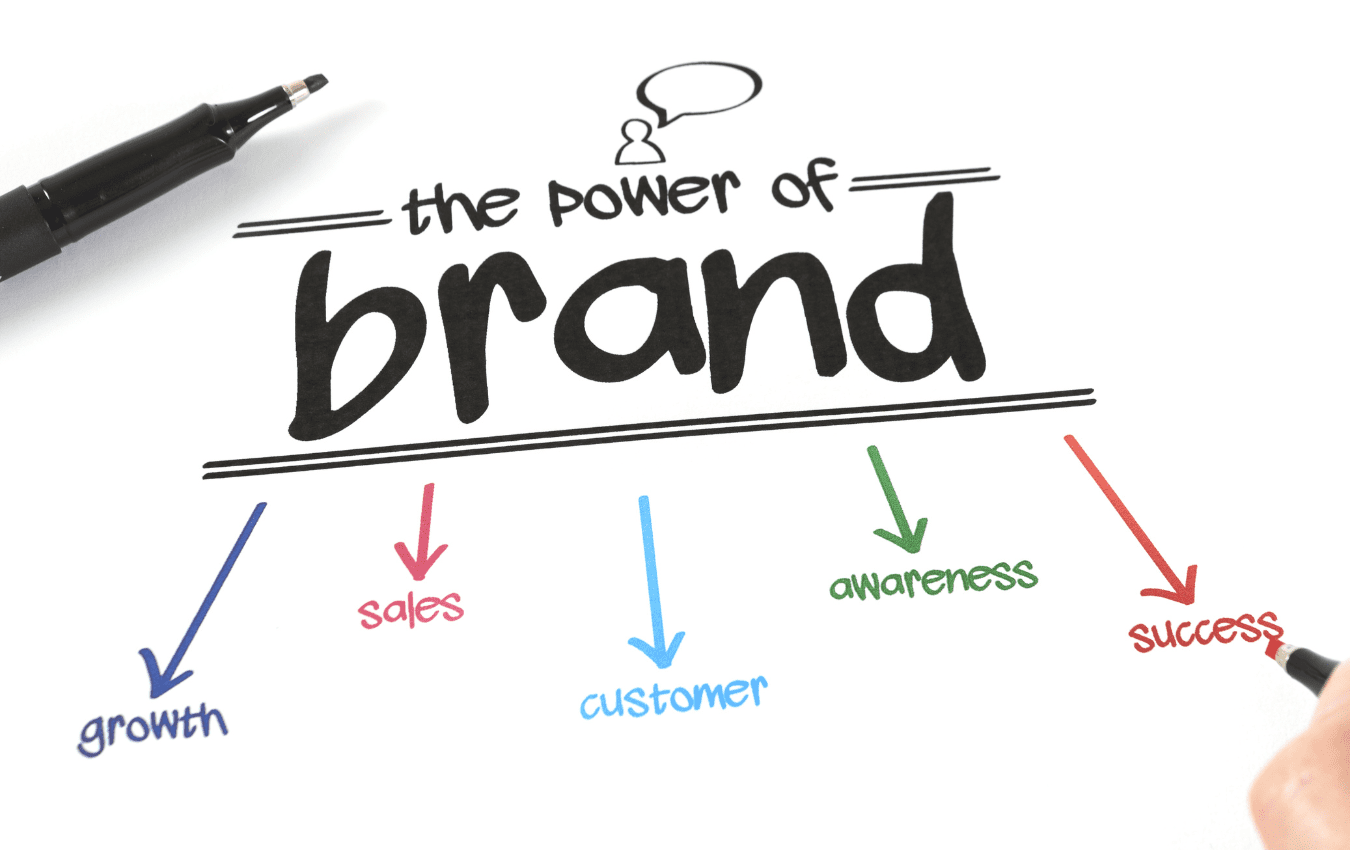
Increasing Brand Awareness

For many businesses, POP displays are a tool to enhance brand visibility and recognition. If this is your goal, focus on designs that strongly feature your brand’s logos, colors, and themes. The display should be placed in high-traffic areas to maximize exposure to new and existing customers.

Promoting a New Product

Launching a new product with a POP display can dramatically affect its initial market performance. For new product promotions, the display should be designed to educate customers about the product features and benefits, encouraging trial and adoption. Interactive elements such as QR codes linking to product demonstrations or reviews can be highly effective.

Boosting Sales of an Existing Product

If the goal is to increase sales for an existing product, your POP display should focus on creating a sense of urgency or highlighting the value of the product. This might include time-limited offers, discounts, or bundling with other products. The messaging should be persuasive and direct, driving customers to make a purchase decision on the spot.

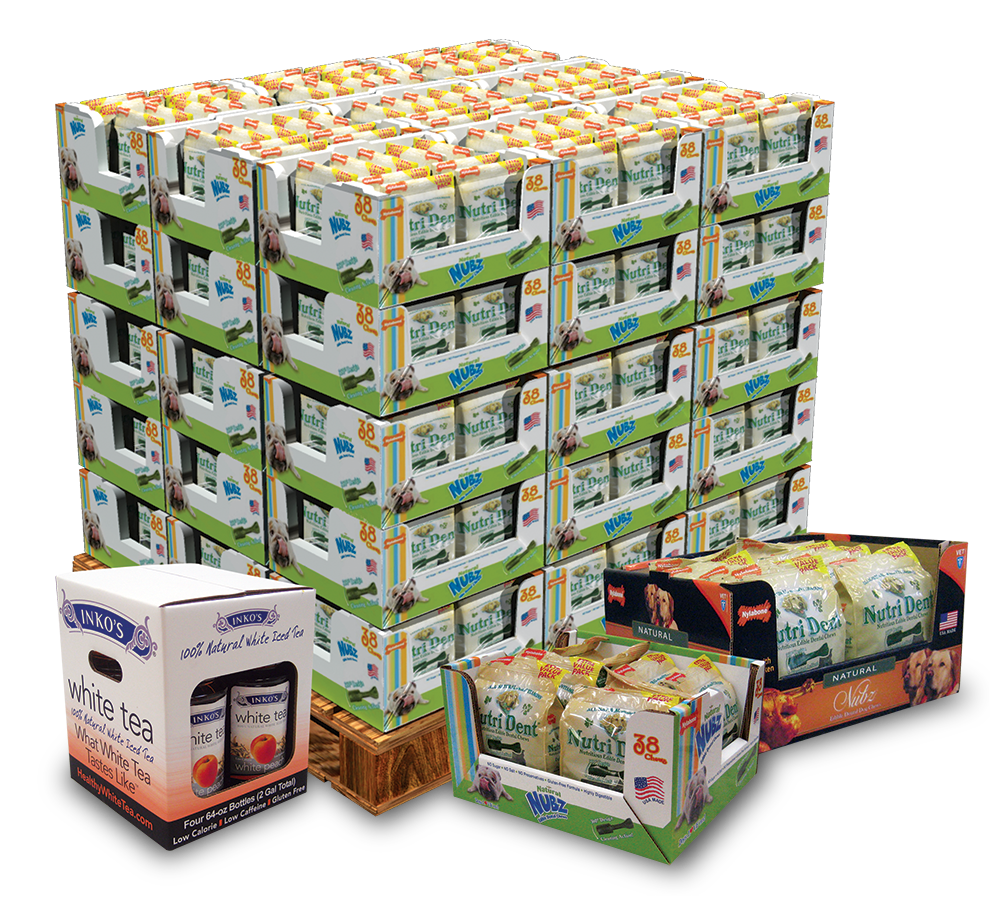
POP half pallet display

Steps to Define Your Goals

Analyze Your Market and Audience

Start by understanding who your customers are and what drives their purchasing decisions. Market research can provide insights into customer behaviors, preferences, and trends. This information is invaluable in tailoring your POP display to appeal directly to your target audience.

Identify Key Performance Indicators (KPIs)

Once you’ve defined your goals, establish KPIs to measure the effectiveness of your POP display. For brand awareness, metrics might include the number of customer interactions or social media mentions. For sales promotions, track the increase in sales volume or revenue generated from the products featured in the display.

Collaborate with Stakeholders

Engage with various stakeholders, including marketing teams, sales staff, and even customers, to gather insights and feedback. This collaborative approach can help refine your objectives and ensure they are realistic and achievable.

Be S.M.A.R.T

Ensure your goals are Specific, Measurable, Achievable, Relevant, and Time-bound. This S.M.A.R.T framework helps create objectives that are not only clear but also actionable and aligned with your overall business strategy.

Specific, Measurable, Achievable, Relevant, and Time-bound. This S.M.A.R.T

Conclusion

Defining clear objectives for your POP displays is more than a preliminary step; it’s a strategic action that influences every aspect of your campaign. By setting well-defined goals, you can design POP displays that not only attract attention but also effectively convey your message and achieve desired outcomes. Whether increasing brand awareness, introducing new products, or boosting sales, the right objectives will guide your efforts towards success in the competitive retail landscape.

If you are interested in POP displays, then partner with Brown Packaging today to get started.

Most Recent Posts:
Retail Packaging Trends for 2026

Retail packaging continues to evolve as brands balance sustainability, supply chain performance, and consumer experience. In 2026, buyers face new challenges shaped by material innovation, compliance requirements, and rising consumer

Read More »
Categories:
Subscribe To Our Newsletter

By submitting your information, you agree to our terms and conditions and privacy policy.
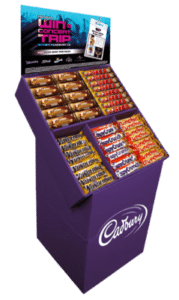
floor display
POP Display
Facebook
Twitter
LinkedIn
Pinterest
Relevant Posts
POP floor display
Display
brownpackaging
Balancing Graphics and Structure in POP Displays

Point-of-purchase (POP) displays play a dual role in retail environments: they must capture attention with graphics while supporting products with reliable structure. If one side is overemphasized, the other suffers—eye-catching graphics on a weak structure can lead to product collapse, while overbuilt displays with poor graphics fail to drive sales. Successful POP design requires careful coordination between visual branding and engineering strength. The Role of Graphics in POP Displays Graphics carry the brand message and attract consumer attention in crowded retail aisles. Effective use of color, typography, and imagery transforms a standard corrugated display into a compelling marketing tool. Reinforces brand identity. Highlights product features or promotions. Differentiates products from competitors on the same shelf. However, graphics must be placed with consideration of die lines, folds, and assembly points. A design that looks strong in concept may lose effectiveness if critical elements are cut or hidden during production. Structural Integrity and Functionality The best POP display design balances aesthetics with durability. Structural engineering ensures the display holds weight, withstands handling, and complies with retailer requirements. Load-bearing capacity: Displays must hold multiple units without sagging. Assembly efficiency: Designs should be easy to set up in stores. Retail compliance: Dimensions must fit within chain-specific guidelines. Ignoring structure risks costly failures on the retail floor, from leaning displays to complete collapse. Achieving Balance Between Graphics and Structure Collaborative design: Graphic and structural designers should work together from concept through prototype. Testing in real-world conditions: Simulate load, handling, and lighting before production. Material selection: Choose board grades and coatings that allow high-quality print while maintaining rigidity. Print-to-structure alignment: Ensure graphics align with folds, cutouts, and SKU placement. Industry Examples Club stores: High-traffic environments demand bold graphics paired with strong pallet displays. Seasonal promotions: Graphics drive excitement, but structural resilience ensures displays last through extended campaigns. Cross-merchandising displays: Must hold different SKUs securely without compromising print impact. POP Display Solutions with Brown Packaging At Brown Packaging, we engineer POP displays that balance structural integrity with brand-forward graphics. From retail-ready pallet displays to seasonal floor stands, our team ensures your design attracts attention without sacrificing performance. Contact us to start planning your next POP display. References Soroka, W. (2009). Fundamentals of Packaging Technology (4th ed.). Institute of Packaging Professionals.Shop! Association. (2021). Best Practices for In-Store Marketing and POP Displays. Retrieved from https://www.shopassociation.orgASTM International. (2022). ASTM D642: Standard Test Method for Determining Compressive Resistance of Shipping Containers. (714)300-0650 request@brownpackaging.com Most Recent Posts: Categories: Corrugated Ecommerce ESD Design Display Flexible Packaging Foam Folding Carton Packaging Plastic Packaging Pouch Printing Protection Retail Rigid Box Thermoform Sustainability Subscribe To Our Newsletter By submitting your information, you agree to our terms and conditions and privacy policy. POP Display Facebook Twitter LinkedIn Pinterest Relevant Posts

Read More »
Custom Display
Display
brownpackaging
Mastering Signage for POP Displays: A Retailer’s Guide

Effective signage is a critical component of successful Point of Purchase (POP) displays. It not only attracts attention but also communicates essential information, helping to convert casual browsers into buyers. This blog delves into the best practices for signage in POP displays, offering insights on how to design signs that are both engaging and effective. The Role of Signage in POP Displays Signage serves as a direct communication channel between the product and the consumer. In a busy retail environment, it helps your products stand out by delivering clear messages and drawing attention to specific features or promotions. The right signage can enhance the visual appeal of a display, provide necessary information, and guide purchasing decisions. Key Elements of Effective Signage Clarity and Readability The primary goal of any sign is to be read. Use clear, concise language and a readable font to ensure that your messages are easily understood at a glance. Avoid overcrowding your signs with too much text or overly complex vocabulary that might confuse the shopper. Visual Appeal Your signage should catch the eye of the shopper. Use vibrant colors and bold fonts that align with your brand identity. However, it’s important to balance attractiveness with readability and not sacrifice one for the other. High-contrast color schemes can help make your signage pop against the background of your display. Brand Consistency All signage should reflect your brand’s visual identity and voice. Consistent use of logos, color schemes, and typography reinforces brand recognition and builds trust with your customers. Consistency in signage across all displays also helps create a cohesive shopping experience. Strategic Messaging The content of your signage should be strategic. Highlight the benefits of the product, any special offers, or unique selling propositions that can influence buying decisions. Phrases like “New Arrival,” “Limited Edition,” or “Special Discount” can create urgency and attract interest. Size and Placement The size of the signage should be appropriate for the distance from which it is meant to be read. Larger signs are necessary for visibility from afar, while smaller, more detailed signs can be used for up-close interactions. Placement also plays a crucial role; signs should be placed at eye level or just above to catch the shopper’s eye as they approach or pass by the display. Integrating Technology in Signage Digital Signage Incorporating digital elements into your signage can significantly enhance its impact. Digital signs can display changing messages, interactive content, or even multimedia presentations that engage customers more deeply than static signs. They are particularly effective in catching the attention of tech-savvy consumers and can be easily updated to reflect new promotions or products. QR Codes and Interactive Elements Adding QR codes to your signage can provide a bridge to online content, offering more detailed product information, promotional videos, or even direct links to online purchasing options. This integration of online and offline marketing creates a seamless shopping experience that can enhance customer satisfaction and increase sales. Conclusion Signage is a powerful tool in the arsenal of POP display strategies. By focusing on clarity, visual appeal, brand consistency, strategic messaging, and the integration of technology, retailers can create effective signage that not only draws attention but also persuades and informs. Well-designed signs make POP displays more effective and can significantly influence consumer behavior in the retail environment. If you are interested in POP displays, then partner with Brown Packaging today to get started.   (714)300-0650 request@brownpackaging.com Most Recent Posts: Categories: Corrugated Ecommerce ESD Design Display Flexible Packaging Foam Folding Carton Packaging Plastic Packaging Pouch Printing Protection Retail Rigid Box Thermoform Sustainability Subscribe To Our Newsletter By submitting your information, you agree to our terms and conditions and privacy policy. POP Display Facebook Twitter LinkedIn Pinterest Relevant Posts

Read More »
Countertop Display
Display
brownpackaging
Optimizing POP Display Placement for Retail Success

In the retail environment, the placement of Point of Purchase (POP) displays is just as critical as their design and content. Strategic positioning can significantly influence consumer behavior, increase product visibility, and drive sales. This blog explores the importance of strategic placement for POP displays and provides insights on how to maximize their effectiveness through optimal positioning. Understanding Consumer Traffic Flow The effectiveness of a POP display largely depends on its ability to catch the consumer’s eye. To achieve this, retailers must first understand the natural traffic flow within their store. This involves analyzing which areas receive the most foot traffic and where customers pause, browse, or make decisions. Placing POP displays in these high-traffic or high-engagement zones can increase the likelihood of interaction and purchase. Prime Locations for POP Displays Near the Entrance Placing POP displays near the entrance captures the attention of customers as soon as they enter the store. This position can be used to promote new arrivals, seasonal items, or special offers, setting the tone for the shopping experience. At the End of Aisles The end of an aisle, or endcap, is a premium spot for POP displays. As customers navigate the aisles, endcaps serve as focal points that draw their gaze. These locations are ideal for showcasing bestsellers, promotional items, or products that benefit from high visibility. Checkout Areas The checkout area is a hotspot for impulse buys. While customers wait in line, they are more likely to browse and pick up additional items. POP displays placed near or around the checkout can capitalize on this by featuring small, easy-to-decide-on products. Transition Zones Areas where customers transition from one part of the store to another, such as the entrance to a specialty section, are strategic for placement. These locations can be leveraged to introduce customers to products or deals that relate to their shopping journey. Integrating Placement with Store Layout Effective POP display placement should feel organic and integrate seamlessly with the overall store layout. Displays should not obstruct the flow of traffic or overwhelm customers but should enhance the shopping experience by being both informative and persuasive. The Role of Visibility and Accessibility Visibility is paramount in effective POP display placement. Displays should be positioned at eye level or in direct line of sight to ensure they are not overlooked. Additionally, products on the display should be easily accessible; customers should be able to interact with the products without any hindrance. Using Data-Driven Insights for Placement Decisions Leveraging sales data and customer behavior analytics can provide valuable insights into where POP displays would be most effective. A/B testing different placements can also help determine the most impactful locations based on actual customer interaction and sales conversion rates. Conclusion The strategic placement of POP displays is a critical component in maximizing their effectiveness. By understanding customer behavior, leveraging high-traffic locations, and ensuring visibility and accessibility, retailers can significantly enhance the impact of their POP displays. Thoughtful placement, combined with compelling design and relevant content, ensures that POP displays are not just seen but are also effective in driving purchases. If you are interested in POP displays, then partner with Brown Packaging today to get started. (714)300-0650 request@brownpackaging.com Most Recent Posts: Categories: Corrugated Ecommerce ESD Design Display Flexible Packaging Foam Folding Carton Packaging Plastic Packaging Pouch Printing Protection Retail Rigid Box Thermoform Sustainability Subscribe To Our Newsletter By submitting your information, you agree to our terms and conditions and privacy policy. POP Display Facebook Twitter LinkedIn Pinterest Relevant Posts

Read More »