window.uetq = window.uetq || []; window.uetq.push(‘event’, ‘submit_lead_form’,{ event_label:‘SUBMIT MESSAGE’ }); window.lintrk('track', { conversion_id: 10271009 }); window.lintrk('track', { conversion_id: 10271017 });

Creating a Sense of Urgency with POP Displays
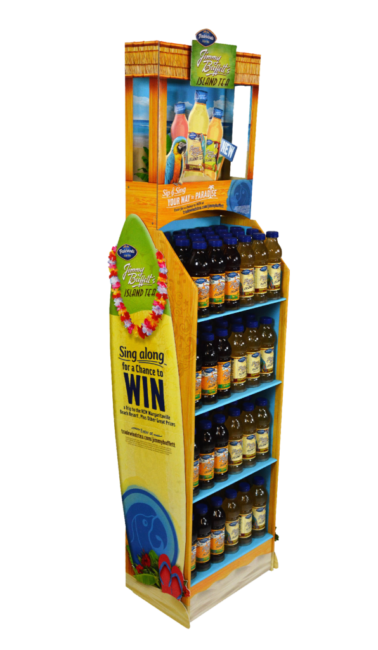
Custom Point of Purchase Displays

In the competitive retail landscape, creating a sense of urgency through Point of Purchase (POP) displays can significantly boost impulse buying and drive quick sales decisions. This blog explores effective strategies to harness the power of urgency in POP displays, helping retailers turn casual browsers into committed buyers.

Understanding the Psychology of Urgency

Urgency compels action. It taps into a consumer’s fear of missing out (FOMO) on a good deal, a new product, or a limited-time offer. The right use of urgency in a POP display can make the difference between a shopper walking by and one stopping to make a purchase. It’s about creating an irresistible offer that feels too good to pass up.

Key Strategies to Create Urgency

Limited-Time Offers

Highlighting that a special offer is available for a limited time is a classic and effective way to create urgency. Use countdown timers or dates clearly stating when the promotion ends. This can be particularly effective during holiday sales, back-to-school seasons, or any other time-sensitive shopping periods.

Limited Quantities Available

Displaying messages like “While Supplies Last” or “Limited Stock” can drive home the urgency of purchasing before it’s too late. This strategy works well for products known to be popular or for newly released items that are expected to sell out quickly.

Exclusive Products

Featuring products that are exclusive to your store or available only for a limited period can also create urgency. Shoppers are more likely to make on-the-spot purchases if they believe they’re getting something unique or hard to find elsewhere.

Flash Sales

Utilize POP displays to promote flash sales, where products are available at a discount for a short period. This not only creates urgency but also adds an element of excitement to the shopping experience.

Seasonal and Event-Driven Promotions

Aligning POP displays with ongoing events or seasons can leverage existing consumer excitement and a natural sense of urgency. For example, a POP display with a “Back to School Sale Ends Soon!” message during the late summer effectively targets parents and students looking to complete their shopping in time.

Design Elements That Enhance Urgency

Bold and Clear Messaging

Your urgency message should be the most prominent part of the display. Use large fonts, bold colors, and direct language to ensure the message is easily seen and understood from a distance.

Visual Cues

Use visual cues such as arrows or borders to draw attention directly to the urgency message. Bright colors like red or orange are often associated with urgency and can be very effective.

Strategic Placement

Place urgent POP displays at high-traffic areas or decision points within the store, such as near the checkout lanes or at the end of aisles. The more eyes on your urgent message, the better.

Use of Technology

Incorporating digital elements into your POP displays can make updating urgency messages more dynamic and timely. Digital screens can show changing countdowns, flash sale times, or instantly update stock levels to reflect scarcity.

How to Create Effective Bundles

Creating successful bundle packages requires careful planning and consideration. Here are some steps to guide you:

Understand Your Audience:

Start by understanding your target audience’s needs and preferences. What products or services are they likely to buy together? What problems can your bundles solve for them?

Choose Complementary Products:

Select products that naturally complement each other. They should enhance the value of the bundle and make sense to the customer. For example, a camera bundle could include lenses, a tripod, and a camera bag.

Pricing Strategy:

Determine the pricing strategy for your bundles. Typically, bundles are priced lower than the total cost of purchasing each item separately, offering customers a discount. However, ensure that your pricing still allows for a reasonable profit margin.

Packaging Design:

Invest in attractive and informative packaging design. The packaging should clearly communicate what’s included in the bundle and its value proposition. High-quality packaging enhances the perceived value of the bundle.

Marketing and Promotion:

Promote your bundles through various marketing channels, both online and offline. Highlight the benefits of purchasing the bundle, such as cost savings or convenience. Use visuals and descriptions that resonate with your target audience.

Monitor and Adjust:

Track the performance of your bundles. Analyze sales data, customer feedback, and return on investment. Make adjustments as needed to optimize your bundle offerings.

Conclusion

Creating a sense of urgency with POP displays is a potent strategy to accelerate decision-making and increase sales. By combining psychological triggers with strategic design and placement, retailers can effectively motivate customers to act quickly, increasing both customer engagement and profitability. Effective urgency strategies make the shopping experience exciting and rewarding, encouraging customers to make immediate purchases and potentially return for more.

If you are interested in POP displays, then partner with Brown Packaging today to get started.

Most Recent Posts:
Retail Packaging Trends for 2026

Retail packaging continues to evolve as brands balance sustainability, supply chain performance, and consumer experience. In 2026, buyers face new challenges shaped by material innovation, compliance requirements, and rising consumer

Read More »
Meeting 2026 Packaging Compliance Standards

Packaging compliance is no longer optional—it’s a requirement for accessing retail shelves, shipping networks, and international markets. In 2026, buyers must navigate evolving regulations around sustainability, labeling, and testing to

Read More »
Categories:
Subscribe To Our Newsletter

By submitting your information, you agree to our terms and conditions and privacy policy.
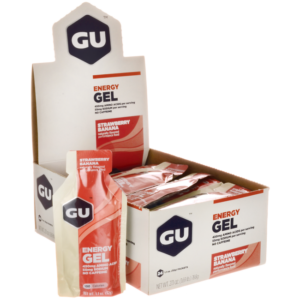
Custom Printed Sachet With Counter Top Display
POP Display
Facebook
Twitter
LinkedIn
Pinterest
Relevant Posts
packaging supply chain
Packaging
brownpackaging
Short vs. Long Term Outcomes of Tariffs on Packaging Buyers

The implementation of tariffs in 2025 will have profound effects on packaging buyers, influencing costs, sourcing strategies, and supply chain dynamics. While the immediate impacts may present challenges, the long-term outcomes could offer opportunities for improved resilience and innovation. This blog examines how tariffs will affect packaging buyers in both the short and long term, providing actionable insights to navigate the changes effectively. Short-Term Outcomes for Packaging Buyers In the short term, tariffs are expected to create disruptions and increased costs for packaging buyers as they adjust to new sourcing realities. Rising Costs One of the most immediate effects of tariffs is the increase in costs for packaging materials and products imported from international suppliers. Impact on Budgets: Buyers may face higher procurement costs as tariffs are added to the price of materials like corrugated cardboard, plastics, and aluminum. Pass-Through Pricing: Suppliers may pass these cost increases to buyers, further straining budgets. Supply Chain Disruptions Shifting to domestic sourcing in response to tariffs can lead to temporary supply chain issues. Material Shortages: Domestic suppliers may struggle to meet increased demand in the short term. Longer Lead Times: Adjustments in sourcing strategies can extend timelines, particularly for custom or high-volume orders. Limited Supplier Options Buyers accustomed to a global network of suppliers may find fewer domestic options with the capacity or variety they require, leading to challenges in securing the desired materials or products. Procurement Complexity Tariffs add a layer of administrative burden as buyers must navigate new costs, compliance requirements, and potential renegotiations with suppliers. Long-Term Outcomes for Packaging Buyers While the short-term impacts of tariffs are challenging, the long-term effects may present opportunities for improved operations and supply chain resilience. Stronger Domestic Supply Chains As tariffs encourage local sourcing, the packaging industry may see growth in domestic manufacturing capacity and capability. Improved Reliability: Domestic suppliers are less vulnerable to global disruptions, such as shipping delays or geopolitical issues. Reduced Lead Times: Over time, investment in domestic production could streamline delivery schedules and enhance consistency. Cost Stabilization Initially, tariffs will drive up costs, but long-term adjustments may bring stabilization: Economies of Scale: Increased demand for domestic materials could lead to cost reductions as suppliers scale up production. Technological Advancements: Domestic manufacturers may invest in automation and innovation to improve efficiency and reduce expenses. Sustainability Benefits Local sourcing aligns with environmental goals by reducing the carbon footprint associated with long-distance transportation. Eco-Friendly Packaging Options: Many domestic manufacturers emphasize sustainable practices, offering buyers more options to meet their green initiatives. Consumer Appeal: Using locally sourced and sustainable packaging can resonate with environmentally conscious customers. Encouragement of Innovation Tariffs may push buyers and suppliers to explore innovative packaging solutions to offset increased costs. Optimized Designs: Lightweighting and right-sizing strategies can reduce material usage. Alternative Materials: Recycled or mono-material options could become more popular as buyers seek cost-effective, domestic alternatives. Adapting to Short- and Long-Term Changes Packaging buyers can take proactive steps to navigate both the short-term disruptions and long-term opportunities presented by tariffs: Short-Term Strategies: Diversify Supplier Base: Build relationships with multiple domestic and international suppliers to reduce reliance on a single source. Plan for Lead Times: Adjust procurement schedules to account for potential delays during the transition period. Negotiate Contracts: Work with suppliers to establish pricing agreements that minimize the immediate impact of tariffs. Long-Term Strategies: Invest in Sustainability: Leverage tariffs as an opportunity to adopt sustainable materials and practices, meeting both regulatory and consumer demands. Optimize Inventory Management: Use advanced forecasting tools to maintain optimal stock levels and avoid last-minute orders. Collaborate on Innovation: Partner with suppliers to develop innovative packaging solutions that balance cost and functionality. Conclusion The short-term effects of tariffs on packaging buyers will likely involve increased costs and supply chain adjustments, but the long-term outlook offers potential for stronger supply chains, cost stabilization, and innovation. By preparing for both immediate disruptions and future opportunities, buyers can position themselves for success in the evolving packaging landscape. Strategic planning, flexibility, and a focus on collaboration will be key to thriving under the new tariff environment. if you are interested in packaging solutions to optimize your packaging, then partner with Brown Packaging today to get started. (714)300-0650 request@brownpackaging.com Most Recent Posts: Categories: Corrugated Ecommerce ESD Design Display Flexible Packaging Foam Folding Carton Packaging Plastic Packaging Pouch Printing Protection Retail Rigid Box Thermoform Sustainability Subscribe To Our Newsletter By submitting your information, you agree to our terms and conditions and privacy policy. Custom Packaging Facebook Twitter LinkedIn Pinterest Relevant Posts

Read More »
Flexible Packaging
Flexible Packaging
brownpackaging
The Key Advantages of Flexible Packaging in the Food Industry

The food industry has undergone a variety of changes over the years, with one of the most prominent shifts being in the area of packaging. In this pursuit of improvement and innovation, flexible packaging has come to the forefront. From the grocery store aisle to the restaurant kitchen, flexible packaging is becoming increasingly prevalent. But why is this the case? Below, we explore the key advantages of flexible packaging in the food industry. Enhanced Shelf Life and Food Safety One of the primary benefits of flexible packaging is the increased shelf life it offers for food products. The materials used in flexible packaging are designed to protect food from environmental factors such as moisture, light, and oxygen, all of which can speed up the spoilage process. By keeping these elements at bay, flexible packaging helps to preserve the freshness, taste, and nutritional value of food for longer periods, ultimately reducing food waste. Moreover, flexible packaging provides improved food safety. It creates a barrier against contaminants and bacteria, reducing the risk of foodborne diseases. Sustainability and Lower Environmental Impact Sustainability is a crucial consideration in the modern world, and flexible packaging shines in this aspect. This packaging method requires less energy to manufacture and transport due to its lightweight nature. Consequently, it contributes to a lower carbon footprint compared to more traditional forms of packaging. Additionally, flexible packaging utilizes less material overall, which means less waste is generated at the end of its life cycle. And while recycling capabilities for flexible packaging still have room for growth, strides are being made in this area, and many types of flexible packaging are already recyclable. Cost-Effectiveness From a financial perspective, flexible packaging can offer significant savings for food businesses. As previously mentioned, it’s lightweight, which reduces transportation costs. Additionally, because it’s efficient and compact, more units can be shipped or stored in a single space compared to rigid packaging, maximizing logistical efficiency. Flexible packaging also offers cost savings in terms of reduced food spoilage. By extending the shelf life of products, businesses can reduce the frequency of unsold products being thrown away, enhancing their bottom line. Consumer Convenience The ease and convenience of flexible packaging are hard to overstate. Features like resealability, microwavable pouches, and easy-open tear notches cater to the modern, on-the-go consumer who values time-saving options. These user-friendly features also add to the overall consumer experience, improving the perception of the brand and increasing the chances of repeat purchases. Innovative Branding and Marketing Opportunities Flexible packaging acts as a canvas for creative and eye-catching designs, offering ample branding and marketing opportunities. Unlike rigid packaging, flexible packaging allows for 360-degree product visibility and design, giving brands the ability to stand out on crowded supermarket shelves. The flexibility also allows for customization in packaging shape and size, providing further ways for a brand to differentiate its products. Conclusion: A Future-focused Packaging Solution In conclusion, the food industry’s adoption of flexible packaging is far from arbitrary. It provides a multitude of advantages, including enhanced food safety and shelf life, sustainability, cost-effectiveness, consumer convenience, and innovative branding opportunities. As the food industry continues to evolve and consumer demands shift, flexible packaging will likely become an even more prominent feature of our grocery aisles and kitchen cupboards. It’s not just a trend—it’s a future-focused solution for a more sustainable and efficient food industry. (714)300-0650 request@brownpackaging.com Most Recent Posts: Categories: Corrugated Ecommerce ESD Design Display Flexible Packaging Foam Folding Carton Packaging Plastic Packaging Pouch Printing Protection Retail Rigid Box Thermoform Sustainability Subscribe To Our Newsletter By submitting your information, you agree to our terms and conditions and privacy policy. Custom Packaging Facebook Twitter LinkedIn Pinterest Relevant Posts

Read More »
The Future of Digital Print in Packaging: Trends and Predictions
Printing
brownpackaging
The Future of Digital Print in Packaging: Trends and Predictions

Digital printing has revolutionized the packaging industry in recent years. It has brought a lot of flexibility, creativity, and efficiency to the packaging process. It has enabled brands to customize their packaging designs and produce them in small quantities at a lower cost than traditional printing methods. As digital printing technology continues to improve, it is poised to have an even greater impact on the packaging industry in the future. Quick Overview: Future of Digital Print In this blog, we will explore the future of digital print in packaging. Customization and Personalization Faster Time-to-Market Sustainable Packaging Greater Efficiency and Cost-Effectiveness Advanced Printing Techniques On-Demand Printing Interactive Packaging Improved Quality Smart Packaging Greater Flexibility Customization and Personalization Digital printing has made it possible for brands to create customized packaging designs that can be tailored to specific customer needs. In the future, this trend is expected to continue with more advanced software and technology. Brands will be able to offer more personalized packaging to their customers, such as custom graphics, text, and even individualized packaging for each product. This will help companies to differentiate their products and create a more engaging customer experience. Faster Time-to-Market Digital printing has already reduced the time-to-market for packaging products, but this trend is expected to accelerate in the future. With digital printing, brands can produce packaging designs quickly and efficiently without having to go through the lengthy setup and lead times associated with traditional printing methods. As digital printing technology continues to improve, it will become even faster and more cost-effective, making it an attractive option for brands looking to bring products to market quickly. Sustainable Packaging Sustainability is a growing concern for consumers and brands alike. Digital printing can help to reduce waste and make packaging more environmentally friendly. In the future, we can expect to see more sustainable packaging options made possible by digital printing technology. For example, brands could use digital printing to produce packaging with biodegradable materials or to print on recycled paper. This will help to reduce the environmental impact of packaging and meet the demands of environmentally conscious consumers. Greater Efficiency and Cost-Effectiveness Digital printing has already improved efficiency and cost-effectiveness in the packaging industry, but the future looks even brighter. As technology continues to improve, we can expect to see even greater efficiency gains and cost savings. For example, new software and automation tools will help to streamline the printing process, reducing waste and increasing productivity. This will make digital printing an even more attractive option for brands looking to reduce costs and improve efficiency. Advanced Printing Techniques As digital printing technology continues to advance, we can expect to see new and innovative printing techniques emerge. For example, augmented reality (AR) could be used to enhance packaging designs and create a more interactive customer experience. This advanced printing technique will help brands to differentiate their products and create a more engaging customer experience. On-Demand Printing Digital printing enables brands to print packaging on-demand, which means they can produce smaller quantities of packaging as and when they need it. This eliminates the need for large print runs and reduces the amount of inventory a company needs to hold. In the future, on-demand printing is expected to become even more prevalent, allowing brands to respond quickly to changing market demands and reduce their overall costs. Interactive Packaging As technology advances, packaging is becoming more interactive. Brands are using digital printing to create packaging that incorporates augmented reality (AR), QR codes, and other interactive elements. This creates a more engaging customer experience and allows brands to provide additional product information or promotional offers. In the future, we can expect to see even more interactive packaging, with brands using digital printing to create packaging that integrates with mobile apps or other digital platforms. Improved Quality Digital printing technology has already improved the quality of packaging designs, but this trend is expected to continue in the future. As the technology improves, digital printing will be able to produce even more vibrant colors, sharper images, and finer details. This will enable brands to create more visually stunning packaging designs that stand out on store shelves and capture the attention of consumers. Smart Packaging  Smart packaging is a new trend in the packaging industry that uses technology to add additional functionality to packaging. For example, smart packaging can be used to monitor the temperature of food products, track the location of shipped products, or provide real-time product information to consumers. Digital printing technology is a key component of smart packaging, allowing brands to incorporate sensors, antennas, and other electronic components into packaging designs. In the future, we can expect to see more smart packaging solutions made possible by digital printing technology. Greater Flexibility Digital printing enables brands to produce packaging designs with greater flexibility than traditional printing methods. Brands can easily make changes to packaging designs, produce smaller quantities of packaging, and create custom packaging for specific products or events. In the future, we can expect to see even greater flexibility in digital printing, with brands using the technology to create packaging that is tailored to specific customer segments or geographic regions. This will enable brands to better meet the needs of their customers and stand out in an increasingly competitive marketplace. Summary: The Future of Digital Packaging Conclusion The future of digital print in packaging looks bright. As technology continues to improve, we can expect to see more customization, faster time-to-market, greater sustainability, improved efficiency, cost-effectiveness, and advanced printing technique. Brands that embrace digital printing will be able to differentiate themselves from the competition and create a more engaging customer experience. Digital printing is the future of packaging, and it is an exciting time to be a part of this industry. If you are interested in digital printed packaging, then partner with Brown Packaging today to get started. (714)300-0650 request@brownpackaging.com Most Recent Posts: Categories: Corrugated Ecommerce ESD Design Display Flexible Packaging Foam Folding Carton Packaging Plastic Packaging Pouch Printing Protection Retail Rigid Box Thermoform

Read More »