


Home » Guide to Thermoforming Plastics in Packaging
Guide to Thermoforming Plastics in Packaging
Thermoforming is a critical process in the manufacturing of diverse products, especially prominent in the packaging industry. This guide offers a detailed examination of the key thermoforming plastics, focusing on their properties, applications, and sustainability efforts to guide manufacturers in selecting the most appropriate materials for their needs.
Key Thermoforming Plastics and Their Applications
Polyethylene Terephthalate (PET) and PETG
- Properties: PET is highly resistant to environmental factors, while PETG offers excellent clarity and impact strength.
- Applications: Both are used extensively in food and beverage containers, with PETG also favored in medical packaging due to its ease of forming and sealing.
Polypropylene (PP)
- Properties: Chemical-
resistant, rigid, with good impact strength and temperature resilience. - Applications: PP is ideal for consumer packaging, especially food containers that require microwave and dishwasher safety.
- Properties: Chemical-
High Impact Polystyrene (HIPS)
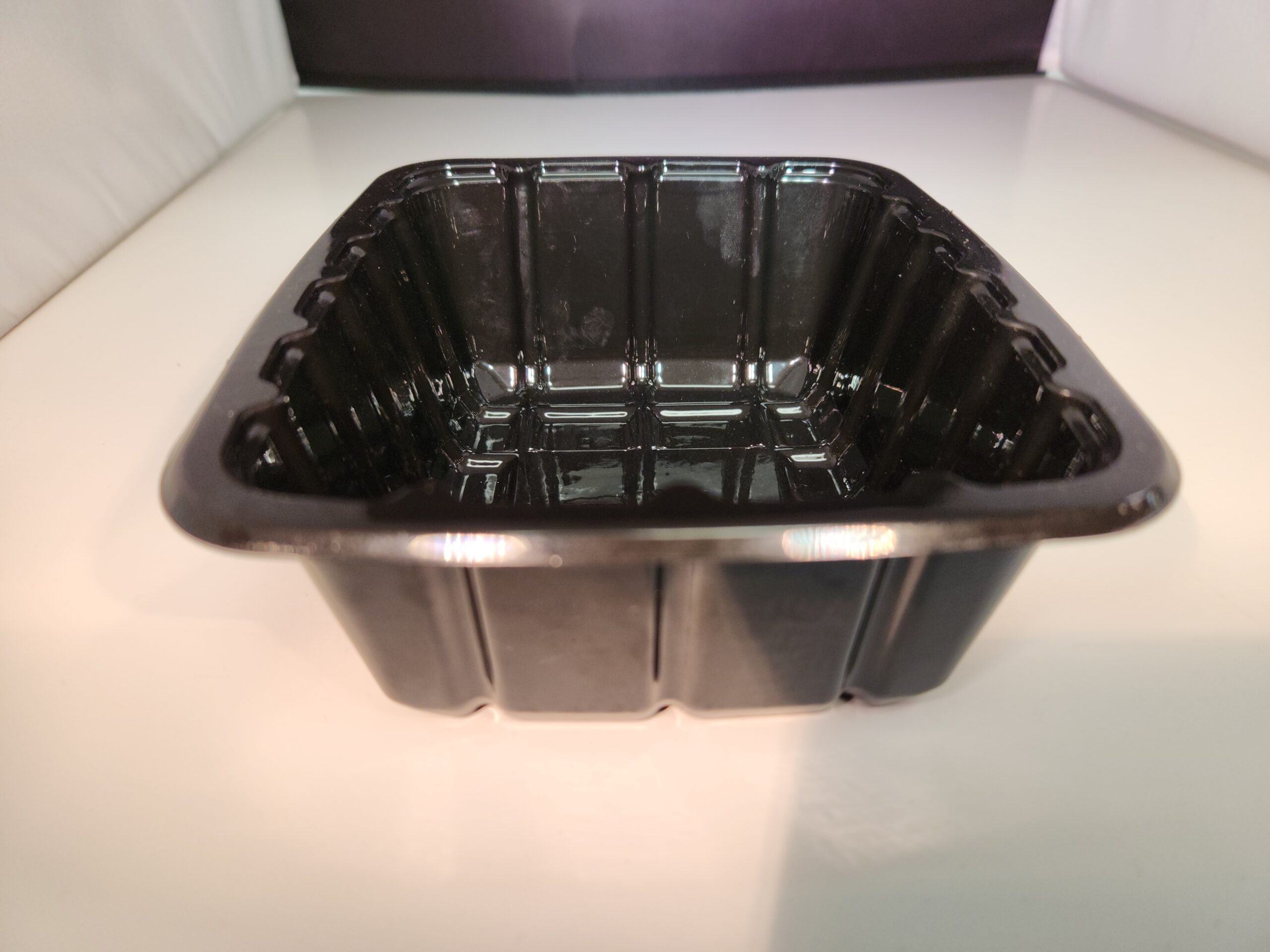
- Properties: Offers good impact strength and rigidity, suitable for vacuum forming.
- Applications: Essential in packaging for food, medical trays, and as electrical insulation.
Polyvinyl Chloride (PVC)
- Properties: Versatile, offering excellent chemical resistance and a range from flexible to rigid.
- Applications: Used in transparent packaging, medical tubing, and blister packs, adaptable for clear or opaque products.
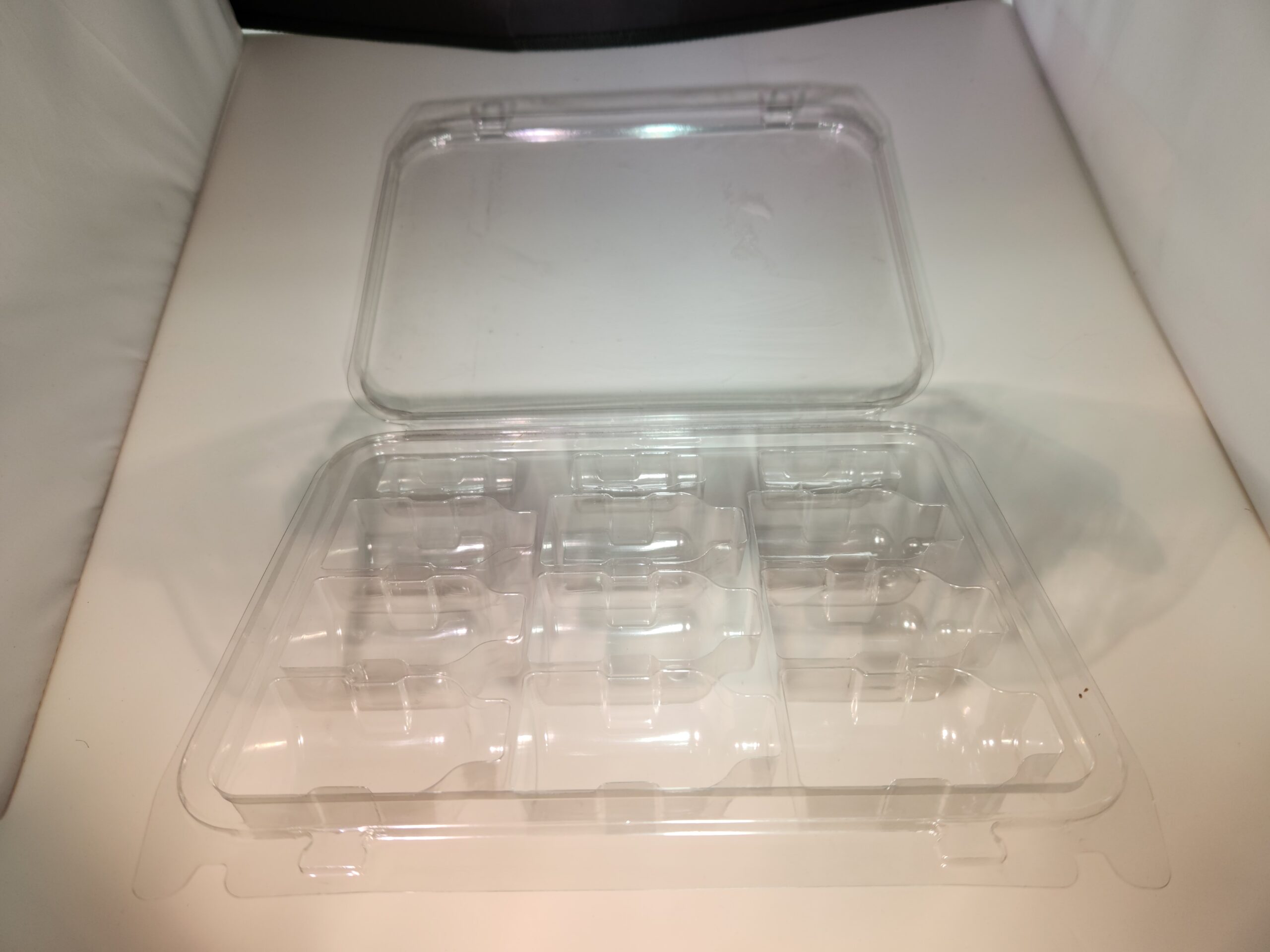
Polyethylene Terephthalate (PET)
Polyvinyl Chloride (PVC)
Polypropylene (PP)
Environmental Considerations
Sustainability is increasingly critical in material selection. Materials like PP, PETG, and HDPE are favored for their recyclability and minimal ecological footprint. Innovations in bioplastics and advanced recycling processes are pivotal in reducing the environmental impacts of these materials, promoting a more sustainable manufacturing landscape.For inquiries about thermoform packaging solutions, please contact Brown Packaging. We’re here to assist you with your packaging needs.
For inquiries about thermoform packaging solutions, please contact Brown Packaging. We’re here to assist you with your packaging needs.
Retailers place strict requirements on packaging to ensure products move efficiently through distribution centers, arrive safely, and look consistent on shelves. Non-compliance can lead to
RSC boxes dominate shipping because they combine strength with efficiency. But beyond protection, their dimensions and stacking performance directly influence freight cost, pallet utilization, and
The Regular Slotted Container (RSC) is the most widely used corrugated box style in the world. Its simplicity, manufacturing efficiency, and versatility make it the
Home » Guide to Thermoforming Plastics in Packaging

California has long been a pioneer in environmental protection, and its stringent packaging laws are a testament to its commitment to sustainability. Among these regulations,

High Impact Polystyrene, commonly known as HIPS, is a versatile and widely used thermoplastic renowned for its unique blend of properties. This material is crucial

Polyethylene terephthalate, commonly abbreviated, stands out in the packaging industry for its versatility and environmental friendliness. Recognized as the most widely recycled plastic worldwide, this