
Home » How To Transition from Chipboard to Corrugated Boxes
How To Transition from Chipboard to Corrugated Boxes
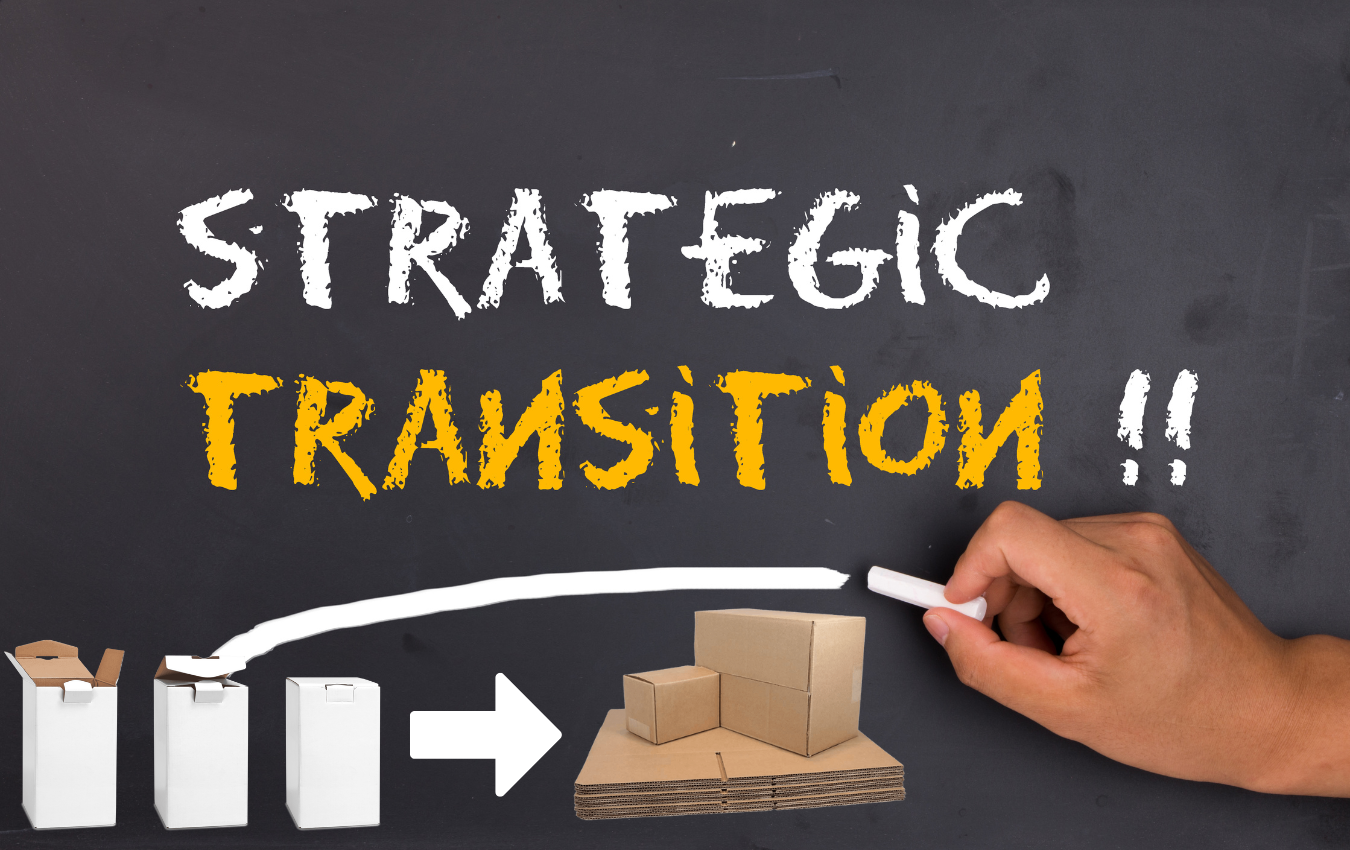
In the world of packaging, businesses often face the decision of whether to use chipboard boxes or transition to corrugated ones. Both types have their unique strengths and applications, but there comes a time when transitioning to corrugated boxes is more beneficial. This blog post explores the scenarios that warrant such a transition, helping businesses make an informed decision for their packaging needs.
Understanding Chipboard and Corrugated Boxes
Before discussing the transition, it’s important to understand the differences between these two types of packaging.
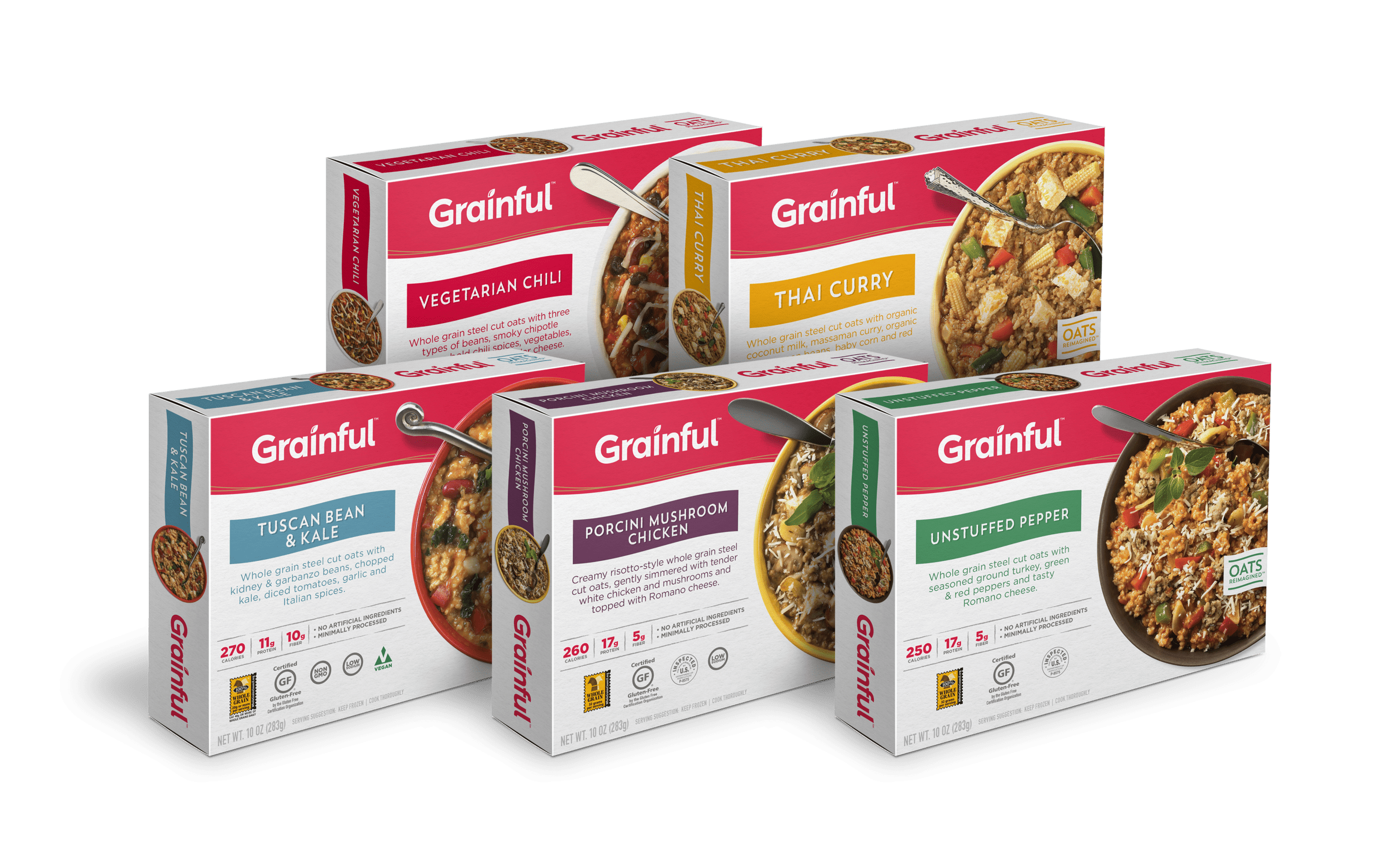
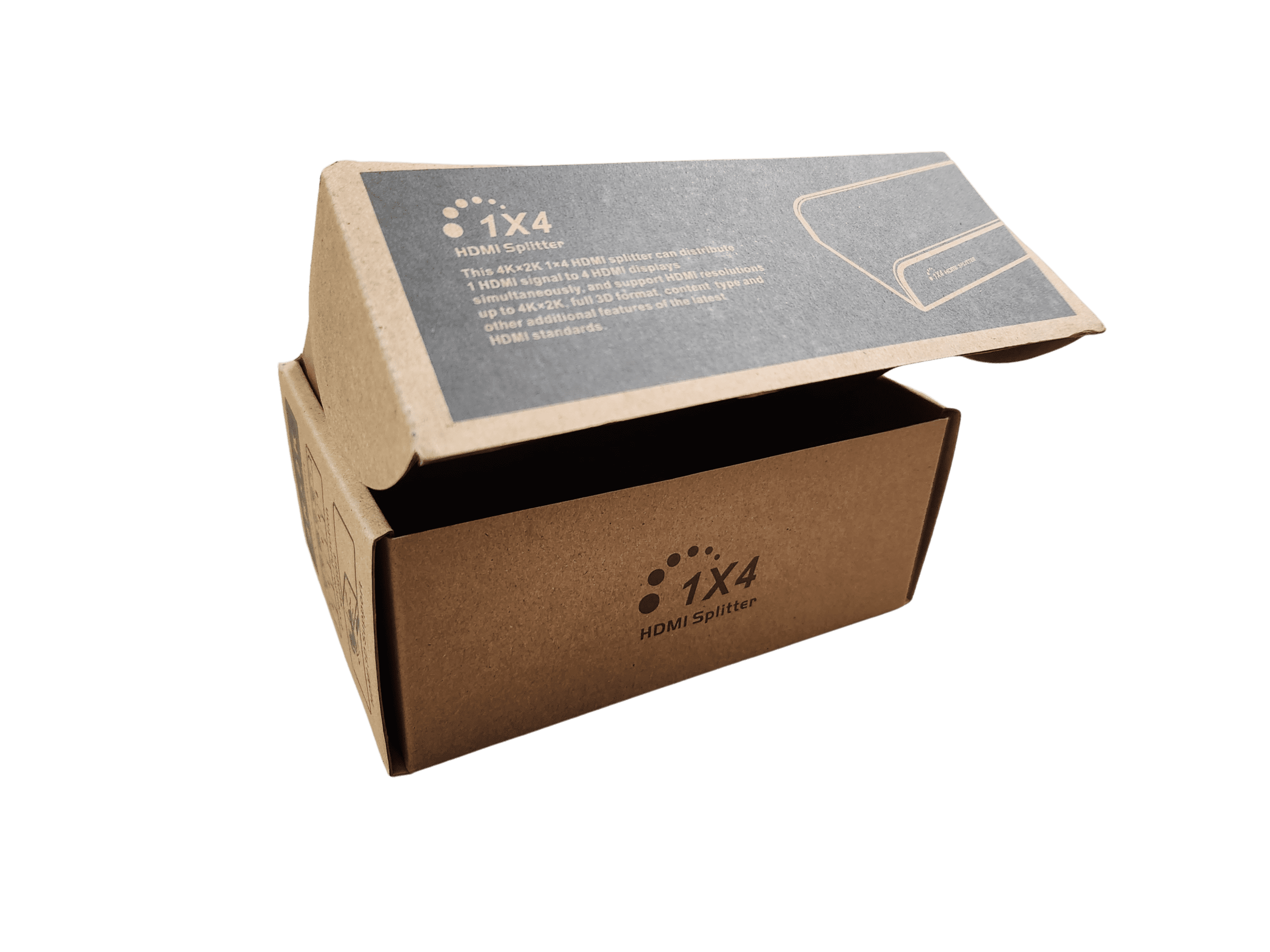
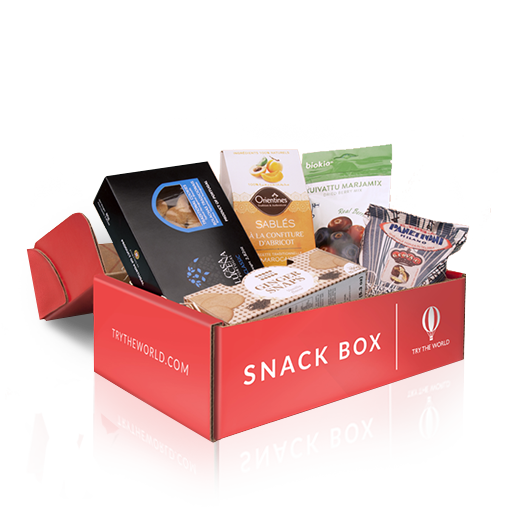
- Chipboard Boxes: Made from reclaimed paper stock, chipboard boxes are lightweight and ideal for small, non-fragile items. They are commonly used for products like cereals, shoes, or board games.
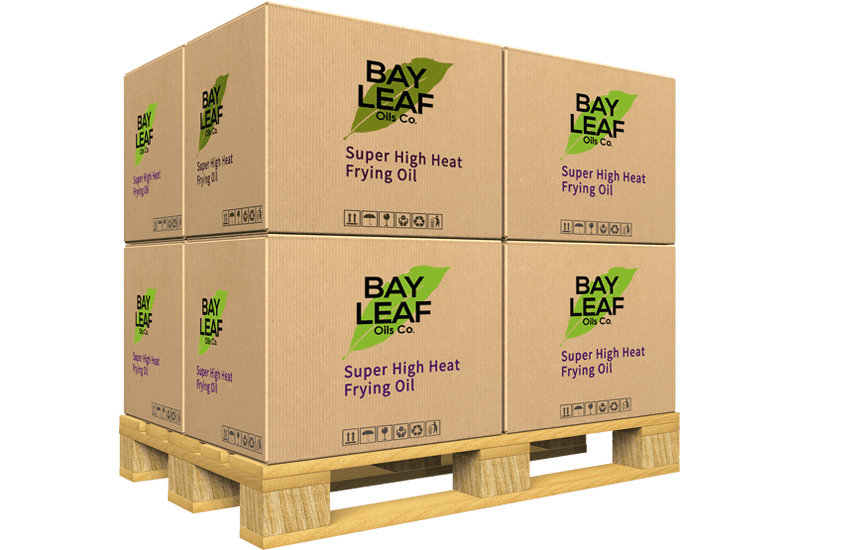
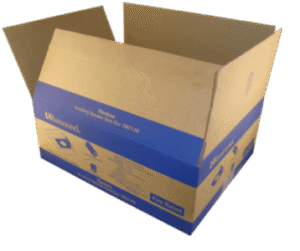
- Corrugated Boxes: These are stronger and more durable, consisting of a fluted corrugated sheet sandwiched between two linerboards. They provide better protection and are suitable for heavier or more delicate items.
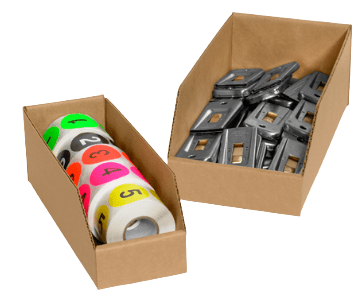
Chipboard box
Corrugated box
When to Consider Transitioning to Corrugated Boxes
- Increased Product Weight:
- If your products have become heavier, corrugated boxes offer the strength and durability necessary to support the additional weight.
- Fragile or Valuable Items:
- For products that are fragile or of high value, corrugated boxes provide better protection against impacts and crushing forces.
- Shipping and Handling Concerns:
- If your products are being shipped over longer distances or through multiple carriers, corrugated boxes can withstand the rigors of shipping and handling more effectively.
- Storage and Stacking Needs:
- Corrugated boxes have superior stacking strength, making them ideal if your products need to be stored or stacked without risking box collapse.
- Environmental Considerations:
- While both chipboard and corrugated materials can be environmentally friendly, corrugated boxes often have a higher content of recycled materials and are easily recyclable.
- Varying Product Sizes:
- Corrugated boxes come in a wider range of sizes and can be customized more easily, making them suitable for businesses with a diverse product range.
Benefits of Switching to Corrugated Boxes
- Enhanced Product Protection: The sturdy structure of corrugated boxes provides better protection, reducing the risk of product damage during transit.
- Cost-Effectiveness in the Long Run: Although initially more expensive, the durability of corrugated boxes can reduce the costs associated with damaged goods and returns.
- Sustainability: Corrugated boxes are highly recyclable, aligning with sustainable business practices.
Considerations Before Making the Transition
- Cost Implications: Evaluate the cost differences between chipboard and corrugated boxes and how it impacts your overall budget.
- Supplier Relationships: Assess your current supplier’s ability to provide high-quality corrugated options or consider finding a new supplier.
- Customer Feedback: Gather insights from your customers, as their satisfaction with packaging can influence repeat business.
If you are interested in transition from chipboards to corrugated boxes, then partner with Brown Packaging today to get started.
Full Overlap (FOL) corrugated boxes are valued for their durability, with overlapping flaps that add protection on the top and bottom panels. But the strength
Full Overlap (FOL) corrugated boxes are engineered for strength. Unlike a Regular Slotted Container (RSC), the major flaps on an FOL extend the full width
Product damage during transit is one of the most significant hidden costs in packaging. Each damaged shipment increases returns, erodes customer trust, and raises overall
Moisture and humidity can weaken paperboard fibers, alter structural performance, and compromise print quality. From production to end use, controlling these factors is critical to
Flexible pouches rely on laminates to deliver strength, barrier protection, and shelf appeal. A laminate is a structure made by combining multiple film layers—each selected
Peak season shipping volumes put pressure on every part of the supply chain. For packaging buyers, right-sizing boxes is one of the most effective strategies
Home » How To Transition from Chipboard to Corrugated Boxes

Yes, a corrugated box is an excellent choice for shipping due to its strong, durable nature and its ability to protect contents from damage during

Corrugated boxes are essential to shipping, retail, and e-commerce—but when you introduce custom printing, the stakes (and the opportunities) rise. Print isn’t just about looks—it’s

In the world of shipping and storage, the term “Gaylord box” often comes up, especially in industries that deal with bulk materials and goods. But