Home » Choosing the Best Packaging Material for Snacks
Choosing the Best Packaging Material for Snacks
Packaging plays a pivotal role in the world of snacks, influencing everything from freshness and shelf life to branding and consumer appeal. With a multitude of packaging materials available, selecting the right one for your snacks is a critical decision that affects both product quality and market success. In this comprehensive guide, we’ll explore the various packaging materials suitable for snacks and delve into their benefits and considerations.
Factors to Consider When Choosing Packaging Material
Before delving into specific packaging materials, let’s examine the key factors to consider:
- Product Protection: The packaging material must protect snacks from external factors like moisture, air, light, and physical damage.
- Freshness and Shelf Life: Different materials offer varying levels of barrier protection, affecting the snacks’ freshness and shelf life.
- Brand Identity: Packaging contributes to brand recognition. The material’s appearance, texture, and print quality should align with your brand’s image.
- Eco-Friendliness: As sustainability gains prominence, choosing environmentally friendly materials is essential to minimize environmental impact.
- Cost: Packaging costs influence your product’s overall pricing strategy. Balancing quality and cost is crucial.
- Consumer Convenience: Packaging should be easy to open, resealable, and suitable for on-the-go consumption.
Common Snack Packaging Materials
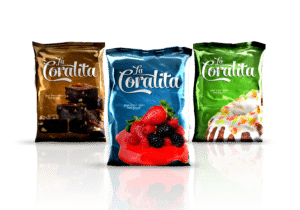
Flexible Plastic Bags
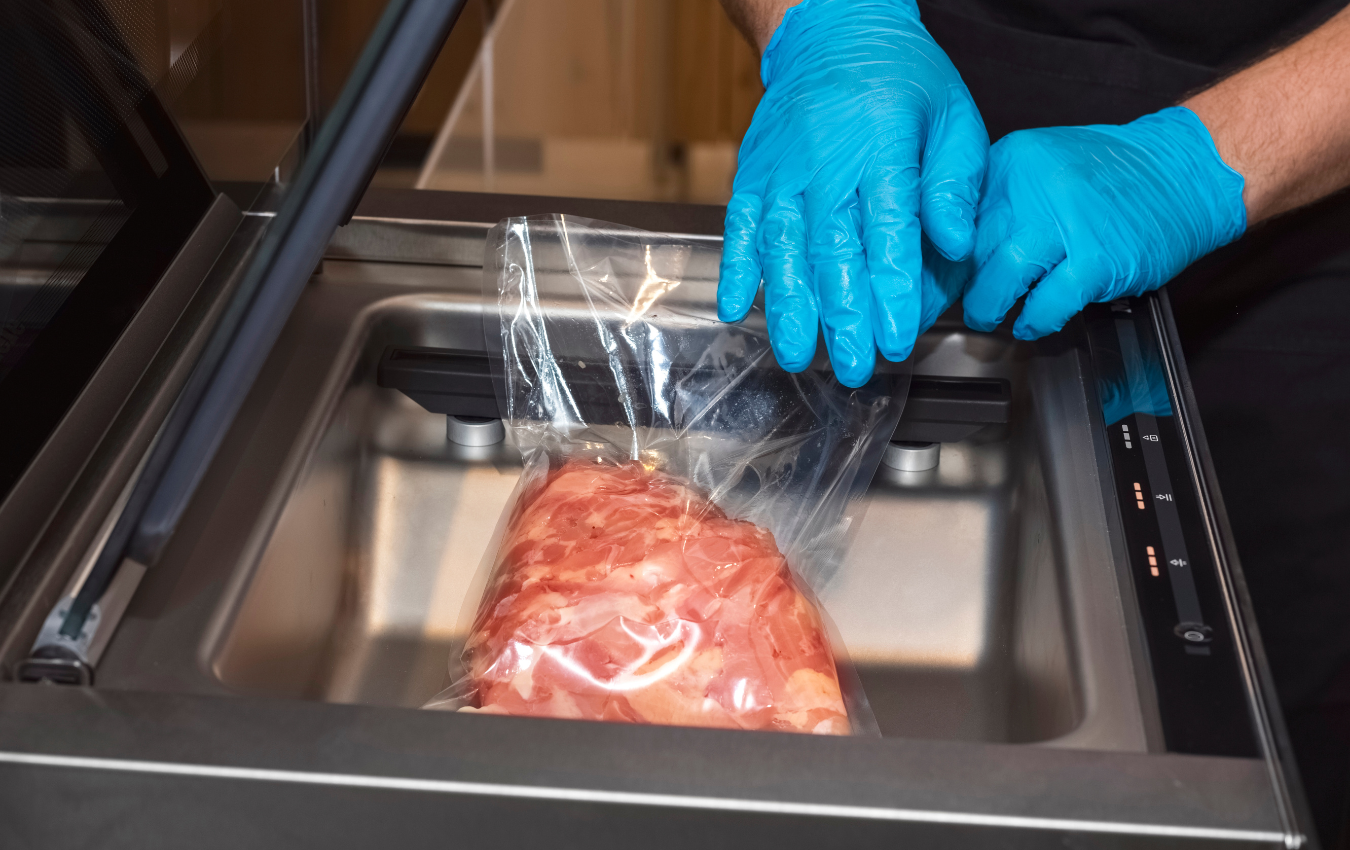
- Benefits: Versatile, lightweight, and cost-effective. Offers excellent barrier properties against moisture and air.
- Considerations: Some plastic materials are not environmentally friendly. May lack a premium look for high-end products.
Paperboard Cartons
- Benefits: Sturdy, printable, and environmentally friendly. Ideal for branding and visual appeal.
- Considerations: Limited barrier protection compared to other materials. Not suitable for snacks requiring a longer shelf life.
Aluminum Foil
- Benefits: Provides exceptional barrier protection against moisture, light, and oxygen. Ensures prolonged freshness.
- Considerations: Relatively higher cost. Limited recyclability due to composite materials.
Metal Cans
- Benefits: Offers excellent protection, ideal for snacks prone to breakage. Durable and visually appealing.
- Considerations: Heavier and costlier compared to other materials. Limited options for resealability.
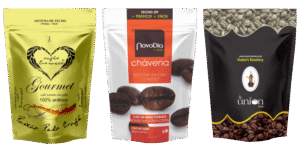
Stand-Up Pouches
- Benefits: Lightweight, space-efficient, and visually appealing. Can incorporate resealable features for convenience.
- Considerations: Barrier properties vary based on materials used. Not ideal for all types of snacks.
Biodegradable and Compostable Materials
- Benefits: Environmentally friendly, reducing plastic waste. Appeals to eco-conscious consumers.
- Considerations: May have limited barrier properties compared to traditional materials. Higher cost for some options.
Paperboard
Pouch (Plastic Films)
Corrugated
Matching Materials to Snack Types
Different snacks have unique requirements that influence the ideal packaging material:
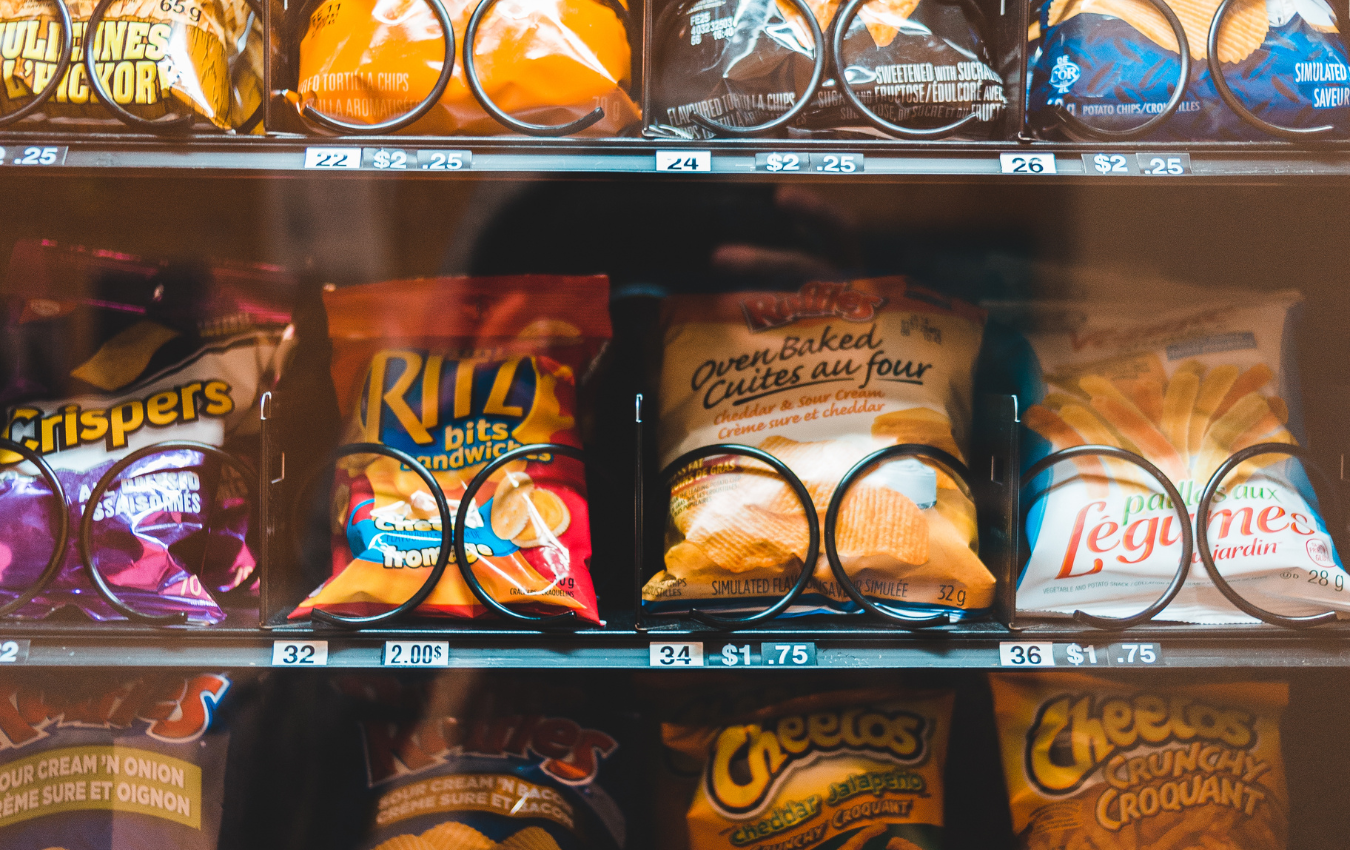
- Chips and Crisps: Air-tight packaging like foil bags or metal cans maintain crispiness.
- Cookies and Baked Goods: Paperboard cartons offer a balance between protection and branding.
- Fresh Fruit Snacks: Flexible plastic with resealable features preserves freshness.
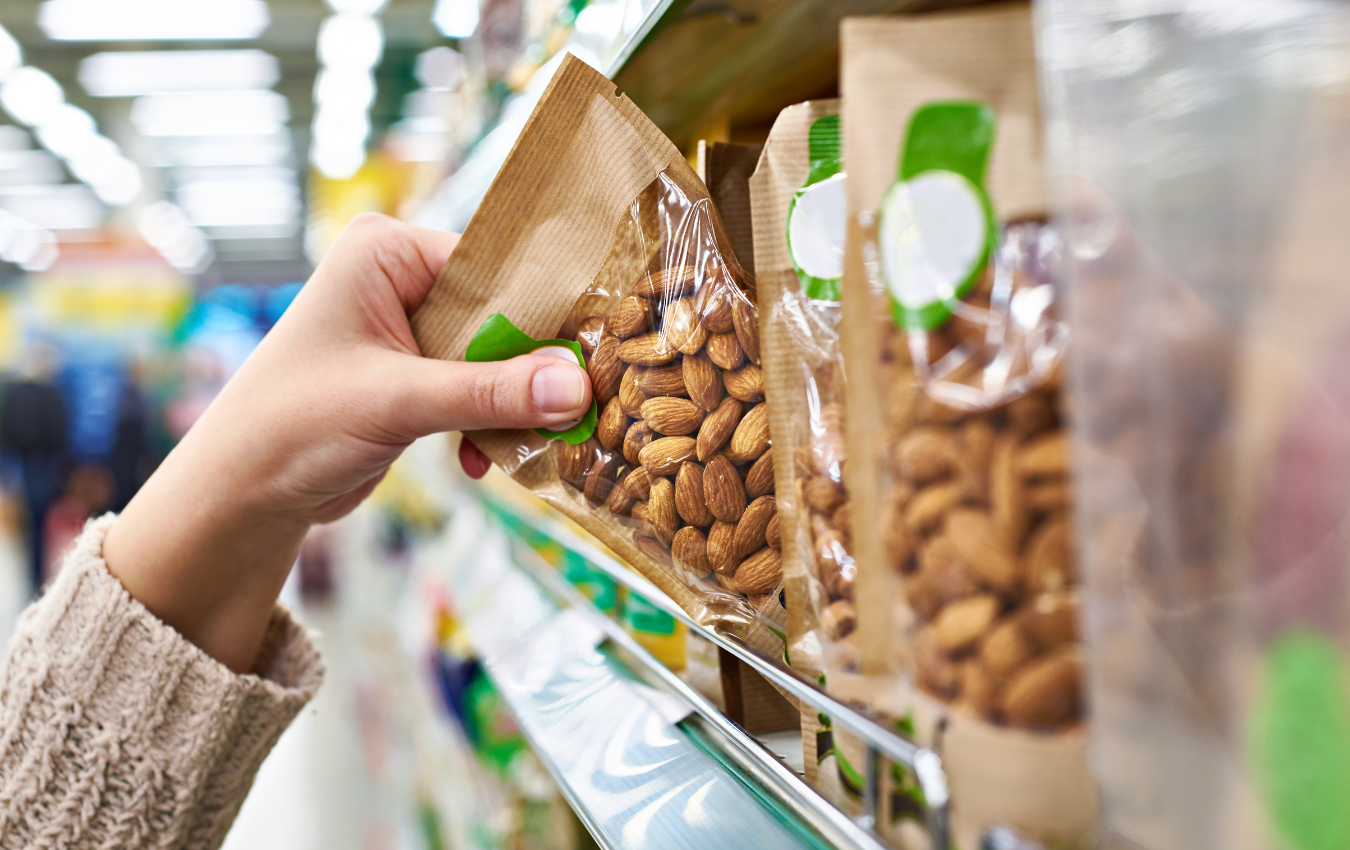
- Nuts and Trail Mix: Barrier properties of foil pouches prevent spoilage.
- Chocolate and Candy: Aluminum foil provides protection against temperature changes.
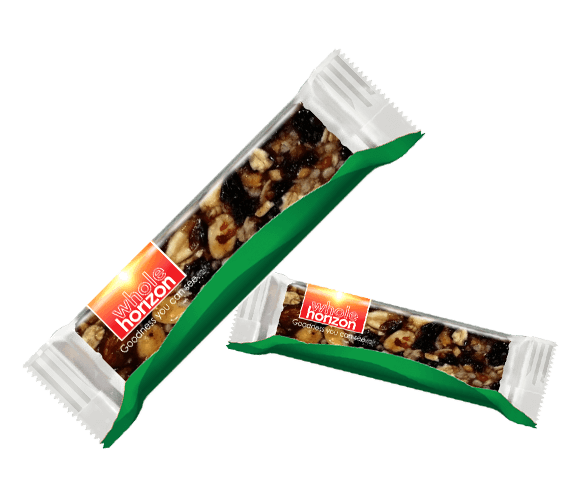
- Granola Bars: Biodegradable materials align with health-conscious branding.
Roll Stock
Balancing Sustainability and Practicality
As consumers demand eco-friendly options, brands are focusing on sustainable packaging solutions. However, it’s essential to strike a balance between sustainability and practicality. Biodegradable materials might be ideal for some products, while others require longer shelf life provided by traditional materials.
If you are interested in snack packaging solutions, then partner with Brown Packaging today to get started.
Product damage during transit is one of the most significant hidden costs in packaging. Each damaged shipment increases returns, erodes customer trust, and raises overall
Moisture and humidity can weaken paperboard fibers, alter structural performance, and compromise print quality. From production to end use, controlling these factors is critical to
Flexible pouches rely on laminates to deliver strength, barrier protection, and shelf appeal. A laminate is a structure made by combining multiple film layers—each selected
Peak season shipping volumes put pressure on every part of the supply chain. For packaging buyers, right-sizing boxes is one of the most effective strategies
After the holiday rush, many packaging buyers face inflated costs from excess materials, rushed procurement, and seasonal surcharges. Q1 is the ideal time to reset,
Subscription packaging remains one of the fastest-growing segments in e-commerce. In 2026, buyers face rising consumer expectations, stricter sustainability standards, and the need for efficient
Home » Choosing the Best Packaging Material for Snacks
When it comes to food products, packaging plays a crucial role in maintaining freshness, preventing contamination, and ensuring the safety of what we consume. Food-grade
When it comes to delivering the beloved and delicious treat that is pizza, the packaging plays a crucial role. The right pizza box not only
Packaging plays a pivotal role in the world of snacks, influencing everything from freshness and shelf life to branding and consumer appeal. With a multitude