

Home » How to Stack Corrugated Bin Boxes: A Step-by-Step Guide
How to Stack Corrugated Bin Boxes: A Step-by-Step Guide
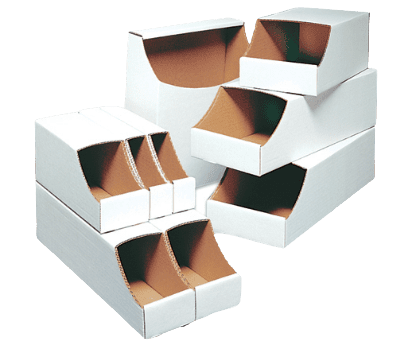
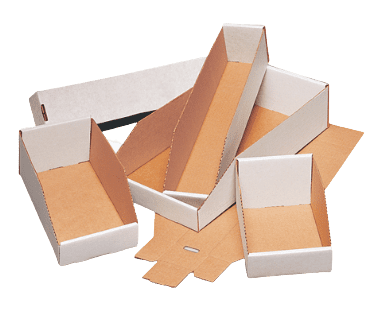
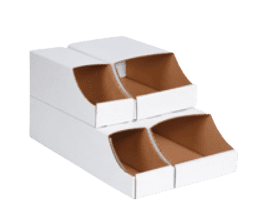
Corrugated bin boxes are widely used for storage and organization, especially in warehouses and retail settings. When used and stacked properly, they offer an efficient way to store small items, parts, or products. However, if you’re not careful, stacking them haphazardly can lead to instability and potential damage to both the boxes and their contents. Here’s a step-by-step guide to stack corrugated bin boxes safely and efficiently.
Step 1. Start with a Strong Foundation
Before you begin stacking, ensure you have a firm and level surface. This could be a sturdy table, a shelving unit, or a flat area of the floor. A good foundation ensures the boxes will not tip over or collapse under the weight.
Step 2. Inspect Your Boxes
Examine each box for signs of wear, tear, or damage. A damaged box might not have the structural integrity to hold weight or stay upright, especially when stacked.
Step 3. Choose the Right Size
Start with the largest and sturdiest boxes at the bottom. As you build up, the boxes should become progressively smaller. This creates a pyramid-like structure, ensuring stability.
Step 4. Mind the Weight
Be mindful of the weight you’re putting into each box. A heavier box placed on top of a lighter box can lead to a collapse. Best rule of thumb, is placing the heavier boxes on bottom with the lighter boxes on top.
Step 5. Align the Edges
When stacking, make sure the edges of the boxes line up as precisely as possible. This ensures that the weight is distributed evenly across the surface of the box below and reduces the risk of tipping.
Step 6. Avoid Overloading
It’s essential to avoid overstuffing the boxes. An overstuffed box can bulge, making it uneven and unstable when stacked. It can also lead to the contents spilling out or the box tearing.
Step 7. Leave Some Space
If you’re stacking boxes on a shelf, make sure there’s a little space between the top of the highest box and the shelf above. This not only makes it easier to retrieve boxes but also ensures that there’s adequate airflow, reducing the risk of moisture buildup, which can weaken corrugated boxes.
Step 8. Label Clearly
Label each box clearly on the front and sides, so you can quickly identify its contents without having to unstack or move multiple boxes.
Step9. Regularly Check for Stability
Every so often, give your stack of boxes a gentle push to ensure they’re still stable. Over time, the weight distribution inside boxes might change, or the boxes themselves could wear down, impacting their stability.
Step 10. Replace Worn Out Boxes
If a box shows signs of wear or begins to sag, replace it. Regularly rotating out old or worn boxes ensures the entire stack remains stable and that your items are safe.
Step 11. Use Dividers if Needed
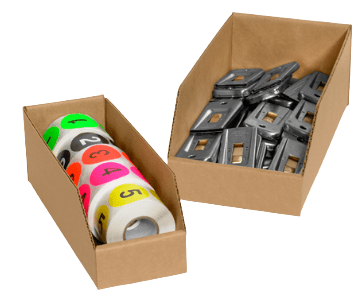
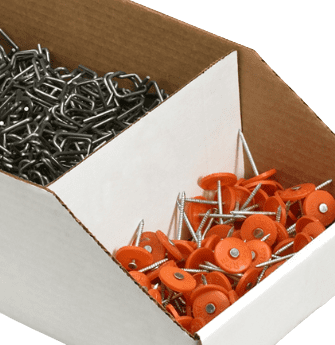
If you’re storing many small items in one box, use dividers. These can prevent items from shifting too much, which can lead to an uneven distribution of weight.
Final Thoughts
Corrugated bin boxes are a versatile and eco-friendly solution for storage needs. By following these stacking guidelines, you can ensure the safety and longevity of both your boxes and their contents. Always prioritize stability and avoid the temptation to stack too high – it’s better to have two stable shorter stacks than one towering, unstable one. Safe stacking!
If you are interested in corrugated bin boxes, then partner with Brown Packaging today to get started.
A folding carton may look simple once it reaches the shelf, but it goes through a controlled production process before it becomes a finished package.
Folding carton production is becoming more automated because buyers are asking for faster timelines, tighter consistency, and more flexibility across more SKUs. Shorter product lifecycles,
Folding carton style matters because structure affects more than appearance. The right carton can improve shelf presentation, packing speed, product access, closure security, storage efficiency,
Pouch packaging trends in 2027 will be shaped by convenience, shelf impact, sustainability pressure, sealing performance, automation, ecommerce growth, and total packaging cost. Buyers will
Corrugated box trends in 2027 will be driven by a practical mix of cost control, sustainability, ecommerce growth, automation, retail requirements, and supply chain performance.
Packaging trends in 2027 will be shaped by one major reality: buyers are no longer looking at packaging as just a box, carton, insert, pouch,
By submitting your information, you agree to our terms and conditions and privacy policy.
Home » How to Stack Corrugated Bin Boxes: A Step-by-Step Guide

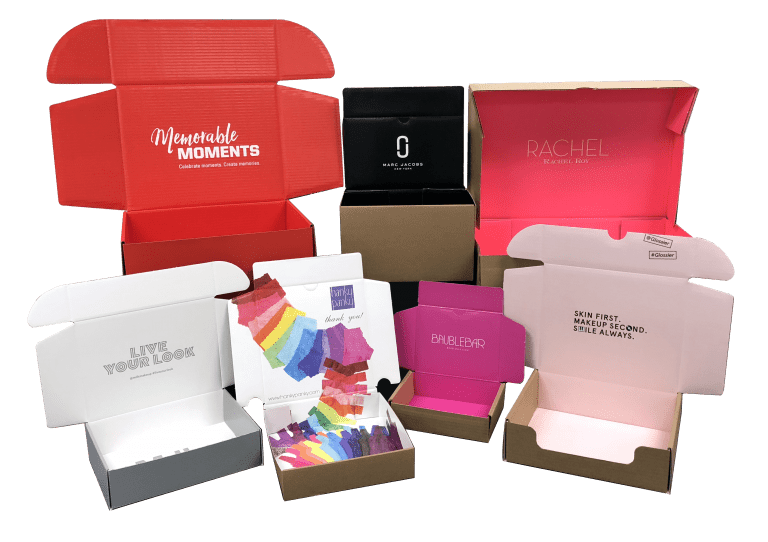

When it comes to packaging, the roll-end tuck top (RETT) box is a versatile solution that seamlessly transitions between the realms of retail and e-commerce.
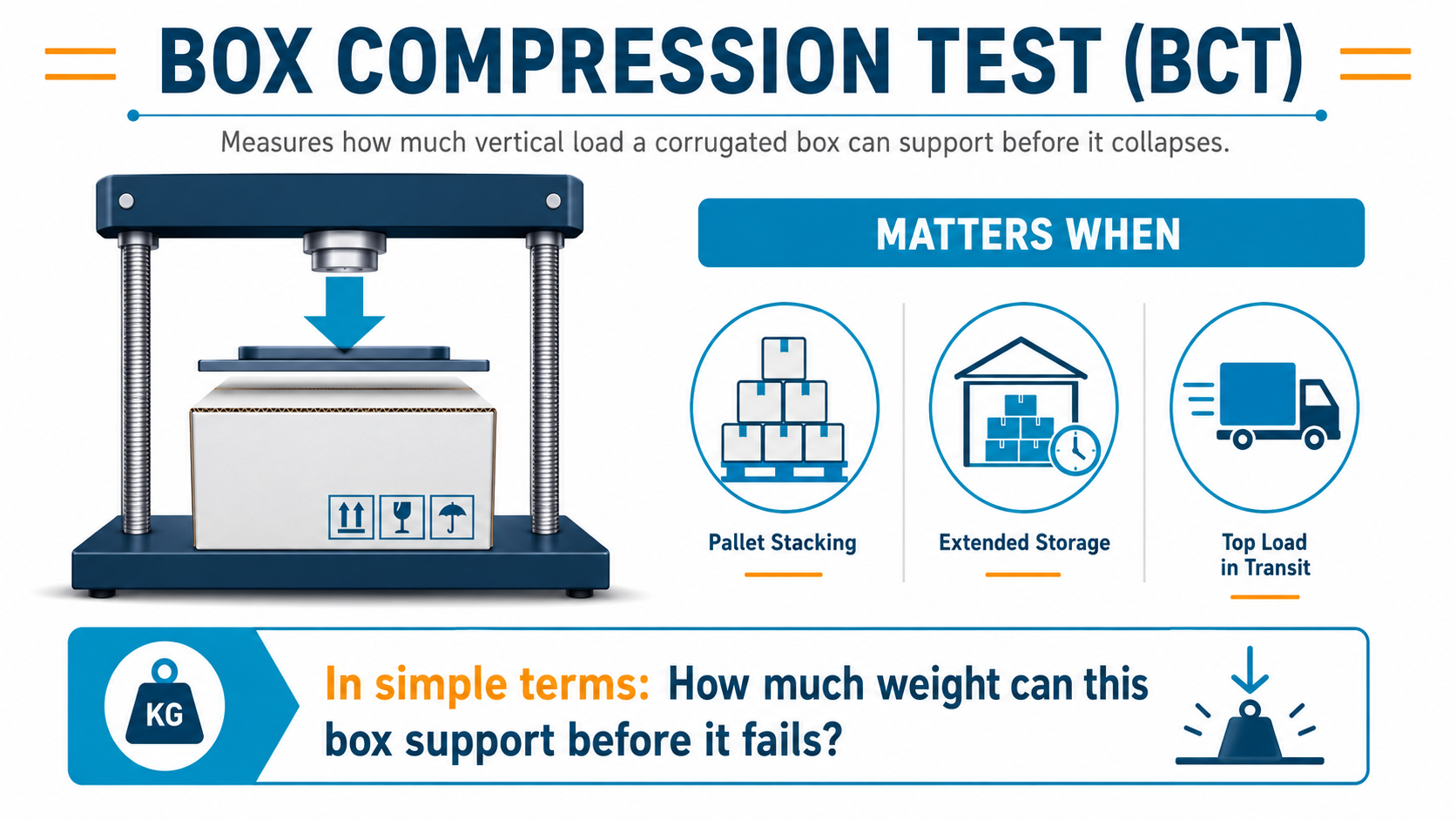
Box Compression Test (BCT) measures how much vertical load a corrugated box can last before it collapses. This matters when: Boxes are stacked on pallets

Corrugated boxes are a staple in the packaging world, known for their strength and versatility. However, maximizing their durability is key to ensuring products reach