
window.uetq = window.uetq || []; window.uetq.push(‘event’, ‘submit_lead_form’,{ event_label:‘SUBMIT MESSAGE’ }); window.lintrk('track', { conversion_id: 10271009 }); window.lintrk('track', { conversion_id: 10271017 });

9 Budget-Friendly Packaging Options for Small Businesses

10 Budget-Friendly Packaging Options for Small Businesses

Packaging plays a crucial role in the success of a product. It not only protects the product from damage but also serves as a medium to communicate with the customers. However, packaging can also be expensive, especially for small businesses with a limited budget.

9 Budget Friendly Options

In this blog, we will explore budget-friendly packaging options that can help small businesses save money without compromising on quality.

      1. Utilize Reusable Packaging
      2. Keep It Simple
      3. Bulk Ordering
      4. Use Standard sizes
      5. Use Minimalist Labeling
      6. Opt for Lightweight Materials
      7. Use Multi-Functional Packaging
      8. Explore Alternative Suppliers
      9. Simplify Your Packaging Process

Utilize Reusable Packaging

Instead of focusing solely on recyclable materials, consider using packaging that can be reused multiple times. For example, using sturdy and reusable fabric bags or containers can provide value to customers and reduce the need for new packaging for each purchase. Reusable packaging not only saves money in the long run but also promotes sustainability.

Keep It Simple

While flashy packaging designs can be appealing, they can also be expensive to produce. Keeping packaging simple not only saves money but can also be an effective way to communicate with customers. Simple packaging designs are also easier to produce, reducing labor costs. For example, plain brown paper bags can be an inexpensive yet effective way to package products.
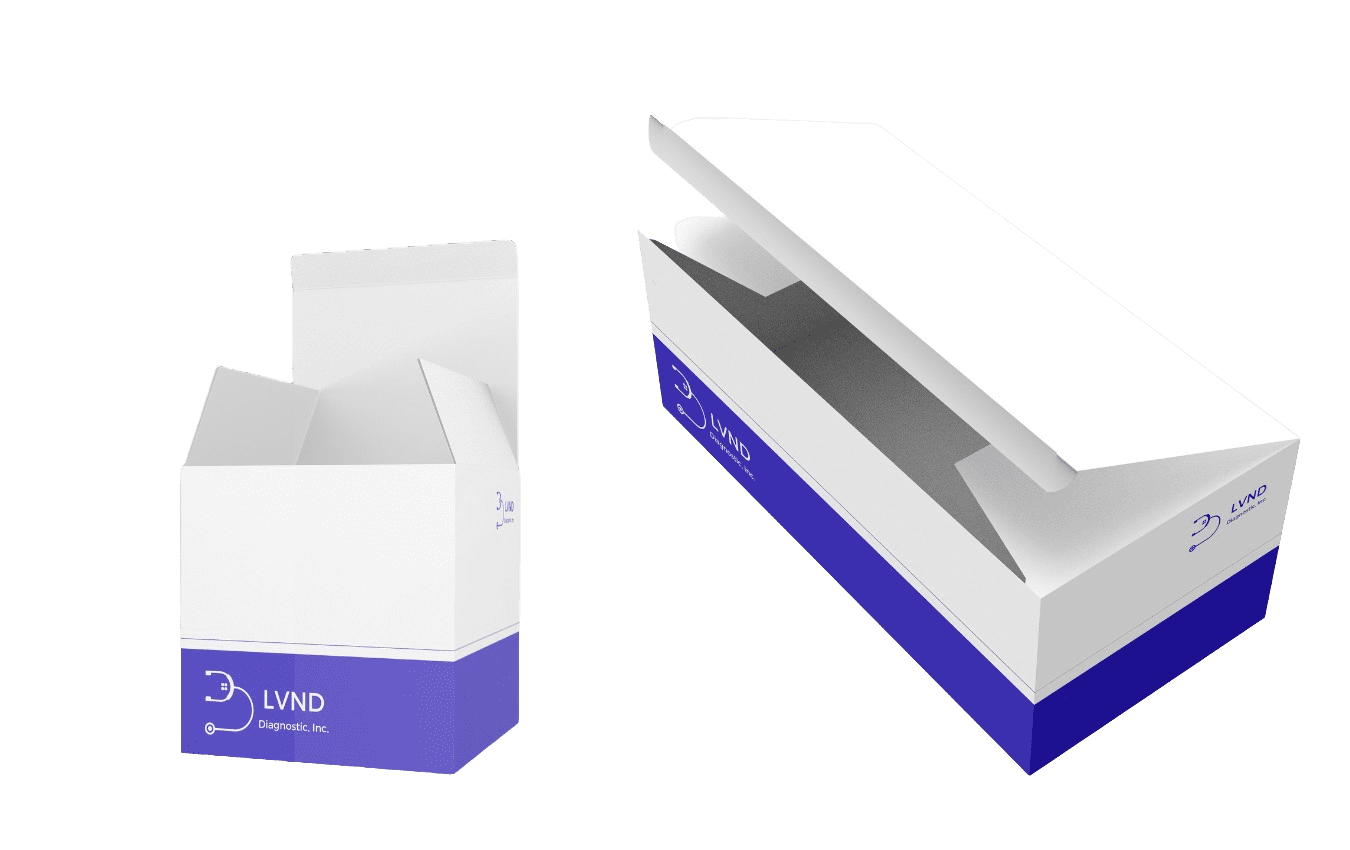
Custom Auto bottom folding carton with one color print

Bulk Ordering

Buying packaging materials in bulk can help businesses save money in the long run. Many suppliers offer discounts for bulk orders, which can help reduce the cost per unit. Bulk ordering also reduces the number of orders that need to be placed, saving time and resources.

Use Standard Sizes

Custom packaging can be expensive, especially for small businesses. Using standard sizes for packaging can help reduce costs. Standard sizes are readily available, and suppliers often offer discounts for bulk orders. Additionally, using standard sizes can also reduce shipping costs, as they are more efficient to transport.

stock packaging products

Use Minimalist Labeling

Another way to keep packaging costs low is by using minimalist labeling. Instead of printing elaborate designs, consider using simple, clear labels that list the product name, ingredients, and other essential information. Minimalist labeling can be just as effective at catching customers’ attention and can help reduce printing costs.

Opt for Lightweight Materials

Lightweight materials, such as thin plastics and lightweight papers, can be a cost-effective way to package products. They are less expensive to produce and ship, and can also help reduce shipping costs. However, it is important to ensure that the materials provide adequate protection for the products.

Colored Poly Mailers

Use Multi-Functional Packaging

Multi-functional packaging can be a cost-effective option for small businesses. Packaging that can be repurposed, such as jars and tins, can provide customers with added value and reduce waste. For example, a candle sold in a reusable jar can be used to store small items after the candle has burned out.

Explore Alternative Suppliers

Instead of buying packaging supplies in bulk, another cost-saving option is to explore alternative suppliers. Look for local or online suppliers that offer competitive prices and deals, even if you’re not purchasing in bulk. Sometimes, smaller suppliers can provide more affordable options tailored to the needs of small businesses.

Packaging Supplier

Simplify Your Packaging Process

Simplifying the packaging process can help reduce costs associated with labor and equipment. Using automated packaging equipment, for example, can help reduce labor costs and increase efficiency. Simplifying the packaging process can also reduce the risk of errors, leading to fewer returns and replacements.

Summary: Budget Friendly Packaging Options

In conclusion, packaging is an essential aspect of any business that can significantly impact a product’s success. However, small businesses with limited budgets can find it challenging to invest in high-quality packaging. Fortunately, there are many cost-effective packaging options available that can help small businesses create effective packaging solutions.

By considering options such as using reusable and lightweight materials, minimalist labeling, multi-functional packaging, and simplifying the packaging process, small businesses can reduce costs without compromising on quality. With these budget-friendly packaging options, small businesses can enhance their products’ presentation, protect them during transit, and create a positive customer experience, all while maintaining their bottom line.

If you are interested in packaging solutions to fit your budget, then partner with Brown Packaging today to get started.

Most Recent Posts:
Retail Packaging Trends for 2026

Retail packaging continues to evolve as brands balance sustainability, supply chain performance, and consumer experience. In 2026, buyers face new challenges shaped by material innovation, compliance requirements, and rising consumer expectations. Understanding these trends helps companies stay competitive while aligning packaging programs with industry standards. Sustainability Becomes Non-Negotiable Greater use of recyclable and compostable substrates. Retailers pushing suppliers toward FSC-certified materials. Minimalist designs that reduce waste without losing impact. Smarter Packaging for Supply Chains Increased adoption of right-sizing to reduce freight costs. Boxes designed for automation and faster fulfillment. Stronger corrugated grades to withstand long e-commerce journeys. Enhanced Consumer Experience Custom graphics for seasonal campaigns and limited editions. Tear strips, resealable closures, and window cutouts for convenience. Premium finishes that elevate gift packaging at retail. Growth of Hybrid Packaging Formats Combining corrugated strength with folding carton graphics. Modular designs for multi-SKU and club store environments. Packaging engineered to serve both e-commerce and in-store needs. Compliance and Testing Standards Retailers demanding ISTA and ASTM testing for packaging durability. Supply chain audits on recyclability and sustainability claims. More pressure for transparent reporting on environmental impact. Retail Packaging Solutions with Brown Packaging Brown Packaging helps brands adapt to evolving retail packaging trends. From sustainable substrates to automation-friendly designs, our solutions balance branding, durability, and compliance for 2026. Contact us to prepare your packaging program for the year ahead. References Forest Stewardship Council (FSC). (2023). FSC Packaging Certification Guidelines. Retrieved from https://fsc.orgSustainable Packaging Coalition. (2023). Packaging Trends and Consumer Insights. Retrieved from https://sustainablepackaging.orgSoroka, W. (2009). Fundamentals of Packaging Technology (4th ed.). Institute of Packaging Professionals. (714)300-0650 request@brownpackaging.com Most Recent Posts: Categories: Corrugated Ecommerce ESD Design Display Flexible Packaging Foam Folding Carton Packaging Plastic Packaging Pouch Printing Protection Retail Rigid Box Thermoform Sustainability Subscribe To Our Newsletter By submitting your information, you agree to our terms and conditions and privacy policy. Custom Packaging Facebook Twitter LinkedIn Pinterest Relevant Posts

Read More »
Packaging Supplier Contracts: What Buyers Should Know

Supplier contracts can make or break a packaging program. Without the right terms, buyers risk price volatility, missed lead times, and inconsistent product quality. In 2026, negotiating smart contracts is essential for controlling costs, securing reliable supply, and meeting compliance requirements. Why Packaging Contracts Matter Cost stability: Protects against sudden raw material price spikes. Supply security: Ensures availability during peak demand. Quality control: Aligns suppliers with testing and compliance standards. Operational efficiency: Streamlines purchasing and reduces administrative burden. Key Terms Buyers Should Negotiate Volume commitments: Secure better pricing with accurate forecasts. Price adjustment clauses: Define when and how costs can change. Lead times and delivery windows: Avoid shortages and production delays. Testing and compliance: Require ISTA, ASTM, or FSC certification where applicable. Sustainability commitments: Ensure suppliers align with environmental goals. Risks of Weak Contracts Paying inflated prices during market fluctuations. Receiving inconsistent corrugated strength or print quality. Missed shipments leading to costly expedited freight. Difficulty meeting retailer or regulatory compliance. Best Practices for Buyers in 2026 Leverage data: Use past order history to negotiate realistic volumes. Dual sourcing: Maintain backup suppliers for risk management. Annual reviews: Reassess terms to reflect changes in demand and compliance. Collaborative approach: Treat suppliers as partners, not just vendors. Packaging Solutions with Brown Packaging Brown Packaging helps buyers secure strong supplier contracts that balance cost, quality, and supply chain reliability. Our partnerships and industry expertise ensure your packaging program is protected for 2026 and beyond. Contact us to discuss supplier solutions. References Soroka, W. (2009). Fundamentals of Packaging Technology (4th ed.). Institute of Packaging Professionals.Fiber Box Association. (2024). Corrugated Packaging Market Outlook. Retrieved from https://www.fibrebox.orgSustainable Packaging Coalition. (2023). Supplier Standards for Sustainable Packaging. Retrieved from https://sustainablepackaging.org (714)300-0650 request@brownpackaging.com Most Recent Posts: Categories: Corrugated Ecommerce ESD Design Display Flexible Packaging Foam Folding Carton Packaging Plastic Packaging Pouch Printing Protection Retail Rigid Box Thermoform Sustainability Subscribe To Our Newsletter By submitting your information, you agree to our terms and conditions and privacy policy. Custom Packaging Facebook Twitter LinkedIn Pinterest Relevant Posts

Read More »
Meeting 2026 Packaging Compliance Standards

Packaging compliance is no longer optional—it’s a requirement for accessing retail shelves, shipping networks, and international markets. In 2026, buyers must navigate evolving regulations around sustainability, labeling, and testing to avoid costly fines, rejected shipments, or damaged customer relationships. Why Compliance Matters in 2026 Retail requirements: Major retailers demand FSC, ISTA, and sustainability certifications. E-commerce standards: Carriers enforce dimensional weight and package testing rules. Global trade: Export packaging must comply with ISPM 15, ASTM, and ISO guidelines. Consumer trust: Transparency in packaging claims impacts purchasing decisions. Key Compliance Areas for Buyers Material sourcing: FSC-certified corrugated and board for sustainability. Labeling standards: GS1-compliant barcodes and accurate product details. Durability testing: ISTA and ASTM protocols for drop, vibration, and compression. Sustainability regulations: Requirements for recyclable or compostable materials. Chemical restrictions: Compliance with FDA, EU, or state-specific standards. Common Compliance Challenges Keeping up with frequent regulatory changes. Managing multiple certifications across suppliers. Balancing compliance with cost-efficiency. Verifying supplier claims for sustainability. Best Practices for Staying Compliant Audit suppliers annually to confirm certification validity. Run internal packaging tests before scaling. Track regulatory updates for each region you ship to. Work with experienced partners who understand industry compliance. Packaging Solutions with Brown Packaging Brown Packaging helps buyers meet 2026 compliance standards with FSC-certified materials, ISTA-tested designs, and regulatory expertise. Our team ensures your packaging meets retailer, carrier, and sustainability requirements. Contact us to keep your program compliant. References Forest Stewardship Council (FSC). (2023). FSC Certification Guidelines for Packaging. Retrieved from https://fsc.orgInternational Safe Transit Association (ISTA). (2023). ISTA Testing Procedures for Transport Packaging. Retrieved from https://ista.orgGS1. (2024). Global Standards for Packaging and Labeling. Retrieved from https://www.gs1.org (714)300-0650 request@brownpackaging.com Most Recent Posts: Categories: Corrugated Ecommerce ESD Design Display Flexible Packaging Foam Folding Carton Packaging Plastic Packaging Pouch Printing Protection Retail Rigid Box Thermoform Sustainability Subscribe To Our Newsletter By submitting your information, you agree to our terms and conditions and privacy policy. Custom Packaging Facebook Twitter LinkedIn Pinterest Relevant Posts

Read More »
How FSC Packaging Certification Impacts Your Brand

In 2026, sustainability is no longer just a trend—it’s a buyer expectation. Forest Stewardship Council (FSC) certification has become a key benchmark for responsible packaging, signaling that materials are sourced from responsibly managed forests. For packaging buyers, FSC certification is more than a compliance checkbox—it’s a brand value that influences purchasing decisions, retailer acceptance, and customer loyalty. What Is FSC Certification? The Forest Stewardship Council certifies that paper-based packaging materials are sourced from forests managed for environmental responsibility, social benefit, and economic viability. FSC Mix: Packaging contains a blend of FSC-certified and controlled wood. FSC Recycled: Packaging is made entirely from recycled fiber. FSC 100%: Packaging is sourced only from FSC-certified forests. Why FSC Matters to Buyers in 2026 Retail access: Many major retailers now require FSC-certified packaging. Sustainability goals: Aligns with corporate ESG and carbon reduction commitments. Consumer trust: Customers recognize the FSC label and view it as credible. Global compliance: Meets international sustainability regulations. How FSC Certification Strengthens Brand Value Differentiation: Stand out with certified sustainable packaging. Marketing advantage: FSC logos reinforce eco-friendly messaging. Risk reduction: Verified sourcing prevents greenwashing claims. Customer loyalty: Environmentally conscious buyers prefer certified products. Challenges in FSC Implementation Limited supply of certain FSC substrates. Higher costs compared to non-certified materials. Need for supplier audits and documentation. Packaging Solutions with Brown Packaging Brown Packaging partners with buyers to integrate FSC-certified materials into corrugated boxes, folding cartons, and retail packaging. Our solutions support sustainability while maintaining cost efficiency and protection. Contact us to strengthen your brand with FSC-certified packaging. References Forest Stewardship Council (FSC). (2023). FSC Certification Guidelines for Packaging. Retrieved from https://fsc.orgSustainable Packaging Coalition. (2023). Consumer Insights on Sustainable Packaging. Retrieved from https://sustainablepackaging.orgSoroka, W. (2009). Fundamentals of Packaging Technology (4th ed.). Institute of Packaging Professionals. (714)300-0650 request@brownpackaging.com Most Recent Posts: Subscribe To Our Newsletter By submitting your information, you agree to our terms and conditions and privacy policy. Sustainable Packaging Facebook Twitter LinkedIn Pinterest Relevant Posts

Read More »
Sustainable Packaging Buyers’ Guide for 2026

Sustainability is now a top priority for packaging buyers. Retailers, regulators, and consumers are all demanding packaging solutions that reduce environmental impact without sacrificing performance. In 2026, buyers must balance eco-friendly materials, cost, and compliance to build programs that are both effective and future-ready. What Buyers Need to Know About Sustainable Packaging Regulatory pressure: Governments are enforcing stricter rules on recyclability and plastic use. Retail mandates: FSC certification and recyclable packaging are becoming standard requirements. Consumer expectations: Customers increasingly choose brands with visible sustainability commitments. Sustainable Material Options Recycled corrugated: High recycled content while maintaining compression strength. Compostable films: Suitable for select food and retail applications. Molded pulp inserts: Replace foam or plastic for protective packaging. Water-based coatings: Enhance moisture resistance without harmful chemicals. Balancing Cost and Performance Right-size packaging: Reduces material waste and shipping costs. Hybrid solutions: Combine eco-materials with corrugated for balance. Life cycle analysis: Evaluate true environmental impact, not just marketing claims. How to Evaluate Sustainable Suppliers Verify FSC, SPC, or ISO certifications. Request testing data for durability and recyclability. Audit supply chains for consistency and transparency. Ensure claims meet local and international compliance standards. Packaging Solutions with Brown Packaging Brown Packaging helps buyers implement sustainable packaging programs that balance cost, performance, and compliance. From recycled corrugated to eco-friendly coatings and inserts, we deliver solutions that meet 2026 sustainability goals. Contact us to explore sustainable packaging options. References Forest Stewardship Council (FSC). (2023). FSC Certification Guidelines for Packaging. Retrieved from https://fsc.orgSustainable Packaging Coalition. (2023). Packaging Sustainability Trends and Buyer Insights. Retrieved from https://sustainablepackaging.orgSoroka, W. (2009). Fundamentals of Packaging Technology (4th ed.). Institute of Packaging Professionals. (714)300-0650 request@brownpackaging.com Most Recent Posts: Categories: Corrugated Ecommerce ESD Design Display Flexible Packaging Foam Folding Carton Packaging Plastic Packaging Pouch Printing Protection Retail Rigid Box Thermoform Sustainability Subscribe To Our Newsletter By submitting your information, you agree to our terms and conditions and privacy policy. Sustainable Packaging Facebook Twitter LinkedIn Pinterest Relevant Posts

Read More »
Comparing Single vs. Multi-Material Packaging

Choosing the right packaging material is one of the most important decisions buyers face. Single-material packaging offers simplicity and recyclability, while multi-material designs provide enhanced performance and protection. Understanding the trade-offs helps companies balance cost, functionality, and sustainability goals in 2026. What Is Single-Material Packaging? Single-material packaging uses one substrate—such as corrugated board, folding carton, or plastic—for the entire structure. Advantages: Easier to recycle and dispose. Lower material costs in many cases. Streamlined sourcing and inventory. Supports sustainability messaging. Disadvantages: Limited barrier protection. Less customization for fragile or complex products. May require added thickness for strength, increasing weight. What Is Multi-Material Packaging? Multi-material packaging combines two or more substrates—such as corrugated with foam, or paperboard laminated with film—to achieve specific performance outcomes. Advantages: Greater protection against moisture, oxygen, and impact. Allows for premium finishes and enhanced graphics. Ideal for fragile or high-value products. Customizable for unique supply chain conditions. Disadvantages: More difficult to recycle due to material separation. Higher cost and longer lead times. Complex sourcing and inventory management. When to Use Each Approach Single-material packaging: Best for products with low fragility, strong sustainability requirements, or cost-driven programs. Multi-material packaging: Best for high-value, fragile, or regulated products requiring advanced protection. Balancing Performance and Sustainability Buyers must weigh performance needs against eco goals: Use recyclable coatings to extend single-material performance. Choose hybrid designs that separate easily for recycling. Apply multi-material solutions only where risk of damage outweighs cost. Packaging Solutions with Brown Packaging Brown Packaging helps buyers evaluate when to use single- vs. multi-material packaging. Our team balances sustainability, performance, and cost to deliver solutions tailored to your supply chain. Contact us to explore the right approach for your products. References Forest Stewardship Council (FSC). (2023). FSC Packaging Certification Guidelines. Retrieved from https://fsc.orgSoroka, W. (2009). Fundamentals of Packaging Technology (4th ed.). Institute of Packaging Professionals.Sustainable Packaging Coalition. (2022). Design for Recyclability and Multi-Material Packaging Report. Retrieved from https://sustainablepackaging.org (714)300-0650 request@brownpackaging.com Most Recent Posts: Categories: Corrugated Ecommerce ESD Design Display Flexible Packaging Foam Folding Carton Packaging Plastic Packaging Pouch Printing Protection Retail Rigid Box Thermoform Sustainability Subscribe To Our Newsletter By submitting your information, you agree to our terms and conditions and privacy policy. Custom Packaging Facebook Twitter LinkedIn Pinterest Relevant Posts

Read More »
Categories:
Subscribe To Our Newsletter

By submitting your information, you agree to our terms and conditions and privacy policy.

Custom corrugated box
Custom Packaging
Facebook
Twitter
LinkedIn
Pinterest
Relevant Posts
Sustainable Packaging Buyers’ Guide for 2026
Sustainability
brownpackaging
Sustainable Packaging Buyers’ Guide for 2026

Sustainability is now a top priority for packaging buyers. Retailers, regulators, and consumers are all demanding packaging solutions that reduce environmental impact without sacrificing performance. In 2026, buyers must balance eco-friendly materials, cost, and compliance to build programs that are both effective and future-ready. What Buyers Need to Know About Sustainable Packaging Regulatory pressure: Governments are enforcing stricter rules on recyclability and plastic use. Retail mandates: FSC certification and recyclable packaging are becoming standard requirements. Consumer expectations: Customers increasingly choose brands with visible sustainability commitments. Sustainable Material Options Recycled corrugated: High recycled content while maintaining compression strength. Compostable films: Suitable for select food and retail applications. Molded pulp inserts: Replace foam or plastic for protective packaging. Water-based coatings: Enhance moisture resistance without harmful chemicals. Balancing Cost and Performance Right-size packaging: Reduces material waste and shipping costs. Hybrid solutions: Combine eco-materials with corrugated for balance. Life cycle analysis: Evaluate true environmental impact, not just marketing claims. How to Evaluate Sustainable Suppliers Verify FSC, SPC, or ISO certifications. Request testing data for durability and recyclability. Audit supply chains for consistency and transparency. Ensure claims meet local and international compliance standards. Packaging Solutions with Brown Packaging Brown Packaging helps buyers implement sustainable packaging programs that balance cost, performance, and compliance. From recycled corrugated to eco-friendly coatings and inserts, we deliver solutions that meet 2026 sustainability goals. Contact us to explore sustainable packaging options. References Forest Stewardship Council (FSC). (2023). FSC Certification Guidelines for Packaging. Retrieved from https://fsc.orgSustainable Packaging Coalition. (2023). Packaging Sustainability Trends and Buyer Insights. Retrieved from https://sustainablepackaging.orgSoroka, W. (2009). Fundamentals of Packaging Technology (4th ed.). Institute of Packaging Professionals. (714)300-0650 request@brownpackaging.com Most Recent Posts: Categories: Corrugated Ecommerce ESD Design Display Flexible Packaging Foam Folding Carton Packaging Plastic Packaging Pouch Printing Protection Retail Rigid Box Thermoform Sustainability Subscribe To Our Newsletter By submitting your information, you agree to our terms and conditions and privacy policy. Sustainable Packaging Facebook Twitter LinkedIn Pinterest Relevant Posts

Read More »
custom corrugated box with print sustainability
Packaging
brownpackaging
Sustainable Packaging Options for the Pet Industry

Sustainability in pet product packaging involves balancing environmental impact with functional performance. Materials must protect against moisture, oxygen, and pests while also meeting recyclability or compostability goals. Choosing the right approach requires a clear understanding of available technologies, regulatory compliance, and supply chain realities. Recyclable Mono-Material Films Description: Flexible packaging made from a single resin type (e.g., all-PE or all-PP). Benefits: Compatible with store drop-off or curbside programs in certain municipalities. Eliminates the separation challenges of multi-material laminates. Limitations: Lower barrier properties compared to foil or metallized films unless enhanced with coatings. May require thicker gauges for equivalent performance. Post-Consumer Recycled (PCR) Content Description: Packaging that incorporates recycled resin from consumer waste streams. Benefits: Reduces reliance on virgin plastic. Demonstrates brand commitment to circular economy principles. Limitations: Variability in resin quality can impact clarity, seal strength, and barrier. Regulatory restrictions for direct food contact in some markets. Compostable Films Description: Materials derived from plant-based sources (e.g., PLA, starch blends) designed to break down in industrial composting conditions. Benefits: Reduces landfill waste when properly disposed. Appeals to eco-conscious consumers. Limitations: Requires access to industrial composting facilities (rare in many regions). Lower mechanical strength and shorter shelf life than conventional films. Paper-Based Pet Food Packaging Description: Multiwall kraft paper bags with or without barrier liners. Benefits: Widely recyclable in paper streams when unlined. Strong consumer perception of sustainability. Limitations: Requires additional barrier layer for moisture or grease resistance. Lower tear resistance than woven poly or laminated film. Bio-Based Plastics Description: Plastics derived from renewable biomass sources such as sugarcane ethanol-based PE. Benefits: Reduces carbon footprint compared to petroleum-based resins. Matches performance of conventional PE in many applications. Limitations: Availability and cost can be volatile. Does not inherently solve end-of-life recycling challenges. Performance and Testing Considerations Barrier Testing: ASTM F1249 for WVTR and ASTM D3985 for OTR confirm material suitability. Seal Strength: ASTM F88/F88M ensures structural integrity. Life-Cycle Analysis (LCA): Quantifies environmental trade-offs of each packaging option. References ASTM International. (2013). ASTM F1249-13: Standard test method for water vapor transmission rate through plastic film and sheeting using a modulated infrared sensor. ASTM International. https://doi.org/10.1520/F1249-13ASTM International. (2010). ASTM D3985-10: Standard test method for oxygen gas transmission rate through plastic film and sheeting using a coulometric sensor. ASTM International. https://doi.org/10.1520/D3985-10Sustainable Packaging Coalition. (2023). Sustainable materials and design strategies. https://sustainablepackaging.org (714)300-0650 request@brownpackaging.com Most Recent Posts: Categories: Corrugated Ecommerce ESD Design Display Flexible Packaging Foam Folding Carton Packaging Plastic Packaging Pouch Printing Protection Retail Rigid Box Thermoform Sustainability Subscribe To Our Newsletter By submitting your information, you agree to our terms and conditions and privacy policy. Pet Packaging Facebook Twitter LinkedIn Pinterest Relevant Posts

Read More »
Countertop Display
Display
brownpackaging
Optimizing POP Display Placement for Retail Success

In the retail environment, the placement of Point of Purchase (POP) displays is just as critical as their design and content. Strategic positioning can significantly influence consumer behavior, increase product visibility, and drive sales. This blog explores the importance of strategic placement for POP displays and provides insights on how to maximize their effectiveness through optimal positioning. Understanding Consumer Traffic Flow The effectiveness of a POP display largely depends on its ability to catch the consumer’s eye. To achieve this, retailers must first understand the natural traffic flow within their store. This involves analyzing which areas receive the most foot traffic and where customers pause, browse, or make decisions. Placing POP displays in these high-traffic or high-engagement zones can increase the likelihood of interaction and purchase. Prime Locations for POP Displays Near the Entrance Placing POP displays near the entrance captures the attention of customers as soon as they enter the store. This position can be used to promote new arrivals, seasonal items, or special offers, setting the tone for the shopping experience. At the End of Aisles The end of an aisle, or endcap, is a premium spot for POP displays. As customers navigate the aisles, endcaps serve as focal points that draw their gaze. These locations are ideal for showcasing bestsellers, promotional items, or products that benefit from high visibility. Checkout Areas The checkout area is a hotspot for impulse buys. While customers wait in line, they are more likely to browse and pick up additional items. POP displays placed near or around the checkout can capitalize on this by featuring small, easy-to-decide-on products. Transition Zones Areas where customers transition from one part of the store to another, such as the entrance to a specialty section, are strategic for placement. These locations can be leveraged to introduce customers to products or deals that relate to their shopping journey. Integrating Placement with Store Layout Effective POP display placement should feel organic and integrate seamlessly with the overall store layout. Displays should not obstruct the flow of traffic or overwhelm customers but should enhance the shopping experience by being both informative and persuasive. The Role of Visibility and Accessibility Visibility is paramount in effective POP display placement. Displays should be positioned at eye level or in direct line of sight to ensure they are not overlooked. Additionally, products on the display should be easily accessible; customers should be able to interact with the products without any hindrance. Using Data-Driven Insights for Placement Decisions Leveraging sales data and customer behavior analytics can provide valuable insights into where POP displays would be most effective. A/B testing different placements can also help determine the most impactful locations based on actual customer interaction and sales conversion rates. Conclusion The strategic placement of POP displays is a critical component in maximizing their effectiveness. By understanding customer behavior, leveraging high-traffic locations, and ensuring visibility and accessibility, retailers can significantly enhance the impact of their POP displays. Thoughtful placement, combined with compelling design and relevant content, ensures that POP displays are not just seen but are also effective in driving purchases. If you are interested in POP displays, then partner with Brown Packaging today to get started. (714)300-0650 request@brownpackaging.com Most Recent Posts: Categories: Corrugated Ecommerce ESD Design Display Flexible Packaging Foam Folding Carton Packaging Plastic Packaging Pouch Printing Protection Retail Rigid Box Thermoform Sustainability Subscribe To Our Newsletter By submitting your information, you agree to our terms and conditions and privacy policy. POP Display Facebook Twitter LinkedIn Pinterest Relevant Posts

Read More »