

window.uetq = window.uetq || []; window.uetq.push(‘event’, ‘submit_lead_form’,{ event_label:‘SUBMIT MESSAGE’ }); window.lintrk('track', { conversion_id: 10271009 }); window.lintrk('track', { conversion_id: 10271017 });

9 Top Foam Packaging Trends for 2025

9 Top Foam Packaging Trends for 2025

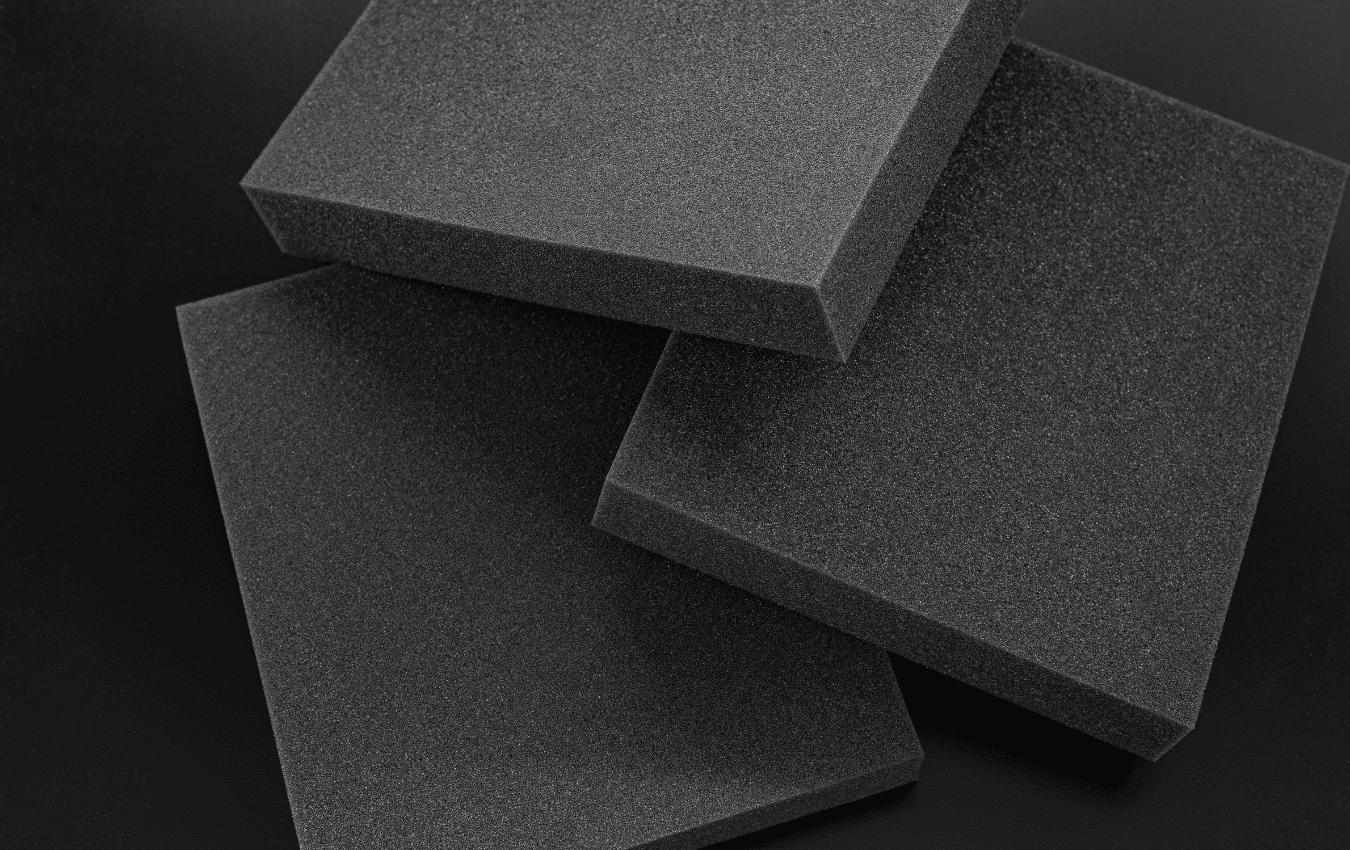
As businesses continue to seek eco-friendly and efficient packaging solutions, foam packaging is evolving to meet the demands of both consumers and industries. In 2025, foam packaging will see advancements in sustainable materials, design flexibility, and cost-efficiency, making it a more viable option for environmentally conscious businesses. Here are the top foam packaging trends to watch in 2025:

  1. Lightweight and Protective Designs
  2. Biodegradable and Recyclable Foams
  3. Custom Foam Solutions for Fragile Products
  4. Flexible and Multi-Purpose Foam Packaging
  5. Improved Cushioning and Shock Absorption
  6. Reusable Foam Packaging
  7. Smart Foam Packaging
  8. Anti-Static and Conductive Foams
  9. Cost-Effective Foam Solutions

Lightweight and Protective Designs

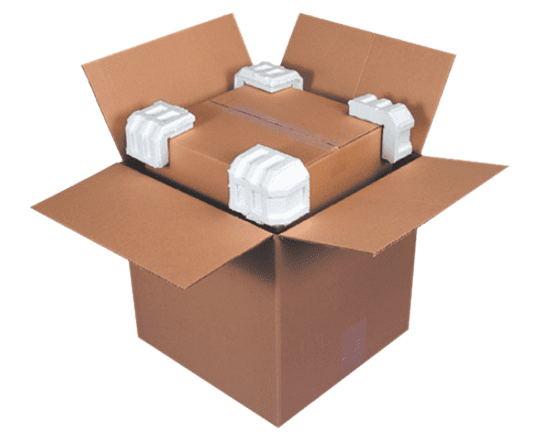
Foam packaging is favored for its ability to provide lightweight yet effective protection. In 2025, expect advanced lightweight foam materials that deliver superior cushioning while reducing overall packaging weight. This helps lower shipping costs and reduces fuel consumption during transportation.

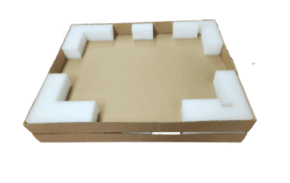
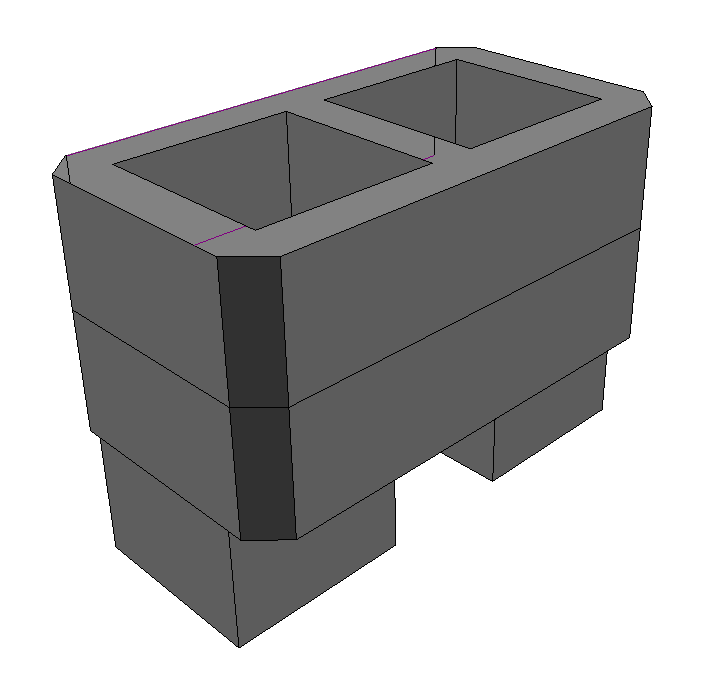
foam corner protector

Biodegradable and Recyclable Foams

Foam packaging is often criticized for being difficult to recycle, but 2025 will bring more biodegradable and recyclable foam materials into the market. Manufacturers are innovating new foam types that can break down more easily or be recycled into new packaging, reducing landfill waste and environmental harm.

Custom Foam Solutions for Fragile Products

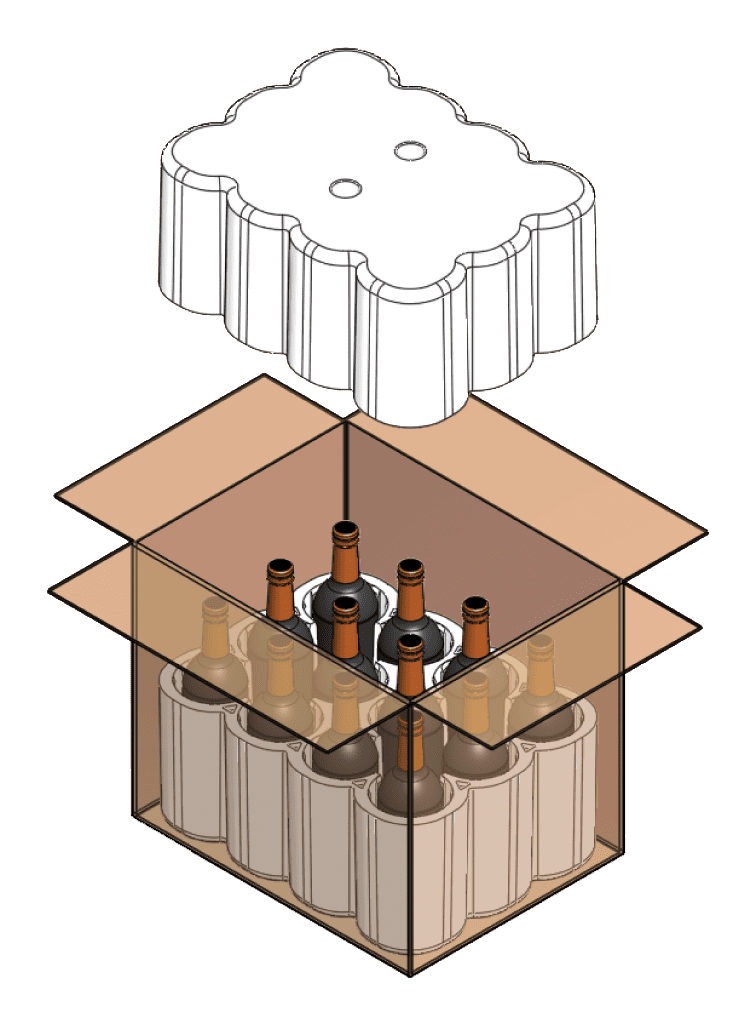
In 2025, brands will continue to seek custom foam packaging designed specifically to protect fragile or sensitive products. From electronics to delicate medical devices, custom foam inserts and shapes will help ensure that products arrive undamaged while optimizing the packaging space.

Wine Box With EPS Foam Insert

Flexible and Multi-Purpose Foam Packaging

Flexible foam solutions that can adapt to various product shapes and sizes will become more popular. Multi-use foam packaging will provide versatility for businesses looking to streamline their packaging processes while reducing the need for multiple packaging components.

Improved Cushioning and Shock Absorption

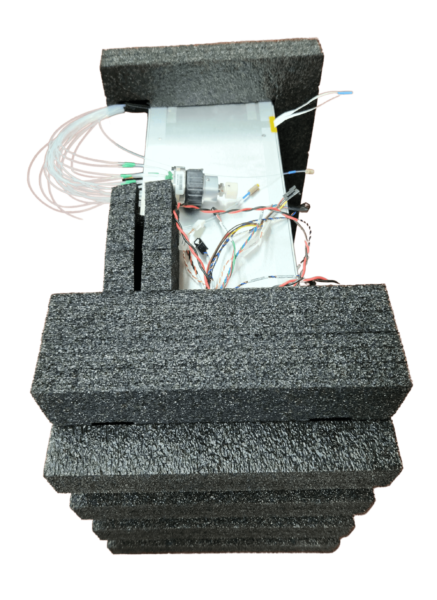
As e-commerce and global shipping continue to grow, the demand for foam packaging that offers superior cushioning and shock absorption will rise. Expect advances in foam technology that enhance impact resistance and protection, ensuring that products are safely delivered even over long distances.

Polyethylene foam

Reusable Foam Packaging

Reusable foam packaging solutions will gain traction as businesses seek ways to reduce waste and adopt circular economy practices. Foam that can be cleaned, repurposed, or reused for multiple shipments will become a cost-effective and eco-friendly choice for many industries.

Smart Foam Packaging

Smart foam packaging is emerging as a solution for high-value products that require real-time monitoring. Foams embedded with sensors or RFID tags will allow companies to track and monitor product conditions, such as temperature or humidity, ensuring quality control throughout the supply chain.

Anti-Static and Conductive Foams

Industries such as electronics and technology will continue to rely on anti-static and conductive foam packaging. These foams prevent electrostatic discharge (ESD) and protect sensitive electronics from damage during transport. In 2025, more innovative foams designed to meet these specialized needs will be developed.

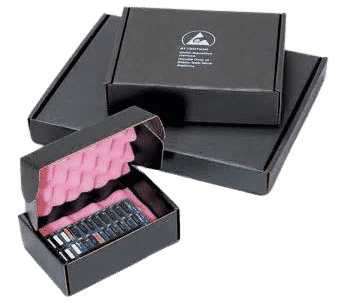
ESD custom packaging box set

Cost-Effective Foam Solutions

As businesses seek to balance sustainability with cost-efficiency, cost-effective foam packaging solutions will remain a priority. Advances in foam manufacturing processes will reduce production costs, making sustainable foam options more affordable without sacrificing performance or protection.

EPE expanded polyethylene foam

In 2025, foam packaging will focus on combining protection, and cost-effectiveness to meet the evolving needs of businesses and consumers. Companies that adopt these trends will be able to offer superior product protection while reducing their environmental impact and operational costs.

If you’re interested in foam packaging for 2025, then partner with Brown Packaging today to get started.

Most Recent Posts:
Comparing Single vs. Multi-Material Packaging

Choosing the right packaging material is one of the most important decisions buyers face. Single-material packaging offers simplicity and recyclability, while multi-material designs provide enhanced performance and protection. Understanding the

Read More »
Categories:
Subscribe To Our Newsletter

By submitting your information, you agree to our terms and conditions and privacy policy.

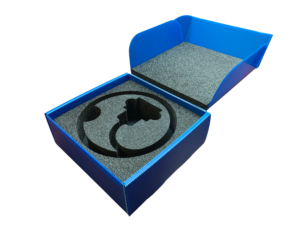
Corrugated plastic REFT with Black Foam insert
Custom Foam Packaging
Facebook
Twitter
LinkedIn
Pinterest
Relevant Posts
Shock Absorption Properties in Foam Packaging
Foam
brownpackaging
Shock Absorption Properties in Foam Packaging

In the realm of packaging, the safe transport and protection of delicate and fragile items are paramount. Foam materials serve as the frontline defense in ensuring that products remain intact throughout the rigors of transportation and handling. This comprehensive guide delves into the pivotal role of shock absorption properties in foam packaging, their profound impact on product protection, and the key considerations when selecting the ideal foam for your packaging needs. Understanding Shock Absorption Properties Before delving into the importance of shock absorption properties, it’s vital to grasp their essence. Shock absorption properties in foam packaging are primarily concerned with the foam’s ability to dissipate and absorb energy when subjected to sudden impacts or shocks. These properties encompass two key aspects: Compression Deflection (Firmness): This metric gauges the force required to compress a foam material by a specified percentage of its original thickness. It dictates the foam’s firmness and its resistance to deformation under load. Compression Set: Compression set assesses the foam’s capacity to regain its initial shape after being compressed. It quantifies the foam’s ability to rebound to its original form once the external pressure is removed. The Role of Shock Absorption Properties Safeguarding Against Impact and Shock The primary role of foam in packaging is to act as a protective barrier, shielding products from the perils of impact and shock during transit and handling. The compression deflection of foam directly influences its aptitude for absorbing and dissipating the energy generated by these impacts. Foam with well-suited compression deflection properties significantly mitigates the risk of damage to packaged goods, ensuring their pristine condition upon arrival. Preserving Product Integrity For fragile and sensitive products, maintaining their structural integrity is of paramount importance. A foam with appropriate compression set properties guarantees that, even after experiencing compression during packaging or transit, the foam will faithfully revert to its original shape. This characteristic holds particular significance for products with intricate shapes or those that necessitate secure placement within the packaging. Uniform Distribution of Forces In certain instances, packaged items may endure prolonged periods of compression, whether due to stacking in storage or during transit. The shock absorption properties of foam become crucial in such scenarios. Foam materials that boast well-matched compression deflection and compression set characteristics serve to evenly distribute the load, averting uneven pressure points that could culminate in deformation or harm to the packaged items. Customization and Versatility Packaged items come in diverse forms and dimensions, necessitating adaptable packaging solutions. By selecting foam with the appropriate shock absorption properties, packaging designers can ensure that the foam seamlessly conforms to the unique contours and fragility of each item. This tailored approach to protection is a hallmark of effective foam packaging. Choosing the Optimal Foam Material The process of selecting the right foam material with fitting shock absorption properties involves a comprehensive evaluation of your packaging prerequisites and the fragility of the products in question. Key considerations encompass: Product Weight: Bulkier items may necessitate foam with a higher compression deflection to withstand the load without undergoing deformation. Product Fragility: Items susceptible to breakage or damage benefit significantly from foam with suitable compression deflection and compression set properties, effectively absorbing and recuperating from shocks. Packaging Configuration: The design and structure of your packaging play a pivotal role in determining the foam’s shock absorption requisites. Tailored foam inserts can be instrumental in optimizing protection. Environmental Conditions: Contemplate the environmental conditions to which the packaged items will be exposed. Some foam materials are better suited for extreme temperatures or conditions involving moisture. Budgetary Considerations: Strike a balance between your packaging needs and budget constraints. Different foam materials may come at varying costs, so select one that aligns with your requirements without exceeding your budget. If you are interested in foam packaging solutions, then partner with Brown Packaging today to get started. (714)300-0650 request@brownpackaging.com Most Recent Posts: Categories: Corrugated Ecommerce ESD Design Foam Folding Carton Packaging Printing Protection Retail Rigid Box Sustainability Subscribe To Our Newsletter By submitting your information, you agree to our terms and conditions and privacy policy. Custom Packaging Facebook Twitter LinkedIn Pinterest Relevant Posts

Read More »
The Complete Guide to Choosing Custom Die-Cut Foam for Packaging
Foam
brownpackaging
The Complete Guide to Choosing Custom Die-Cut Foam for Packaging

Packaging is a crucial aspect of any business that deals with physical products. Custom die-cut foam is a popular packaging material that offers excellent cushioning and protection to the product during transportation and storage. However, before buying custom die-cut foam for packaging, packaging buyers (businesses) should consider several factors to ensure that they choose the right foam for their product. Foam Types Packaging buyers should know that there are different types of foam available in the market, including polyethylene (PE) foam, cross-linked polyethylene (XLPE) foam, polyurethane (PU) foam, and polystyrene (PS) foam. Each type of foam has its own set of characteristics, such as density, thickness, color, and durability. The weight and fragility of the product should be considered when selecting the right type of foam. Customization Custom die-cut foam offers endless possibilities in terms of customization. The packaging buyer can choose from a wide range of foam colors, thicknesses, and densities to create a unique packaging solution for their product. The foam can also be cut into various shapes and sizes to fit the product snugly. Partner with a foam manufacturer to design a custom foam insert that meets their specific packaging requirements. Protection The primary purpose of custom die-cut foam is to provide protection to the product during transportation and storage. The foam should be able to absorb shock and vibration, preventing any damage to the product. You should ensure that the foam is of high quality and has the right density to provide adequate cushioning to the product. The foam should also be able to withstand temperature changes, humidity, and moisture, especially if the product is being shipped long distances. Foam Density and Thickness The foam’s density and thickness are essential factors that affect the cushioning and protection offered by the foam. Low-density foam is suitable for lightweight products, while high-density foam is suitable for heavy and fragile products. Thicker foam is generally better for heavy and fragile products, while thinner foam is suitable for lightweight products. The packaging buyer should work with the foam manufacturer to determine the right foam density and thickness for their product. Foam Color Custom die-cut foam is available in a wide range of colors, which helps brands utilize their colors. The foam color can also be used to enhance the product’s presentation and increase brand recognition. However, you should keep in mind that certain foam colors may be more expensive than others. Foam Manufacturing Process The foam manufacturing process is an important aspect that packaging buyers should consider when choosing a foam supplier. The foam manufacturing process can affect the foam’s quality, consistency, and lead times. Look for a foam manufacturer that uses the latest manufacturing technology and equipment for accuracies and tolerances. It has a proven track record of delivering high-quality foam products. The foam manufacturer should also have a reliable and efficient supply chain to ensure on-time delivery of the foam. Cost Custom die-cut foam is generally more expensive than other types of packaging materials. The packaging buyer should factor in the cost of the foam when budgeting for their packaging needs. However, the cost of the foam can be offset by the benefits it offers in terms of product protection, branding, and customer satisfaction. It is important to consider the value of the foam in relation to the product’s value and the customer’s perceived value. Sustainability Sustainability is an increasingly important aspect of packaging, and packaging buyers should consider the environmental impact of the foam they choose. Foam is not biodegradable and can take hundreds of years to decompose. The packaging buyer should look for foam manufacturers that use recycled materials or have a closed-loop recycling system in place. The packaging buyer can also consider using other eco-friendly packaging materials, such as paper or biodegradable plastics, instead of foam. If you are interested in custom foam packaging solutions, then partner with Brown Packaging today to get started. (714)300-0650 request@brownpackaging.com Most Recent Posts: Categories: Corrugated Ecommerce ESD Design Display Flexible Packaging Foam Folding Carton Packaging Plastic Packaging Pouch Printing Protection Retail Rigid Box Thermoform Sustainability Subscribe To Our Newsletter By submitting your information, you agree to our terms and conditions and privacy policy. Custom Foam Facebook Twitter LinkedIn Pinterest Relevant Posts
Read More »
Polyethylene
Foam
brownpackaging
Understanding Polyethylene Foam In Packaging

Packaging plays a crucial role in protecting products during transit and storage. Among the various materials used for packaging, polyethylene foam stands out as an excellent choice due to its unique combination of properties that make it ideal for cushioning and protecting a wide range of items. In this comprehensive guide, we will explore everything you need to know about polyethylene foam for packaging. What is Polyethylene Foam? Polyethylene foam is a lightweight material made from polyethylene, a type of plastic. It is characterized by its high resilience, flexibility, and excellent cushioning properties. Polyethylene foam is commonly used in various industries, including automotive, electronics and aerospace. Key Properties of Polyethylene Foam Polyethylene foam’s popularity in packaging is attributed to several key properties: Cushioning and Shock Absorption One of the primary reasons for using polyethylene foam in packaging is its exceptional cushioning and shock-absorbing capabilities. The structure of the foam allows it to compress and absorb impact energy, protecting delicate or fragile items from damage during handling and transportation. Lightweight Polyethylene foam is lightweight, making it an ideal choice for reducing shipping costs while still providing adequate protection. Its low weight-to-volume ratio is advantageous for both the manufacturer and the end consumer. Water Resistance Polyethylene foam is resistant to moisture and water, which helps protect products from water damage during transit or storage. This property is particularly important for items that are sensitive to moisture. Chemical Resistance Polyethylene foam is also resistant to many chemicals, oils, and solvents, making it suitable for packaging items that may come into contact with these substances. Durability Polyethylene foam is durable and long-lasting, ensuring that it can withstand the rigors of the packaging and shipping process. It does not easily tear, puncture, or break down over time. Thermal Insulation While not as efficient as some other insulating materials, polyethylene foam provides a degree of thermal insulation, helping to protect products from temperature fluctuations during transportation and storage. Types of Polyethylene Foam Polyethylene foam comes in various forms, each tailored to specific packaging needs: Plank Foam Plank foam is a solid sheet of polyethylene foam available in various thicknesses. It is often used for cushioning, interleaving, and lining packaging boxes. Roll Foam Roll foam is a continuous roll of polyethylene foam, which can be easily cut to the desired length. It is commonly used for wrapping and protecting fragile items. Die-Cut Foam Die-cut foam refers to polyethylene foam sheets that have been cut into specific shapes or profiles to fit the contours of a product precisely. This customized approach provides optimal protection for irregularly shaped items. Anti-Static Foam For packaging sensitive electronic components, anti-static polyethylene foam is available. It prevents electrostatic discharge (ESD) that can damage sensitive electronics. Common Applications of Polyethylene Foam in Packaging Polyethylene foam finds applications in a wide range of industries and packaging scenarios, including: Electronics Packaging Polyethylene foam is commonly used to protect electronic components, such as circuit boards, computer equipment, and delicate sensors, from shock and ESD during transportation. Automotive Packaging In the automotive industry, polyethylene foam is used to protect fragile automotive parts, prevent damage to painted surfaces, and reduce noise and vibration during transit. Medical Equipment Packaging Sensitive medical equipment, instruments, and devices are often packaged using polyethylene foam to ensure they reach their destination in pristine condition. Glassware and Dishware Packaging Fragile glassware, ceramics, and dishware benefit from polyethylene foam’s cushioning properties, preventing breakage and chipping. Furniture Packaging Polyethylene foam is used to protect furniture pieces like tables, chairs, and glass tabletops from scratches and damage during shipping. Aerospace Packaging In the aerospace industry, where precision and safety are paramount, polyethylene foam is used to protect critical components and equipment during transportation and storage. Choosing the Right Polyethylene Foam for Your Packaging Needs Selecting the appropriate polyethylene foam for your packaging requirements is crucial. Consider the following factors: Thickness Choose the foam thickness based on the fragility of the item you’re packaging. Thicker foam provides better cushioning for delicate items. Density The foam’s density affects its compression and cushioning abilities. Higher-density foam offers greater protection but may be heavier and more expensive. Type Select the right type of polyethylene foam (plank, roll, die-cut, or anti-static) depending on your packaging needs and the nature of the items you’re shipping. Customization For irregularly shaped items or unique packaging requirements, consider custom die-cut foam for a tailored solution. If you are interested in polyethylene foam, then partner with Brown Packaging today to get started.   (714)300-0650 request@brownpackaging.com Most Recent Posts: Categories: Corrugated Ecommerce ESD Design Display Flexible Packaging Foam Folding Carton Packaging Plastic Packaging Pouch Printing Protection Retail Rigid Box Thermoform Sustainability Subscribe To Our Newsletter By submitting your information, you agree to our terms and conditions and privacy policy. Polyethylene (PE) Foam Facebook Twitter LinkedIn Pinterest Relevant Posts

Read More »